The El Niño 2026 Kenya safari season presents a weather pattern that contrasts sharply with Australia's forecast summer. El Niño will deliver above-average short rains to Kenya from October 2026 to January 2027, creating a green, temperate environment while Australia experiences a hot, dry summer. This guide details the necessary planning adjustments for Australian travellers regarding park selection, transport, and travel insurance for a 2026-2027 safari.
How El Niño 2026 Impacts Kenya's Weather During Australia's Summer
El Niño 2026 creates a 'mirror effect' climate pattern for Australian travellers. The Bureau of Meteorology (BoM) forecasts a hot, dry summer for Australia, while the same climate drivers deliver above-average short rains to Kenya from October through January. Two climate phenomena drive this effect: El Niño in the Pacific Ocean and a positive Indian Ocean Dipole (IOD).
A positive IOD warms sea surface temperatures off the East African coast, increasing atmospheric moisture and leading to more rain in Kenya. The Kenya Meteorological Department (KMD) forecasts this short rains season will be wetter than average in key safari regions, including the Masai Mara and Amboseli. These rains are expected to continue into January 2027, defining the safari conditions for this period.
Kenyan Parks for El Niño Short Rains Safaris
The best safari parks during an El Niño event are those with excellent natural drainage and well-maintained infrastructure. Parks in Kenya's arid north are a superior choice because their sandy soils dry quickly and they are forecast to receive less rainfall than southern parks.
Northern Kenya Parks

Samburu National Reserve is a highly recommended park due to its semi-arid climate and sandy terrain. This geography helps the ground recover quickly after downpours, keeping safari activities on schedule. The lower rainfall forecast for the region makes it a reliable choice for game viewing during the 2026-2027 short rains.
Private Conservancies
Private conservancies in Laikipia and the greater Masai Mara ecosystem offer another excellent option. These conservancies feature well-maintained, all-weather murram roads and enforce strict limits on vehicle numbers. This management prevents tracks from becoming impassable and provides a more exclusive safari experience.
Masai Mara National Reserve Considerations
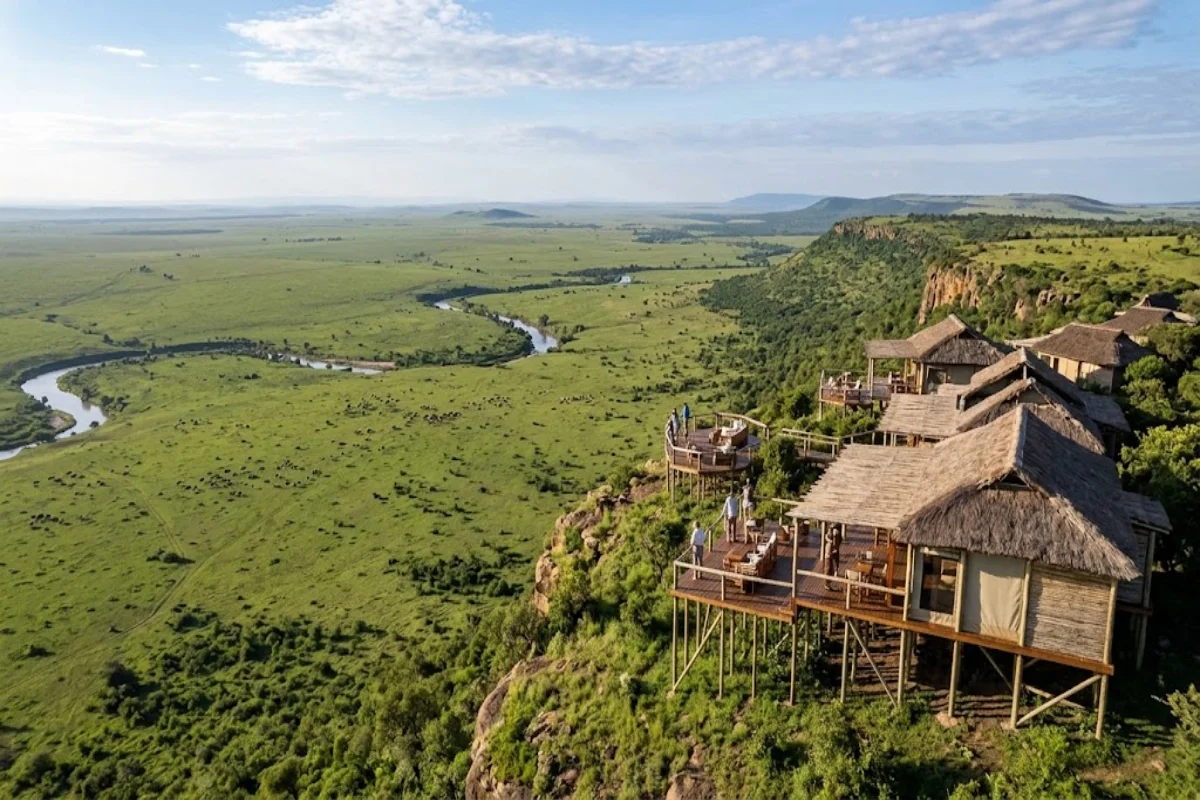
Caution is necessary when planning travel to low-lying areas of the Masai Mara National Reserve, specifically near the Talek and Mara rivers. Select camps and lodges situated on higher ground to avoid the risk of flooding during heavy rain. This ensures both safety and uninterrupted access to game drives.
How To Plan For Transport and Accommodation During Kenya's 2026-2027 Short Rains
Planning for Kenya's enhanced short rains requires prioritising specific transport and accommodation types. Fly-in safaris and carefully selected lodges mitigate most weather-related travel risks for Australian visitors.
Prioritise Fly-In Safaris
Flying between parks is the most effective strategy to navigate the wet conditions. This approach eliminates the risk of delays caused by poor road conditions on long-distance transfers and maximises time available for game drives. Most key safari destinations are serviced by reliable light aircraft networks.
Requirements for Road Travel
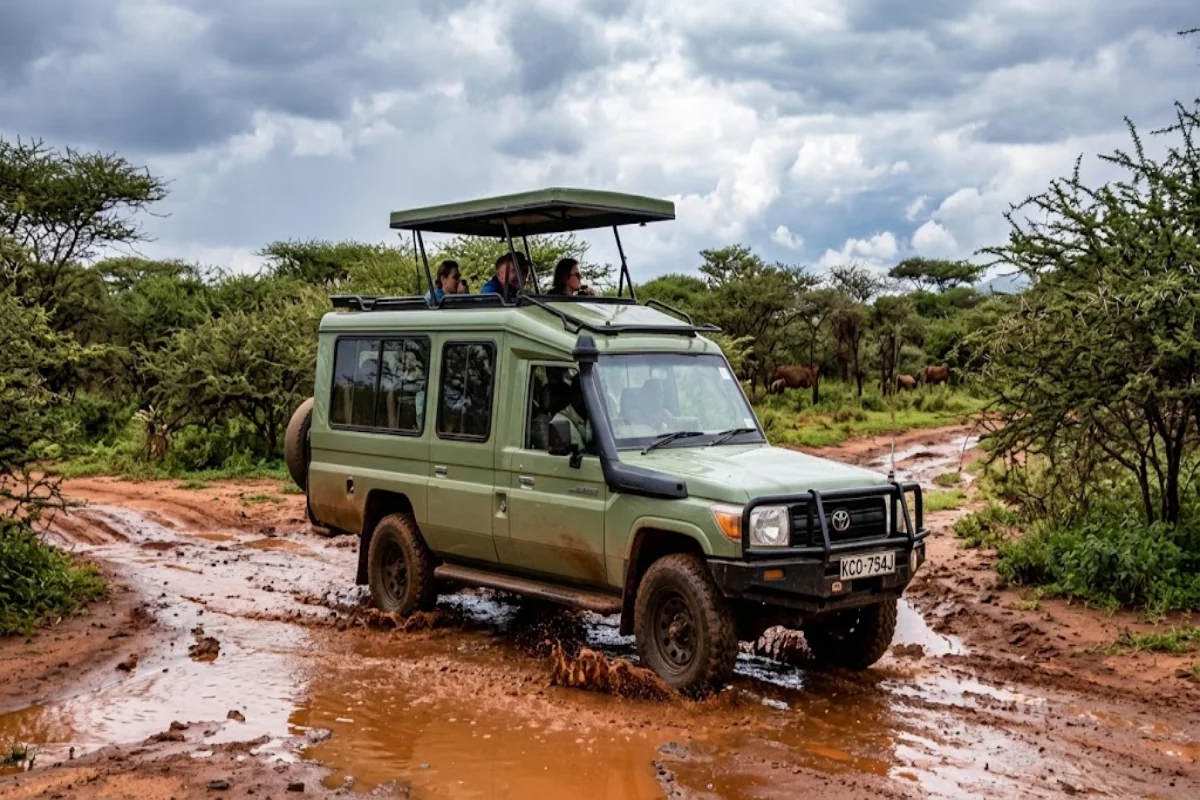
A custom 4x4 safari vehicle with an experienced local driver-guide is non-negotiable for any road travel. Main highways are generally reliable, but secondary roads and tracks within parks, especially those with black cotton soil, become very challenging when wet. Your guide's expertise in handling muddy tracks is a critical safety factor.
Selecting Accommodation
Choose camps and lodges built on hillsides or set well back from riverbanks. These locations offer better views and significantly reduce the risks associated with potential flash floods. Riverside properties have been affected by flooding in previous heavy rain seasons, making elevated positioning a key selection criterion.
El Niño Rains, Game Viewing and Photography
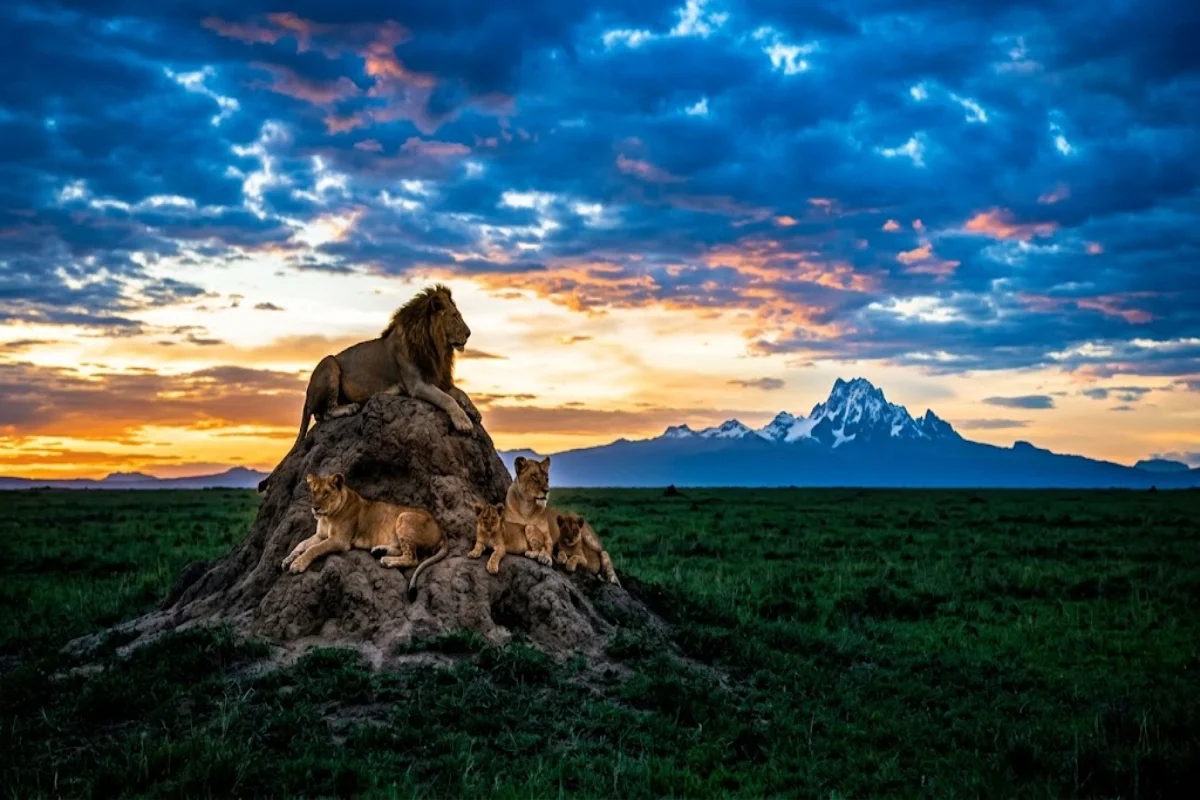
The El Niño rains change the safari experience, presenting distinct challenges and opportunities for wildlife viewing and photography. Dense vegetation can make spotting predators more difficult, but the scenic rewards are considerable.
The primary challenge is that green, thick vegetation can make spotting animals like leopards and lions more difficult than in the dry season. Wildlife may also be more dispersed because the abundance of surface water means animals do not need to congregate around permanent rivers or waterholes.
The photographic benefits, however, are significant. The landscape becomes a deep green, the skies feature dramatic clouds, and the air is clear of dust, resulting in high-contrast, clean images. This period also means far fewer tourist vehicles, leading to a more private and intimate safari experience.
Financial Implications for a 2026-2027 Safari in Kenya
Australians planning a safari during the El Niño period can find significant financial advantages, especially for travel in early 2027. The savings are driven by scheduled park fee reductions and lower seasonal accommodation rates.
The most direct saving is the scheduled reduction of Masai Mara National Reserve park fees. These fees are set to drop from US$200 to US$100 per adult per day on 1 January 2027. This change, pending final confirmation, could save a family of four approximately A$570 per day.
This period is also Kenya's 'green season', which corresponds to the shoulder or low season for tourism. Accommodation rates at many high-quality lodges and camps are considerably lower than during the peak dry season. Post-Christmas airfares from Australia in January are also often cheaper than peak December holiday prices.
Why Travel Insurance is Required for a Safari to Kenya During an El Niño
Appropriate travel insurance is non-negotiable for an El Niño safari in Kenya and must be purchased when you pay any non-refundable trip deposits. Australian travellers must read the Product Disclosure Statement (PDS) carefully before purchase to understand coverage limits related to weather.
Your PDS should be checked for clauses on trip delays, interruptions, or cancellations caused by severe weather. Because El Niño is a publicised forecast, some insurers may classify weather-related issues as a 'known event', which can affect coverage if the policy is bought after certain dates. Your policy must also include comprehensive medical coverage that specifies emergency medical evacuation for remote African travel.
How Australian School Holidays Influence Your Safari Timing During an El Niño
Australian school holidays from mid-December 2026 to late January 2027 provide a perfect window for a Kenya safari. Planning a trip for January 2027 offers a strategic advantage by aligning family travel with better weather and lower costs.
By January, the heaviest El Niño rains are typically tapering off, but the landscape remains green and wildlife is abundant. This timing allows families to benefit from the Masai Mara park fee reduction effective from January 1, 2027, lower green-season lodge rates, and more affordable post-Christmas international flights. The convergence of these factors creates an opportunity for a high-value, less crowded family safari.
- New South Wales (Eastern): 18 December 2026 – 27 January 2027
- Victoria: 19 December 2026 – 27 January 2027
- Queensland: 12 December 2026 – 26 January 2027
- Western Australia: 18 December 2026 – 31 January 2027
- South Australia: 12 December 2026 – 26 January 2027
- Tasmania: 18 December 2026 – 6 February 2027
- Australian Capital Territory: 18 December 2026 – 31 January 2027
- Northern Territory: 14 December 2026 – 28 January 2027
January 2027 for an El Niño Kenya Safari
January 2027 is the ideal month for Australians to plan a safari to Kenya during this El Niño cycle. The month combines post-rain scenery with significant financial incentives. The heaviest rains will have passed, leaving a dust-free environment with well-fed wildlife and migratory birds.
Photographic conditions are excellent, with dramatic skies and green backdrops. Travellers will benefit from the scheduled halving of the Masai Mara park fee from January 1, lower 'green season' accommodation rates, and fewer tourists. This combination makes January 2027 a prime month to experience Kenya's wildlife with considerable cost savings.
How to Prepare for an El Niño Kenya Safari
Practical and mental preparation helps ensure a successful wet season safari in Kenya. Your focus should be on functional packing and a flexible attitude.
What to Pack
Packing should prioritise function. Include a reliable waterproof rain jacket, quick-drying clothing in neutral colours, and sturdy, waterproof footwear. Increased mosquito activity after rains makes a high-quality insect repellent containing DEET necessary. You should also consult your GP about anti-malarial medication well before your departure date.
Adopting the Right Mindset
Mental preparation requires a flexible outlook. A game drive might be delayed by a sudden downpour, or a route might change due to a muddy track. Maintain clear communication with your safari operator, who uses local knowledge to adjust your itinerary for the best experience in all weather conditions.
| Safari Factor | El Niño Recommendation | Reasoning |
|---|---|---|
| Best Travel Month | January 2027 | Rains tapering, lower park fees, green season rates. |
| Ideal Parks | Samburu, Laikipia | Arid conditions, sandy soil, and better infrastructure. |
| Transport Method | Fly-in safari | Avoids delays from poor road conditions. |
| Accommodation | Camps on high ground | Mitigates risk from potential river flooding. |
| Insurance Clause | Weather disruption | Ensure coverage for delays or cancellations. |
How to Book Your Safari to Kenya with Confidence During an El Niño
Booking an El Niño safari requires partnering with a specialist operator who has current knowledge of Kenyan ground conditions. An expert will guide you to suitable parks, lodges, and transport, and will have contingency plans for wet weather.
When booking, ask your operator specific questions about their policies on itinerary changes due to weather and confirm they have a network of reliable local contacts. The Australian summer holidays are a popular travel time, so you must still book early to secure availability at preferred camps and on key flight routes. A well-planned safari works with the weather to create a memorable adventure. [Contact Kenya Safari Trails to plan your trip]