Lewa Wildlife Conservancy is a pivotal conservation area in the highland savannahs of northern Kenya. The conservancy presents a successful model of community-based conservation, providing a secure habitat for a significant diversity of wildlife while generating direct benefits for local communities.
Overview
Name
Lewa Wildlife Conservancy
Type
Conservancy
Town
Isiolo
County
Meru
Country
Kenya
Lewa Wildlife Conservancy Geography and Location
The unique geographical positioning of Lewa Wildlife Conservancy on the Laikipia Plateau underpins its ecological significance and its role as a critical wildlife corridor. Its varied terrain and strategic location north of the equator provide a foundation for rich biodiversity and offer some of Kenya's most dramatic scenery.
Diverse Terrain and Ecosystems
The conservancy covers 250 square kilometres of varied topography. Its ecosystems range from the semi-arid open plains and acacia thickets in the north to the rolling hills and riverine woodlands in the south. The Lewa Swamp forms a critical feature, acting as a large wetland that provides a permanent water source and supports a unique collection of species.
Mount Kenya Views and a Vital Biological Corridor
Lewa's position on the Laikipia Plateau affords clear, expansive views south to the peaks of Mount Kenya. The conservancy is a vital biological corridor that connects the Mount Kenya ecosystem with the conservation areas of northern Kenya, including Samburu and Il Ngwesi. This connection is essential for maintaining genetic diversity and allowing the seasonal movement of large mammals, particularly elephants.
Lewa Downs Airstrip Access
The Lewa Downs Airstrip (IATA: LEWA), situated centrally within the conservancy, provides direct air access. This location allows for efficient transfers to all lodges and camps in the area, minimising road travel time upon arrival. Daily scheduled flights from Nairobi service the airstrip.
Strategic Location North of Nairobi
Lewa is located approximately 250 kilometres north of Kenya's capital, Nairobi. The journey by road is considerable and requires careful planning within an itinerary. Its position makes it a logical inclusion in any northern Kenya safari circuit.
Main Entrance and Road Conditions
The conservancy's main entrance is clearly signposted and accessed from the A2 highway, the primary sealed road connecting Nairobi to Ethiopia. The final approach to the gate and all internal roads are unpaved, necessitating the use of 4x4 safari vehicles for all game drives and transfers.
Wildlife Highlights at Lewa
Lewa is celebrated for its exceptional wildlife density and diversity, a direct result of decades of dedicated conservation and security efforts. The conservancy offers a premier safari experience, providing not only reliable sightings of Africa's most iconic species but also unique opportunities to see rare and endangered animals.
Observing the Big Five
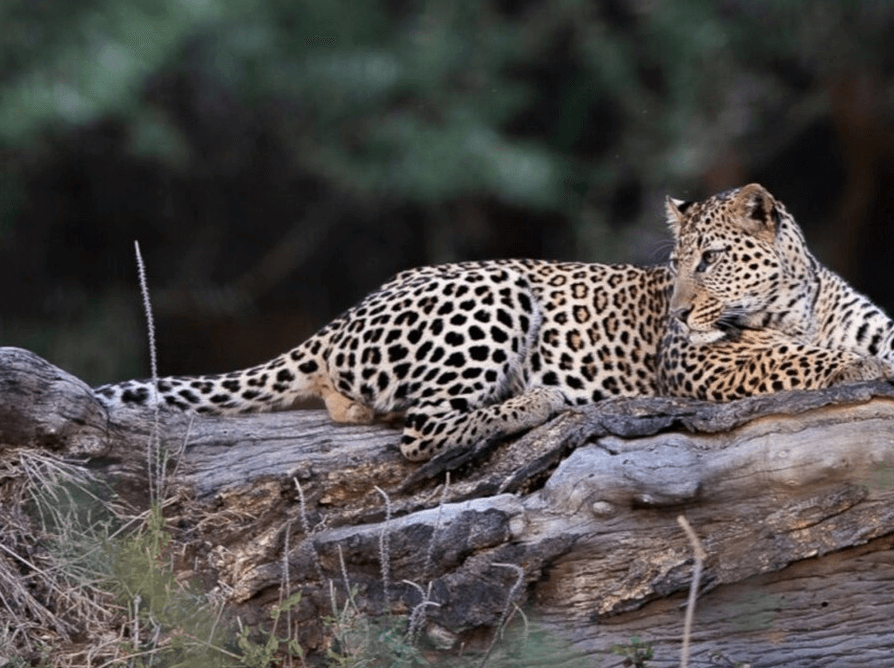
Lewa provides reliable opportunities for viewing all members of the Big Five: lion, leopard, African savanna elephant, Cape buffalo, and rhinoceros. The conservancy's robust security and effective habitat management support healthy populations of these key species. Leopards are frequently seen, and night drives increase the probability of sightings.
A Rhino Conservation Success Story
The conservancy is a cornerstone of Kenya's national rhino conservation strategy. It operates as a designated Rhino Sanctuary, providing a secure breeding habitat for over 250 individuals, including the critically endangered Eastern black rhino and the Southern white rhino. This population represents approximately 14% of Kenya's entire rhino population, making Lewa one of the best locations in East Africa for rhino viewing.
The Grevy's Zebra Global Stronghold
Lewa is a global stronghold for the endangered Grevy's zebra. The conservancy protects the world's largest single population of this species, which is distinguished from the more common plains zebra by its larger size, finer stripes, and large, rounded ears. The high density of Grevy's zebra makes sightings virtually guaranteed.
The Mount Kenya Elephant Corridor
A dedicated elephant underpass constructed beneath the A2 highway facilitates the safe movement of elephants between Mount Kenya and the northern rangelands. This innovative solution mitigates human-wildlife conflict and ensures the ancient migratory route remains open. Observing herds using this corridor is a significant conservation-in-action sight.
Sighting the Northern Special Five
In addition to the Big Five, Lewa is an excellent location to see species adapted to the arid and semi-arid conditions of northern Kenya. These animals are often referred to as the 'Northern Special Five' and include:
Reticulated Giraffe
Grevy's Zebra
Beisa Oryx
Somali Ostrich
Gerenuk
Locating the Rare Sitatunga Antelope
The Lewa Swamp offers a rare opportunity to see the semi-aquatic Sitatunga antelope. This shy, swamp-dwelling herbivore has splayed hooves adapted for walking on soft, marshy ground. Sightings require patience and are a notable highlight for dedicated wildlife observers.
African Wild Dog Encounters
Packs of African wild dogs, also known as painted dogs, frequently transit through Lewa. While not permanent residents, their presence is common due to the abundance of prey and the large, protected area the conservancy provides. Their cooperative hunting behaviour makes for compelling viewing.
Nocturnal Species on Night Drives
As a private conservancy, Lewa permits night game drives, an activity not allowed in Kenya's national parks. These excursions provide a chance to see nocturnal species such as aardvark, bat-eared fox, bushbaby, and predators like leopards and spotted hyenas during their most active hours.
Accessing Lewa Wildlife Conservancy from Australia
Travelling from Australia to the remote wilderness of northern Kenya requires careful logistical planning. The journey involves a long-haul international flight to Nairobi, followed by a short domestic connection directly into the conservancy, a combination that maximises time on safari.
Long-Haul Flights from Australia to Nairobi
Jomo Kenyatta International Airport (NBO) in Nairobi is the primary international gateway. Travellers from Australian cities like Sydney, Melbourne, or Brisbane will require at least one stopover, typically via hubs in the Middle East (Doha, Dubai) or Asia. Total flight time, including connections, is upwards of 20 hours.
Airport Transfers Within Nairobi
Upon arrival at JKIA, a road transfer is required to Wilson Airport (WIL), Nairobi's domestic hub for safari flights. This transfer can take between 30 and 90 minutes depending on traffic conditions and should be factored into any itinerary to ensure sufficient connection time.
Domestic Flights to Lewa Downs Airstrip
The most efficient transfer from Nairobi to Lewa is by a scheduled domestic flight. Airlines such as Safarilink and AirKenya Express operate daily services from Wilson Airport (WIL) to Lewa Downs Airstrip (LEWA). The flight duration is approximately 50 to 60 minutes.
Overland Road Transfers to Lewa
A road transfer from Nairobi is possible and takes four to five hours without stops. A 4x4 vehicle is required for this journey. This option allows for sightseeing en route, including a stop at the equator, but it consumes a significant portion of a day.
Train and Road Combination Journey
For a slower, more scenic journey, travellers can take the train from Nairobi to Nanyuki. From Nanyuki railway station, a pre-arranged road transfer of about 1.5 hours is necessary to reach the conservancy. This is not the most time-efficient option but appeals to some visitors.
The Best Time to Visit Lewa Wildlife Conservancy
The climate at Lewa is dictated by two distinct dry and wet seasons, each offering a different but equally rewarding safari experience. The optimal time for a visit depends on a traveller's priorities, whether it be peak wildlife visibility or the benefits of a quieter, greener season.
Dry Season Wildlife Viewing
The long dry season from June to October and the short dry season from December to March are considered the optimal times for observing wildlife. During these periods, vegetation is less dense, and animals congregate around the limited water sources, including the Lewa Swamp, making them easier to locate.
Wet Season Scenery and Birding
The long rains occur from late March to May, with short rains in November. While some tracks may become challenging, these months bring brilliant green scenery, fewer visitors, and excellent birdwatching as migratory species are present. It is a good time for travellers seeking a more solitary experience.
Excellent. Dry conditions, clear skies, high wildlife visibility.
Long Rains
April - May
Fair. Roads can be difficult, fewer tourists, excellent birding.
Safari Planning Advice for Australian Travellers
Australians planning a safari to Lewa must account for the long travel duration and specific entry requirements for Kenya. Proper planning ensures a smooth and rewarding trip from the moment of departure.
Pre-Safari Stays to Counter Long-Haul Travel
The journey from Australia to Kenya is significant. It is highly advisable to schedule a pre-safari overnight stay in Nairobi. This allows for recovery from the flight and mitigates the risk of missing onward connections to Lewa due to international flight delays.
Recommended Safari Duration from Australia
Given the travel time involved, a minimum of 10 to 14 days in Kenya is recommended to make the trip worthwhile. This duration allows for three to four nights in Lewa combined with another destination, such as the Maasai Mara, to experience different ecosystems.
Kenya Entry Requirements for Australian Citizens
Australian passport holders require an Electronic Travel Authorisation (eTA) to enter Kenya. Applications must be completed online through the official government portal well in advance of the travel date. It is critical to check the latest government requirements before booking.
Health Precautions and Required Vaccinations
A Yellow Fever vaccination certificate is highly recommended and may be mandatory if transiting through a country with risk of yellow fever transmission. Travellers should consult a travel doctor at least six to eight weeks prior to departure for advice on other vaccinations, such as Hepatitis A and Typhoid, and appropriate malaria prophylaxis.
Currency and Budgeting for an Australian Traveller
Most safari lodges and conservancy fees at Lewa are priced in US Dollars (USD). When budgeting, Australians must account for the AUD to USD exchange rate. Major credit cards are accepted at most lodges, but having some USD or Kenyan Shillings (KES) for small purchases and tips is useful.
Booking Safaris During Australian School Holidays
The Australian winter school holidays in July and the spring holidays in September and October align perfectly with Kenya's peak dry season. The summer holidays in December and January also match a prime viewing period. These are high-demand times, requiring bookings 9 to 12 months in advance to secure accommodation and optimal flight pricing.
Planning Your Lewa Wildlife Conservancy Safari
A safari in Lewa offers a distinct advantage over many public national parks due to its community-led, low-impact tourism model. This approach ensures that every visit is not only exclusive and deeply personal but also directly contributes to the long-term sustainability of the ecosystem and the well-being of its people.
Exclusive and Low-Density Safari Experiences
The conservancy model intentionally limits the number of lodges and vehicles, ensuring a low-density tourism experience. This management prevents vehicle congestion that can occur in some national parks and allows for more intimate and uninterrupted wildlife sightings. It is not uncommon to be the only vehicle at a sighting, which provides a high-quality, unobscured viewing and photography experience.
Investing in Community and Conservation
A safari to Lewa is a direct investment in conservation. A significant portion of the conservancy fees and accommodation revenue is reinvested into security, wildlife monitoring, and community development programmes. The conservancy operates in partnership with local communities, supporting numerous projects including schools, healthcare clinics, and water infrastructure. Visitors can arrange to visit these projects to understand how their safari contributes to local livelihoods.
Active Safari Adventures
Beyond traditional vehicle-based game drives, Lewa offers a range of more active pursuits. Guided bush walks with armed rangers provide a ground-level perspective on the ecosystem, focusing on tracks, insects, and plant life. Trail running with a support vehicle is also possible for keen runners.
Horseback and Camel Safaris
Experiencing parts of the conservancy on horseback or camelback offers a unique safari perspective. Wild animals are often less skittish around horses and camels than they are around vehicles, allowing for closer, quieter encounters with plains game like zebra, giraffe, and impala.
Family-Friendly Safari Activities
Lewa is well-suited for family safaris. Many lodges offer tailored activities for children, such as visits to the tracker dog unit, educational sessions at the conservation headquarters, guided nature walks focusing on small insects and plants, and cultural visits to local communities.
Specialised Conservation Activities
For those with a deep interest in conservation, it is possible to pre-arrange specialised activities. These can include behind-the-scenes visits to the conservancy's operations centre, meeting the anti-poaching and tracker dog teams, or spending time with researchers who are monitoring key species.
For an optimal safari experience in Lewa Wildlife Conservancy, the dry seasons from January to February and June to September offer minimal rainfall, lower humidity, and excellent visibility for wildlife viewing, though mornings and evenings remain cool, necessitating warm layers.