Meru National Park occupies Kenya's central-eastern region, situated east of the Nyambene Hills approximately 350 kilometres from Nairobi. Its distinct geography and varied habitats provide a safari experience that differs significantly from the southern savannahs, reinforced by a characteristically low visitor density.
Overview
Name
Meru National Park
Type
National Park
Town
Maua
County
Meru
Country
Kenya
Meru National Park's Varied Geography and Landscapes
Meru National Park protects 870 square kilometres of highly varied terrain. Its character shifts from arid, open plains near the Mulika area to dense acacia woodlands. Thick riverine forests and Commiphora scrub, a type of dry-country bushland, intersect these zones, creating a mosaic of distinct biomes within one protected conservation area.
The Thirteen Permanent Rivers of Meru
A network of thirteen permanent rivers and countless streams, all originating from the Nyambene Hills, defines the park's ecosystem. Major watercourses, including the Tana, Rojowero, and Murera rivers, guarantee a constant water supply throughout the driest months. This reliable water source supports dense riverine vegetation and sustains a high concentration of wildlife year-round, a feature uncharacteristic of Kenya's more arid northern regions.
The Meru Rhino Sanctuary A Conservation Success Story
An 80-square-kilometre, heavily protected and fenced rhino sanctuary is secured within the park's western boundary. This initiative remains critical to the conservation of rhinoceros populations in Kenya. The sanctuary protects a significant and growing population of both Eastern black rhinos and Southern white rhinos, numbering over 100 individuals and positioning Meru as one of the country's most reliable locations for rhino sightings.
Adamson's Falls and the Mughwango Hill Lookout
Key geographic landmarks provide perspective on the park's considerable scale. Adamson's Falls are a series of powerful rapids along the Tana River, carving a rugged and dramatic section through the park’s primary waterway. For superior orientation, Mughwango Hill presents expansive views across the plains. Visitors can see the distant peaks of Mount Kenya from this vantage point on days with high visibility.
Meru National Park's Diverse Wildlife
Meru National Park's permanent water sources support a convergence of northern and southern Kenyan fauna, resulting in a high diversity of animal species. The varied habitats mean that game drives frequently yield a wide range of sightings within a single outing.
Sighting the Big Five in Meru
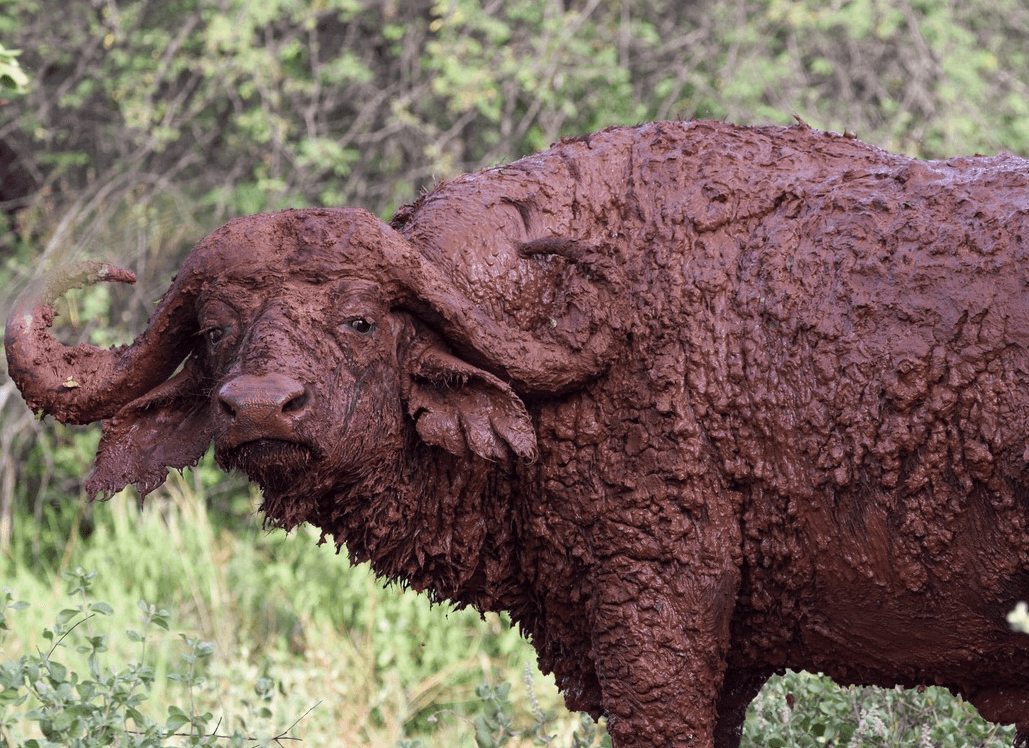
Meru National Park is a reliable Big Five destination. Large breeding herds of elephants and significant populations of African buffalo are common sightings. Lions inhabit the entire park, while elusive leopards use the dense riverine forests for cover. The dedicated rhino sanctuary ensures consistent sightings of both black and white rhinoceros, completing the Big Five checklist for visitors.
The Northern Special Five
Meru National Park is notable as one of the few conservation areas where travellers can see the "Northern Special Five". These species are primarily associated with the arid territories of northern Kenya and possess adaptations for drier conditions. They are not typically found in southern parks such as the Maasai Mara or Amboseli.
Reticulated Giraffe: Recognisable by its clearly defined, net-like coat pattern.
Grevy’s Zebra: Larger than the common plains zebra, with narrower, more numerous stripes and large, rounded ears.
Gerenuk: A long-necked antelope that often stands on its hind legs to browse on shrubs.
Lesser Kudu: A handsome, striped antelope that prefers dense thickets.
Somali Ostrich: Distinguished by its blue-grey neck and legs, differing from the pink-necked Maasai Ostrich.
Specialist Birdwatching in Meru
Meru National Park's bird list exceeds 400 species, making it a significant destination for ornithology. Its river systems and doum palms create vital habitats for specialist water birds that are difficult to locate elsewhere in the country. Key species include the Pel’s Fishing Owl, a large nocturnal hunter sought by serious birders, and the secretive Peter’s Finfoot, an aquatic bird inhabiting quiet, wooded rivers. The park is also a known habitat for regional endemics such as the Hinde's Babbler.
The 'Born Free' Legacy of Elsa the Lioness
Meru holds deep historical significance as the setting for the conservation work of George and Joy Adamson. They famously raised and released the orphaned lioness, Elsa, on these plains, a story immortalised in the book and film 'Born Free'. This legacy adds a unique historical and emotional context to any safari in Meru National Park.
Getting to Meru National Park from Australia
Reaching Meru National Park from Australia involves a combination of international long-haul flights, domestic light aircraft transfers, and final ground transport. These logistical steps must be carefully factored into any Kenyan itinerary.
International Flights to Nairobi
Australian travellers will arrive in Kenya at Jomo Kenyatta International Airport (JKIA) in Nairobi. This long-haul journey usually includes a stopover in a major Middle Eastern hub like Doha or Dubai. The total travel time from Australian east-coast cities is substantial, frequently exceeding 20 hours.
Light Aircraft Transfers to Mulika Airstrip
The most efficient transfer from Nairobi to Meru National Park is via a scheduled light aircraft. These flights depart from Nairobi’s secondary airport, Wilson Airport (WIL), and land directly inside the park at the Mulika Airstrip. Reputable local carriers like Safarilink and AirKenya Express service this route, with a flight duration of approximately 60 to 90 minutes.
Overland Transfers from Nairobi
A road transfer from Nairobi offers an alternative to flying. The journey spans approximately 350 kilometres and typically requires five to seven hours, contingent on traffic and road conditions. The route follows the A2 highway north through towns like Nanyuki before turning east towards the park. A 4x4 vehicle is mandatory for the final sections of this drive and for all subsequent game drives inside Meru National Park.
Primary Road Access via the Murera Gate
For all visitors arriving by road, the Murera Gate serves as the primary point of entry. It is situated on the park's western side and provides the most direct access to the rhino sanctuary and the main accommodation areas.
The Best Seasons to Visit Meru National Park
Meru's equatorial climate creates distinct dry and wet seasons, each influencing the logistics and quality of wildlife viewing.
Optimal Wildlife Viewing in the Dry Seasons
The long dry season from June to September, along with the shorter dry period from January to February, represent the best times for a Meru safari. Vegetation thins out during these months, making animals easier to locate. Wildlife also congregates around the park's thirteen permanent rivers and other water sources, creating more predictable and rewarding viewing opportunities.
Green Season Scenery and Migratory Birds
The primary rainy season runs from March to May, with shorter rains typically occurring from October to December. While certain tracks can become impassable, the park transforms into a verdant green landscape and visitor numbers are at their lowest. This period is exceptionally rewarding for birdwatching, as Palearctic migratory species are present from November to April.
Practical Information for Australian Travellers
Careful advance planning is essential for a well-organised trip from Australia to a remote Kenyan destination like Meru National Park.
Kenyan Visa and Vaccination Requirements for Australians
Australian passport holders must secure an electronic visa (e-Visa) prior to departure for entry into Kenya. This visa is obtained through the official government online portal. A valid Yellow Fever vaccination certificate is a mandatory entry requirement. Travellers should also consult a specialised travel doctor for other recommended immunisations well in advance of their travel dates.
Budgeting for Meru Park Fees and Expenses
Park entry fees, set by the Kenya Wildlife Service (KWS), form a key component of any safari budget. These conservation fees are charged per 24-hour period spent inside the park. All payments at park gates are strictly cashless, requiring a credit card (Visa or Mastercard) or the local M-Pesa mobile money platform.
Fee Category
Rate (USD)
Notes for Australians
Non-Resident Adult
$52 per 24hrs
Budget based on current AUD/USD exchange rate.
Non-Resident Child
$26 per 24hrs
Applies to ages 3-17 years.
Safari Vehicle
KES 1,000
Fee per vehicle, usually included in package cost.
Recommended Stay and Itinerary Pairings
Given the long travel time from Australia, a visit to Meru is best organised as a two or three-night stay. This fits comfortably within a broader Kenyan itinerary of 10 to 14 days. The park combines well with circuits including Samburu National Reserve to the north or the private conservancies of the Laikipia Plateau, as these destinations also feature some of the northern special species.
The Unique Safari Appeal of Meru National Park
Meru delivers a safari experience focused on authentic wilderness and diverse wildlife, far from the crowds of Kenya's more frequented parks.
An Exclusive and Uncrowded Safari Experience
The park's primary appeal lies in its low visitor density, which provides a sense of exclusivity and allows for quiet, undisturbed wildlife observation. This uncrowded atmosphere, combined with near-guaranteed rhino sightings, the presence of the northern special species, and classic Big Five game viewing, makes Meru a compelling choice for repeat safari travellers or anyone seeking a genuine wilderness alternative to Kenya's main tourism circuits.
Meru National Park for Australian Families
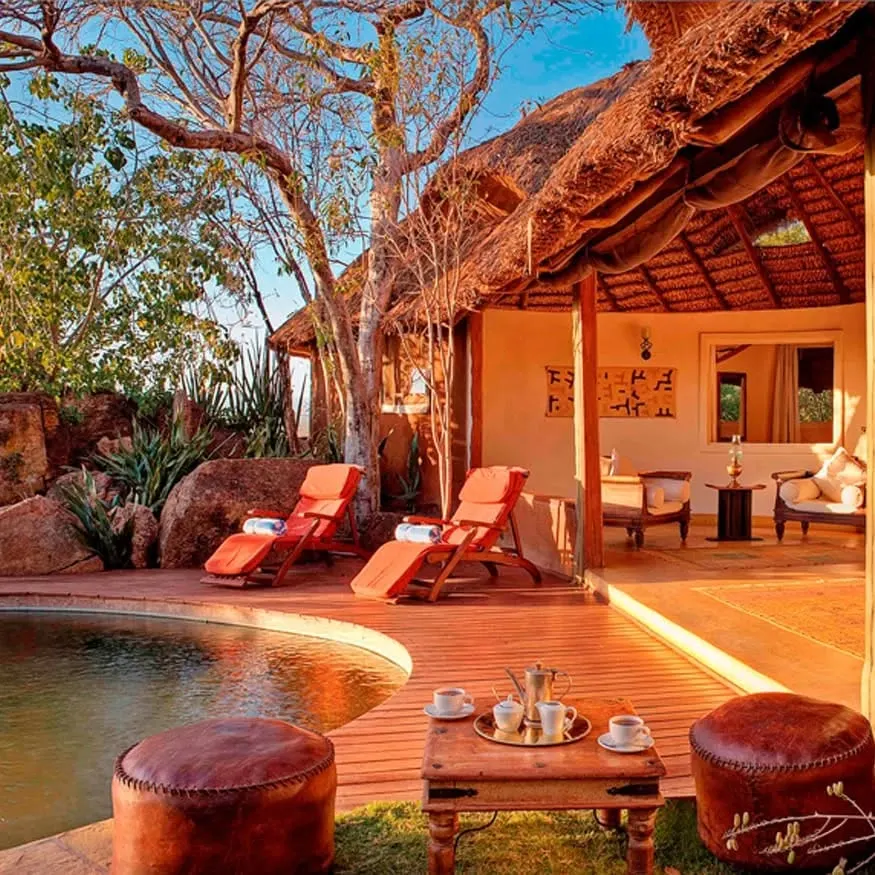
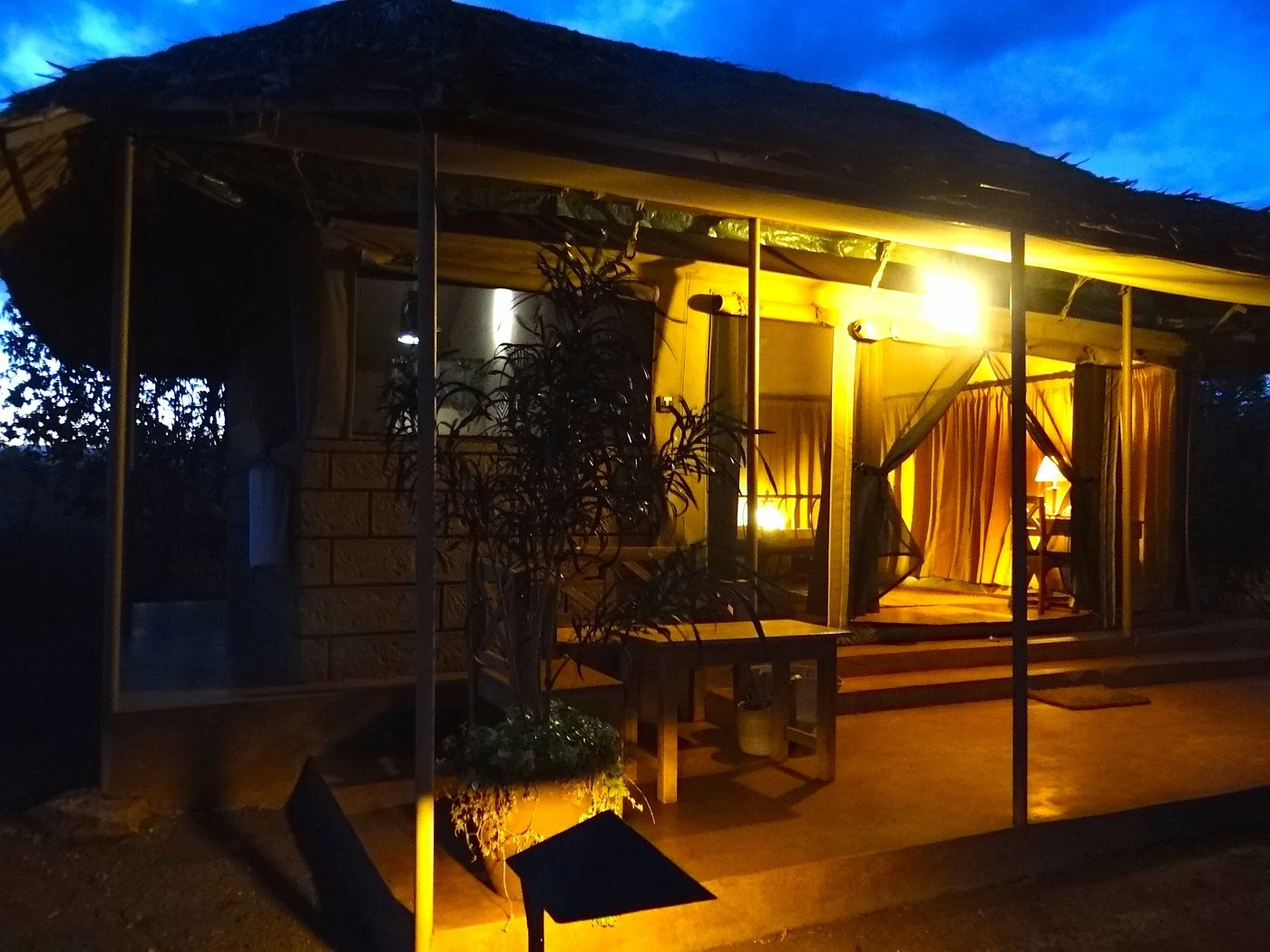
Meru is a highly suitable safari destination for Australian families with an adventurous spirit. The reliable rhino viewing in the sanctuary is a significant advantage for keeping children engaged during game drives. The historical story of Elsa the Lioness provides a powerful narrative that can capture the imagination of younger travellers. Family travel planners must, however, account for the long international and domestic transit times, and the wild, unfenced nature of most accommodation inside the park.
For optimal game viewing and ease of travel, Meru National Park is best visited during the long dry season from July to September, or the shorter dry period in January and February. These months feature minimal rainfall, lower humidity, and abundant sunshine, making road conditions excellent and wildlife more concentrated around permanent water sources.