The Best Safari Destinations in Kenya for Wildlife Viewing
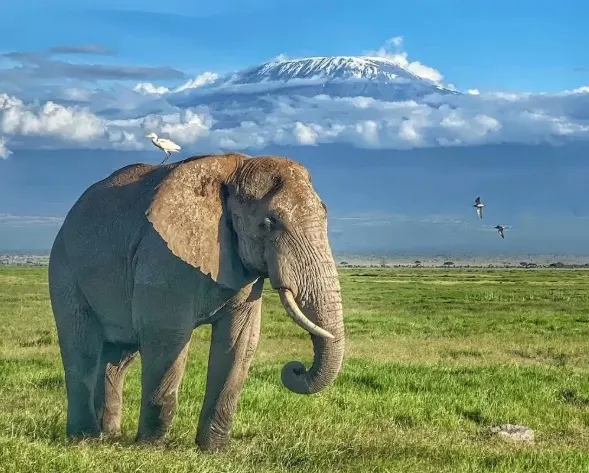
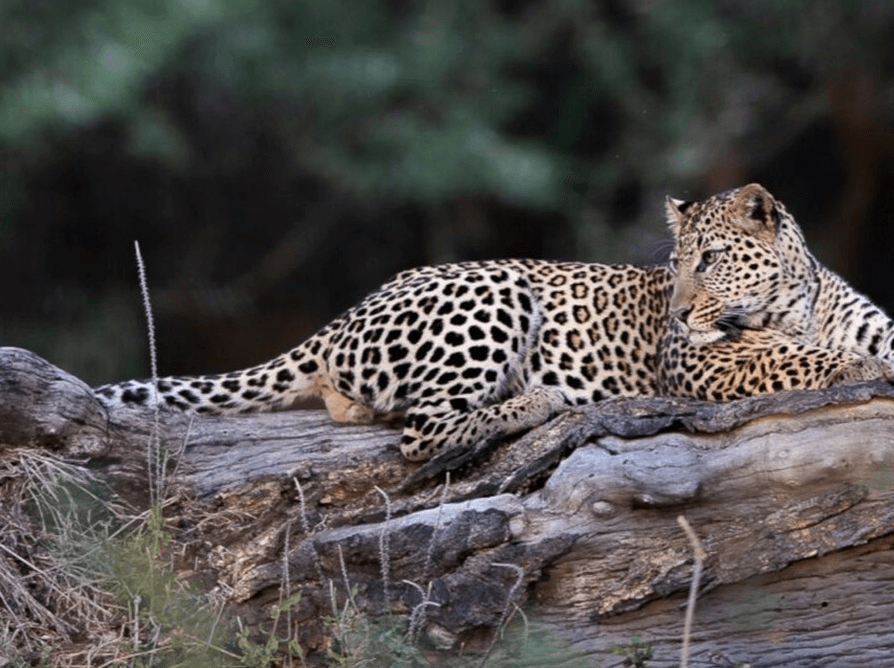
Choosing the right destination depends on the specific wildlife you intend to see. For the highest density of big cats (lions, cheetahs, leopards), the Masai Mara National Reserve is the primary choice, particularly between July and October during the Great Migration. However, for travelers prioritizing elephant herds, Amboseli National Park offers superior sightings due to its open plains and hydrology fed by Mount Kilimanjaro.
For a more specialized fauna, the northern circuit including Samburu National Reserve provides access to the "Special Five"—species like the Reticulated Giraffe and Grevy's Zebra that are not found in the southern parks. We often combine these destinations to ensure a comprehensive wildlife checklist.
Top Hiking and Trekking Destinations: Beyond Mount Kenya
While Mount Kenya is the premier trekking destination, reaching Point Lenana (4,985m) requires acclimatization. We recommend lesser-known hiking entities for preparation. The Aberdare National Park offers the Elephant Hill trail, a challenging day hike through bamboo forests that mimics the conditions found on Mount Kenya.
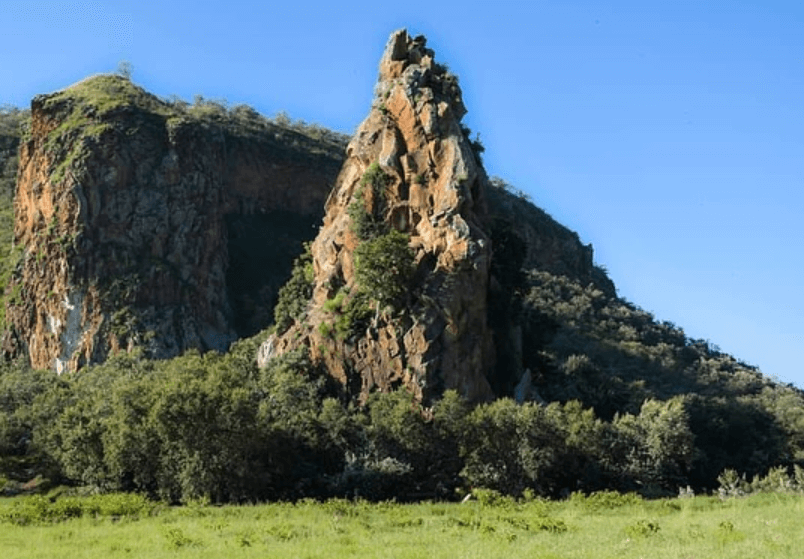
For moderate difficulty, Mount Longonot in the Great Rift Valley allows hikers to walk the rim of a dormant volcano crater. Hell's Gate National Park provides a unique lower-altitude option where you can hike through gorges alongside grazing zebras and giraffes, making it suitable for active families.
Selecting Destinations Based on Seasonality
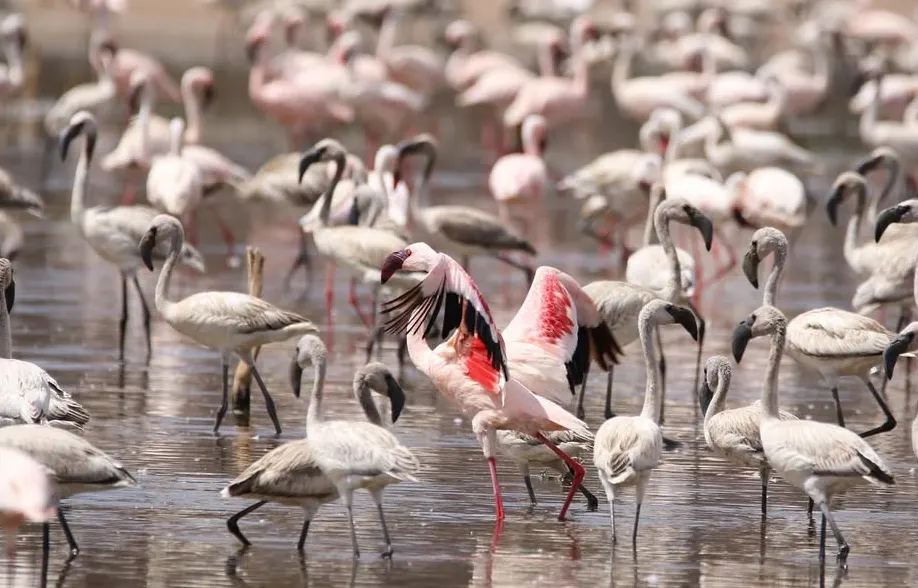
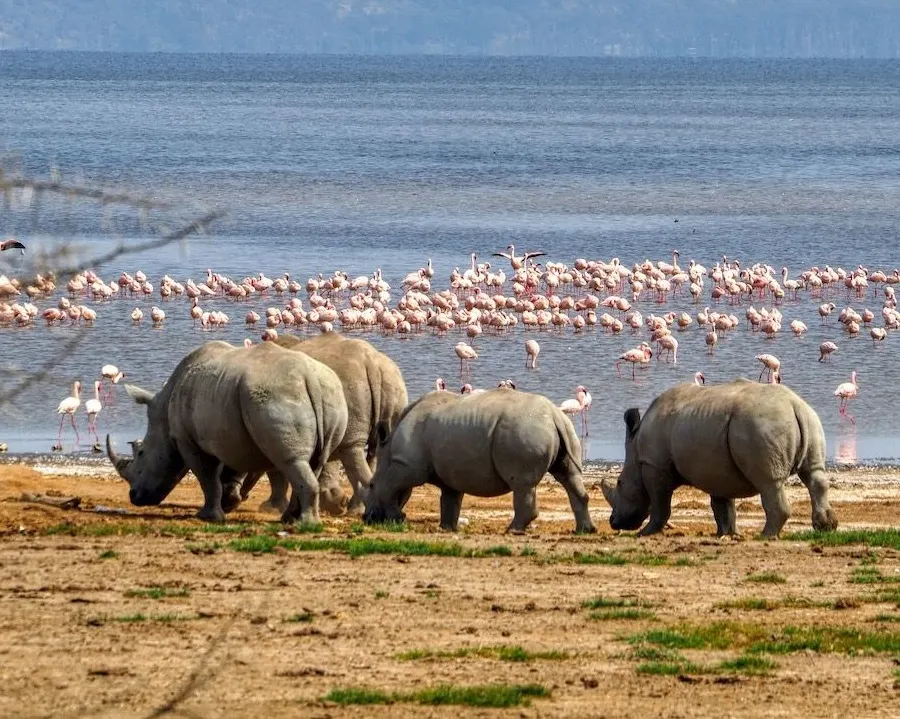
Timing impacts the quality of game viewing. The Masai Mara is best visited from July to October for the river crossings. However, the wet seasons (April-May and November) are optimal for Lake Nakuru and Bogoria as bird populations, including flamingos, thrive in higher water levels.
For hiking, the dry windows of January-February and August-September are critical for Mount Kenya expeditions to avoid dangerous ice conditions on the summit approach.
Safari Logistics: Road vs Fly-in Itineraries
We categorize destinations by their accessibility from Nairobi. Tsavo West and Amboseli are easily accessible via road using our 4x4 Land Cruisers, allowing for a scenic journey through the countryside.
Conversely, distinct northern destinations like Lewa Wildlife Conservancy or the Mara North Conservancy often warrant a fly-in safari using light aircraft from Wilson Airport. This maximizes time on the ground and provides an aerial perspective of the ecosystem, though it restricts the luggage allowance compared to road-based options.
Combining Bush and Beach: Safari Extensions
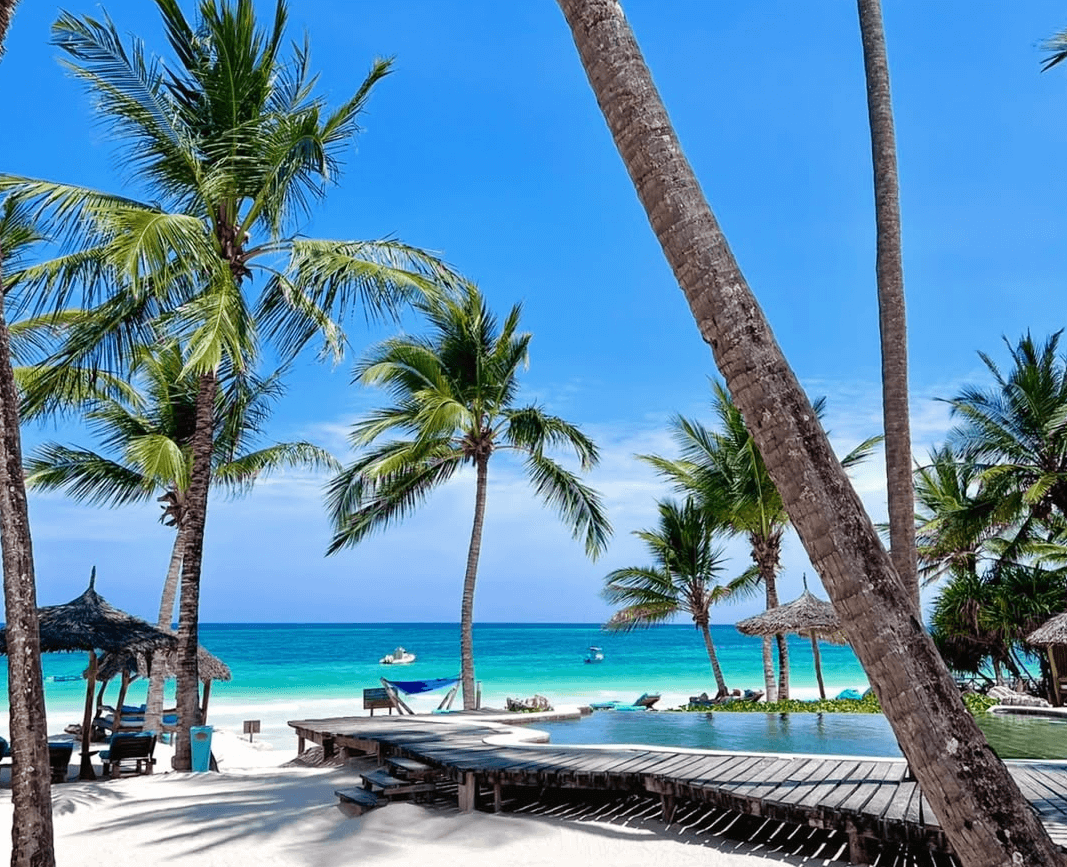
Most UK travelers conclude their itinerary with a coastal stay. Tsavo East National Park is the strategic link for this itinerary, as it allows visitors to finish their game drive and transfer directly to Diani Beach or Malindi by road or the Madaraka Express train. This logistic flow prevents the need to return to Nairobi, saving a full day of travel.