 2 Days / 1 Nights
3-Day Mount Kenya Nature Trek (Sirimon)


Overview of 3-Day Mount Kenya Nature Trek (Sirimon)
3 Days / 2 Nights
Duration
Nairobi
Location
A$1,007.50
per person
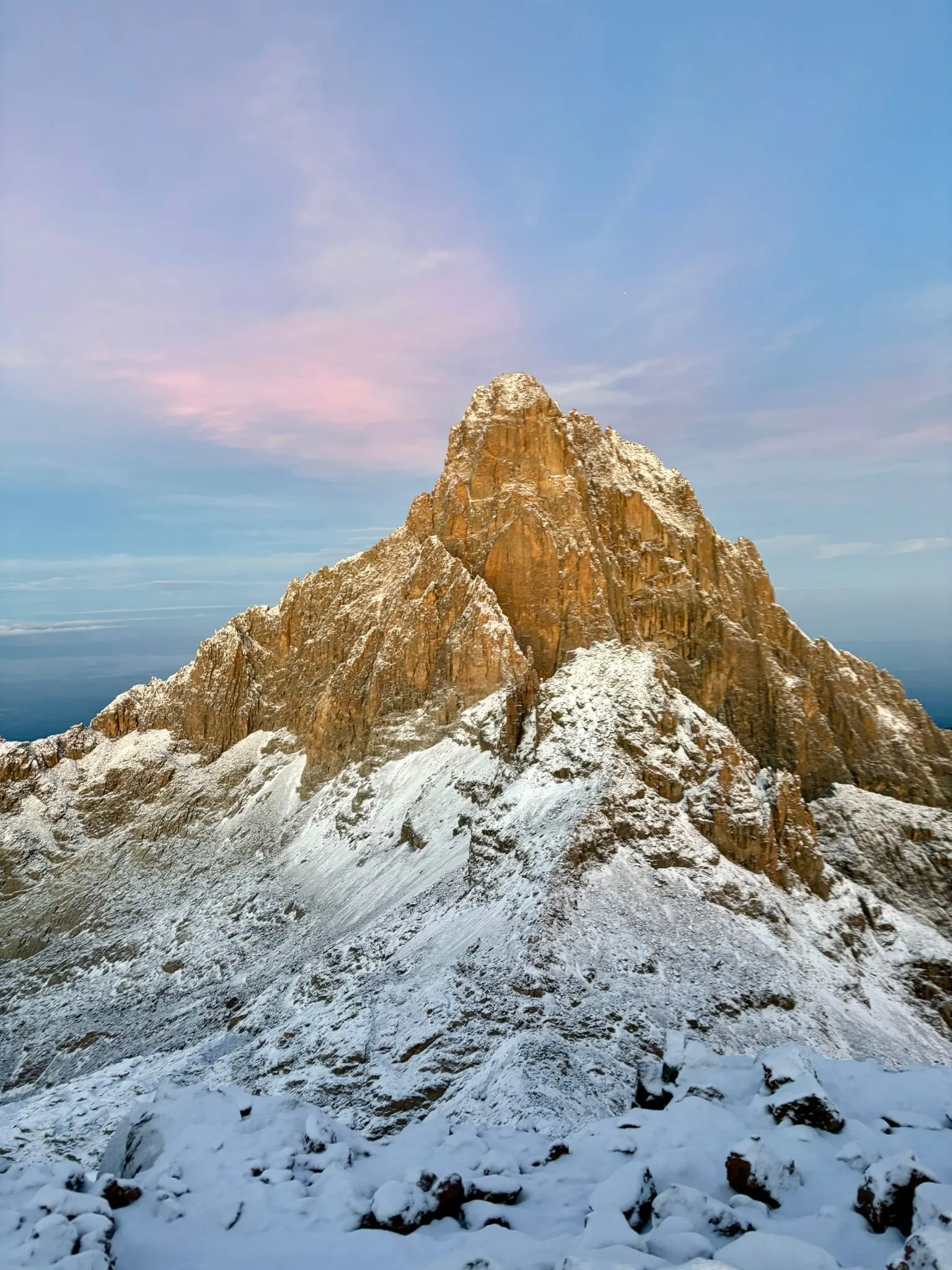
This 3-day trek ascends Mount Kenya via the Sirimon route. The itinerary is structured for gradual acclimatisation, passing through distinct ecological zones from forest to moorland.
Highlights of this Tour
✓
Ascend Mount Kenya via the scenic Sirimon route
✓
Optimal acclimatization for a successful trek
✓
Traverse montane forest and expansive moorlands
✓
Experience a unique high-altitude wilderness
Itinerary and Where to Stay
Day 1: Ascend to Old Moses Camp via Sirimon Gate
Your adventure begins with a 07:00 AM departure from Nairobi, travelling north towards the highlands of Mount Kenya. Morning: After completing formalities at the Sirimon Gate (2,660m), we begin our trek. Midday: The trail winds through lush montane forest, home to diverse birdlife, before opening into expansive heathland where we'll stop for a picnic lunch. Afternoon: Arrive at Old Moses Camp (3,300m) and settle in. A short acclimatisation walk offers breathtaking views of the surrounding peaks and valleys, a perfect introduction to the crisp mountain air before a hearty dinner.
Meals Day 1: Lunch, Dinner
Destination: Mount Kenya National Park
Where you sleep
Old Moses Camp
BudgetDay 2: Trek through Mackinder Valley to Shipton's Camp
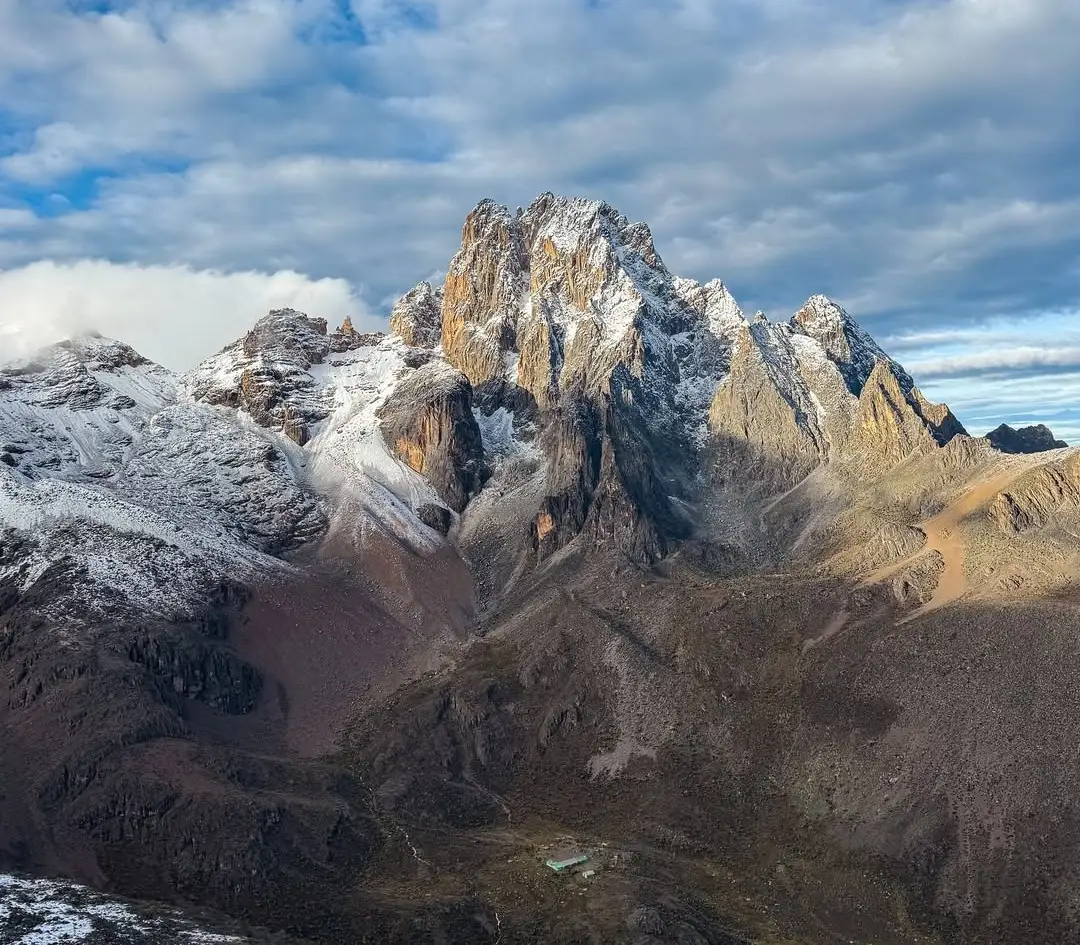
Morning: Following an early breakfast, we embark on a challenging 7-hour trek towards the summit. The path crosses Liki and Mackinder Valleys, a surreal landscape dotted with unique giant groundsel and lobelia plants. Midday: We'll pause for a scenic picnic lunch with the formidable peaks of Batian and Nelion providing a spectacular backdrop. Afternoon: Arrive at Shipton's Camp (4,200m), situated directly beneath the main peaks. The remainder of the day is dedicated to resting and acclimatising to the high altitude, exploring the immediate rocky surroundings as you prepare for the final ascent.
Meals Day 2: Breakfast, Lunch, Dinner
Destination: Mount Kenya National Park
Where you sleep
Shipton's Camp
BudgetDay 3: Descent from Mount Kenya and Return to Nairobi
Morning: After a final mountain breakfast, we begin our descent. The 5-6 hour walk from Shipton's Camp back to the Sirimon Gate allows you to appreciate the dramatic landscapes from a new perspective in the gentle morning light. You will pass through the moorlands and back into the forest belt. Midday: Upon reaching the gate, you will meet your transfer vehicle and proceed for a celebratory lunch in the Nanyuki area. Afternoon: Relax on the comfortable journey back to Nairobi, filled with memories of your incredible achievement, with an estimated drop-off at your hotel or the airport in the early evening.
Meals Day 3: Breakfast, Lunch
What's Included
- Transport from Nairobi to Sirimon Park Gate and back
- Functional mountain hut accommodation
- Meals prepared by a dedicated cook
- Porter for luggage (max 15kg)
What's Not Included
- Electronic Travel Authorisation (eTA)
- Personal travel insurance
- Tips for guides and porters
- Personal items and daypack contents
Places You will Visit
Book This Package
Secure booking · Free cancellation
Quick Info
- Duration: 3 Days / 2 Nights
- Difficulty: Moderate
- Starts: Nairobi
- Ends: Nairobi
The 3-Day Mount Kenya Nature Trek is a focused, high-altitude hiking experience, designed as a challenging addition to an East African holiday. This is an active mountain climb, not a traditional vehicle-based safari. The programme is structured specifically for fit Australian travellers, offering a short yet intense immersion into one of Africa's most singular mountain environments. Your journey begins and ends in Nairobi, using the Sirimon route for a gradual and scenic ascent through varied ecological zones, with accommodation provided in basic but functional mountain huts.
Understanding the Sirimon Route on Your Mount Kenya Trek
The Sirimon route, located on the mountain's north-western side, is widely regarded as the most accessible and scenic path for trekkers not aiming for a technical summit. Its gentle gradient and well-defined trail make it the preferred choice for acclimatisation, allowing for a higher success rate in reaching the high-altitude camps comfortably and safely. This route offers a comprehensive cross-section of the mountain's ecosystems in a condensed timeframe.
A Gradual Acclimatisation Journey
The Sirimon route is selected for its superior acclimatisation profile. The ascent is steady, allowing your body to adjust to the increasing altitude over two days before the descent on day three. The trail begins at the Sirimon Gate at 2,660 metres and climbs to Old Moses Camp at 3,300 metres on the first day. Day two involves a significant altitude gain to Shipton's Camp at 4,200 metres. This staged approach is a critical safety and success factor for high-altitude trekking.
Traversing Distinct Ecological Zones
The trek passes through several distinct vegetation zones as you gain elevation. The initial section from the Sirimon Gate moves through a montane forest belt, characterised by African Pencil Cedar and Podocarpus trees. This zone gives way to heathland dominated by giant heather. The final approach to Shipton's Camp enters the Afro-alpine zone, a sparse area of moorland defined by its unique high-altitude flora and rocky terrain.
Mountain Hut Accommodation at Old Moses and Shiptons Camps
Overnight accommodation is provided in mountain huts, which offer essential shelter from the elements. Old Moses Camp (3,300m) is the first night's stop, consisting of dormitory-style bunkhouses with communal facilities. Shipton's Camp (4,200m), your high-altitude base, is situated in the dramatic Mackinder Valley, directly below the main peaks of Batian and Nelion. These camps are functional bases for trekkers and are not equipped with hotel-style amenities.
Wildlife and Nature Unique to Mount Kenya
The Mount Kenya trek offers a natural history experience fundamentally different from a savanna safari. The focus shifts from the 'Big Five' to the specialised flora and fauna that have adapted to survive in this vertical world of extreme temperature fluctuations and high altitude. Observation requires a keen eye and an appreciation for the smaller, more elusive creatures of the mountain.
Mount Kenyas Unique High-Altitude Mammals
This trek focuses on the specific ecosystem of the mountain, not the plains game associated with safaris. In the lower forest zones, there is a possibility of seeing Black and White Colobus monkeys, Sykes' monkeys, and various antelope species. Higher up, the most common mammal sighting is the rock hyrax, a small, rodent-like creature surprisingly related to the elephant. The experience is about immersion in a high-altitude wilderness rather than conventional wildlife viewing.
Prehistoric Flora Giant Groundsels and Lobelias
The Afro-alpine zone of Mount Kenya is notable for its unusual botany. The trail through the Liki and Mackinder Valleys features stands of giant groundsel (Dendrosenecio) and various species of lobelia. These plants, with their strange, alien-like forms, have adapted to the extreme diurnal temperature shifts and high UV radiation. Their thick, fleshy leaves and rosette shapes help protect them from freezing temperatures at night.
Bird and Primate Life in the Lower Forest Zones
The forest belt at the start of the trek is a productive area for birdwatching. Species to look for include the Hartlaub's Turaco, Olive Pigeon, and various sunbirds, including the Malachite Sunbird. The calls of Colobus and Sykes' monkeys are often heard in the canopy, providing an auditory backdrop to the first stage of your ascent.
A Daily Breakdown of Your Mount Kenya Sirimon Trek
While a detailed day-by-day itinerary is provided separately, this overview explains the daily rhythm and physical demands of the three-day trek. Each day presents a new set of challenges and environmental changes as you ascend towards the central peaks. The trek is fully supported by local guides and porters who manage the camp logistics.
Day One Road Transfer from Nairobi to the Sirimon Gate
The first day involves an early morning road transfer from Nairobi. The journey heads north, covering approximately 200 kilometres and crossing the equator to reach the town of Nanyuki. The drive takes around 3-4 hours. After clearing park formalities and meeting your porters and guides at the Sirimon Gate (2,660m), the trek officially begins.
Day One Trekking Through Forest to Old Moses Camp
The first day's trek is a 3-4 hour walk covering about 9 kilometres. The trail is a well-maintained track that climbs steadily through the forest and into the heathland zone. This walk serves as an important first stage of acclimatisation, allowing your body to begin adjusting to the altitude before you reach Old Moses Camp (3,300m) in the afternoon.
Day Two The Demanding Ascent to Shiptons High Camp
Day two is the most demanding trekking day, covering approximately 14 kilometres over 6-7 hours. The route ascends through the scenic Mackinder Valley, with the main peaks of the mountain coming into view. The afternoon at Shipton's Camp is dedicated to rest and further acclimatisation to the thin air at 4,200 metres, which is critical for your body's adjustment.
| Day | Key Locations | Maximum Altitude Reached |
|---|---|---|
| Day 1 | Sirimon Gate to Old Moses Camp | 3,300m |
| Day 2 | Old Moses Camp to Shipton's Camp | 4,200m |
| Day 3 | Shipton's Camp to Sirimon Gate | Descending from 4,200m |
Day Three Descending Mount Kenya and Returning to Nairobi
On the final day, you will retrace your steps from Shipton's Camp back down to the Sirimon Gate. The descent is faster than the ascent, taking around 5-6 hours to complete. At the gate, you will reconnect with your transfer vehicle for the return road journey to Nairobi, typically arriving in the city in the early evening.
Is the 3-Day Mount Kenya Nature Trek Right for You
This specialised trek has a specific audience in mind. Its design prioritises physical challenge and immersion in a high-altitude environment over comfort and conventional sightseeing. Understanding its suitability is key to a successful and enjoyable experience. This is an adventure for those who appreciate the rewards of a strenuous physical journey.
Designed for Fit and Adventurous Australian Travellers
This package is built for Australian travellers who maintain a high level of fitness and are prepared for a physical challenge. It suits individuals who enjoy multi-day hiking and have a strong interest in mountain environments. Your holiday time is spent actively trekking, not in passive sightseeing from a vehicle.
Suits Experienced Hikers and Conditioned Newcomers
The route is non-technical, meaning no ropes or specialist climbing gear are required. This makes the trek accessible to experienced Australian bushwalkers and also to people new to high-altitude trekking, provided they are in excellent physical condition and are mentally prepared for the effects of altitude and basic mountain hut accommodation.
Unsuitability for Young Children and Safari Enthusiasts
This trek is not suitable for young children due to the significant altitude and the physical demands of daily hiking. It is also not appropriate for travellers whose primary interest is viewing the Big Five or who expect the comforts of a safari lodge. The focus is entirely on the mountain trekking experience.
Planning Your Mount Kenya Trek from Australia
Organising a high-altitude trek from Australia requires careful logistical planning, from international flights to mandatory health and safety preparations. This section covers the critical steps Australian travellers must take before departure to ensure a smooth and safe journey.
Flights and Travel Time from Australia to Nairobi
Flights from major Australian hubs like Sydney or Melbourne to Jomo Kenyatta International Airport (NBO) in Nairobi require at least one stopover, commonly in the Middle East. Total travel time is typically in the range of 24 to 30 hours. It is highly advisable to schedule at least one recovery day in Nairobi to overcome jet lag before starting the trek.
Essential Kenya eTA Process for Australian Citizens
Australian citizens must obtain an electronic Travel Authorisation (eTA) online before departure. This system has replaced the previous e-visa process. The application must be completed through the official Government of Kenya portal. Do not leave this to the last minute; apply well in advance of your travel dates to allow for processing time.
Managing Altitude Sickness on Your Mount Kenya Trek
Acute Mountain Sickness (AMS) is a significant risk when ascending to 4,200 metres. The itinerary is designed to mitigate this risk, but individual responses to altitude vary widely. Australian travellers must consult their General Practitioner (GP) before the trip to discuss their fitness for high-altitude trekking and to obtain advice on preventative medication like Acetazolamide.
Mandatory Travel Insurance for High-Altitude Trekking
Standard travel insurance is insufficient for this type of activity. You must secure a policy that explicitly provides cover for trekking up to an altitude of at least 4,200 metres. Your policy must also include emergency medical evacuation. Check the policy wording carefully before purchasing to confirm these specific inclusions.
Essential Packing List for the Mount Kenya Sirimon Trek
Your main luggage will be carried by a porter in a soft duffel bag (maximum 15kg), while you carry a daypack with personal items. Layering clothing is the key to comfort in the changeable mountain weather.
- Waterproof and windproof outer jacket and trousers.
- Multiple thermal and fleece layers for temperature regulation.
- Well-worn, sturdy trekking boots with good ankle support.
- A warm, four-season sleeping bag rated for sub-zero temperatures.
- A daypack of approximately 30-35 litres for water, snacks, and spare layers.
- A head torch with spare batteries is essential for the huts.
- High-factor sun cream, sunglasses, and a wide-brimmed hat for sun protection.
- Personal first-aid kit, including any altitude medication prescribed by your GP.
Understanding Power and Device Charging in Kenya
Kenya uses the Type G plug socket, the same three-pin rectangular system used in the UK and different from the Australian Type I plug. You will need to bring a suitable Type G travel adaptor. Charging facilities in the mountain huts are non-existent, so carrying a fully charged portable power bank is essential for phones or cameras.
Planning Your Trek Around Australian School Holidays
The three-day duration makes this trek a viable option to fit within a standard two-week school holiday period, either as a standalone trip or as part of a longer itinerary. However, key holiday periods in Australia can align with peak season in Kenya, leading to higher demand for flights and tour services. Early booking is strongly recommended to secure availability.
Similar Tour Packages in Kenya
2 Days / 1 Nights
 3 Days / 2 Nights
 3 Days / 2 Nights