Mount Kenya presents a formidable and rewarding high-altitude objective for Australian trekkers seeking a significant challenge. This 4-day ascent via the Sirimon Route is specifically engineered for effective acclimatisation and offers direct engagement with the mountain's unique ecosystems. The route provides a less-crowded alternative to other major African peaks, concentrating on the raw character of the mountain environment. This document details the logistical and practical information required to plan this trek from Australia.
Navigating the 4-Day Mount Kenya Sirimon Route
The Sirimon Route is a premier choice for ascending Mount Kenya, celebrated for its optimal balance of acclimatisation, superior scenery, and lower foot traffic. The path approaches the summit massif from the north-west, a drier aspect of the mountain, which often results in more favourable trekking conditions. This section breaks down the route's structure, acclimatisation strategy, and key stages leading to the summit of Point Lenana.
Sirimon Route Profile and Key Features
The Sirimon Route ascends the north-west side of Mount Kenya and is favoured for its steady gradient, which significantly aids acclimatisation. It is widely regarded as one of the most scenic routes, passing through a cross-section of ecological zones. The trail is well-maintained, starting in a montane forest and transitioning through expansive moorlands before reaching the rocky, high-altitude terrain near the summit. The journey begins at the Sirimon Park Gate and uses two primary camps, Old Moses and Shipton's, for overnight stops.
Strategic Acclimatisation for Point Lenana
The 4-day itinerary's structure maximises the chances of a successful summit of Point Lenana at 4,985 metres. By spending the first night at Old Moses Camp (3,300m) and the second at Shipton's Camp (4,200m), the body gains crucial time to adjust to reduced oxygen levels. This gradual "climb high, sleep low" principle is fundamental to the route's profile, with a significant altitude gain on day two followed by a period of rest before the final pre-dawn ascent.
Key Stages and Summit Push
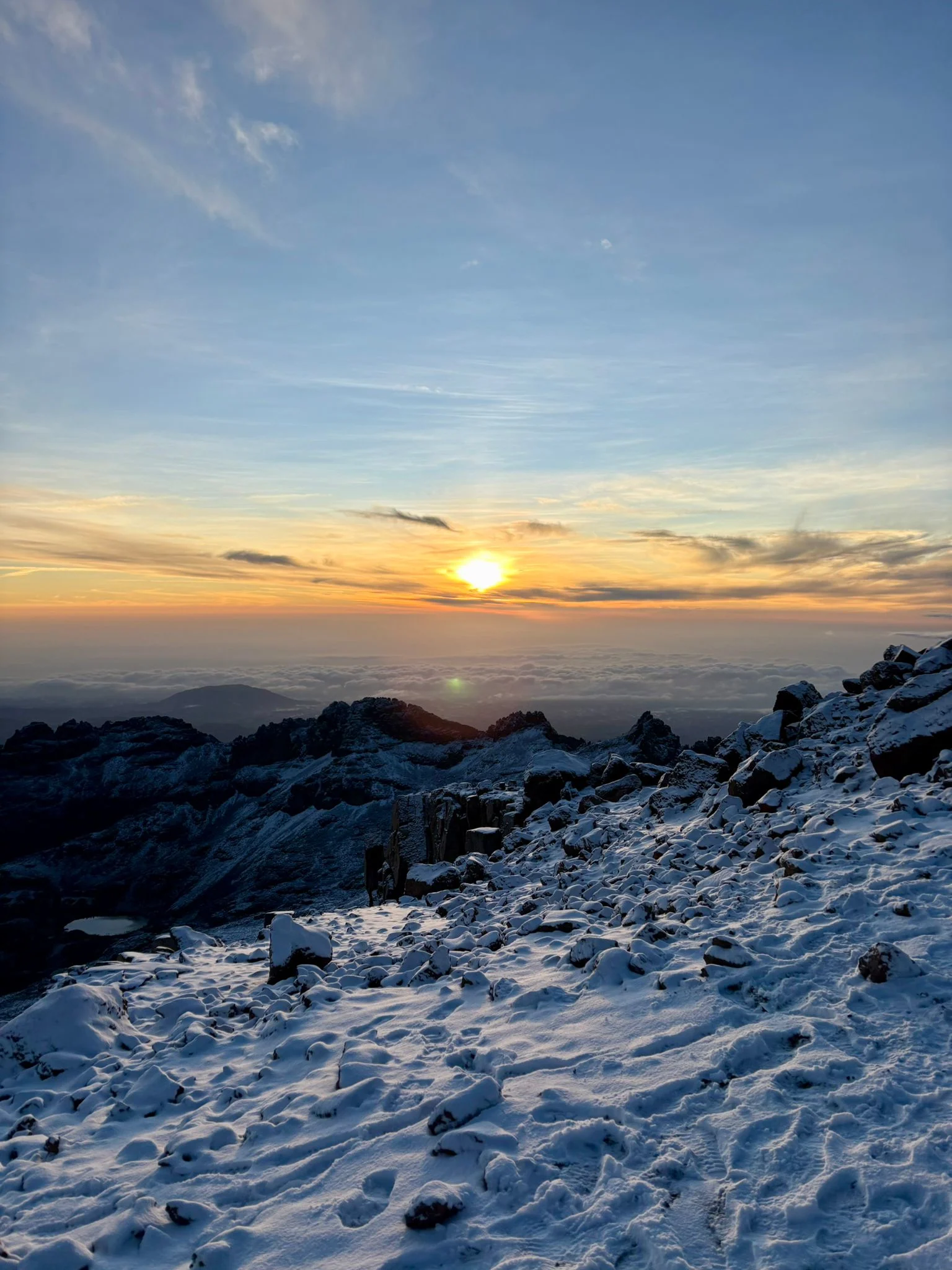
The trek is segmented into manageable daily stages, each presenting different terrain and perspectives. The final ascent to Point Lenana commences at approximately 3:00 am on day three, involving a strenuous three-hour climb over scree and rock. This timing positions trekkers on the summit for the sunrise, a primary highlight of the expedition. The descent is rapid, returning to lower altitudes on the same day to minimise exposure to the extreme high-altitude zone.
Traversing Mount Kenya's Unique Ecological Zones
An ascent of Mount Kenya is a journey through a condensed series of distinct ecological zones, each with its own characteristic flora and fauna. The trek offers a clear transect of these habitats, from the forested lower slopes to the alien-like vegetation of the Afro-alpine zone. This progression provides a tangible demonstration of how altitude shapes the natural environment.
The Ascent Through Montane Forest to Afro-Alpine Moorlands
The initial stage takes you through a dense montane forest rich with podocarpus and cedar trees. This habitat soon yields to a bamboo belt and then a giant heather zone. The most striking environment is the Afro-alpine moorland, encountered above 3,500 metres. This area is defined by its otherworldly flora, including the towering giant groundsel, *Dendrosenecio keniodendron*, and distinctive lobelia plants, which are endemic to the high mountains of East Africa.
Biodiversity and UNESCO World Heritage Status
Mount Kenya National Park is a UNESCO World Heritage Site, recognised for its critical and varied ecosystems. The dramatic changes in altitude create specific habitats for a specialised range of flora and fauna. The trek is an opportunity to observe these adaptations firsthand, from the dense forest canopy to the sparse, resilient life forms that survive on the upper slopes. Clear mountain streams and tarns are a feature of the route's middle and upper sections.
Wildlife Encounters on Your Mount Kenya Trek
While not a primary big-game safari destination, the Sirimon Route offers opportunities to observe species specifically adapted to its various altitudes. Wildlife sightings are most common in the dense lower forests but continue into the exposed upper slopes, where different fauna have carved out a niche in the harsh environment.
Wildlife Sightings in the Lower Forest Zone
On the first day of the trek, the forest section offers the best chance for wildlife viewings. Look for troops of black-and-white colobus monkeys moving through the canopy. Other potential sightings include Sykes' monkeys and bushbuck. The forest is also home to a variety of bird species, including the Hartlaub's turaco and various sunbirds, making the initial ascent audibly active.
Fauna of the High-Altitude Moorlands
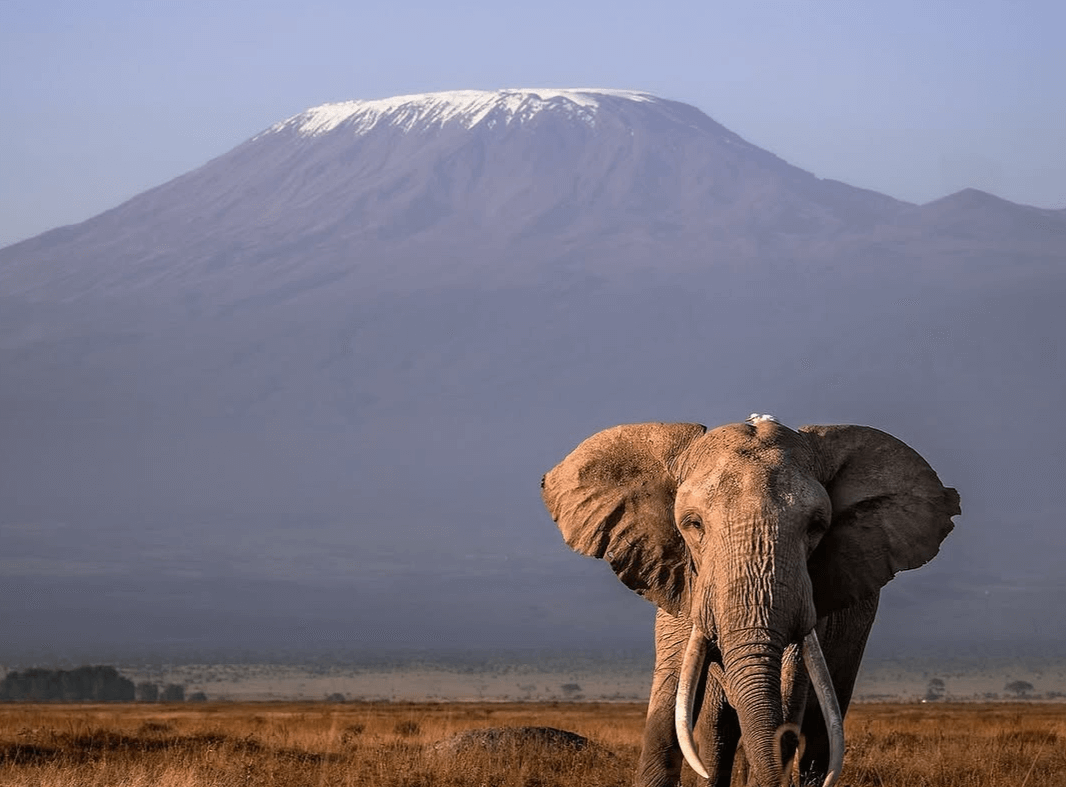
As you move above the tree line, the visible wildlife changes. Rock hyrax, small mammals surprisingly related to the elephant, are commonly seen sunning themselves on the rocks around Shipton's Camp. High-altitude bird species, such as the alpine chat and Mackinder's eagle-owl, are also resident here. While larger animals like elephants and buffalo are present in the park's lower salients, they are rarely encountered on the main trekking routes.
Stage-by-Stage Progression on the Sirimon Route Ascent
The four-day trek is meticulously planned to balance daily exertion with necessary acclimatisation, culminating in the summit attempt on Point Lenana. The journey from the park gate, approximately 200 kilometres north of Nairobi, is broken into distinct phases, each offering unique challenges and rewarding views.
Day One The Approach to Old Moses Camp
After the transfer from Nairobi to the Sirimon Park Gate, the trek begins. The initial 9-kilometre walk to Old Moses Camp is a gentle introduction, taking approximately 3-4 hours. The path winds through the forest along a clear track. This stage is crucial for beginning the acclimatisation process in a gradual and controlled manner.
Day Two The Challenging Trek to Shipton's Camp
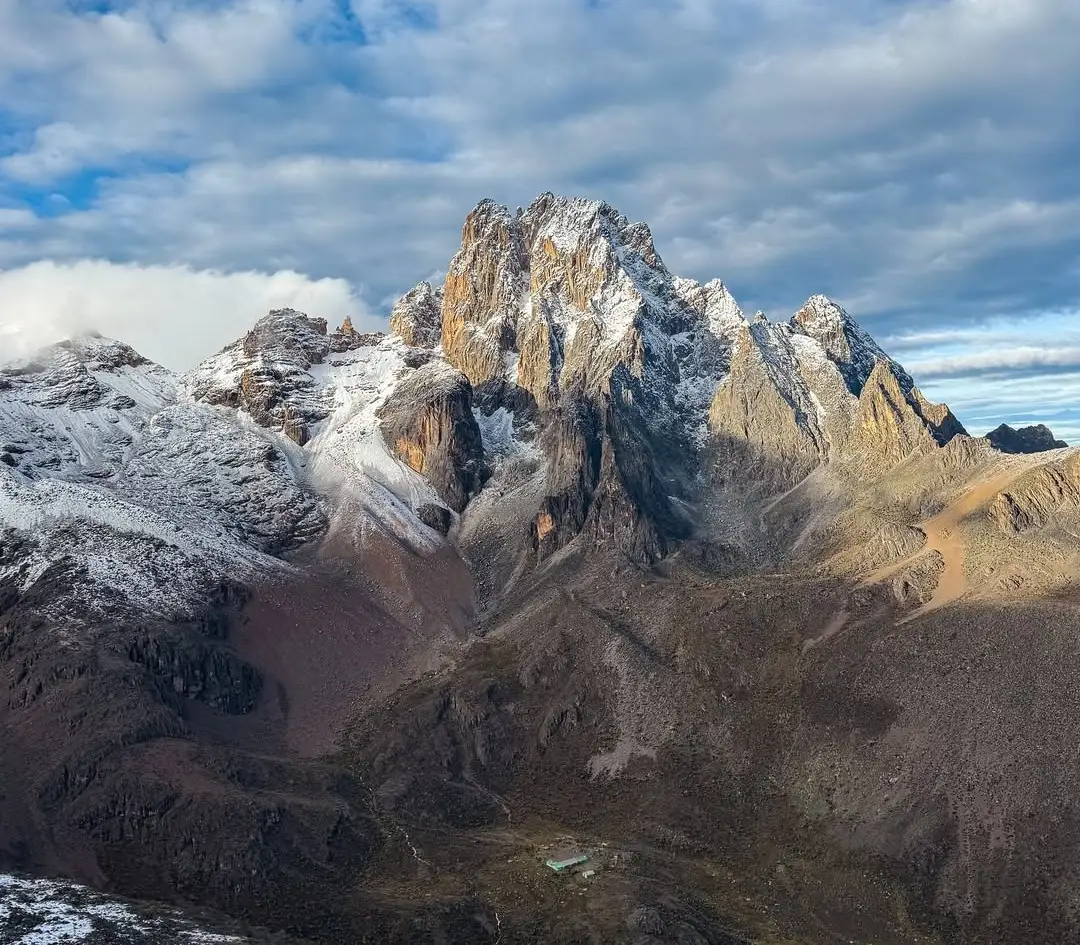
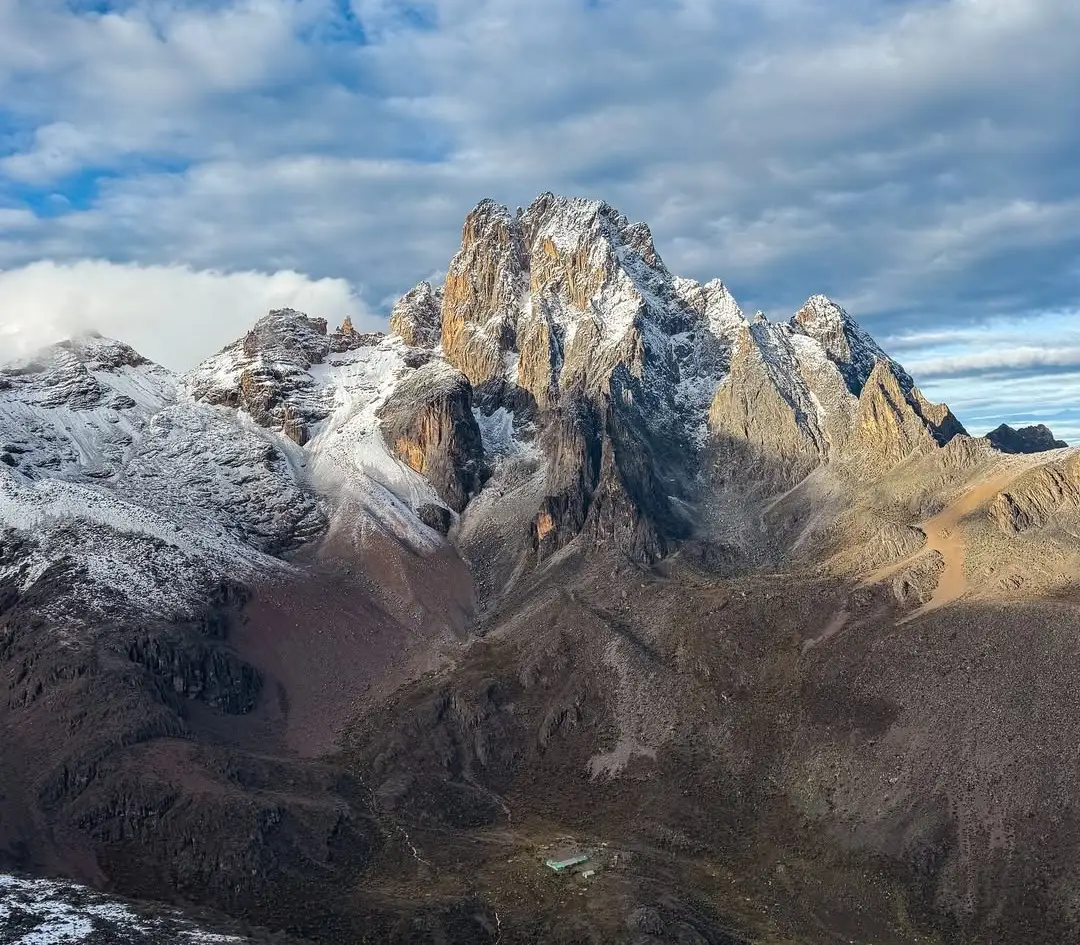
Day two is a longer, more demanding day of trekking that covers around 14 kilometres over 6-7 hours. The route leaves the forest behind and crosses into the expansive Mackinder's Valley. This section offers the first clear views of the mountain's main peaks, Batian and Nelion. The terrain is open moorland, with several river crossings and a steady ascent to Shipton's Camp, which sits directly below the main summit spires.
Day Three Summiting Point Lenana at Sunrise
The summit attempt is the most demanding part of the trek. The pre-dawn start involves navigating steep, rocky terrain by headtorch. The reward for this effort is reaching Point Lenana in time to witness the sunrise over the African plains. Following the summit, the group descends to Shipton's for breakfast before continuing down to Old Moses Camp, making for a long but deeply satisfying day.
Panoramic Vistas from the Sirimon Route
The route is renowned for its commanding views. As you ascend, the plains of Laikipia stretch out to the north. From the upper sections of Mackinder's Valley and the summit itself, the views of the jagged main peaks are exceptional. On clear mornings, the distinct cone of Mount Kilimanjaro can be seen on the southern horizon, over 300 kilometres away.
Planning Your Mount Kenya Sirimon Route from Australia
Logistical planning from Australia requires careful attention to flights, entry requirements, health precautions, and packing. Proper preparation is fundamental to a safe and successful expedition. This section provides a practical guide for Australian travellers organising their trip.
Flights Visas and Arrival Logistics from Australia
Direct flights from Australian cities to Nairobi, Kenya, are not available. Travellers must plan for a long-haul flight with at least one stopover, typically in the Middle East (e.g., Doha, Dubai) or Asia. Total travel time often exceeds 20 hours. It is highly advisable to arrive in Nairobi at least one full day before the trek begins to recover from the journey. Australian passport holders require an Electronic Travel Authorisation (eTA) for entry into Kenya, which must be applied for and approved online well in advance of departure.
Optimal Trekking Seasons for Australian Travellers
The most suitable periods for trekking Mount Kenya are during Kenya's two dry seasons: January to March and June to October. These months offer the highest probability of clear skies and dry conditions on the mountain. These windows align well with Australian summer and winter school holidays, but it is essential to book flights and the trek itself well ahead for these peak periods.
Health and Safety Considerations for Australians
A consultation with your GP is essential at least 6-8 weeks before travel to discuss necessary vaccinations and malaria prevention, particularly if combining the trek with a safari in lower-altitude areas. Your GP can also advise on medications for preventing or managing acute mountain sickness (AMS). Comprehensive travel insurance is mandatory. Your policy must explicitly cover high-altitude trekking up to 5,000 metres and include provision for emergency medical evacuation.
Essential Gear and Packing Strategy for Mount Kenya
Packing requires a layered clothing system to manage extreme temperature fluctuations, from warm days on the lower slopes to freezing conditions on the summit. Your gear will be split between a daypack you carry and a larger duffel bag for the porters, which is strictly limited to a 15kg maximum weight.
- Technical Clothing: Thermal base layers (merino or synthetic), fleece mid-layers, and a waterproof, windproof outer shell jacket and trousers.
- Footwear: Well-worn-in, waterproof hiking boots with solid ankle support, plus camp shoes or runners for the evenings.
- Headwear: A warm beanie or toque for the cold, a wide-brimmed hat for sun protection, and a neck gaiter or buff.
- Handwear: Warm, waterproof gloves or mittens for the summit push, supplemented by a lighter pair of liner gloves.
- Equipment: A quality headtorch with spare batteries, sunglasses, trekking poles, and water bottles or a hydration bladder with at least a 3-litre capacity.
- Personal Items: High SPF sunscreen, lip balm with SPF, a personal first-aid kit, toiletries, and any personal medications.
Budgeting Local Currency and Tipping Protocols
The local currency is the Kenyan Shilling (KES). While the tour package covers major costs, you will need cash for tips for your mountain crew (guides, porters, cook). Tipping is a standard and important custom that shows appreciation for their hard work. You should also budget for personal items, drinks, and snacks. It is best to obtain KES upon arrival in Nairobi, as ATMs are not available on the mountain.
Essential Power and Connectivity
Kenya uses the Type G (three-pin rectangular) power socket, which is different from Australia's Type I plug. A universal travel adapter is essential for charging devices in Nairobi. Power access at the mountain huts is extremely limited or non-existent. Carrying a portable power bank is highly recommended to keep phones and cameras charged. Mobile phone service is patchy and unreliable after entering the park gate.
Is the Mount Kenya Sirimon Route Right for You
This trek is designed for a specific type of traveller. Understanding the physical and mental demands is crucial in determining if this high-altitude challenge aligns with your experience and ambitions. It offers an immense sense of accomplishment for those who are well-prepared.
The Ideal Profile for Australian Adventurers
This trek is well-suited for Australians with experience in multi-day hiking, such as Tasmania's Overland Track or challenging routes in the Australian Alps. It offers a significant step up in altitude and provides a genuine expedition-style experience. The route appeals to those looking for a physical challenge in a unique international setting.
Understanding the Demands of High-Altitude Trekking
This is not a simple walk. The trek involves strenuous activity at high altitude, culminating in a difficult summit night. Participants must be prepared for basic mountain hut accommodation and variable weather conditions. The reward is a profound sense of achievement and access to a mountain environment that few get to witness.
Required Fitness and Pre-Departure Training
A high level of cardiovascular fitness is required for this trek. Your preparation should include regular aerobic exercise such as running, cycling, or swimming, combined with hill walking or stair climbing to build leg strength. Practising long-duration walks of 5-7 hours with a weighted daypack is highly beneficial. Superior physical conditioning will help you manage the effects of altitude and better enjoy the experience.
Pairing Your Mount Kenya Trek with a Wildlife Safari
The 4-day trek can be effectively integrated into a longer Kenyan holiday. Many travellers choose to undertake the trek first, followed by a few days of recovery and a traditional vehicle-based wildlife safari in parks like the Maasai Mara, Amboseli, or Samburu. This combination offers a fantastic contrast between the physical rigours of the mountain and the wildlife spectacles of the savanna.
| Trek Attribute |
Specification |
| Highest Point |
Point Lenana (4,985m) |
| Trek Duration |
4 Days / 3 Nights |
| Best Seasons |
Jan-Mar & Jun-Oct |
| Difficulty Rating |
Challenging / Strenuous |
| Starting Point |
Sirimon Park Gate (2,650m) |


.webp)
.webp)
.webp)
.webp)

.webp)
.webp)
.webp)
.webp)