The 5-day traverse of Mount Kenya via the Sirimon and Chogoria Gates presents a significant high-altitude challenge for Australian trekkers. This route offers a structured and rewarding objective, widely regarded as the most comprehensive way to appreciate the mountain. Its design combines a gradual ascent for effective acclimatisation with a scenically dramatic descent. The point-to-point journey involves a road transfer from Nairobi to the mountain's north-western flank to start, and a return transfer from the eastern side upon completion of the trek across the massif.
An Overview of the Sirimon to Chogoria Traverse Route
This five-day itinerary is engineered for summit success and maximum scenic value, utilising two of the mountain's most celebrated trails. Each path possesses distinct characteristics. The ascent follows the drier, gentler gradients of the Sirimon route from the north-west, which is optimal for altitude adjustment. In contrast, the descent uses the wetter, more dramatic Chogoria route on the eastern side, a trail renowned for its deep gorges and alpine tarns.
Commencing the Ascent from Sirimon Gate
Your trek begins at the Kenya Wildlife Service's Sirimon Park Gate, located at an altitude of 2,650 metres. The first day's walk covers approximately nine kilometres over three to four hours, passing through dense montane forest that is a habitat for various primate and bird species. This initial section is a steady climb specifically designed to begin the acclimatisation process, concluding at the first overnight stop, Old Moses Camp (3,300 metres).
Acclimatisation Strategy Using Sirimon's High Camps
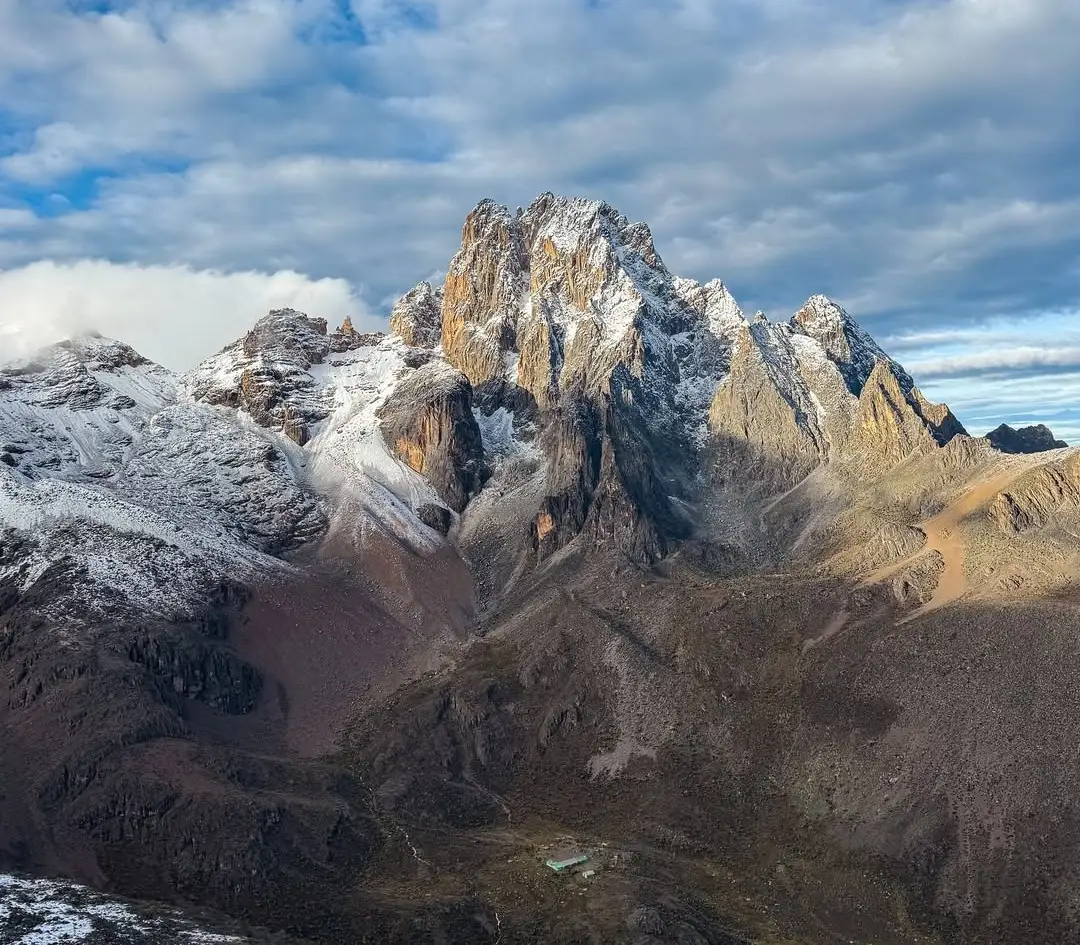
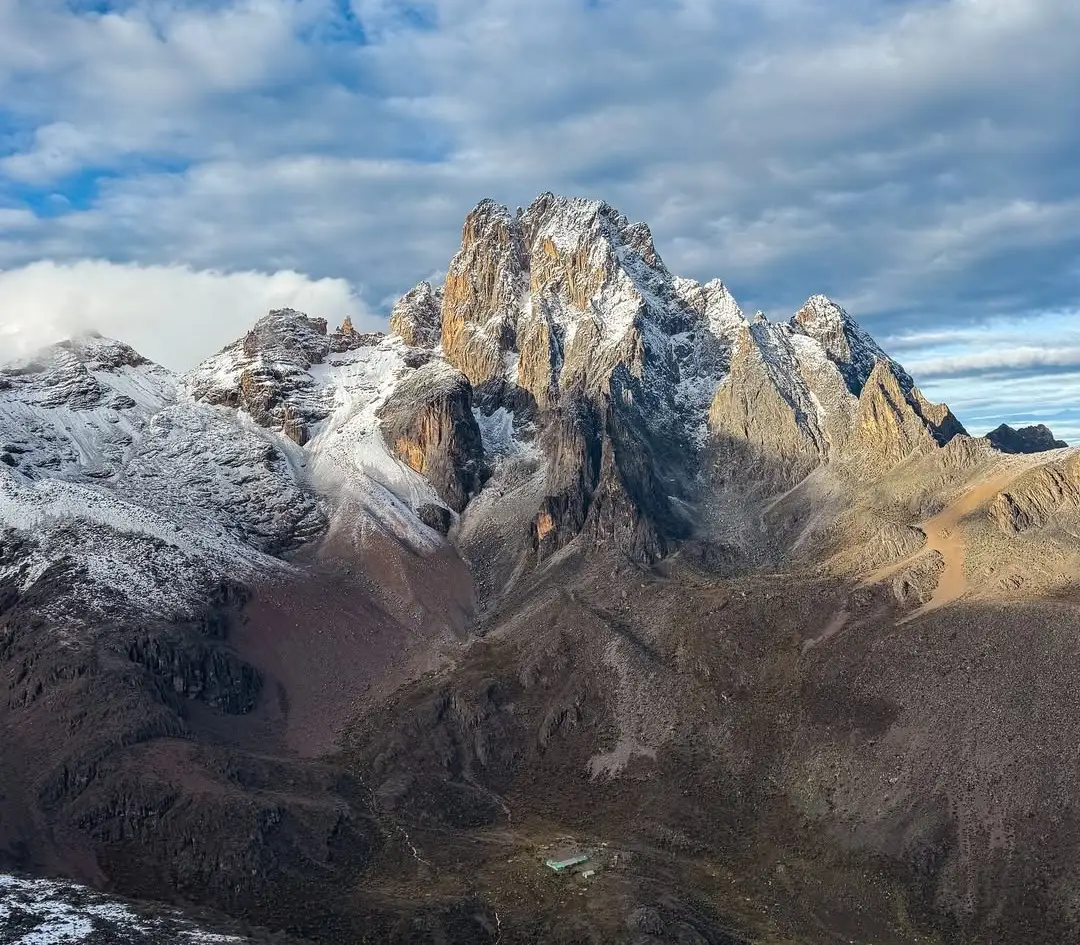
Effective acclimatisation is the core principle of this itinerary. The second day involves a longer trek of approximately 14 kilometres, taking six to seven hours to cross the Mackinder's Valley. This classic U-shaped glacial valley leads to Shipton's Camp at 4,200 metres. The camp is strategically positioned directly below the main peaks of Batian and Nelion, allowing your body a crucial period to adjust to the reduced oxygen levels before the summit attempt.
The Pre-Dawn Push to Point Lenana's Summit
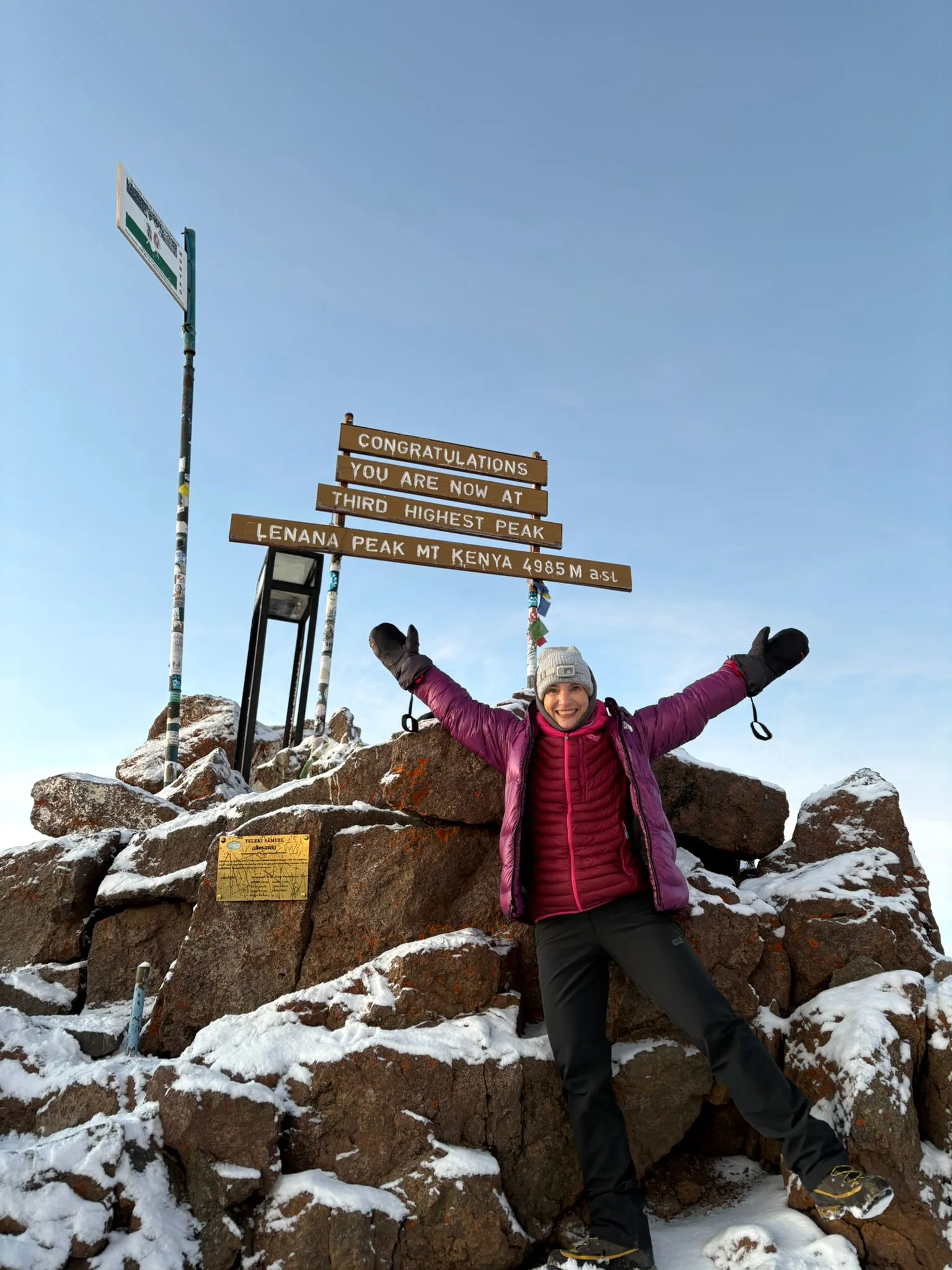
The primary objective of the traverse is Point Lenana, the mountain's third-highest peak at 4,985 metres and the highest point accessible to trekkers without technical climbing. Your summit attempt begins around 3 a.m. on day three to position you on the peak for the sunrise over the East African plains. The final ascent is a demanding, non-technical scramble over loose volcanic rock and scree, requiring careful footing and determination.
Descending Through the Dramatic Gorges Valley on the Chogoria Route
After reaching the summit, the character of the trek changes as you descend via the Chogoria route. This trail is renowned for its outstanding natural features, particularly the Gorges Valley. The path follows a ridge with expansive views down into the valley, showcasing the powerful effects of past glaciation on the mountain's topography.
Wild Camping Beside the Glacial Tarn of Lake Michaelson
A key feature of this itinerary is the overnight stay at Lake Michaelson. After descending from the summit, you will trek to this glacial tarn set within a dramatic cirque at 4,000 metres. A temporary fly camp is established here, providing a remote and memorable overnight experience away from the structured mountain huts.
Navigating Mount Kenya's Unique Ecological Zones
The traverse provides trekkers with exposure to a remarkable series of ecological zones, each with its own specific flora. As you gain altitude, the environment changes rapidly, offering a practical lesson in tropical alpine ecology.
Transitioning from Montane Forest to Afro-Alpine Moorland
The trek begins in the lower forest belt, characterised by hardwoods like podocarpus and groves of bamboo. As you climb above the treeline around 3,200 metres, the vegetation transitions into a heathland and then into the distinctive Afro-alpine moorland. This zone is defined by tough tussock grasses and unusual giant plants.
Identifying the Unique Flora of the Afro-Alpine Zone
The upper moorland zone is distinguished by its unique flora, particularly the giant groundsel (Dendrosenecio keniensis) and several species of lobelia. These plants exhibit fascinating adaptations to the harsh high-altitude environment of intense solar radiation, nightly frosts, and a thin atmosphere. Their unusual appearance gives the high valleys of Mount Kenya a distinctly primeval character.
Water Features of the Chogoria Descent Path
The Chogoria route is particularly notable for its water features. The descent passes several glacial tarns, including the spectacular Lake Michaelson and the lower Lake Ellis. The route also offers clear views of waterfalls, such as the Nithi Falls, which cascade into the Gorges Valley. These features serve as excellent reference points and resting spots during the long descent.
Potential Wildlife Sightings on the Mount Kenya Traverse
While this is primarily a trekking expedition, there are opportunities to observe native fauna. Animal sightings depend on altitude, time of day, and an element of luck. The focus is on species adapted to these specific mountain environments rather than the savannah animals of a traditional safari.
Fauna of the Montane Forest Zone
In the montane forest on the first and last days, you are likely to hear and possibly see troops of Black-and-white Colobus monkeys. Bushbuck and the smaller duiker are also resident but are often elusive. Birdlife is more apparent, with species such as the Hartlaub's Turaco and various sunbirds often sighted among the foliage.
Observing Resilient High-Altitude Wildlife
Above the treeline, the most common mammal is the rock hyrax, often seen sunning itself on rock formations near the camps. You may also spot the Mount Kenya mole-rat, which is endemic to the mountain. Avian species to look for include the Augur Buzzard, soaring on thermal currents, and the Scarlet-tufted Malachite Sunbird, which feeds on lobelia nectar.
Managing Wildlife Expectations on a High-Altitude Trek
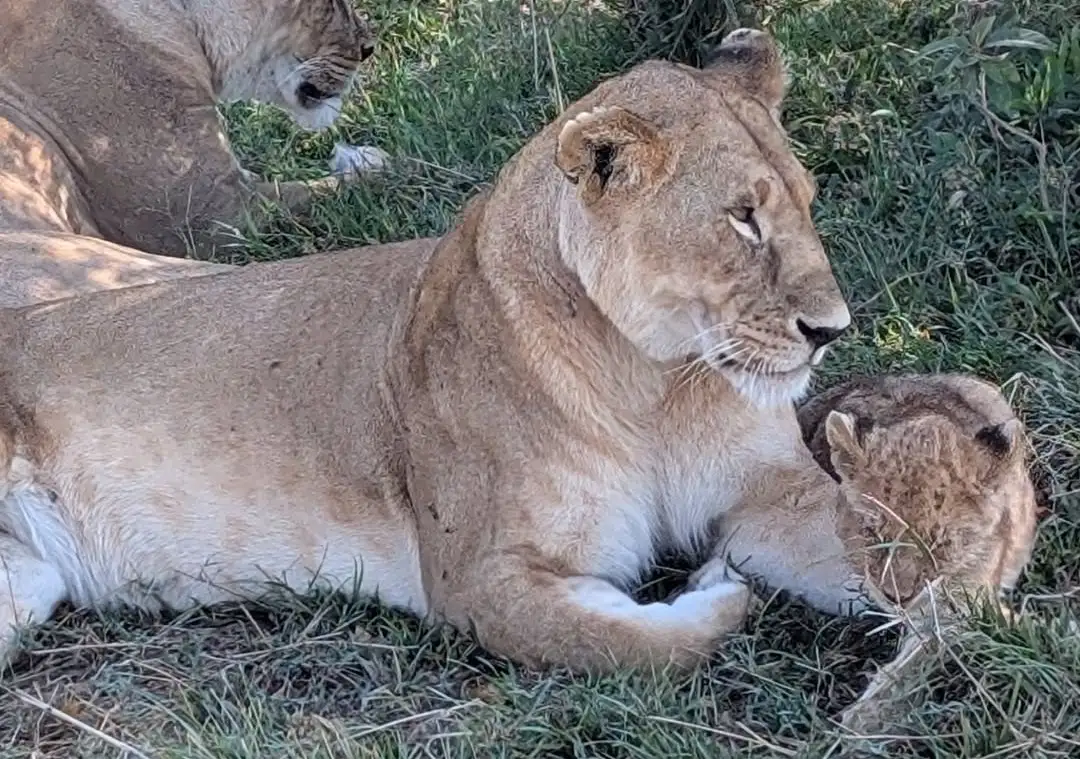
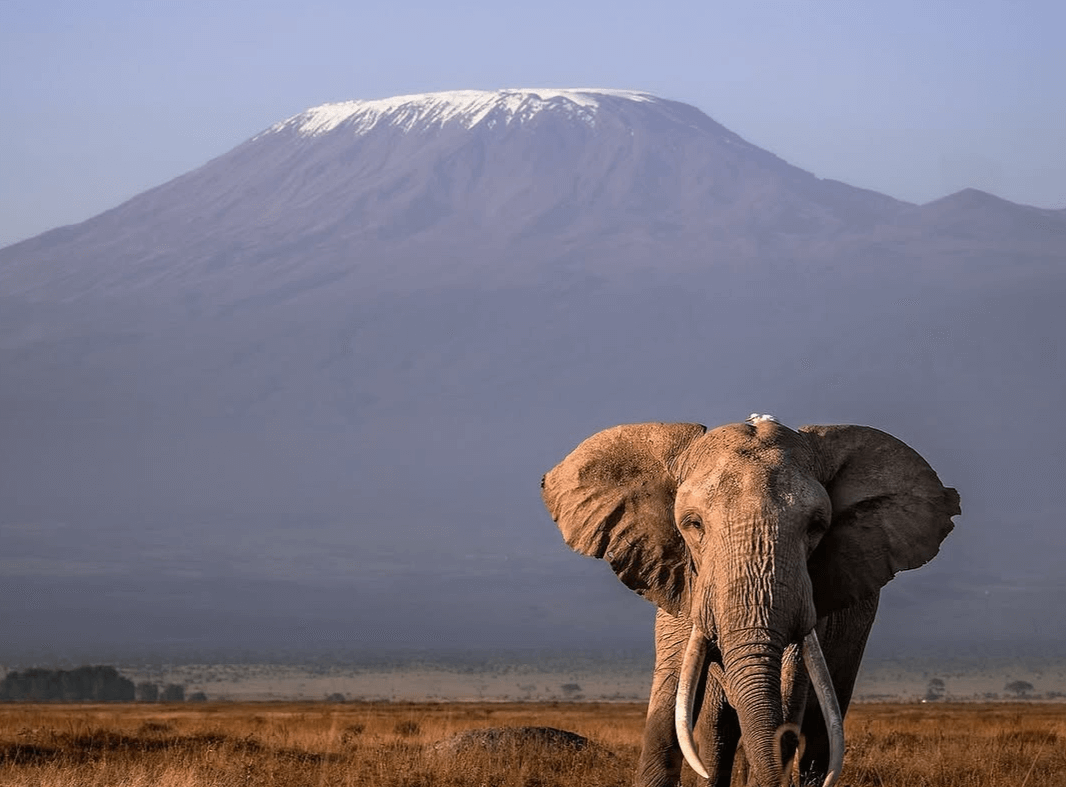
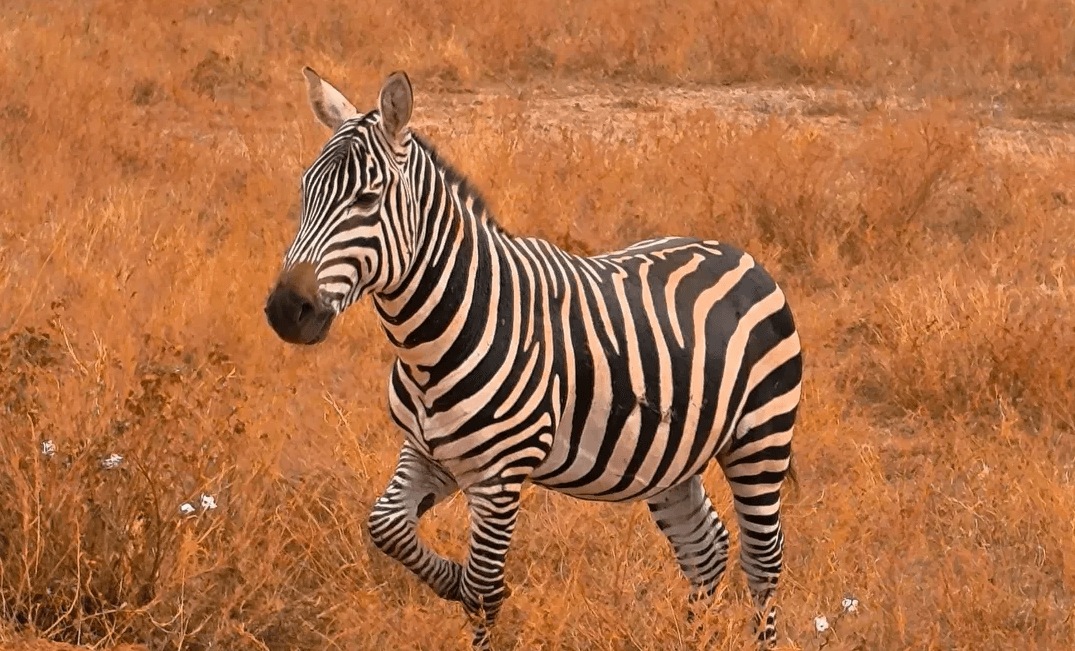
The 5-Day Sirimon to Chogoria Traverse is not a traditional 'Big Five' safari. Its rewards are centred on the physical challenge and the immersion in a unique alpine environment. Any wildlife sighting is an ancillary benefit rather than a primary goal. Trekkers should approach the journey with this understanding, appreciating the smaller, hardier species adapted to life on the mountain.
The Daily Rhythm of Your Sirimon to Chogoria Trek
The trek has a distinct rhythm, dictated by the need to acclimatise safely and position for a successful summit day. Each day presents a different physical test and a new set of environmental conditions to negotiate.
Trek Progression At a Glance
| Phase |
Defining Features |
Core Purpose |
| Ascent via Sirimon (Days 1-2) |
Gentle gradients, Mackinder's Valley |
Acclimatise to 4,200m |
| Summit Push (Day 3) |
Pre-dawn start, scree ascent |
Attain Point Lenana (4,985m) |
| Descent via Chogoria (Days 4-5) |
Gorges Valley, glacial tarns |
Traverse eastern flank to exit |
Pacing the Gradual Ascent for Optimal Acclimatisation
The first two days are about careful pacing. The guiding principle is "pole pole" (Swahili for "slowly, slowly"). The aim is to move at a steady rate that allows your body to produce more red blood cells in response to the lower oxygen levels. This deliberate pacing on the Sirimon route is the foundation for a successful summit bid.
Understanding the Summit Day's Physical and Mental Challenge
Day three is the physical and mental crux of the trek. It begins around 3 a.m. with a difficult ascent in darkness and cold temperatures. The terrain is steep and the footing is loose. The reward for this effort is reaching the summit as the sun rises, providing an immense sense of accomplishment and an unforgettable view across Kenya.
The Technical Aspects of the Chogoria Descent
The work is not over after the summit. The descent down the Chogoria route is long but visually spectacular. The trail requires concentration as it can be wet and slippery in places, particularly through the lower forest sections. It takes you through the most beautiful sections of the national park, making the effort of the final days worthwhile.
The Remote Camping Experience at Lake Michaelson
The night at Lake Michaelson provides a different experience from the mountain huts. Camping by the tarn, surrounded by sheer rock walls, offers a feeling of genuine wilderness immersion. On clear nights, the stars are exceptionally bright due to the high altitude and complete absence of light pollution.
Logistical Planning for Australian Travellers to Mount Kenya
Logistical preparation from Australia is straightforward but requires careful attention to detail, particularly regarding travel documents, health precautions, and essential equipment. Organising these elements well in advance is key to a successful trip.
Flights and Ideal Trekking Seasons for Australians
Flights to Jomo Kenyatta International Airport (NBO) in Nairobi are available from major Australian cities such as Sydney, Melbourne, and Perth, typically with one stopover in the Middle East with carriers like Emirates or Qatar Airways. The main dry seasons for trekking are January to February and June to October. Booking flights and the trek well in advance is advisable, especially for travel during Australian school holidays.
Kenyan Electronic Travel Authorisation for Australian Citizens
Australian passport holders must secure an Electronic Travel Authorisation (eTA) online before arriving in Kenya. This mandatory application process must be completed and approved prior to your departure from Australia. It is advisable to apply via the official government website at least one week before your flight to account for standard processing times.
Health Preparations and Altitude Sickness Management
A consultation with a travel doctor in Australia is essential before this trip. You should discuss necessary vaccinations and malaria prevention for any time spent at lower altitudes. Critically, discuss Acute Mountain Sickness (AMS) and preventative medication like Acetazolamide. The slow ascent on this itinerary is the primary defence against AMS, but being fully informed is vital.
Essential Equipment and Packing Strategy for Mount Kenya
Your equipment is critical to your safety and comfort. Porters will carry your main duffel bag (soft-sided, with a maximum weight of 15kg), while you carry a daypack with your daily essentials.
- Footwear: Broken-in hiking boots with robust ankle support are non-negotiable.
- Layering System: A three-layer system is essential, comprising thermal base layers (merino wool is ideal), fleece mid-layers, and a fully waterproof and windproof outer shell jacket and trousers.
- Headwear and Gloves: Pack a warm beanie for cold conditions, a broad-brimmed sun hat for UV protection, and thermal gloves or mittens.
- Personal Items: A personal first-aid kit, high-SPF sunscreen, lip balm, and a portable power bank are critical, as there is no charging available in the mountain huts.
- Power Adaptor: For hotel stays in Nairobi, a Type G (UK style) power adaptor is required to charge your devices.
Securing Appropriate High-Altitude Travel Insurance
Standard travel insurance is insufficient for this activity. You must obtain a policy that explicitly covers trekking up to 5,000 metres. Ensure your policy includes emergency medical evacuation by helicopter, which is a necessary precaution for any serious incident on the mountain.
Assessing Your Suitability for the Mount Kenya Traverse
This trek is a serious undertaking. It suits a specific type of traveller who is prepared for a significant physical challenge and values a remote mountain experience over resort-style comforts.
Profile of the Ideal Trekker for This Route
This trip is ideal for experienced multi-day hikers and individuals with a high level of aerobic fitness. It suits those who have completed challenging treks like Tasmania's Overland Track or multi-day hikes in New Zealand's Southern Alps and are seeking the next level of challenge, specifically one involving high altitude.
Understanding the Physical and Mental Demands of the Trek
Participants must be prepared for long days of walking, often between five and eight hours, involving steep ascents and variable weather. Conditions can include cold temperatures, high winds, and intense sun. The summit day is particularly taxing. A resilient mindset is as important as physical fitness to manage the discomforts of cold and altitude.
The Strategic Value of the Sirimon to Chogoria Route Combination
Many routes exist on Mount Kenya, but the inclusion of the Chogoria path for the descent is what gives this traverse its superior character. The combination of deep U-shaped valleys, glacial lakes, and waterfalls provides a more varied and memorable journey. This structure avoids the monotony of returning on the same trail and showcases the mountain's diverse eastern and north-western aspects.
Contrasting the Trekking Experience with a Vehicle Safari
This is an active, participatory adventure. Unlike a vehicle-based safari, your connection to the environment is direct and unmediated. The reward is not just the summit but the deep satisfaction of traversing a major African mountain under your own power and experiencing its unique ecosystems up close.


.webp)
.webp)
.webp)
.webp)

.webp)
.webp)
.webp)
.webp)

.webp)
.webp)
.webp)
.webp)