Wildlife Viewing in Mount Elgon National Park
Mount Elgon's fauna is adapted to its forested, high-altitude environment. The park is not a conventional big-game safari destination but instead provides opportunities to observe unique animal behaviours and species seldom seen in Kenya's savannah parks.
The Salt-Mining Elephants of Kitum Cave
Mount Elgon is renowned for its populations of African elephants (Loxodonta africana) that journey deep into the mountain's caves. This unusual behaviour is a learned response to their need for essential mineral salts. The elephants use their tusks to fracture and consume the salt-rich volcanic rock from the cave walls. Kitum Cave is the most famous of these sites, where generations of elephants have carved extensive passages deep into the mountain.
Forest Primates of Mount Elgon
The park's montane forests are a habitat for several primate species. Black-and-white Colobus monkeys (Colobus guereza) are the most visible, frequently seen in the high canopy. Mount Elgon is also one of the few locations in Kenya that supports the shy De Brazza's monkey (Cercopithecus neglectus), which favours dense riverine forests.
Other Mammals and Endemic Wildlife
Other mammals are present but are often elusive within the dense vegetation. Sightings can include leopard (Panthera pardus), bushbuck (Tragelaphus scriptus), various duiker species, and spotted hyena (Crocuta crocuta). The park is also home to the endemic Elgon shrew (Crocidura elgonius), a small mammal specifically adapted to the high-altitude moorlands.
Birdwatching Highlights in Mount Elgon
Mount Elgon National Park is a designated Important Bird Area, with a checklist of over 300 recorded species. The Afro-tropical highlands biome supports key species such as the endangered Lammergeier, Jackson's Francolin, Tacazze Sunbird, and the Black-collared Apalis. The distinct vegetation zones at different altitudes provide varied habitats for specialist bird species, making it a rewarding destination for ornithologists.
Getting to Mount Elgon National Park from Australia
Reaching Mount Elgon from Australia involves a multi-stage journey that combines international and domestic flights with a final road transfer to the park.
Long-Haul Flights to Kenya from Australia
The initial stage of travel from Australian cities such as Sydney, Melbourne, or Perth is a long-haul flight to Jomo Kenyatta International Airport (NBO) in Nairobi. Most flight routes include a stopover in a Middle Eastern hub like Doha or Dubai.
Domestic Flights to Kitale Airstrip for Mount Elgon
From Nairobi, a scheduled domestic flight is the most efficient way to reach the Mount Elgon region. These flights typically depart from the smaller Wilson Airport (WIL) and land at Kitale Airstrip (KTL). The flight time is approximately 60 to 75 minutes, which avoids the long and often slow road journey from the capital.
Road Transfers to Mount Elgon National Park
A pre-arranged road transfer from Kitale Airstrip to the park's Chorlim Gate is the final step. This drive takes approximately 60 to 90 minutes and must be undertaken in a 4x4 vehicle due to the unsealed and often rough road conditions. For comparison, the road journey direct from Nairobi covers around 420 kilometres and requires a full day of travel, typically 7 to 9 hours.
Navigating Inside the Park and Ranger Escorts
A 4x4 vehicle is essential for navigating the network of tracks inside Mount Elgon National Park. All hiking and trekking activities require the mandatory accompaniment of an armed KWS ranger for safety and expert guidance. Ranger services are arranged and assigned at the main park gate upon entry.
Best Time to Visit Mount Elgon National Park
The optimal time to visit Mount Elgon is determined by Kenya's dry and wet seasons, which directly impact trekking conditions, road accessibility, and wildlife viewing opportunities.
Dry Seasons for Hiking and Wildlife in Mount Elgon
The long dry season from June to August and the shorter dry season from December to March represent the best times for trekking. During these months, hiking trails are firm and dry, skies are generally clear, and vehicle access throughout the park is reliable. Wildlife is often easier to see as vegetation is less dense and animals may gather near remaining water sources.
Wet Seasons and Birdlife in Mount Elgon
The long rains fall between April and June, while the short rains typically occur from October to November. These periods can make park roads and walking trails extremely muddy and challenging. The landscape becomes brilliantly green, and this is an excellent time for birdwatching as many resident species are in breeding plumage and migratory birds are present.
Considering Australian School Holidays for Mount Elgon Travel
The mid-year Australian school holidays in June and July coincide perfectly with the long dry season, making this an ideal time for family trekking holidays. The December and January school holidays also fall within a dry season. These periods are popular across Kenya, so it is advisable to book flights and ground arrangements well in advance.
Mount Elgon National Park at a Glance
| Attribute |
Details |
| Location |
Western Kenya, on the Uganda border |
| Park Size |
1,279 km² (Kenyan side) |
| Highest Point (Kenya) |
Koitobos Peak (4,222m) |
| Key Feature |
Vast volcanic caldera, salt-mining elephants in caves |
| Best Trekking Season |
June-August & December-March (Dry Seasons) |
| Getting There |
Fly to Kitale (KTL), then 1.5-hour road transfer |
Practical Tips for Australian Travellers Visiting Mount Elgon
Careful logistical planning from Australia ensures a smooth and rewarding trip to Mount Elgon. Key considerations include trip duration, currency, and Kenyan health and safety requirements.
Recommended Trip Duration from Australia
Due to the significant travel time from Australia, a visit to Mount Elgon is best integrated as a 2 to 4-day component within a broader Kenyan itinerary of at least 10 to 14 days. This duration allows for sufficient acclimatisation and a meaningful trek or visit to the caves without feeling rushed.
Currency and Park Fee Payments for Australians
The local currency is the Kenyan Shilling (KES), but KWS bills park entry fees for non-residents in US Dollars. Park gates operate a cashless payment system, accepting major credit cards (Visa, MasterCard) or the local M-Pesa mobile money platform. Australian travellers should carry a credit card enabled for international transactions and inform their bank of their travel dates prior to departure.
Kenyan eTA and Health Requirements for Australians
Australian passport holders must obtain an Electronic Travel Authorisation (eTA) online before departing for Kenya. A valid Yellow Fever vaccination certificate is mandatory for entry. Other immunisations and malaria prophylaxis are often recommended. Travellers should consult a specialist travel doctor in Australia at least six to eight weeks before their departure date.
Trekking Safety and Mandatory Ranger Escorts
All treks on Mount Elgon require the accompaniment of a KWS ranger. This is a non-negotiable park regulation designed to ensure visitor safety from wildlife and provide expert navigation. The climbs are not highly technical, but the altitude can affect fitness levels. A slow, steady ascent is crucial for acclimatisation, as is maintaining good hydration.
Who Should Visit Mount Elgon National Park
Mount Elgon appeals to specific traveller profiles, particularly those looking for an active, off-the-beaten-path experience in Kenya away from the main safari circuits.
Mount Elgon for Adventure Hiking Enthusiasts
The park's primary attraction is multi-day trekking. Itineraries can be tailored from one-day hikes to the famous caves to challenging 4-5 day expeditions to the caldera rim and its peaks. The trails are significantly less crowded than those on Mount Kenya or Kilimanjaro, offering a genuinely solitary mountain experience.
Specialist Birdwatching and Nature Photography
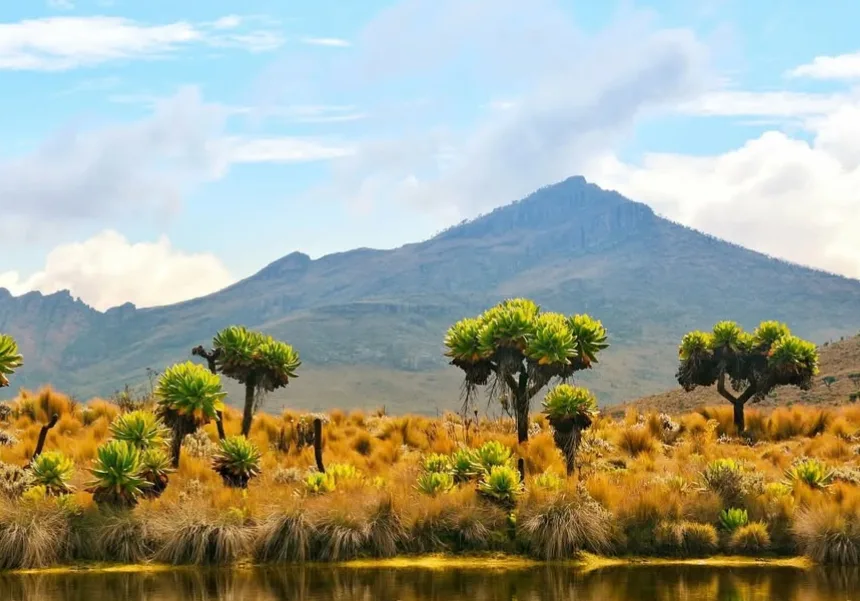
For keen birdwatchers, the park is a key destination for high-altitude and regional endemic species that are difficult to find elsewhere. Photographers can focus on the unique Afro-alpine flora, the grand scale of the caldera, and the atmospheric cave systems.
Geological Points of Interest and Local Culture
The park is a compelling destination for visitors with an interest in geology, offering direct access to a huge volcanic caldera and extensive lava tube caves. The mountain's foothills are home to various communities, including the Sabot, Sabiny, and Bagisu people, providing opportunities for respectful cultural interaction when arranged as part of a guided itinerary.
How Mount Elgon Compares to Mount Kenya
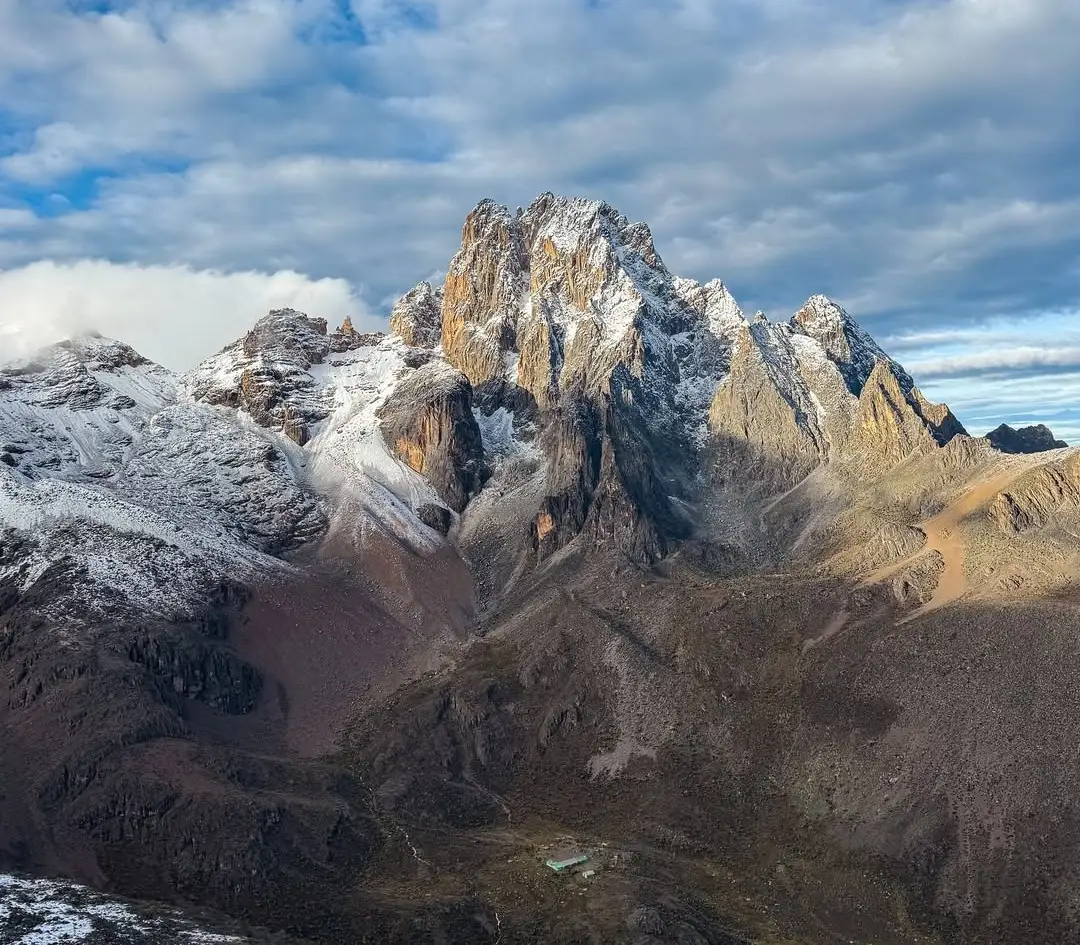
In contrast to Mount Kenya, Mount Elgon presents a less technically demanding ascent. Its defining geological feature is the immense caldera, while Mount Kenya is known for its jagged, glaciated peaks. The behaviour of the salt-mining elephants in the caves provides a wildlife encounter unique to Mount Elgon, distinguishing it from any other mountain destination in East Africa.