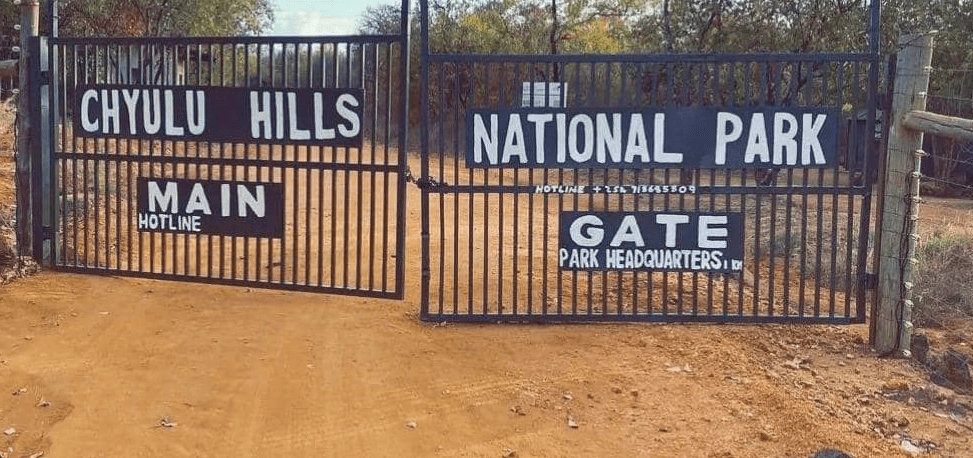
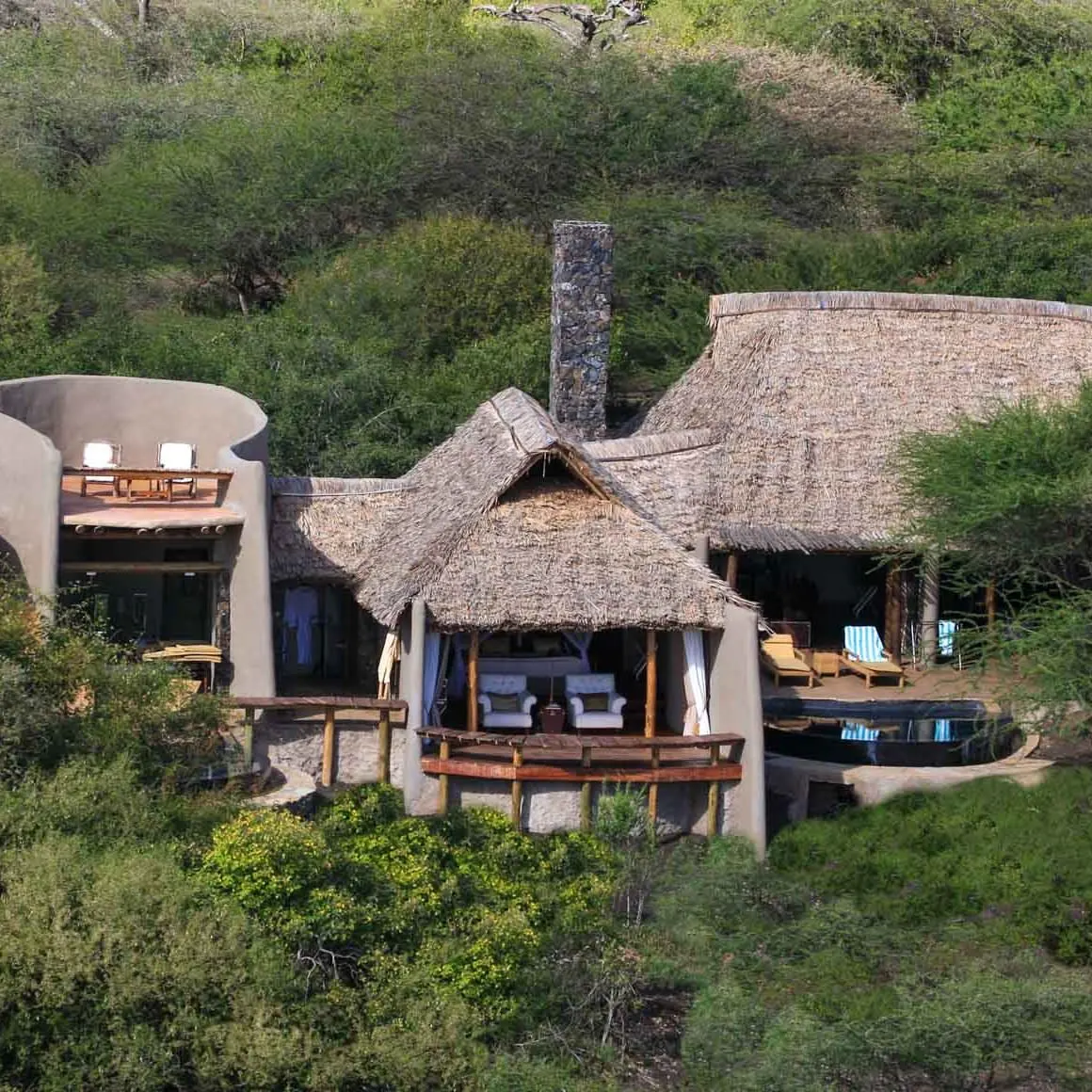
Southeastern Kenya is home to a chain of geologically recent volcanic hills that form a distinct and vital ecosystem. Chyulu Hills National Park protects a significant portion of this volcanic range. The park delivers a safari experience defined by its unique topography and commitment to active conservation programmes.
Overview
Name
Chyulu Hills National Park
Type
National Park
Town
Mtito Andei
Country
Kenya
An Introduction to Chyulu Hills National Park
Chyulu Hills National Park presents a unique safari proposition for the discerning traveller. Unlike the vast, open savannas that characterise other famous Kenyan reserves, this park offers a more subtle and immersive wilderness encounter. Its foundation of volcanic activity has created a terrain of rolling hills, hidden forests, and complex underground water systems, demanding a more active and engaged style of exploration.
The Green Hills of Africa
The Chyulu Hills are a range of volcanic cinder cones and craters, famously called the "Green Hills of Africa" in the works of Ernest Hemingway. Rolling hills covered in grassland and patches of dense montane forest characterise the park's appearance, a sharp contrast to the arid plains of adjacent parks. The volcanic soil is exceptionally porous, allowing rainwater to absorb quickly into a unique hydrological system with no surface rivers. This water filters through the volcanic rock, eventually feeding the Mzima Springs in the neighbouring Tsavo West National Park.
Why Chyulu Hills National Park Appeals to Australian Adventurers
Australian travellers seeking an alternative to high-traffic safari circuits find Chyulu Hills a compelling option. The focus here shifts to active pursuits beyond the standard game drive. Opportunities for extensive walking safaris, horseback riding across open terrain, and navigating cave systems are the primary attractions. A low visitor density and the exclusive nature of the operations in adjoining conservancies provide a feeling of genuine wilderness immersion.
The Geography and Volcanic Landscape of Chyulu Hills
The physical character of Chyulu Hills National Park is a direct result of its recent volcanic past. This geological foundation influences everything from the soil composition and water distribution to the types of vegetation and the movement of wildlife. The dramatic variations in altitude across the park create a series of interconnected micro-habitats, each with its own specific features.
Strategic Location Between Amboseli and Tsavo
The Chyulu Hills are situated in southeastern Kenya, approximately 230 kilometres southeast of Nairobi. The park's boundaries span both Makueni and Kajiado Counties and sit strategically between Amboseli National Park to the west and Tsavo West National Park to the east. This position makes the park an integral component of a much larger and more significant wildlife ecosystem.
Volcanic Origins and Diverse Ecosystems
The park’s foundation is volcanic, with some areas having a geological history of only a few hundred years. This recent activity results in vast stretches of black lava rock, known locally as ‘shetani’ flows, which are stark and dramatic. Elevation in the park ranges from around 900 metres to a peak of 2,188 metres. This variation creates distinct ecological zones, from semi-arid bush at lower altitudes to cool, moist cloud forests on the highest peaks. These forests capture moisture directly from the air, sustaining a variety of specialised flora and fauna.
Panoramic Views of Mount Kilimanjaro
On clear days, typically during the early morning or late afternoon, the Chyulu Hills offer extraordinary, unobstructed views of Mount Kilimanjaro. The mountain's iconic snow-capped peak rises dramatically above the plains to the southwest. This view provides a stunning backdrop for photography and game viewing activities.
Chyulu Hills as a Vital Wildlife Corridor
The park and its surrounding conservancies form a critical wildlife corridor. This natural passage allows large mammal populations, especially elephants and buffalo, to move between the permanent water sources of Amboseli and the expansive grazing areas of the Tsavo Conservation Area. This function is particularly important during the wet seasons when animals disperse from the plains into the hills.
Wildlife Encounters in Chyulu Hills National Park
The thick vegetation and rugged topography of Chyulu Hills make wildlife viewing a rewarding challenge. Sightings here feel earned, offering a more intimate experience than in open-savanna parks. The park's diverse habitats support a wide range of species, from large mammals to specialist birdlife, though patience and skilled guiding are key to successful encounters.
The Big Five and Critically Endangered Black Rhino
Chyulu Hills is home to the 'Big Five': lion, leopard, elephant, buffalo, and the critically endangered Eastern black rhinoceros. Due to the dense cover, spotting these animals requires expertise. A small, heavily protected population of black rhinos is monitored by rangers from the Big Life Foundation. Tracking them on foot with a dedicated team is a specialised, conservation-focused activity offered in the area.
Elusive Predators of Chyulu Hills
Leopards are well-suited to the rocky outcrops and forested gullies of the hills, though they remain characteristically elusive. Cheetahs can occasionally be seen in the open grasslands at the base of the hills. The low density of tourist vehicles provides a more natural setting for observing predator behaviour when sightings occur.
Diverse Herbivores and Ungulates
Large herds of African elephant and buffalo move through the corridor. The park also supports a range of other herbivores adapted to its specific environment.
Common Eland: The world's largest antelope, often seen in the grasslands.
Fringe-eared Oryx: A striking, arid-adapted antelope with long, straight horns.
Klipspringer: A small, agile antelope perfectly adapted for navigating the lava flows.
Bushbuck: A shy, forest-dwelling antelope found in the denser thickets.
Giant Forest Hog: One of the more unusual and secretive large mammals of the forested zones.
A Birdwatching Paradise with Over 300 Species
The variation in altitude and habitat supports over 300 bird species. The montane forests host specials like the Orange-ground Thrush and White-starred Robin, while raptors such as the Martial Eagle, Crowned Eagle, and Verreaux's Eagle are frequently sighted. The rare Shelley's Francolin can be found in the grasslands. The wet season brings migratory species, making it a particularly rewarding time for birders.
The Regional Wildlife Migration of Chyulu Hills
The wildlife movements here should be distinguished from the Great Wildebeest Migration of the Maasai Mara. The Chyulu Hills facilitates a critical regional migration, acting as a wet-season dispersal area for wildlife from the Amboseli and Tsavo ecosystems. Animal densities within the park fluctuate significantly based on rainfall and the availability of water in the surrounding plains.
Getting to Chyulu Hills National Park from Australia
Travel from Australia to this relatively remote part of Kenya requires careful logistical planning. The journey involves a long-haul international flight to Nairobi, followed by a domestic transfer to the park itself. Several options exist for the final leg of the journey, each with different time and budget considerations.
Long Haul Flights from Australia to Nairobi
Jomo Kenyatta International Airport (NBO) in Nairobi is the primary entry point for Australian travellers. No direct flights operate from Australia to Kenya. The journey typically involves a single stopover in hubs such as Doha (Qatar Airways) or Dubai (Emirates). Total flight and transit time from major Australian cities like Sydney, Melbourne, or Brisbane usually exceeds 20 hours.
Domestic Flights to Chyulu Hills Airstrips
The most efficient transfer from Nairobi to Chyulu Hills is by a scheduled light aircraft service. After arrival at NBO, a road transfer is necessary to Wilson Airport (WIL), Nairobi's domestic hub. From Wilson, airlines like Safarilink and AirKenya operate daily flights to various airstrips serving the Chyulu Hills area, including Ol Donyo and Finch Hattons. The flight duration is approximately one hour. Lodge representatives meet guests at the airstrip.
Travelling by Road to Chyulu Hills
A road journey from Nairobi is a viable but lengthy alternative, taking approximately four to five hours. The route follows the main Nairobi-Mombasa (A109) highway. A high-clearance 4x4 vehicle is mandatory. While the highway is tarmacked, the access roads into the park and the internal road network consist of rough, unsealed tracks that become difficult during wet weather.
Accessing Chyulu Hills by Train
The Madaraka Express (Standard Gauge Railway) offers a modern train service from Nairobi to the coastal region. Passengers can alight at either Emali or Mtito Andei stations. A pre-arranged road transfer with your accommodation provider is required to reach the park from these stations, a journey that can take over an hour on rough roads.
The Kibwezi Gate Primary Park Entrance
For self-driving visitors, the primary public access point into the national park is the Kibwezi Gate. This entrance is located off the main A109 highway before the town of Kibwezi.
The Best Time for an Australian Visit to Chyulu Hills
The timing of a safari to Chyulu Hills can significantly influence the experience, affecting wildlife visibility, road conditions, and the general appearance of the terrain. Kenya's distinct dry and wet seasons each offer unique opportunities, with the ideal period depending on a traveller's specific interests, such as game viewing, photography, or birdwatching.
Ideal Dry Season Safari Months
The long dry season from June to October is generally considered the optimal time for wildlife viewing. The vegetation is thinner, which improves visibility, and animals tend to congregate around the limited water sources. A shorter dry season also occurs in January and February. This period aligns well with the Australian winter, making it a popular travel window.
Advantages and Challenges of the Wet Season
The main 'long rains' fall from March to May, with 'short rains' from late October to December. During these periods, the hills become brilliantly green and the air is clear of dust, offering excellent conditions for photography. Birdwatching is at its peak. Travel can be affected by muddy roads, and some lodges may close, particularly during the heaviest rains in April and May.
Weather Patterns and Temperatures in Chyulu Hills
Due to its higher elevation, Chyulu Hills is generally cooler and receives more rainfall than the surrounding plains. Days are pleasant, but nights and early mornings can be quite cool, making layered clothing essential.
Season
Average Daytime Temp (°C)
Average Night-time Temp (°C)
Dry Season (Jun-Oct)
25-28°C
10-14°C
Wet Season (Mar-May)
22-26°C
12-16°C
Active Safari Experiences in Chyulu Hills National Park
The true appeal of Chyulu Hills lies in the variety of activities available beyond the confines of a safari vehicle. The park's terrain encourages a hands-on approach to experiencing the bush. These activities provide a deeper, more sensory connection to the environment, from feeling the volcanic soil underfoot to appreciating the silence of the forest.
Guided Walking Safaris and Bush Exploration
Chyulu Hills is one of the premier destinations in Kenya for walking safaris. Guided bush walks offer a different perspective on the local fauna and flora, allowing for an appreciation of the smaller details often missed from a vehicle. These walks can range from short, interpretive strolls to more strenuous full-day hikes.
Horseback Riding Safaris Across the Plains
Riding on horseback across the open country is a signature activity in the conservancies bordering the park. This method allows you to get unusually close to plains game like zebra and giraffe, which are less intimidated by horses than by vehicles or people on foot. Rides can be tailored to suit all experience levels.
Navigating the Leviathan Lava Tube System
A key geological feature is the Leviathan Cave, part of the Kisula Caves complex, one of the world's longest lava tube systems at over 11 kilometres. Guided walks into sections of this vast underground network are possible. The caves are home to bat colonies and unique invertebrate life, offering a completely different kind of wilderness experience.
Maasai Community and Cultural Experiences
The areas surrounding the park are Maasai community lands. Many safari operations in the region are run in partnership with these communities. This provides opportunities for authentic cultural engagement, such as a visit to a local village or school, which offers insight into the traditional Maasai way of life and its connection to the local ecosystem.
Practical Planning for Australian Travellers
A successful safari to Chyulu Hills requires careful pre-trip preparation, particularly for visitors from Australia. Key considerations include visa applications, health precautions, currency management, and an understanding of the travel seasons. Addressing these practical elements well in advance ensures a smooth and enjoyable journey.
Chyulu Hills National Park At a Glance
Attribute
Detail
Location
Southeastern Kenya, between Amboseli and Tsavo West
Australian passport holders require official authorisation to enter Kenya. Visas are not available on arrival. You must apply for an Electronic Travel Authorisation (eTA) online through the official Government of Kenya portal. This application should be completed well in advance of your departure date to allow for processing time.
Health Preparations and Vaccinations for Kenya
A Yellow Fever vaccination certificate is mandatory for entry into Kenya for travellers arriving from risk countries, and is highly recommended for all. It is critical to consult your GP or a specialised travel doctor in Australia at least six to eight weeks before your trip. They will provide personalised advice on other recommended vaccinations and necessary anti-malarial medication for the Chyulu Hills region.
Currency and Payment Methods in Kenya
The official currency is the Kenyan Shilling (KES). Park entry fees, payable to the Kenya Wildlife Service (KWS), are quoted in US Dollars (USD) for non-residents and must be paid via a cashless system such as a credit or debit card. Most high-end lodges also price their services in USD. It is useful to have a small amount of KES for local purchases and tips. Australian travellers must account for the AUD to USD and AUD to KES exchange rates when budgeting.
Planning Travel During Australian School Holidays
The peak safari season in Kenya from June to October coincides with the mid-year and winter school holidays in Australia. This period is popular for family travel, resulting in higher demand for flights and accommodation. Booking well in advance is essential. Travelling in the shoulder seasons, such as March, June, or October, can sometimes offer better value while still providing good conditions.
Recommended Itinerary Length for Chyulu Hills
Given the long-haul travel from Australia, a typical Kenyan safari itinerary should be at least 10 to 14 days in total. For Chyulu Hills specifically, a stay of two to three nights is recommended. This duration allows sufficient time to engage in the various activities available and to appreciate the unique environment without feeling rushed.
Building a Chyulu Hills Safari Itinerary
A well-organised safari itinerary maximises your time in Kenya by logically connecting destinations and activities. Chyulu Hills is rarely visited in isolation; its location makes it an ideal component in a broader circuit that showcases the diversity of Kenya's southern parks. Professional planning is key to managing the complex logistics of transfers, park fees, and activity schedules.
Combining Chyulu Hills with Other Kenyan Parks
Chyulu Hills combines logically with its neighbours, Amboseli National Park and Tsavo West National Park, creating a diverse safari circuit in southeastern Kenya. It also serves as an excellent, quieter contrast to the Maasai Mara. A common itinerary might start in the Chyulu or Amboseli region before flying to the Mara to witness its high-density wildlife spectacle.
Essential Packing List for a Chyulu Hills Safari
Packing for Chyulu Hills should focus on practicality and layers to accommodate temperature changes.
Lightweight clothing in neutral colours such as khaki, green, or brown.
A warm fleece or jacket for cool evenings and early morning drives.
Sturdy, comfortable walking shoes suitable for uneven terrain.
Sun protection: a wide-brimmed hat, sunglasses, and high-SPF sunscreen.
A small personal first-aid kit with any required medications.
Binoculars and a good quality camera with a versatile zoom lens.
Booking and Organising a Chyulu Hills Safari
Arranging a safari to Chyulu Hills involves coordinating international and domestic flights, road transfers, accommodation, and activities. Working with a specialist safari planner is the most effective way to ensure all logistical elements are correctly managed. This professional support allows you to focus on the experience itself.
For optimal safari weather in Chyulu Hills National Park, the long dry season from June to October offers the best conditions, characterized by cooler temperatures, minimal rainfall, and exceptional atmospheric clarity for breathtaking views of Mount Kilimanjaro.