The Laikipia Plateau covers the highlands of central Kenya, a vast rangeland recognised for its pioneering conservation efforts. The 364-square-kilometre Ol Pejeta Conservancy is a private reserve on this plateau, functioning as a critical sanctuary for rhinos and a model for integrated wildlife and livestock management.
Overview
Name
Ol Pejeta Conservancy
Type
Conservancy
Town
Nanyuki
County
Laikipia
Country
Kenya
Location of Ol Pejeta Conservancy in Kenya
Ol Pejeta Conservancy's strategic position in the heart of Kenya makes it a vital component of the Laikipia ecosystem. Its high altitude and proximity to major geographical landmarks define its climate and character, offering a unique setting for a safari that is accessible from the country's capital, Nairobi.
Positioned on the Equator in Laikipia County
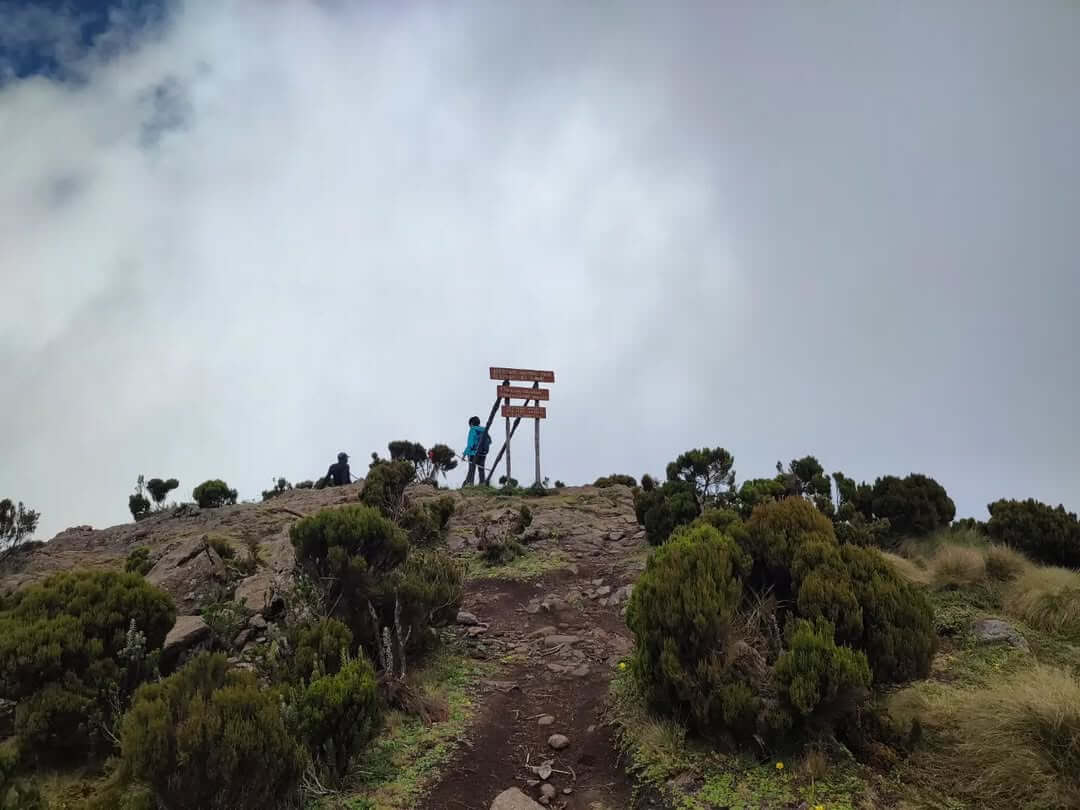
Ol Pejeta Conservancy is located directly on the equator in central Kenya's Laikipia County. Its high-altitude setting, ranging from 1,820 to 2,100 metres above sea level, creates a temperate climate with cool nights and warm days. On clear days, the conservancy provides direct views of the peaks of Mount Kenya to the east and the Aberdare Range to the west.
The Laikipia Ecosystem and Key Habitats
The conservancy is a key part of the greater Laikipia ecosystem. The terrain is a composite of distinct habitats, primarily open savannah plains, dense acacia drepanolobium (whistling thorn) woodland, and riverine forest along the Ewaso Nyiro River, which forms its southern boundary. This variety of vegetation supports a high density and diversity of wildlife.
Ol Pejeta offers some of the most consistent and diverse wildlife viewing opportunities in East Africa. The conservancy's conservation successes have resulted in healthy populations of iconic and endangered species, making it a primary destination for seeing specific animals that are rare elsewhere.
The Last Two Northern White Rhinos
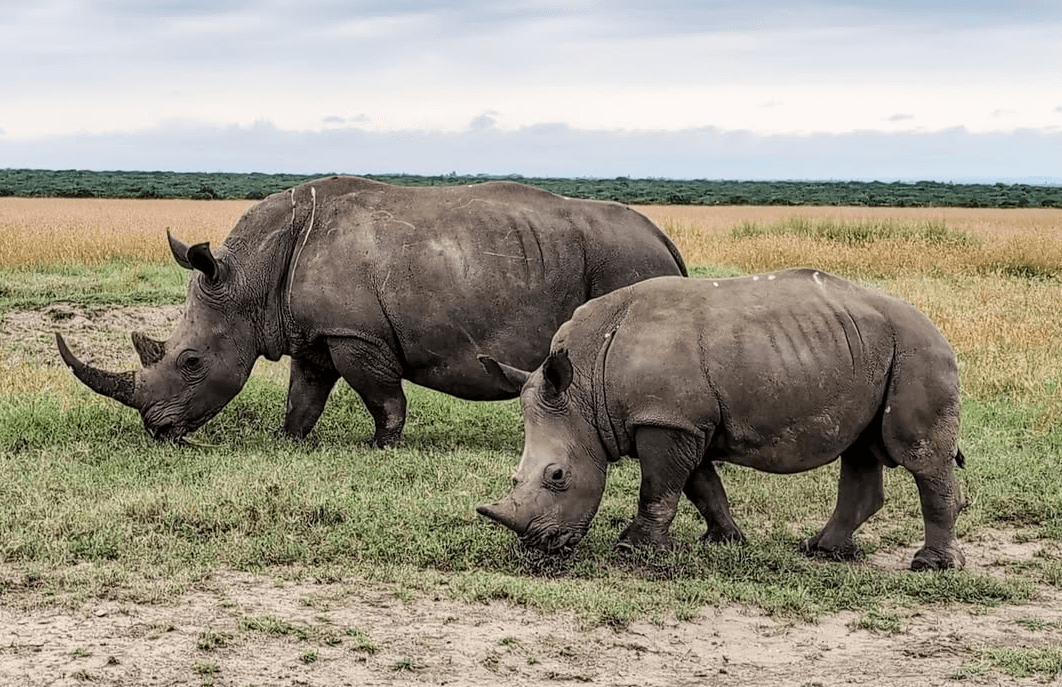
The most significant residents of Ol Pejeta are Najin and Fatu, the last two northern white rhinos on Earth. These females live within a 700-acre secure enclosure, protected around the clock by armed guards. A visit to their enclosure provides a direct encounter with a species on the brink of extinction and an understanding of the intensive scientific efforts, led by the BioRescue consortium, that are underway to prevent their complete disappearance.
East Africa's Largest Black Rhino Sanctuary
Ol Pejeta is a stronghold for the critically endangered black rhino. It operates as the largest sanctuary for the species in East and Central Africa, protecting a breeding population that has grown to over 165 individuals. The success of this programme makes black rhino sightings highly probable during game drives, a rare privilege in other parts of Africa.
Sweetwaters Chimpanzee Sanctuary
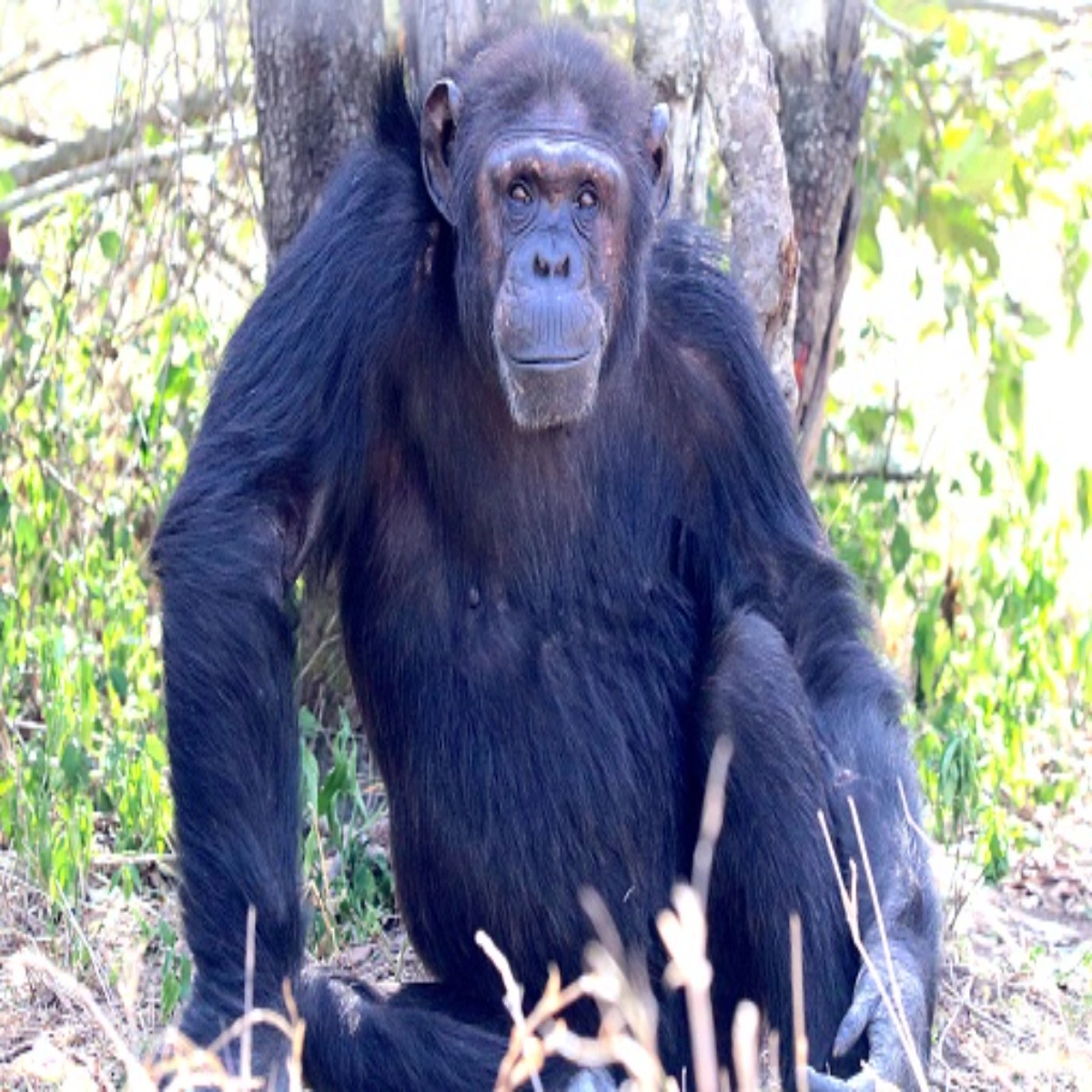
A unique feature within the conservancy is the Sweetwaters Chimpanzee Sanctuary, the only place in Kenya to see these great apes. Established in partnership with the Jane Goodall Institute, it provides a lifelong home for orphaned and rescued chimpanzees from West and Central Africa. The sanctuary is split by the Ewaso Nyiro River, allowing the chimpanzees to live in large, natural enclosures.
The Big Five and Northern Special Five
Ol Pejeta is a reliable destination for viewing all members of the 'Big Five': lion, leopard, elephant, buffalo, and both black and southern white rhino. Its location also makes it an excellent place to see several dry-country species known as the 'Northern Special Five'.
Grevy's Zebra
Reticulated Giraffe
Beisa Oryx
Gerenuk
Jackson's Hartebeest
Predators and Nocturnal Wildlife
Beyond lions and leopards, the conservancy supports healthy populations of cheetah and African wild dog. Because Ol Pejeta is a private conservancy, night game drives are permitted, providing an opportunity to locate nocturnal species that are rarely seen during the day. These can include aardvark, bat-eared fox, white-tailed mongoose, and zorilla (striped polecat).
Birdwatching Opportunities at Ol Pejeta
With a bird list of over 300 species, Ol Pejeta is a rewarding destination for birdwatchers. The mix of habitats attracts a wide range of species. Key sightings can include the Rosy-throated Longclaw in the grasslands, Jackson's Widowbird, and a variety of raptors, including the Augur Buzzard and Secretarybird.
Travel to Ol Pejeta Conservancy from Australia
Reaching the Kenyan highlands from Australia involves a combination of international and domestic travel. The journey is well-established, with multiple options available to suit different timelines and budgets, connecting major Australian hubs with the airstrips and gateways that service Ol Pejeta.
International Flights to Nairobi
Travel from Australia to Kenya requires a long-haul flight into Jomo Kenyatta International Airport (JKIA) in Nairobi. No direct flights currently operate, so common one-stop routes from Sydney, Melbourne, or Brisbane are via hubs in the Middle East, such as Doha or Dubai. The total flight time, including the layover, is typically upwards of 20 hours.
Domestic Flights to Nanyuki Airstrip
The most efficient way to reach Ol Pejeta from Nairobi is by a scheduled domestic flight. These services depart from Wilson Airport (WIL), a separate airport in Nairobi dedicated to light aircraft. The flight to Nanyuki Airstrip (NYK), the closest commercial airport to the conservancy, takes approximately 35 to 45 minutes. From Nanyuki, a short road transfer is required to reach the conservancy gates.
Road Transfers from Nairobi
A road transfer from Nairobi to Ol Pejeta is a viable alternative. The journey covers approximately 220 kilometres along the A2 highway and takes between three and four hours, contingent on traffic conditions when exiting Nairobi. The drive north crosses the equator and passes through the agricultural heartlands of Kenya's central highlands.
Private Air Charters to Ol Pejeta
For direct entry and added convenience, private charter flights can be organised from Nairobi's Wilson Airport to one of the private airstrips located within Ol Pejeta itself. This option bypasses the road transfer from Nanyuki and is often used by guests staying at camps inside the conservancy.
The Best Seasons to Visit Ol Pejeta Conservancy
The timing of a visit to Ol Pejeta can significantly influence wildlife viewing conditions. Kenya's climate is defined by distinct dry and rainy seasons, which directly affect animal behaviour and accessibility within the conservancy. These seasons align well with Australian holiday periods, making it a convenient safari destination.
Optimal Wildlife Viewing in the Dry Seasons
The best wildlife viewing conditions in Ol Pejeta occur during Kenya's two dry seasons, which are June to October and January to February. During these periods, vegetation is less dense, and water is scarcer. This causes animals to concentrate around permanent water sources like the Ewaso Nyiro River and various waterholes, which simplifies sightings.
Aligning a Visit with Australian School Holidays
The main dry season of June to October aligns favourably with the mid-year winter school holidays in Australia. The September and October school holidays also fall within this prime viewing period. The Christmas and summer holiday period from December to January corresponds with the short dry season, another excellent time to visit, though you may experience some residual rain from the 'short rains' of November.
Practical Information for Australian Travellers
Planning a trip from Australia to Kenya involves several key logistical considerations. From entry requirements and health precautions to currency and packing, understanding these details in advance ensures a smooth and well-prepared safari experience.
Kenyan eTA Requirements for Australians
As of 2024, Australian citizens require an Electronic Travel Authorisation (eTA) to enter Kenya. This must be applied for and approved online prior to departure. Regulations can change, so checking the official Kenyan government eTA website for the most current requirements well before your travel dates is essential.
Health Precautions and Vaccinations
A consultation with a travel doctor or GP is mandatory before travelling to Kenya. A Yellow Fever vaccination and certificate are often required for entry. Your doctor will also advise on necessary immunisations and anti-malarial medication, as Laikipia is a malaria-risk area. Comprehensive travel insurance that includes medical evacuation is a prerequisite for any safari.
Currency and Safari Costs for Australians
Safari logistics in Kenya, including conservancy fees, activities, and accommodation, are quoted and transacted in US Dollars (USD). The final cost in Australian Dollars (AUD) will fluctuate with the exchange rate at the time of payment. Carrying some USD for tipping and Kenyan Shillings (KES) for small purchases is useful. Major credit cards are accepted at most lodges.
Essential Safari Packing List
Pack lightweight, neutral-coloured clothing in khaki, green, or brown that can be layered. Early mornings and evenings at Ol Pejeta's altitude can be cool, so a warm fleece or jacket is essential. Key items include a wide-brimmed hat, sunglasses, high-SPF sunscreen, insect repellent, a good pair of binoculars, a camera with extra batteries, and any personal prescription medications.
Attribute
Details
Location
Laikipia County, Central Kenya
Altitude
1,820 to 2,100 metres
Key Species
Northern White Rhino, Black Rhino, Chimpanzee, Big Five
Best Viewing
June-Oct & Jan-Feb (Dry Seasons)
Access from Nairobi
3-4 hour drive or 45-min flight to Nanyuki
Malaria Risk
Yes, precautions are required
Safari Activities at Ol Pejeta Conservancy
As a private conservancy, Ol Pejeta offers a range of activities that provide deeper engagement with wildlife and conservation work. These experiences go beyond the standard game drive, allowing for a more comprehensive understanding of the ecosystem and the efforts being made to protect it.
Conservation Focused Experiences
Ol Pejeta provides a number of activities that are not available in most national parks. Guests can pre-book a visit to the Endangered Species Boma to see the last two northern white rhinos and learn about the breeding programme. Another activity is lion tracking, which involves joining researchers as they use telemetry to locate and monitor a collared lion, contributing to valuable data collection.
Anti Poaching Unit Demonstrations
A particularly insightful experience is meeting the conservancy's K-9 anti-poaching unit. This activity demonstrates how the dogs are trained to track poachers and find contraband. It offers a direct look at the front line of wildlife protection and is a tangible way to understand the challenges and successes of conservation work.
Night Drives and Guided Bush Walks
Because Ol Pejeta is a private conservancy, it is not bound by the strict regulations of Kenya's national parks. This allows for a more varied safari experience. Guided night drives offer a chance to see nocturnal animals, while guided bush walks provide a different perspective on the ecosystem, focusing on tracks, insects, and plants often missed from a vehicle.
Integrating Ol Pejeta into a Kenya Itinerary
A typical stay at Ol Pejeta is two to three nights. The conservancy combines logically with other destinations in northern Kenya, such as Samburu National Reserve, to see a wider range of the region's unique wildlife. Alternatively, it can be the start of a circuit that travels south to the Rift Valley lakes like Nakuru or Naivasha, before culminating in the Masai Mara National Reserve.
Family Safaris at Ol Pejeta Conservancy
The conservancy is an outstanding destination for families. The concentration of wildlife ensures that children remain engaged on game drives. The Sweetwaters Chimpanzee Sanctuary and the rhino enclosure are highly educational and impactful for all ages. Some camps offer specific family-oriented programmes, like junior ranger courses, making it a manageable and enriching first safari.
The optimal time to visit Ol Pejeta Conservancy for comfortable weather and excellent safari conditions is during the two distinct dry seasons: January to February (hotter, drier) and June to September (cooler, but equally dry). During these periods, expect warm, sunny days and notably cool to cold nights, especially from June to August, necessitating warm layers.