.webp)
.webp)
.webp)
.webp)
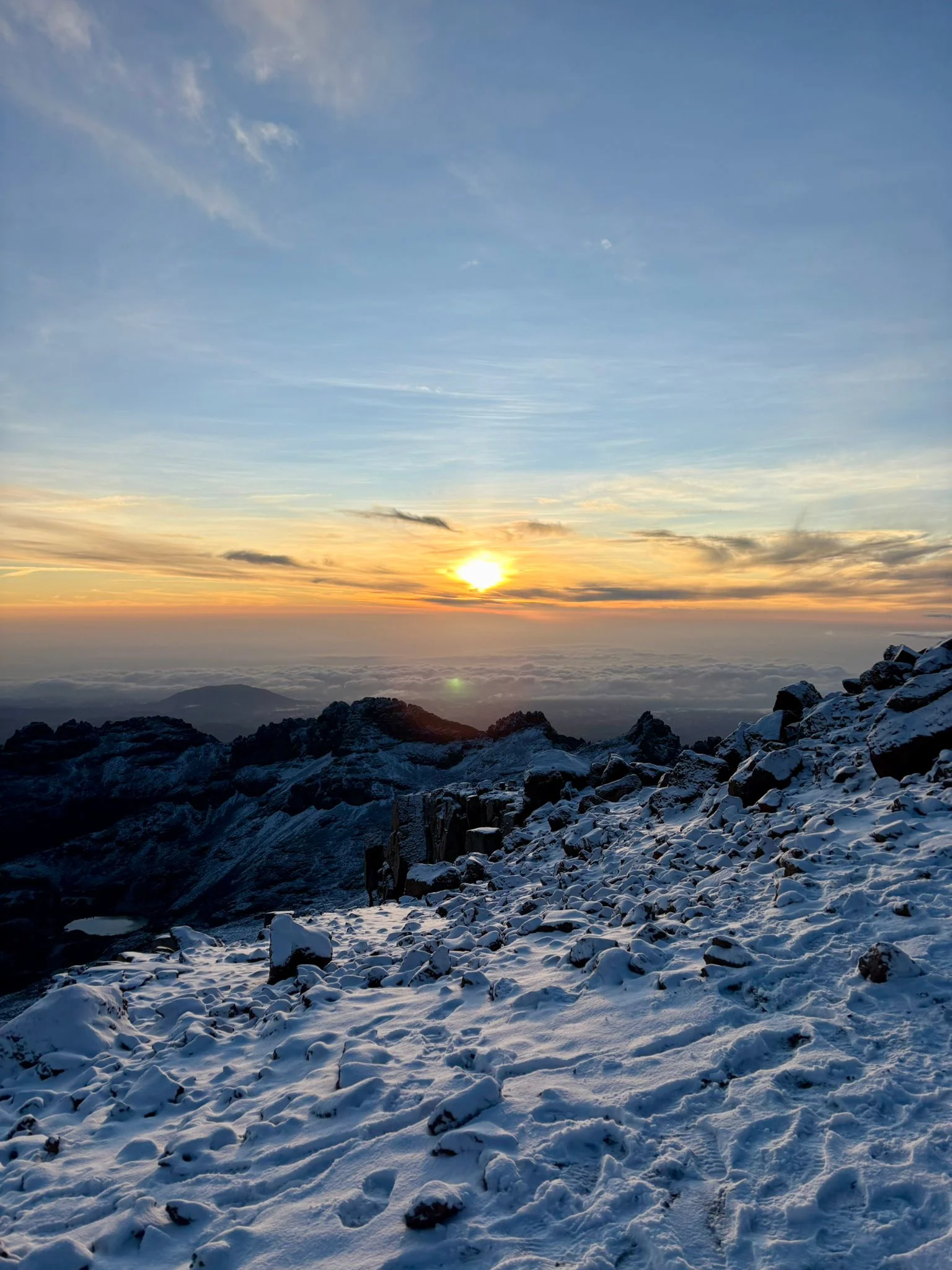
Mount Kenya National Park, a UNESCO World Heritage Site, is an equatorial high-altitude environment defined by its volcanic peaks and distinct Afro-alpine vegetation zones.
Shipton's Camp sits strategically in a high valley at approximately 4,200 metres, functioning as the principal base camp for ascents of Point Lenana via the well-established Sirimon route.
Reaching Shipton's Camp on the Sirimon Route
Shipton's Camp is located deep inside the national park and requires a multi-day trek to reach. Trekkers typically access the camp via the Sirimon Gate, approximately 230 kilometres from Nairobi.
Most trekking itineraries schedule an overnight stop at Old Moses Camp, also known as Judmaier Camp, at 3,300 metres for acclimatisation before proceeding to Shipton's. The final approach is a strenuous 5 to 7 hour walk through the Mackinder Valley, an environment dominated by giant groundsel (*Dendrosenecio keniodendron*) and lobelia plants (*Lobelia telekii*).
The camp's position provides direct, clear views of the main peaks of Batian and Nelion, offering trekkers a tangible perspective of their final objective.
Functional Infrastructure at Shipton's Camp
Shipton's Camp is constructed for functional shelter against harsh alpine conditions, not for luxury. The entire infrastructure is robust and designed to cater specifically to the logistical needs of mountaineers and high-altitude trekkers.
Its stone, timber, and corrugated iron construction provides essential refuge from sub-zero temperatures and high winds, creating a practical base for acclimatisation and summit preparations. The camp's design prioritises warmth, safety, and communal support over private comforts, reflecting its sole purpose as a high-altitude staging post.
Shared Mountain Huts and Bandas
Guest accommodation consists of a series of mountain huts or bandas with a total capacity for around 40 trekkers. These structures are built with stone bases and timber uppers to withstand the severe weather. Each hut features tiered bunk beds with basic mattresses.
Guests must provide their own high-grade, four-season sleeping bags and thermal liners, as no bedding is supplied. The atmosphere is communal and utilitarian, focused entirely on rest and recovery before a summit push.
The Central Dining Hall and Ablution Blocks
A large central building functions as the dining hall and common area. This space provides a crucial refuge from the elements where trekking groups convene for meals, hydration, and briefings.
The camp features shared ablution blocks with basic toilet and washbasin facilities. The water is sourced directly from untreated mountain streams and is extremely cold, requiring personal purification before consumption. Hot showers are not available.
Operational Realities at 4200 Metres
The operational logistics at Shipton's Camp are dictated entirely by its remote and high-altitude setting. The camp remains unfenced, existing as part of the wider national park wilderness. The primary environmental challenges are the altitude and weather, not the large wildlife encounters typical of lower-lying savanna parks.
A generator provides power for lighting and device charging for a limited period each evening, with operating hours announced by the camp staff. WiFi connectivity, when available, is limited to the common area and is often intermittent and slow, contingent on satellite conditions.
Trekking Logistics for Summiting Point Lenana
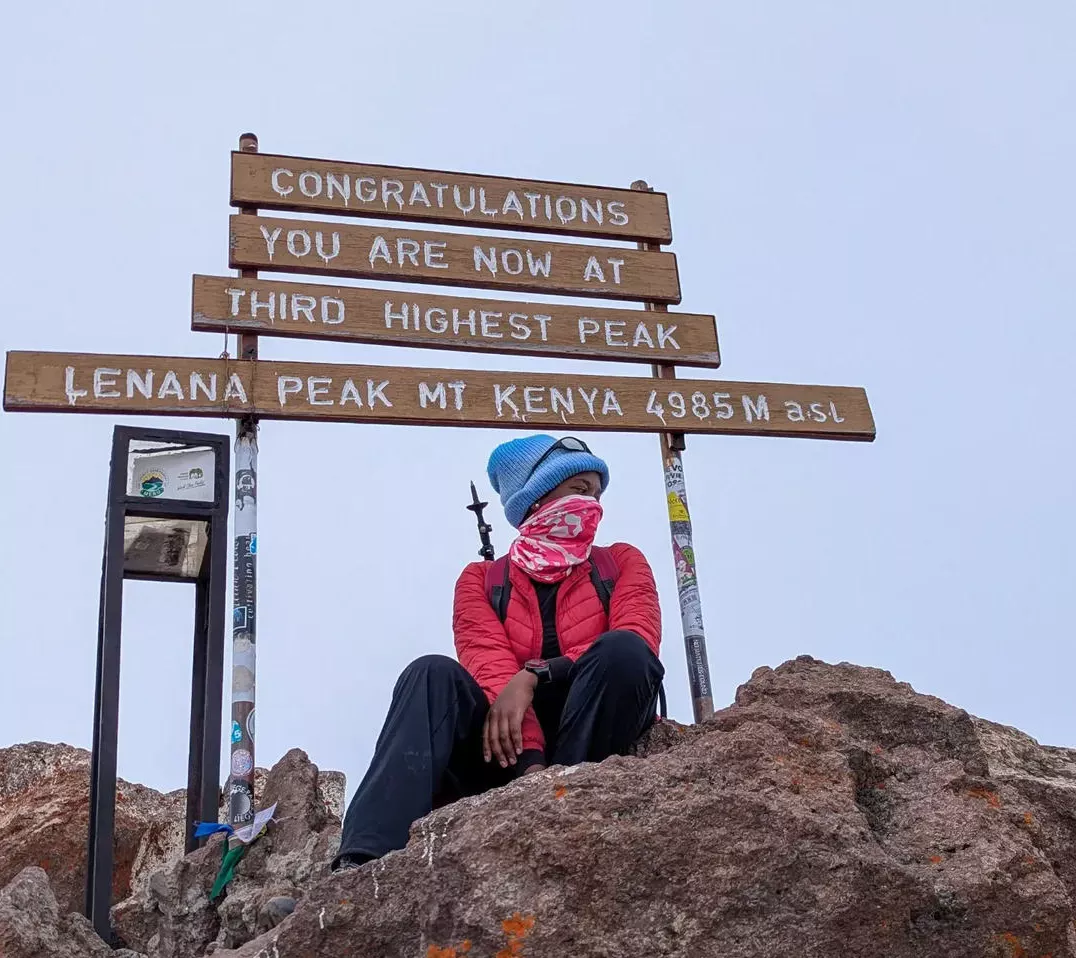
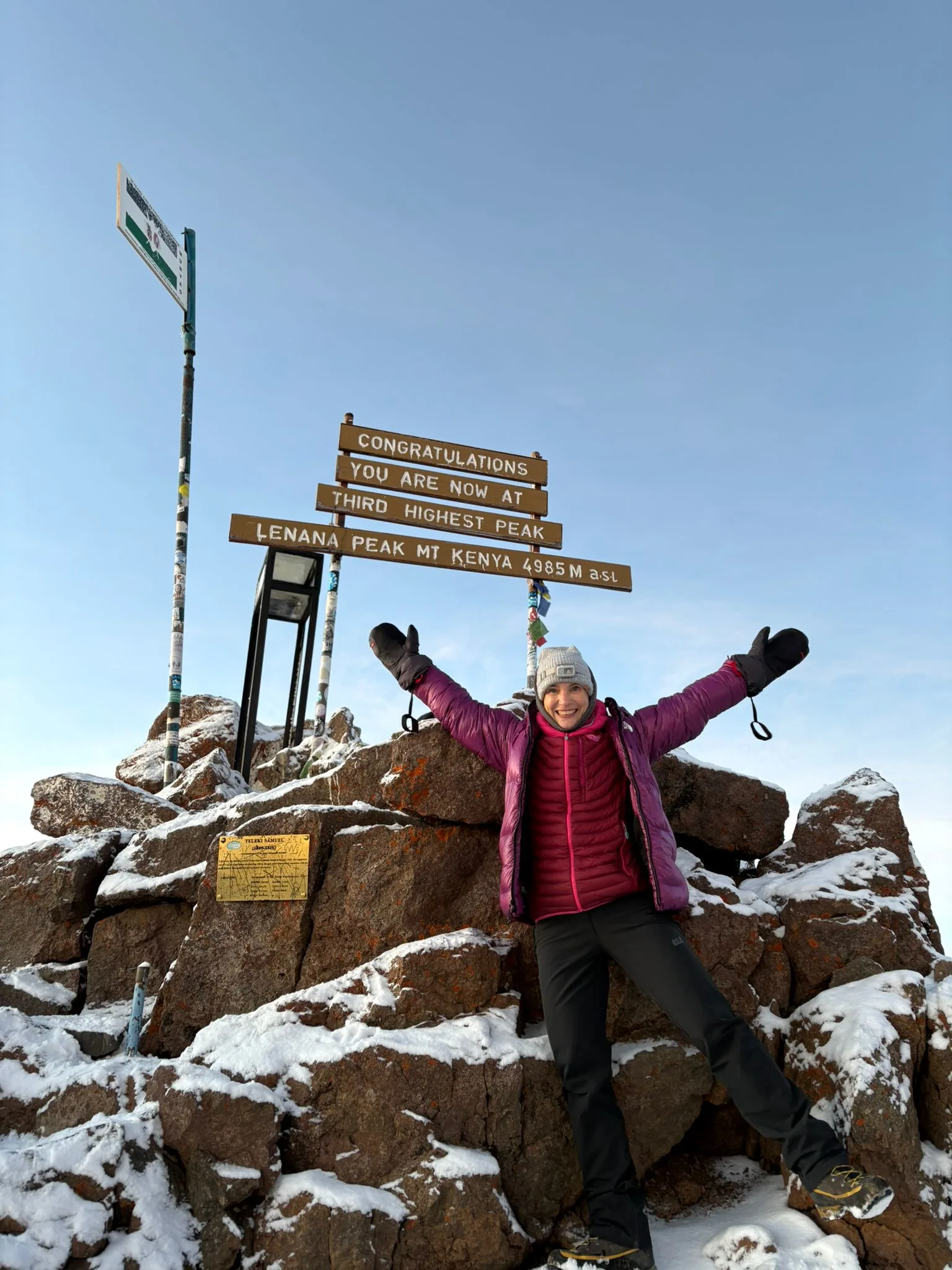
The camp's sole purpose is to support trekking activities on Mount Kenya. The main activity is the pre-dawn summit attempt on Point Lenana (4,985m), the park's third-highest peak and the one accessible to trekkers without technical climbing equipment.
Guides who accompany trekking groups from the park gate use the camp to conduct final briefings on summit night procedures, safety protocols, and altitude sickness management. For acclimatisation, trekkers can undertake short walks around the camp area to observe the unique flora and gain better views of the surrounding cirque of peaks.
Thorough preparation for the alpine conditions is critical. Overnight temperatures frequently drop well below freezing, and trekkers must be equipped with appropriate high-altitude gear. Essential items include:
- A sub-zero rated four-season sleeping bag and thermal liner
- Layered thermal clothing including base, mid, and outer shells
- Waterproof and windproof jacket and trousers
- Insulated gloves, a balaclava, and a warm beanie
- Sturdy, well-worn hiking boots and quality wool socks
- A head torch with spare batteries for the night ascent
- High-SPF sunscreen and polarised sunglasses
Shipton's Camp At a Glance
| Attribute | Specification |
|---|---|
| Camp Type | Permanent Mountain Hut Base Camp |
| Location | Mount Kenya National Park, Sirimon Route |
| Altitude | Approx. 4,200 metres (13,780 feet) |
| Accommodation Style | Shared Bunkhouses |
| Water Supply | Cold Mountain Stream (Untreated) |
| Power Supply | Timed Generator (Evenings only) |
| Security | Unfenced Wilderness Area |
| Primary Focus | Mountaineering & High-Altitude Trekking |
Who is Best Suited for a Stay at Shipton's Camp
Best For: Serious Trekkers and Mountaineers.
Shipton's Camp is a non-negotiable logistical hub, not a destination for leisure travel. Its suitability is strictly limited to well-prepared hikers aiming to summit Point Lenana or technical climbers tackling the higher peaks of Batian and Nelion.
Due to its basic amenities, extreme altitude, and singular focus on facilitating summit attempts, the camp is appropriate only for physically fit individuals with a clear mountaineering objective. It is unsuitable for children, casual tourists, or anyone with a medical condition that could be exacerbated by high altitude.