Kenya's Central Highlands feature a region of high-altitude terrain. Aberdare National Park protects a significant portion of the Aberdare mountain range. Its safari experience is defined by dense forest and montane ecosystems, a sharp contrast to the country's open savannahs.
Overview
Name
Aberdare National Park
Type
National Park
Town
Nyeri
County
Nyeri
Country
Kenya
The Geography and Location of Aberdare National Park
Aberdare National Park is a high-altitude reserve defined by the volcanic peaks of the Aberdare Range and the deep river valleys that dissect them. The park's dramatic topography has created a series of distinct ecological zones, from dense rainforest on the lower slopes to rare Afro-alpine moorlands at its highest elevations. This vertical environment shapes the movement of wildlife and offers a unique safari setting unlike any other in Kenya.
Kenya's Central Highlands and Unique Terrain
Aberdare National Park is located in Nyeri County, approximately 160 kilometres north of Nairobi. High altitude characterises the park's topography, with elevations ranging from 2,000 metres in the lower 'Salient' forest zone to 4,001 metres at the peak of Ol Donyo Lesatima. This steep altitudinal gradient creates a deeply incised V-shaped valley topography, with ridges and river valleys that dictate movement and wildlife distribution within the park.
Spectacular Waterfalls and Volcanic Peaks
Volcanic geology forms the foundation of the Aberdare Range. This history has produced a series of impressive waterfalls fed by the region's high rainfall. The most notable is Karuru Falls, which cascades 273 metres in three stages, making it Kenya's tallest. Chania Falls is another significant feature. The park's highest points, Ol Donyo Lesatima and Kinangop, are the remnants of these old volcanoes and provide challenging trekking routes with expansive views over the Great Rift Valley.
Diverse Ecosystems from Montane Forest to Afro-Alpine Moorlands
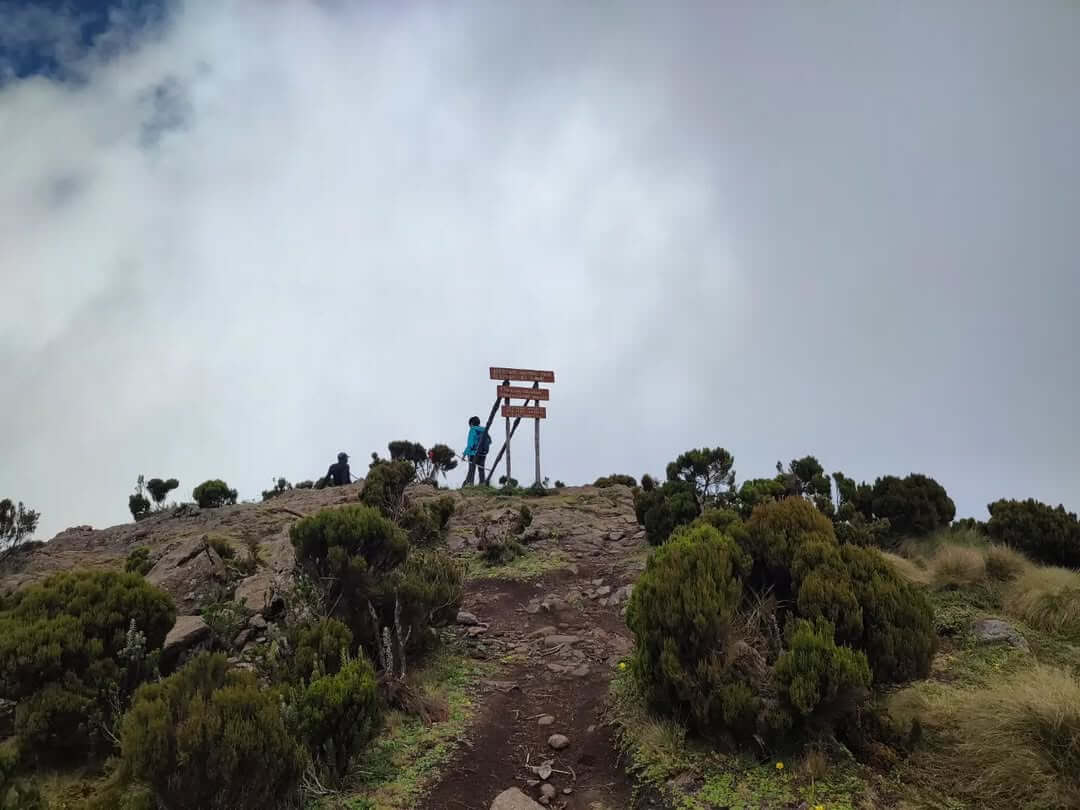
Vertical stratification within the park creates distinct vegetation zones. The lower altitudes are dominated by dense montane forest, which transitions into a thick belt of bamboo. Above the treeline, typically around 3,200 metres, the environment opens up into Afro-alpine moorlands. This rare habitat is characterised by tussock grasses and giant rosette plants such as Giant Groundsels (Dendrosenecio) and Lobelias, creating a strange and beautiful high-altitude environment.
The wildlife of Aberdare National Park has adapted specifically to its forest and montane habitats. Game viewing here is an intimate and rewarding experience, focused on tracking rare and elusive animals through dense vegetation. The thick forest cover provides a sanctuary for species that are seldom seen on the open plains, making each sighting particularly special. This environment rewards patient observation over the high-volume encounters of savannah parks.
Encountering Aberdare's Rare and Elusive Wildlife
Sightings in Aberdare often involve tracking animals through dense vegetation. The experience is less about the quantity of wildlife and more about the unique quality of the species present. The park’s dense cover provides a sanctuary for shy and rare animals that are seldom seen elsewhere, offering a different kind of safari challenge.
Spotting the Critically Endangered Eastern Black Rhinoceros
Aberdare National Park is a key sanctuary for the critically endangered Eastern Black Rhinoceros. The park's 'Salient' section, a lower-altitude forest corridor, is fenced to create a high-security conservation area. This protection has allowed the rhino population to stabilise, making Aberdare one of the most important locations in Kenya for rhino conservation efforts. Sightings require patience but are highly rewarding.
Searching for the Elusive Mountain Bongo
The park is one of the last remaining wild habitats for the critically endangered Mountain Bongo, a large and strikingly marked forest antelope. These animals are exceptionally shy and primarily nocturnal, making them one of the most difficult and sought-after sightings in Africa. Their presence underscores the park's critical conservation importance.
The Mystery of the Black Leopard
Aberdare's deep forests provide ideal conditions for melanistic leopards, commonly known as black panthers. These are a colour variant of the common leopard, not a separate species. The dark pigmentation offers superior camouflage in the deep shadows of the forest undergrowth. While sightings are extremely rare and require considerable luck, the possibility adds a layer of intrigue to any game drive.
Forest Ungulates and Primate Species
The park supports a healthy population of specialised forest dwellers not typically found on the plains. It is an excellent place to see species that thrive in the dense undergrowth and forested habitats.
Giant Forest Hog: The world's largest wild pig species, frequently seen in forest clearings.
Bushbuck and Suni: Small, shy antelope species adept at moving through thick vegetation.
Blue Duiker: A tiny forest antelope, often spotted darting across tracks.
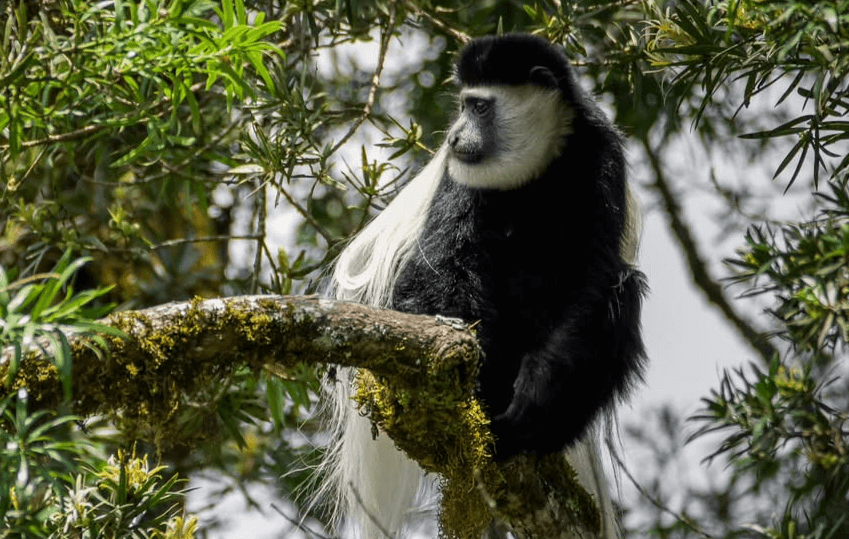
Guereza Colobus Monkey: Recognisable by its long white mantle and tail.
Sykes' Monkey: Common in the forest canopy throughout the park.
Birdwatching in a Designated Endemic Bird Area
With over 290 recorded species, Aberdare is a designated Endemic Bird Area (EBA). Its Afromontane habitats support a number of species with limited ranges. Birdwatching here is excellent, particularly for specialist forest and high-altitude birds. Key species include the endemic Aberdare Cisticola, Jackson’s Francolin, Hartlaub’s Turaco, and the migratory African Pitta.
Distinctive Montane and Forest-Adapted Animals
Many of the park's animals show adaptations to the cooler, wetter, and denser environment. Elephants here are often hairier than their savannah counterparts. The buffalo are smaller and darker, classified as a distinct forest sub-species. These variations highlight the unique evolutionary pressures of the montane ecosystem.
Accessing Aberdare National Park
The park's location in Kenya's Central Highlands makes it readily accessible from Nairobi. Most travellers arrive by road, a journey that provides a scenic transition from the capital into the agricultural heartlands of the Kikuyu people. For those on a tighter schedule, regional flights connect to nearby airstrips, followed by a short road transfer. A capable 4x4 vehicle is mandatory for navigating the park's steep and often challenging internal road network.
Road Trip from Nairobi to Aberdare National Park
Access from Nairobi is most common by road. The journey covers about 160 kilometres and typically takes three to four hours, depending on traffic conditions leaving the city. The route follows the A2 highway towards Nyeri. The final approach to the park gates is on well-maintained murram roads.
Navigating the Park's Internal Roads
A 4x4 vehicle is essential for travel within Aberdare National Park. The internal road network consists of gravel and dirt tracks that can become challenging, particularly during wet seasons when mud and slippery conditions are common. The terrain is often steep, making a high-clearance, all-wheel-drive vehicle a non-negotiable requirement for safe and effective game viewing.
Key Entry Gates to Aberdare National Park
The park has several entry points. For access to the eastern side and the Salient, the main gates are the Ark Gate near Mweiga and the Treetops Gate. On the western side, access is primarily through the Wanderis and Mutubio gates. Your choice of gate will be determined by the location of your accommodation.
Internal Flights and Transfers to Aberdare
For travellers with limited time, internal flights are a practical option. Scheduled flights depart from Nairobi's Wilson Airport (WIL) to Nanyuki Airstrip (NYK), the primary hub for the region. From Nanyuki, a pre-arranged road transfer to the park or your lodge takes approximately 45 to 60 minutes. Some lodges are also served by the smaller Mweiga Airstrip.
The Best Time to Visit Aberdare National Park from Australia
Kenya's equatorial location results in a climate governed by two distinct dry seasons and two rainy seasons. The timing of your visit to Aberdare National Park will significantly influence driving conditions, visibility, and wildlife behaviour. Planning a trip from Australia should align with the dry seasons for the most comfortable and accessible experience, while also considering the popular Australian school holiday periods.
Dry Seasons for Optimal Game Viewing and Activities
Kenya's two dry seasons, January to February and June to October, are the best times to visit Aberdare. During these periods, the weather is generally clear and dry, making internal park roads more navigable. Conditions are ideal for hiking, trout fishing, and game viewing, as wildlife may congregate more frequently around permanent water sources.
Wet Seasons and Travel Considerations
The main wet season runs from March to May, with a shorter rainy period in November and December. Travel during these months is possible, and the vegetation is exceptionally green. Heavy rains, however, can make roads very difficult to pass, potentially restricting access to certain areas of the park. Persistent mist and low cloud cover at higher altitudes are also common.
Planning Around Australian School Holidays
The June-July Australian school holiday period aligns perfectly with the main dry season in Kenya, making it an excellent time to visit. The December-January holidays coincide with the shorter dry season. Both periods are popular for international travel to Kenya, so it is advisable to book flights from Australia and accommodation well in advance to secure availability.
Practical Advice for Australian Travellers to Aberdare National Park
A trip to Aberdare from Australia requires careful planning, covering long-haul travel logistics, health precautions, and an understanding of on-the-ground conditions. Key considerations include securing the correct visa, obtaining necessary vaccinations, budgeting for park fees in the local currency, and packing appropriately for the high-altitude environment. Adhering to safety protocols will ensure a healthy and enjoyable safari.
Long-Haul Travel from Australia to Kenya
The journey from major Australian hubs like Sydney, Melbourne, or Brisbane to Nairobi (NBO) is a significant long-haul trip, typically involving at least one stop and over 20 hours of total travel time. Given the transit time, Aberdare National Park is best included as a one or two-night component within a broader seven to 14-day Kenyan safari itinerary. This allows for a good balance of experiences without excessive travel fatigue.
Visas and Vaccinations for Kenya from Australia
Australian passport holders must obtain an electronic visa (e-Visa) prior to travelling to Kenya. Applications must be made through the official government portal. A Yellow Fever vaccination certificate is mandatory for entry into Kenya and strongly recommended. It is essential to consult a GP or a travel medical clinic at least six to eight weeks before departure for personalised advice on Yellow Fever and other routine immunisations like Tetanus and Hepatitis A/B.
Budgeting for Aberdare Park Fees in AUD
Park entry fees are set by the Kenya Wildlife Service (KWS) and are charged in US dollars per person, per 24-hour period. As of recent tariffs, this is approximately US$60 for a non-resident adult. Vehicle entry fees are additional. Australian travellers must budget for the AUD equivalent and monitor exchange rates. KWS operates a cashless payment system at its gates, so payment must be made by credit card (Visa/Mastercard) or the M-Pesa mobile money system.
Staying Safe and Healthy During Your Safari
The high altitude of Aberdare National Park requires acclimatisation. Staying hydrated by drinking plenty of bottled water is advisable. Due to the altitude, temperatures can drop significantly, especially at night, so warm clothing is essential to prevent hypothermia. While malaria risk is lower than in coastal regions, it is still present; consult your doctor about appropriate antimalarial medication. Always follow the safety instructions provided by your guide, especially regarding wildlife encounters.
Planning Your Aberdare Safari from Australia
Integrating Aberdare National Park into a Kenyan safari provides a valuable change of pace and scenery from the classic savannahs. The park's distinct topography and cooler climate allow for activities and wildlife encounters that are not possible elsewhere. Strategic planning can incorporate Aberdare's unique treetop lodges and specialised activities like hiking and fishing to create a more comprehensive and varied Kenyan itinerary.
Integrating Aberdare into a Broader Kenya Itinerary
Aberdare offers a valuable contrast to Kenya's more famous savannah parks like the Maasai Mara or Amboseli. Its montane forest and high-altitude moorlands provide a different set of species and a unique safari experience. A typical circuit might include two nights in Aberdare after arriving in Nairobi, before continuing north to the Laikipia Plateau or Samburu National Reserve, or south towards the Rift Valley lakes.
Unique Activities Within Aberdare National Park
Beyond standard 4x4 game drives, Aberdare provides opportunities for activities not available in many other Kenyan national parks. These leverage the park's unique topography and water systems.
Activity
Location
Notes for Planners
Trout Fishing
High-altitude streams (e.g., Guru Karuru)
Requires a KWS fishing permit. Anglers must bring their own gear.
Guided Hiking
Moorlands, waterfall trails
Must be accompanied by an armed KWS ranger. Good fitness required for longer treks.
Waterfall Viewing
Karuru, Chania, Gura Falls
Accessible via designated viewpoints. Can be combined with a game drive or hike.
Experiencing Unique Treetop and Floodlit Waterhole Lodges
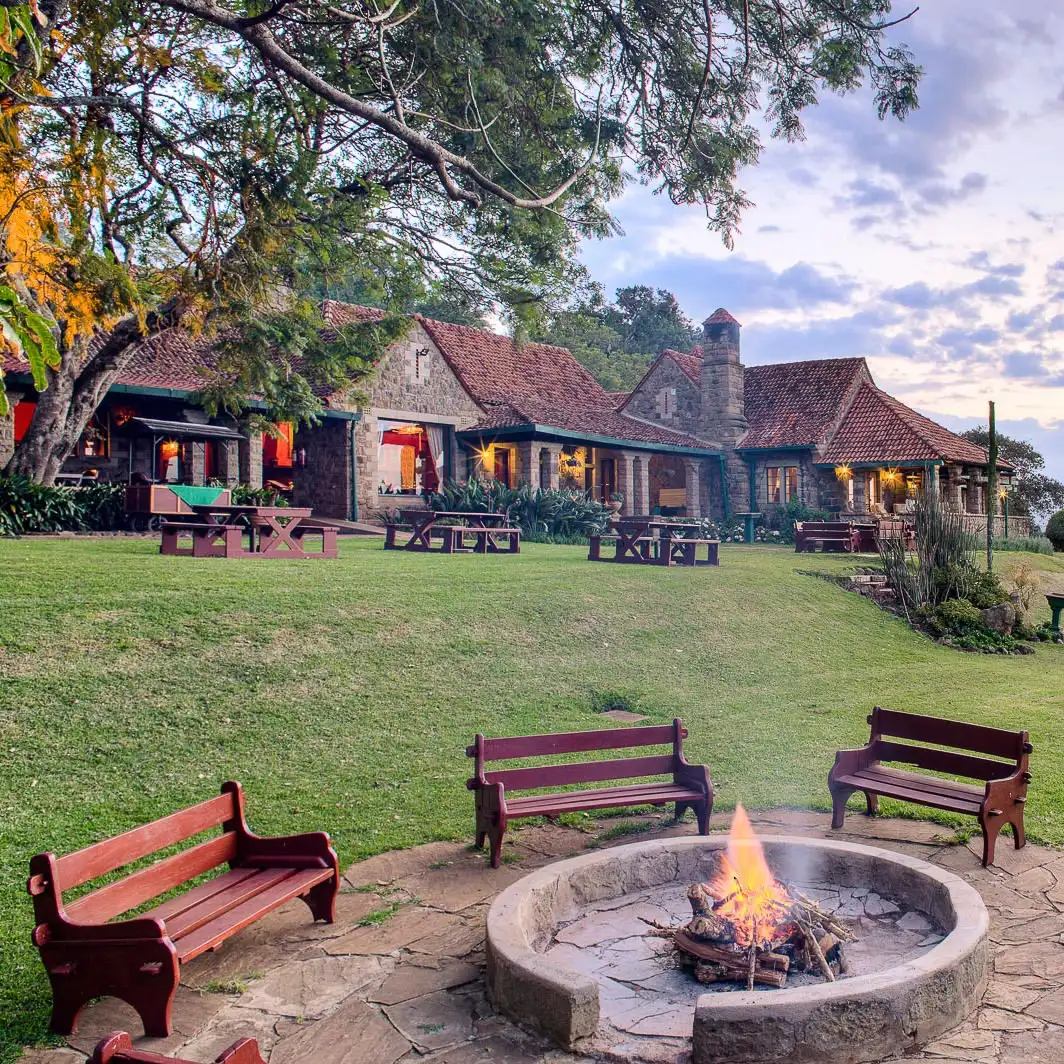
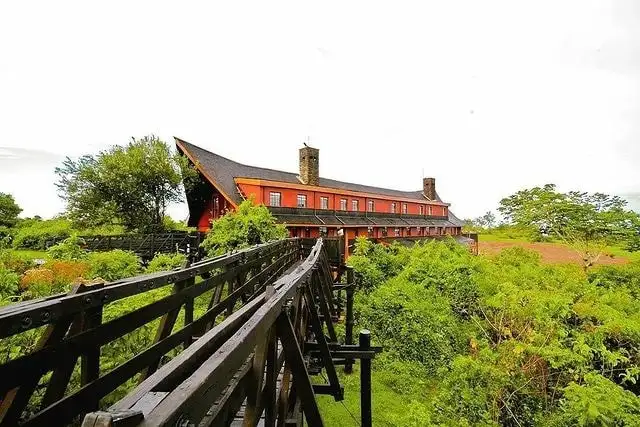
A distinctive feature of the Aberdare region is its 'treetop' style lodges, such as The Ark and Treetops. These properties are built overlooking waterholes and natural salt licks, which are floodlit at night. Guests typically check in at a base hotel in the afternoon and are transferred to the lodge with only an overnight bag. This design allows for 24-hour game viewing from balconies and viewing decks as animals emerge from the forest to drink. This is a passive but highly effective way to observe nocturnal and shy species like rhino and bongo.
What to Pack for a High-Altitude Safari Adventure
Packing for Aberdare requires a different approach than for a hot, dry savannah safari. The high altitude means cold evenings and mornings are guaranteed, regardless of the season. A layered clothing system is the most effective strategy.
Warm Layers: Fleece jackets, thermal tops, and a warm hat (beanie) are essential for early morning and evening activities.
Waterproof Outerwear: A reliable rain jacket is crucial, as mountain weather can change quickly and rain is possible year-round.
Sturdy Footwear: Waterproof walking shoes or hiking boots with good grip are necessary for any walking activities.
Neutral-Coloured Clothing: Muted colours like khaki, green, and brown are best for game drives to avoid disturbing wildlife.
Binoculars and Camera: Essential for spotting wildlife in the dense forest and capturing distant sightings.
Aberdare National Park offers a unique, consistently cool to cold highland climate year-round. For optimal weather conditions for game drives, walking safaris, and photography in 2026, the best times to visit are during the relatively drier periods: January to February and June to September.