The Masai Mara National Reserve sits in south-western Kenya and forms the northern section of the vast Serengeti-Mara ecosystem, a territory that spans the border with Tanzania. As Kenya's premier conservation area, the reserve is celebrated for its extraordinary density of wildlife and for hosting the annual Great Wildebeest Migration.
Overview
Name
Masai Mara National Reserve
Type
National Park
Town
Talek
County
Narok
Country
Kenya
Masai Mara National Reserve Geography and Location
The physical character of the Masai Mara is defined by its position within the Great Rift Valley and its classic East African topography. Its wide-open spaces, river systems, and dramatic escarpments create the ideal stage for wildlife viewing. The reserve itself covers 1,510 square kilometres, but it is part of a much larger unfenced ecosystem that allows wildlife to roam freely according to seasonal patterns.
Where the Masai Mara is Located
The reserve is situated in Narok County, Kenya, approximately 280 kilometres south-west of the capital, Nairobi. It is contiguous with Tanzania's Serengeti National Park to the south, creating a cross-border wildlife corridor. The Masai Mara is managed by the Narok County government and maintains its status as a national reserve, not a national park. This distinction permits local Maasai communities to graze livestock on the periphery, integrating traditional land use with conservation.
The Great Rift Valley and Siria Escarpment
Geographically, the Masai Mara lies within the Great Rift Valley, a geological feature that shapes much of East Africa. The western boundary of the reserve is defined by the impressive Siria Escarpment, also known as the Oloololo Escarpment. This formation rises sharply from the savannah plains and provides elevated, panoramic viewpoints over the Mara Triangle, the north-western sector of the reserve.
Masai Mara Elevation and Terrain
The elevation of the Masai Mara ranges from 1,500 to 2,100 metres above sea level. Its terrain consists primarily of open grassland and rolling savannah, punctuated by seasonal riverbeds and tracts of riverine forest along the Mara and Talek rivers. This iconic African setting provides exceptional visibility for safari game drives.
The Masai Mara provides one of Africa's most rewarding wildlife viewing experiences due to the sheer abundance and variety of its animal and bird populations. While the Great Migration is the most famous spectacle, the reserve offers a rich safari experience year-round, with high concentrations of predators and large resident herds sustained by its permanent rivers.
Witnessing the Great Wildebeest Migration
The Masai Mara is the arrival point for the Great Wildebeest Migration, typically from late July to October. During this time, colossal herds of wildebeest, zebra, and gazelle pour in from the Serengeti to graze on fresh grasses. The most dramatic events are the river crossings at the Mara River, where the herds must navigate strong currents and resident Nile crocodiles. These crossings are unpredictable, but the peak viewing period is generally August and September.
Spotting the Big Five and Other Iconic Wildlife
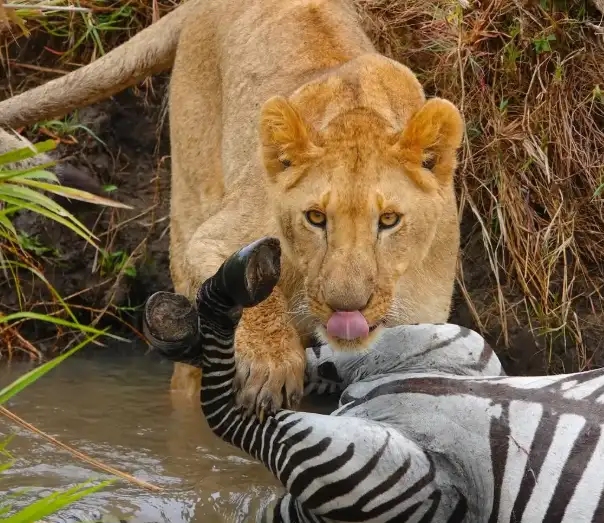
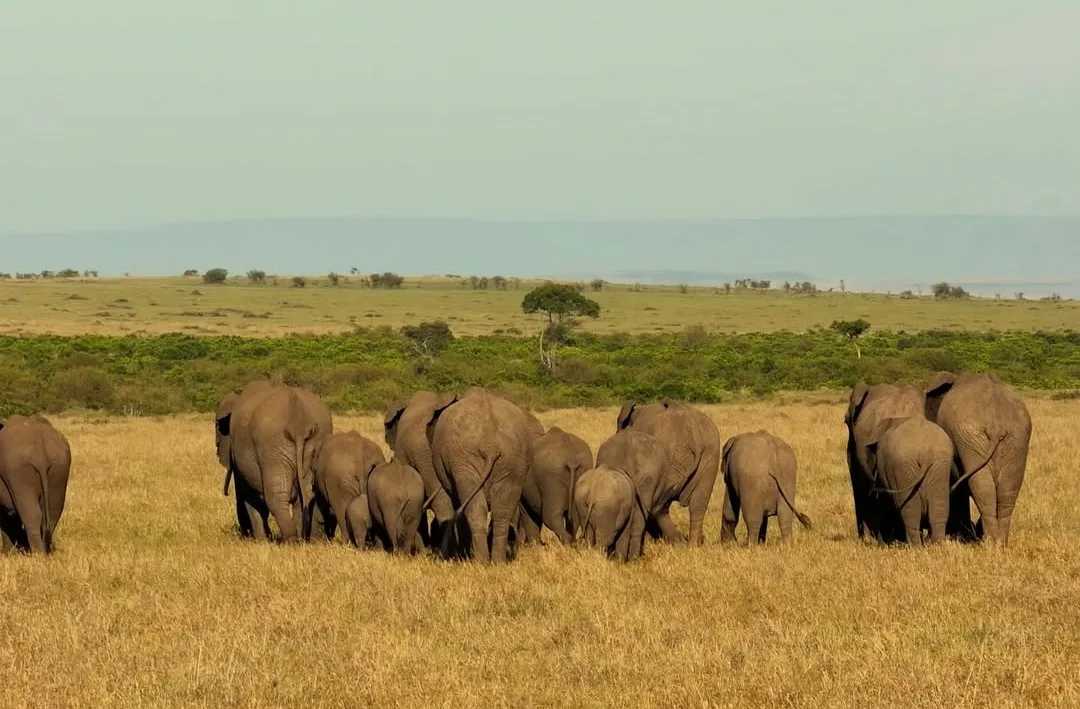
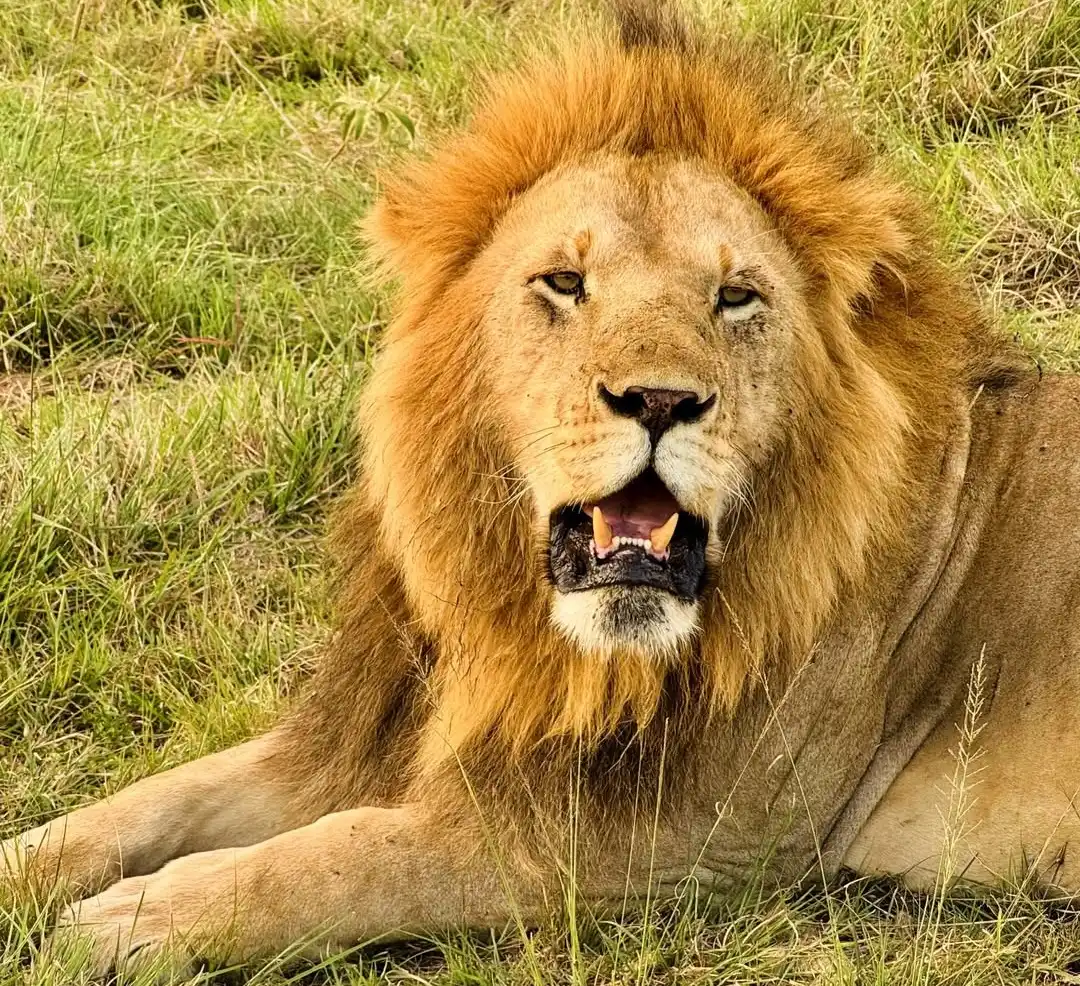
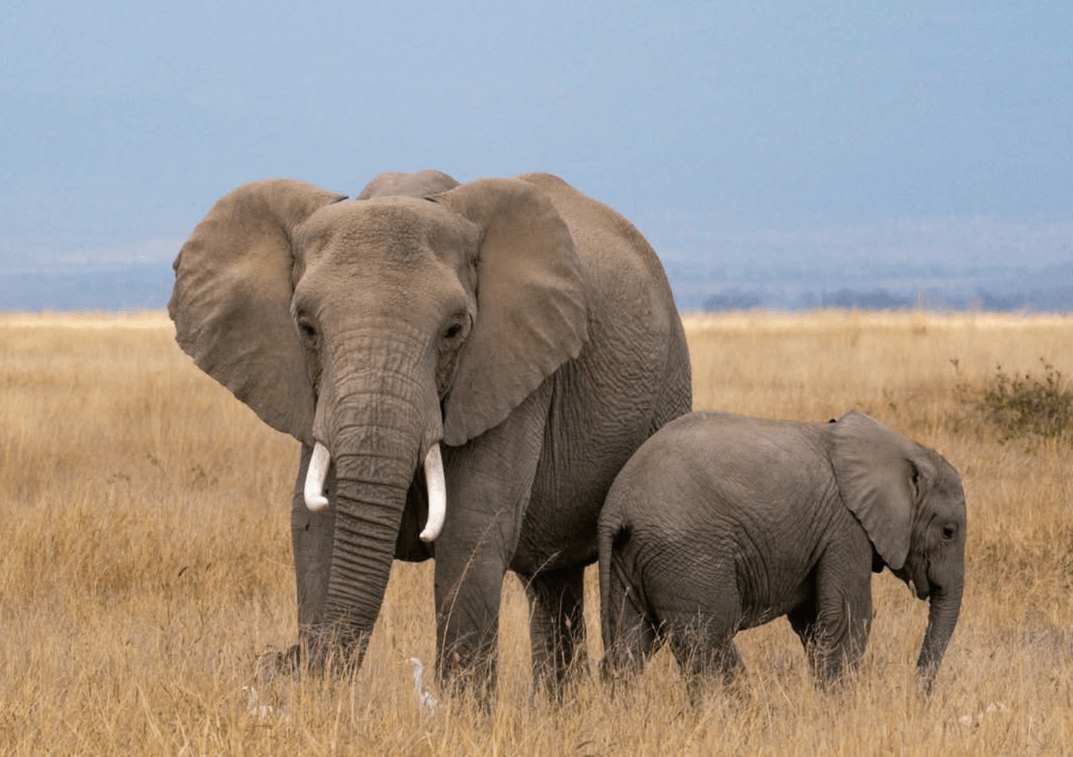
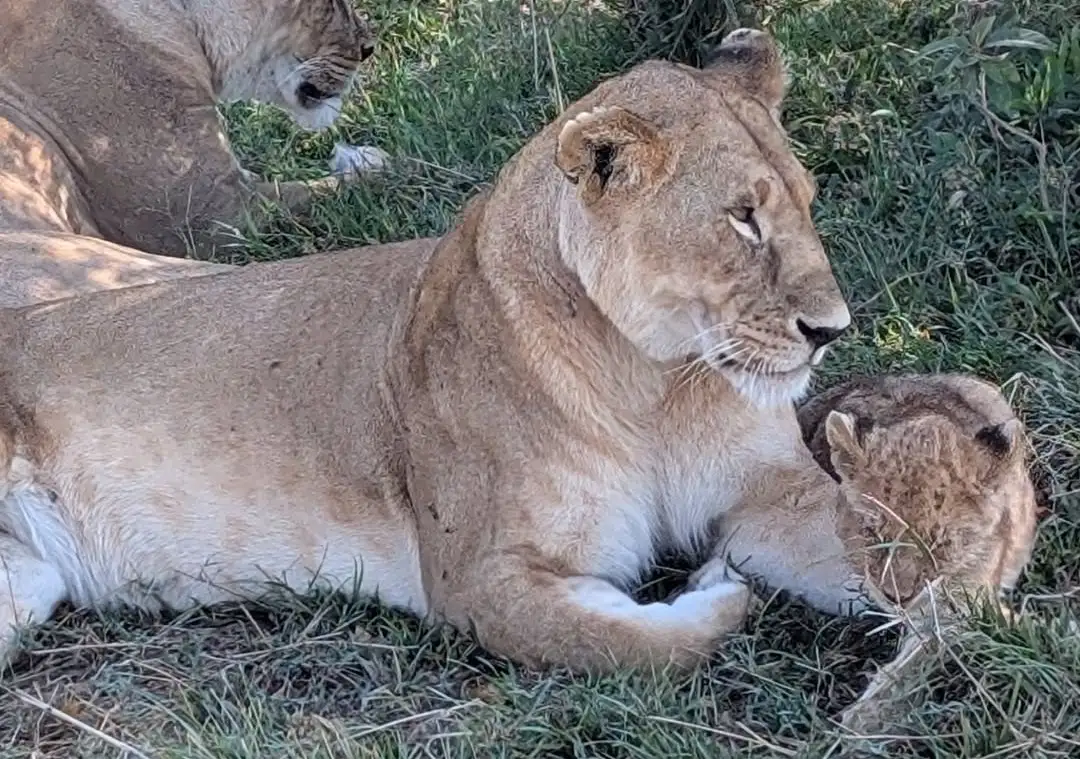
The reserve has a well-earned reputation for reliable Big Five sightings, which include the lion, leopard, elephant, Cape buffalo, and rhinoceros. Lion populations are healthy and frequently seen. Leopards are more elusive but often found in the forests along the riverbanks. Large breeding herds of elephants and buffalo are a common sight on the open plains. The critically endangered Eastern black rhinoceros is also present, primarily within the protected Mara Triangle, making sightings a rare privilege.
Predators Beyond the Big Five and Abundant Birdlife
Beyond the Big Five, the Mara is an exceptional location for viewing other predators. The open plains are ideal hunting grounds for cheetahs, which often use termite mounds as lookout points. Large clans of spotted hyenas are also a dominant part of the ecosystem. For birdwatchers, the Masai Mara is a superb destination, with over 450 recorded species. Sightings can include numerous raptors, the distinctive secretary bird, and Africa's heaviest flying bird, the kori bustard.
The Diverse Ecosystem of the Masai Mara
The reserve's ecosystem is a complex mix of open savannah, acacia woodland, and riverine forest. This variety of habitats supports a high diversity and density of wildlife. The Mara and Talek rivers are the lifeblood of the region. They provide a permanent water source that sustains large resident wildlife populations throughout the year, ensuring excellent game viewing even outside the migration season.
Family Safaris in the Masai Mara
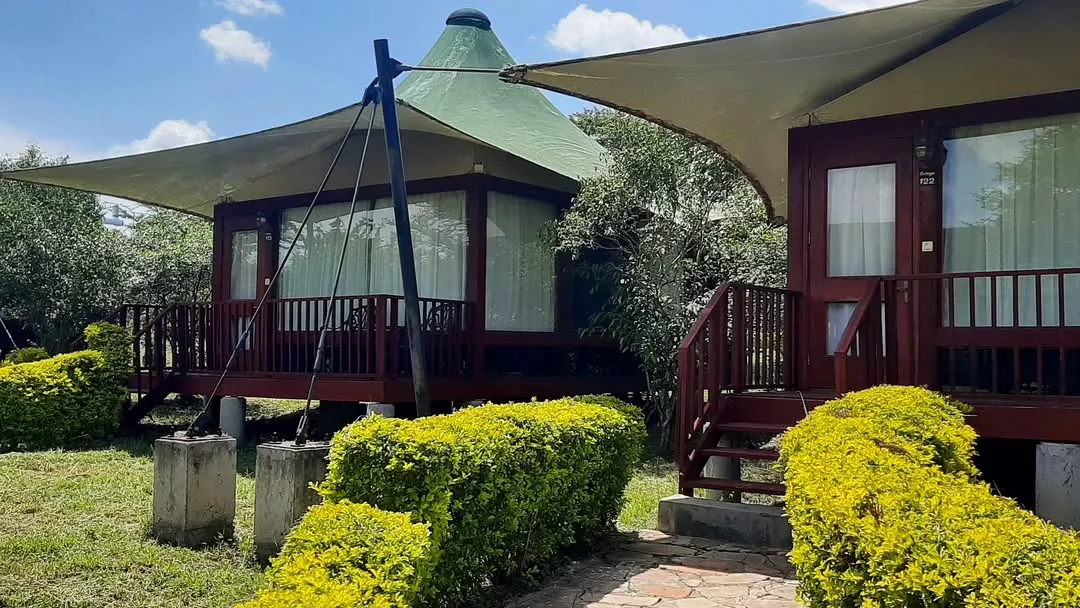
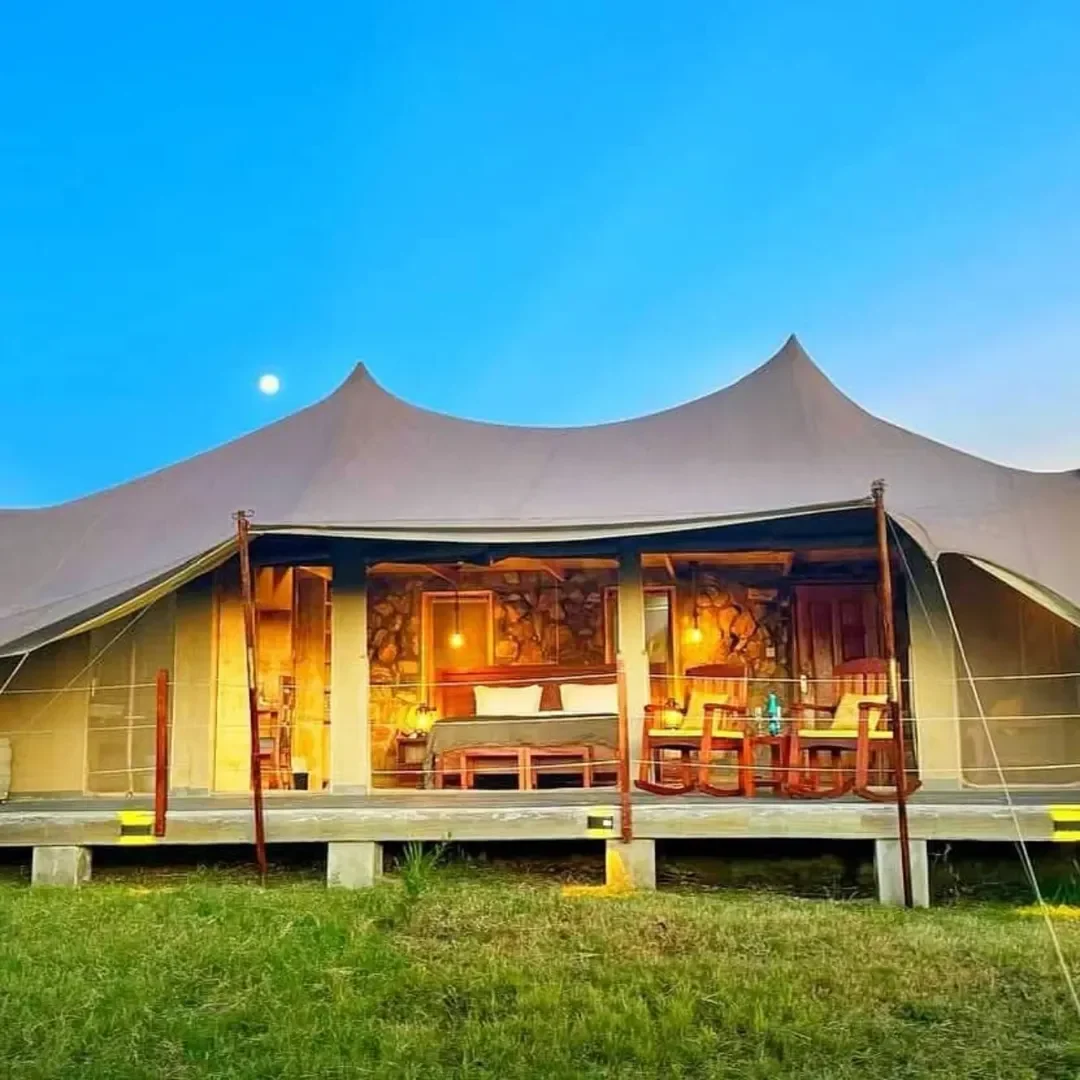
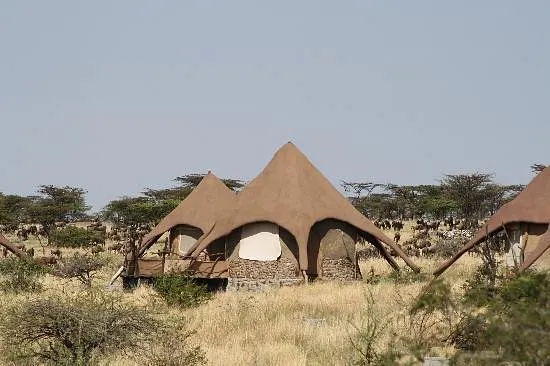
The Masai Mara is an excellent destination for family safaris, especially with children aged eight and older. The constant presence of wildlife holds the attention of younger travellers, delivering a classic and accessible safari experience. Many lodges and camps provide family-friendly accommodation and organised activities. Careful planning is essential, particularly when aligning travel with Australian school holiday periods, as demand is high.
Accessing the Masai Mara from Australia
The journey from Australia to the Masai Mara involves international long-haul flights followed by a short domestic transfer. The most common and efficient route is flying into Nairobi's main international airport and then taking a light aircraft directly to the reserve, though a road transfer is also a viable option.
Long Haul Flights from Australia to Nairobi
For Australian travellers, the trip starts with a long-haul flight from a major hub like Sydney (SYD), Melbourne (MEL), or Brisbane (BNE) to Jomo Kenyatta International Airport (NBO) in Nairobi. No direct flights exist, so a connection is necessary through cities such as Dubai (DXB), Doha (DOH), or Singapore (SIN). The total travel time, including the layover, is usually between 20 and 24 hours.
Internal Travel to the Masai Mara by Air
The most efficient transfer from Nairobi to the Masai Mara is a scheduled light aircraft flight. These flights depart from Wilson Airport (WIL), a smaller airport dedicated to domestic routes, which requires a road transfer from NBO. The flight itself lasts approximately 45 to 60 minutes. It is critical for travellers to adhere to strict luggage restrictions on these flights: a maximum of 15kg per person, packed exclusively in soft-sided bags. Hard-shell suitcases are not permitted.
Key Airstrips Servicing the Masai Mara
A network of gravel airstrips serves the Masai Mara. The specific airstrip you fly into is determined by the location of your pre-booked accommodation. The primary airstrips include Keekorok in the south-east, Ol Kiombo in the central area, and Musiara in the north. A vehicle from your safari camp will be waiting to meet your flight upon arrival.
Internal Travel to the Masai Mara by Road
Travelling from Nairobi by road is a more economical alternative but is considerably longer. The drive to the main reserve gates takes approximately five to six hours in a 4x4 vehicle. The road is paved to the town of Narok; beyond this point, the surface becomes rough and unsealed, often resulting in a bumpy ride referred to as an "African massage." This option is less suitable for visitors with limited time.
Main Reserve Gates for Road Access
For those arriving by road, the principal entry points to the Masai Mara National Reserve are the Sekenani Gate, Talek Gate, and Oloololo Gate. The choice of gate depends on the location of your camp or lodge within the reserve.
Best Time to Visit the Masai Mara for Australian Travellers
The best time to visit the Masai Mara depends on your primary interests, whether it is witnessing the Great Migration, enjoying pleasant weather with fewer crowds, or taking advantage of lower seasonal rates. The timing of Australian school holidays is also a key consideration for families, requiring advance planning.
Masai Mara High Season and the Great Migration
The peak season is from July to October, which aligns with the presence of the Great Migration herds. This is the optimal time to see the immense herds and potential river crossings. This period corresponds well with the mid-year (July) and spring (September and October) Australian school holidays, making it an extremely popular but also the most expensive time. Bookings should be made 12 to 18 months in advance.
Visiting the Masai Mara During the Green Season
The green season from November to March presents a different but equally compelling experience. The terrain is green and regenerating following the short rains of November and December. This is an excellent time for general wildlife viewing, as resident animal populations remain high. January and February are calving seasons for many antelope species, which in turn attracts predators. This period can align with the Australian summer holidays and typically has fewer visitors and more competitive pricing.
Masai Mara Low Season and Long Rains
The low season corresponds with the long rains in April and May. Heavy downpours can make some tracks temporarily impassable, and wildlife can be more challenging to spot in the long grass. For budget-conscious travellers with scheduling flexibility, this period offers the lowest accommodation rates and the fewest other vehicles. It can sometimes coincide with the Easter and autumn school holiday break in Australia.
Planning Around Australian School Holidays
Aligning a Masai Mara safari with Australian school holidays requires significant forward planning. The July winter break is perfect for the migration but demands early booking. The summer holidays in December and January fall in the green season, offering great value and the chance to see newborn animals. The shorter autumn and spring breaks are also workable, though subject to the year's rain patterns.
Practical Tips for Australian Travellers to the Masai Mara
A safari in the Masai Mara requires careful preparation, from entry requirements and health precautions to packing correctly for light aircraft transfers. Understanding these practical details ensures a smooth and enjoyable journey from Australia to the heart of the Kenyan savannah.
Kenya eTA Requirements for Australian Passport Holders
As of 2024, Australian passport holders do not need a traditional visa for Kenya but must obtain an Electronic Travel Authorisation (eTA) before their trip. Applications are submitted online via the official Government of Kenya portal. It is recommended to apply at least two weeks before your departure date. You will require your passport, flight itinerary, and accommodation confirmations to complete the application process.
Health and Malaria Advice for Masai Mara Safaris
The Masai Mara is located in a malaria-risk area. Australian travellers must consult a GP or a travel medicine specialist at least six to eight weeks prior to departure. They will advise on appropriate anti-malarial prophylaxis, such as Malarone or Doxycycline, and ensure all standard vaccinations are current. A Yellow Fever vaccination certificate is not required for entry from Australia but may become necessary if you transit for over 12 hours in a country with a risk of yellow fever transmission.
Currency and Tipping Protocols in the Masai Mara
Kenya's official currency is the Kenyan Shilling (KES), but the safari industry predominantly uses the US Dollar (USD). Australian travellers should carry a supply of USD cash for tipping and small purchases. It is important to bring notes printed after 2013, as older bills are frequently not accepted. Major credit cards like Visa and Mastercard are accepted at most lodges for final bill settlements but cannot be used for cash withdrawals. Tipping is a customary practice and is best done in USD.
Electrical Plugs and Adapters for Kenya
Kenya uses the Type G plug, the same 3-pin rectangular plug found in the United Kingdom. The standard voltage is 240V. Australian travellers will need to bring a universal travel adapter to charge cameras, phones, and other electronic devices.
What to Pack for Your Masai Mara Safari
Adherence to the luggage weight limit on light aircraft is strict and non-negotiable. Packing must be strategic and efficient.
A soft-sided duffel bag or holdall (maximum 15kg).
Layered clothing in neutral colours such as khaki, beige, green, or brown. Avoid blue and black as they can attract tsetse flies.
A warm fleece or jacket for cool early mornings and evenings.
Comfortable, closed-toe walking shoes.
Sun protection, including a wide-brimmed hat, sunglasses, and high-SPF sunscreen.
Binoculars are essential; ideally one pair per person (8x42 or 10x42 magnification is standard).
Camera with dust protection, extra batteries, a power bank, and memory cards.
Personal medications and a basic first-aid kit.
Typical Trip Length from Australia to Kenya
When factoring in the long-haul travel time from Australia, a standard Kenya safari itinerary that includes the Masai Mara typically requires a minimum of 10 to 14 days. This duration allows sufficient time to acclimatise, enjoy several days on safari, and possibly visit another park or conservancy without feeling rushed.
Planning Your Masai Mara Safari from Australia
A critical part of planning a Masai Mara safari is making key decisions about where to stay and what activities to include. Understanding the difference between the National Reserve and private conservancies, along with weighing optional experiences like balloon safaris, will shape your entire trip.
Masai Mara National Reserve Versus Private Conservancies
A fundamental planning choice is whether to stay within the main National Reserve or in an adjacent private conservancy. The conservancies consist of land leased from Maasai communities and offer a more exclusive safari experience with a wider range of activities not permitted inside the main reserve.
Feature
Masai Mara National Reserve
Private Conservancy
Vehicle Access
Open to all public safari vehicles
Restricted to guests of camps in that conservancy
Crowd Levels
Can be high, especially at major sightings
Strictly controlled low vehicle density
Activities
Game drives only (approx. 6 am to 6 pm)
Night drives, guided walks, off-road driving allowed
Hot Air Balloon Safaris Over the Masai Mara
A hot air balloon safari is an optional but highly recommended activity. These excursions depart just before dawn, providing an aerial perspective of the plains and its wildlife as the sun rises. The flight usually lasts about one hour and concludes with a celebratory champagne breakfast served in the bush upon landing. This offers a unique viewpoint, particularly during the Great Migration when the scale of the herds can be fully appreciated from above.
Maasai Cultural Visits and Community Engagement
Many lodges and camps, especially those located in the private conservancies, can organise a visit to a local Maasai village. This provides a structured opportunity to learn about Maasai culture, traditions, and their pastoral way of life. These are managed cultural exchanges that involve a fee, a portion of which directly supports the community.
Comparing the Masai Mara with Other Safari Destinations
The Masai Mara is frequently compared to Tanzania's Serengeti, with which it shares an unfenced ecosystem. The Mara is smaller and the wildlife more concentrated, which can result in easier and more frequent sightings. When compared to Southern African destinations like South Africa's Kruger National Park, the Mara offers the quintessential East African open-savannah experience, though it involves different logistical considerations for access from Australia.
For optimal game viewing in Masai Mara, the dry seasons of January to February and July to September are highly recommended. During these periods, vegetation is sparse, and wildlife gathers around diminishing water sources, making sightings easier and more predictable.