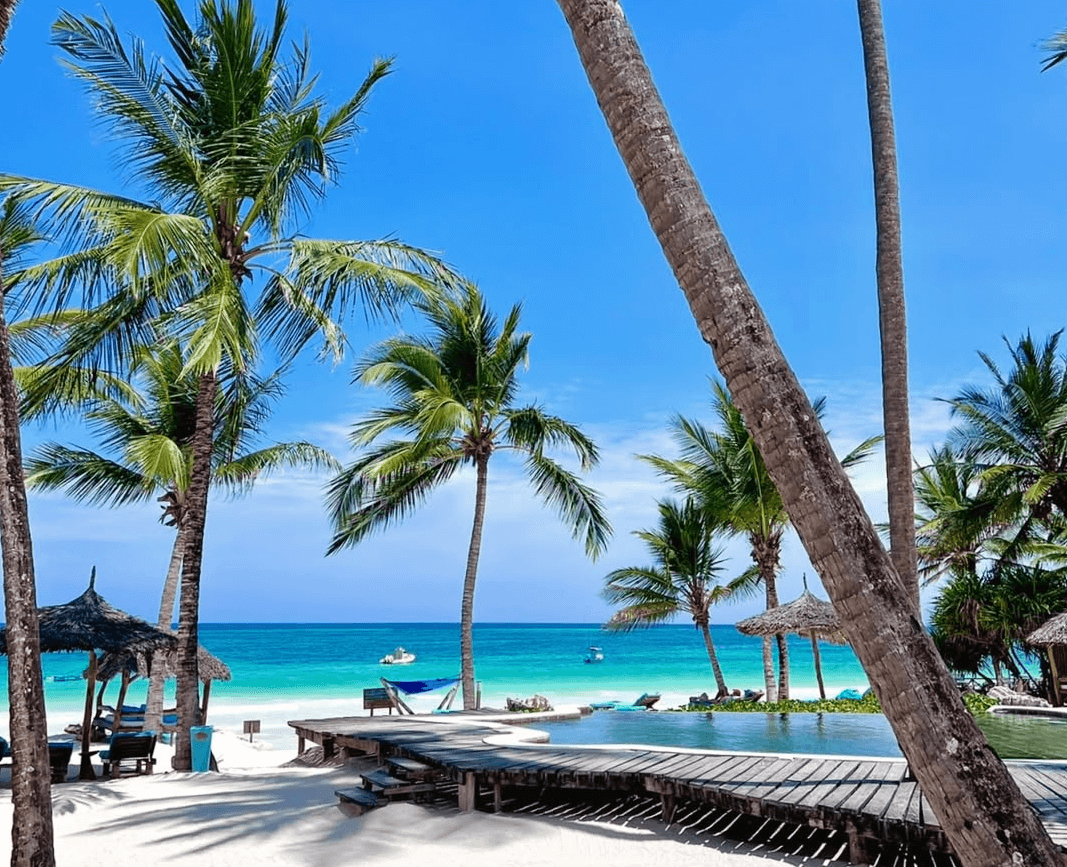
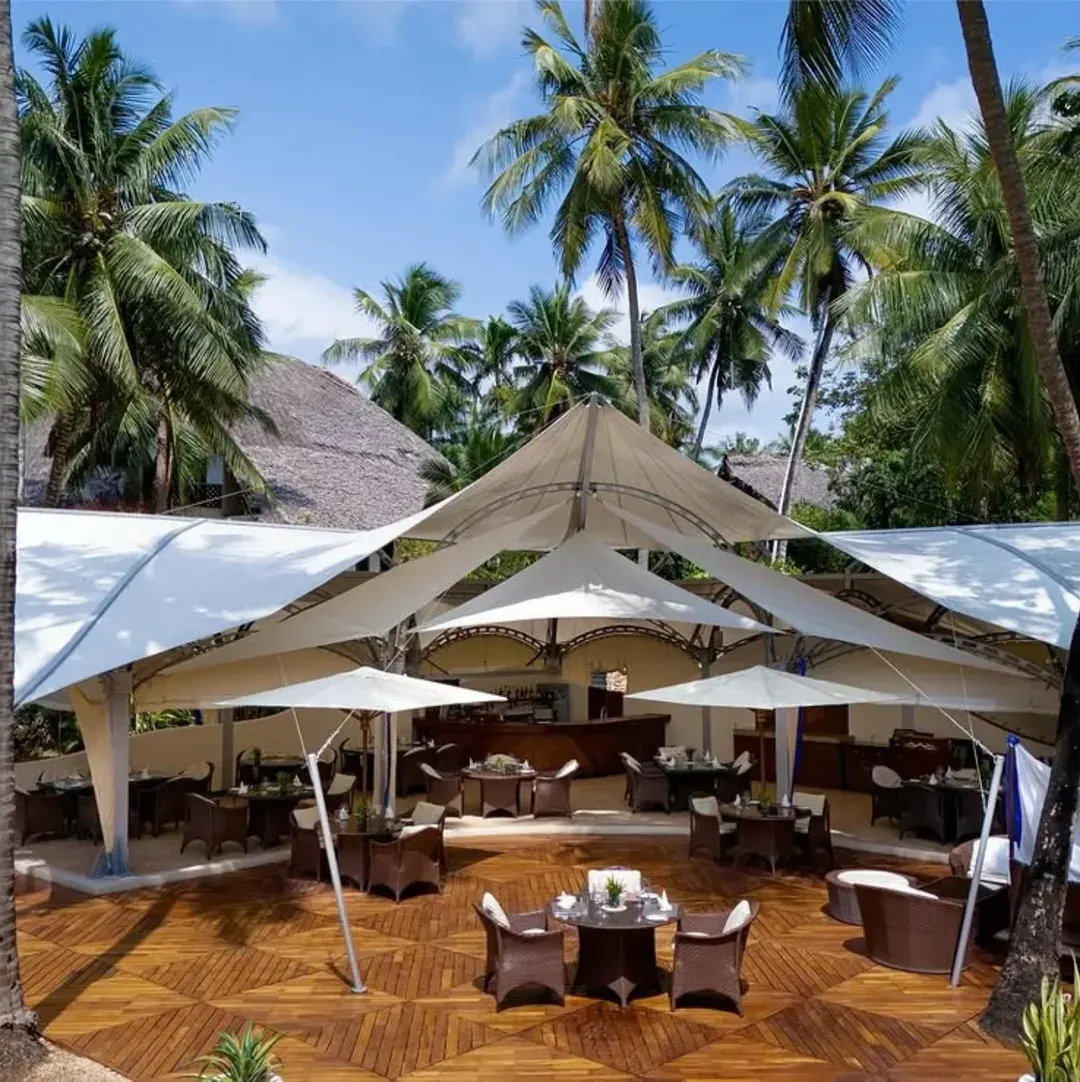
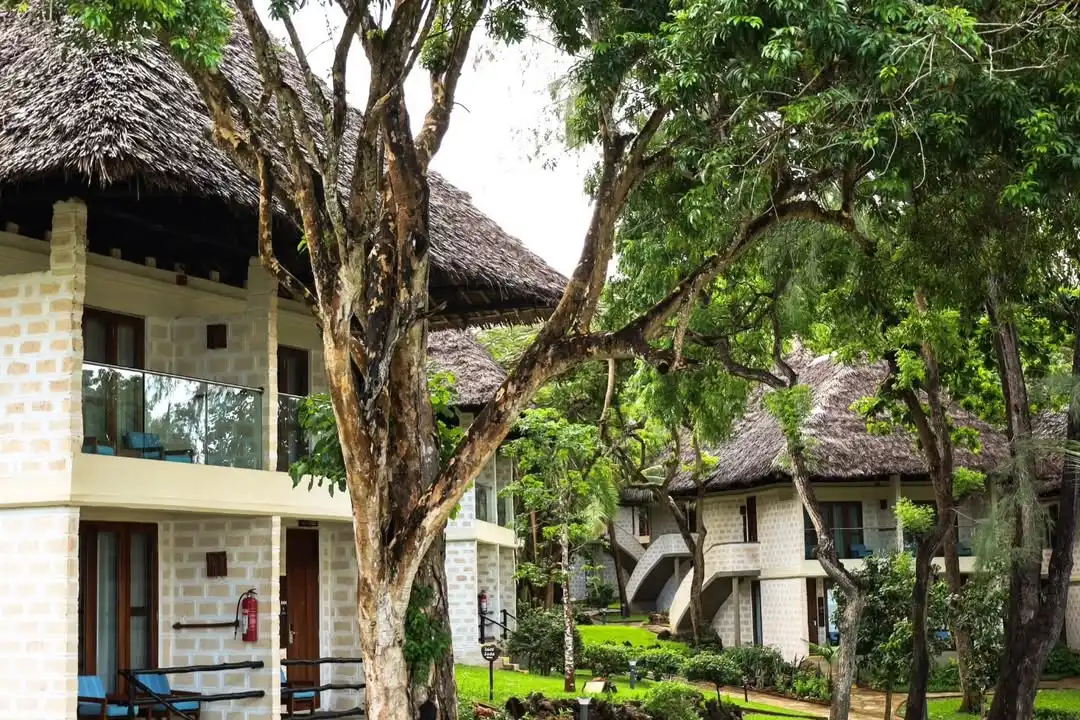
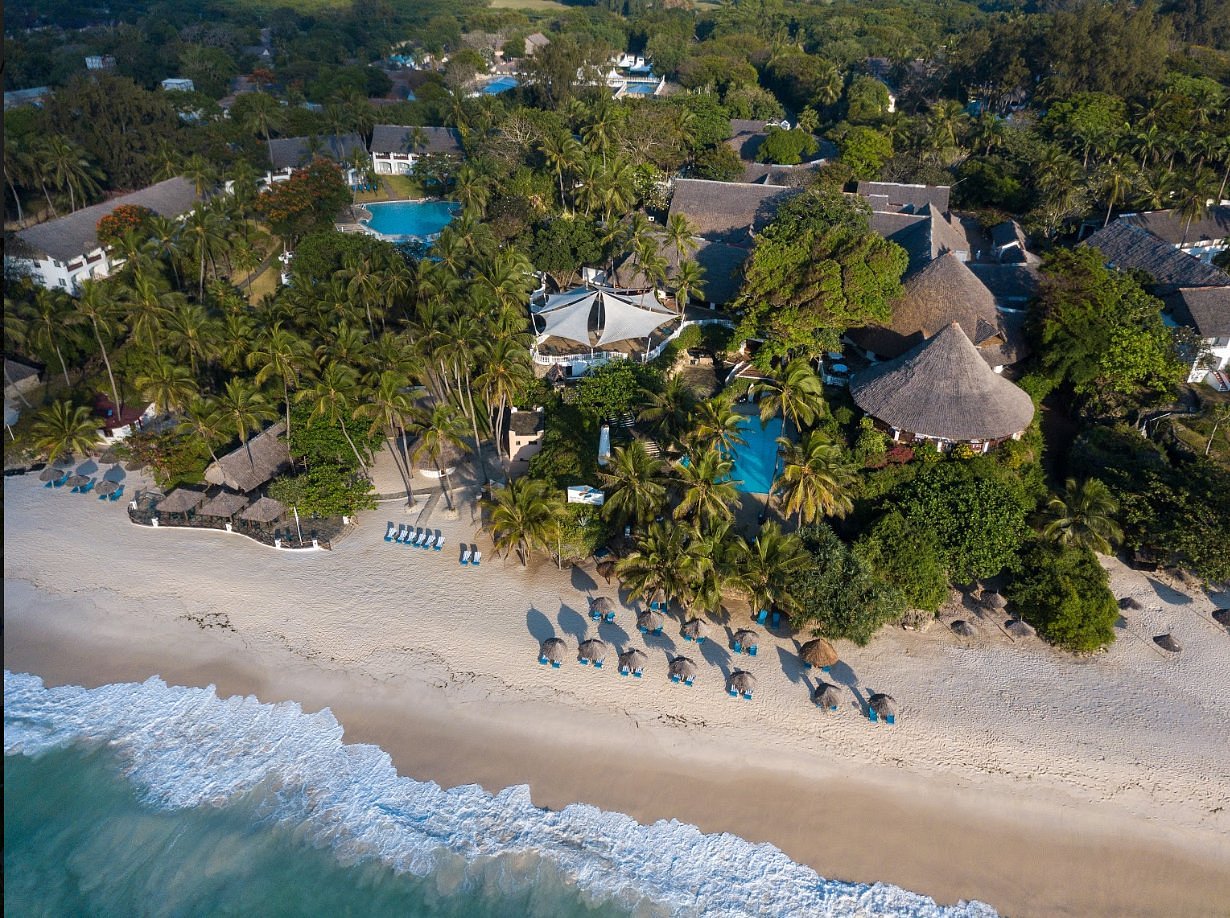
Kenya's Indian Ocean coastline provides a tropical contrast to its famous inland savannahs. Diani Beach is the country's most established coastal resort destination, located south of Mombasa in Kwale County and recognised for its long, white sand beaches and accessible coral reefs.
Overview
Name
Diani Beach
Type
Beach
Town
Ukunda
County
Kwale
Country
Kenya
The Geography and Location of Diani Beach
The distinct geography of Diani Beach shapes every aspect of a visit, from its stunning coastal scenery to its proximity to unique inland ecosystems. Located on the southern coast of Kenya, its setting is defined by a long stretch of white sand, a protective offshore coral reef, and nearby coastal forests. This combination of environments provides a diverse base for both relaxation and activity, with easy access from the nearby transport hub of Mombasa.
Diani Beach Coastal Setting
Diani Beach is situated approximately 30 kilometres south of Mombasa. Access from the north requires crossing the Likoni Ferry channel, which separates Mombasa Island from the southern mainland. The beach itself is a continuous 17-kilometre stretch of coastline, running from the Kongo River to Galu Beach in the south. The area's topography is a flat coastal plain characterised by extensive palm groves and remnant patches of indigenous coastal forest.
Diani's Pristine Beaches and Reef System
The primary geographic feature of Diani is its brilliant white sand, formed from eroded coral particles. An extensive offshore coral reef protects this soft sand beach from the open ocean. This barrier reef creates a calm, shallow lagoon with turquoise water, producing ideal conditions for swimming and various water sports. The reef is a critical ecosystem that dissipates the force of Indian Ocean waves and supports a high diversity of marine life.
Shimba Hills Coastal Rainforest Proximity
The Shimba Hills National Reserve sits a short drive inland from Diani Beach. This protected area marks a significant ecological transition from the coastal plain to coastal rainforest and grassland. The reserve's higher elevation creates a different climate and provides a habitat for a unique array of wildlife not found on the immediate coastline. This proximity allows for a day trip that combines both beach and forest environments, including the opportunity to see Sheldrick Falls.
Distance from Nairobi to Diani
The road distance from Nairobi to Diani Beach is approximately 485 kilometres. This journey by road is direct but can take between 8 to 12 hours, depending on traffic conditions on the Nairobi-Mombasa highway. For efficient logistical planning, flying is the recommended method of travel, with a flight duration of just over one hour from Nairobi's airports to the local Diani airstrip.
Marine and Wildlife Reserve Access from Diani Beach
Diani serves as a convenient base for accessing two key protected areas. The Diani-Chale Marine National Park and Reserve protects the offshore reef system and its marine habitats. Inland, the Shimba Hills National Reserve protects the coastal forest and its specialised fauna. The Kenya Wildlife Service (KWS) manages entry to both areas and requires the payment of park fees for access.
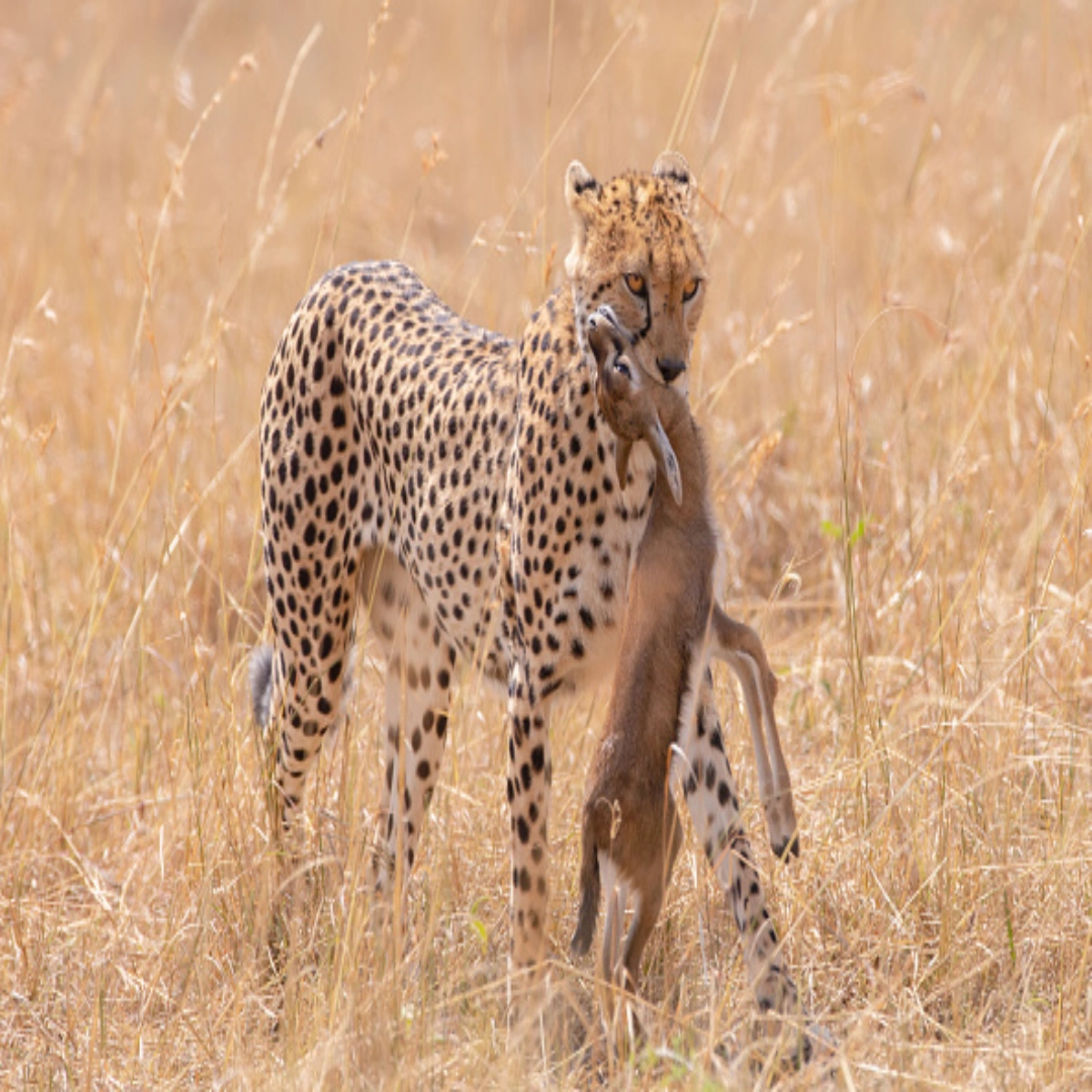
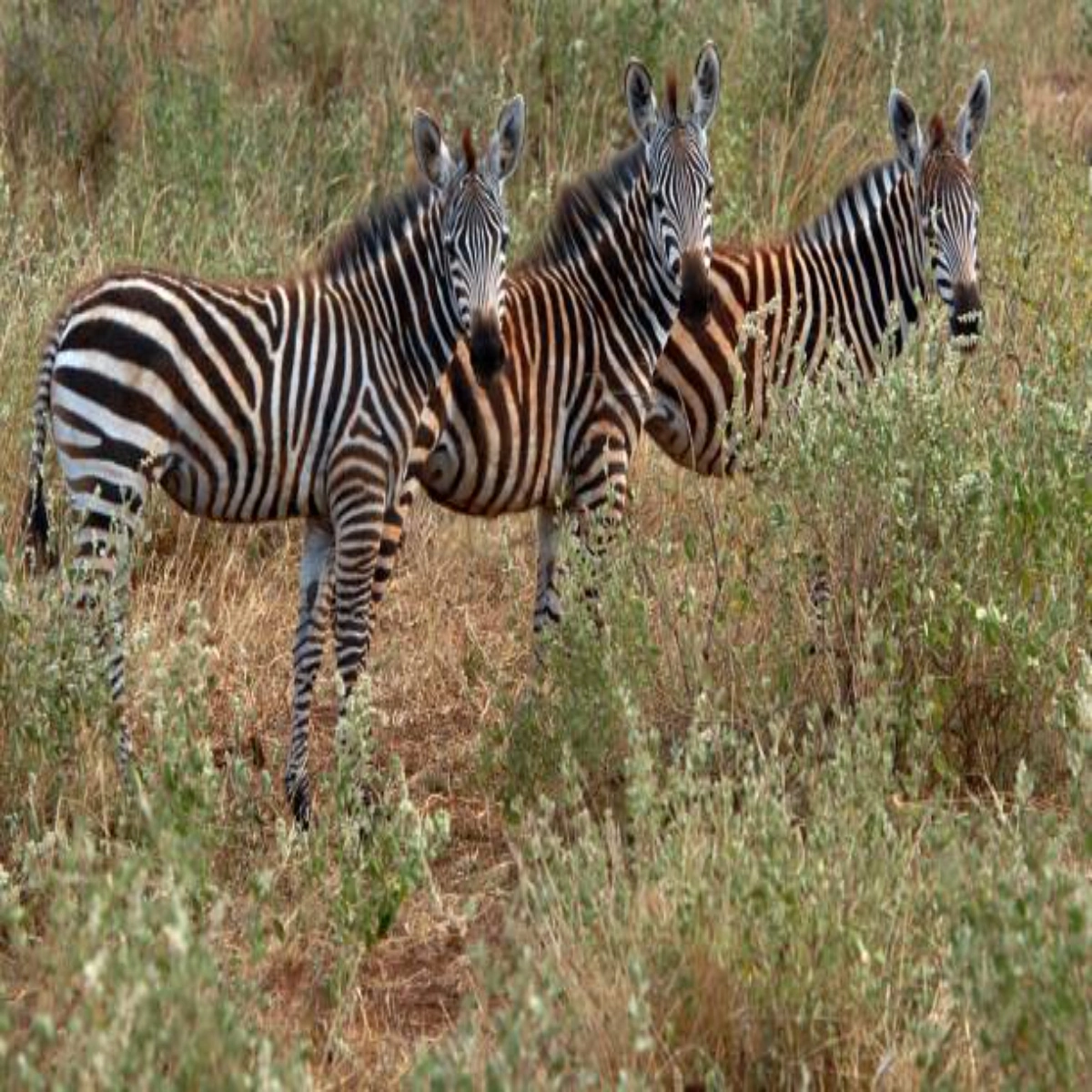
The natural environments in and around Diani Beach support a remarkable variety of terrestrial and marine wildlife. Beyond the palm-fringed beaches, remnant coastal forests are home to rare primates, while the nearby Shimba Hills offer a classic safari experience. The Indian Ocean itself presents opportunities to encounter some of the world's largest marine species, from whale sharks to marlin, making Diani a comprehensive wildlife destination.
Angolan Colobus Monkeys and Conservation Efforts
The coastal forests surrounding Diani are a crucial habitat for primates, most notably the Angolan Colobus monkey. These monkeys are frequently seen in the trees of hotel grounds and remaining forest patches. A local organisation, Colobus Conservation, works to protect them from threats such as habitat loss and road traffic, installing rope bridges known as 'colobridges' over the main Diani Beach road. Their facility offers an informative visit for those interested in local conservation work.
Spotting Rare Sable Antelope in the Shimba Hills
Shimba Hills National Reserve holds a special status as the only location in Kenya where the magnificent Sable Antelope is found. This critically important breeding population is a primary attraction for wildlife-focused day trips from Diani. Game drives in the reserve provide a strong chance of seeing these large, dark antelopes with their distinctive scythe-shaped horns.
African Elephants of the Shimba Hills
The Shimba Hills ecosystem supports a high density of African elephants. The Mwaluganje Elephant Sanctuary, bordering the reserve, was specifically established as a community conservation project to secure a migration corridor for these elephants moving between the hills and the plains towards the greater Tsavo ecosystem.
Swimming with Whale Sharks off Diani Beach
The waters off Diani Beach are on the migratory path of the whale shark, the world's largest fish. These seasonal encounters are a significant marine attraction. Sightings are concentrated in February and March, when specialised, conservation-focused boat excursions are organised to allow for swimming and snorkelling with these gentle giants.
World Class Billfish Fishing near Diani Beach
The deep Pemba Channel is remarkably close to the Diani coastline, creating excellent conditions for deep-sea fishing. The area is internationally recognised for its billfish populations, including black marlin, sailfish, and broadbill swordfish. Most charter operators practice a tag-and-release policy to ensure the fishery's sustainability. The peak season for marlin fishing runs from December through to March.
Diani Beach Underwater Wonders and Reef Life
The coral reefs within the Diani-Chale and the more southerly Kisite-Mpunguti Marine National Parks are rich in biodiversity. Snorkellers and divers can expect to see a wide variety of reef fish, sea turtles, and rays. Notable dive sites include the MV Dania, a cargo ship purpose-sunk in 2002 that has matured into an artificial reef colonised by soft corals and schools of snapper.
Tandem Skydiving onto Diani Beach
Tandem skydiving provides a unique way to see Diani Beach. The activity is distinguished by its spectacular aerial views of the coastline, reef, and turquoise waters, culminating in a landing directly on the white sands of the beach. This offers a completely different perspective of the coastal geography.
Dining in Ali Barbour’s Ancient Cave Restaurant
Ali Barbour’s Cave Restaurant provides a unique dining setting inside a natural coral limestone cave estimated to be between 120,000 and 180,000 years old. The cave system has natural openings to the night sky, creating a distinct atmosphere for evening dining. The restaurant is a long-established Diani institution.
Visiting the Kaya Kinondo Sacred Forest
Just south of Diani is the Kaya Kinondo, a sacred forest of the Digo people, who are part of the larger Mijikenda ethnic group. This is one of the oldest forests on Kenya's South Coast and is a recognised UNESCO World Heritage Site. The forest can be visited on a guided cultural tour that explains the traditional beliefs and medicinal uses of its plants.
How to Get to Diani Beach from Australia and Nairobi
Reaching the tropical setting of Diani Beach from Australia requires international and domestic travel. The journey involves a long-haul flight to Kenya's capital, Nairobi, followed by a short and efficient connection to the coast. Several options exist for the final leg of the journey from Nairobi, with flying being the most popular and time-effective choice for international visitors.
Long Haul Flights from Australia to Kenya
Travellers from Australia typically fly from Sydney, Melbourne, or Brisbane to Nairobi’s Jomo Kenyatta International Airport (JKIA). No direct flights are available, requiring a stopover in a major hub such as Doha, Dubai, or Singapore. Total travel time is significant, often exceeding 20 hours including the layover period.
Flying from Nairobi to Ukunda Airstrip near Diani
The most direct way to reach Diani from Nairobi is by a domestic flight to Ukunda Airstrip (UKA). The flight takes approximately 1 hour and 5 minutes. Several reputable local airlines, including Safarilink and Jambojet, operate multiple daily flights. Services depart from both the international hub of JKIA and the smaller, centrally located Wilson Airport. Ukunda Airstrip is located just minutes from Diani’s main resorts, allowing for a very short road transfer upon arrival.
Train and Road Transfers to Diani Beach via Mombasa
An alternative to flying is the Standard Gauge Railway (SGR) train. The service runs from the Nairobi Terminus to the Mombasa Terminus, with a journey time of approximately five to six hours. From Mombasa, a road transfer of 1.5 to 2.5 hours is necessary to reach Diani. This transfer involves crossing on the Likoni Ferry, which can experience delays, particularly during peak traffic periods.
Road Travel to Diani Beach
Travelling the entire distance from Nairobi to Diani by road is the most time-consuming option. The journey follows the A109 Highway and takes 8 to 12 hours by private vehicle or public bus. The duration is highly variable and subject to traffic congestion, especially when passing through major towns and the city of Mombasa.
When to Visit Diani Beach for Optimal Weather and Activities
The timing of a trip to Diani Beach can significantly influence the experience, with distinct seasons governing the weather and specific wildlife migrations. The coastal climate is defined by two dry seasons and two rainy seasons. Selecting the right period is key to enjoying sunny beach days and participating in seasonal activities like kitesurfing or whale shark encounters.
Optimal Weather for a Diani Beach Holiday
Diani Beach has two main dry seasons that offer the best conditions for a beach holiday. The period from June to September is cooler and dry, while the hot and dry season runs from December to March. These months provide the most sunshine and the calmest sea conditions. The two rainy seasons are the 'long rains' from April to May and the 'short rains' from October to November.
Diani Beach Kitesurfing Seasons
The destination is well-regarded for kitesurfing due to its reliable trade winds. The sport is concentrated in two distinct seasons.
Kaskazi Wind: A north-easterly wind that blows from December to March.
Kusi Wind: A stronger south-easterly wind that blows from June to September.
Peak Whale Shark Season in Diani
For travellers whose primary interest is encountering whale sharks, timing is critical. The peak period for sightings is very specific, occurring mainly during February and March each year as the animals migrate through the region's waters.
Diani's Prime Marlin Fishing Months
The best months for deep-sea fishing, particularly for marlin and other billfish, align with the hot, dry season. The period from December through to March is considered the prime season for these game fish in the Pemba Channel off the Diani coast.
Practical Travel Advice for Australians Visiting Diani Beach
Planning a trip from Australia to Diani Beach involves several practical considerations beyond booking flights. Understanding visa requirements, health precautions, and local currency is essential for a smooth journey. For most Australians, a Diani Beach stay is part of a larger Kenyan itinerary, typically serving as a relaxing conclusion to a wildlife safari.
Integrating Diani Beach into Your Kenya Itinerary
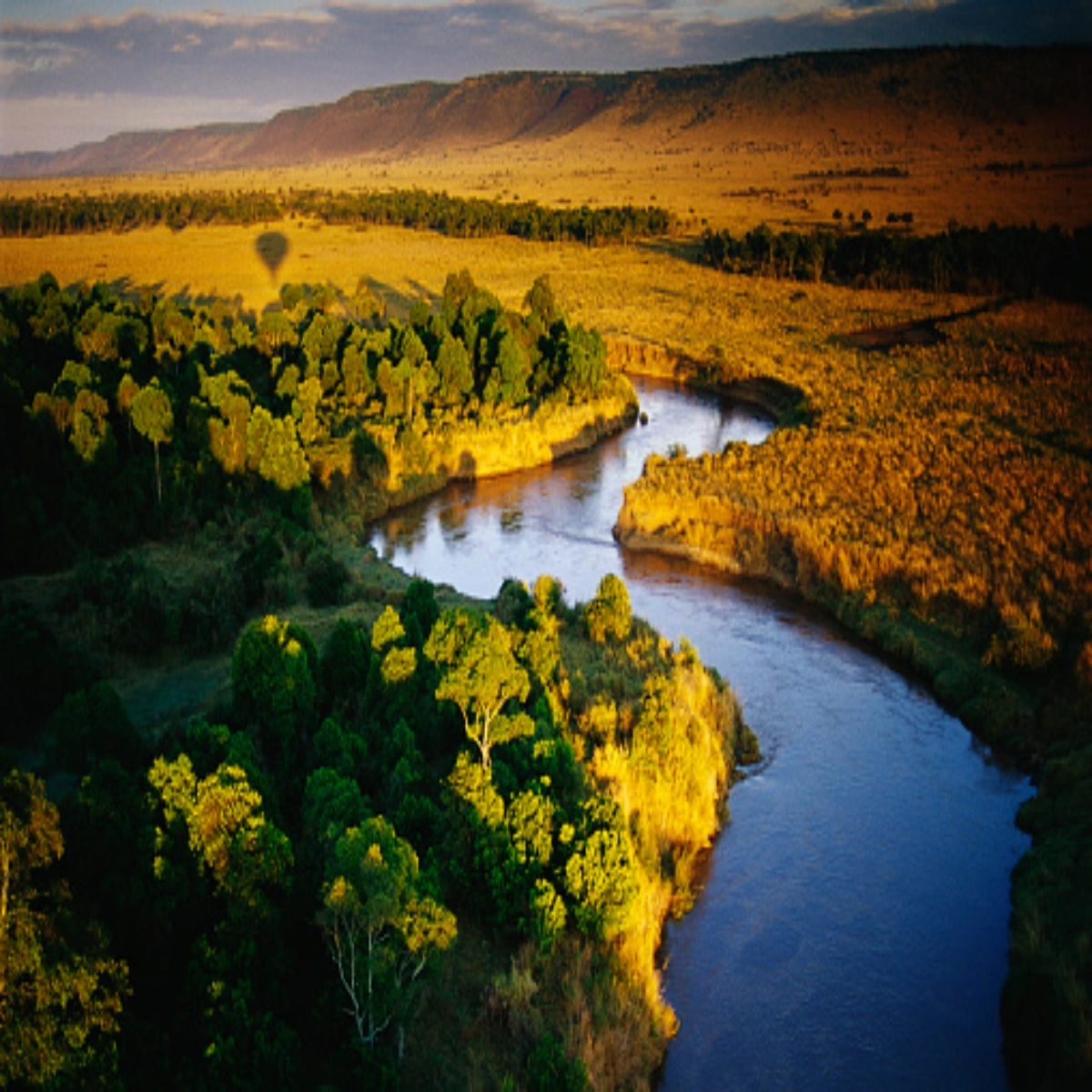
Diani Beach is rarely a standalone destination for Australian travellers, but rather the relaxing final component of a broader Kenya itinerary. It is commonly added after a multi-day safari in parks such as the Maasai Mara or Amboseli. A typical stay in Diani is between three and seven nights, which allows sufficient time for relaxation and participation in coastal activities.
Kenya Visa Requirements for Australians
Australian passport holders require authorisation to enter Kenya. It is mandatory to apply for an Electronic Travel Authorisation (eTA) online through the official government portal prior to departure. You should complete this application well in advance of your travel dates to allow for processing time.
Health and Vaccination Advice for Diani Beach
You must consult a GP or a specialised travel medicine clinic in Australia at least six to eight weeks before your trip. A Yellow Fever vaccination and certificate may be required for entry. Malaria is present in coastal Kenya, and a course of anti-malarial prophylaxis is typically recommended. Your doctor will provide the most current advice based on your personal health status and travel plans.
Currency and Payments in Diani Beach
The official currency is the Kenyan Shilling (KES). While many large hotels and tour operators may quote prices in US Dollars (USD), daily expenses are paid in KES. ATMs are widely available in Diani, and major credit cards are accepted at most hotels and larger restaurants. It is practical to carry a small amount of KES for local transport like tuk-tuks, market purchases, and tips.
Planning and Budgeting for a Diani Beach Holiday
A successful Diani Beach holiday combines relaxation with activities unique to the destination. Planning for families requires consideration of resort facilities and age-appropriate excursions. For many, the classic 'bush and beach' combination is the main goal. Budgeting should account not just for accommodation, but also for the costs of park fees, guided tours, and other experiences that define a trip to the Kenyan coast.
Family Friendly Diani Beach Holiday Planning
Diani is a suitable destination for families. The protective reef ensures calm, shallow waters for swimming, and many resorts are geared towards families with kids' clubs and organised activities. Excursions like visiting the Colobus Conservation centre or taking a glass-bottom boat trip on the reef are popular with children. Australian school holiday periods, particularly December and January, fall within Diani's peak season.
Combining Diani Beach with a Safari Experience
A classic 'bush and beach' holiday is a logistically straightforward itinerary in Kenya. After completing a safari in an inland park, travellers can take a domestic flight directly from a bush airstrip, such as in the Maasai Mara, to Diani's Ukunda Airstrip. This minimises travel time and avoids transiting back through Nairobi, creating an efficient connection from the safari vehicle to the beach resort.
Unique Activities and Experiences at Diani Beach
To get the most from a Diani stay, consider planning for experiences specific to the location. These can include the tandem skydive with a beach landing, a dinner reservation at the Ali Barbour's Cave Restaurant, and a day trip to Shimba Hills to see the rare Sable Antelope. These activities differentiate Diani from many other Indian Ocean beach destinations.
Budgeting and Costs for Your Diani Beach Stay
Your budget will be determined by your choice of accommodation, dining, and activities. While accommodation ranges from budget-friendly guesthouses to luxury all-inclusive resorts, activity costs should also be factored into your financial planning. The guide below gives an indication of typical expenses.
Diani Beach enjoys a tropical climate with year-round warm temperatures and high humidity. The optimal periods for beach-focused activities and clear ocean waters are the long dry seasons: January to March and June to October.