Kenya's Indian Ocean coastline features a series of significant marine protected areas. Malindi Marine National Park in Kilifi County holds the distinction of being Africa's first gazetted marine park, established in 1968 to protect its fragile coastal ecosystem. The park forms part of the Malindi-Watamu Biosphere Reserve, a designation awarded by UNESCO in 1979, highlighting its global ecological importance.
Overview
Name
Malindi Marine National Park
Type
Beach
Town
Malindi
County
Kilifi
Country
Kenya
The Geography of Malindi Marine National Park
The park's character is shaped by a dynamic interplay between its shallow lagoon, fringing reefs, and the influence of a major river system. This combination creates a unique environment that dictates the type of marine life found within its boundaries and affects conditions for visitors engaged in underwater activities. The Kenya Wildlife Service (KWS) manages this delicate and complex area.
Malindi's Unique Coastal Ecosystem and Reefs
A shallow lagoon environment defines the geography of Malindi Marine National Park. The park's ecosystem comprises fringing reefs, extensive seagrass beds, and intertidal mudflats, a structure that provides varied habitats for marine life. The Sabaki River, also known as the Galana River, is a notable geographical influence to the north. Its seasonal discharge of sediment into the bay affects water clarity and shapes the composition of local coral communities.
The Malindi Marine Park and Neighbouring Reserve Area
The core protected area, Malindi Marine National Park, covers a designated 6 square kilometres. This park sits within the much larger Malindi Marine National Reserve, which spans 213 square kilometres. The core park zone enforces the strictest conservation rules, with activities like fishing prohibited, while the wider reserve area permits some traditional fishing and other managed activities. Access to the primary coral gardens for snorkelling occurs within the National Park's boundaries.
Wildlife of Malindi Marine National Park
The protected waters of Malindi shelter a significant cross-section of Western Indian Ocean biodiversity. The park's habitats support a high density of reef fish, several species of marine turtles, and a foundational community of hard and soft corals. This rich marine fauna makes it a premier location for underwater observation on the Kenyan coast.
A Spectrum of Coral Formations and Reef Habitats
The park's coral gardens are the principal attraction for visitors. Despite challenges from sedimentation, these reefs host a variety of hard coral genera. Key species include Finger Coral (Porites), Staghorn Coral (Acropora), and the distinctive Organ-pipe Coral (Tubipora musica). The most frequented snorkelling sites, such as North Reef and Barracuda Reef, offer the best density and diversity of these coral formations.
Diverse Fish Species of the Inner Lagoon
Over 300 species of reef fish have been recorded within the park's waters. Glass-bottom boat trips and snorkelling provide clear opportunities to observe this diversity. Common sightings include brightly coloured parrotfish, surgeonfish, damselfish, and various wrasses. Shoals of Blue-striped Snapper (Lutjanus kasmira) are often seen, alongside more iconic species like the Moorish Idol (Zanclus cornutus) and the Emperor Angelfish (Pomacanthus imperator).
Sea Turtles and Marine Invertebrates
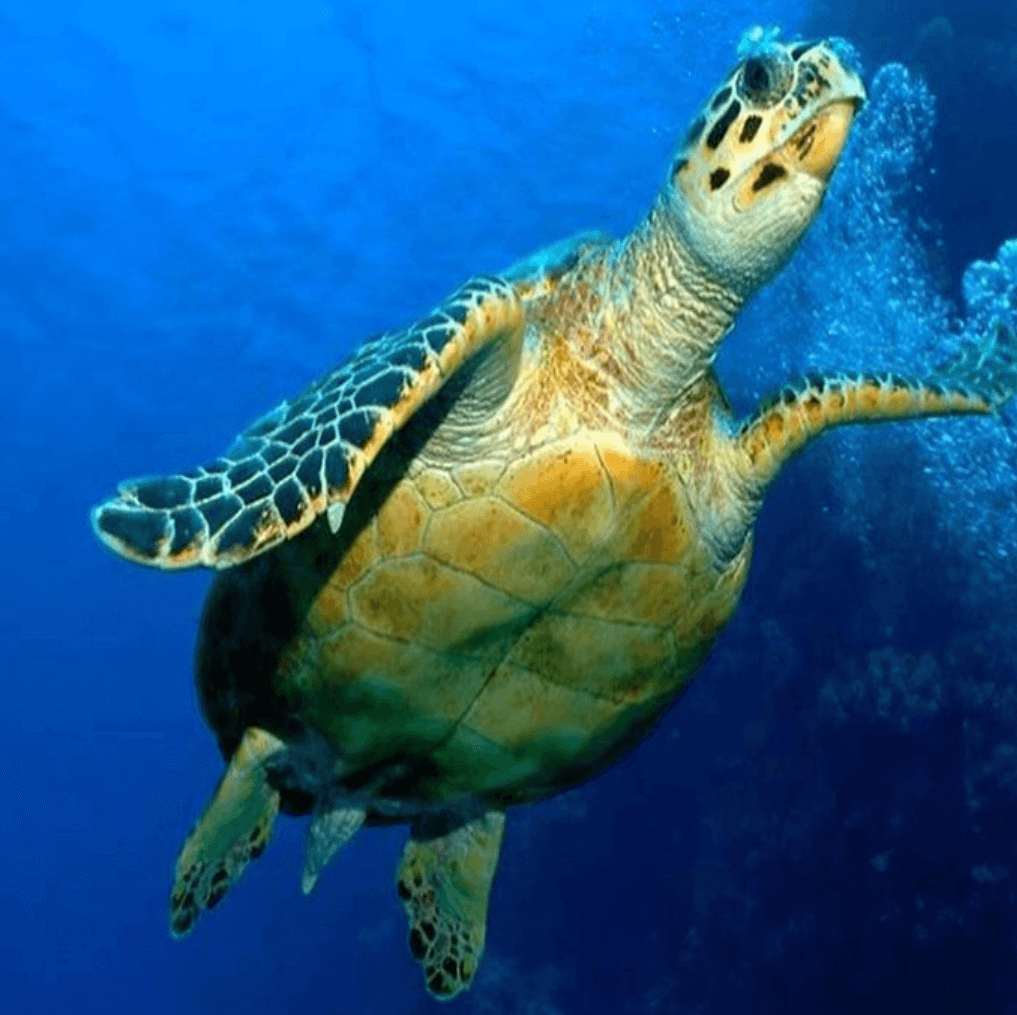
The expansive seagrass beds inside the reef are critical foraging grounds for sea turtles. Both Green Turtles (Chelonia mydas) and the critically endangered Hawksbill Turtle (Eretmochelys imbricata) are resident in the area. The seabed also supports a range of invertebrates, including Red-knobbed Starfish, Fluted Giant Clams, and various sea cucumbers.
Pelagic Species in Reef Channels
While the shallow lagoon is primarily home to reef-associated species, the channels cutting through the reef system can attract larger marine life. Blacktip Reef Sharks (Carcharhinus melanopterus) and the occasional Great Barracuda (Sphyraena barracuda) patrol these deeper sections, particularly on an incoming tide.
Getting to Malindi Marine National Park from Australia
The journey from Australia to the Kenyan coast is a multi-stage process involving long-haul international flights followed by a short domestic connection. Planning the route requires selecting an appropriate international hub and coordinating the final leg of travel to the small airport servicing the Malindi region.
Long Haul Flights from Australian Cities
Travel from Australia to Kenya requires a long-haul flight from a major city like Sydney, Melbourne, or Brisbane. No direct flights are available, so a connection is necessary through hubs in the Middle East, such as Doha with Qatar Airways or Dubai with Emirates. The primary destination airport in Kenya is Jomo Kenyatta International Airport (NBO) in Nairobi.
Domestic Travel within Kenya to Malindi
From Nairobi, a domestic flight is the most efficient method to reach Malindi. Scheduled services, operated by carriers like Safarilink and Jambojet, run daily from both Jomo Kenyatta International Airport (NBO) and the smaller, domestic-focused Wilson Airport (WIL). The flight duration is approximately one hour, landing at Malindi Airport (MYD). An alternative is the SGR train from Nairobi to Mombasa, followed by a 2-3 hour road transfer north to Malindi.
Local Transport to the Marine Park Entrance
Malindi Airport is situated close to the town and coastline. A taxi or local tuk-tuk ride from the airport to the Kenya Wildlife Service (KWS) ticket office and boat jetty for the marine park takes around 10 to 15 minutes. All visits to the reefs require hiring a licensed boat and guide from this official entry point.
Best Time to Visit Malindi Marine National Park
The timing of a visit to Malindi is critical for the quality of underwater viewing. Kenya's coastal weather patterns, governed by two distinct monsoon seasons, directly influence sea conditions and water clarity. Selecting the right period ensures the best possible experience of the park's marine environment.
Optimal Seasons for Underwater Visibility
The best conditions for snorkelling and underwater visibility in Malindi occur during the two dry seasons. These periods run from January to March and again from June to October. These months correspond with calmer sea conditions and reduced sediment runoff from the Sabaki River, maximising water clarity.
Aligning Your Visit with Australian School Holidays
The main dry season from June to October aligns well with the mid-year (June/July) and spring (September/October) school holidays in most Australian states, making it a practical time for family travel. The January dry season is also suitable for those on summer school holidays.
Malindi's Weather and Water Clarity Patterns
Period
Weather Condition
Typical Water Clarity
Jan - Mar
Hot and dry (Kaskazi monsoon)
Good to Excellent
Apr - May
Long rains season
Poor to Fair
Jun - Oct
Cool and dry (Kusi monsoon)
Good to Excellent
Nov - Dec
Short rains season
Fair to Good
Practical Tips for Australians Visiting Malindi Marine National Park
Effective pre-trip preparation is essential for a smooth and safe trip to Kenya. This involves organising mandatory travel authorisations and medical precautions well in advance, as well as understanding the local currency and park fee structure for budgeting purposes.
Essential Documents and Vaccinations for Kenya
Australian citizens require an Electronic Travel Authorisation (ETA) to enter Kenya, which must be applied for online before departure. A Yellow Fever vaccination certificate is also a mandatory entry requirement for travellers arriving from Australia. Consulting a travel doctor 6-8 weeks before your trip to discuss other recommended immunisations and malaria prophylaxis is highly advisable.
Budgeting for Park Fees and Local Costs in AUD
The Kenya Wildlife Service (KWS) sets park entry fees in USD, which are payable per 24-hour period. Non-resident adult fees are typically around USD 17 (approx. AUD 26-28), with child fees at USD 13 (approx. AUD 20), though rates are subject to change and should be confirmed on the official KWS website. Payment at the gate is cashless, accepting Visa, MasterCard, or the M-Pesa mobile money service. Additional costs include boat hire and guide fees, which are negotiated locally. Kenyan Shillings (KES) are used for most other local purchases.
Recommended Trip Length for Malindi
For a standard Kenya itinerary that also includes a safari, allocating 2 to 4 days for the Malindi portion is sufficient. This timeframe allows for at least two separate boat trips to the marine park, relaxation on the beach, and an opportunity to see the town of Malindi without feeling rushed.
Planning Your Visit to Malindi Marine National Park
A trip to the marine park offers several distinct activities suitable for different types of travellers, from families with small children to experienced snorkelers. Understanding the options available and the park's conservation rules ensures a rewarding and responsible visit.
Family Friendly Activities and Snorkelling Tips
The park is highly suitable for families, including those with young children or first-time snorkelers, due to its calm and shallow lagoon. Glass-bottom boats are available, allowing non-swimmers to view the coral and fish from the vessel. Key tips for families include:
Ensure all children have correctly fitting life jackets and snorkel masks.
Apply reef-safe, high-SPF sunscreen liberally and frequently.
Listen carefully to the guide's briefing on where it is safe to swim.
Plan the boat trip for high tide to achieve the best water depth over the coral.
The Emergent Sandbar Known as Magic Island
At low tide, a large sandbar, locally called 'Magic Island', emerges from the sea within the park. Boat operators can land visitors here for a unique opportunity to walk on clean sand in the middle of the ocean. The sandbar provides an excellent vantage point for photography and is a memorable feature of a day trip.
Responsible Tourism and Park Rules
Adherence to park regulations is essential for the conservation of the marine ecosystem. All visitors must follow the rules set by the KWS. These include a strict prohibition on touching or standing on coral, as this action can kill the delicate polyps. Collecting shells, coral, or any other marine life is also forbidden. Visitors must ensure they take all their rubbish back to the mainland for proper disposal.
For optimal beach and marine activities at Malindi Marine National Park, the best times to visit are during the dry seasons: January to March and July to September. These periods offer excellent water clarity, calmer seas ideal for snorkeling, diving, and boat tours, alongside abundant sunshine.