Marine Wildlife of Kisite Mpunguti Marine Park
The park’s main appeal is its abundant and varied marine life. The high level of protection has fostered healthy populations of both large and small aquatic species, making it one of the premier marine viewing destinations on the East African coast. Encounters with dolphins, turtles, and a huge variety of reef fish are common.
Dolphin Encounters at Kisite Mpunguti
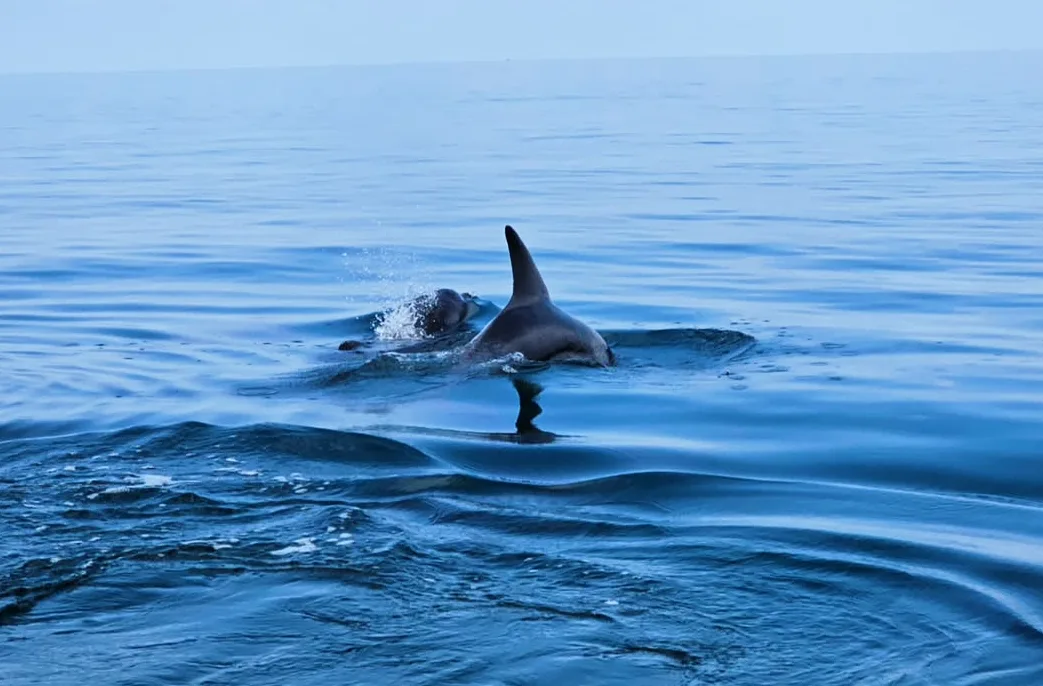
Kisite Mpunguti is often called the "Home of the Dolphins" due to the reliable presence of resident pods. The most commonly sighted species are the playful Indo-Pacific Bottlenose Dolphins and the more reserved Humpback Dolphins. Spinner Dolphins are also observed on occasion. These cetaceans are frequently encountered during the dhow journey to and from the primary snorkelling sites inside the park.
Snorkelling and Diving the Kisite Mpunguti Reefs
The coral gardens of Kisite are a major drawcard for visitors. The main reef lies in shallow water, typically between two and eight metres deep, which provides ideal conditions for snorkelling with excellent visibility for much of the year. The calm, protected waters are suitable for all experience levels. For certified divers, the Mpunguti channel offers opportunities for drift diving. Here, currents carry divers along reef walls populated by larger species such as groupers, barracuda, and Napoleon Wrasse.
Humpback Whale Migration in Kisite Mpunguti Marine Park
Between July and October each year, the Pemba Channel becomes a migration corridor for Humpback Whales. These marine mammals travel from the cold waters of the Antarctic to the warmer equatorial region to calve and mate. During this period, whale sightings are a significant possibility on the boat journey to the park, adding a valuable dimension to the marine safari.
Birdlife of Kisite Mpunguti Marine Park
Kisite Island's status as an Important Bird and Biodiversity Area is well-earned. It supports major breeding colonies of seabirds that are difficult to see from the mainland. Key species include large numbers of Roseate Terns and Sooty Terns. Along the shoreline and in the channel, one can also spot coastal specialists like Crab-Plovers, Curlew Sandpipers, and Grey Plovers, especially during the migratory season.
Diverse Reef Fish and Invertebrates in Kisite Mpunguti
While dolphins and turtles are highlights, the reef's health supports a vast array of other marine life. Divers and snorkellers can expect to see Green and Hawksbill Turtles, Blue-spotted Ribbontail Rays, and hundreds of species of reef fish. Common sightings include Parrotfish, Angelfish, Triggerfish, and Moray Eels. The invertebrate life is also rich, with species like Giant Clams, Sea Cucumbers, and colourful nudibranchs readily visible to a keen observer.
Accessing Kisite Mpunguti Marine Park from Australia
Access for Australian travellers involves a multi-stage journey, combining international and domestic flights with a final road transfer to the coast.
Long Haul Flights from Australia to Kenya
The initial leg requires flying from major Australian hubs such as Sydney (SYD), Melbourne (MEL), or Perth (PER) to Jomo Kenyatta International Airport (NBO) in Nairobi. No direct flights currently operate this route, so a connection is necessary through major hubs in the Middle East (e.g., Doha, Dubai) or Asia. Total travel time is typically in excess of 20 hours.
Domestic Travel from Nairobi to the Kenyan Coast
From Nairobi, the most efficient method to reach the south coast is a domestic flight. Airlines like Safarilink and AirKenya operate regular services from Wilson Airport (WIL), a smaller airport in Nairobi, to the Ukunda Airstrip (UKA), which serves the Diani Beach area. The flight duration is approximately one hour. An alternative is the Standard Gauge Railway (SGR) train from Nairobi to Mombasa, followed by a lengthy road transfer.
Reaching Shimoni the Gateway to Kisite Mpunguti Marine Park
Kisite Mpunguti is accessed from the fishing village of Shimoni. From the main accommodation centres around Diani Beach, Shimoni is a 1.5 to 2-hour drive south, covering a distance of approximately 85 kilometres. This transfer is usually arranged as part of a pre-booked dhow safari tour. The road is tarmacked for most of the journey.
Best Time to Visit Kisite Mpunguti Marine Park
The timing of a visit directly affects the quality of the marine viewing, particularly concerning sea conditions and the presence of migratory wildlife.
Optimal Seasons for Marine Wildlife Viewing
The two dry seasons offer the best conditions for a visit. The period from June to October is characterised by calm seas and excellent underwater visibility. Another favourable window is from January to February. These months avoid the main rainy seasons of April to May and November to December, when seas can be rough and water clarity is often reduced by runoff.
| Period |
Marine Conditions |
Key Wildlife Viewing |
| Jan – Feb |
Calm, excellent visibility |
Dolphins, turtles, reef fish |
| Jun – Oct |
Calm, excellent visibility |
Dolphins, turtles, Humpback Whales (Jul-Oct) |
| Apr – May |
Rough seas, lower visibility |
Resident species, less predictable |
Catching the Humpback Whale Migration at Kisite Mpunguti
For travellers specifically interested in whale watching, the visit must be scheduled between July and early October. This timeframe is the peak period for the Humpback Whale migration through the Pemba Channel. Tour operators frequently offer combined dolphin and whale watching excursions during this season.
Considering Australian School Holidays for Your Visit
The Australian winter school holidays in late June to mid-July align perfectly with the start of the whale migration and the prime dry season. The spring holidays in late September to early October coincide with the end of the whale season. The summer holidays in December and January fall within the second dry season, offering good conditions for snorkelling and dolphin watching, though this is also a peak tourist season in Kenya.
Practical Tips for Australian Travellers to Kisite Mpunguti Marine Park
Planning a trip from Australia requires careful attention to documentation, health precautions, and itinerary structure.
Visa and Vaccination Requirements for Kenya
Australian passport holders require an electronic travel authorisation (eTA) to enter Kenya, which replaced the eVisa system in 2024. This must be applied for and approved online before departure. A Yellow Fever vaccination certificate may be required for entry, particularly if travelling from or transiting through a country with risk of yellow fever transmission. It is critical to consult the Australian government's Smartraveller website and a travel doctor for the most current health and entry requirements.
Budgeting and Currency in Kenya
The official currency is the Kenyan Shilling (KES). However, park entry fees for Kisite Mpunguti are charged in US Dollars (USD), currently set at $15 per non-resident adult and child. It is advisable for Australian travellers to carry some USD for park fees and have KES for small purchases in Shimoni. Major tour operators and hotels in Diani accept credit cards. The AUD to KES/USD exchange rate should be factored into the budget.
Combining Kisite Mpunguti with a Broader Kenya Safari
A visit to Kisite Mpunguti is almost always integrated into a larger Kenya itinerary. A typical structure involves flying into Nairobi (NBO), spending several days on a traditional wildlife safari in a park like the Maasai Mara or Amboseli, and then flying from a safari airstrip or Nairobi to the coast (Ukunda) for a 3-4 day beach stay. The Kisite trip functions as a full-day excursion from a base in Diani Beach.
Family Suitability and Safety at Kisite Mpunguti Marine Park
The experience is highly suitable for families with children. The near-guaranteed dolphin sightings, calm snorkelling areas, and the engaging dhow boat trip make for an accessible adventure. Life jackets are provided on all certified tour boats. Standard safety precautions apply, such as using high-SPF sunscreen, wearing hats, and staying hydrated throughout the day.
Planning Your Kisite Mpunguti Marine Park Adventure
The day trip is a straightforward addition to any coastal Kenya stay, with most logistics handled by local operators.
Booking a Traditional Dhow Safari to Kisite Mpunguti
The standard way to visit the park is by booking a full-day dhow safari. Numerous operators based in Diani Beach offer these tours. A typical package includes road transfers to and from Shimoni, the dhow trip, KWS park fees, snorkelling equipment, a certified guide, drinking water, and a Swahili-style seafood lunch on Wasini Island after the marine park visit.
What to Pack for Your Kisite Mpunguti Day Trip
Packing for the day should focus on sun protection and comfort for a day on and in the water. Essential items are:
- High-SPF, reef-safe sunscreen
- Wide-brimmed hat and sunglasses
- Swimwear and a towel
- Rash guard or t-shirt for sun protection while snorkelling
- Waterproof bag for cameras and phones
- Binoculars for bird and whale watching
- Any personal snorkelling gear if preferred (though it is provided)
- A small amount of Kenyan Shillings for tips or local crafts
Respecting the Kisite Mpunguti Marine Environment
As a highly protected area, it is imperative that visitors adhere to park regulations. This includes not touching or standing on coral, not collecting any shells or marine life, and ensuring all rubbish is carried back to the mainland. Using reef-safe sunscreen helps protect the coral from chemical damage. Following the instructions of the KWS-certified guides ensures a minimal impact on the delicate ecosystem.