Marine Wildlife of Mombasa Marine National Park
The park protects a significant diversity of marine species, from large migratory mammals to small, colourful reef dwellers. The health of the coral and seagrass habitats directly supports this abundance of life, making wildlife encounters a near certainty for visitors who enter the water.
Dolphins and Migrating Humpback Whales
Resident pods of Bottlenose and Spinner dolphins are frequently sighted within the marine reserve, often seen playing in the early mornings. During their annual migration from July to September, Humpback whales can occasionally be observed further offshore, beyond the main reef system, as they journey along the East African coast.
Green and Hawksbill Sea Turtles
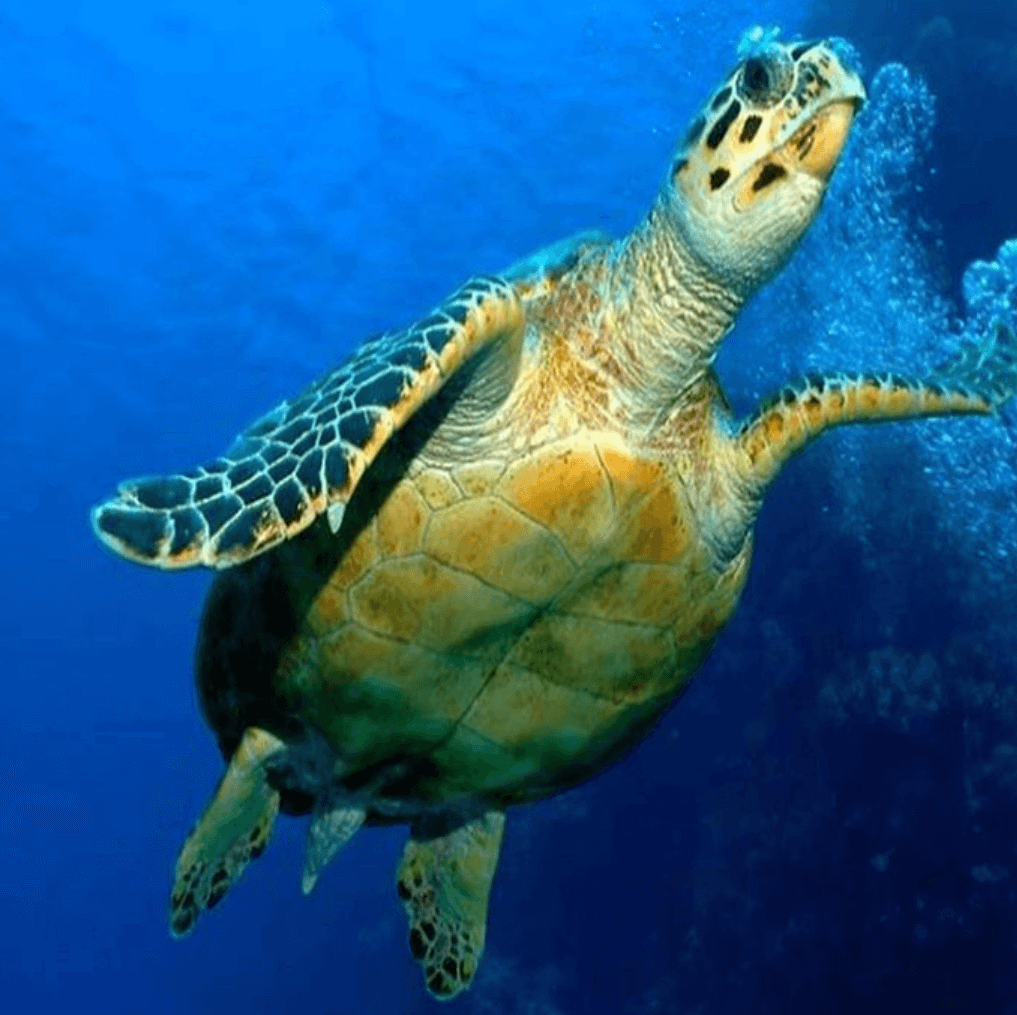
The park is a vital habitat for sea turtles. Green sea turtles and Hawksbill turtles are the most common species found here. They are regularly seen feeding on the seagrass beds within the lagoon or resting on coral heads. Encounters are highly probable during snorkelling or diving excursions, particularly in the designated turtle conservation areas.
Reef Fish and Larger Marine Species
The coral gardens host a high diversity of reef fish. Common sightings include various species of angelfish, butterflyfish, damselfish, and parrotfish. Larger species such as groupers, batfish, and snappers are also present. The outer reef and the MV Dania wreck site provide habitats for white-tip reef sharks and spotted eagle rays.
Coral Gardens and Invertebrate Life
The reef structure is built from a variety of hard and soft corals, forming a complex habitat for numerous invertebrates. On the seabed and reef flats, it is common to find red-knobbed starfish, long-spined sea urchins, octopuses, and hermit crabs. At low tide, the exposed reef provides an opportunity to observe intertidal zone creatures up close.
Activities and Points of Interest in Mombasa Marine Park
While viewing marine life is the primary draw, the park also contains specific sites and facilitates a range of water-based activities. These features provide structured ways to engage with the marine environment, catering to different interests and skill levels from wreck divers to families with young children.
The MV Dania Wreck Dive
The MV Dania, a purposefully sunk vessel, now functions as a thriving artificial reef. The structure attracts a concentrated array of marine life, including groupers, moray eels, and schools of glassfish, making it one of the most popular dive sites along the Kenyan coast. Its accessible depth caters to both intermediate and advanced divers.
Low Tide Reef Walks and Sandbars
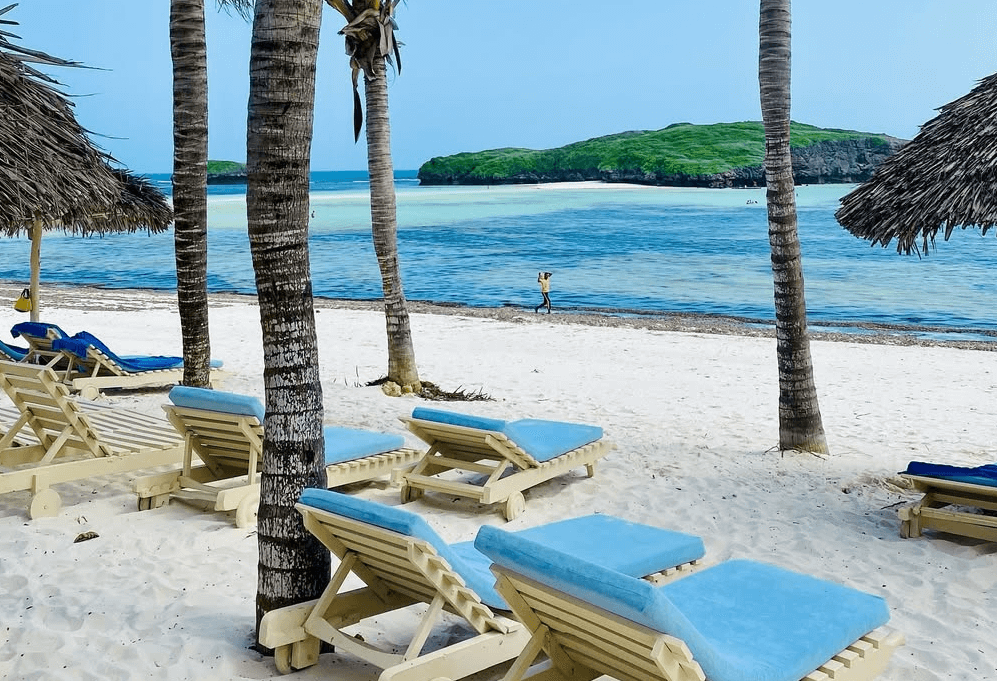
During low spring tides, temporary sand islands emerge from the water, offering isolated spots for relaxation. At the same time, the exposed reef flats become accessible for reef walks. Guided by local experts, these walks allow for direct observation of the intertidal zone's resilient creatures without needing to enter deep water.
Wind Sports and Water Activities
Mombasa experiences two main wind seasons governed by the monsoon trade winds. The Kaskazi (northeast monsoon) from December to March and the Kusi (southeast monsoon) from April to September create reliable conditions for windsurfing and kitesurfing. The calm, flat water of the lagoon is particularly suitable for these activities, while jet skiing and water skiing are permitted in designated zones within the broader reserve.
Getting to Mombasa Marine National Park from Australia
Reaching the Kenyan coast from Australia involves a multi-stage journey. The process requires a long-haul international flight to Kenya's capital, followed by a short domestic transfer to the coastal city of Mombasa, and finally a local transfer to the beachfront areas that provide access to the marine park.
International Flights from Australia to Nairobi
For travellers originating from Australia, the standard route involves a long-haul flight from a major city like Sydney, Melbourne, or Perth to Nairobi's Jomo Kenyatta International Airport (JKIA). These flights typically connect through hubs in the Middle East, such as Doha or Dubai. The total travel time often exceeds 20 hours.
Domestic Flights from Nairobi to Mombasa
The most efficient method to reach Mombasa from Nairobi is by a domestic flight. Airlines such as Kenya Airways and Jambojet operate multiple daily flights from JKIA to Moi International Airport (MBA) in Mombasa. The flight duration is approximately one hour. From MBA, a road transfer to a North Coast hotel in Nyali or Bamburi takes 30 to 45 minutes, subject to traffic.
Train Travel from Nairobi to Mombasa
The Madaraka Express (SGR) train offers a reliable and scenic alternative to flying. The service runs from the Nairobi Terminus to the Mombasa Terminus. The express journey takes approximately six hours. Upon arrival in Mombasa, a further road transfer of 45-60 minutes is required to reach the North Coast accommodation areas.
Accessing the Marine Park from Mombasa Beaches
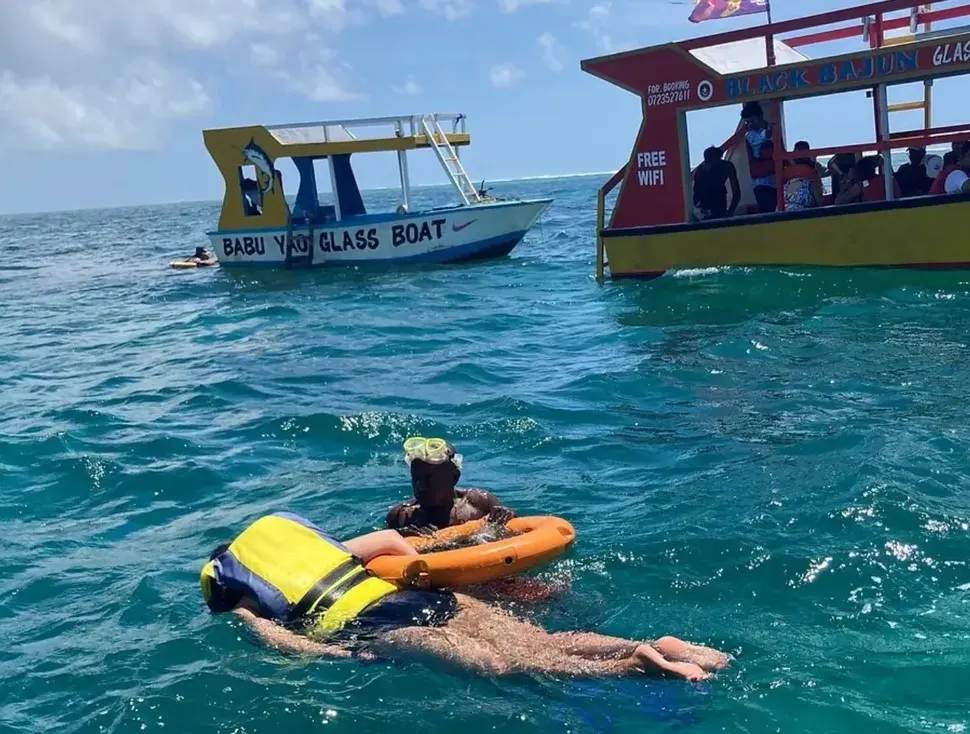
Mombasa Marine National Park has no terrestrial entry gates. Access is exclusively by boat from the mainland. Licensed boat operators and water sports centres located along Nyali, Bamburi, and Shanzu beaches organise daily excursions. These trips, often in glass-bottom boats, take visitors into the park for snorkelling, diving, or marine life viewing.
When to Visit Mombasa Marine National Park
The timing of a visit to the Kenyan coast can significantly influence the quality of underwater experiences and wildlife sightings. Weather patterns are dictated by two main dry seasons and two rainy seasons, with specific windows offering the best conditions for different activities.
Prime Conditions for Underwater Visibility
The best conditions for snorkelling and diving occur during Kenya's two dry seasons, which are from July to October and from January to February. During these periods, the sea is generally calmer and water clarity is at its peak. This provides optimal visibility, often exceeding 20 metres, for viewing coral formations and marine life.
Humpback Whale Migration Season
The annual Humpback whale migration passes the Kenyan coast between July and September. While sightings are not guaranteed from within the park's lagoon, specialised boat trips can be organised to go beyond the reef. These excursions offer a chance to witness these magnificent mammals as they travel north to their breeding grounds.
Travel Planning for Australian School Holidays
Australian school holidays, particularly the mid-year break in late June and early July and the summer holidays in December and January, coincide with Kenya's peak tourist seasons. The July holiday period aligns perfectly with the prime dry season and the whale migration. It is advisable to book flights and accommodation well in advance for travel during these times due to higher demand and increased pricing.
Practical Information for Australian Visitors
A visit to Mombasa from Australia requires some specific planning around logistics, health, and finances. Understanding park fees, visa requirements, and how to structure a coastal visit within a larger Kenyan itinerary will ensure a smooth and enjoyable trip.
Park Fees and Activity Costs
The Kenya Wildlife Service (KWS) manages the park and charges a daily entry fee, which is a primary cost. Activity costs for boat hire and gear are additional and are paid directly to local operators, usually in Kenyan Shillings (KES). It is important for Australian travellers to check current exchange rates before their trip.
| Item |
Typical Cost |
Notes for Australians |
| KWS Park Entry (Adult) |
USD $15 per 24hrs |
Payable by card. Confirm AUD to USD rate. |
| KWS Park Entry (Child) |
USD $10 per 24hrs |
Ages 3-17 years. |
| Private Boat Trip |
KES 3,000 - 7,000 |
Per boat, price depends on group size and duration. |
| Snorkelling Gear Rental |
KES 300 - 500 |
Often included in boat price; confirm beforehand. |
Kenyan eTA and Health Recommendations for Australians
Australian citizens require an Electronic Travel Authorisation (eTA) to enter Kenya. This authorisation must be applied for and approved online before departure. It is crucial to consult a GP or travel doctor at least 6-8 weeks before your trip to discuss recommended vaccinations, such as Yellow Fever, and malaria prophylaxis. Official, up-to-date travel advice should be checked on the Australian government's Smartraveller website.
Itinerary Planning and Trip Duration
A visit to Mombasa Marine National Park is typically an addition to a broader Kenyan itinerary. Most travellers allocate two to four days for the coast as a relaxation component after a seven to ten-day inland safari. This schedule allows sufficient time for marine activities and acclimatisation before the long-haul flight back to Australia.
Accommodation on Mombasa's North Coast
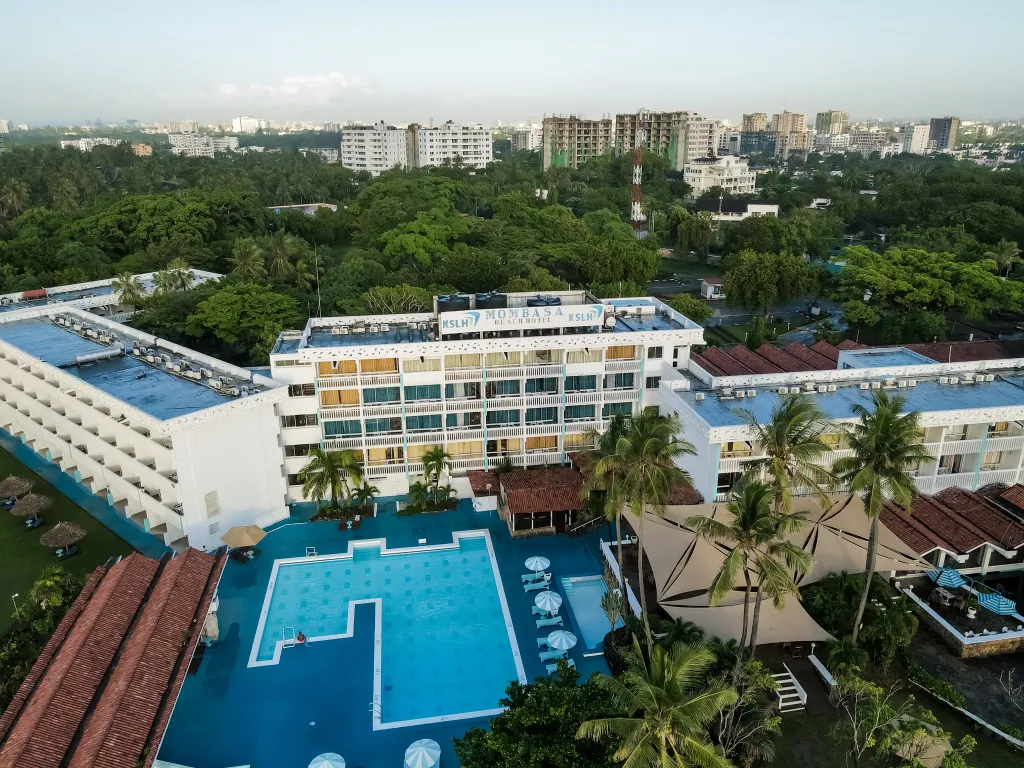
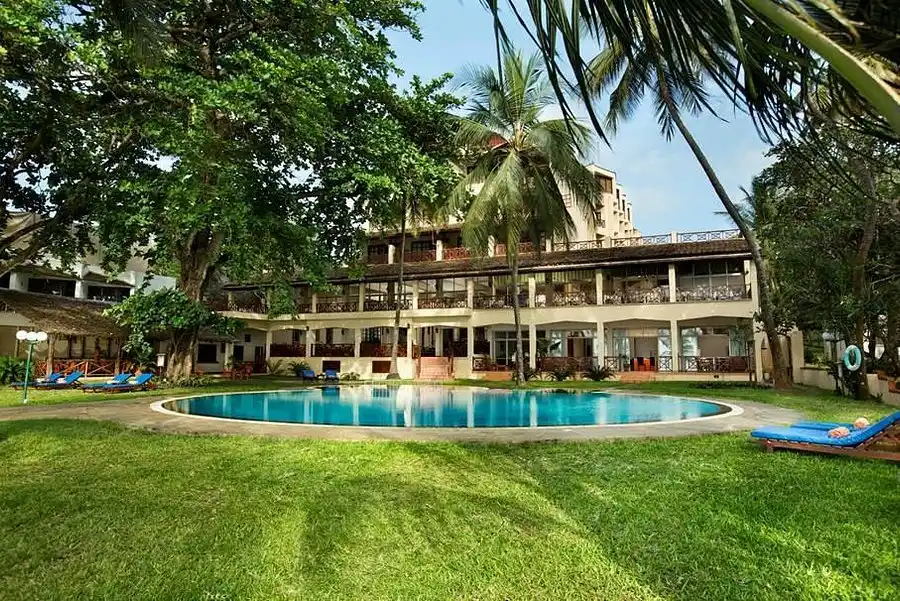
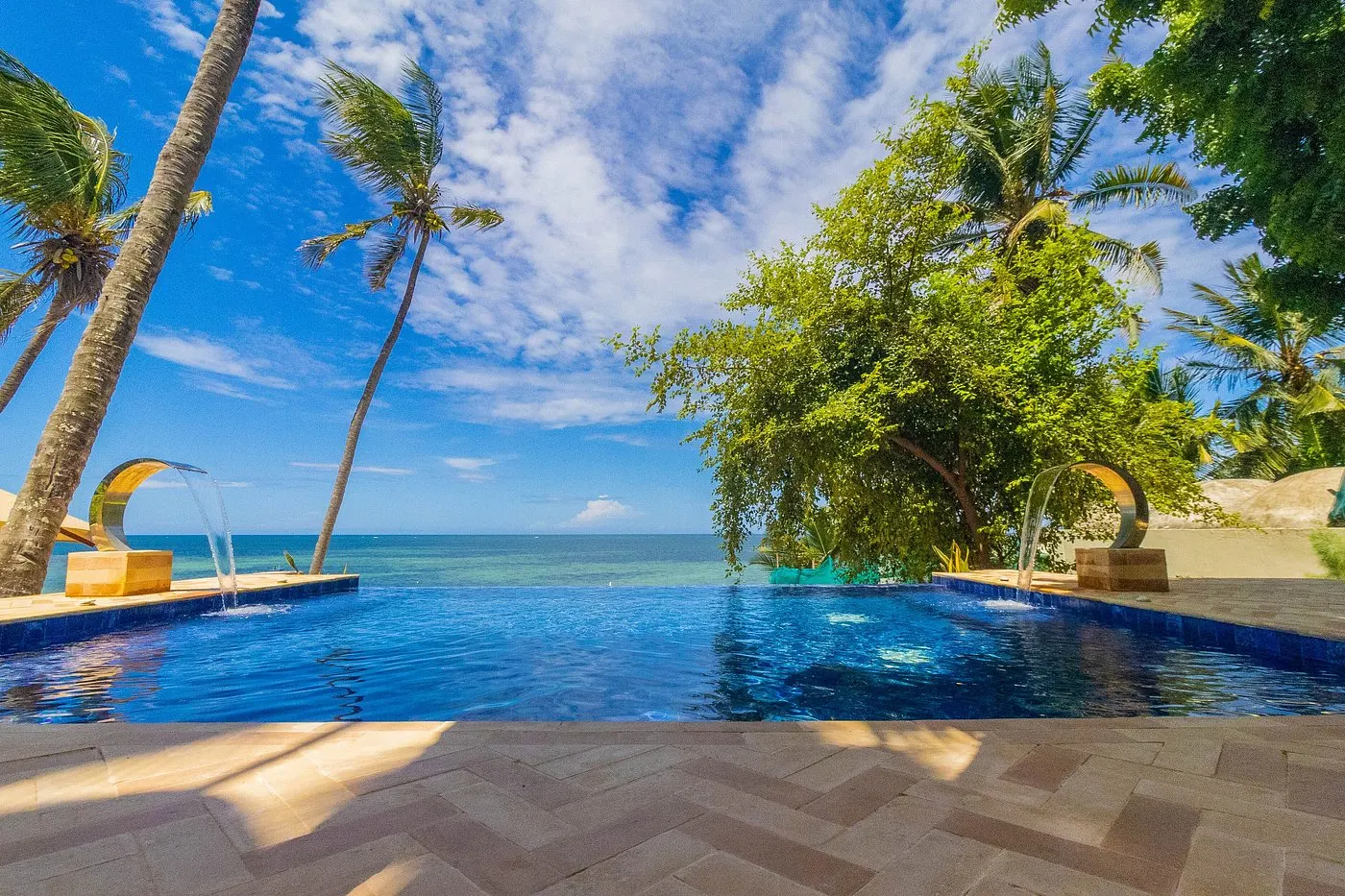
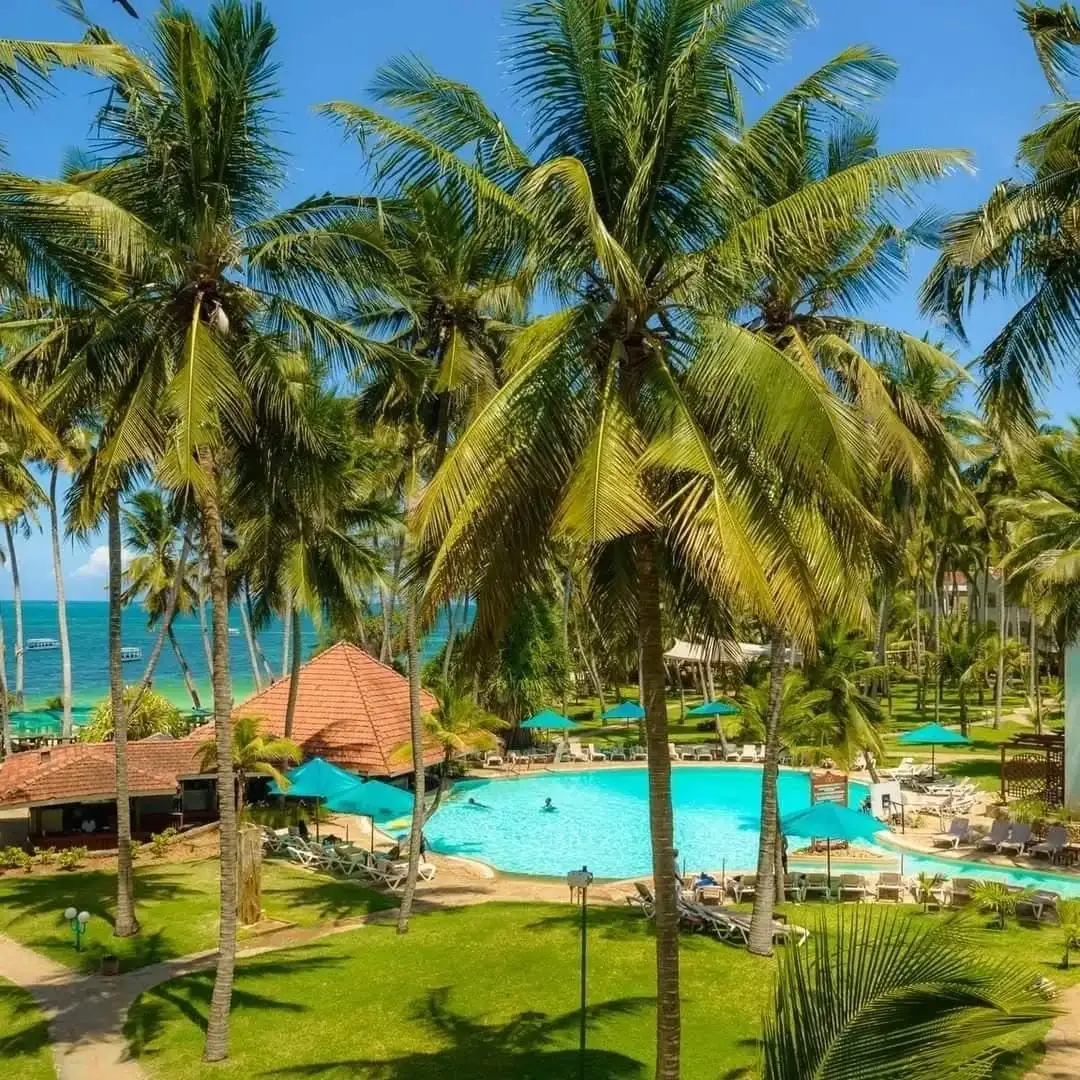
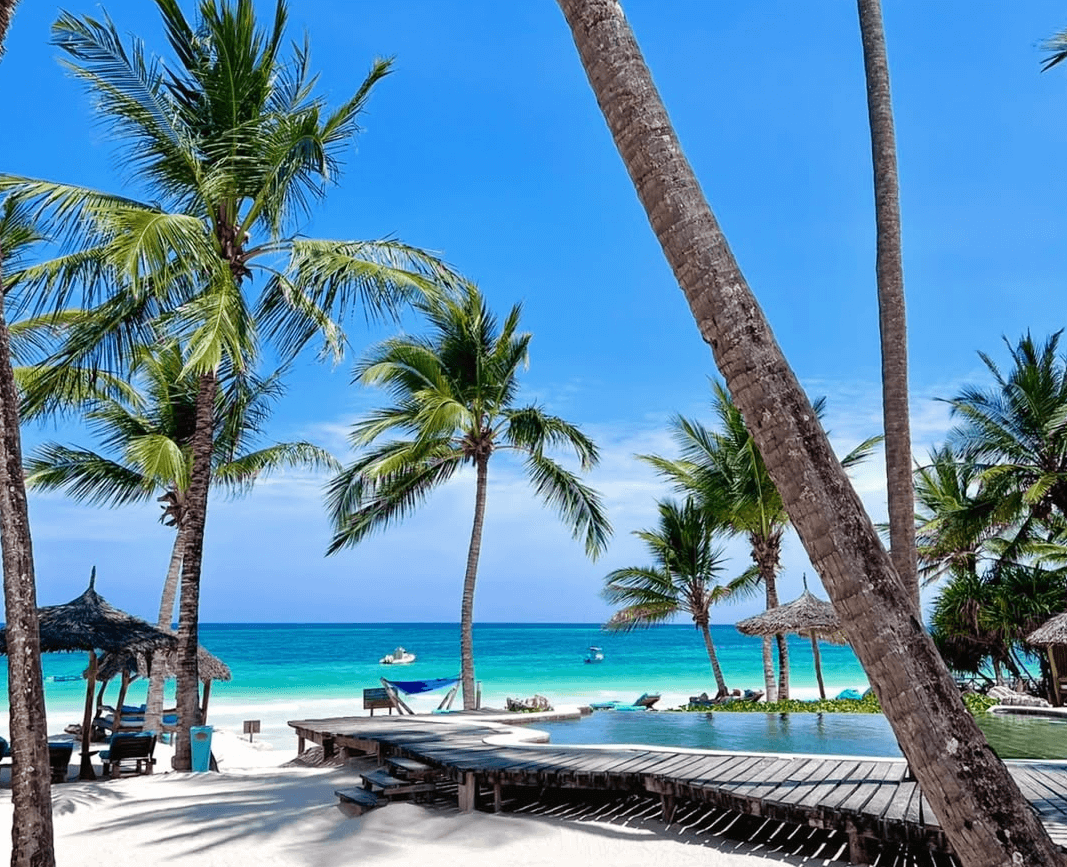
The most practical base for visiting the marine park is the North Coast of Mombasa. The areas of Nyali, Bamburi, and Shanzu offer a wide range of accommodation, from large resorts to smaller hotels and private villas. These locations provide direct beach access from which boat excursions into the park depart, eliminating the need for lengthy road transfers on the day of your marine activity.