Kenya's Great Rift Valley is a region defined by intense geological forces. Hell's Gate National Park, situated south of Lake Naivasha, provides a direct and active encounter with this volcanic terrain. The park distinguishes itself from other Kenyan reserves through its primary focus on non-motorised activities, allowing for a more personal connection with the environment.
Overview
Name
Hell's Gate National Park
Type
National Park
Town
Naivasha
County
Nakuru
Country
Kenya
The Volcanic Geography and Location of Hell's Gate National Park
The park's position on the floor of the Great Rift Valley shapes its unique character. Its relatively small 68.25 square kilometre area sits at an altitude of around 1,900 metres above sea level and contains a dense concentration of volcanic features, cliffs and gorges. This geology provides a distinct safari experience.
Location of Hell's Gate National Park in Nakuru County
Hell's Gate National Park is situated within Nakuru County, approximately 90 kilometres north-west of Nairobi. The drive from the capital follows the A104 highway and typically takes two to three hours, making the park an accessible day trip or a component of a larger Rift Valley itinerary. The park's main entrance, Elsa Gate, is near the town of Naivasha.
The Defining Geological Features of Hell's Gate
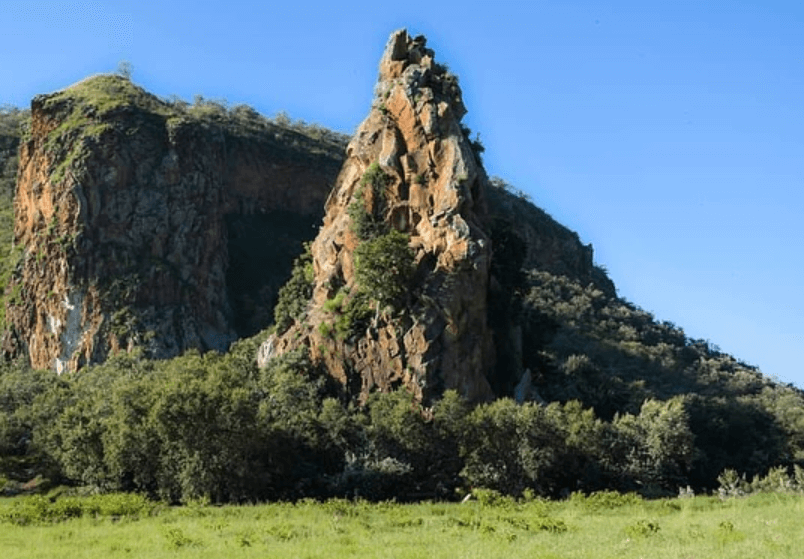
The park's name is derived from a narrow break in the cliffs, named "Hell's Gate" by explorers Fischer and Thomson in 1883. This dramatic topography is the primary attraction, providing a stark backdrop for wildlife viewing and physical activities.
Fischer's Tower and The Central Tower
Fischer's Tower is a 25-metre-high volcanic plug, a solidified remnant of an ancient volcano's conduit. This prominent rock column, along with the larger formation known as the Central Tower, serves as the main location for technical rock climbing within the park. Both formations are important nesting sites for several bird species, including swifts and vultures.
Adventures in Ol Njorowa Gorge
The Ol Njorowa Gorge is a narrow, 24-kilometre-long ravine carved by millennia of water erosion. A guided walk through its lower sections reveals water-scoured canyon walls, hot water springs, and natural steam vents. Access to the gorge is strictly weather-dependent due to the severe and immediate risk of flash floods during the rainy seasons.
Geothermal Activity and the Olkaria Power Station
The ground beneath Hell's Gate remains geologically active. Visitors see natural steam vents and sulphur springs throughout the park. This geothermal energy is harnessed by the Olkaria Geothermal Power Station, operated by KenGen, which borders the park and stands as a visible reminder of the powerful forces at play in the Rift Valley.
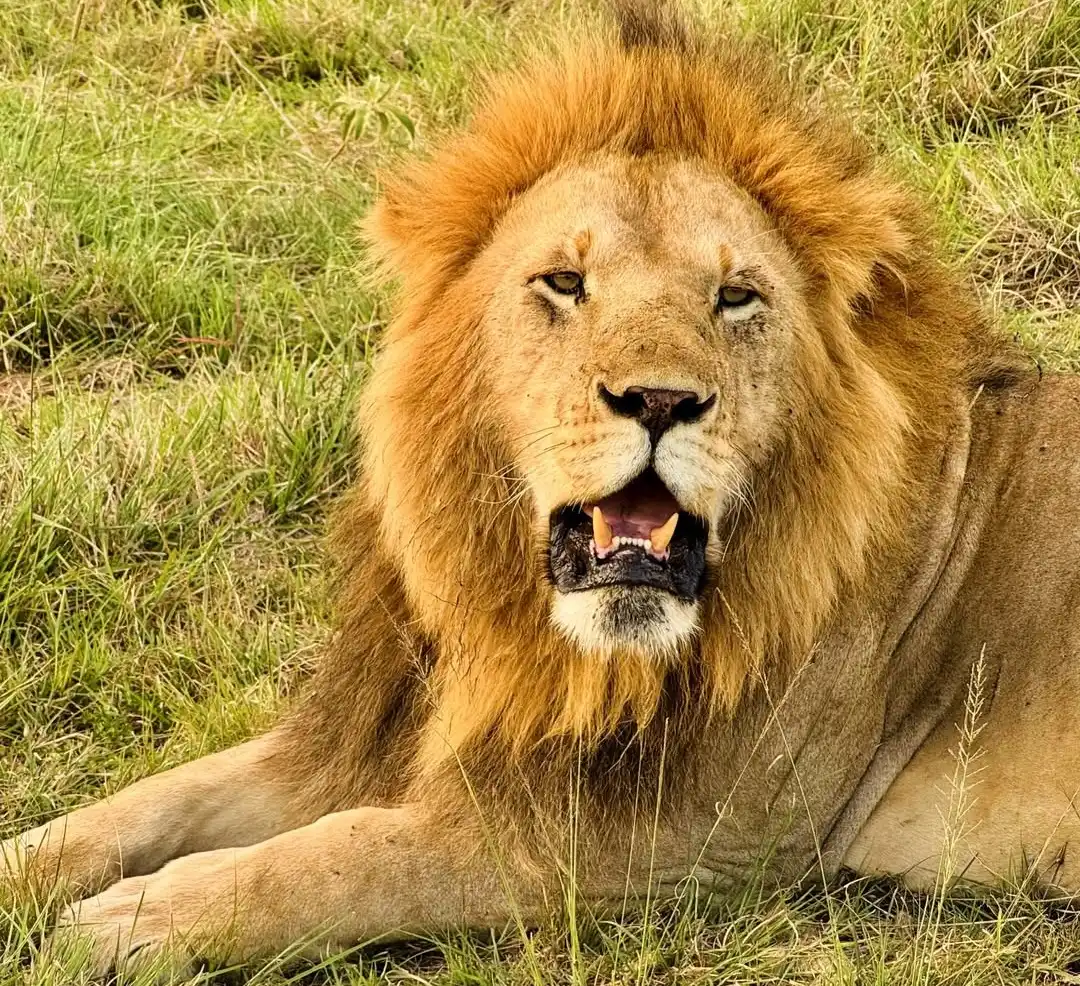
Hell's Gate is not a primary 'Big Five' destination. The absence of resident large predators, particularly lions and leopards, is what permits safe, un-escorted walking and cycling on the main tracks. The park functions as a sanctuary for a variety of herbivores and specialist cliff-dwelling fauna.
Spotting Herbivores in Hell's Gate
Large mammals are readily seen on the plains and along the main cycle tracks that run through the park's valley floor.
Maasai Giraffe Sightings
The Maasai giraffe, identified by its jagged, leaf-like coat patterns that extend to its hooves, is a common sight. Small family groups can often be observed feeding on the acacia trees that dot the area.
Coke's Hartebeest (Kongoni)
This species of antelope, known locally as Kongoni, is frequently seen grazing on the open grasslands. Coke's Hartebeest are recognisable by their long faces and distinctly angled horns.
African Buffalo Herds
Hell's Gate supports a significant population of African buffalo. While they are a major wildlife attraction, caution is required, particularly when encountering solitary old bulls, which can be unpredictable. Maintain a safe distance when on foot or bicycle.
Zebra, Eland and Warthogs on Cycle Tracks
Plains zebra, common eland, and warthogs are abundant and frequently encountered by visitors cycling through the park. They are habituated to the presence of people, which allows for excellent photographic opportunities.
Rare Antelopes and Cliff Dwellers of Hell's Gate
The park's rocky cliffs and scree slopes provide a specific habitat for specialised antelope species that are not as easily seen in other Kenyan parks.
Chandler's Mountain Reedbuck
This shy antelope is often spotted on the rocky slopes, particularly around the base of Fischer's Tower. They are well-camouflaged against the rock and require a keen eye to locate.
Klipspringer Spotting
The klipspringer is a small antelope perfectly adapted to life on rock faces. They are identified by their unique tip-toe stance on their cylindrical hooves, which gives them a sure-footed grip on the basalt cliffs.
Birdlife and Raptors Above Hell's Gate
The cliffs of Hell's Gate are designated as an Important Bird Area, providing nesting sites for over 100 species of birds, including several impressive raptors.
Lammergeier (Bearded Vulture)
Sighting a Lammergeier is a rare highlight for birdwatchers. This large vulture is known for its practice of dropping bones from a great height to shatter them on the rocks below to access the marrow.
Verreaux's Eagle
This large, powerful eagle nests on the cliffs and can often be seen soaring overhead. It primarily preys on the rock hyrax that are abundant throughout the park's rock formations.
Active Safari Experiences in Hell's Gate National Park
The main appeal of Hell's Gate lies in the freedom to leave the vehicle behind and engage directly with the environment. This offers a ground-level perspective rarely found in other Kenyan national parks.
Cycling Safaris Through Hell's Gate
Cycling is the most popular activity. Bicycles can be hired at Elsa Gate or from vendors located just outside the park entrance. The main track runs for several kilometres through the valley floor, offering close-up, quiet encounters with wildlife.
Walking and Hiking Adventures in Hell's Gate
Guided walks are permitted throughout the park. The most notable trek is through Ol Njorowa Gorge, which requires a KWS-certified guide for safety. Hiking up to viewpoints on the cliff tops provides excellent perspectives of the valley below.
Rock Climbing at Fischer's Tower
Fischer's Tower offers multiple established climbing routes suitable for both novice and experienced climbers. Equipment and guides can be arranged in Naivasha or Nairobi but must be organised in advance.
Photographic Subjects and Angles in Hell's Gate
The ability to get out on foot allows for different photographic angles than a vehicle-based safari. The stark geological formations, deep shadows in the gorge, and unobscured wildlife views are key subjects for photographers.
Getting to Hell's Gate National Park from Australia
The journey from Australia to Hell's Gate National Park is a multi-stage process involving long-haul flights to Nairobi, followed by a domestic transfer to the Naivasha region.
International Flights from Australia to Kenya
No direct flights operate between Australia and Kenya. The journey requires at least one stopover, typically in the Middle East or Asia. Major carriers such as Qatar Airways, Emirates, and Etihad operate routes from Sydney (SYD), Melbourne (MEL), and Brisbane (BNE) to Jomo Kenyatta International Airport (NBO) in Nairobi. Total travel time, including layovers, usually ranges from 20 to 30 hours.
Overland and Air Transfers from Nairobi
Once in Nairobi, the final leg of the journey to the park is most commonly completed by road, though rail and air options are also available.
Private Vehicle and Car Hire
The most straightforward method is via a pre-booked private vehicle or a rental car. The route follows the A104 Nairobi-Nakuru Highway, a journey of approximately 90 kilometres that typically takes two to three hours depending on traffic conditions leaving the city.
Local Transport via Matatu and Boda-Boda
For budget travellers, it is possible to take a matatu (shared minibus) from Nairobi to Naivasha town. From Naivasha, a local taxi or a boda-boda (motorcycle taxi) is required to reach the park's Elsa Gate.
SGR Train and Charter Flights to Naivasha
The Madaraka Express train on the Standard Gauge Railway (SGR) runs from Nairobi to a station at Mai Mahiu. From there, a pre-arranged road transfer is necessary to get to the park. For high-end itineraries, charter or scheduled flights can be booked to the Loldia airstrip near Lake Naivasha, followed by a vehicle transfer.
Park Entry Procedures and Fees at Hell's Gate
All visitors must enter through an official Kenya Wildlife Service (KWS) gate and adhere to the payment system.
Entering Hell's Gate via the Main Elsa Gate
Elsa Gate is the primary public entrance to the park. This is where park fees are paid, bicycle hire is available, and guides can be arranged for activities like the gorge walk.
The KWS Cashless Payment System
KWS gates are strictly cashless. Payment for entry fees must be made via credit card, debit card, or the local M-Pesa mobile money service. Cash is not accepted for official park entry.
Separate Fees for Vehicle Entry
A separate fee is levied for any vehicle entering the park. The cost depends on the size of the vehicle, such as a saloon car, 4x4, or minibus, and is paid at the same time as citizen or non-resident park fees.
The Best Time to Visit Hell's Gate National Park
The optimal time to visit is dictated by the weather, which directly impacts the safety and accessibility of the park's main activities.
Visiting Hell's Gate During the Dry Seasons
The long dry season from June to October and the shorter dry season from January to February are the best times to visit. During these periods, roads and cycle tracks are in good condition, and the Ol Njorowa Gorge is typically open and safe for hiking.
Navigating Hell's Gate During the Wet Seasons
The main rainy season occurs from March to May, with a shorter, less intense period of rain in November and December. During these times, dirt tracks can become muddy and challenging for cycling. The most significant issue is the risk of flash floods.
The Critical Flash Flood Risk in Ol Njorowa Gorge
The Ol Njorowa Gorge is extremely dangerous during the wet season. Heavy rainfall in the wider catchment area, even many kilometres away, can result in a sudden, powerful and lethal wall of water rushing through the gorge with no warning. KWS rangers will close the gorge to all visitors when there is any perceived risk.
Hell's Gate During Australian School Holidays
The June-July and December-January Australian school holidays coincide well with Kenya's dry seasons. This makes Hell's Gate a viable and popular destination for family trips focused on active adventures.
Practical Tips for Australian Travellers Visiting Hell's Gate
Planning for a trip to Hell's Gate from Australia involves specific considerations regarding currency, travel authorisations, health, and packing.
Budgeting for Hell's Gate Park Fees from Australia
Park fees are officially set in US dollars but must be paid in Kenyan Shillings at the current exchange rate or via card. Australian travellers should check current AUD to USD and KES exchange rates when budgeting. Guide and hire fees are often paid directly in cash. The table below outlines typical costs, which are subject to change by park management.
Item
Typical Cost (USD)
Payment Method
Adult Non-Resident Entry
$26
Card / M-Pesa
Child Non-Resident Entry
$17
Card / M-Pesa
Bicycle Hire (per day)
$5 - $10
Cash (to vendors)
Gorge Guide Fee
$20 - $30
Cash (to guide)
Kenyan Electronic Travel Authorisation for Australians
Australian citizens require an Electronic Travel Authorisation (eTA) to enter Kenya. This authorisation replaced the previous e-Visa system in 2024. The eTA must be applied for online, in advance of travel. It is advisable to apply at least one week before your departure date to allow for processing.
Health Preparations and Vaccinations for Kenya
Consult your GP or a travel doctor well before your trip. Recommended vaccinations for Kenya often include Yellow Fever, Hepatitis A and B, Typhoid, and Tetanus. A Yellow Fever certificate may be a mandatory requirement for entry. Malaria is present in the region, so discussing appropriate prophylaxis is essential.
Essential Packing List for Hell's Gate
Packing should focus on comfort and practicality for physical activities in a hot, dry environment.
Lightweight, breathable clothing for walking and cycling.
Sturdy, closed-toe walking shoes with good grip, especially for the gorge.
A wide-brimmed hat, high-SPF sunscreen, and sunglasses.
A small backpack to carry water, snacks, and a camera.
A reusable water bottle to stay hydrated.
Binoculars for bird and wildlife spotting.
Safety Protocols for Activities in Hell's Gate
While the park is free of major predators, standard safety precautions are necessary. Always maintain a respectful distance from wildlife, particularly African buffalo. Carry sufficient water to prevent dehydration, and be aware of the intense midday sun. When hiking in the Ol Njorowa Gorge, always use a KWS-accredited guide and heed their advice without question.
Integrating Hell's Gate into a Kenyan Itinerary
Hell's Gate is rarely a standalone destination but serves as an excellent active component within a broader Kenyan safari itinerary.
Pairing Hell's Gate with Lake Naivasha and the Maasai Mara
Due to its proximity, Hell's Gate is easily combined with a visit to Lake Naivasha for boat trips and birdwatching at Crescent Island. It can also serve as an active interlude on a longer safari circuit that includes the world-famous Maasai Mara National Reserve or Lake Nakuru National Park, known for its rhinos and flamingos.
The Unique Appeal of an Active Safari at Hell's Gate
The park's primary value is the freedom it offers. It is one of the very few national parks in Kenya where visitors can cycle or walk unguided on the main tracks amidst large game. This provides a ground-level, multi-sensory safari that is fundamentally different from observing wildlife from inside a vehicle.
Cultural and Cinematic Significance of Hell's Gate
The park holds historical significance for the local Maasai people, whose pastoralist traditions have long coexisted with the region's wildlife. In modern culture, its dramatic cliffs and rock formations served as a key artistic inspiration for Disney's animated film *The Lion King* (1994). The topography heavily influenced the setting of Pride Rock and the gorge where the film's pivotal wildebeest stampede occurred.
For optimal adventure in Hell's Gate National Park, including cycling, gorge walks, and rock climbing, the long dry season from June to October is ideal, offering cooler, pleasant temperatures (averaging 17-18°C) and minimal rainfall for clear paths and safe gorge access.