Geography and Topography of Lake Naivasha
The physical environment of Lake Naivasha is a direct result of its location within the Great Rift Valley. This setting dictates its water chemistry, surrounding terrain, and the specific ecosystems that have developed. The interplay of volcanic geology and a substantial freshwater source creates a habitat that supports a high density of wildlife, distinct from other regions in Kenya.
The Great Rift Valley Setting
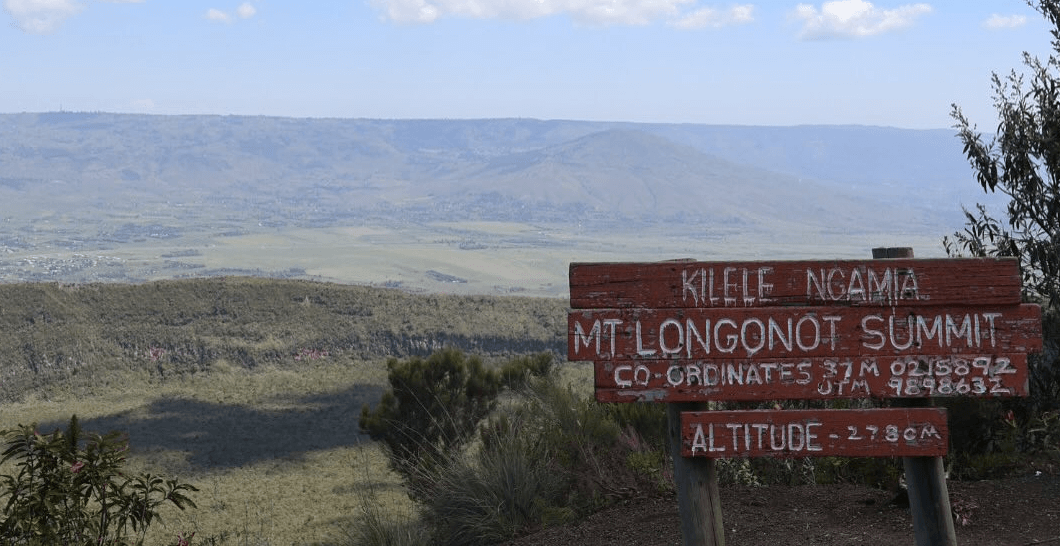
Positioned at the highest elevation of the Kenyan Rift Valley, approximately 1,884 metres above sea level, Lake Naivasha is a notable geographical anomaly. Unlike most other Rift Valley lakes, which are highly alkaline, Naivasha is a freshwater body with a surface area that can fluctuate around 139 square kilometres. Its catchment area includes the Aberdare Mountains, and its water levels change significantly depending on rainfall. The lake is framed by the dramatic volcanic slopes of the valley, including the nearby dormant volcano, Mount Longonot.
The Lake Naivasha Ecosystem
The lake's ecosystem is recognised as a Ramsar wetland of international importance. The immediate shoreline features dense papyrus swamps and submerged vegetation, which provide critical habitat for fish and water birds. Further from the water's edge, forests of tall, yellow-barked acacia trees (Vachellia xanthophloea) dominate the terrain. This specific habitat supports a high concentration of herbivores and primates, creating a productive and biologically diverse environment.
Wildlife Encounters in Lake Naivasha National Park
The park supports a significant and visible population of large mammals and an extraordinary number of bird species. The absence of major predators on Crescent Island allows for intimate, on-foot encounters, while the lake itself is a stage for observing the daily life of hippos and water birds. This combination of viewing opportunities makes Naivasha a rewarding destination for wildlife enthusiasts.
The Hippopotamus Population of Lake Naivasha
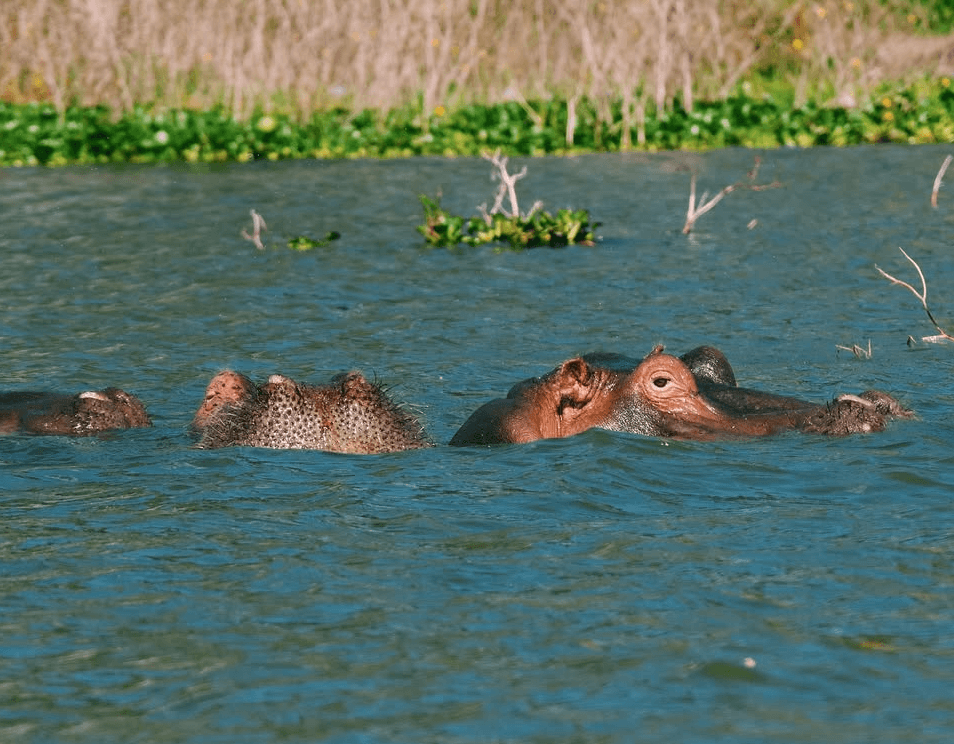
Lake Naivasha is renowned for its substantial hippopotamus population, estimated to contain over 1,500 individuals. During the day, large pods are visible in the water from boat safaris. At night, they emerge from the lake to graze on the shoreline and the grounds of lakeside properties. It is critical for visitors to remain aware of their presence after dark and follow all safety guidance provided by local guides and accommodation staff.
Avian Diversity and Birdwatching at Lake Naivasha
With over 400 recorded avian species, Lake Naivasha is a first-rate destination for birdwatching. The high density of African Fish Eagles is a key highlight, and their distinctive calls are a constant feature of the area. Boat trips provide excellent opportunities to observe and photograph a wide variety of water-associated birds at close range, often from just metres away.
- African Fish Eagle
- Great White Pelican
- Pied and Malachite Kingfishers
- Goliath Heron
- Black Crake
- Long-tailed Cormorant
Walking Safaris on Crescent Island
Crescent Island Wildlife Sanctuary, a peninsula on the eastern shore, is a major attraction. Because there are no resident predators, the sanctuary allows for unguided or guided walking safaris. Visitors can walk freely among populations of plains zebra, waterbuck, wildebeest, and Rothschild's giraffe. This activity offers an exceptional opportunity for close wildlife encounters on foot in a secure environment.
Other Herbivores and Primates
The woodlands and grasslands surrounding the lake support a variety of other species. Herds of Defassa waterbuck are a common sight near the shore. In the acacia forests, it is possible to see troops of black and white colobus monkeys and vervet monkeys. Surrounding private conservancies and ranches also host species like Rothschild's giraffe, Cape buffalo, and various antelope.
Travel to Lake Naivasha from Australia
Reaching Lake Naivasha from Australia involves a long-haul international flight into Kenya's primary airport, followed by a relatively short domestic transfer. Understanding the flight routes, transfer options, and entry requirements is the first step in planning a successful safari itinerary.
Long Haul Flights from Australia to Kenya
Travel from major Australian cities such as Sydney, Melbourne, or Brisbane to Nairobi’s Jomo Kenyatta International Airport (NBO) requires at least one stop. Common transit hubs include Doha (with Qatar Airways), Dubai (with Emirates), and Abu Dhabi (with Etihad). Total flight time, including a standard layover, typically ranges from 20 to 28 hours.
Domestic Transfers to Lake Naivasha
From Nairobi, Lake Naivasha is approximately 100 kilometres to the northwest. A road transfer by private vehicle or tour operator minibus takes between two and three hours, depending on city traffic. Alternatively, scheduled light aircraft flights operate from Nairobi's Wilson Airport (WIL) to the local Loldia Airstrip. The Madaraka Express SGR train service to the Naivasha station is another option, requiring a pre-arranged road transfer from the station to your accommodation.
Kenya eTA Requirements for Australian Citizens
Australian passport holders require an Electronic Travel Authorisation (eTA) to enter Kenya. This must be applied for online through the official government portal well in advance of the travel date. The eTA system has replaced the previous e-visa system. Travellers must ensure their passport has at least six months of validity from the date of entry and two blank pages.
Selecting the Best Time to Visit Lake Naivasha
The timing of your visit to Lake Naivasha will influence weather conditions, wildlife behaviour, and pricing. Kenya's distinct dry and wet seasons offer different experiences, with the dry seasons generally considered optimal for most safari activities and aligning conveniently with popular Australian holiday periods.
Kenya's Dry Seasons and Australian School Holidays
The best periods to visit are during Kenya's two dry seasons, from June to October and from January to February. These months offer pleasant weather, minimal rainfall, and improved wildlife spotting as vegetation is less dense. These periods often align with Australian mid-year and summer school holidays, making it a popular time for family travel. Advance booking of flights and accommodation during these peak times is essential.
Wildlife Viewing Conditions by Season
Seasonal changes affect water levels and wildlife behaviour. The dry seasons offer the most reliable conditions for all activities. The wet seasons can bring short, heavy downpours that may temporarily disrupt plans but also result in bright green scenery, fewer tourist crowds, and the arrival of migratory bird species.
| Season |
Period |
Conditions for Activities |
| Long Dry Season |
Jun - Oct |
Excellent; sunny days, high animal concentration. |
| Short Rains |
Nov - Dec |
Good; afternoon showers, migratory birds arrive. |
| Short Dry Season |
Jan - Feb |
Excellent; clear skies, ideal for all activities. |
| Long Rains |
Mar - May |
Fair; heavy rain possible, some lodges may close. |
Planning Your Lake Naivasha Itinerary
Integrating Lake Naivasha into a wider Kenyan safari requires careful consideration of timing and logistics. It is best treated as a short, activity-focused stop that breaks up longer road journeys and provides a different style of wildlife viewing compared to the major savanna parks.
Ideal Duration for a Lake Naivasha Visit
A stay of one to two nights at Lake Naivasha is typically sufficient for most travellers. This allows enough time for a comprehensive boat safari, a walking safari on Crescent Island, and perhaps a visit to the nearby Hell's Gate National Park or Elsamere Conservation Centre. It functions well as a short stop within a longer 10- to 14-day Kenyan safari itinerary.
Lake Naivasha for Family Safaris from Australia
The destination is highly suitable for families. The focus on boat-based and walking activities offers a welcome alternative to long hours spent inside a vehicle. Boat safaris are engaging for all ages, and the ability to walk among giraffes and zebras on Crescent Island is a memorable experience for children and adults alike. Most lakeside accommodation offers family-friendly amenities and large grounds.
Combining Lake Naivasha with Other Kenyan Parks
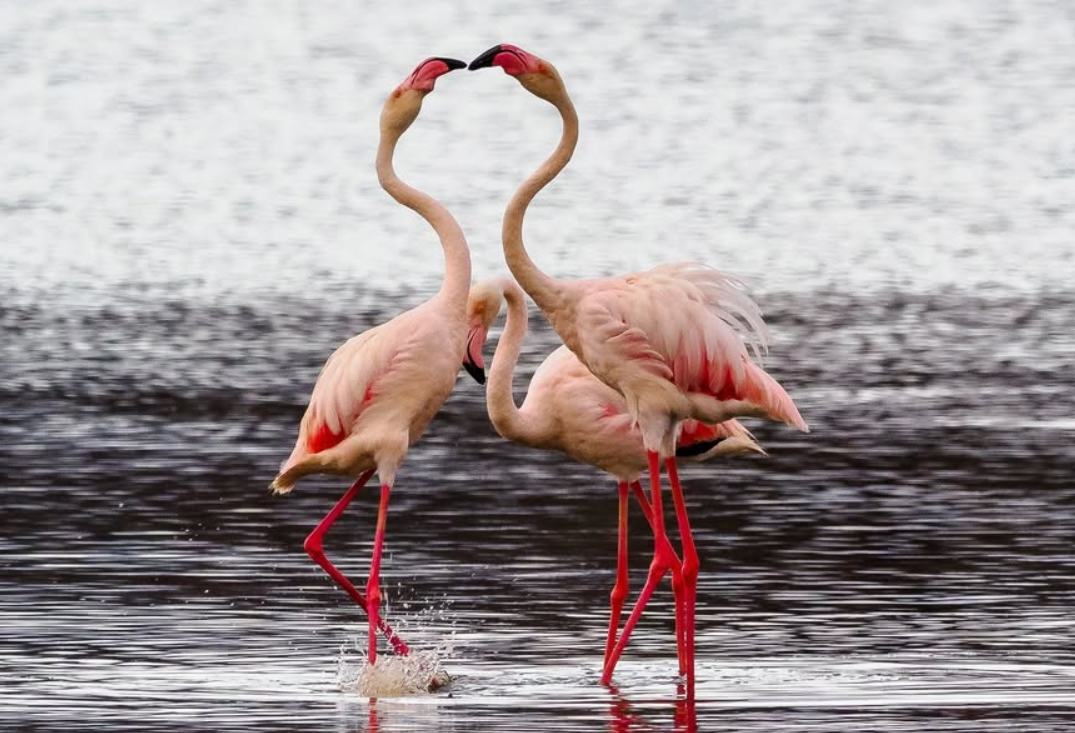
Lake Naivasha is logistically simple to incorporate into a classic Kenyan safari circuit. It is situated on the main route between Nairobi and the Masai Mara National Reserve. Many itineraries include it as a stop after the capital before continuing southwest to the Mara. It also serves as a logical base before travelling north towards Lake Nakuru National Park, known for its rhinos and flamingos.
Practical Advice for Australian Travellers
A successful trip requires preparation regarding finances, health, and safety. For long-haul travel from Australia, understanding these local practicalities in advance ensures a smooth and enjoyable experience on the ground in Kenya.
Currency and Payments for Australian Visitors
The official currency is the Kenyan Shilling (KES). Park entry fees and many tourist activities, however, are priced in US Dollars (USD). The Kenya Wildlife Service (KWS) operates a cashless payment system at park gates, accepting major credit cards like Visa and Mastercard. It is practical for Australian travellers to use a travel money card or credit card for these official payments and carry a supply of KES for local markets, tips, and small purchases. Factoring the AUD to USD and KES exchange rates into your budget is important.
Health and Vaccinations for a Kenya Safari
You should consult a travel doctor in Australia at least six to eight weeks before your departure. A Yellow Fever vaccination and certificate are often mandatory for entry into Kenya, depending on your transit points. Your doctor will also advise on other recommended vaccinations, such as Hepatitis A, Tetanus, and Typhoid. Malaria prophylaxis is strongly recommended for most safari areas in Kenya, including the region around Lake Naivasha.
Essential Travel Insurance for Kenya
Comprehensive travel insurance is a mandatory requirement for any safari. Your policy must provide a high level of medical coverage, including emergency medical evacuation by air. Standard policies should be checked to ensure they cover activities specific to your itinerary, such as walking safaris. Including coverage for trip cancellation and lost or delayed baggage is also highly advisable for long-haul travel from Australia.
Unique Activities around Lake Naivasha
Beyond standard game viewing, the Lake Naivasha area provides a range of special experiences that leverage its unique geography and history. These activities allow visitors to engage with the environment and its conservation legacy in a more direct and active way.
Boat Safaris on the Freshwater Lake
The primary activity is a boat safari on the lake itself. These trips, typically lasting one to two hours, provide a water-level perspective of the environment. They are the best method for getting close to the large pods of hippos and for observing the abundance of birdlife, including fish eagles, cormorants, and pelicans that inhabit the papyrus reeds and acacia treeline.
Activities at Hell's Gate National Park and Mount Longonot
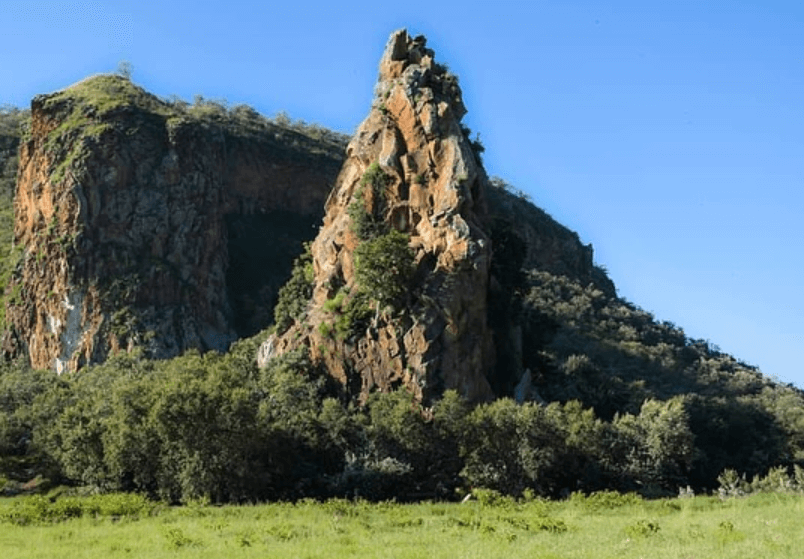
Adjacent to the lake is Hell's Gate National Park, one of the few Kenyan parks where cycling and walking are permitted without an official guide. Its dramatic cliffs and gorges were an inspiration for the scenery in Disney's 'The Lion King'. For a more strenuous activity, a guided hike up the dormant volcano Mount Longonot offers rewarding views of the Rift Valley and Lake Naivasha from its forested crater rim.
The Elsamere Conservation Centre and Born Free Legacy
Elsamere is the former home of Joy and George Adamson, the conservationists famous for their work with Elsa the lioness, documented in the book and film 'Born Free'. The house is now a conservation centre and museum. Visitors can watch a documentary about the Adamsons' lives, view their memorabilia, and enjoy high tea on the lawn, often in the company of the resident black and white colobus monkeys.
Lake Naivasha National Park at a Glance
| Attribute |
Details |
| Location |
Nakuru County, Great Rift Valley, Kenya |
| Altitude |
Approx. 1,884 metres |
| Key Wildlife |
Hippo, Giraffe, Zebra, Waterbuck, Colobus Monkey |
| Bird Species |
Over 400 species, including African Fish Eagle |
| Main Activities |
Boat Safaris, Walking Safaris, Birdwatching |