Lake Nakuru National Park is a compact and wildlife-rich sanctuary located in Kenya's Great Rift Valley. The park is fully fenced, creating a high-density conservation area centred on the shallow, alkaline Lake Nakuru, which sits at an altitude of 1,754 metres.
Overview
Name
Lake Nakuru National Park
Type
National Park
Town
Nakuru
County
Nakuru
Country
Kenya
The Geography of Lake Nakuru National Park
The park's topography is a direct result of its position on the floor of the Great Rift Valley, a massive tectonic trench stretching the length of Africa. This unique setting creates a natural basin for the lake, enclosed by steep escarpments and rolling hills that offer dramatic views and diverse habitats within a relatively small area.
Position within Kenya's Great Rift Valley
Lake Nakuru National Park is situated approximately 160 kilometres northwest of Nairobi. Its centrepiece, the alkaline Lake Nakuru, occupies the floor of the valley. The park's boundaries are defined by the surrounding topography, which includes sheer escarpments and sloped hills that form a contained basin for the lake and its supporting ecosystems.
Ecosystem and Dimensions of the Fenced Sanctuary
The park covers a modest 188 square kilometres and is fully enclosed by a protective electric fence. This management strategy has fostered a high-density wildlife sanctuary. The ecosystem is remarkably varied for its size, comprising the shallow soda lake, grassy shores, dense acacia thickets, and expansive yellow-barked acacia woodlands. A significant botanical feature is Africa's largest remaining Euphorbia candelabrum forest, which populates the park's eastern ridges.
Vantage Points including Baboon Cliff
The park's varied elevation creates several excellent vantage points. Baboon Cliff is the most recognised viewpoint, positioned on the western escarpment, and provides expansive views across the lake and the valley floor. It is one of the few designated locations within the park where visitors may exit their vehicles. Other ridges and lookouts afford different perspectives of the park's terrain and wildlife distribution.
The fenced perimeter and protected status of the park have cultivated a high concentration of specific animal species. This managed environment makes wildlife sightings frequent and offers visitors an excellent opportunity to see some of Kenya's most protected animals in a short period.
Black and White Rhinoceros Conservation
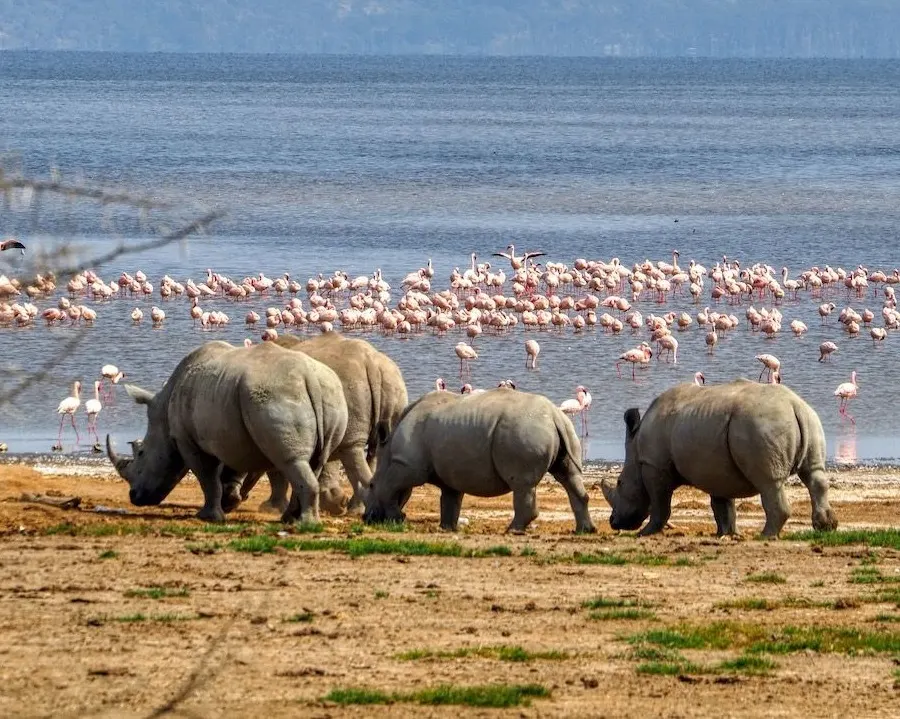
The park functions as Kenya's premier rhinoceros conservation stronghold. It provides the highest probability in the country of sighting both the critically endangered Eastern black rhino and the Southern white rhino during a single game drive. The secure environment supports a population of over 100 individuals, making encounters common. Black rhinos are typically solitary browsers located in dense thickets, while the larger white rhinos are grazers often seen in small groups on the open grasslands near the lakeshore.
The Tree Climbing Lions of Lake Nakuru
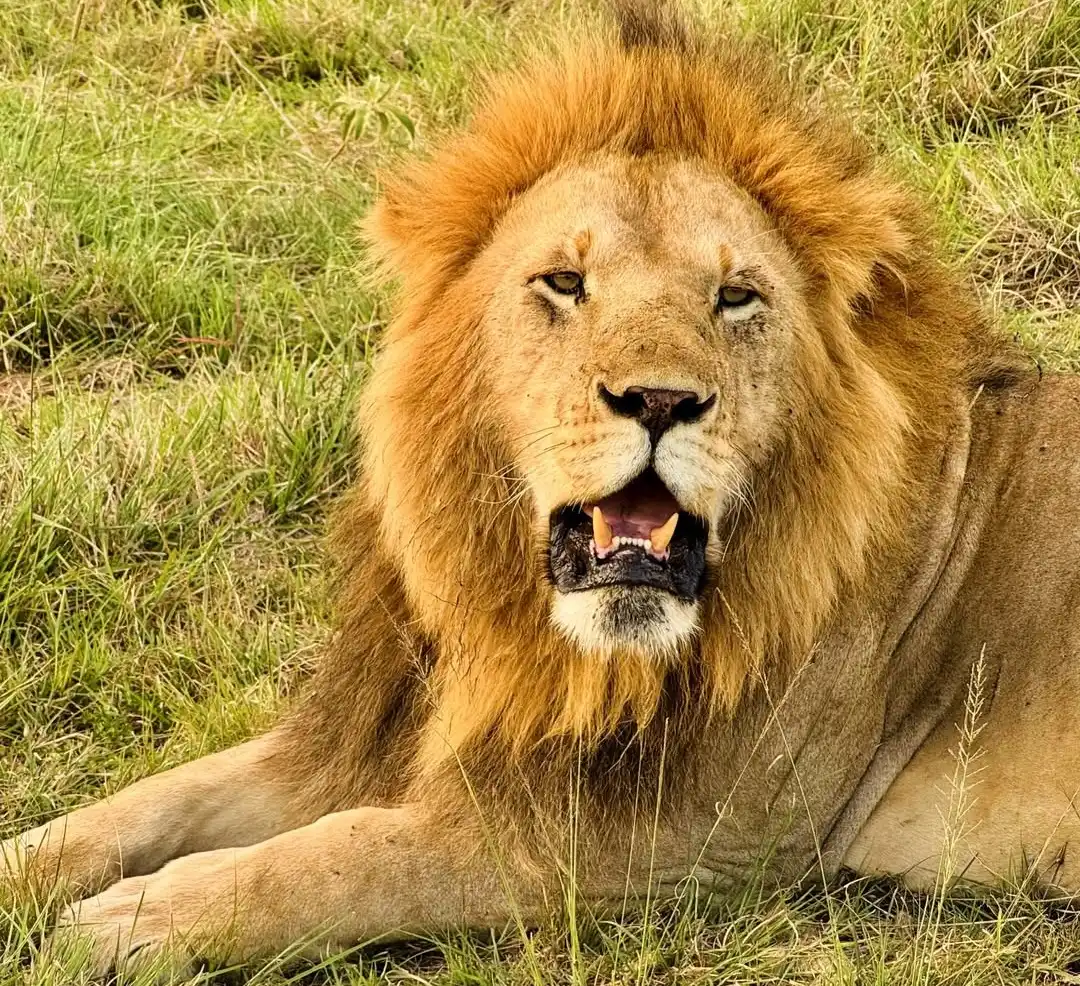
Lake Nakuru's lion population displays a behavioural trait uncommon in Kenya, regularly climbing and resting in the branches of acacia trees. This behaviour is considered an adaptation to escape biting tsetse flies at ground level and to avoid damp ground, particularly after rains. Locating a pride draped across the limbs of a yellow-barked acacia is a primary goal for many safari visitors.
Leopard Sightings in the Acacia Woodlands
The extensive yellow-barked acacia woodlands supply an ideal habitat for leopards. While the dense canopy offers concealment, it also compels these elusive cats onto exposed branches to rest or scan for prey. This behaviour increases the chances of a sighting, particularly during the early morning or late afternoon when leopards are most active. The park's contained area supports a healthy leopard population density.
The Endangered Rothschild's Giraffe Sanctuary
Lake Nakuru serves as a vital sanctuary and gene bank for the endangered Rothschild's giraffe. This subspecies, translocated here for protection, is identifiable by its unique coat pattern. The pattern features paler, more rectangular patches and an absence of markings below the knee, giving the appearance of white stockings.
Birdlife and the Shifting Flamingo Population
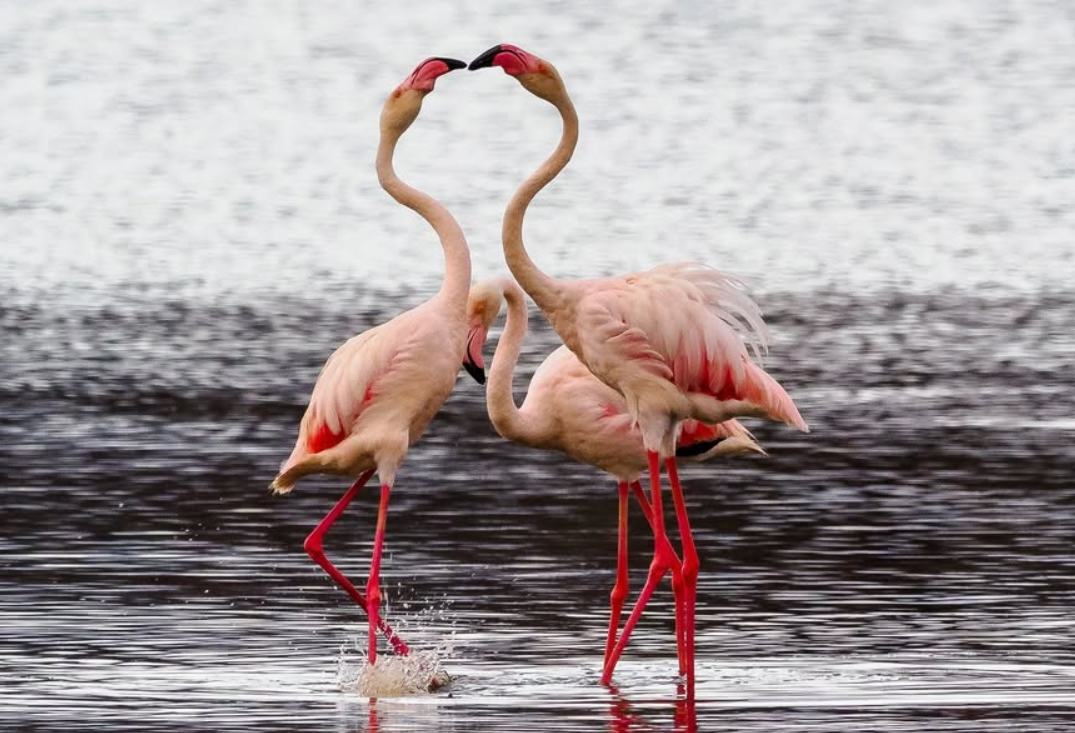
Lake Nakuru historically gained its fame from congregations of millions of Lesser flamingos. Since 2013, rising water levels have diluted the lake's alkalinity, reducing the growth of the blue-green algae on which the flamingos feed. Consequently, the massive flocks have largely relocated to other Rift Valley lakes like Lake Bogoria. Visitors in 2026 should anticipate seeing thousands, not millions, of flamingos. The high water levels have also created a unique 'drowned forest' of submerged acacia trees, which are now primary roosting sites for great cormorants and pink-backed pelicans.
Smaller Predators and Resident Mammals
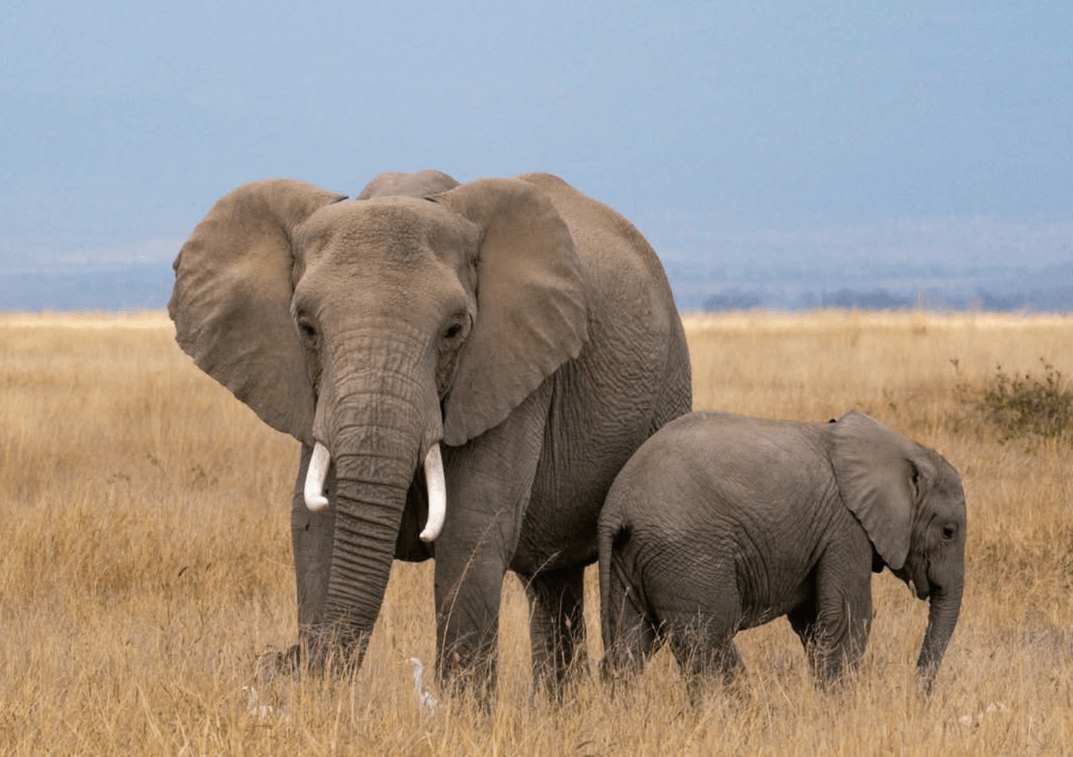
The park's grasslands are a good location for spotting smaller predators. The serval cat and the insect-eating bat-eared fox are frequently seen, particularly during the dry season when the grass is short. It is notable that Lake Nakuru contains no free-ranging elephants. This is a deliberate Kenya Wildlife Service (KWS) management policy to protect the fragile Euphorbia candelabrum forest from browsing damage.
Accessing Lake Nakuru National Park from Australia
Travel to Lake Nakuru National Park from Australia involves a long-haul flight into Kenya's main international airport, followed by a straightforward road transfer. The journey is well-established on the main tourist circuit, making access relatively simple for independent travellers and organised tours.
International Flights from Australia to Nairobi
Australian travellers arrive in Kenya via long-haul flights into Jomo Kenyatta International Airport (NBO) in Nairobi. Major Australian cities like Sydney, Melbourne, and Perth offer connecting flights through airline hubs in the Middle East or Asia. NBO is the primary international gateway and the starting point for most Kenyan safaris.
The Road Journey from Nairobi to Lake Nakuru
The 160-kilometre drive from Nairobi to Lake Nakuru National Park takes approximately three to four hours, depending on traffic when exiting the capital. The route follows the well-maintained A104 tarmac highway and offers scenic views of the Great Rift Valley escarpment. The primary entry point for visitors arriving from Nairobi is the Lanet Gate.
Park Gates and Internal Road Conditions
The park is serviced by several entry points, including the Main Gate and Nderit Gate, with Lanet Gate being the most common for arrivals from Nairobi. The internal road network consists of well-maintained murram (gravel) tracks. A standard 2WD vehicle can navigate these roads in dry conditions, but a 4x4 safari vehicle provides superior clearance, a better viewing platform, and more comfort on corrugated sections, especially during wetter months.
Park Entry Fees and Cashless Payment System
Payment for park entry is strictly cashless. All fees must be paid via the Kenyan government's eCitizen online platform in advance or by credit card at the gate. The park operates under the Kenya Wildlife Service (KWS) system, and entry permits are valid for a 24-hour period. Lake Nakuru is classified as a 'Premium Park', which influences its fee structure.
Visitor Category
Payment Method
Validity Period
Non-Resident Adult
Credit Card or eCitizen
24 Hours
Non-Resident Child
Credit Card or eCitizen
24 Hours
Vehicle Entry Fee
Credit Card or eCitizen
Per Day
The Best Seasons to Visit Lake Nakuru National Park
The park’s location and geological composition make it an excellent year-round destination. Unlike other parks that can become inaccessible during heavy rains, Lake Nakuru’s internal road network remains largely navigable, allowing for consistent safari experiences regardless of the season.
Year Round Game Viewing Accessibility
Due to its geology and well-drained gravel roads, Lake Nakuru is accessible throughout the year. The park is not dominated by black cotton soil, which becomes impassable when wet. This ensures that its road network remains open for game viewing even during the rainy seasons.
Dry Season Game Viewing Advantages
The prime periods for wildlife viewing are the long dry season from July to October and the short dry season from January to March. During these months, the grass is shorter, which significantly improves visibility for spotting smaller animals like serval cats and makes it easier to track predators. Wildlife also tends to congregate more predictably around the lakeshore and other permanent water sources.
Wet Season Photography and Safari Benefits
The wet seasons occur from April to May (the long rains) and in November (the short rains). While the longer grass can obscure some smaller animals, game viewing remains very good. These periods offer the benefit of fewer crowds, and the clear, rain-washed air combined with dramatic cloud-filled skies can provide excellent conditions for photography.
Key Facts for Visiting Lake Nakuru National Park
Attribute
Specification
Location
160 km northwest of Nairobi
Area
188 square kilometres (fully fenced)
Altitude
Approx. 1,754 metres above sea level
Key Wildlife
Black Rhino, White Rhino, Rothschild's Giraffe, Lion
Park Management
Kenya Wildlife Service (KWS)
Safari Planning for Australian Travellers
For Australian visitors, incorporating Lake Nakuru into a Kenyan holiday requires some specific logistical and financial planning. Understanding how the park fits into a wider itinerary and handling the necessary travel formalities in advance will lead to a more organised trip.
Fitting Lake Nakuru into a Kenyan Itinerary
Lake Nakuru's compact size and proximity to Nairobi make it an ideal inclusion for a one or two-day stop. It is frequently combined with a longer stay in the Masai Mara National Reserve. The park's guaranteed rhino sightings are a strong attraction, allowing visitors to see a key member of the 'Big Five' before continuing to other destinations.
Budgeting for a Safari in Australian Dollars
When planning a budget, it is important to factor in the cashless park fees and convert the cost from US Dollars or Kenyan Shillings into Australian Dollars (AUD). Costs to consider include park entry for visitors and vehicles, accommodation, guide fees, and transport. As all park fees are pre-paid or paid by card, you must ensure your travel card is activated for international use.
Visa and Health Information for Australian Citizens
All Australian citizens must verify current visa requirements for Kenya well ahead of their departure date. The Australian Department of Foreign Affairs and Trade (DFAT) Smartraveller website is the definitive source for this information. The site also provides details on recommended and required vaccinations, though a consultation with a travel doctor is also strongly advised.
Planning a Family Safari During Australian School Holidays
The accessibility and high wildlife density of Lake Nakuru make it a very suitable destination for families. For those planning a trip during Australian school holidays, such as the June-July or December-January periods, it is crucial to book accommodation and safari operators well in advance, as these months coincide with peak tourist seasons in Kenya.
The Value and Experience of a Lake Nakuru Safari
A safari in Lake Nakuru offers a unique and highly efficient wildlife experience. Its status as a managed conservation area means it delivers different but equally rewarding outcomes compared to Kenya's vast, unfenced wilderness reserves.
Key Attractions and Wildlife Guarantees
Lake Nakuru is a cornerstone destination because of its near-guaranteed rhino sightings, the unusual spectacle of its tree-climbing lions, and its critical role as a sanctuary for the Rothschild's giraffe. The park's manageable size allows for a thorough and rewarding game viewing experience in a short amount of time, making it a valuable addition to any Kenyan itinerary.
The Managed Safari Experience
A visit to Lake Nakuru provides a different experience to the expansive wilderness of reserves like the Masai Mara. It is an intensive, managed conservation area where wildlife densities are high.
Expect frequent sightings of rhinos, buffalo, and giraffe.
Search for lions and leopards within the acacia woodlands.
Anticipate smaller flamingo numbers than were historically reported.
The entire park can be comprehensively covered in one or two game drives.
Contributing to Rhino Conservation
Visiting the park directly contributes to its conservation objectives. Entry fees are the primary source of funding for the Kenya Wildlife Service's anti-poaching units, which are critical for the protection of the rhino population. The park's success as a rhino sanctuary demonstrates the effectiveness of a managed, fenced conservation model for critically endangered species.
For optimal safari conditions at Lake Nakuru National Park, the dry seasons from January to February and especially June to October offer the most favourable weather. During these periods, expect minimal rainfall, abundant sunshine for photography, lower humidity, and sparse vegetation that enhances wildlife viewing.