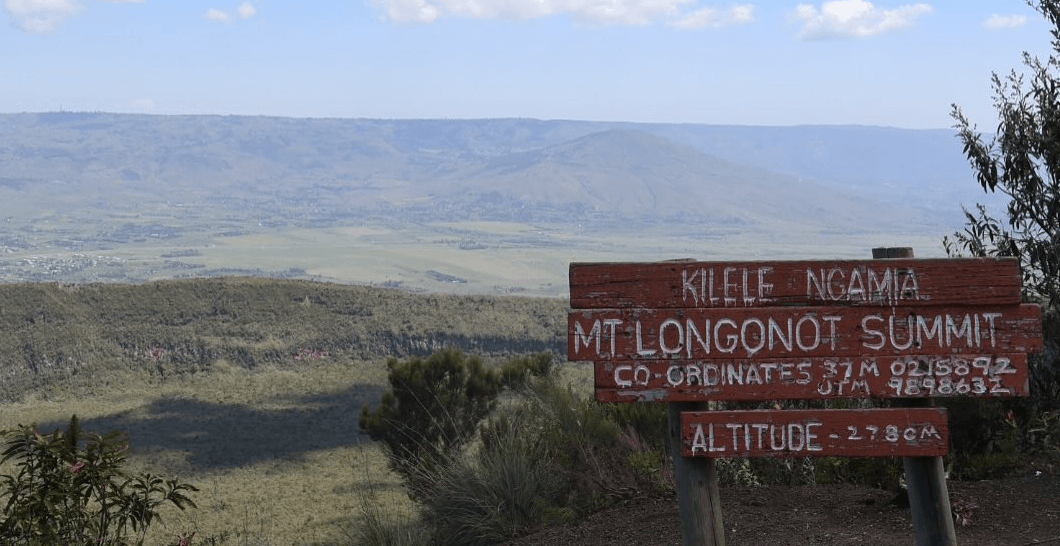
Mount Longonot National Park is a prominent protected area of 52 square kilometres located within Kenya's Great Rift Valley. The park's centrepiece is the dormant stratovolcano of the same name, which provides a physically demanding day hike with significant rewards in terms of geology and scenery.
Overview
Name
Mount Longonot National Park
Type
Mountain
Town
Mai Mahiu
County
Nakuru
Country
Kenya
Unveiling the Geology and Trails of Mount Longonot National Park
The park's appeal is rooted in its raw volcanic geology and the trails that grant access to it. The main hiking route offers a comprehensive experience of the volcano's structure, from the steep outer slopes to the vast caldera and its unique internal ecosystem.
Hiking to Kilelwa Summit
The main trek to the summit of Mount Longonot is the principal activity in the park. A trail begins at the main gate and ascends steeply for 3.5 kilometres to the crater rim. This section features deep gullies, known locally as 'mwekas', and loose volcanic soil that requires secure footing. A 7.2-kilometre trail circumnavigates the caldera from the rim, leading to the highest point, Kilelwa Summit, at an altitude of 2,776 metres. The complete trek, including the return descent, covers 13.5 kilometres and typically takes between four and six hours.
The Crater Forest and Volcanic Slopes
The vegetation of Mount Longonot changes distinctly with altitude. Open bushland and acacia scrub, including fever trees, cover the lower external slopes. The terrain becomes rockier with sparse vegetation as the trail climbs. A dense, humid forest has established itself on the crater floor, representing a significant feature of the volcano. This unique micro-ecosystem is sustained by moisture trapped within the caldera and provides a stark contrast to the arid conditions of the surrounding valley floor. Access to the crater floor is restricted to protect this sensitive environment.
Geological Wonders and Active Fumaroles
The volcano is a classic example of a stratovolcano formed within a rift valley. Its most prominent feature is the large caldera, over a kilometre in diameter, which resulted from the collapse of the cone after a major eruption. Small fumaroles emitting steam and sulphurous gases around the crater rim provide visible evidence of ongoing geothermal activity. These vents serve as a tangible connection to the volcanic forces beneath the surface.
Panoramic Views of the Great Rift Valley
Reaching the crater rim provides exceptional 360-degree views. The vast floor of the Great Rift Valley extends to the west and south towards the horizon. On a clear day, the freshwater expanse of Lake Naivasha is clearly visible to the northwest, often shimmering in the sun. The Aberdare Range can be seen to the east. These vantage points are a primary objective for hikers and photographers, offering a clear perspective on the region's immense geological scale.
Wildlife Encounters at Mount Longonot National Park
While not a primary big-game destination, Mount Longonot supports a surprising variety of wildlife adapted to its unique terrain. Animals can be seen on the lower plains, in the dense bushland of the slopes, and even within the crater itself, while the sky is often patrolled by large birds of prey.
Spotting Plains Zebra and Gazelle
The plains surrounding the base of the volcano support populations of classic savannah animals. Visitors commonly see Plains zebra, Thomson’s gazelle, and Coke’s hartebeest in the more open areas near the park entrance. These grazers are well-adapted to the semi-arid conditions of the lower slopes.
African Buffalo in the Bushland
The African buffalo is a notable resident of the park. Herds are frequently found within the dense crater forest and the thick bushland on the mountain's slopes. Their presence requires caution from hikers. Buffalo are powerful and unpredictable, and it is essential to remain aware of fresh tracks or sounds, particularly when hiking without a ranger.
Rare Birds of Prey Overhead
The thermal updrafts created by the volcano's crater and cliffs are ideal for large raptors. Birdwatchers can look for Verreaux’s Eagles soaring along the rock faces and the impressive Lammergeier, or Bearded Vulture, gliding high above. These species are a key part of the park's avian biodiversity.
Observing Diverse Flora and Fauna on the Trail
The park's environment supports a variety of smaller creatures and specific flora beyond the larger mammals. Distinct habitats for different insects, reptiles, and plant communities are created by the contrast between the sun-baked outer slopes and the moist crater interior. The hike provides a good opportunity to observe these ecological variations.
Getting to Mount Longonot National Park from Nairobi
The park's proximity to Nairobi makes it an accessible day trip for both residents and international travellers. Several transport options are available, catering to different budgets and travel styles, from private vehicle hire to local public transport.
Flying into Jomo Kenyatta International Airport NBO
Jomo Kenyatta International Airport (NBO) in Nairobi serves as the arrival point for most international visitors. This is the main air hub for Kenya and the starting point for most safari itineraries that include Mount Longonot.
Private Vehicle Journeys to Mount Longonot
The most straightforward method of travel is by private vehicle or tour operator transfer. The journey from Nairobi covers approximately 90 kilometres and takes between 1.5 to 2.5 hours, contingent on city traffic. The route follows the Nairobi-Naivasha Highway (A104), which includes a dramatic descent down the Rift Valley escarpment, offering the first views of the volcano.
Navigating Local Transport via Matatu and Boda-boda
Public transport offers a viable option for independent travellers on a budget. The journey requires taking a matatu (shared minibus) bound for Naivasha from Nairobi's River Road area. Travellers should alight at the Longonot town turn-off and then hire a boda-boda (motorcycle taxi) for the final five-kilometre ride to the park's main gate.
Taking the Standard Gauge Railway to Mai Mahiu
The Standard Gauge Railway (SGR or Madaraka Express) service from Nairobi to the Mai Mahiu station is a modern alternative. A pre-arranged taxi or a vehicle from a ride-hailing app is necessary from the station to complete the 20 to 30 minute drive to the park entrance.
Park Entry and Cashless Payment Procedures
All visitors must enter through the main Kenya Wildlife Service (KWS) gate. Park fees must be paid here before starting the hike. KWS operates a cashless payment system, accepting credit cards, debit cards, or the local M-Pesa mobile money service only.
When to Visit Mount Longonot National Park for the Best Hike
The success and enjoyment of a Mount Longonot hike are heavily influenced by the weather. Kenya's distinct dry and wet seasons create vastly different trail conditions, making timing a critical part of the planning process.
Ideal Dry Season Hiking Months
The best conditions for hiking Mount Longonot occur during Kenya's two dry seasons, from January to March and July to October. During these periods, the trails are dry, firm, and less slippery, making the steep ascent and descent safer. Clear skies are also more common, ensuring better views from the crater rim and summit.
Navigating the Wet Season Challenges
The two wet seasons are from April to June (the long rains) and November to December (the short rains). Hiking during these months is possible but presents difficulties. The volcanic soil becomes extremely muddy and treacherous, particularly on steep sections. Cloud cover and mist can completely obscure the views, diminishing one of the main rewards of the climb.
Considering Australian School Holidays for Your Visit
Australian school holidays often align well with Kenya's climate for families planning a trip. The mid-year break in July falls squarely in the middle of the long dry season, offering ideal trekking conditions. The holidays in late September and early October are also excellent. Conversely, the Easter break usually coincides with the long rains, while the Christmas holidays fall during the short rains, making the hike less predictable.
Practical Tips for Australians Visiting Mount Longonot
Australians planning a trip to Kenya should consider several practical elements, from the logistics of long-haul travel to specific health, visa, and currency requirements. Proper preparation ensures a safe and well-organised visit.
Long-Haul Flights from Australia to Kenya
Travel from Australian cities like Sydney, Melbourne, or Brisbane to Nairobi (NBO) involves long-haul flights with at least one stopover, typically in the Middle East or Asia. Total transit time often exceeds 20 hours. It is advisable to schedule a day of rest in Nairobi upon arrival to acclimatise before undertaking a strenuous hike like Longonot.
Kenya Visa Requirements for Australians
Australian passport holders require a visa to enter Kenya. The standard procedure is to apply for an e-Visa online through the official Kenyan government portal well in advance of departure. Always verify the latest visa regulations and application procedures directly from official sources before finalising travel plans.
Recommended Health Preparations and Vaccinations
A consultation with a GP or a specialised travel doctor should be scheduled at least six to eight weeks prior to your trip. Recommended vaccinations for Kenya often include Yellow Fever, Typhoid, Hepatitis A and B, and Tetanus. Malaria is present in many parts of Kenya, and your doctor will advise on the appropriate prophylaxis for your specific itinerary.
Currency and Budgeting in KES and AUD
The official currency is the Kenyan Shilling (KES). While KWS park entry fees are quoted in USD and payable by card, you will need KES for cash expenses such as tips for guides, snacks, and local transport. It is practical to exchange some AUD for KES upon arrival in Nairobi. The current non-resident adult park fee of US$30 is equivalent to approximately AUD$45-50, though this can fluctuate with exchange rates.
Essential Gear for Your Mount Longonot Trek
Proper preparation is key to a successful and safe hike. The following items are considered essential:
Sturdy hiking boots with good ankle support and grip.
A minimum of 3 litres of water per person.
High-SPF sunscreen, a wide-brimmed hat, and sunglasses.
A lightweight, waterproof jacket in case of sudden weather changes.
High-energy snacks such as nuts, fruit, or energy bars.
Binoculars for wildlife viewing and appraising the views.
Safety Precautions and Wildlife Awareness
The hike is physically demanding due to the steep gradient and altitude. Start early in the morning to avoid the intense heat of the midday sun. Always stay on the marked trails. Be conscious of the potential presence of African buffalo and listen for any signs of their movement in the bush. Hiring a KWS ranger or a certified local guide at the park gate can enhance safety and provide valuable information about the flora, fauna, and geology.
Planning Your Mount Longonot National Park Adventure
Integrating Mount Longonot into a broader Kenyan itinerary requires an understanding of its physical demands and logistical connections. The hike is a rewarding standalone activity or can be paired effectively with other nearby attractions in the Rift Valley.
Mount Longonot as Part of Your Kenya Itinerary
A visit to Mount Longonot is typically planned as a full-day excursion from either Nairobi or a base near Lake Naivasha. It provides an excellent active counterpoint to the vehicle-based game drives that dominate most safari itineraries, allowing travellers to engage directly with the environment on foot.
Challenging Hiking and Rewarding Views
The trek's primary appeal is its physical challenge combined with the payoff of exceptional views and a tangible sense of accomplishment. The steep climb tests endurance, but standing on the crater rim, looking down into the forested caldera and out across the Rift Valley, is a significant reward for the effort.
Key Stages of the Mount Longonot Hike
Trail Section
Distance (Approx.)
Key Feature
Gate to Crater Rim
3.5 km
Steep, sustained ascent
Crater Rim Circuit
7.2 km
Undulating trail with constant views
Kilelwa Summit
(Peak on circuit)
Highest point at 2,776 m
Combining Mount Longonot with Lake Naivasha
Mount Longonot is located just a 30-minute drive from the southern shores of Lake Naivasha, making the two destinations a logical pairing. Many visitors undertake the hike in the morning, finishing around midday, and then transfer to a lodge in Naivasha for a relaxing afternoon. This can include a boat trip on the lake to see hippos and birdlife, providing a perfect, low-impact activity after the strenuous climb.
Mount Longonot National Park weather
The best times to visit Mount Longonot for hiking and panoramic views are during the extended dry season from June to October, and the brief warmer dry spell in January and February. These periods offer minimal rainfall, clearer skies, and excellent visibility into the caldera and across the Rift Valley.