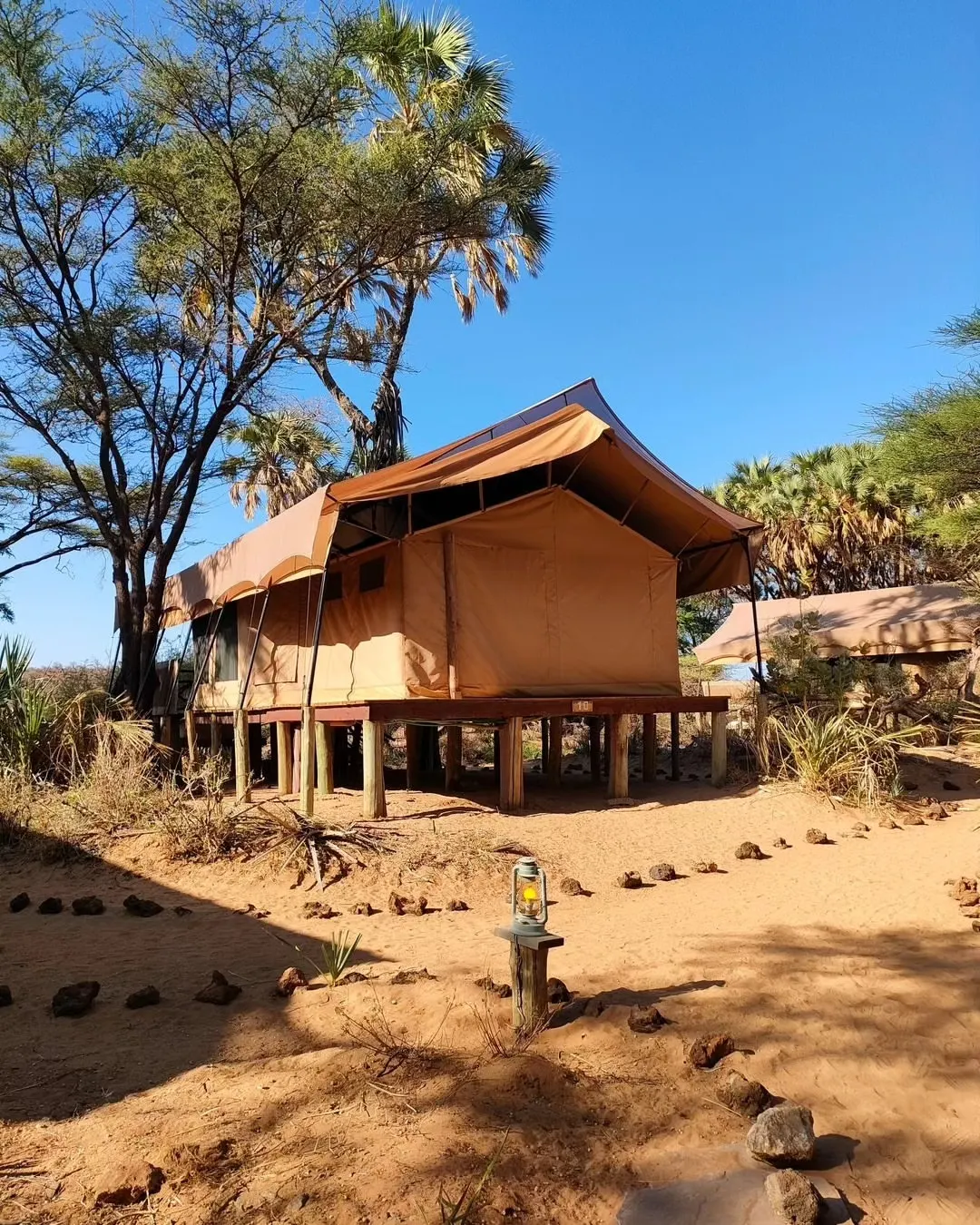
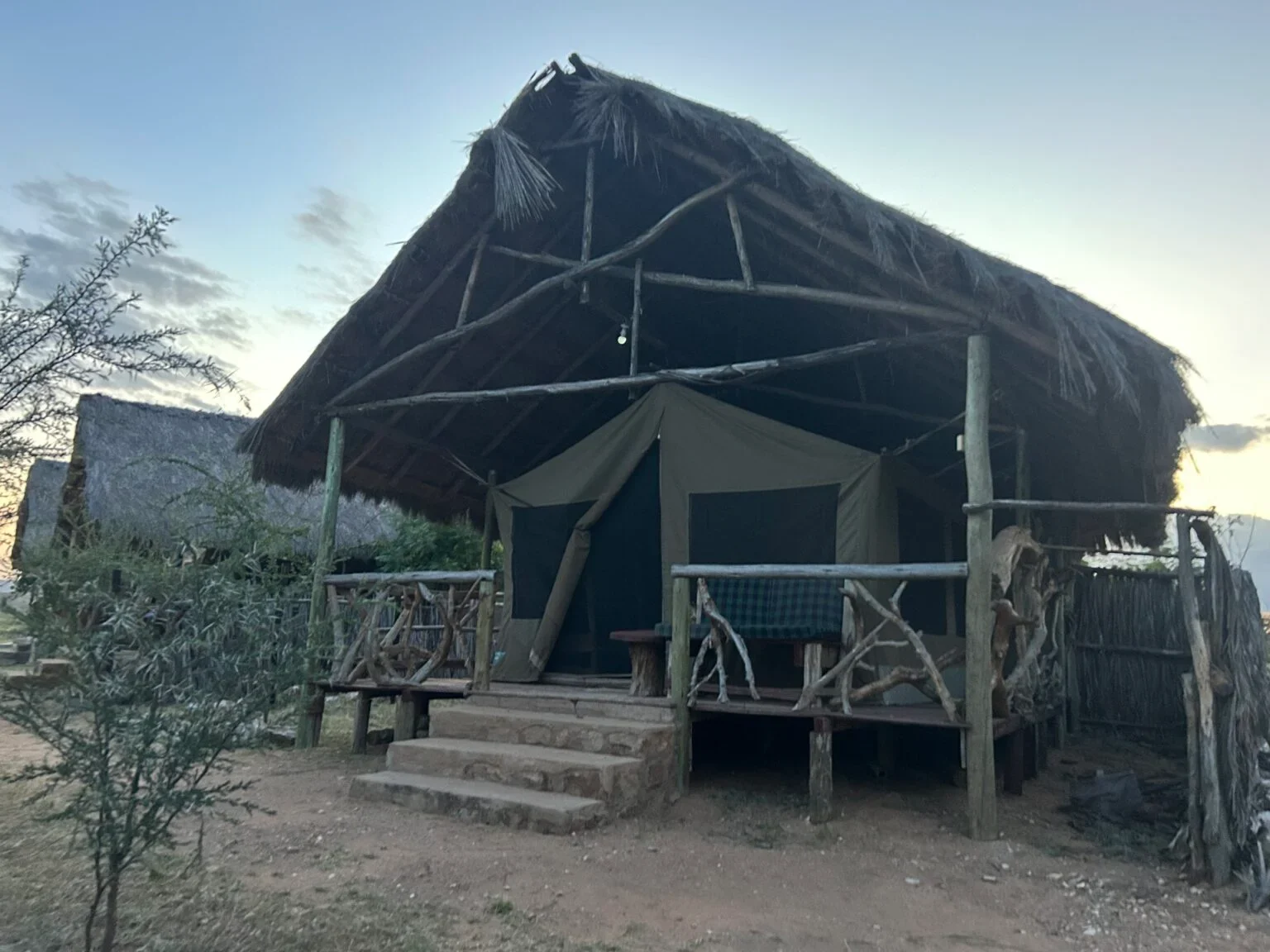
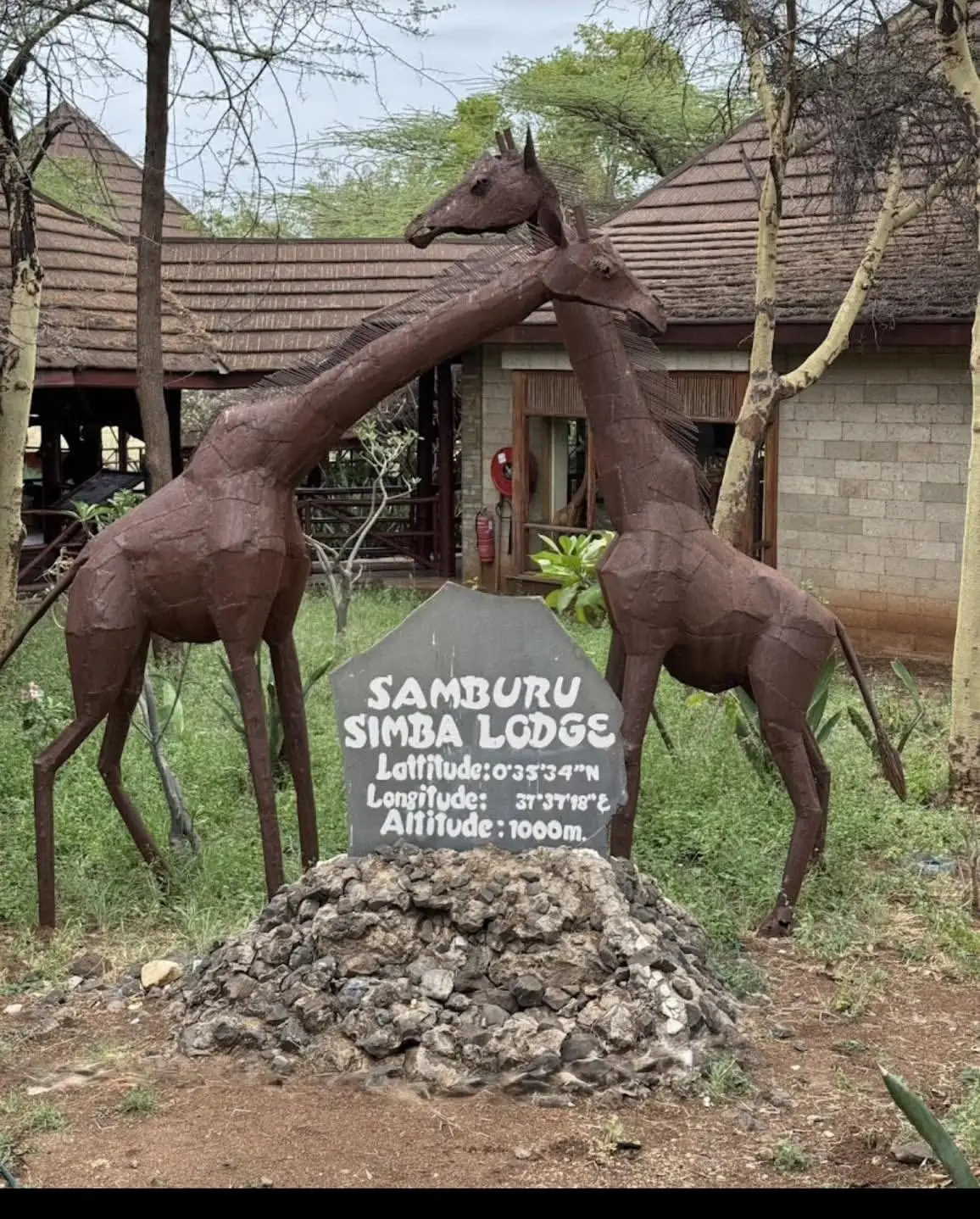
Samburu National Reserve occupies a 165-square-kilometre area within Kenya's semi-arid Northern Frontier District. The reserve delivers a distinct safari experience defined by its arid-adapted wildlife and stark, volcanic topography, offering a significant point of contrast to the well-known southern savannah parks. It operates as part of a greater ecosystem with the adjoining Buffalo Springs and Shaba National Reserves, all sustained by the same river system. The region's altitude varies from 800 to 1,230 metres above sea level.
Overview
Name
Samburu National Reserve
Type
National Park
Town
Archers Post
County
Samburu
Country
Kenya
The Geography and Location of Samburu National Reserve
The reserve is situated approximately 350 kilometres north of Nairobi near the town of Archers Post. Samburu's geography is one of harsh beauty and dramatic contrasts. Its semi-arid environment is composed of scrub desert, open plains, and dense riverine forests, creating a variety of habitats within a compact and accessible area.
The Lifeline of the Ewaso Ng'iro River
The perennial Ewaso Ng'iro River is the reserve's most critical geographical feature. It flows from the Kenyan highlands, creating a ribbon of green that bisects the dry region. This permanent water source is the primary reason for the high concentration of wildlife, particularly during the dry seasons when animals congregate along its banks. The riverine forest, dominated by large acacia and doum palm trees, provides essential shade and sustenance for a multitude of species.
Rugged Volcanic Terrain and Red Soil
The terrain of Samburu is notably rugged as a result of ancient volcanic activity. The ground consists of striking red latosol soil, dotted with basaltic outcroppings and rocky hills known as inselbergs. This provides an exceptional setting for game viewing and photography, with the deep red earth contrasting sharply against the acacia scrub and the river's green foliage.
Koitogor Hill and Mount Ol Olokwe as Key Landmarks
Within the reserve, Koitogor Hill stands out as a significant landmark. Just outside the southern boundary, the sheer-sided and flat-topped monolith of Mount Ol Olokwe dominates the scenery. This mountain holds considerable cultural importance for the Samburu people and serves as a major navigational beacon in the vast northern territories.
Samburu is renowned for its unique fauna, particularly species specifically adapted to survive in its dry and challenging conditions. The reserve offers reliable sightings of animals that are either rare or entirely absent in other major Kenyan parks such as the Masai Mara.
Encountering the Samburu Special Five
The main wildlife attraction is the 'Samburu Special Five', a group of species unique to this northern ecosystem. Planning game drives around spotting these five animals is a central objective for most visitors and a highlight of any safari itinerary in the region.
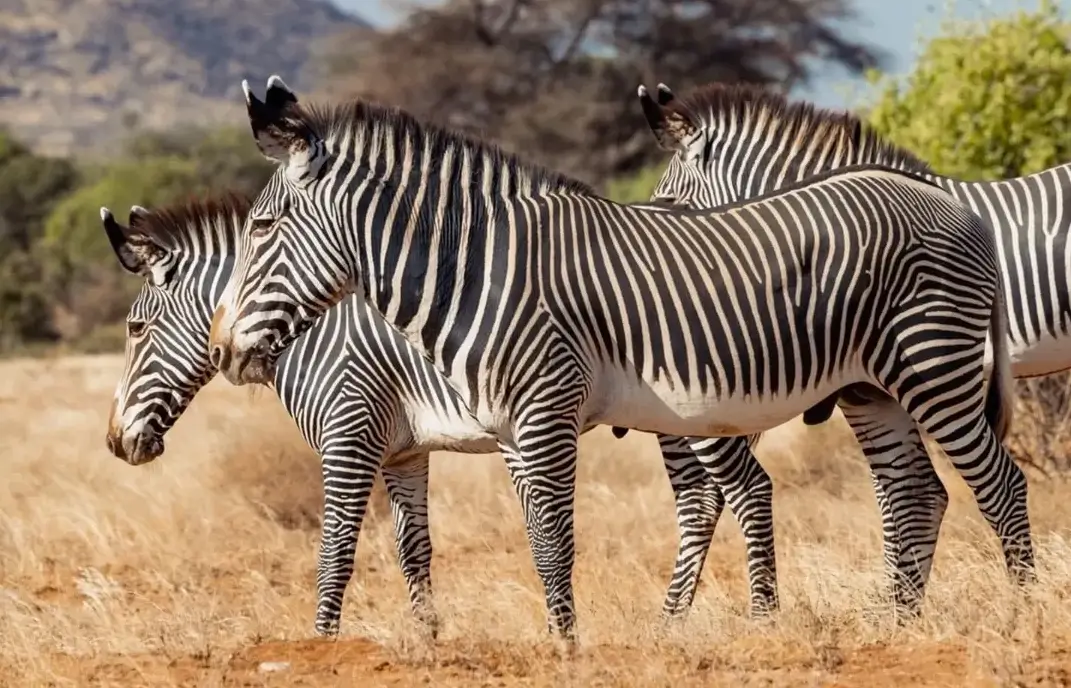
Grevy's Zebra: The largest of the wild equid species, easily identified by its fine, narrow, and numerous stripes that extend all the way to its hooves, unlike the common plains zebra.
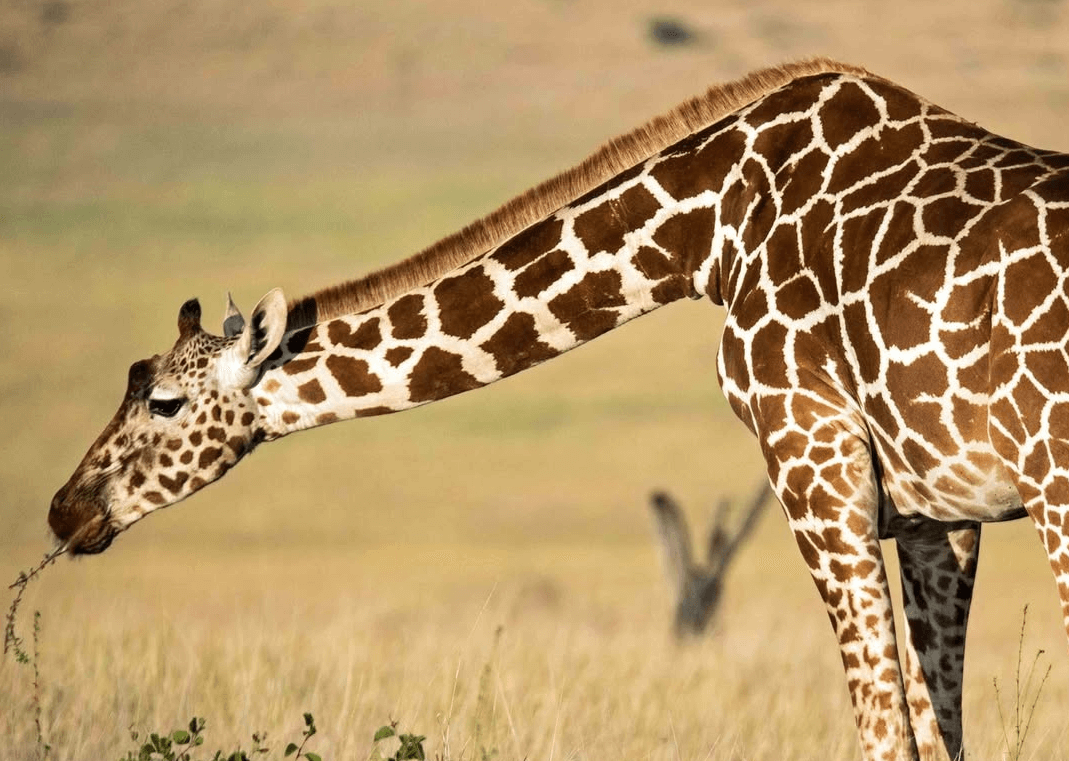
Reticulated Giraffe: Its coat features large, polygonal, liver-coloured spots outlined by a network of brilliant white lines, creating a striking net-like pattern.
Beisa Oryx: A formidable antelope with long, straight, rapier-like horns and distinctive black-and-white facial markings. It is highly adapted to conserve water in arid zones.
Gerenuk: Known as the 'giraffe-necked antelope', this species has an exceptionally long neck and frequently stands on its hind legs to browse on acacia bushes, a behaviour not seen in other antelope.
Somali Ostrich: Differentiated from the common Masai ostrich by the blue-grey colour on the neck and legs of the males, which becomes more pronounced during mating season.
Predators Including Leopards and African Wild Dogs
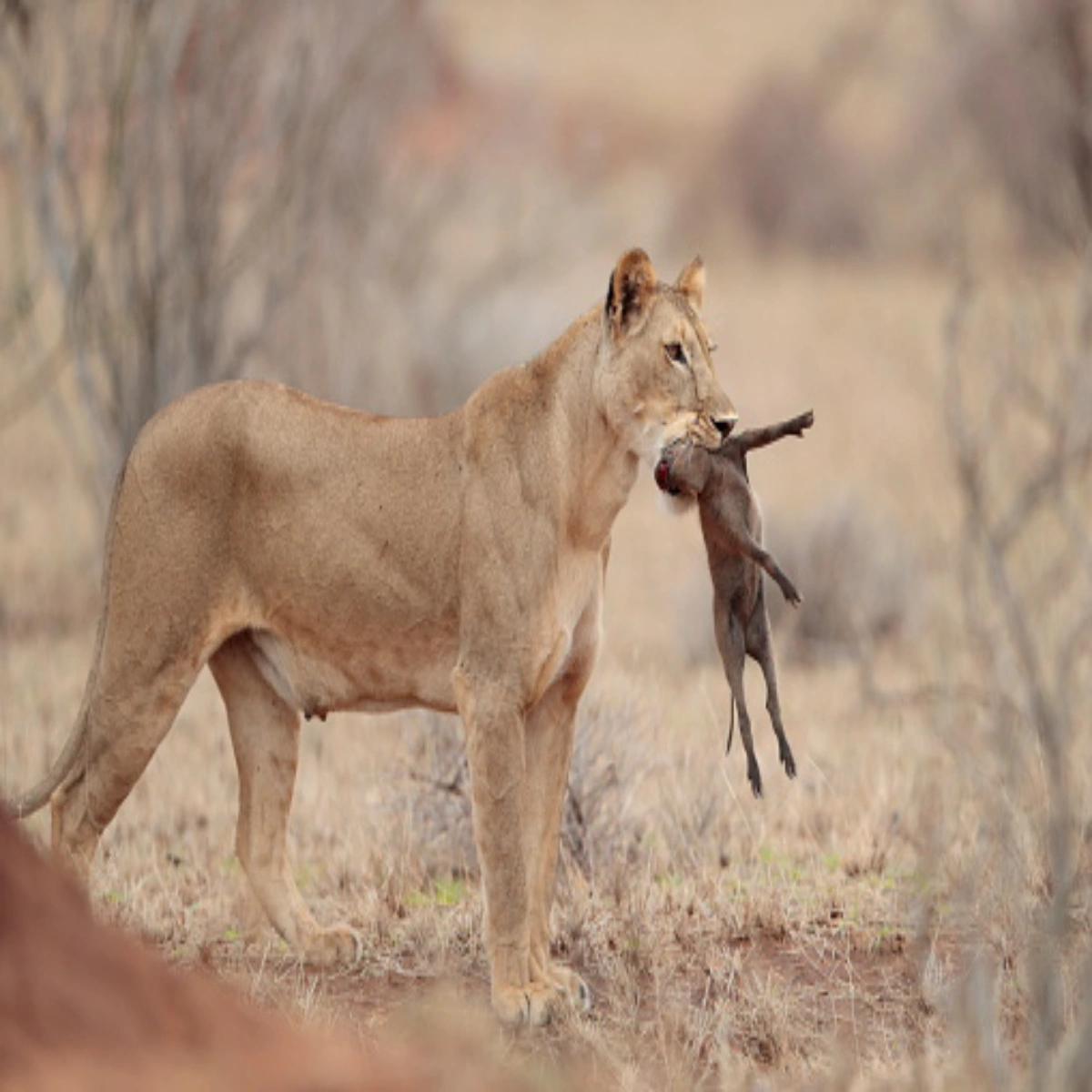
Predator viewing is a key activity in the reserve. Leopards are frequently seen, using the large trees and rocky outcrops along the Ewaso Ng'iro to rest and cache their kills. The reserve is also a critical habitat for the endangered African wild dog, and while sightings are not guaranteed, they are more frequent here than in many other Kenyan parks. Lions and cheetahs are also present, though lion prides are typically smaller and more dispersed than those in the Masai Mara.
Elephants Klipspringers and Rock Hyraxes
Large herds of elephants are a common sight, often observed as matriarchal family groups bathing and drinking in the river. The rocky outcrops provide an ideal habitat for smaller, specialised mammals such as the agile klipspringer, a small antelope known for its ability to navigate steep rock faces, and the rock hyrax.
Avian Wonders Like the Vulturine Guineafowl and Kori Bustard
With over 450 bird species recorded, Samburu is a significant ornithological destination. It is one of the best locations in Kenya to see the Vulturine guineafowl, with its brilliant blue plumage and bald, vulture-like head. The Kori bustard, Africa's heaviest flying bird, is also frequently spotted striding across the open plains.
Permanent Nile Crocodile Populations
The Ewaso Ng'iro River supports a high density of very large Nile crocodiles. Unlike in seasonal river systems, these populations are permanent residents of the reserve. Individuals can often be seen basking on the sandbanks, waiting for animals to come to the water's edge.
A Unique Arid-Adapted Ecosystem
The entire ecosystem operates on a different baseline from the southern parks. Wildlife here demonstrates specific physiological and behavioural adaptations to the intense heat and lack of water. Observing these survival strategies is a key point of interest for returning safari clients looking for a deeper understanding of African wildlife.
Accessing Samburu National Reserve from Australia
The journey from Australia to Samburu is a multi-leg process that requires careful logistical planning. The total travel time from an Australian capital city to a lodge within the reserve is significant and should be factored into any itinerary.
Long-Haul Flights from Sydney Melbourne or Brisbane
The initial stage involves a long-haul flight from a major Australian hub like Sydney (SYD), Melbourne (MEL), or Brisbane (BNE) to Nairobi's Jomo Kenyatta International Airport (JKIA). These flights invariably involve a stopover, typically in the Middle East (e.g., Doha, Dubai) or Asia. Total flight and transit time often exceeds 24 hours.
Domestic Flights to the Oryx Samburu Airstrip
The most efficient method for the final leg is a domestic flight. Travellers usually transfer from JKIA to the smaller, centrally located Wilson Airport (WIL) in Nairobi. From Wilson, scheduled daily flights operated by trusted local airlines like Safarilink and AirKenya Express take approximately 1 to 1.5 hours. These flights, often on Cessna Caravan aircraft, land at one of several local airstrips, such as the Oryx Samburu Airstrip, from where lodges and camps provide vehicle transfers.
The Road Trip from Nairobi via the A2 Highway
An alternative is a road transfer from Nairobi. The drive covers about 350 kilometres and takes between 5 to 6 hours, depending on traffic. The journey follows the paved A2 highway north towards Isiolo. The final section from the main road to the reserve gates involves rough, unpaved tracks. A 4x4 safari vehicle, such as a Toyota Land Cruiser, and an experienced driver-guide are essential for this option and for all subsequent game drives within the reserve.
The Best Time to Visit Samburu National Reserve
Game viewing quality in Samburu is directly influenced by its distinct wet and dry seasons. The timing of a visit is critical for optimising wildlife sightings and overall safari comfort.
Optimal Game Viewing During the Dry Seasons
The long dry season from June to October and the shorter dry season from December to March are the best periods to visit. During these months, vegetation is sparse, making animals easier to spot. Critically, the Ewaso Ng'iro River becomes the primary, and often only, water source, drawing wildlife from the surrounding areas to its banks. This concentration of animals results in predictable and high-quality game viewing opportunities.
Planning a Samburu Safari Around Australian School Holidays
The prime visiting windows align well with Australian school holidays. The June to October period coincides with the mid-year and September school breaks. The December to March period corresponds with the long Australian summer holidays, making Samburu a feasible and rewarding destination for family safaris from Australia.
Practical Information for Australian Travellers
Thorough logistical preparation is key to a successful trip from Australia. This includes managing visa applications, undertaking necessary health precautions, and understanding local currency and payment methods.
Consideration
Requirement
Recommendation
Kenya e-Visa
Required for Australian citizens
Apply online via the official government portal at least two weeks before travel.
Health
Malaria-risk area
Consult a travel doctor 6-8 weeks prior for malaria prophylaxis and other vaccinations.
Currency
Kenyan Shilling (KES)
Budget in AUD but note park fees are payable in USD. Credit cards accepted at most lodges.
Trip Length
2-3 nights in Samburu
Incorporate as part of a wider 7 to 14-day Kenyan itinerary to justify the long travel time.
Kenyan e-Visa Requirements for Australians
All Australian passport holders must obtain an electronic visa (e-Visa) before arriving in Kenya. The application is completed online through the official government portal and should be done well in advance to avoid any last-minute complications.
Health Vaccinations and Malaria Prevention
Samburu is in a malaria-risk zone, and prophylactic medication is strongly recommended. Travellers should also use an insect repellent containing DEET and wear long-sleeved clothing, particularly in the evenings. A consultation with a travel health professional is essential to get personalised advice on all required and recommended vaccinations, which may include Yellow Fever and Hepatitis A.
Understanding Currency and Budgeting in AUD
While the local currency is the Kenyan Shilling (KES), non-resident park entry fees are set and payable in US dollars. When budgeting a trip in Australian Dollars (AUD), it is vital to account for currency fluctuations against the USD. Most major lodges and safari camps accept credit card payments for accommodation and extra expenses.
Recommended Trip Length from Australia
Given the long travel time from Australia, a stay of 2 to 3 nights in Samburu is typical. This duration allows sufficient time for multiple game drives to seek out the Special Five and absorb the unique environment. This stay is usually organised as part of a wider 7 to 14-day Kenyan itinerary that might include other destinations like the Masai Mara or the Laikipia Plateau.
Planning Your Samburu Safari Adventure
Samburu offers an excellent alternative to the classic savannah safari, focusing on unique species, a starkly beautiful environment, and a different cultural context.
Why Samburu Offers a Unique Safari Experience
The appeal of Samburu lies in its distinctiveness. It is not a Great Migration destination; its ecology is driven by the permanent river and arid conditions. A safari here provides a valuable opportunity to see rare northern species and a more rugged environment compared to other parks, making it an ideal second stop on a comprehensive Kenyan safari.
Engaging with Samburu Cultural Interactions
The reserve is the traditional homeland of the Samburu people, a semi-nomadic community closely related to the Maasai. Many lodges and camps maintain strong ties with the local community, offering opportunities for authentic cultural visits to nearby villages. These interactions provide insight into the traditional pastoralist lifestyle, where cattle are central to wealth and social status, and which has long coexisted with the region's wildlife.
Comparing Samburu with Other Kenyan Parks
Compared to the Masai Mara, Samburu is smaller, and its terrain is more arid and stark. While the Mara is known for its vast grasslands and immense herds of plains game like wildebeest, Samburu's attraction is its specialised, endemic wildlife. A well-rounded Kenyan itinerary often includes both reserves to showcase the country's incredible ecological diversity, from the southern plains to the northern scrublands.
For optimal safari conditions in Samburu National Reserve, the dry seasons from January to early March and especially late June through October are highly recommended. These periods are characterized by minimal rainfall, lower humidity, and sparser vegetation, which significantly improves wildlife visibility and accessibility.