Shimba Hills National Reserve, a compact protected area in Kenya's Kwale County, lies approximately 33 kilometres south of Mombasa. The reserve is significant for containing one of East Africa's largest coastal forests, second only to the Arabuko-Sokoke Forest.
Overview
Name
Shimba Hills National Reserve
Type
National Park
Town
Kwale
County
Kwale
Country
Kenya
Shimba Hills National Reserve Geography and Location
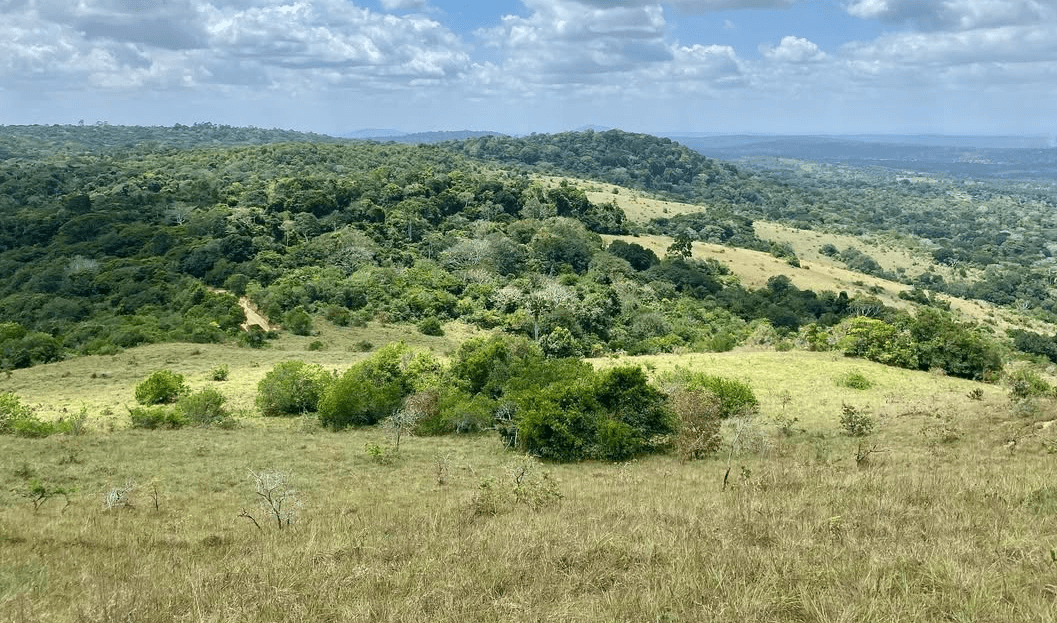
The reserve covers an area of 300 square kilometres. Its terrain features rolling hills, coastal rainforest, woodlands, and grasslands. The elevation, which rises from the coast to about 450 metres, creates a cool climate that offers a notable contrast to the heat and humidity of nearby Diani Beach.
The Coastal Rainforest Ecosystem
Shimba Hills National Reserve protects a critical ecosystem rich in biodiversity. The area is known for its high density of plant species, including endangered cycads and numerous orchids not found in the larger savannah parks. This unique forest provides a vital habitat for a specialised range of fauna adapted to the environment.
Sheldrick Falls and the Forest Trail
Sheldrick Falls, a 21-metre waterfall, is a central feature within the reserve. Access to the falls requires a guided walk of approximately two kilometres down a steep, forested track. The area around the waterfall serves as a focal point for visitors seeking an active experience within the park's boundaries.
Wildlife Highlights at Shimba Hills
The reserve's dense vegetation makes wildlife viewing a different challenge compared to open plains. The activity requires more patience, but the rewards include sightings of rare and specialised species that are difficult to find elsewhere in Kenya.
Spotting the Rare Roosevelt's Sable Antelope
Shimba Hills holds the only breeding population of Roosevelt's Sable Antelope in Kenya. This critically endangered subspecies is a primary draw for wildlife enthusiasts. These large, dark-coated antelopes with scimitar-shaped horns are most frequently seen in the small grassy clearings within the forest.
Encountering African Bush Elephants
The reserve supports a high concentration of African Bush Elephants. To manage population pressure on the habitat, conservationists established a dedicated migration corridor linking the reserve to the Mwaluganje Elephant Sanctuary. This corridor allows for seasonal movement and is a crucial conservation initiative.
Birdwatching in Shimba Hills
The reserve has over 180 recorded bird species, including many coastal forest specialists absent from inland safari destinations. Key sightings for birdwatchers include the Silvery-cheeked Hornbill, Red-necked Spurfowl, Croaking Cisticola, and the African Fish Eagle near water sources.
Primates and Elusive Predators
Several primate species inhabit the forest canopy. The Angola Colobus is the most notable, easily identified by its black and white coat and long tail. Sykes' monkeys are also common. While lions are absent, the reserve supports a reclusive population of predators such as the African Leopard, Serval, and Civet, which are primarily nocturnal and seldom seen.
Getting to Shimba Hills from Australia
Reaching Shimba Hills National Reserve from Australia requires international air travel followed by a short domestic flight or road transfer. The journey is straightforward, with well-established routes connecting major Australian cities to the Kenyan coast.
Long-Haul Flights and Domestic Connections
Travel from Australia to Shimba Hills involves a multi-leg journey. Long-haul flights from Sydney, Melbourne, or Brisbane typically connect through Middle Eastern or Asian hubs to Jomo Kenyatta International Airport (NBO) in Nairobi. From Nairobi, the most efficient onward travel is a domestic flight to either Moi International Airport (MBA) in Mombasa or, more conveniently, Ukunda Airstrip (UKA) which serves the Diani Beach area.
Road Transfers and Scenic Routes
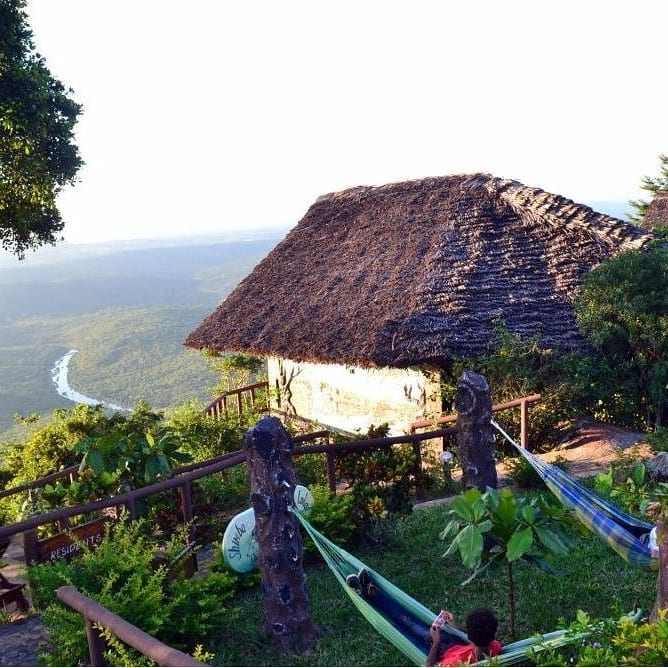
The reserve is accessible via road from the coast. The transfer time from Diani Beach is approximately 45-60 minutes, making it a viable day trip. From Mombasa, the journey takes around one to 1.5 hours, depending on ferry traffic. The road ascent into the hills provides good views over the coastline.
Best Time to Visit Shimba Hills National Reserve
The timing of a visit to Shimba Hills directly impacts the accessibility and quality of the experience, particularly for activities like hiking. The weather determines the condition of both the roads and the walking trails.
Enjoying the Dry Season Safaris
The best periods to visit are during the two dry seasons from June to October and December to March. During these months, the tracks within the reserve are firm, and the vegetation is less dense, which improves visibility for spotting wildlife. The weather is also more favourable for the guided walk to Sheldrick Falls.
Navigating Wet Season Conditions
The main wet season occurs from April to May, with a shorter rainy period in November. During these times, roads can become difficult to navigate and may require a 4x4 vehicle. The trail to the waterfall can be slippery and challenging. While the environment is green and dense, logistical difficulties can affect safari activities.
Seasonal Activity Planner
Activity
Dry Season (Jun-Oct, Dec-Mar)
Wet Season (Apr-May, Nov)
Game Drives
Good visibility; accessible tracks.
Challenging; 4x4 essential.
Sheldrick Falls Walk
Recommended; trail is stable.
Caution advised; path can be slippery.
Birdwatching
Good year-round; migratory birds present Nov-Apr.
Breeding plumage often on display.
Practical Tips for Australian Travellers to Shimba Hills
Careful planning is essential for Australian travellers heading to Kenya to ensure a smooth and enjoyable trip. Key considerations include visa applications, health precautions, and local currency, all of which are best organised well before departure.
Kenyan Visa and Health Requirements for Aussies
Australian passport holders require a visa to enter Kenya. Travellers should apply for an electronic visa (eVisa) online before departure. Health requirements are strict. Kenya frequently requires proof of Yellow Fever vaccination for entry, especially for those arriving via common transit hubs. Travellers must consult their GP and the Australian government's Smartraveller website for the most current health and entry advice well in advance of their trip.
Budgeting and Currency for Your Shimba Hills Trip
The official currency is the Kenyan Shilling (KES). However, park entry fees for non-residents are priced in US Dollars (USD) and payable by card or mobile money. When budgeting from Australia, account for flights, accommodation, park fees, vehicle hire, and guide fees. It is wise to factor in exchange rate fluctuations between the AUD, USD, and KES.
Combining Shimba Hills with a Diani Beach Holiday
Shimba Hills' proximity to the coast makes it an excellent addition to a Diani Beach itinerary. The reserve is frequently visited as a full-day excursion or for a one-night stay. This allows travellers to combine a traditional beach holiday with a forest safari experience, offering a significant change of scenery and wildlife opportunities without the need for additional domestic flights.
Family-Friendly Active Experiences
The reserve offers a more active safari suitable for families with older children. The guided walk to Sheldrick Falls provides an opportunity to stretch legs and learn about the forest's flora and fauna up close. This focus on walking and the potential for a swim at the falls contrasts with the purely vehicle-based safaris in other Kenyan parks.
Planning Your Unique Shimba Hills Adventure
An adventure in Shimba Hills moves beyond the typical vehicle-based safari, focusing on active and immersive experiences within its unique forest environment. The main activities are structured around guided walks and appreciating the natural features of the park on foot.
Guided Walks and Forest Safaris
All walks within the reserve, particularly the route to Sheldrick Falls, must be accompanied by an armed Kenya Wildlife Service (KWS) ranger. This mandatory safety precaution is due to the presence of elephants and buffalo. The guided walks are a core part of the Shimba Hills experience, allowing for detailed interpretation of the forest ecosystem.
Swimming at Sheldrick Falls Plunge Pool
Visitors can swim in the plunge pool at the base of Sheldrick Falls. The cool water provides welcome refreshment after the walk down from the main track. The pool is considered safe for swimming as it is not a known habitat for crocodiles.
Why Shimba Hills Offers a Different Safari Experience
Shimba Hills provides a distinct alternative to the classic savannah safaris of the Maasai Mara or Amboseli. Its appeal rests on a unique combination of factors.
Ecosystem Focus: The experience centres on a rare coastal rainforest, not open plains.
Key Species: It is the only place in Kenya to see the Roosevelt's Sable Antelope.
Active Itinerary: The emphasis on guided walking safaris offers a more physical and intimate connection with the environment.
Coastal Proximity: Its location allows for an easy and logical pairing of a bush and beach holiday.
The optimal times to visit Shimba Hills National Reserve for favorable weather, ideal for game drives, walking safaris, and photography, are during the two dry seasons. The primary dry season runs from July to September, offering generally cooler temperatures, lower humidity, and clearer skies. A secondary dry period occurs from January to March, which is hotter but also provides excellent dry conditions.