Wildlife of Watamu Marine National Park
The protected waters of Watamu are a repository of extraordinary marine biodiversity. The health of its coral reefs supports a cascade of life, from hundreds of species of reef fish to the turtles that feed in the seagrass meadows. The park's influence extends to megafauna, with resident dolphins and seasonal visits from migrating humpback whales, while the adjacent Mida Creek provides a critical sanctuary for internationally important bird populations.
Watamu's Complex Coral Reefs
Watamu's fringing reefs are composed of a high diversity of hard corals. Common types include finger corals (Porites), staghorn corals (Acropora), and brain corals. The structural complexity of these reefs provides shelter and sustenance for a large number of other marine organisms. The Coral Gardens area is particularly noted for its accessibility and the healthy state of its coral heads, which can be viewed easily from a glass-bottom boat or by snorkelling in the shallow, protected waters.
Abundant Fish Species in Watamu Marine Waters
Over 600 species of fish have been documented within the park's waters. The reef ecosystem supports a dense population of colourful and varied fish. Regular sightings include:
- Parrotfish
- Powder Blue Surgeonfish
- Moorish Idols
- Oriental Sweetlips
- Angelfish
- Triggerfish
On the outer reef drop-offs, larger species such as groupers and the endangered Napoleon Wrasse can sometimes be seen.
Watamu a Critical Haven for Marine Turtles
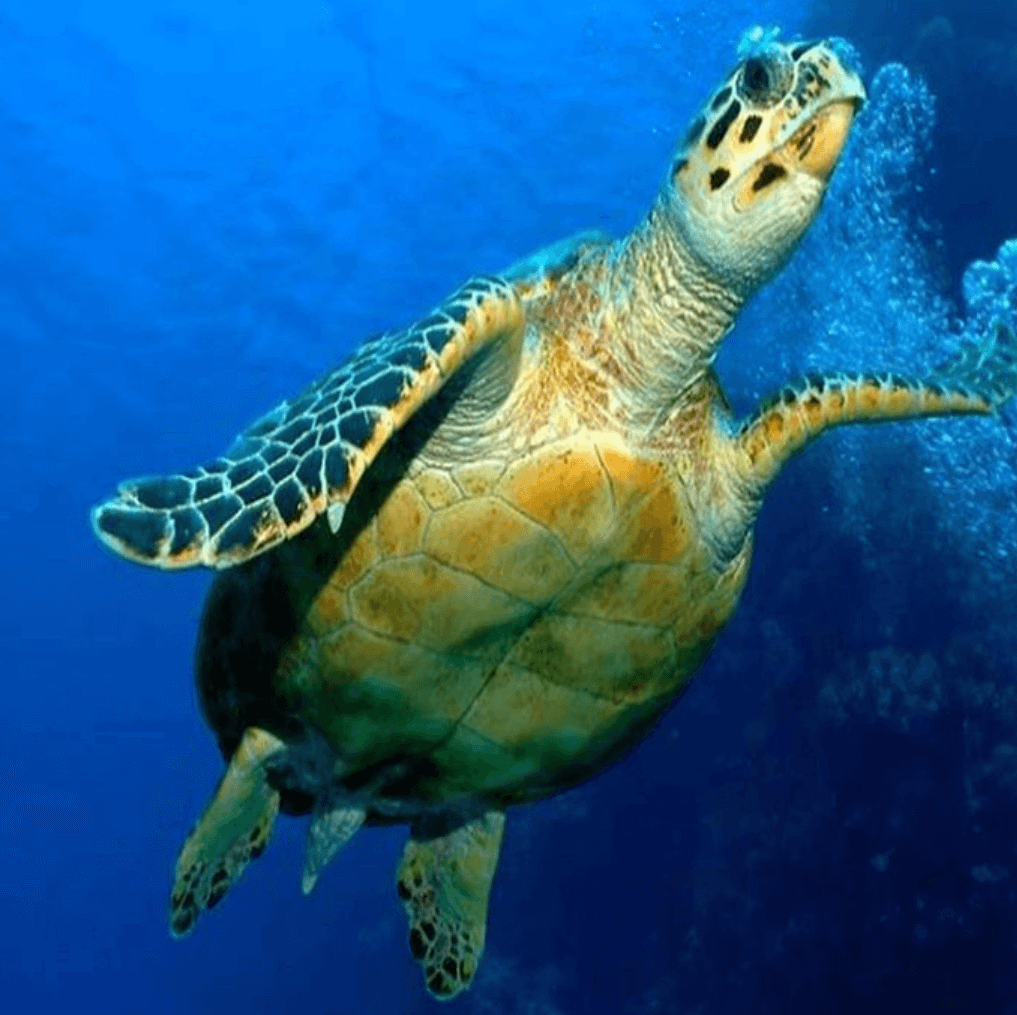
Watamu is a key nesting and foraging site for sea turtles in the Western Indian Ocean. The most commonly sighted species is the Green Turtle, which feeds on the park's seagrass beds. Hawksbill Turtles are also present, feeding on sponges among the coral. The presence of the Local Ocean Conservation organisation, with its turtle rehabilitation centre, makes Watamu a focal point for turtle conservation and offers opportunities for visitors to learn about these animals.
Spotting Dolphins and Migrating Whales near Watamu
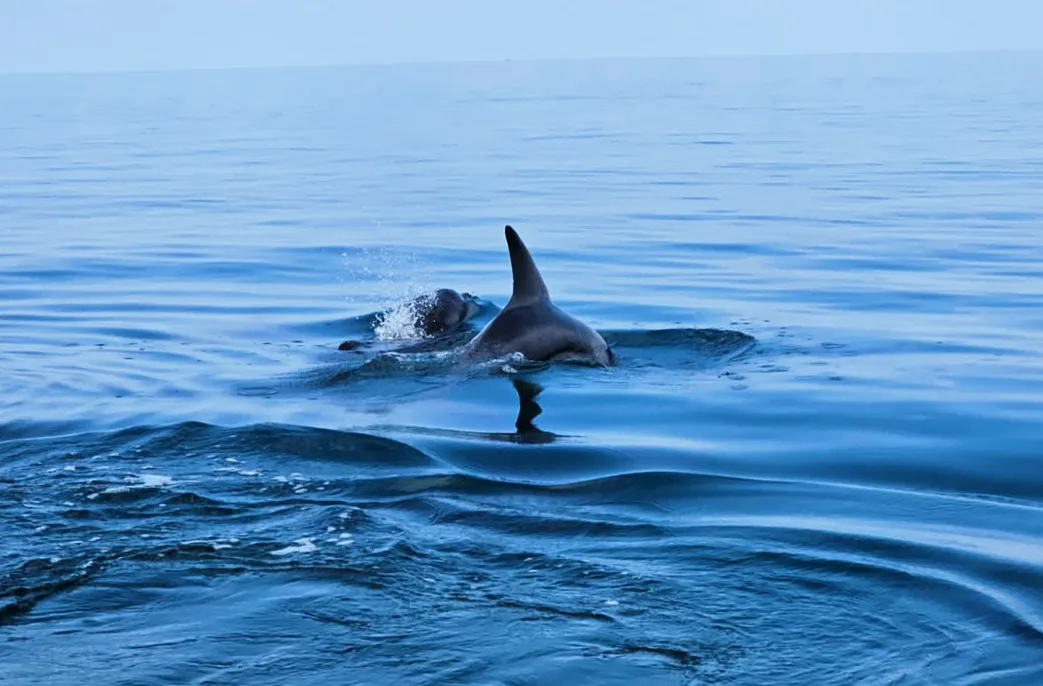
Indo-Pacific Bottlenose Dolphins are resident in the area and are frequently seen in the deeper channels and just beyond the reef. The most significant cetacean event is the annual Humpback Whale migration. These whales pass through Kenyan waters between July and September on their journey from Antarctica to warmer calving grounds. Specialised boat trips offer a high probability of sightings during this period.
Rich Birdlife within Watamu's Mida Creek Mangroves
The adjacent Mida Creek is an internationally important bird area. Its mangrove forests and tidal mudflats provide feeding and roosting grounds for numerous waders and other water birds. It is a primary wintering ground for the Crab-plover and regularly hosts Greater Flamingos, Dimorphic Egrets, Terek Sandpipers, and a variety of terns. A traditional dhow trip through the creek offers the best method for birdwatching.
Getting to Watamu Marine National Park from Australia
The journey from Australia to the Kenyan coast is a multi-stage undertaking. It begins with a long-haul international flight to Kenya's primary aviation hub, followed by a domestic connection to the coast. The final leg of the journey is a short road transfer to the town of Watamu, which serves as the base for accessing the marine park.
Long-Haul Flights from Australia to Kenya
Travel from Australia begins with a long-haul flight from a major hub such as Sydney (SYD), Melbourne (MEL), or Perth (PER) to Nairobi's Jomo Kenyatta International Airport (NBO). No direct flights exist; a connection is required, typically through a Middle Eastern hub like Dubai (DXB) or Doha (DOH), or an Asian hub like Singapore (SIN). Total flight time, including the layover, is generally upwards of 20 hours.
Domestic Flights to Malindi Airport
From Nairobi, the most direct connection to Watamu is a domestic flight to Malindi Airport (MYD). Flights depart from both Jomo Kenyatta International Airport (NBO) and the smaller, more central Wilson Airport (WIL). Carriers like Safarilink, Jambojet, and Kenya Airways operate this route, with a flight duration of approximately one hour. Malindi Airport is the closest air-strip to Watamu.
The Scenic Train Journey to Mombasa
An alternative to a domestic flight is the Madaraka Express SGR train from Nairobi to Mombasa. This modern rail service completes a comfortable 5-6 hour journey to the Miritini Terminus in Mombasa. While a reliable option, it necessitates a subsequent road transfer of 2.5 to 3 hours to reach Watamu, making it a longer overall journey compared to flying into Malindi.
Local Road Transfers to Watamu
From Malindi Airport (MYD), the transfer to Watamu is a 30-minute road journey by a pre-booked taxi or hotel vehicle. If arriving via the SGR train in Mombasa, the longer 120-kilometre transfer to Watamu must be factored into the itinerary and should be arranged in advance.
The Best Time to Visit Watamu Marine National Park
Timing a visit to Watamu is crucial for aligning with optimal weather and marine conditions. The coastal climate is defined by two dry seasons and two rainy seasons, which directly influence water clarity, sea calmness, and the presence of migratory marine life. Selecting the right period ensures the best possible conditions for underwater activities and wildlife viewing.
Optimal Seasons for Watamu Snorkelling and Diving
For the best underwater visibility and calmest sea conditions, the dry seasons are ideal. These periods run from January to March and again from July to October. During these months, the water is clear, and the lack of wind and rain makes for comfortable boat trips and superb snorkelling and diving conditions.
Witnessing Watamu's Humpback Whale Migration
The Humpback Whale migration creates a specific travel window. The peak viewing season is from July to September. This period coincides with the dry season, meaning weather conditions are generally favourable for the boat excursions required for whale watching.
Understanding Watamu's Seasonal Weather Patterns
Watamu experiences two main rainy seasons. The "long rains" occur from April to June, bringing heavier precipitation and rougher seas that can reduce water clarity. The "short rains" are less intense and typically fall in November and December. The hottest and most humid period is from January to March.
| Period |
Primary Activity |
Marine Conditions |
| January - March |
Snorkelling, Diving |
Calm, excellent visibility, hot weather |
| April - June |
Low Season |
Rough seas, lower visibility, long rains |
| July - October |
Whale Watching, Snorkelling |
Good visibility, windy, cooler weather |
| November - December |
Shoulder Season |
Variable, short rains, improving visibility |
Practical Tips for Australian Travellers Visiting Watamu
A trip to Watamu from Australia requires careful preparation. Key considerations include securing the correct entry visa, obtaining appropriate medical advice and vaccinations, and planning a realistic budget. Understanding how to integrate a coastal stay with a traditional safari and accounting for peak travel times like Australian school holidays will lead to a more organised trip.
Essential Kenya eVisa for Australian Citizens
Australian passport holders must obtain a Kenya eVisa prior to arrival. The application is completed online through the official government portal. It is advisable to apply at least two weeks before your departure date to allow for processing time. A printed copy of the approved eVisa should be carried with your travel documents.
Health Vaccinations and Medical Advice for Watamu
A Yellow Fever vaccination certificate is often required for entry into Kenya, particularly if travelling from or transiting through another country with risk of yellow fever transmission. It is essential to consult a GP or travel doctor at least 6-8 weeks before departure to discuss other recommended vaccinations, such as Hepatitis A/B and Typhoid, and to arrange for anti-malarial prophylaxis, as the Kenyan coast is a malaria zone.
Budgeting for Your Watamu Trip in AUD
When budgeting, Australian travellers should account for major costs like international and domestic flights, accommodation, and any pre-booked safari components. Additional costs include the Kenya eVisa, park entry fees (priced in USD for non-residents and payable by card or M-Pesa), activities like dhow trips or diving, and daily expenses. It is practical to monitor the AUD to Kenyan Shilling (KES) and AUD to USD exchange rates when planning.
Combining Watamu with a Kenyan Safari Adventure
Watamu is frequently planned as a 3- to 5-day coastal extension following a traditional wildlife safari in parks like the Maasai Mara or Amboseli. This 'bush to beach' combination provides a varied Kenyan trip. Logistically, this involves a flight from a safari airstrip back to Nairobi (Wilson Airport) and a connecting flight to Malindi, which can be arranged as part of a single itinerary.
Navigating Australian School Holiday Travel
Major Australian school holiday periods, particularly December-January and mid-year breaks, often coincide with Kenya's peak tourist seasons. This can result in higher flight prices and less availability for accommodation. Booking well in advance is critical if travel during these times is necessary. The September school holidays can align well with the end of the whale watching season and good general conditions.
Planning Your Watamu Marine National Park Adventure
Visiting a protected area like Watamu comes with the opportunity to engage in responsible tourism. By choosing low-impact activities, supporting local conservation organisations, and understanding the park's fee structure, visitors can help preserve the delicate ecosystem for the future. Watamu offers a different character to other coastal destinations, focusing more on ecology than large-scale resort tourism.
Supporting Watamu's Marine Conservation Efforts
Visitors can contribute directly to local conservation by engaging with reputable community organisations. A visit to the Local Ocean Conservation turtle rehabilitation centre provides insight and supports their work. Choosing tour operators who adhere to responsible marine wildlife interaction guidelines also helps protect the ecosystem.
Engaging in Eco-Friendly Activities at Watamu
The park's environment is suited to low-impact activities. Snorkelling from designated areas, sailing on a traditional dhow in Mida Creek, and stand-up paddleboarding are all ways to appreciate the marine environment with minimal disturbance. Visitors are reminded not to touch coral or any marine life and to use reef-safe sunscreen.
Understanding Watamu Park Entry Fees
Entry fees for the marine park are set by the Kenya Wildlife Service (KWS) and are mandatory for all visitors entering the protected waters for activities like snorkelling or diving. Fees are charged on a 24-hour basis and are priced in USD for non-residents. Payment is typically made via credit card or the M-Pesa mobile payment system at the KWS office in Watamu; cash is often not accepted.
Watamu Marine National Park Compared to Diani Beach
Compared to Diani Beach to the south of Mombasa, Watamu offers a quieter, more village-like atmosphere with a strong focus on marine ecology and conservation. While Diani has a longer, continuous white-sand beach and a wider range of large resorts, Watamu's appeal lies in its protected coves, direct access to a world-class marine park, and the additional ecological interest of Mida Creek.