The 4-Day August Mount Kenya Nature Trek is a moderate, guided sub-summit hike on the Sirimon route, designed for Australian travellers. This package provides immersion into Mount Kenya's alpine ecosystems without the technical climbing required for a full summit attempt. The trek is timed for Kenya's dry season, which aligns with mid-year Australian school holidays, making the package a suitable active addition to a longer Kenyan itinerary.
How Does the Sirimon Route Work on this Trek?
This 4-day trek follows the Sirimon route, which is favoured for its gradual ascent and varied landscapes. The route's gentle gradient helps travellers acclimatise after long-haul flights from Australia. Your first day involves a steady walk to Old Moses Camp (approx. 3,300m), which is situated at the edge of the montane forest and serves as an introduction to the mountain environment.
The second day is a longer trek into the Mackinder Valley to reach Shipton's Camp (approx. 4,200m). This day is structured for acclimatisation, moving through distinct vegetation zones into the alpine desert at a managed pace. The goal is to gain altitude safely, not to cover distance quickly.
The third day focuses on high-altitude exploration around Shipton's Camp, allowing you to experience the peaks and glacial valleys without the pressure of a summit climb. You then descend back to Old Moses Camp for the night. This itinerary follows the "walk high, sleep low" principle for successful acclimatisation. The final day is a direct descent to the park gate for your transfer back to Nairobi.
What Flora and Fauna Will You See on the Mount Kenya Trek?
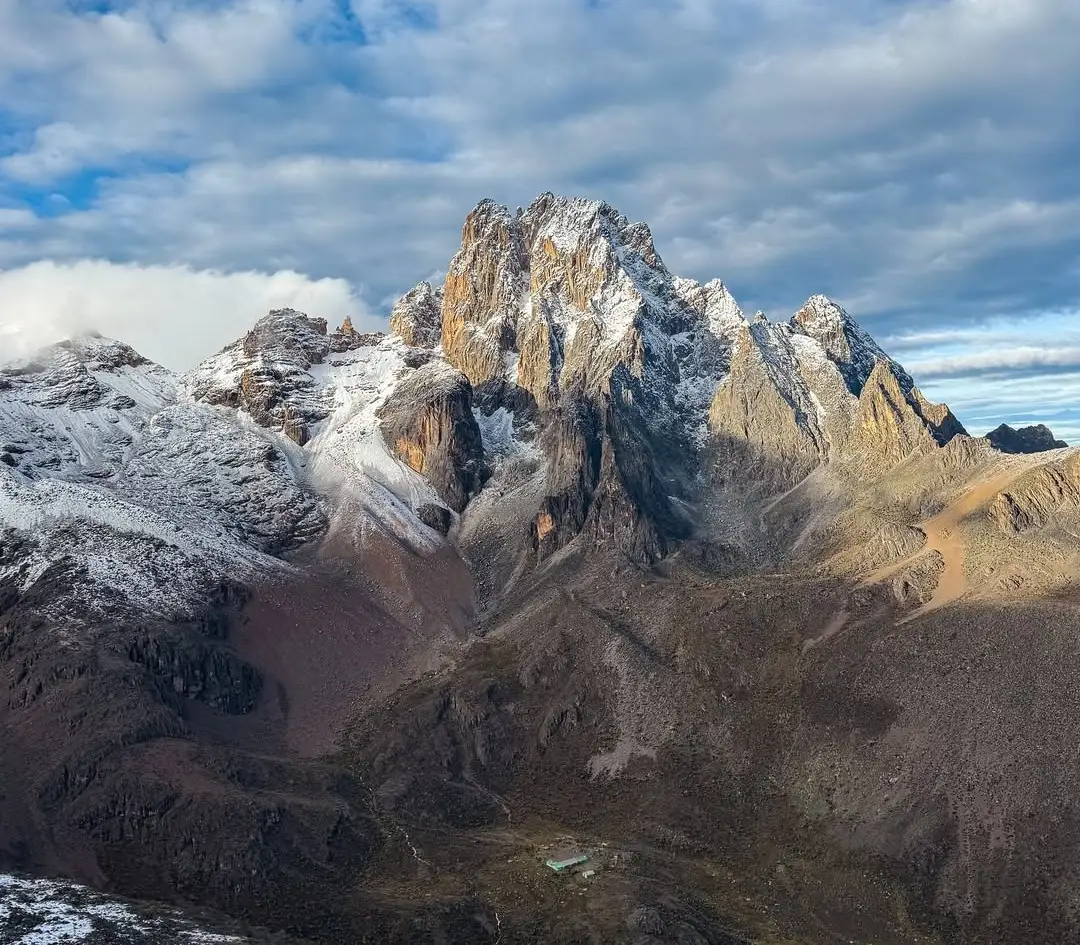
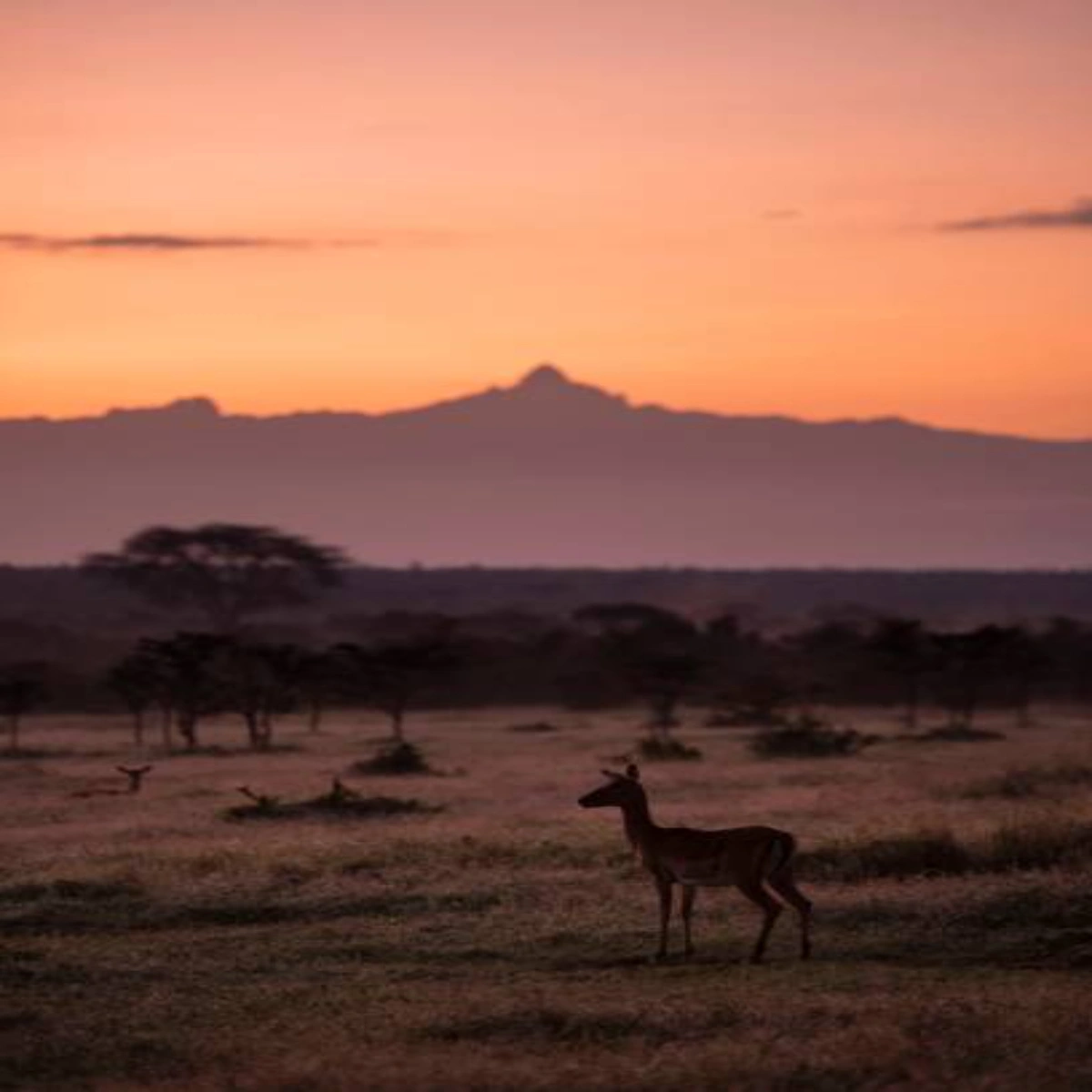
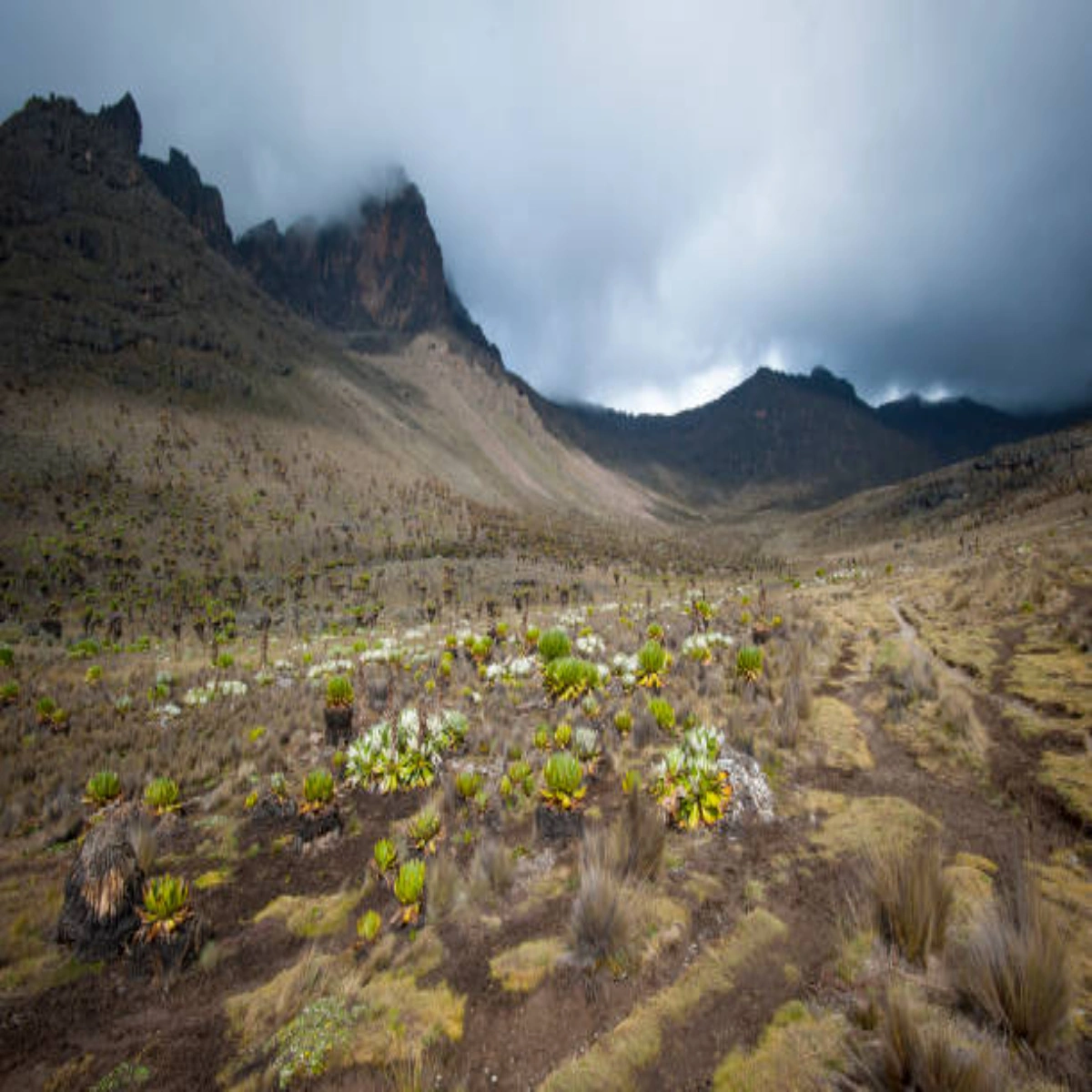
Trekking on Mount Kenya is defined by its specific high-altitude ecosystems. As you ascend the Sirimon route, the landscape changes from montane forest, which contains buffalo and antelope, into a zone of giant heather and moorlands. The flora in this upper zone is adapted to alpine conditions and is found in few other places on Earth.
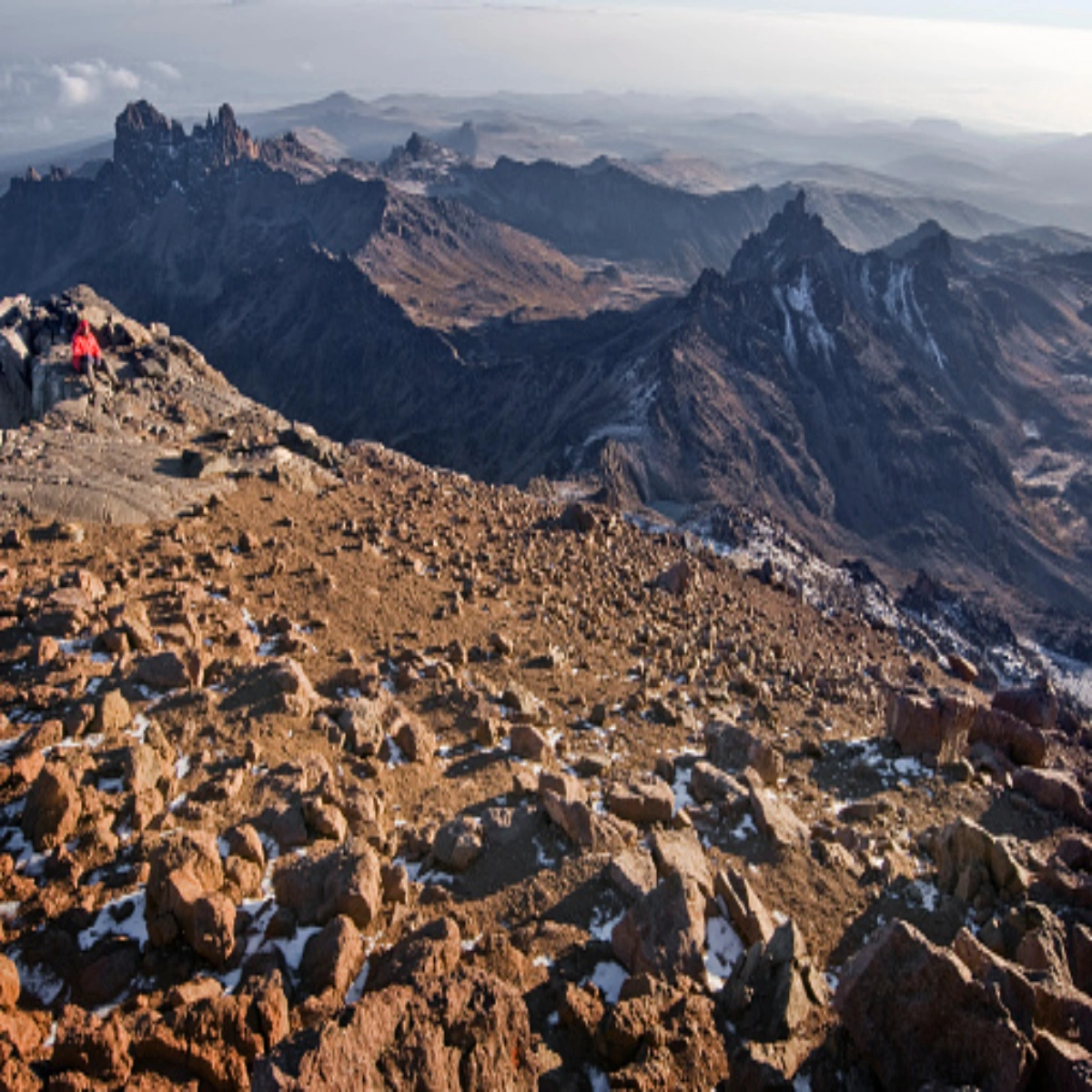
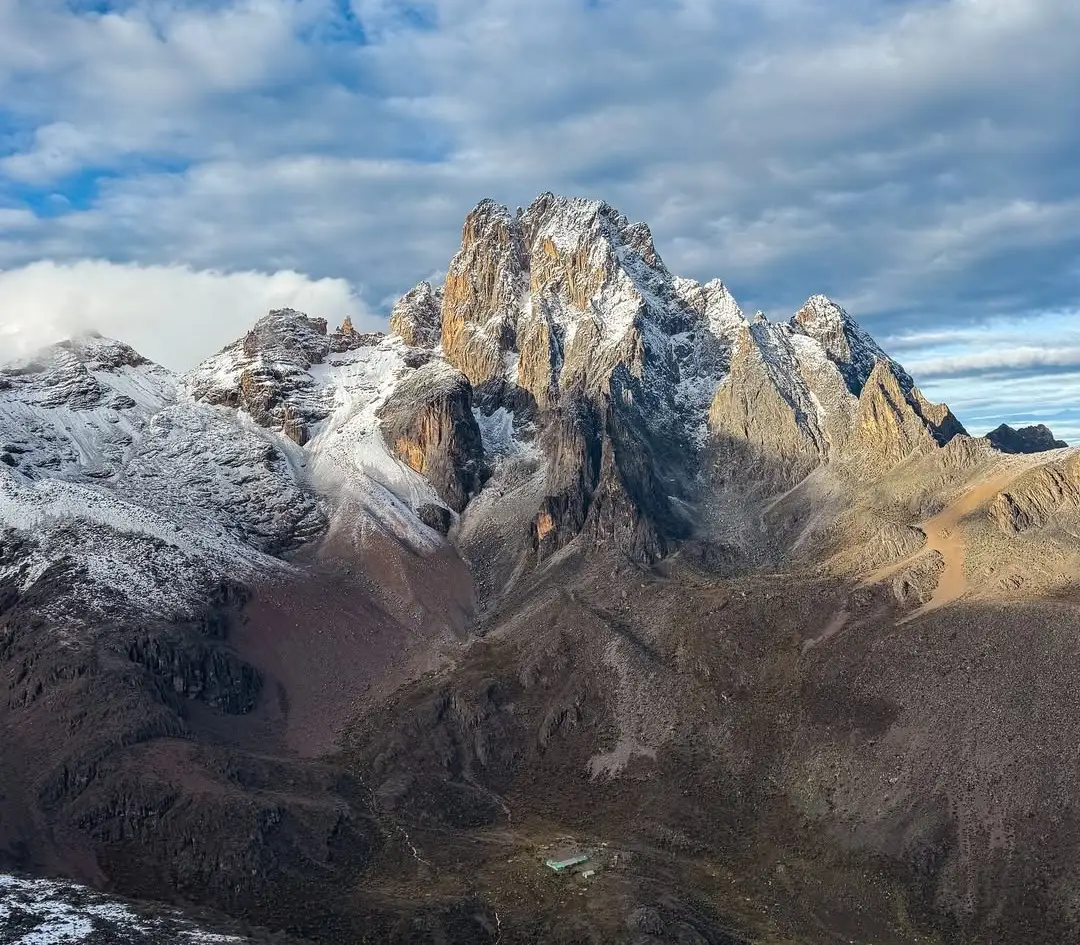
Your guide will identify the giant groundsel (Dendrosenecio) and the tall columns of the giant lobelia. The landscape is marked by geological formations, with the peaks of Batian and Nelion visible in clear weather. High-altitude wildlife includes the Rock Hyrax, a small mammal related to the elephant. Birdlife is also present, with species like the alpine chat and Mackinder's eagle-owl adapted to the environment. The trek offers different colours and textures of Kenya for photographers.
Who is the Mount Kenya Nature Trek Suitable For?
This trek is rated as moderate and is accessible to most active travellers from Australia. A typical day involves four to seven hours of walking over forest tracks and rocky alpine paths. No technical climbing skills are needed, but a good level of cardiovascular fitness is required. If you are comfortable with multi-day hikes in Australian parks like the Blue Mountains or the Victorian Alps, you likely have the required base fitness.
The main challenge is the altitude. The itinerary is designed to manage this, but your enjoyment will be greater if you arrive with a solid fitness foundation. This package suits active couples, solo travellers, and families with older, adventurous teenagers. The trek is designed for those wanting a mountain experience as part of a broader Kenyan holiday, without the commitment of a technical summit. The trek may not be suitable for individuals with no hiking experience or medical conditions affected by high altitude.
How Does Acclimatisation Work on this Mount Kenya Trek?
Managing altitude is the most important safety factor on this trek. The itinerary allows your body to acclimatise by increasing altitude gradually. The highest sleeping point is Shipton's Camp at approximately 4,200 metres (13,780 feet). The exploration day from this camp involves walking to a higher point before returning to sleep at a lower altitude, a critical acclimatisation method.
For Australian travellers arriving from sea level, hydration and pace are the most effective management tools. Your guide will enforce a slow walking pace, known as "pole pole" (slowly, slowly), and recommend drinking three to four litres of water daily. This approach conserves energy and helps your body adjust to lower oxygen levels. Mild symptoms like a slight headache are normal, but open communication with your guide ensures a safe and comfortable high-altitude experience.
How Does this Nature Trek Compare to a Full Mount Kenya Summit?
This nature trek differs significantly from a technical summit attempt on Mount Kenya. The package focuses on high-altitude hiking and the alpine environment, whereas a summit attempt is a more demanding mountaineering objective. The table below outlines the key differences to help you select the correct experience for your fitness and goals.
| Feature |
4-Day August Nature Trek |
Full Summit Trek (Point Lenana/Batian) |
| Primary Focus |
High-altitude scenery, alpine flora, acclimatisation experience. |
Reaching a specific peak, typically Point Lenana (4,985m) or the technical peaks. |
| Duration |
4 days, for a focused mountain experience. |
Typically 5-6 days or more for sufficient summit acclimatisation. |
| Peak Altitude |
Approx. 4,200m at Shipton's Camp. |
4,985m (Point Lenana) or higher, requiring a pre-dawn summit start. |
| Technical Skill |
No technical climbing skills required. Strong hiking fitness is sufficient. |
Requires scrambling for Point Lenana; technical rock climbing for Batian. |
What are the Mount Kenya Trek Costs for Australians?
Budgeting for your Mount Kenya trek from Australia requires understanding the package inclusions and exclusions. The pricing is structured to be transparent, helping you organise your finances before travelling. The core on-mountain services are covered in the package price.
- What is Included: The package price covers all park entry fees, the services of a professional mountain guide and porters, and accommodation in mountain camps. All meals on the trek (from lunch on Day 1 to lunch on Day 4) and private road transport from and back to Nairobi are also included.
- What is Not Included: You must budget separately for international flights from Australia to Nairobi and your Kenya eTA (Electronic Travel Authorisation). Personal hiking gear, tips for the mountain crew, and any accommodation in Nairobi before or after the trek are also excluded from the package cost.
What are the Travel Logistics from Australia to Mount Kenya?
Flights from major Australian hubs like Sydney, Melbourne, and Brisbane to Kenya typically involve one stop in the Middle East or Asia. Total travel time, including layovers, is usually between 20 and 26 hours. We recommend arriving in Nairobi at least one full day before your trek begins to recover from jet lag.
All Australian citizens require an Electronic Travel Authorisation (eTA) to enter Kenya, which must be approved online before departure. You should also consult a travel health clinic regarding recommended vaccinations for Kenya. Your passport must have at least six months of validity from your planned departure date from Kenya.
Why Does an August Mount Kenya Trek Suit Australian Travellers?
August is selected for this trek because it falls within one of Kenya's main dry seasons. On Mount Kenya, this timing increases the probability of clear days and cold nights, providing better conditions for walking and clear views of the peaks. Rain and cloud cover are typically at their minimum during this period.
The timing in August also aligns with the winter school holidays in many Australian states. This scheduling makes the 4-day trek a suitable option for teachers and families with older children. The trek can be combined with a Great Migration safari in the Maasai Mara or a beach stay, as both are also in their prime season.
How to Plan Your Mount Kenya Trek from Australia
To begin planning, you can contact our team to integrate this 4-day trek into a wider Kenyan itinerary or book it as a standalone trip. When you get in touch, please provide your potential travel dates, group size, and any specific fitness concerns. This information allows us to give you the most relevant advice for your trip.
Our team can help organise pre- and post-trek accommodation in Nairobi to align with your flight schedule. To prepare physically, we recommend regular cardiovascular exercise, such as running, cycling, or hill walking. This preparation will help you better enjoy the physical requirements of the trek.
How to Book the Mount Kenya August Adventure
The 4-Day August Mount Kenya Nature Trek is a bookable package for an active holiday. August is a popular month for trekking in Kenya, so we recommend planning in advance to secure your dates. To see the full itinerary, view all inclusions, and start the booking process, please visit the dedicated tour page. We can help you organise this Kenyan mountain journey.



.webp)
.webp)
.webp)
.webp)

.webp)
.webp)
.webp)
.webp)