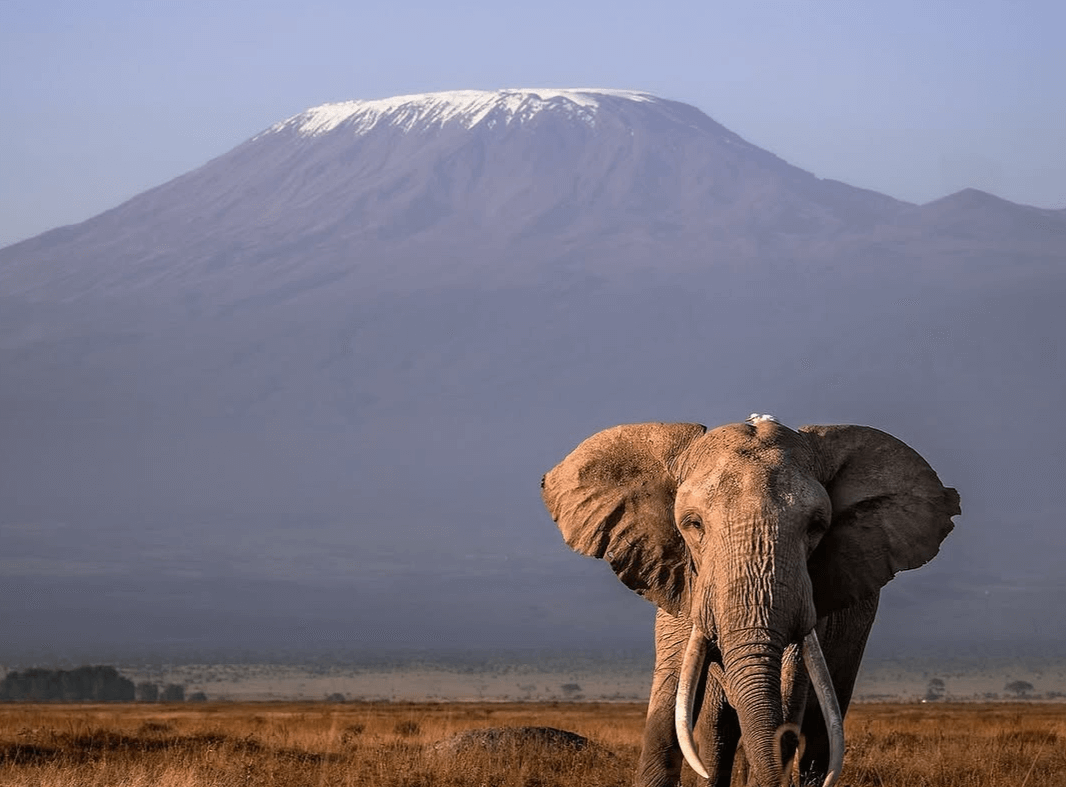
The 4-Day Tsavo & Kilimanjaro Explorer follows an efficient circuit through southern Kenya, specifically structured to maximise wildlife viewing for Australian travellers on a tight schedule. After the long-haul flight to Nairobi, the tour offers an immediate immersion into two of Kenya's most distinct national parks. The route heads south to the volcanic terrain of Tsavo West before continuing to the famous open plains of Amboseli, with its clear views of Mount Kilimanjaro. The journey concludes with a return to Nairobi, completing a logistical loop that minimises backtracking on major highways and dedicates more time to game drives.
Route Strategy of the 4-Day Tsavo & Kilimanjaro Explorer
The tour’s design is a practical loop that covers significant ground without excessive travel time. It connects two contrasting ecosystems, providing a varied and dynamic safari experience over a short period. This circular structure ensures that you are constantly moving through new areas rather than retracing your steps, offering fresh perspectives each day.
The Efficient Circular Path from Nairobi
Departing from Nairobi, the route follows the main Nairobi-Mombasa highway for approximately 240 kilometres before branching west into the parks. The transfer from Tsavo West to Amboseli covers around 100 kilometres, while the return journey from Amboseli to Nairobi completes the 240-kilometre circuit. This structure ensures a logical progression without wasted road time.
First Stop Tsavo West's Volcanic Terrain
Your first destination is Tsavo West National Park. The focus here is on its distinct geology, including the Shetani Lava Flow. Game drives are conducted through a setting of rolling volcanic hills and dense acacia woodland, which presents different wildlife tracking challenges compared to open savanna.
Amboseli's Famous Kilimanjaro Vistas
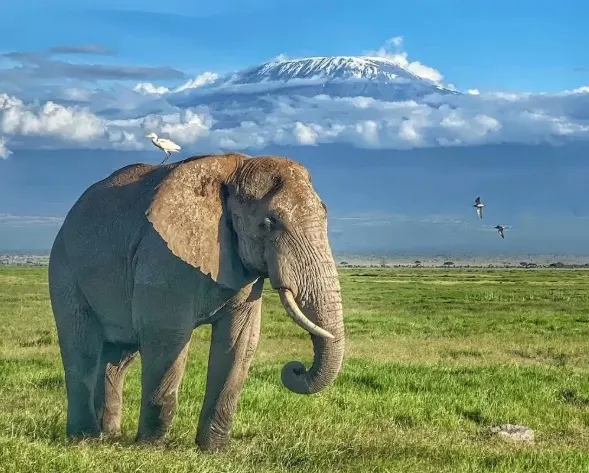
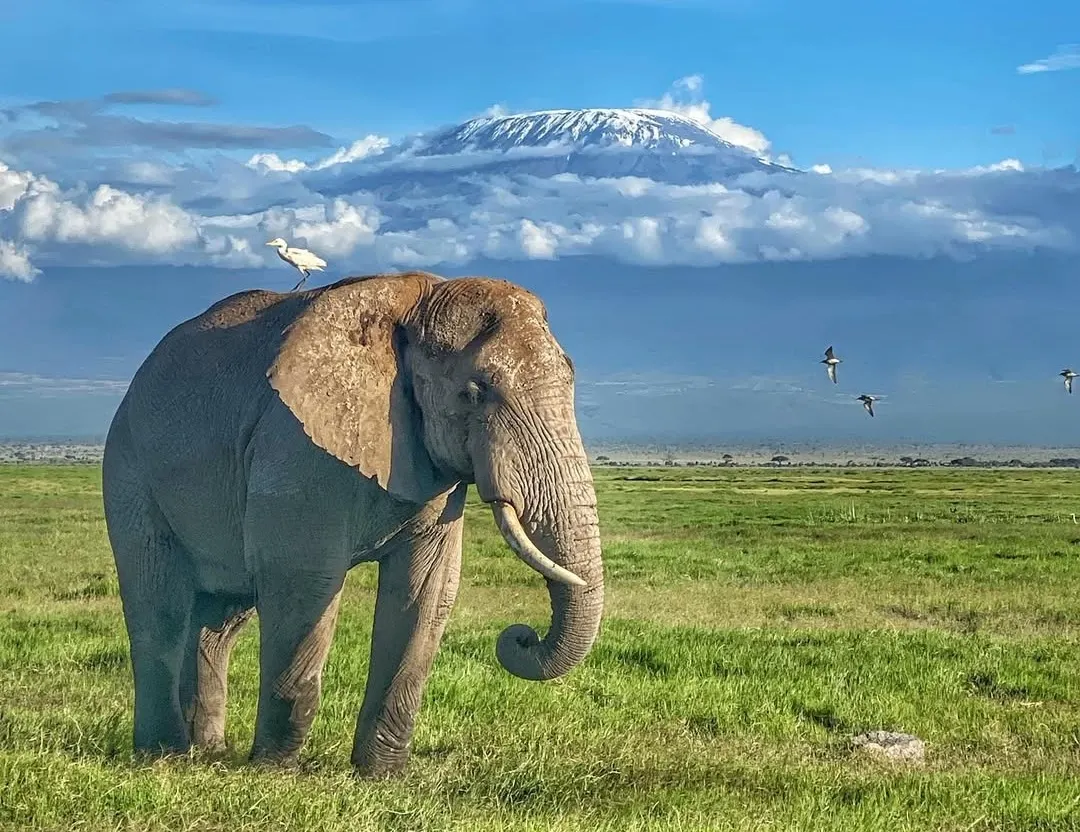
The tour then proceeds to Amboseli National Park, situated at the foot of Mount Kilimanjaro. The park is characterised by its dry, dusty plains, seasonal lake beds, and permanent swamps fed by underground springs from the mountain. This environment supports a high concentration of wildlife and provides the well-known safari backdrop for which the region is famous.
A Logistical Design for More Time on Game Drives
Each leg of the road journey is planned to integrate game viewing. For instance, the drive from Tsavo West to Amboseli includes transit through park areas. The final morning includes a game drive en route to the park exit, ensuring wildlife viewing opportunities are available until the final departure for Nairobi.
Route At-A-Glance
| Day |
Primary Location |
Key Focus |
| Day 1 |
Tsavo West National Park |
Volcanic formations, afternoon game drive |
| Day 2 |
Amboseli National Park |
Mzima Springs visit, transfer to Amboseli |
| Day 3 |
Amboseli National Park |
Full-day game drives, elephant herds |
| Day 4 |
Return to Nairobi |
Morning game drive, road transfer to city |
Contrasting Ecosystems on the Tsavo & Kilimanjaro Explorer
This tour provides a direct comparison between two different southern Kenyan ecosystems. The variation in topography and water sources dictates the type and density of wildlife found in each location, offering a clear illustration of how habitat shapes animal populations and safari dynamics.
Tsavo West's Volcanic Topography and Mzima Springs
Tsavo West, covering 9,065 square kilometres, is defined by its volcanic geology. The terrain is hilly and scrub-covered, with prominent features like the Shetani Lava Flow. A critical habitat within the park is Mzima Springs, a series of four natural springs creating clear pools that attract a high concentration of animals in an otherwise arid region.
Amboseli's Open Plains and Kilimanjaro's Influence
Amboseli National Park, though much smaller at 392 square kilometres, consists largely of a dry Pleistocene lake bed, resulting in vast open plains with sparse vegetation. Its lifeblood is the series of swamps, such as Enkongo Narok, fed by snowmelt from Kilimanjaro. This constant water supply supports the park's substantial elephant population and large herds of grazing animals.
How Varied Habitats Shape Your Wildlife Viewing
The shift from the thick bush and rocky outcrops of Tsavo West to the wide-open plains of Amboseli offers a varied game viewing experience. The former requires careful searching for animals, while the latter allows for spotting large herds from a distance, often framed by the dramatic presence of Mount Kilimanjaro.
Wildlife Highlights of the 4-Day Tsavo & Kilimanjaro Explorer
The itinerary is structured to target the specific wildlife specialities of each park. The combination of habitats ensures a broad range of potential sightings over the four days, from specific conservation success stories to vast herds of plains game and their attendant predators.
Observing Amboseli's Renowned Elephant Herds
Amboseli is globally recognised for its large elephant herds, which can number in the hundreds. The park is one of the best locations in Africa for observing elephant behaviour up close. It is also a known habitat for some of Africa’s last remaining large-tusked elephants, sometimes called 'Super Tuskers'.
Seeking Black Rhino at the Ngulia Sanctuary
Within Tsavo West lies the Ngulia Rhino Sanctuary, a fenced and protected area of 90 square kilometres dedicated to the conservation of the critically endangered black rhino. A visit here offers a high-probability opportunity to see this elusive animal, a significant achievement for any safari.
Unique Hippo Viewing at Mzima Springs
A key activity in Tsavo West is the visit to Mzima Springs. The site features a special underwater viewing chamber, allowing you to observe hippos and crocodiles moving through the clear water from a submerged perspective. This provides a view of these animals' behaviour not possible on a standard game drive.
Predator Sightings and Plains Game Across Two Parks
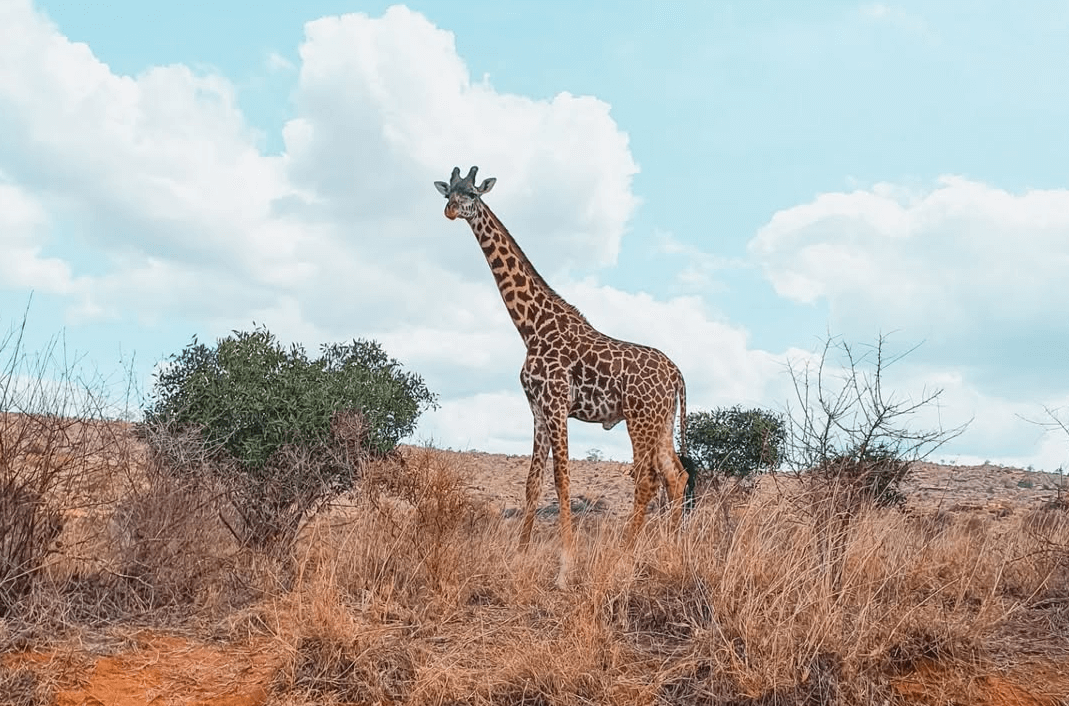
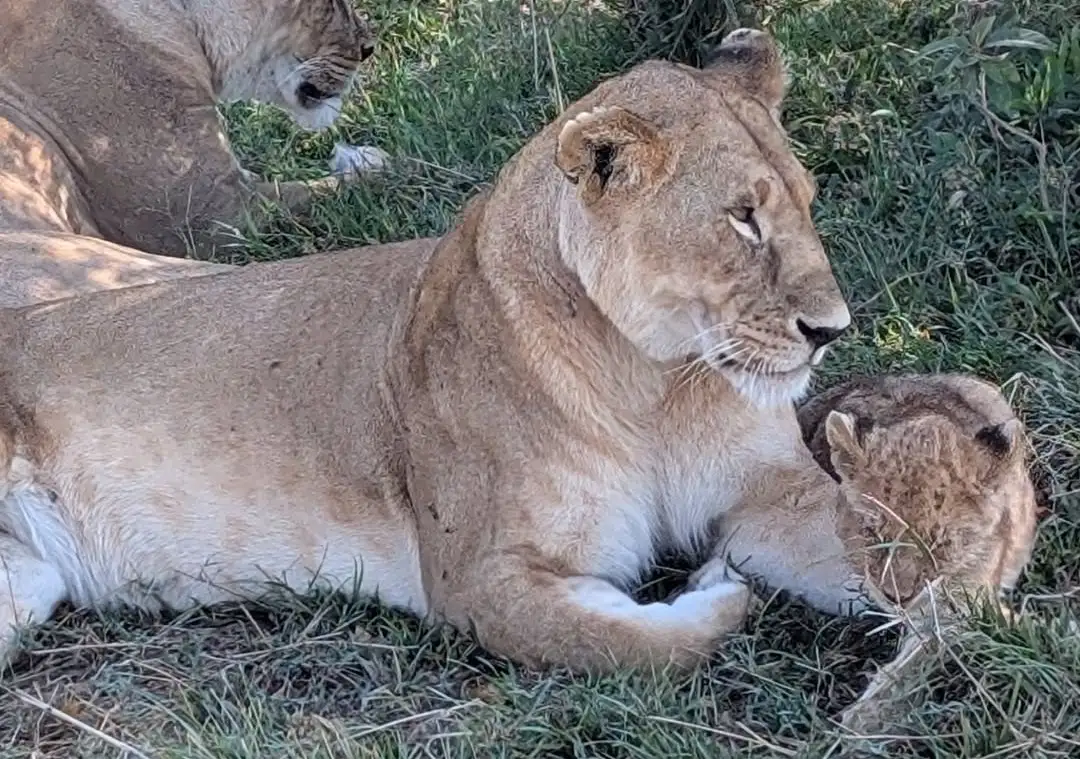
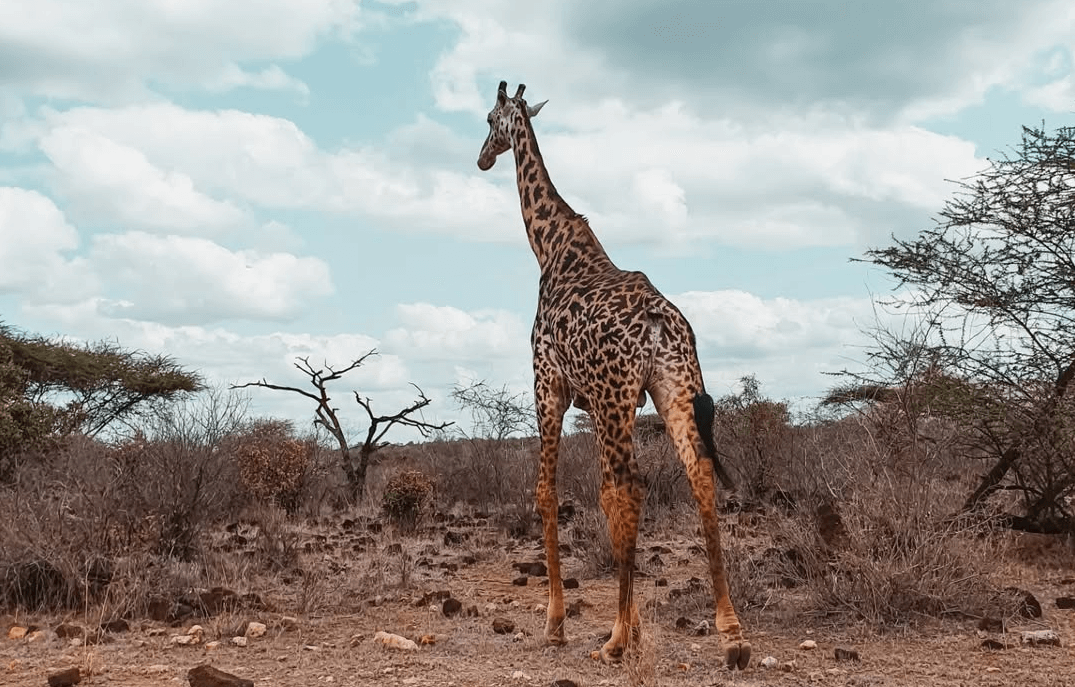
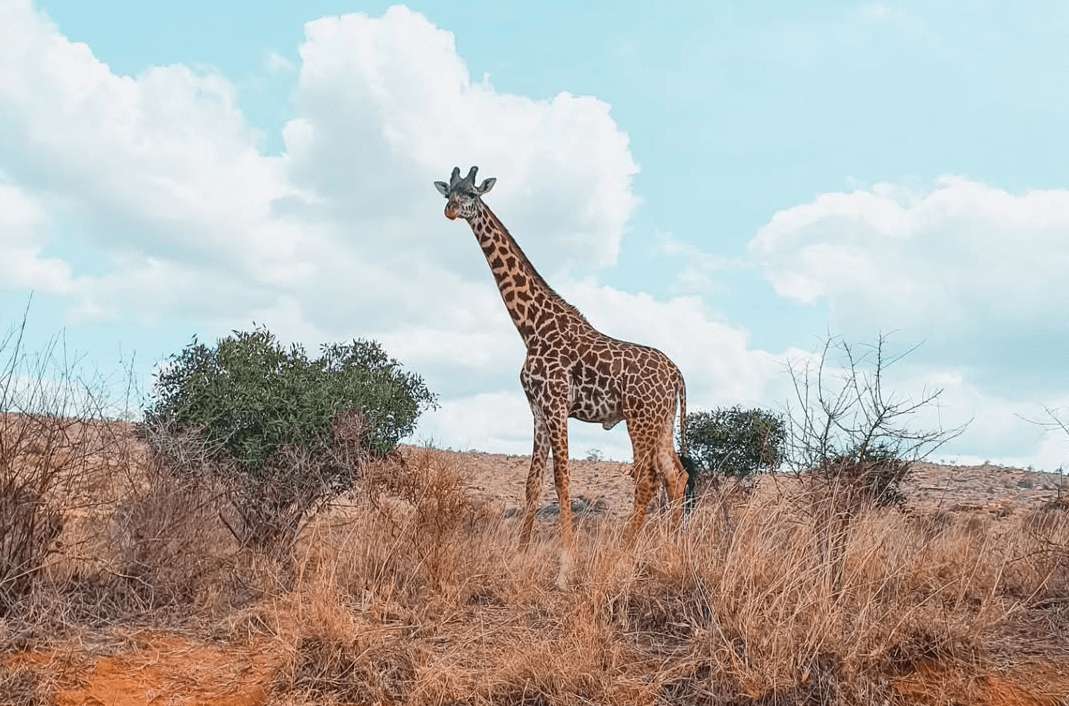
Across both parks, there are consistent opportunities to see a wide variety of animals. Common sightings include buffalo, wildebeest, zebra, and gazelle. Lions are frequently seen in Amboseli's open terrain, while cheetahs and hyenas are also present. The thicker bush of Tsavo West is home to more reclusive species like the lesser kudu.
Your Purpose-Built Safari Vehicle Advantage
Travel is conducted in a 4x4 Land Cruiser. Every passenger is allocated a window seat, ensuring unobstructed views and photographic opportunities. The pop-up roof provides an elevated, 360-degree vantage point during game drives, which is critical for spotting wildlife and taking clear photos.
The Daily Rhythm of Your Tsavo & Kilimanjaro Explorer
The tour is logistically planned to ensure that each day builds upon the last, culminating in the famous scenes of Amboseli National Park. The pace is steady, with a focus on high-quality wildlife viewing and comfortable overnight stays to keep you rested for early morning starts.
A Journey Through Changing Scenery
The itinerary moves from the stark, black rock of Tsavo's lava flows on Day 1 to the clear waters of Mzima Springs on Day 2. This is followed by the vast, open plains of Amboseli on Days 2 and 3, with the constant, often cloud-shrouded, presence of Mount Kilimanjaro on the horizon.
Timing Game Drives for Peak Animal Activity
Game drives are scheduled for the early morning and late afternoon. These are the times when animals are most active and the light is best for photography. A full day in Amboseli allows for extended drives to reach the park's productive swamps, where wildlife congregates, especially during the dry seasons.
Accommodation Standards on Your Safari
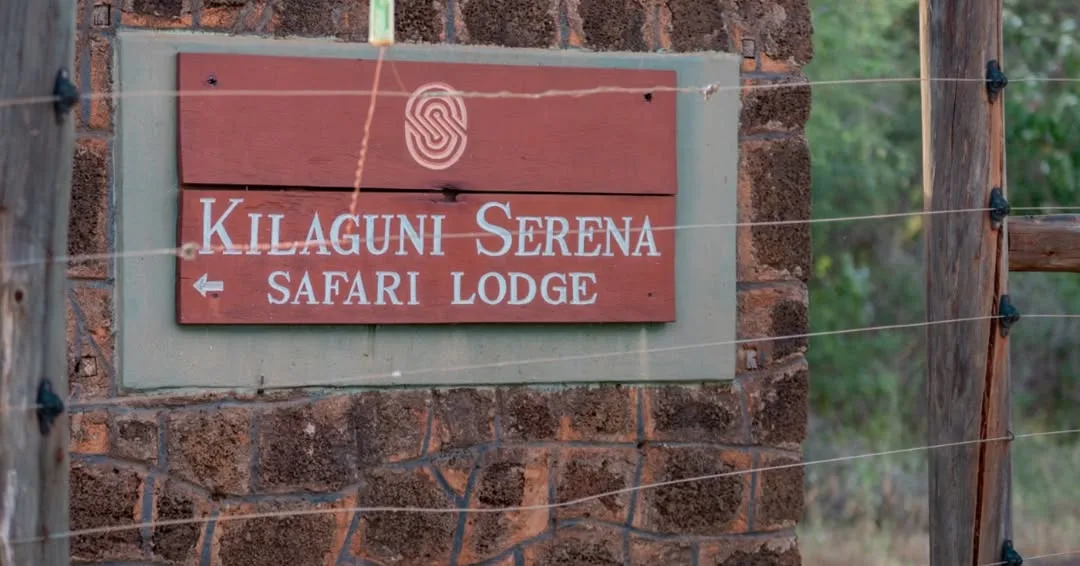
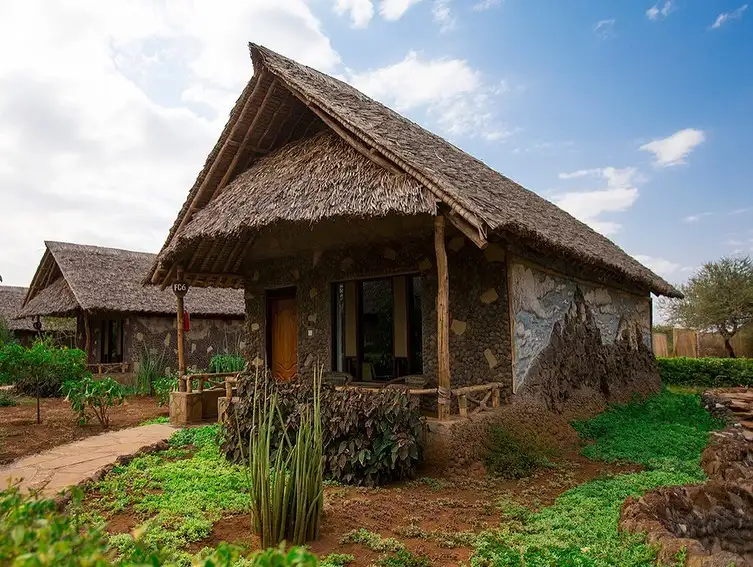
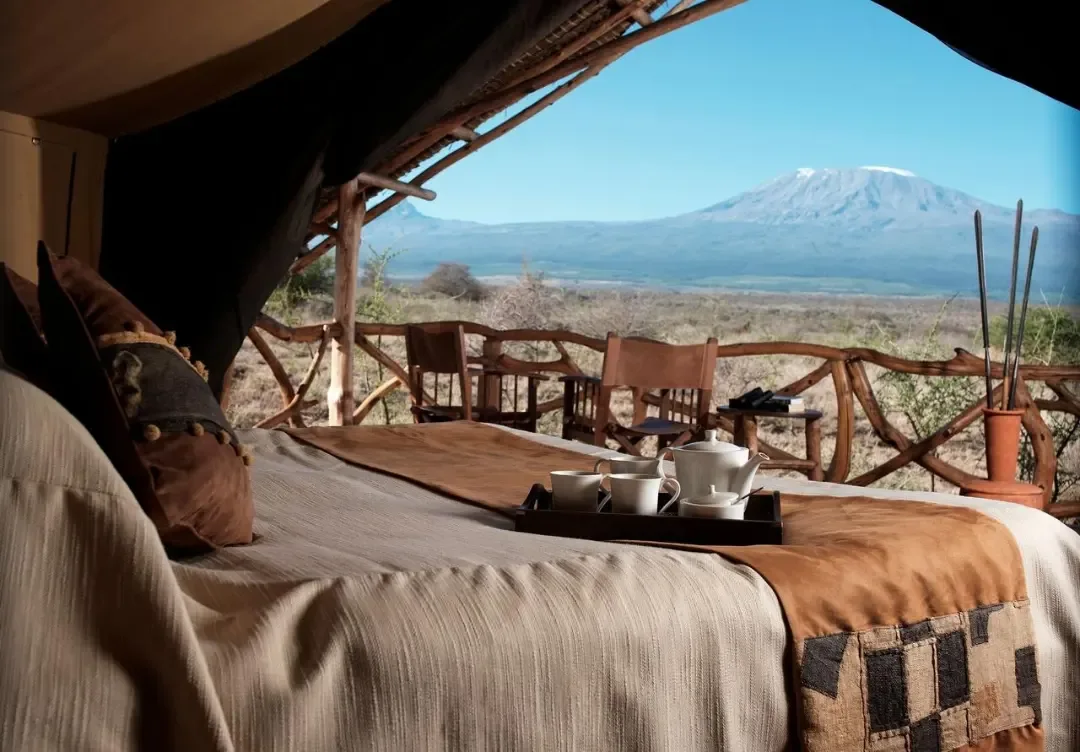
Accommodation throughout the tour is in established safari lodges or permanent tented camps. These facilities provide comfortable bedding, private en-suite bathroom facilities, and all meals, ensuring you are well-rested for full days of activities.
The Strategic Itinerary Progression from Tsavo to Amboseli
The tour's progression is deliberate. It starts in the more challenging viewing environment of Tsavo West, building anticipation and honing observation skills. It then transitions to Amboseli, where the sheer volume of wildlife and the grand scale of the scenery deliver a powerful final impression before the return to Nairobi.
Planning Your Tsavo & Kilimanjaro Explorer from Australia
Undertaking this safari from Australia requires specific logistical and practical preparations. Understanding flight patterns, local requirements, and what to pack is essential for a smooth and enjoyable trip.
Navigating Long-Haul Flights from Australia
There are no direct flights from Australia to Nairobi. Travel will involve at least one stopover in hubs such as Dubai, Doha, or Singapore. Total flight time, including layovers, is typically over 20 hours. Given the 07:00 AM safari departure on Day 1, you should book a flight that arrives in Nairobi at least one full day prior to the tour's start.
The Importance of a Pre-Tour Night in Nairobi
Arriving a day early allows for recovery from jet lag and acclimatisation. This ensures you are rested and ready for the early start and the demands of the first day of travel. A pre-safari night's accommodation in Nairobi should be factored into your plans.
Kenyan eTA and Passport Requirements for Australians
Australian passport holders must obtain a Kenyan Electronic Travel Authorisation (eTA) online before departure. This has replaced the previous visa system. Your passport must have at least six months of validity remaining from your planned date of departure from Kenya and at least two blank pages.
Timing Your Trip with Dry Seasons
The best wildlife viewing in this region coincides with Kenya's two dry seasons, which are from June to October and January to March. Views of Mount Kilimanjaro are also typically clearer during these periods. These times may align with Australian school holidays, though booking well in advance is necessary due to higher demand.
Kenyan Power Outlets and Adapters for Australian Plugs
Kenya uses the Type G socket, the rectangular three-pin plug common in the UK. As this is different from Australia's Type I plug, you will need to pack a universal travel adapter to charge your cameras, phones, and other electronic devices.
Safari Vehicle Luggage Restrictions and Packing Advice
Luggage capacity in safari vehicles is strictly limited. Only soft-sided duffel bags or backpacks are permitted, with a maximum weight of 15 kg per person. Hard-shell suitcases are not allowed as they cannot be stowed efficiently in the vehicle's luggage compartment.
Mandatory Travel Insurance and Health Precautions
You should consult your GP at least six to eight weeks before your trip to discuss required vaccinations and malaria prophylaxis. Comprehensive travel insurance is mandatory and must cover medical emergencies, including medical evacuation. Carry a basic first-aid kit, insect repellent, and sunscreen.
Budgeting for Costs Outside the Tour Price
The tour price typically covers transport, accommodation, park fees, and specified meals. You should budget separately for international flights from Australia, Kenyan eTA fees, travel insurance, staff tips, drinks, and any personal souvenirs or extra activities.
Who Should Choose the 4-Day Tsavo & Kilimanjaro Explorer
This tour is designed for a specific type of traveller who values efficiency and memorable sights. It is a focused immersion into a classic safari circuit, well-suited to those with particular goals and timeframes.
An Excellent Introduction for First-Time Visitors to Africa
For Australians new to African safaris, this package offers a manageable and highly rewarding introduction. It covers key wildlife and scenic highlights without the commitment of a longer, more complex itinerary, making it an excellent first chapter in African travel.
A High-Impact Itinerary for Time-Conscious Travellers
If your time is limited, or if the safari is part of a larger trip, these four days are structured for maximum effect. You will visit two distinct parks and have a high probability of seeing large elephant herds, rhinos, and the Kilimanjaro backdrop.
A Suitable Itinerary for Couples and Small Groups
The pace, comfort level of the lodges, and private vehicle transport make this tour well-suited for couples or small families with older children. It provides a shared adventure with a balance of activity and relaxation.
Key Advantages for Safari Photographers
Photographers will find the tour highly productive. The guaranteed window seat and pop-up roof are essential for stability and clear shots. The classic imagery of elephants against Kilimanjaro, the unusual underwater shots at Mzima, and the stark volcanic formations of Tsavo provide exceptional subject matter.
For Travellers Who Value Scenery and Wildlife Equally
This itinerary is ideal for those who appreciate natural scenery as much as wildlife. The journey offers a powerful visual narrative, moving from the volcanic hills of Tsavo to the immense, sky-dominated plains of Amboseli, all anchored by Africa's highest peak.




.webp)
.webp)
.webp)
.webp)
.webp)
.webp)
.webp)
.webp)
.webp)
.webp)
.webp)
.webp)