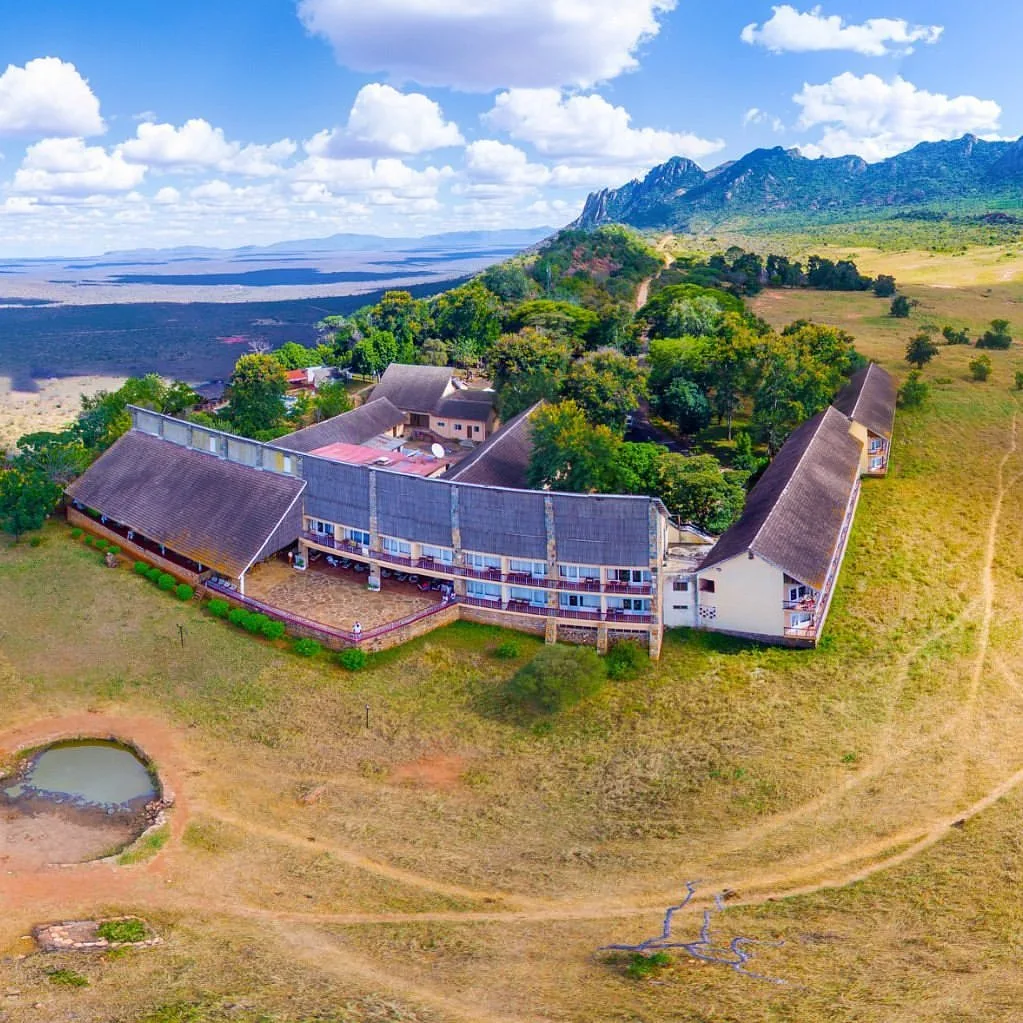
The Tsavo Conservation Area covers a significant expanse of protected wilderness, approximately 42,000 square kilometres, in south-eastern Kenya. Tsavo West National Park, at 9,065 square kilometres, constitutes the western sector of this area. It contains a varied and geologically rich environment distinct from many of Kenya's more famous savanna parks.
Overview
Name
Tsavo West National Park
Type
National Park
Town
Mtito Andei
County
Taita Taveta
Country
Kenya
The Unique Topography of Tsavo West National Park
Tsavo West is defined by its dramatic and rugged terrain. The topography is a direct result of recent volcanic activity, which has sculpted a series of rolling hills, rocky outcrops, and solidified lava flows across the park. This geology gives the region a great sense of remoteness and a more challenging environment for game viewing compared to its eastern counterpart, Tsavo East.
The Volcanic Features of Tsavo West
The park's geology is one of its primary attractions. The most prominent feature is the Shetani Lava Flow, an 8-kilometre-long, 50-metre-deep river of black, solidified molten rock formed only a few hundred years ago. Its name, meaning 'devil' in Kiswahili, reflects local folklore about its creation. Visitors can also see the Chaimu Crater and the Five Sisters Hills, both clear evidence of the region's volcanic past. This terrain supports a dense cover of Commiphora woodland and thicket, which provides excellent cover for wildlife but requires patient observation from safari-goers.
Mzima Springs a Life-Giving Oasis in Tsavo West
In stark contrast to the arid lava fields, Mzima Springs is a vital water source where over 220 million litres of crystal-clear water filter up daily through porous volcanic rock. This chain of four natural springs creates pools and a stream that consistently attract wildlife. The main feature is a unique underwater observation chamber, allowing visitors to view hippopotamus and Nile crocodiles moving beneath the surface. The surrounding riparian forest of raffia palms and fig trees adds another habitat layer to the park's biodiversity.
Location of Tsavo West National Park
Tsavo West is situated in Taita Taveta County, approximately 240 kilometres south-east of Nairobi. The main access point, Mtito Andei Gate, is about a four to five-hour drive from the capital. The park's northern boundary runs adjacent to the main Nairobi-Mombasa highway, making it a logistically sound inclusion in itineraries that cover southern Kenya, including Amboseli National Park to the west and the Taita Hills Sanctuary to the south.
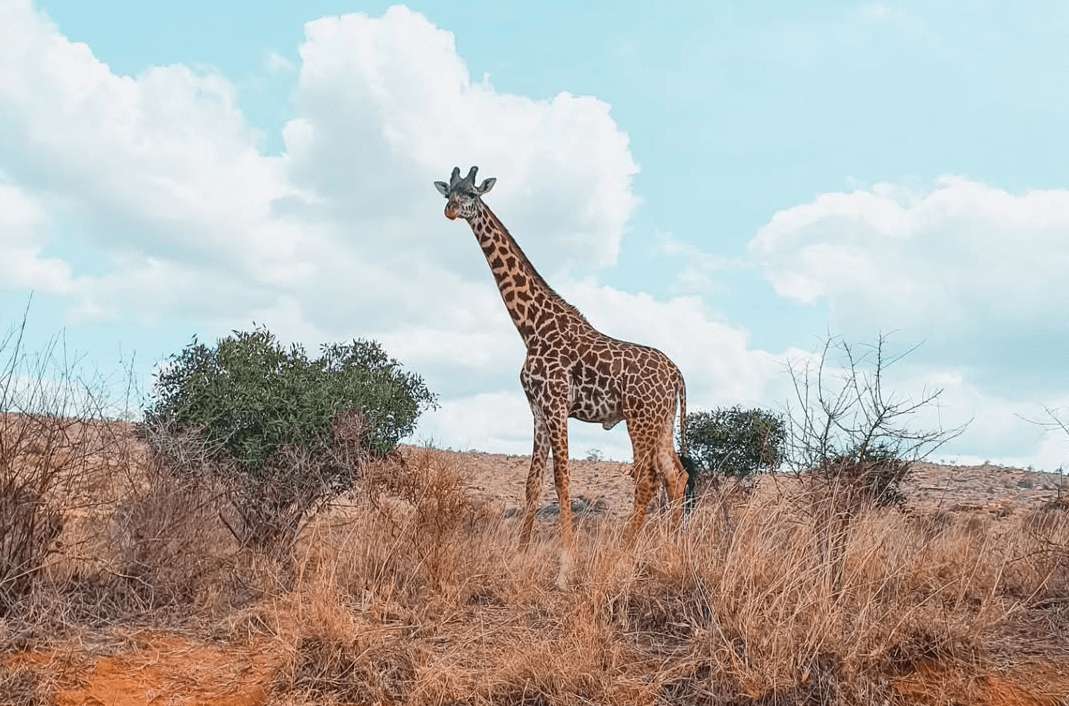
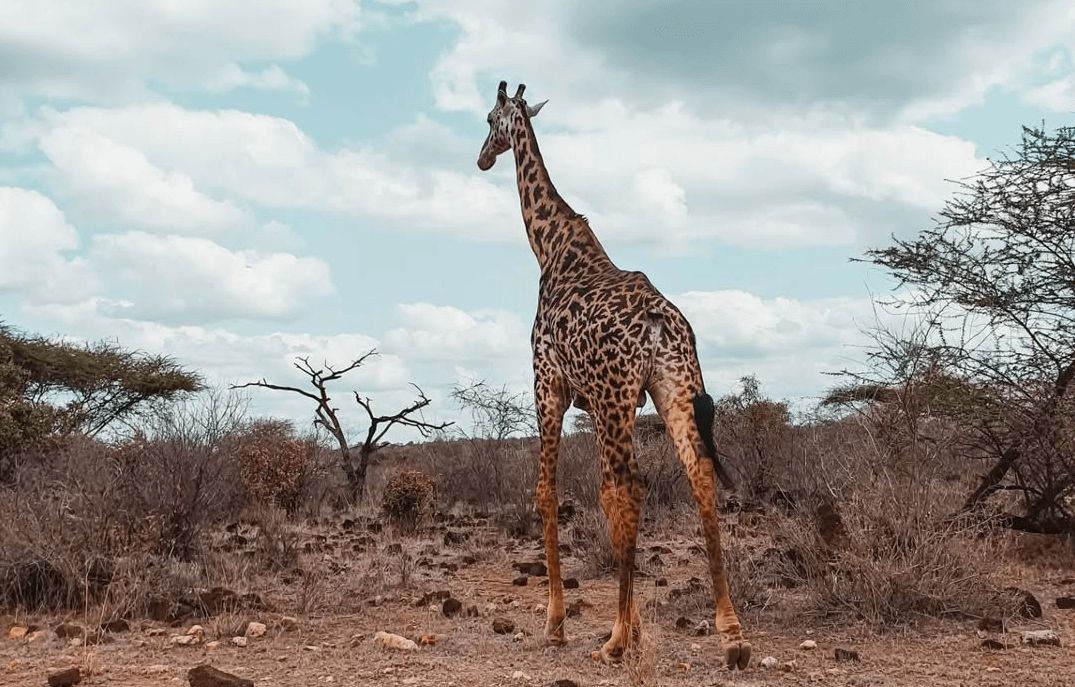
While the dense vegetation can make spotting animals more difficult than in open savanna parks, Tsavo West hosts a significant diversity of species. Many animals here possess unique local characteristics shaped by the environment.
Tsavo West's Iconic Red Elephants
The elephants of the Tsavo region are famous for their distinctive rusty-red appearance. This is not a genetic trait but a result of their regular dust-bathing in the area's iron-rich volcanic soil. The fine red dust protects their skin from the sun and insects. Seeing these richly coloured herds against the green and black of the park's terrain is a memorable sight.
The Elusive Black Rhinoceros of Tsavo West
Tsavo West is a critical conservation area for the Eastern black rhinoceros. The Ngulia Rhino Sanctuary, a fenced and heavily protected 90-square-kilometre section within the park, provides a secure breeding ground for a population of over 80 individuals. While sightings are not guaranteed, a visit to the sanctuary offers one of the most reliable opportunities in Kenya to see this critically endangered species.
Maneless Lions and Other Predators in Tsavo West
The park is known for its population of lions, particularly the males, which historically have had very sparse or non-existent manes. This is believed to be an adaptation to the heat and the dense, thorny scrub they navigate. The park's lion population gained notoriety from the 'Man-Eaters of Tsavo' incident during the building of the Kenya-Uganda railway in 1898. Leopards are also prevalent but highly elusive in the rocky kopjes. Cheetah and African wild dog are present but seen less frequently due to the vast territory they cover.
Aquatic Life at Mzima Springs
Mzima Springs offers consistent viewing of hippopotamus pods and Nile crocodiles. The underwater viewing hide provides a rare perspective of hippos walking along the bottom and large Barbus fish swimming past. This activity does not require a vehicle and offers a different pace to the standard game drive.
Birdwatching on the Ngulia Flyway
The park is a major destination for birdwatchers. The Ngulia Hills, within the park, are situated on a major migratory route for Palaearctic birds flying south. From late October to December, the area experiences a phenomenon known as a 'fall', where thousands of birds stop to rest. The long-running Ngulia Bird Ringing Programme has provided valuable data on species like the Corncrake and Basra Reed Warbler, making it a globally significant ornithological site.
Getting to Tsavo West National Park from Australia
Travel to Tsavo West from Australia involves a long-haul international flight followed by a domestic transfer. Careful planning ensures a smooth journey.
Long-Haul Flights from Australian Cities to Kenya
There are no direct flights from Australia to Kenya. The most efficient routes from major cities like Sydney, Melbourne, or Brisbane involve a single stopover. Common transit hubs include Doha with Qatar Airways and Dubai with Emirates. Total travel time to Nairobi's Jomo Kenyatta International Airport (NBO) is typically between 20 and 24 hours.
Domestic Travel from Nairobi to Tsavo West
From Nairobi, there are three primary methods for reaching Tsavo West, each offering a different balance of speed, cost, and experience.
Transport Method
Departure Point
Travel Time and Notes
Road (4x4 Vehicle)
Nairobi
4-5 hours to Mtito Andei Gate. Standard for most guided safaris.
Scheduled Flight
Wilson Airport (WIL)
Approx. 1 hour flight to Kilaguni or Finch Hattons airstrips.
The primary entry points are strategically located for different travel routes. The Mtito Andei Gate is the main access from the Nairobi-Mombasa highway. The Chyulu Gate is used for access from Amboseli, and the Man Eaters Gate is near the infamous railway bridge site from the colonial era.
When to Visit Tsavo West National Park from Australia
Selecting the right time for your safari is key to maximising wildlife viewing opportunities and favourable weather conditions.
Optimal Wildlife Viewing Seasons in Tsavo West
The best times to visit are during the two dry seasons: the long dry season from June to October and the short dry season from January to February. During these periods, the vegetation is less dense, and animals tend to congregate around permanent water sources like Mzima Springs and the Tsavo River, making them easier to locate.
Coordinating a Tsavo West Safari with Australian School Holidays
The long dry season from June to October aligns well with the winter school holidays in Australia, which are typically in late June and early July. This is a popular time for family safaris. The short dry season in January and February coincides with the latter part of the summer school holidays. Due to high demand during these windows, it is essential to book accommodation and safari arrangements well in advance.
Essential Tips for Australians Travelling to Tsavo West
Careful logistical preparation is necessary for a successful trip from Australia to the Kenyan bush.
Kenya Visa and Vaccination Requirements for Australian Citizens
Australian passport holders require a visa to enter Kenya. The most direct method is to apply for an e-Visa online through the official Government of Kenya portal before departure. A Yellow Fever vaccination certificate may be required for entry. You should consult a registered travel doctor in Australia at least six to eight weeks before your trip for the latest advice on this and other recommended immunisations and malaria prophylaxis.
Budgeting for Tsavo West Park Fees and Costs in AUD
Kenya Wildlife Service (KWS) park fees are priced in US dollars and are payable per 24-hour period. Fees are tiered for adults, children, non-residents, and citizens. Payment at the gate must be cashless, using Visa, MasterCard, or the local M-Pesa mobile money service. When budgeting, Australians should factor in the prevailing AUD to USD exchange rate for park entry, vehicle fees, and any extra activities. It is wise to carry some USD in small denominations for discretionary tipping.
Recommended Safari Length for Tsavo West
Given the long travel time from Australia, a standard Kenya safari itinerary lasts between 10 and 14 days. Within such a trip, a stay of two to three nights in Tsavo West is generally sufficient to experience its key features, including the rhino sanctuary, Mzima Springs, and the volcanic formations, without feeling rushed.
Planning a Safari in Tsavo West National Park
Tsavo West offers a more rugged and geologically focused safari than many other Kenyan parks, with activities that highlight its unique terrain.
Activities in Tsavo West Beyond Game Drives
The park's topography allows for several activities not commonly found elsewhere. These provide a different perspective and a break from being inside a vehicle.
Shetani Lava Flow Walk: A guided walk across the jagged, black volcanic rock.
Cave Exploration: Visiting the Shetani Caves, which are lava tubes formed during the eruption. A torch is essential.
Hill Climbs and Viewpoints: Ascending Poacher's Lookout or the Roaring Rocks for panoramic views across the plains.
Mzima Springs Walk: A short, shaded walking circuit around the main pools with a ranger escort.
How Tsavo West Differs from Other Kenyan Parks
Tsavo West's appeal lies in its raw, varied topography. Unlike the wide-open grasslands of the Maasai Mara, Tsavo West offers a sense of solitude and exploration. The safari experience here is less about counting large numbers of animals and more about appreciating the interplay between the harsh volcanic environment and the wildlife that has adapted to it. The combination of its 'red' elephants, the critical rhino conservation project, and unique geological sites makes it a compelling destination for return visitors to Kenya or those seeking a more diverse itinerary.
Tsavo West National Park at a Glance
This table provides a summary of key information for planning your trip.
Feature
Detail
Location
Taita Taveta County, South-Eastern Kenya
Size
9,065 square kilometres
Key Attractions
Mzima Springs, Shetani Lava Flow, Ngulia Rhino Sanctuary
For optimal travel to Tsavo West National Park, plan your visit during the distinct dry seasons. The primary dry period spans from June to October, offering cooler temperatures, reduced vegetation for easier wildlife spotting, and generally clearer skies.