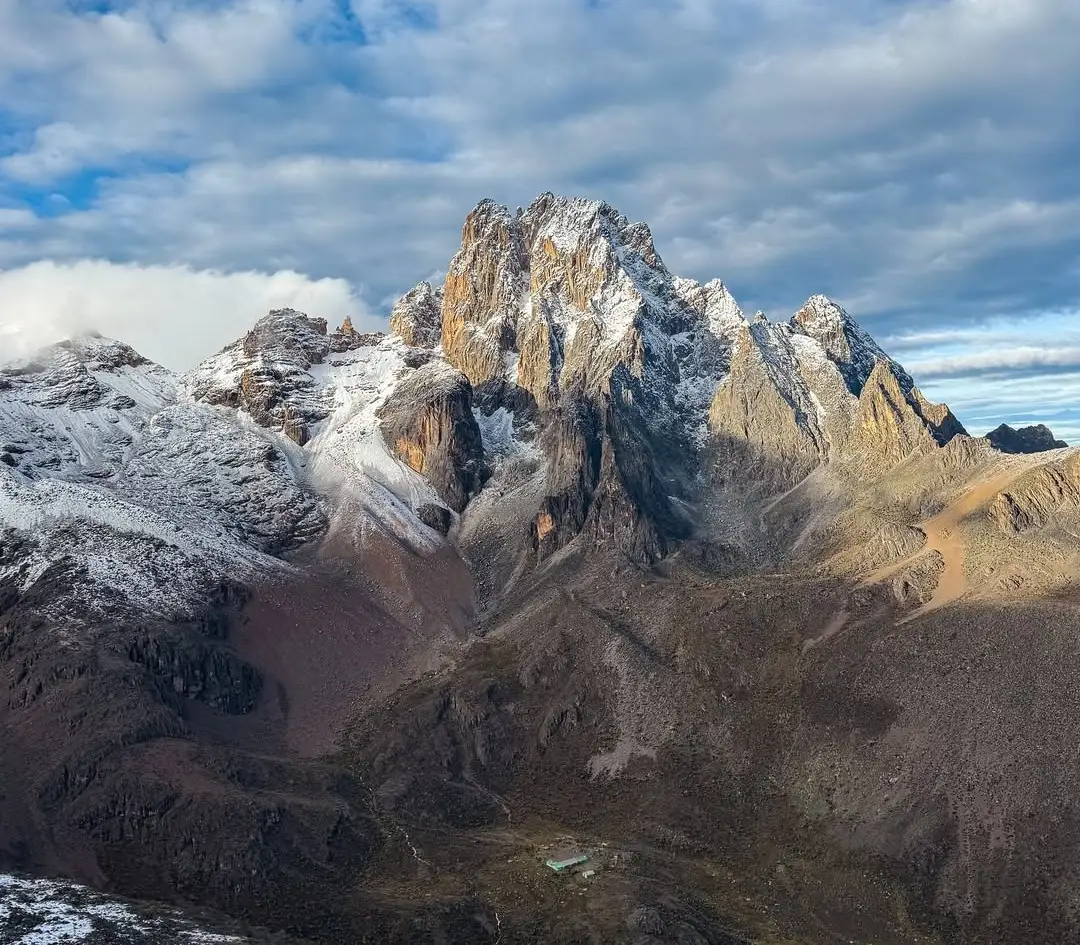
The 5-Day January Mount Kenya Sirimon Trek is a fully-guided high-altitude expedition for experienced Australian hikers. The trek is organised to summit Point Lenana (4,985m) using the Sirimon route for ascent and the Chogoria route for descent. The package includes return transfers from Nairobi, a professional mountain crew, and all park fees. This logistical support covers all on-the-ground requirements for the East African trekking challenge.
What Does the 5-Day Mount Kenya Sirimon Trek Involve?
This expedition is a serious mountain challenge for fit, experienced trekkers. The route's design supports successful acclimatisation with a gradual ascent and provides a scenic descent. This combination offers a complete experience of Mount Kenya's ecosystems.
The 'challenging' difficulty rating reflects the effects of high altitude, steep terrain, and a pre-dawn summit day. The trek requires significant physical stamina and mental resolve. This package is a strenuous physical undertaking, not a casual walk.
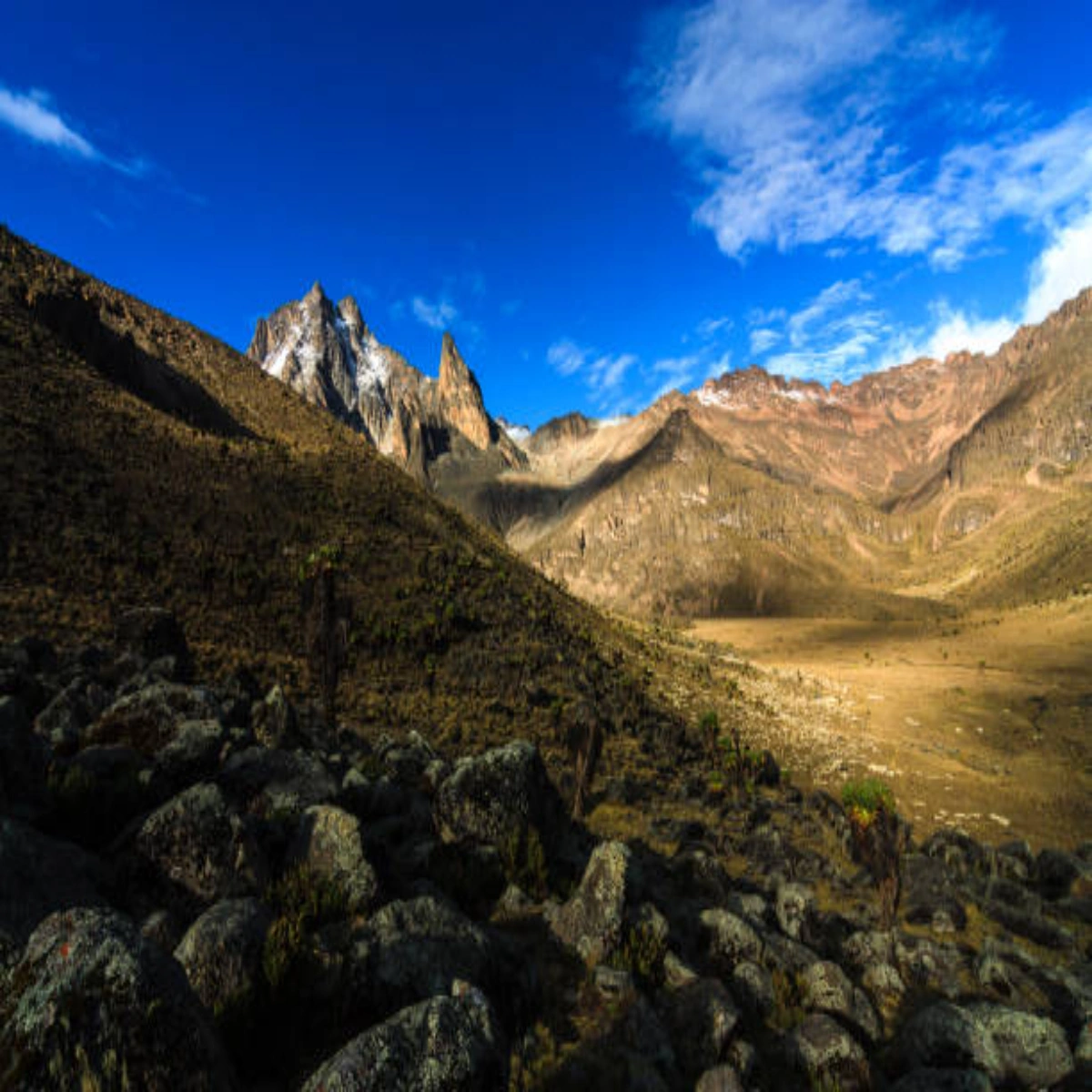
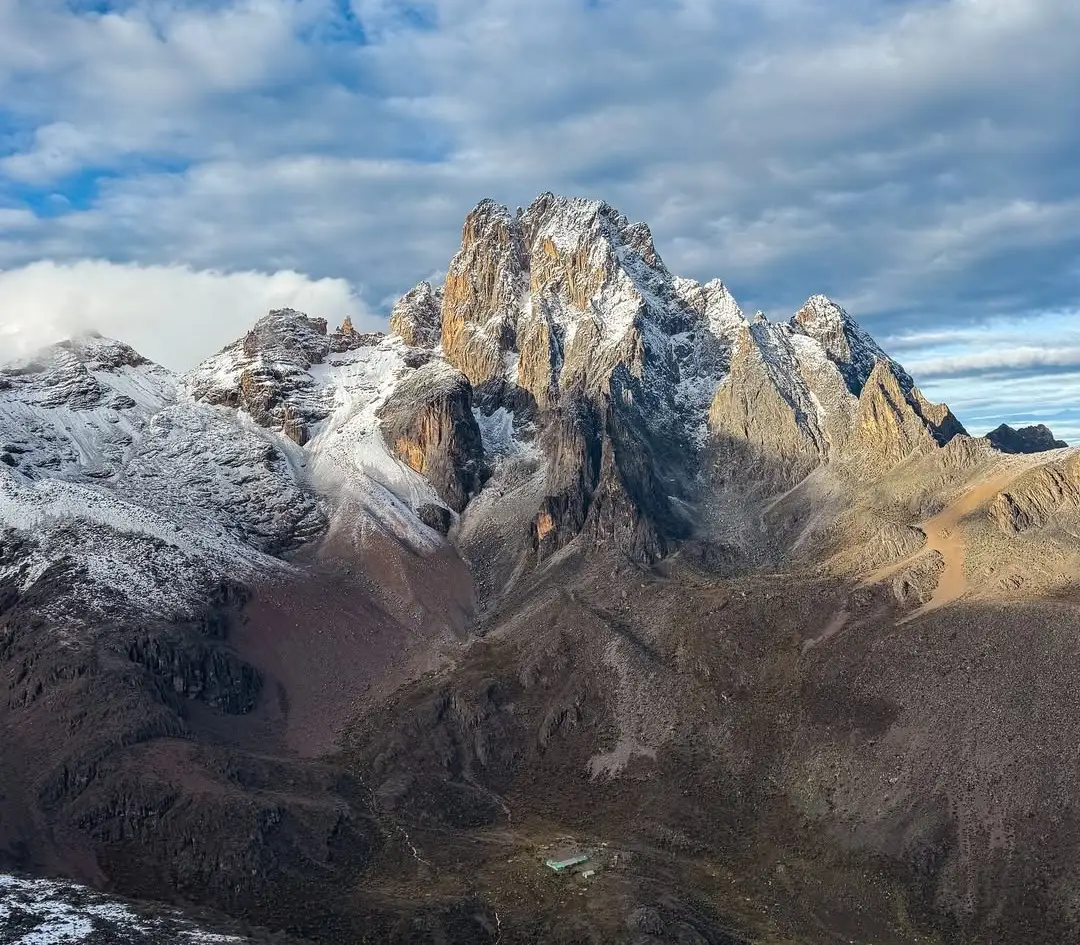
The route traverses distinct vegetation zones, including montane forest, bamboo, and high-altitude heathlands with giant groundsel and lobelia. The scenery changes continuously, ending in the rocky, glacial environment near the summit. Trekkers walk with a daypack while porters carry the main luggage, which ensures trekkers can concentrate on the physical demands of the walk.
How Does the Sirimon and Chogoria Route Combination Work?
The ascent follows the Sirimon route from the northwest, which is favoured for its steady and gradual climb. A gradual ascent is a key factor for successful high-altitude acclimatisation. The Sirimon route is also the driest approach, offering a more sheltered path through the Mackinder Valley. This route provides the body with an effective schedule to adjust before the summit attempt.
The descent uses the Chogoria route on the eastern side of the mountain. The Chogoria route passes the Gorges Valley and offers views of tarns, waterfalls, and the main peaks' cliffs. The different scenery on the descent provides a memorable final two days on the mountain, making the journey down a distinct highlight of the trek.
What are the Main Challenges of This Mount Kenya Trek?
The main challenge of the trek is the altitude. Point Lenana, at 4,985 metres, is significantly higher than any point in Australia, and the effects of reduced oxygen are considerable. The 5-day itinerary is designed to manage this risk.
The schedule incorporates the 'climb high, sleep low' principle for acclimatisation. Trekkers spend nights at progressively higher camps, Old Moses (3,300m) and Shipton's Camp (4,200m), before the summit. This gradual exposure helps reduce the risk of Acute Mountain Sickness (AMS).
The summit day is the most demanding part of the trek. The day involves a pre-dawn start to reach the peak for sunrise, followed by a long descent. A high level of cardiovascular fitness is necessary to manage long hours on difficult terrain.
Is January a Good Time to Trek Mount Kenya?
January is one of the best months for trekking Mount Kenya because it falls within a main dry season. Conditions typically include clear, sunny days and good visibility for mountain views. The paths are generally drier and less slippery, creating safer walking conditions.
Mountain weather is always unpredictable. January, however, offers the highest probability of a stable weather window for a summit attempt. This timing increases the chances of a successful and enjoyable trek.
The January timing aligns with the Australian summer school holidays. The schedule makes the trek a feasible option for teachers, academics, or families with older, experienced teenage hikers. A January trek allows sufficient time for travel and acclimatisation without conflicting with Australian work or school commitments.
How Cold is Mount Kenya in January?
January's 'dry season' label does not mean the weather is warm, and underestimating the cold is a common mistake. The equatorial sun is strong during the day, but high-altitude temperatures drop below freezing after sunset. The distinction between a dry season and a warm one is important for correct preparation.
Trekkers should expect summit morning temperatures between -5°C and -10°C. Wind chill at 5,000 metres can make the perceived temperature much lower. This cold requires specific gear for safety and comfort.
Proper thermal layering is mandatory. An insulated outer jacket, warm beanie, gloves, and a four-season sleeping bag are non-negotiable items. A light fleece and rain jacket are insufficient for these alpine conditions.
Preparing for Your Mount Kenya Trek from Australia
Successful preparation for the Mount Kenya trek involves two main components: physical fitness and correct gear. Travellers from Australia should complete their preparation before departure. Arriving in Kenya fit and with the right equipment is the goal of this preparation.
A pre-trek medical check-up with a GP is recommended to discuss high-altitude travel. Travellers should also confirm their travel insurance policy provides specific coverage for trekking up to 5,000 metres. These checks are a standard part of trek preparation.
Essential Gear for Mount Kenya's Alpine Conditions
Packing the correct equipment is a mandatory part of preparation. Some items can be hired in Nairobi, but arriving with familiar gear, especially broken-in footwear, is the recommended approach. All clothing should be based on a layering system for temperature regulation.
- Footwear: Waterproof hiking boots with ankle support, already broken in. Include comfortable shoes for evenings at camp.
- Clothing Layers: Thermal base layers (merino or synthetic), fleece mid-layers, and a waterproof/windproof outer shell jacket and trousers. A down or synthetic insulated jacket is required.
- Head and Hands: An insulated beanie, a sun hat, and a neck gaiter. Insulated gloves and a lighter pair of liner gloves are also necessary.
- Sleeping: A four-season sleeping bag rated to at least -10°C. A sleeping bag liner provides additional warmth.
- Personal Items: A headlamp with spare batteries, high UV-protection sunglasses, water bladder or bottles (3-litre capacity), SPF 50+ sunscreen, and a personal first-aid kit.
Fitness Guidelines for Australian Hikers
Fitness preparation must focus on cardiovascular endurance and leg strength. A consistent training programme of hiking, running, or cycling is recommended in the months before your trip. Completing several long day-hikes on hilly terrain helps simulate trek conditions.
Training should include stair climbing or hill repeats to build muscles for ascents and descents. Arriving with a high level of fitness allows the body to focus on acclimatisation instead of exertion. This fitness base improves safety and enjoyment on the mountain.
On the trek, acclimatisation depends on three factors. Trekkers must maintain a slow, steady pace ("pole pole" in Swahili), drink at least three litres of water daily, and report any symptoms of illness to their guide immediately. These actions are the most effective way to manage altitude.
Planning Your Journey to Mount Kenya from Australia
Planning the journey from Australia to Kenya involves two main steps: booking international flights and securing a Kenyan Electronic Travel Authorisation (eTA). Organising these items in advance is a required part of the process. The long-haul flight is the most significant part of the travel arrangements.
Booking flights and applying for the eTA should be completed at least three months before departure. This timeframe is particularly important for travel during the peak January season. Early booking helps secure availability and better pricing.
Flights to Nairobi from Major Australian Cities
No direct flights operate from Australia to Nairobi's Jomo Kenyatta International Airport (NBO). Flights from Sydney (SYD), Melbourne (MEL), or Brisbane (BNE) require at least one connection. Common transit hubs are Dubai (DXB) with Emirates, Doha (DOH) with Qatar Airways, and Abu Dhabi (AUH) with Etihad.
The total travel time from Australia to Kenya, including layovers, is usually between 20 and 30 hours. Booking a single ticket with one airline or its partners protects flight connections. This is the recommended booking method for long-haul travel.
Kenya eTA Requirements for Australian Travellers
Australian passport holders need an Electronic Travel Authorisation (eTA) to enter Kenya. The eTA system replaces the previous e-visa system. Applications must be made online via the official Government of Kenya portal before departure.
The eTA application requires a valid passport, a recent photograph, flight confirmation, and accommodation details for Kenya. Accommodation details are provided upon booking confirmation. The standard processing time is several days.
Applying at least two weeks in advance is strongly recommended to prevent delays. A printed copy of the approved eTA must be presented to immigration officials upon arrival in Nairobi. This document is a mandatory entry requirement.
What is Included in This Mount Kenya Trek Package?
The package provides a complete ground solution covering all logistical and safety components in Kenya. The trek's mountain operations are professionally managed. This structure allows trekkers to concentrate on their physical preparation and the climb.
| Inclusions |
Exclusions |
| Professional mountain guides and porters |
International flights from/to Australia |
| All Mount Kenya National Park fees |
Kenya eTA (Electronic Travel Authorisation) fee |
| Mountain camp or hut accommodation (4 nights) |
Personal hiking gear and clothing |
| All meals during the trek |
Four-season sleeping bag (can be hired) |
| Return transport from Nairobi to mountain gate |
Tips for the mountain crew |
| Purified drinking water on the trek |
Comprehensive travel insurance (mandatory) |
Understanding the Mount Kenya Trek Cost and Booking Process
The base price for the 5-day trek is USD 1150.00 per person. The price covers all inclusions in the table and represents the full on-the-ground cost from Nairobi. The use of USD is standard practice for tourism services throughout Kenya.
Booking several months in advance is recommended to secure a place, especially for the popular January season. The booking process starts with a request submitted via the secure online form. Availability is then confirmed, followed by instructions for a deposit payment to formalise the reservation.
A budget for tips for the mountain crew (guides, cook, porters) should also be considered. Tipping is a customary and important part of their income. A guideline for tipping amounts is provided in the pre-departure information documents.
[Request a quote for this Mount Kenya trek]
Health and Safety for High-Altitude Mount Kenya Treks
Comprehensive travel insurance is a mandatory requirement for this trek. The policy must specifically cover medical evacuation and trekking to an altitude of 5,000 metres. Travellers are responsible for verifying their policy details before departure.
A consultation with a GP or travel doctor is advised before travelling. The consultation should cover recommended vaccinations for Kenya and the use of altitude sickness medication like Diamox (Acetazolamide). Referring to the Australian government's Smartraveller website provides current travel advice.
The mountain guides are trained in wilderness first aid and experienced in monitoring for signs of altitude sickness. All guides carry communication devices for emergencies. Following the guide's advice on pacing, hydration, and nutrition is the most effective safety protocol during the trek.
How to Secure Your Place on this Mount Kenya Trek
The 5-Day January Mount Kenya Sirimon Trek is a specialised itinerary with limited availability. Availability is constrained by mountain accommodation and guide allocation. The first step to secure a place is to proceed to the booking page.
The booking page allows submission of preferred travel dates and group details. The operations team then confirms the arrangements and provides instructions to finalise the booking. This process secures a place on the Kenyan high-altitude trek.
[Book your Mount Kenya trek now]
How to Customise Your Mount Kenya Trek Itinerary
The 5-day Sirimon-Chogoria route can be customised to meet different traveller requirements. Options include adding extra days for acclimatisation or exploring alternative routes. A custom itinerary can also combine the trek with other Kenyan experiences.
Popular combinations include a wildlife safari in the Maasai Mara or a beach stay on the Kenyan coast. To request a custom itinerary, contact the planning team with specific interests, group size, and travel dates. A personalised Kenyan tour can be designed to match these requirements.
[Plan your custom Kenya safari]



.webp)
.webp)
.webp)
.webp)

.webp)
.webp)
.webp)
.webp)

.webp)
.webp)
.webp)
.webp)