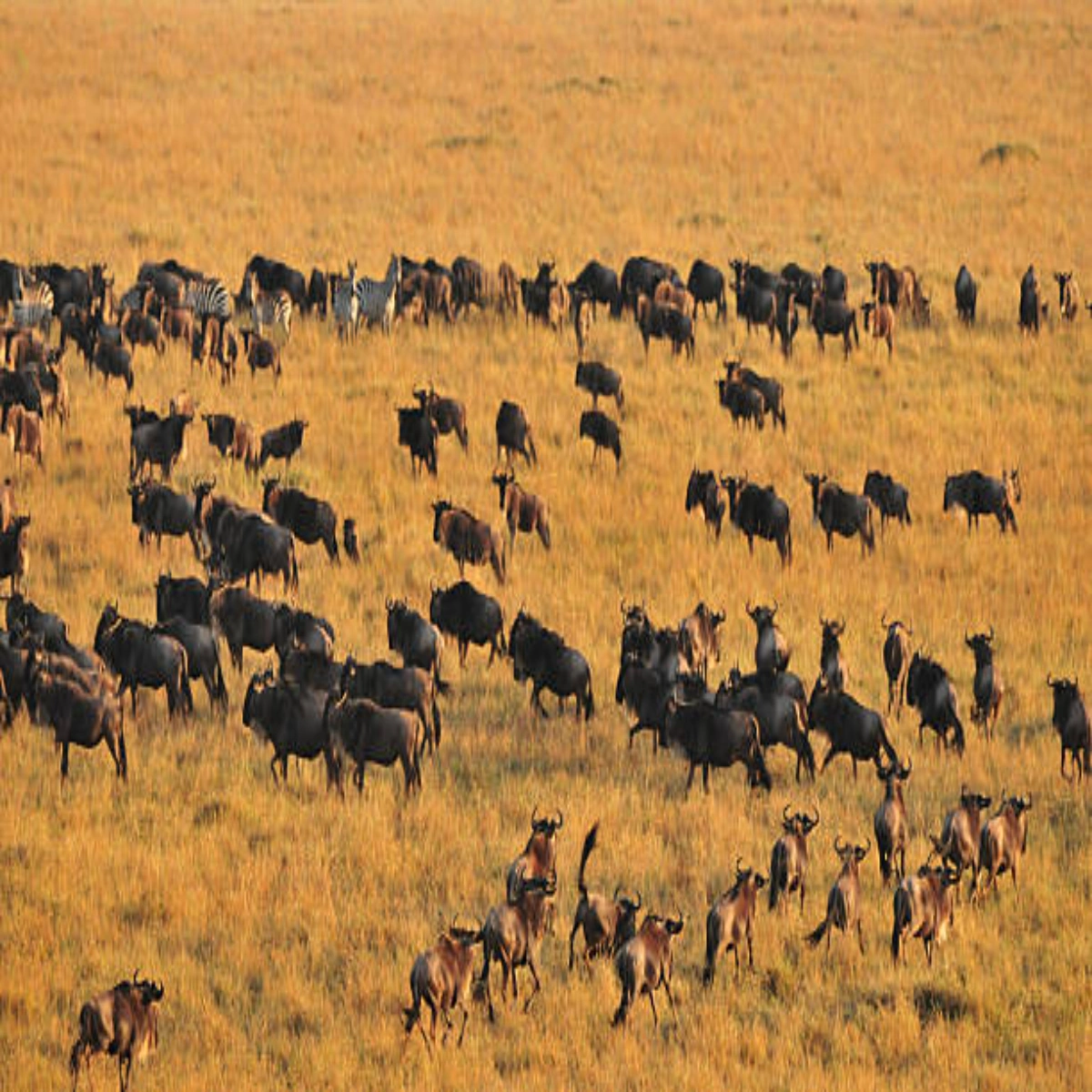
The 8-Day September Great Migration Photo Safari is a specialised, expert-led 7-night itinerary for Australian travellers. This safari focuses on capturing high-quality wildlife photography within Kenya's Masai Mara National Reserve and its exclusive adjoining private conservancies. The journey is designed for serious amateur photographers and is structured around unhurried game drives, strategic vehicle positioning for the best light, and the use of private 4x4 safari vehicles with ample space for camera gear.
Main photography subjects in September for the Great Migration Safari
September in the Masai Mara offers a distinct set of subjects for wildlife photographers. The primary focus shifts from the river crossings of July and August to the vast herds on the plains and the intense predator activity that follows them.
Wildebeest Herds and Landscapes
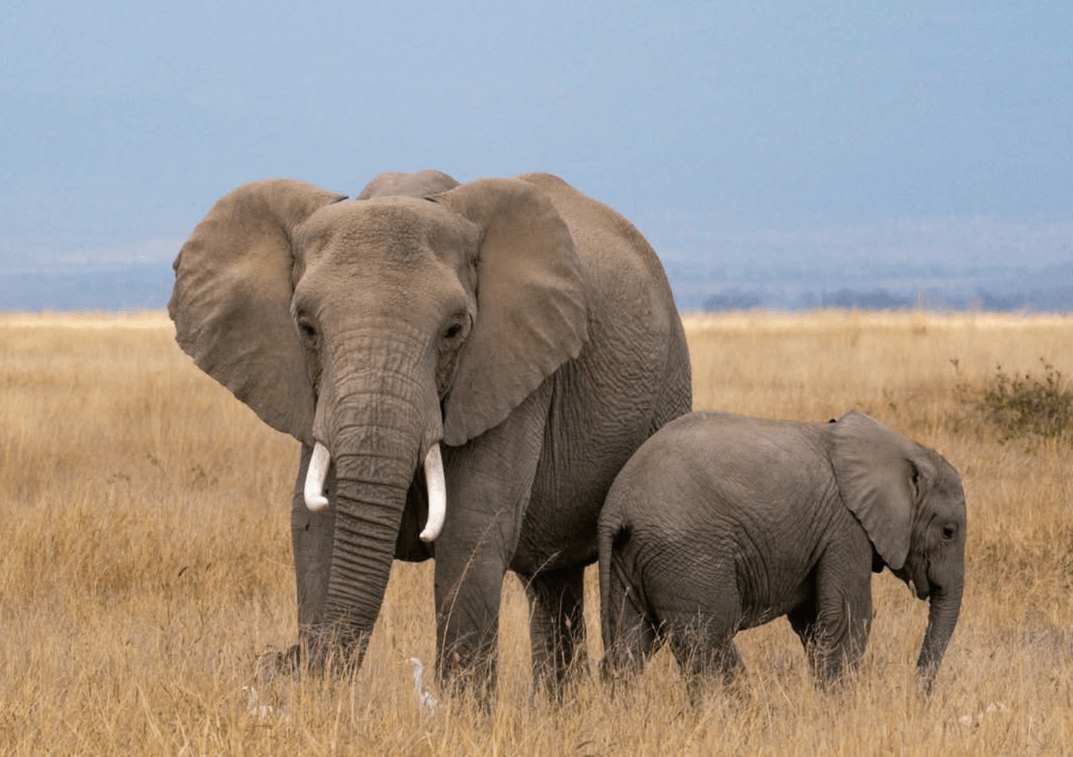
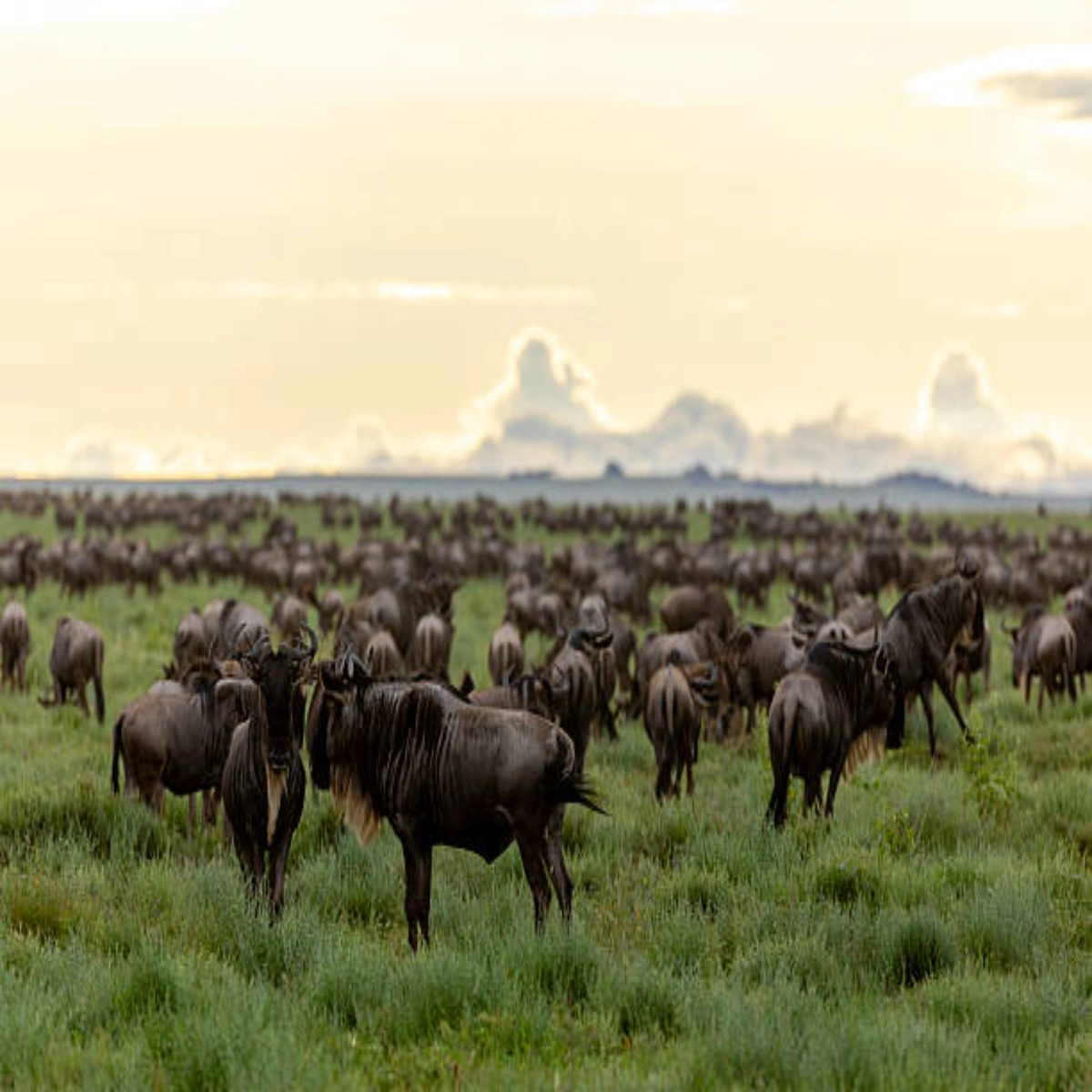
Photography during September concentrates on the enormous wildebeest and zebra herds spread across the northern plains. This timing provides opportunities to capture the immense scale of the migration within the savannah environment. The sheer number of animals against the wide-open landscape is a principal photographic subject for this period.
Predator Action
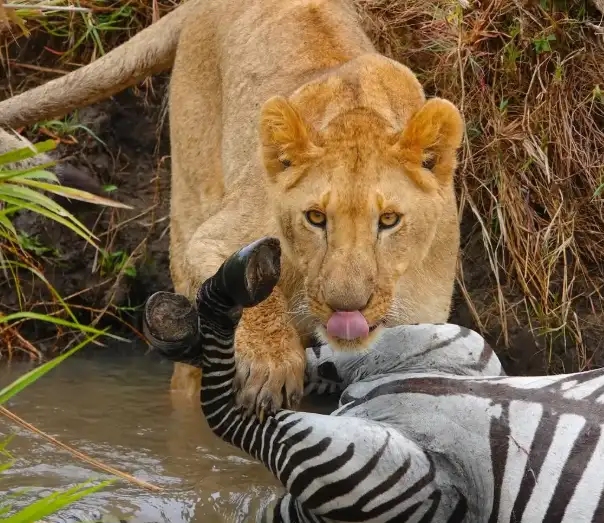
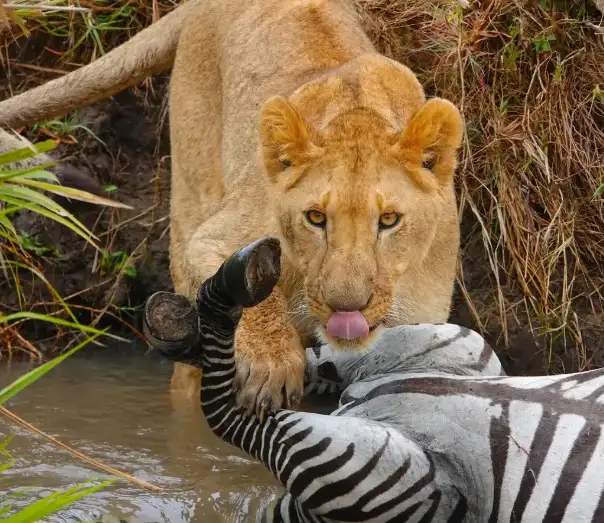
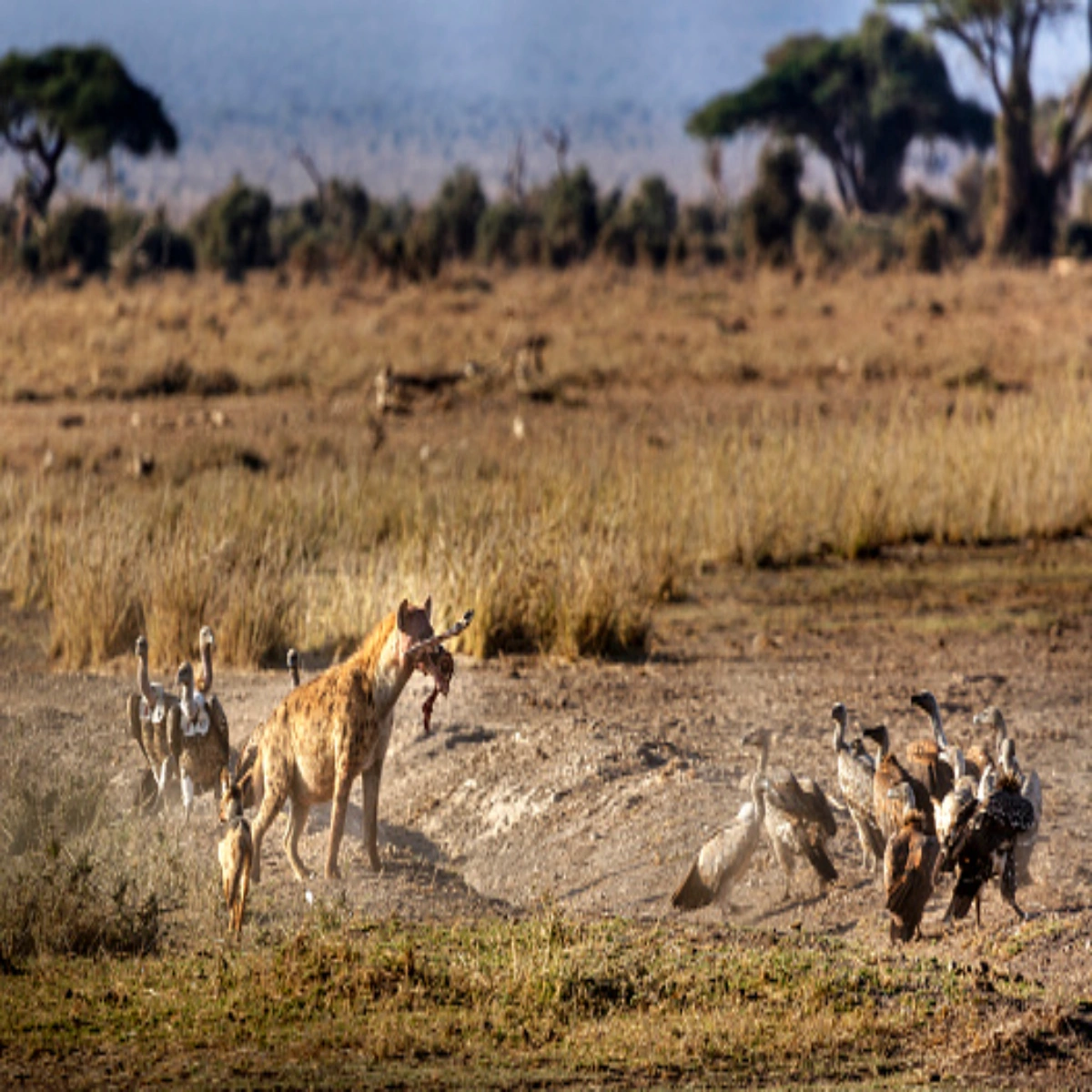
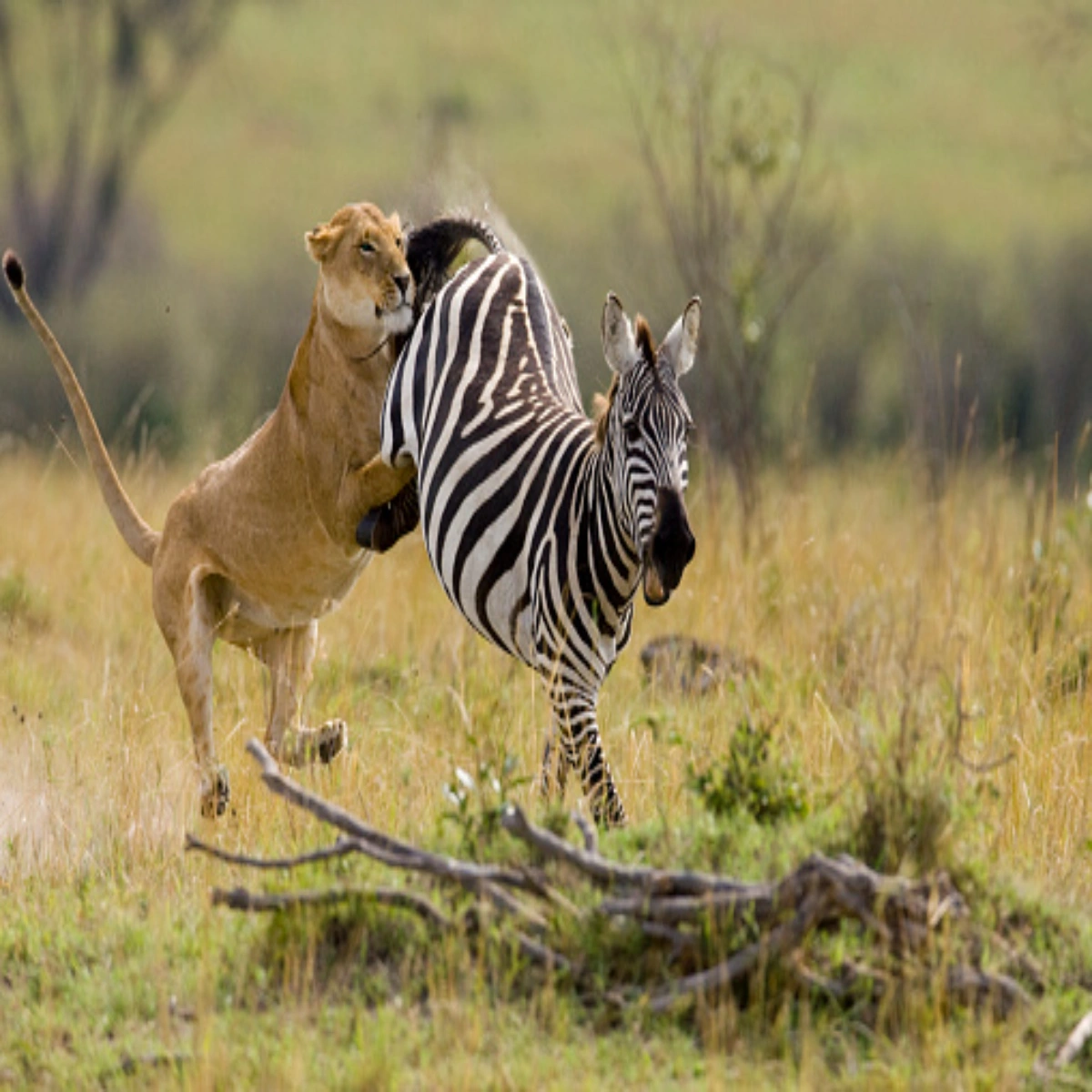
Intense predator activity defines this part of the migration season. Lions, leopards, cheetahs, and hyenas hunt actively among the concentrated herds of prey. Your photography guide anticipates these interactions to position the vehicle for clear shots of stalking, hunts, and kills.
Golden Hour Light
The quality of light in September is a key photographic element. Dust from the dry season catches and diffuses the low sun during the morning and evening golden hours. This effect creates soft, warm light and dramatic silhouettes, which are ideal for atmospheric wildlife images.
How this safari uses both the Masai Mara Reserve and Private Conservancies
This safari itinerary provides photographic access to two connected environments: the Masai Mara National Reserve and its bordering private conservancies. The main Reserve offers the classic, wide-open landscapes required to capture the enormous scale of the Great Migration herds. The private conservancies deliver a more exclusive and productive photography setting, where off-road driving is permitted and vehicle numbers are strictly limited.
Advantage of an expert photography guide
A specialist photography guide adds artistic and technical expertise to standard wildlife guiding. The guide's primary objective is to help you create a high-quality photograph. This process involves understanding light, anticipating animal behaviour, and positioning the vehicle for clean backgrounds and strong composition. The guide thinks in photographic terms, seeking subjects in good light and advising on camera settings for difficult shots, such as fast action or low-light scenes. This dedicated guidance is designed for amateur photographers wanting to improve their technical skills.
How Australian travellers get to Kenya for the Great Migration Photo Safari
Australian travellers should book long-haul flights to Kenya well in advance for September dates, as this period can coincide with Australian school holidays. All Australian citizens must apply for and receive an approved Kenya Electronic Travel Authorisation (eTA) online before departure. Most flights from major Australian cities to Nairobi's Jomo Kenyatta International Airport (NBO) require one stop.
| Departure City |
Common Layover Hubs |
Typical Total Travel Time |
| Sydney (SYD) |
Doha (DOH), Dubai (DXB) |
20-24 hours |
| Melbourne (MEL) |
Doha (DOH), Dubai (DXB) |
20-24 hours |
| Brisbane (BNE) |
Doha (DOH), Dubai (DXB) |
21-25 hours |
Recommended photography skills and equipment
This photography safari suits serious amateur photographers comfortable with their camera's manual settings like aperture, shutter speed, and ISO. A working knowledge of your equipment is necessary to benefit from the photographic opportunities. The following equipment list provides a guide for what to bring.
- Camera Body: A DSLR or mirrorless camera that performs well in lower light with a fast frame rate is recommended. A second body serves as a backup and avoids lens changes in dusty conditions.
- Telephoto Lens: A lens in the 100-400mm or 200-500mm range covers most wildlife situations. A prime lens of 400mm or longer is also an excellent option.
- Wide/Mid-Range Lens: A 24-70mm or 16-35mm lens is used for capturing Mara landscapes, skies, and camp scenes.
- Accessories: Pack plenty of spare batteries and high-capacity memory cards. A dust blower, lens cloths, and a protective cover for your gear are also useful. Bean bags for lens stability are provided in the vehicles.
What is the photographic difference between private conservancies and the main reserve?
Private conservancies offer significant photographic advantages over the main public reserve. The key differences relate to off-road driving access and lower vehicle density at sightings.
Off-Road Driving Access
The main photographic advantage of a private conservancy is the ability to drive off-road. Off-road driving permits your guide to position the vehicle for the best light and background. The main Masai Mara National Reserve restricts all vehicles to designated tracks.
Lower Vehicle Density
Private conservancies enforce strict limits on vehicle numbers at wildlife sightings, typically allowing only three to five vehicles. The lower density prevents crowding and provides unobstructed views. This uncrowded environment allows photographers the patience to wait for specific animal behaviours to unfold without pressure from other safari groups.
How is the accommodation suited to wildlife photographers?
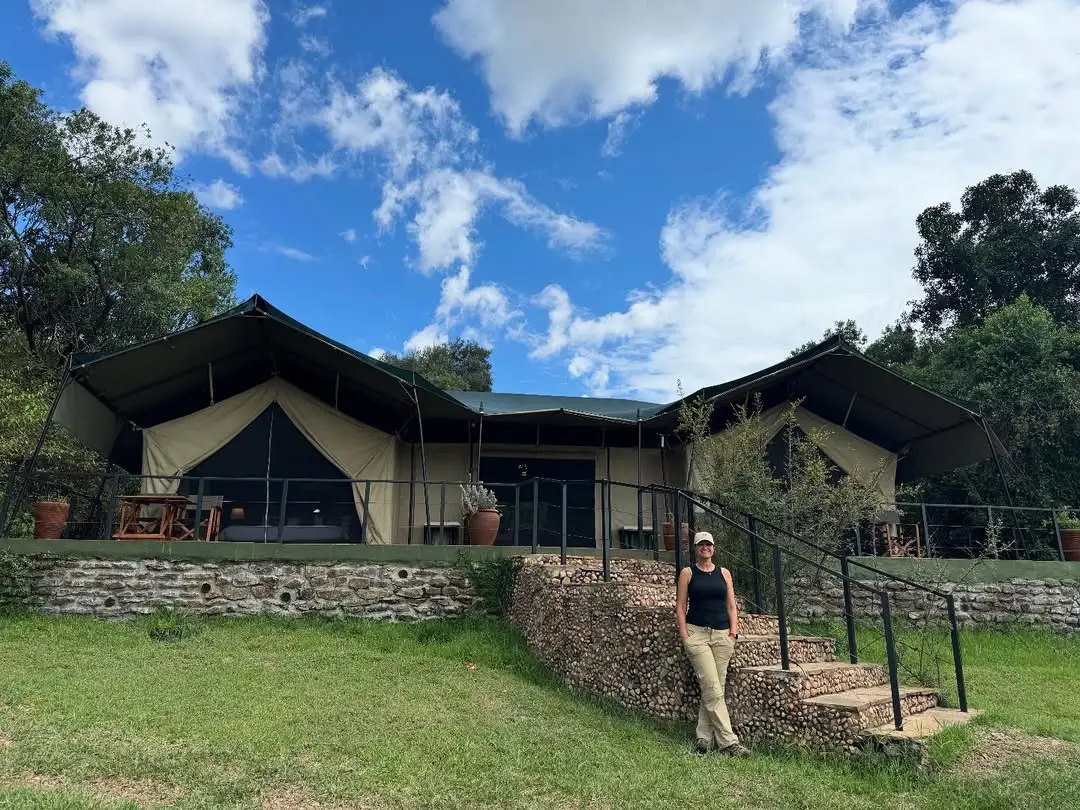
This safari uses luxury tented camps, such as Kicheche Mara Camp, situated inside the private conservancies. The location provides immediate access to wildlife during the best morning and evening light. This strategic placement eliminates long transit drives from accommodation located outside the main wildlife areas. The selected camps also provide reliable facilities for charging camera batteries and other electronic devices, giving you a secure base to review images and prepare equipment.
Why does this safari itinerary focus only on the Masai Mara?
The 8-day itinerary is based entirely within the Masai Mara ecosystem to prioritise time spent on photography. Staying in one location for seven nights eliminates unproductive travel days between different national parks. This unhurried pace allows for long, full-day game drives with extended time at sightings, giving photographers the patience needed to wait for ideal light or specific animal behaviours. The safari uses a private 4x4 vehicle with sufficient space, and the shared group objective ensures a dedicated photographic focus.
How to secure your September photography safari
September is a peak travel season in the Masai Mara, and this specialist safari has limited places available. Australian travellers should book well in advance to secure a position, particularly if travelling during school holidays. To begin the booking process for this itinerary, please use the secure booking form on the tour page. [Secure Your September Photography Safari]
How to customise this photography safari from Australia
This 8-day itinerary can be customised to meet specific photographic goals. Travellers can request to extend their stay, focus on a particular species, or combine the Masai Mara with other Kenyan destinations like Amboseli or Samburu. A modified or completely bespoke photography safari can be organised. To request a custom itinerary, please visit our 'Plan Your Safari' page to submit an enquiry with your specific interests. [Plan Your Custom Kenya Safari]



.webp)
.webp)
.webp)
.webp)
.webp)
.webp)