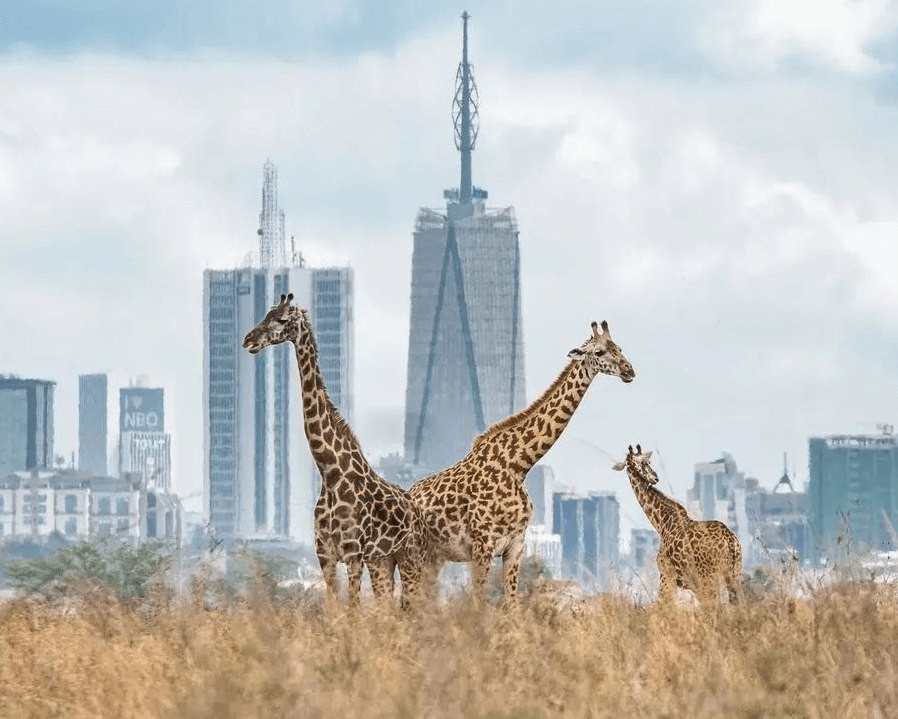
Kenya stands as a premier East African safari destination, defined by its vast and protected conservation areas. Nairobi National Park, established in 1946, offers an immediate and authentic wildlife encounter directly adjacent to the country's dynamic capital city, providing a distinct urban safari context.
Overview
Name
Nairobi National Park
Type
National Park
Town
Nairobi
County
Nairobi
Country
Kenya
Geography and Location of Nairobi National Park
The unique character of Nairobi National Park is shaped by its immediate proximity to a major metropolitan area and the diverse habitats contained within its compact boundaries. This section details its specific location relative to the city, the variety of its ecosystems, and the official entry points used for safari access.
Urban Proximity and Park Boundaries
Nairobi National Park is situated approximately 7 kilometres south of Nairobi's central business district. Its northern boundary runs parallel to major city infrastructure, creating the unique visual of wildlife against a backdrop of city skyscrapers. Fencing along the northern, eastern, and western boundaries separates the park's wildlife from the city. The southern boundary remains open, which allows for the traditional migration of animals within the wider Athi-Kapiti ecosystem.
Nairobi National Park's Diverse Ecosystems
The park's relatively small area of 117 square kilometres contains a remarkable variety of habitats. Its primary ecosystems include open savannah grasslands that dominate the plains and areas of acacia bush. A significant portion of Dry Highland Forest remains in the western uplands of the park. Riverine forests line the permanent Mbagathi River along the southern boundary, providing crucial habitat for species like hippos and various birds. This combination of environments supports a high density of wildlife.
Key Entry Gates for Nairobi National Park
Access for safari vehicles is managed through several key points. The main entrance is the Kenya Wildlife Service (KWS) Headquarters Gate on Lang'ata Road, the most commonly used access point for visitors coming from the city centre and nearby suburbs like Karen. The East Gate is another primary entry point, particularly useful for travellers arriving from Jomo Kenyatta International Airport (JKIA) via the Southern Bypass. Other gates exist but are less frequently used for standard tourist game drives.
Wildlife and What to See in Nairobi National Park
Despite its size and urban setting, the park supports a dense and surprisingly diverse animal population. It is one of Kenya's most successful rhinoceros sanctuaries and provides reliable sightings of big cats and numerous herbivore species. The absence of elephants has allowed the vegetation to flourish, creating ideal conditions for a high volume of browsers.
Encountering Nairobi National Park's Rhinos
The park is a major sanctuary for the rhinoceros and is often referred to as the 'Kifaru Ark'. It maintains one of the highest densities of Eastern black rhinos in Kenya, making sightings highly probable. Southern white rhinos are also present and frequently seen grazing on the open plains. The park's intensive anti-poaching and monitoring programmes have made it a critical breeding ground for these endangered species.
Lions and Other Predators of Nairobi National Park
A healthy population of lions resides within the park. These lions are generally well-habituated to safari vehicles, allowing for good observation opportunities. Other key predators include leopards, which are more elusive and typically found in the forested and riverine areas. Spotted hyenas and cheetahs are also part of the predator composition, though cheetah sightings are less common than in other reserves like the Maasai Mara.
Maasai Giraffes and Other Grazing Animals
Maasai giraffes are a common and prominent feature, often seen browsing on acacia trees. The park supports a substantial number of herbivores. Large herds of buffalo, Coke’s hartebeest, eland, and blue wildebeest populate the grasslands. Other common sightings include zebra, impala, and waterbuck. Hippos are concentrated in the Mbagathi River's pools. The park does not contain elephants, and this absence has allowed denser vegetation to thrive, which in turn supports a high volume of browsing animals.
Exceptional Birdwatching in Nairobi National Park
With a checklist of over 500 recorded bird species, Nairobi National Park is a designated Important Bird Area (IBA). The variety of habitats contributes to this high avian diversity.
Grassland Species: Secretary Bird, Kori Bustard, Maasai Ostrich.
Forest and Riverine Species: African Finfoot, various kingfishers and sunbirds.
Birds of Prey: Martial Eagle, Tawny Eagle, Augur Buzzard.
Migrants: From November to April, the park hosts numerous Palaearctic migrants, adding to the resident bird population.
Access and Getting There for Nairobi National Park
The park's location on the fringe of the capital makes it one of the most accessible major wildlife areas in Africa. Its proximity to both the international and domestic airports allows for convenient safari experiences for travellers on tight schedules or those with transit days in Nairobi.
Getting to Nairobi National Park from the City Centre
Travel from Nairobi's CBD to the park's main gate on Lang'ata Road typically takes 25 to 45 minutes by private vehicle or taxi. During peak traffic hours, this journey can extend to over 90 minutes, a factor that requires careful planning. Ride-hailing services like Uber and Bolt are readily available and provide a reliable means of transport. Public matatus (route 125 or 126) run along Lang'ata Road, dropping passengers near the main gate.
Convenient Access from Jomo Kenyatta International Airport JKIA
Nairobi National Park is exceptionally convenient for travellers with layovers or those starting a safari immediately upon arrival. Using the Nairobi Southern Bypass, the journey from JKIA to the park's East Gate is a direct 15 to 20-minute drive that avoids most of the city's traffic congestion. This access makes a half-day safari feasible between international flights.
Quick Transfers from Wilson Airport to Nairobi National Park
Wilson Airport (WIL), the primary hub for domestic safari flights, is located directly adjacent to the park. The transfer from the airport terminal to the KWS Main Gate on Lang'ata Road can be accomplished in under five minutes. This makes it the most accessible entry point for those connecting to or from other Kenyan parks.
Best Time to Visit Nairobi National Park
Planning a visit to Nairobi National Park requires consideration of weather patterns, which directly influence wildlife behaviour and viewing conditions. The timing of your trip can also affect crowd levels, particularly for travellers who prefer to avoid peak periods.
Dry Seasons for Prime Wildlife Sightings
The best periods for observing wildlife are during the two dry seasons. The long dry season runs from June to October and the shorter one from January to February. During these months, the vegetation is less dense, and animals tend to congregate around the remaining water sources like the Mbagathi River and various man-made dams, making them easier to locate. Game drives in the early morning are generally most productive for predator activity.
Peak Seasons for Avian Diversity
While resident bird species can be seen year-round, the prime birdwatching season is from November to April. This period coincides with the arrival of migratory species from Europe and Asia, significantly increasing the number and variety of birds present in the park. The rains during this time also trigger breeding behaviour in many resident species.
Planning Around Australian School Holidays and Local Crowds
The main Australian school holiday periods of June to July and December to January align well with Kenya's dry seasons, offering excellent viewing conditions. The park is a popular destination for Nairobi residents, particularly on weekends and public holidays. To avoid the largest crowds, planning a visit on a weekday is advisable. Mid-morning and early afternoon are typically less busy than the first hours after opening and the late afternoon.
Practical Tips for Australian Travellers to Nairobi National Park
A safari in Kenya requires careful preparation, particularly for long-haul travellers from Australia. Key considerations include entry requirements, health precautions, travel logistics, and budgeting for the on-ground experience in Nairobi.
Essential Visa and Vaccinations for Kenya Safaris
Australian passport holders require an electronic visa (e-Visa) to enter Kenya. This must be obtained online in advance of travel as visas are not issued on arrival. A Yellow Fever vaccination certificate is mandatory for entry into Kenya. It is critical to consult a GP or a travel medicine clinic at least 6 to 8 weeks prior to departure for advice on other recommended vaccinations, such as Hepatitis A and Typhoid, and for malaria prophylaxis.
Long-Haul Travel from Australia to Nairobi
Flights from major Australian cities like Sydney, Melbourne, or Brisbane to Nairobi's Jomo Kenyatta International Airport (JKIA) are long-haul journeys. They involve at least one stopover, commonly in Middle Eastern hubs such as Doha or Dubai. Total travel time, including connections, is typically between 20 and 24 hours.
Deciding Your Trip Length for Nairobi National Park
For most Australian travellers on a broader Kenyan itinerary, Nairobi National Park is best treated as a half-day or full-day activity at the beginning or end of the trip. A 4 to 6 hour game drive is sufficient to see the park's main highlights and a representative sample of its wildlife. Its proximity to the airports makes it a practical and rewarding use of a transit day.
Budgeting for Your Nairobi National Park Visit
The primary costs are park entry fees, vehicle hire, and a guide. Park fees are set by the Kenya Wildlife Service and are paid per person, per 24-hour period. Vehicle hire for a half-day safari can be arranged from Nairobi hotels or directly with local tour operators. You should confirm what is included in any quoted price, for example guide fees, fuel, and water.
Planning Aspect
Requirement for Australians
Recommendation
Kenya Visa
e-Visa Required
Apply online at least 2 weeks before travel.
Vaccination
Yellow Fever Certificate Mandatory
Consult a travel doctor 6-8 weeks prior.
Visit Duration
Half-day to 1 full day
Ideal for an arrival or departure day activity.
Currency
Kenyan Shilling (KES)
Credit cards widely accepted for park fees.
Planning Your Nairobi National Park Safari
A successful trip to Nairobi National Park benefits from understanding how it fits into a larger Kenyan travel plan. The park offers unique activities beyond a standard game drive and operates under strict regulations to ensure the safety of both visitors and wildlife.
Combining Your Visit with Other Kenyan Adventures
A visit to Nairobi National Park serves as an excellent introduction or conclusion to a longer Kenyan safari circuit. It pairs logically with itineraries that include flying from Wilson Airport to destinations like the Maasai Mara, Amboseli, or Samburu. It also complements a Nairobi city stay that might include visits to the nearby Sheldrick Wildlife Trust to see orphaned elephants or the Giraffe Centre in Karen.
Unique Experiences Within Nairobi National Park
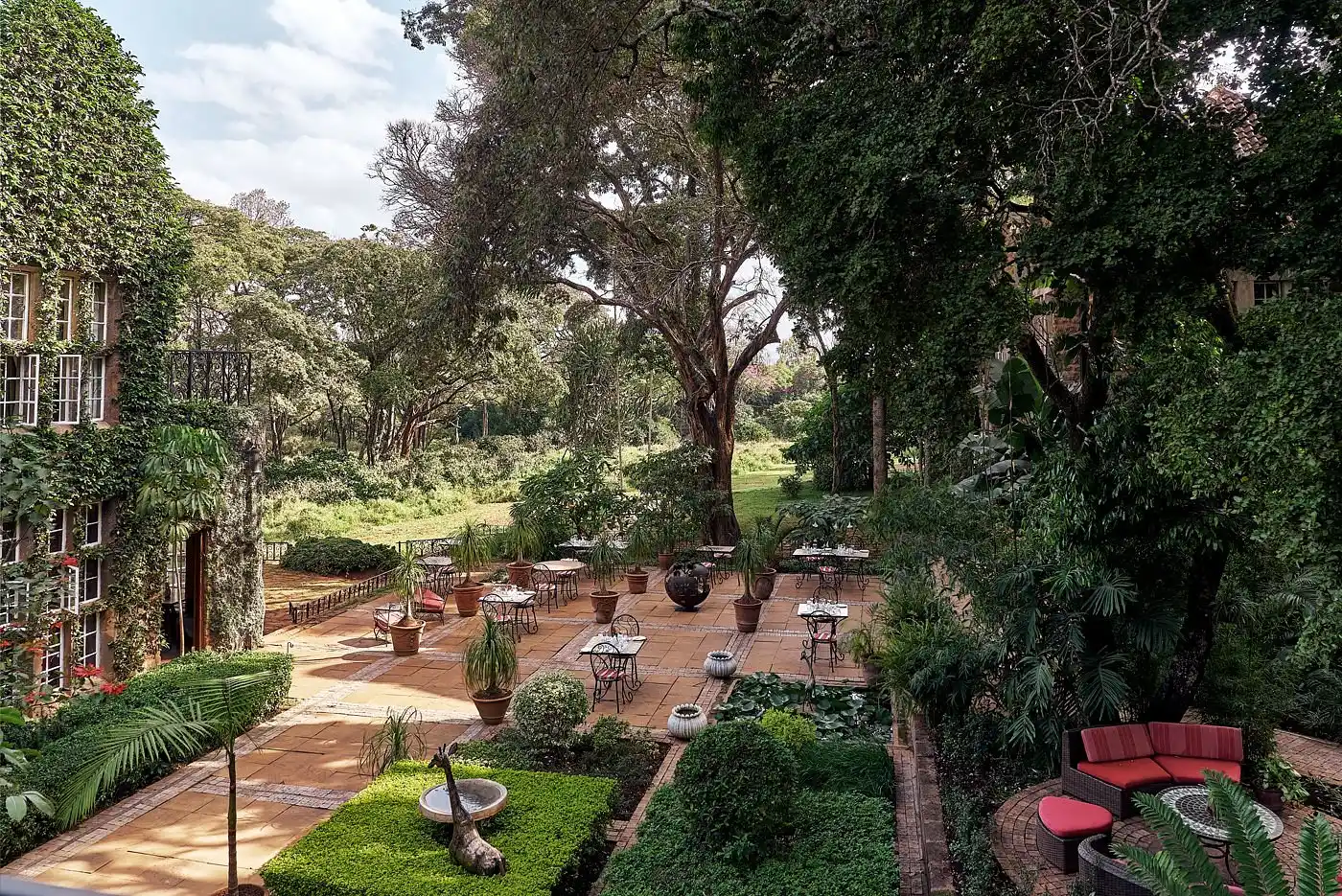
The park offers more than just game drives. Visitors can alight from their vehicles at designated picnic sites. A notable stop is the Ivory Burning Site Monument, where President Daniel arap Moi oversaw the public burning of ivory stockpiles in 1989 as a definitive statement against poaching. The Hippo Pools Nature Trail offers a rare opportunity for a short, guided walk to view hippos and crocodiles. The Nairobi Tented Camp is the only accommodation option located inside the park itself.
Safety and Responsible Tourism in Nairobi National Park
The park is a safe and well-managed conservation area. All visitors must adhere to KWS regulations. These rules include staying inside the vehicle except in designated areas, not feeding the animals, and maintaining a respectful distance from wildlife. Driving is restricted to marked roads. Off-road driving, which is common in some private conservancies, is strictly prohibited to protect the fragile grasslands.
Nairobi National Park boasts a pleasant climate with moderate temperatures year-round, typically averaging 18-23°C daily due to its elevation. The optimal time for visiting is during the two distinct dry seasons: January to February (warmer dry) and especially June to September (cooler dry).