



A Kenya fly in safari from Australia skips the long road transfer on the day you land. Kenya fly-in safaris maximises your time viewing wildlife by minimising vehicle travel between locations. This approach is particularly efficient for Australian travellers facing a significant long-haul journey to reach Africa. The method uses a network of light aircraft to move between national parks and private conservancies, flying from one camp's airstrip directly to another. A journey that would take a full day by road becomes a short, scenic flight, preserving your energy for game drives and camp activities.
Understanding the Kenya Fly-in Safari Packages
A fly-in safari fundamentally redefines the logistics of a Kenyan holiday. Instead of long and often arduous road transfers, this travel style uses a network of light aircraft to connect remote airstrips, prioritising your time in nature over time in transit. This approach delivers efficiency, convenience, and access to some of Kenya's most exclusive wildlife areas.
The Core Principle of Time Optimisation
The central benefit of a fly-in safari is saving time. A road journey between Amboseli National Park and the Masai Mara can consume five to eight hours on rough surfaces. A flight covers the same distance in approximately one to two hours. This efficiency allows you to include more distinct ecosystems and wildlife viewing opportunities within a standard two-week holiday. The style is inherently premium, using high-end camps and lodges equipped with their own airstrips and dedicated safari vehicles ready for your arrival.
Coordinated Logistics and Travel Convenience
All logistics are handled from the moment you land in Nairobi. A representative meets you, assists with your transfer to the domestic airport, typically Wilson Airport, and checks you onto your light aircraft. Luggage restrictions on these small planes are strict, with a typical limit of 15kg per person in a soft-sided bag. Upon landing at a bush airstrip, a guide from your next camp is waiting to greet you. Your first game drive often begins on the transfer back to the lodge, creating a fluid transition from air to ground.
Access to Exclusive and Remote Safari Locations
Flying is often the only practical way to reach many of Kenya's most exclusive safari camps, particularly those in private conservancies or areas with poor road infrastructure. This remoteness results in a superior safari experience, with fewer vehicles and more private wildlife encounters. These areas offer a level of privacy and solitude not always possible in the more accessible sections of national parks.
Why a Fly-in Safari Suits Your Kenyan Adventure
For many visitors, particularly those travelling from Australia, the benefits of a fly-in safari extend beyond simple convenience. This style of travel addresses specific challenges like long-haul fatigue, family travel dynamics, and the desire for more private wildlife viewing, making it a strategic choice for a high-quality Kenyan holiday.
Maximising Time for the Australian Traveller
Given the 24-plus hours of travel required to get from Australia to Kenya, every day of your holiday is valuable. A fly-in safari is the most effective way to experience multiple key wildlife regions without sacrificing days to transit. It allows for a more relaxed pace once you are on safari, as the travel between locations is quick and direct.
- Maximises your time on game drives and at safari camps.
- Reduces travel fatigue from long journeys on uneven roads.
- Makes combining distant parks like Samburu and the Masai Mara feasible within a short itinerary.
- Creates a more comfortable and less physically demanding travel schedule.
An Ideal Safari Style for Families with Children
Long car journeys on bumpy roads can be difficult for children. A fly-in safari divides the trip into short flights in small planes, which are often an exciting experience for younger travellers. The reduced travel time allows for more relaxation at the camp pool or participation in family-focused activities, preventing the fatigue that can accompany an overland trip.
Unique Aerial Perspectives for Photographers
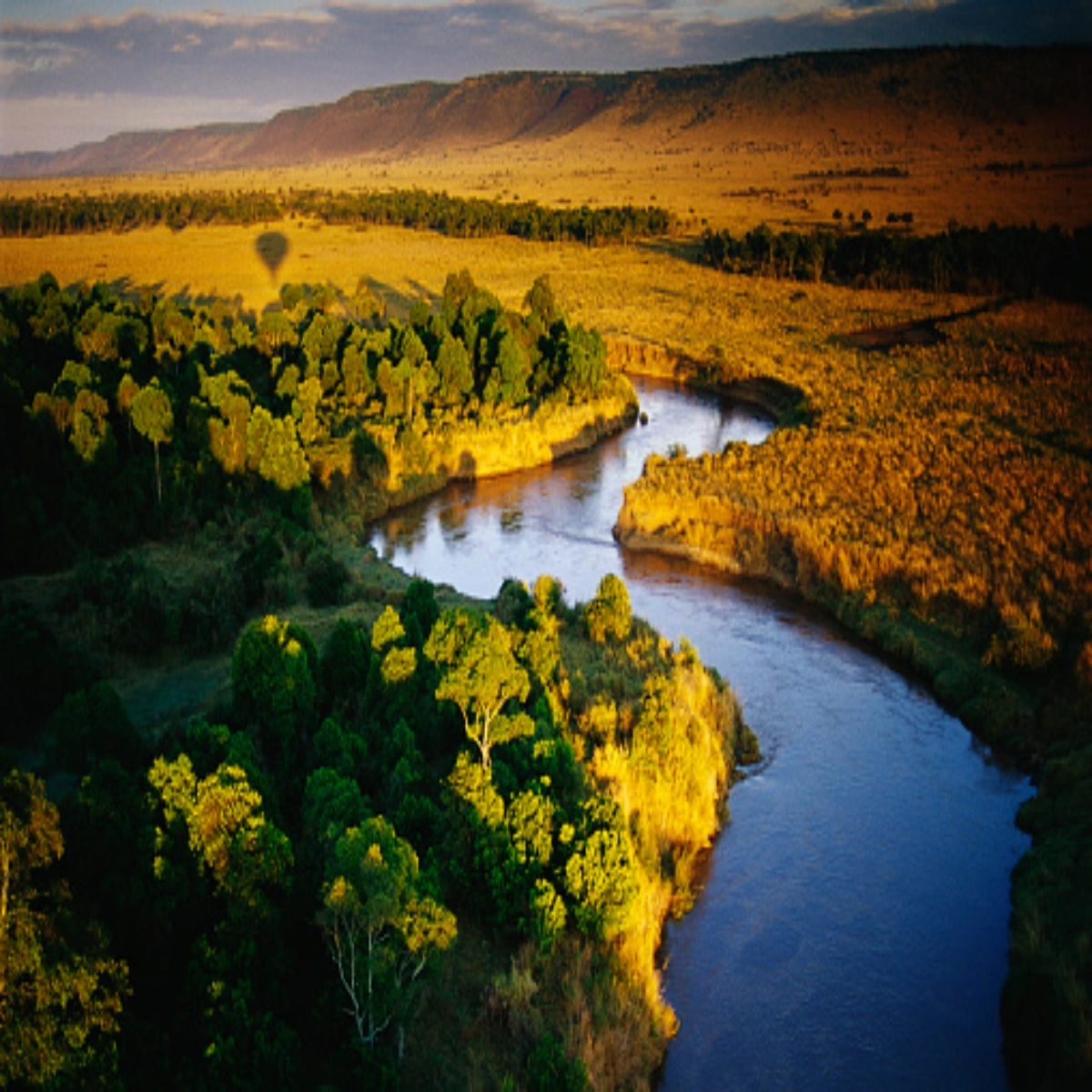
The low-altitude flights between camps provide a unique aerial view of Kenya's geography, from the vast plains of the Mara to the dramatic escarpments of the Great Rift Valley. This presents an exceptional opportunity for photography. On the ground, the time saved allows for a greater focus on being in the right place for the best light during early morning and late afternoon game drives, free from the constraints of long-distance travel schedules.
Access to Uncrowded Game Viewing Areas
Fly-in safaris provide direct access to private conservancies. These areas, which border the main national parks, are managed in partnership with local communities and have strict limits on the number of guests and vehicles permitted. This policy results in a more personal and undisturbed game viewing experience, where you might be the only vehicle at a significant wildlife sighting.
Popular Fly-in Safari Routes and Parks
Kenya's established light aircraft network connects its most celebrated wildlife areas, allowing for diverse and logical safari circuits. Travellers can easily combine different ecosystems, from the dry northern frontier to the iconic southern plains, and even add a relaxing coastal finish to their itinerary.
Combining Kenya's Iconic National Parks
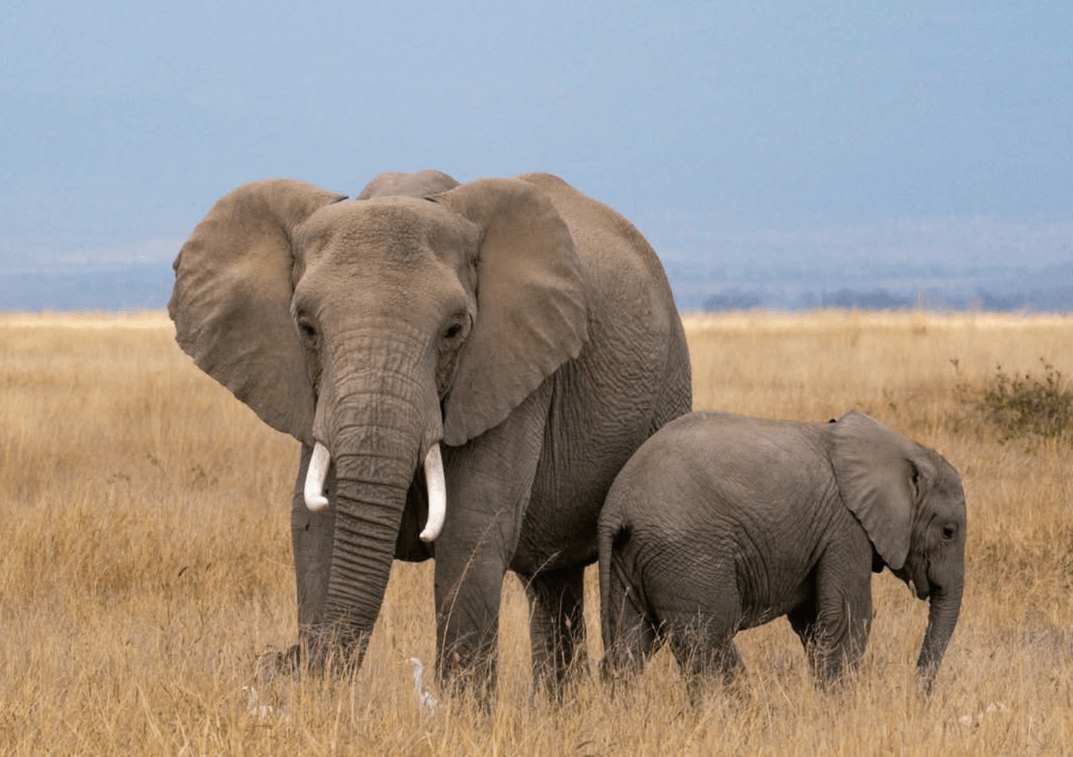
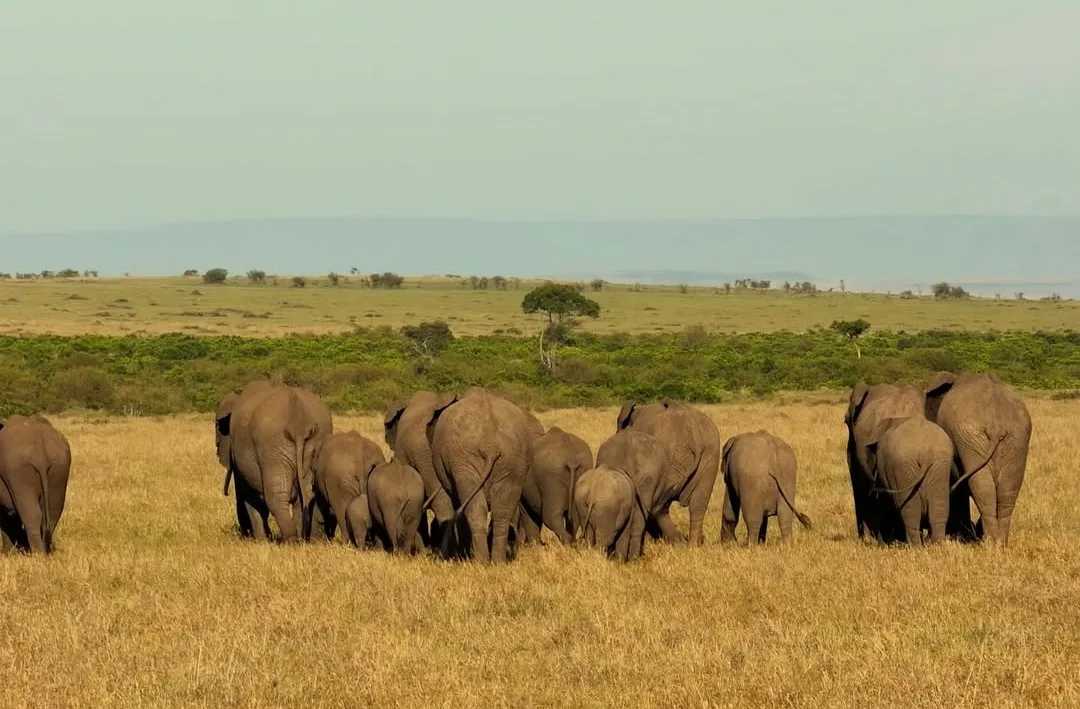
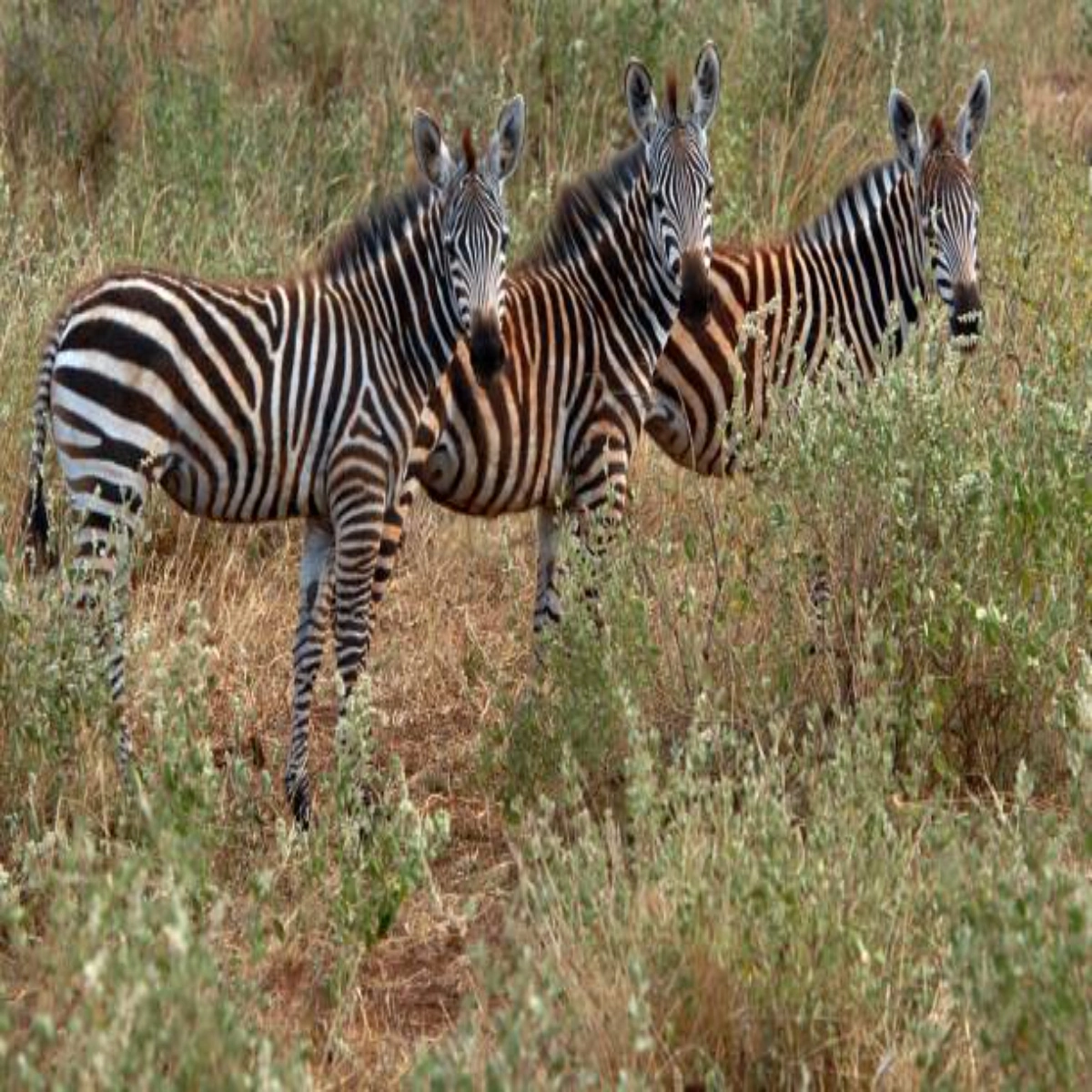
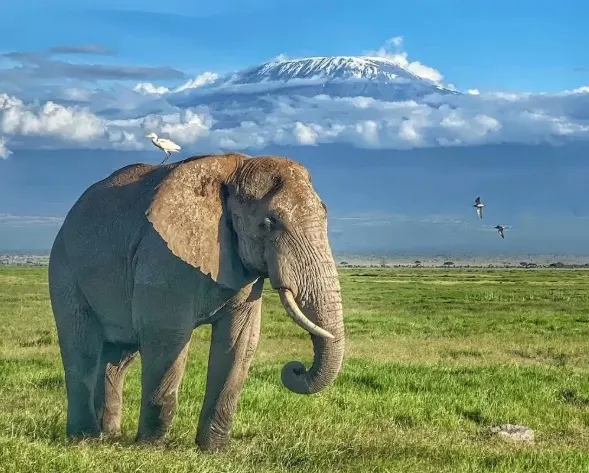
A typical fly-in circuit allows travellers to witness Kenya's diverse habitats. A common and highly rewarding itinerary connects Amboseli National Park, known for its large elephant herds against the backdrop of Mount Kilimanjaro, with the vast grasslands of the Masai Mara, famous for its predator density and the Great Migration. Another popular route flies north to the semi-arid Samburu National Reserve to see unique species like the Grevy's zebra, reticulated giraffe, and gerenuk.
Venturing into Kenya's Private Conservancies
Pairing a stay in a national park with time in an adjacent private conservancy offers a balanced experience. For instance, you could combine a visit to the main Masai Mara National Reserve with a few nights in a conservancy like Mara North or Naboisho. Here, you gain access to activities forbidden in the national reserve, including guided bush walks, night game drives to spot nocturnal creatures, and off-road driving for closer wildlife viewing.
Adding a Coastal Escape to Your Safari
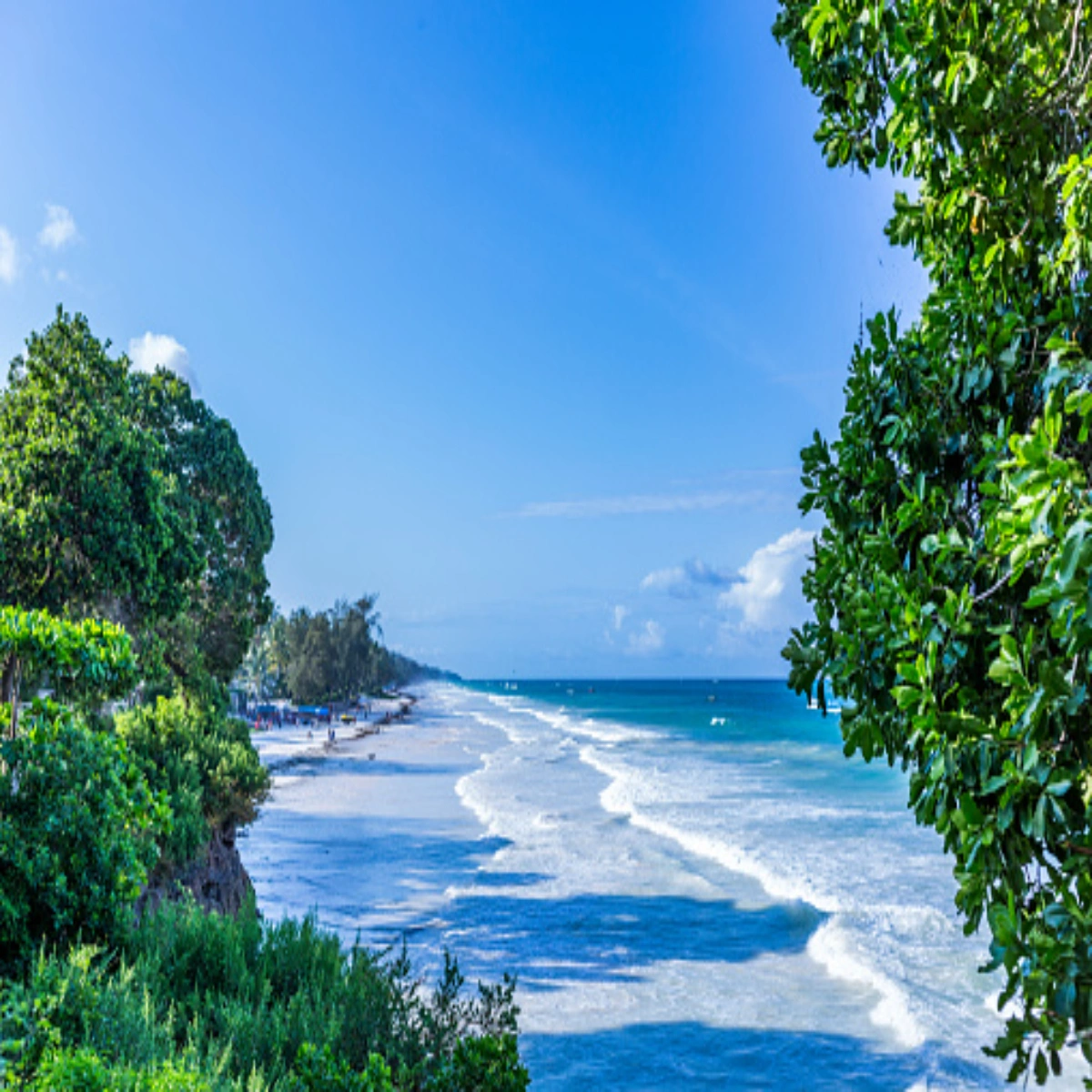
The flight network makes it straightforward to add a beach extension to your safari. After your final game drive, you can fly from a bush airstrip directly to the Kenyan coast at destinations like Diani Beach. Alternatively, you can connect through Nairobi for a short flight to Zanzibar. This provides a relaxing conclusion to your holiday without the need for a long overland journey back to the city.
Wildlife and Experiences on Kenya Fly-in Safaris
The primary objective of any safari is the wildlife, and a fly-in itinerary is structured to deliver exceptional encounters. By placing you directly into prime habitats and exclusive-use areas, this travel style enhances not only what you see but also the quality and intimacy of the experience.
Witnessing the Great Migration and Predator Action
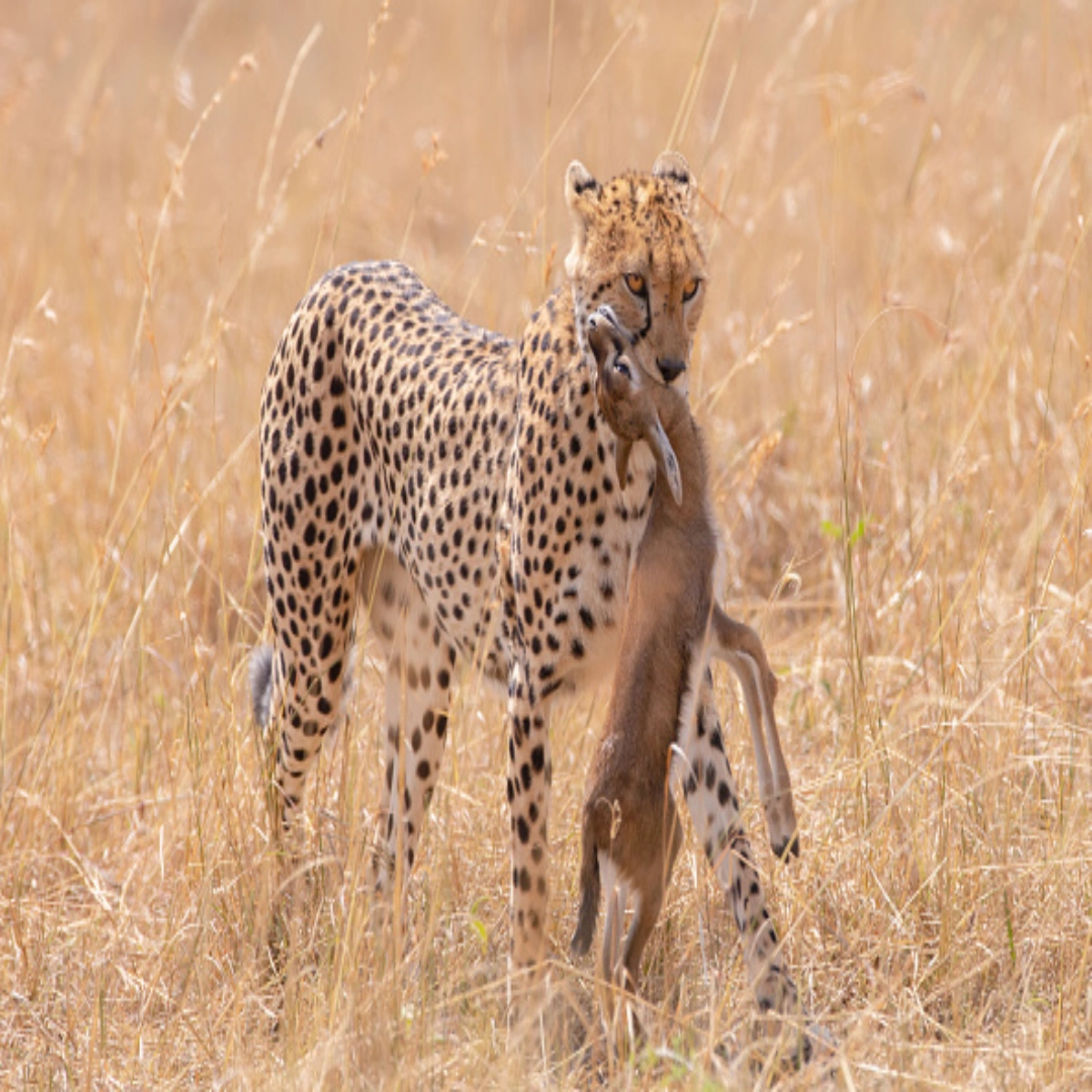
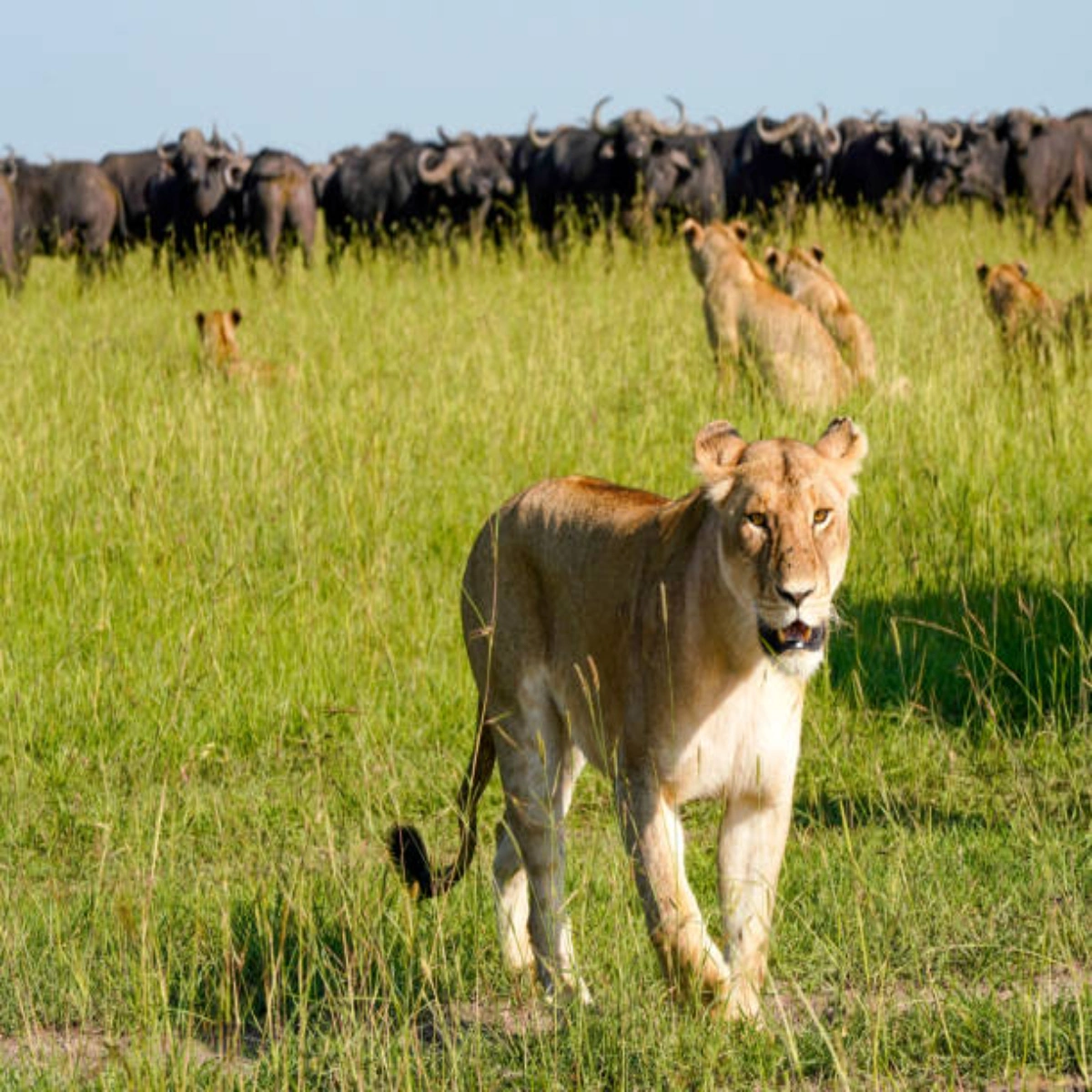
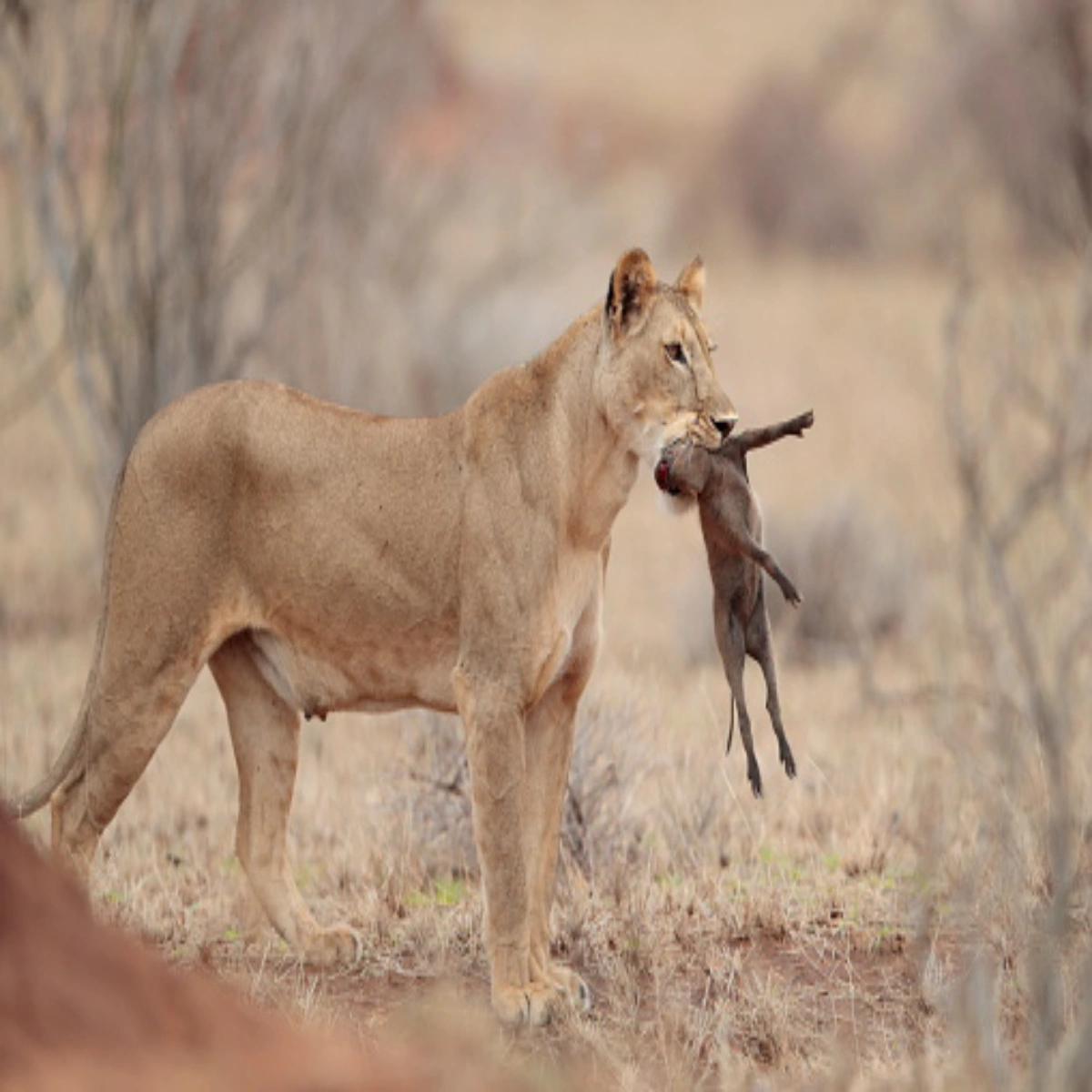
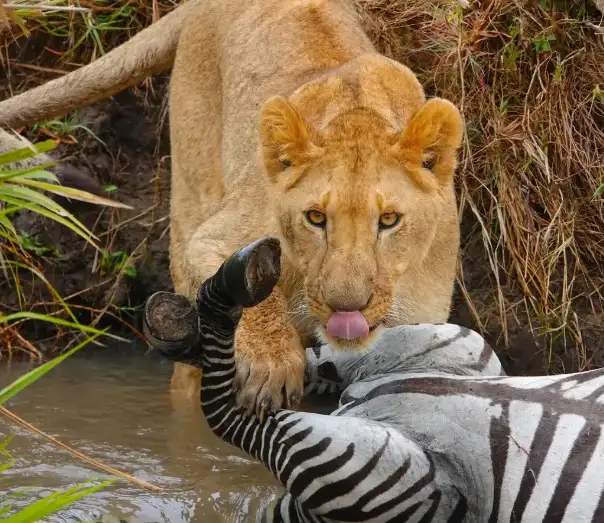
A fly-in safari delivers you directly into the heart of Kenya's prime wildlife areas. From approximately July to October, the Masai Mara is the stage for the Great Wildebeest Migration, and flying in is the most efficient way to witness this natural spectacle. The high concentration of prey attracts a significant number of predators, including lions, leopards, and cheetahs, offering outstanding opportunities to observe their behaviour.
Activities Beyond Traditional Game Drives
Staying in camps located within private conservancies, a cornerstone of many fly-in itineraries, opens up a broader range of activities. Guided walks with a Maasai warrior offer an intimate connection to the environment, allowing you to learn about tracking, medicinal plants, and insects. Night drives use spotlights to reveal the active world of nocturnal animals like genets, civets, and occasionally, leopards on the hunt.
The All-Inclusive Luxury Camp Experience
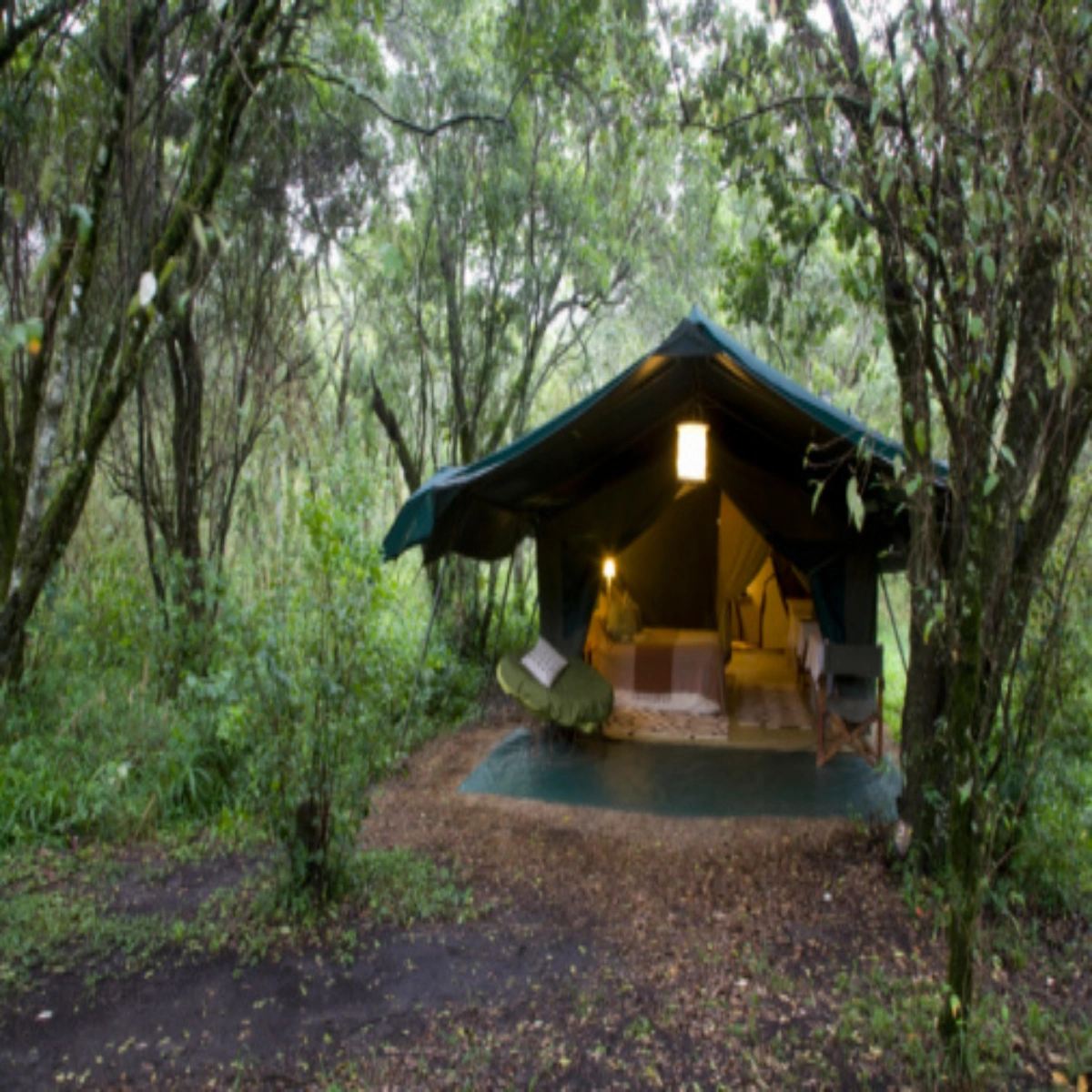
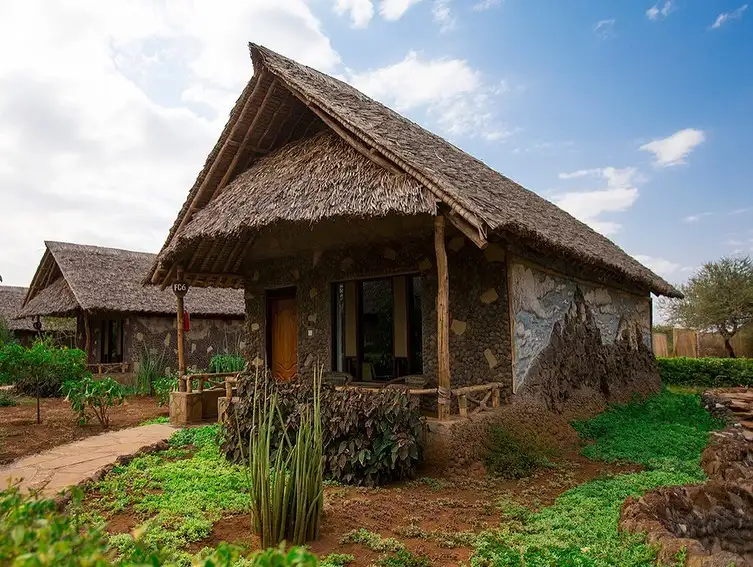
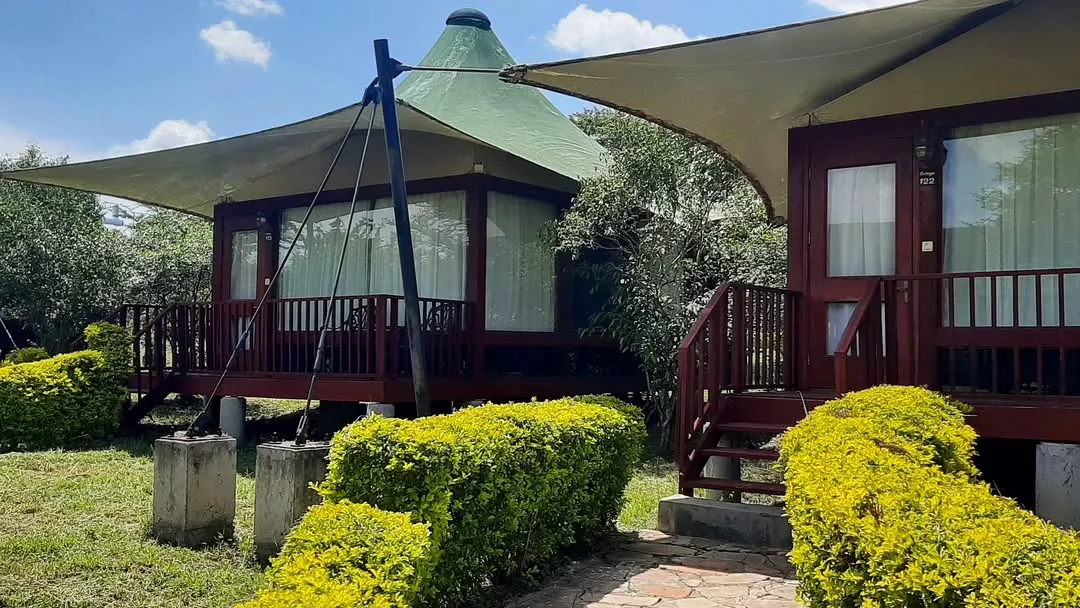
The fly-in model is typically associated with all-inclusive camps and lodges. This means that once you arrive, your accommodation, meals, standard drinks, and scheduled game drives are all covered. The standard of guiding is exceptionally high, with local experts providing deep insights into the ecosystem and animal behaviour. The focus is on providing a complete and immersive bush experience with a high level of comfort and service.
When to Plan Your Kenya Fly-in Safari
Timing is a critical factor in planning a successful Kenyan fly-in safari. The country's wildlife spectacles are seasonal, and for Australian travellers, aligning your trip with these events while navigating school holiday periods requires careful forward planning.
Aligning Your Travel with Key Wildlife Events
The best time to travel depends on your wildlife interests. The dry seasons offer excellent game viewing as animals congregate around water sources, but different times of year have specific highlights. Planning around these events is key to a successful safari.
| Travel Period | Kenya's Season | Key Wildlife and Park Conditions |
|---|---|---|
| July - October | Peak Dry Season | Great Migration river crossings in the Masai Mara. Prime game viewing. |
| November - March | Green Season / Short Rains | Excellent for birdwatching with migratory species present. Herbivore calving season. |
| April - June | Long Rains | Lower prices and fewer visitors. Ideal for photographers seeking dramatic skies. |
Navigating Australian School Holiday Peaks
Australia's main winter school holidays in June and July fall directly within Kenya's peak safari season. This convergence results in extremely high demand for flights and accommodation. If you plan to travel during this period, it is advisable to book your safari 12 to 18 months in advance to secure your preferred camps and dates. The shoulder seasons, such as June or October, can offer a good balance of excellent game viewing and slightly lower demand.
Recommended Safari Durations for Australians
To make the long journey from Australia worthwhile, a safari of at least 7 to 10 nights is recommended. This duration allows for a comfortable pace, visiting two or three different locations without feeling rushed. A typical 10-night itinerary might include 3 nights in Amboseli, 4 nights in the Masai Mara, and 3 nights in Samburu. Factoring in international travel, this fits well into a three-week leave period from work.
Essential Planning from Australia
With the main safari components decided, the final preparations for Australian travellers involve logistics, finances, and health. Addressing these practicalities well in advance ensures a smooth and stress-free journey from your home city to the Kenyan bush.
Long-Haul Flights and Travel Time
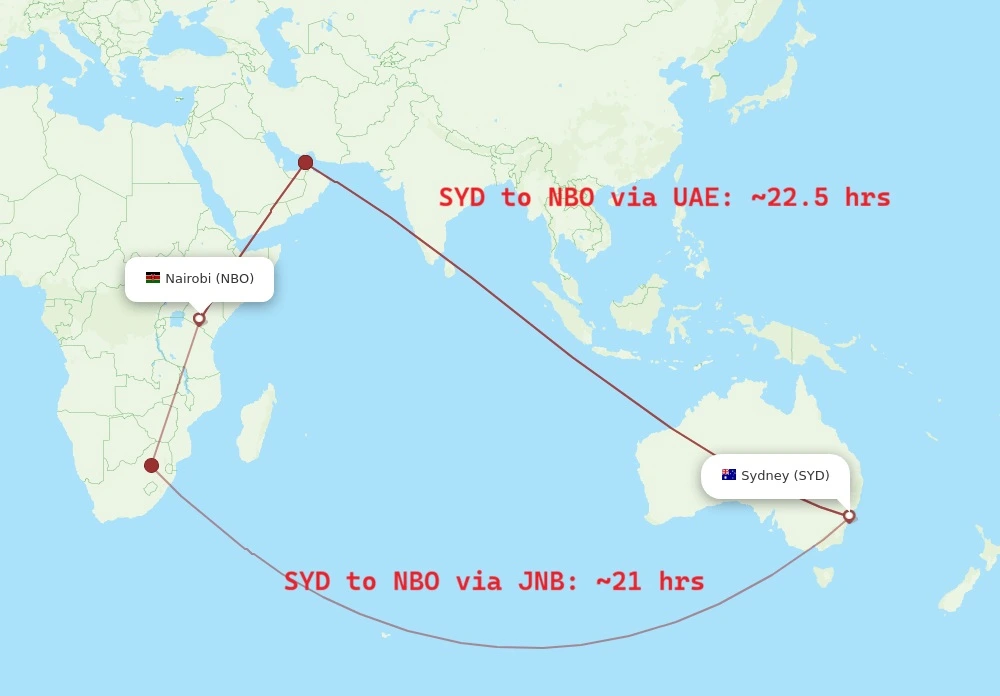
Getting to Nairobi (NBO) from major Australian cities like Sydney, Melbourne, or Perth requires at least one stop, usually in the Middle East (e.g., Dubai, Doha). Total travel time is typically between 24 and 30 hours, including layovers. It is practical to plan for an overnight stay in Nairobi upon arrival to rest before starting your safari the next morning.
Budgeting Your Safari Investment in Australian Dollars
A fly-in safari is a premium travel product and should be budgeted for accordingly in Australian Dollars. The cost reflects the inclusion of internal flights, exclusive access to conservancies, high-end accommodation, all meals and drinks, park fees, and expert guiding. While the initial outlay is significant, it represents strong value by maximising the quality of your limited time in Africa.
Visa Vaccinations and Health Advice for Australians
Australian citizens require a visa to enter Kenya, which must be obtained online through the official e-visa portal before departure. It is crucial to consult a travel doctor or your GP at least six to eight weeks before your trip to discuss required and recommended vaccinations, such as Yellow Fever, and to organise appropriate malaria prophylaxis. For the most current health and safety information, always refer to the Australian government's Smartraveller website.