
A Green Season Africa safari holiday in Kenya, from November to March, is a connoisseur's choice for the Australian traveller. This period, defined by intermittent 'short rains' and a subsequent flourishing of the environment, offers a perspective on Kenya that is fundamentally different from the popular dry season. The season represents a time of renewal, fewer crowds, and exceptional value for a high-calibre safari experience. For those prioritising wildlife behaviour, photographic opportunities, and exclusivity, the Green Season provides a more meaningful connection to the rhythms of the African bush.
Defining the Character of a Kenyan Green Season Africa Safari
The Green Season offers a sensory shift from the classic, arid safari setting. The rains, typically brief afternoon showers, quell the dust and clear the air, intensifying the colours of the natural environment. This rejuvenation of the ecosystem creates unique conditions that favour specific wildlife encounters and photographic styles, presenting an opportunity for a more nuanced and private appreciation of Kenya's wild spaces.
The Unique Appeal of the Green Season for Australian Travellers
Often called the 'Emerald Season', this period transforms Kenya's plains into richly coloured grasslands. The clear air and settled dust make the scenery pop with life. This period coincides with the birthing season for many herbivore species, which in turn stimulates predator activity, offering Australian travellers a chance to witness the 'circle of life' in a dynamic setting. The arrival of migratory birds from Europe and Asia adds another layer of interest, making it a prime time for birdwatching. The occasional rain showers result in dramatic cloud formations and magnificent light for photography.
The Exceptional Value of a Green Season Luxury Safari
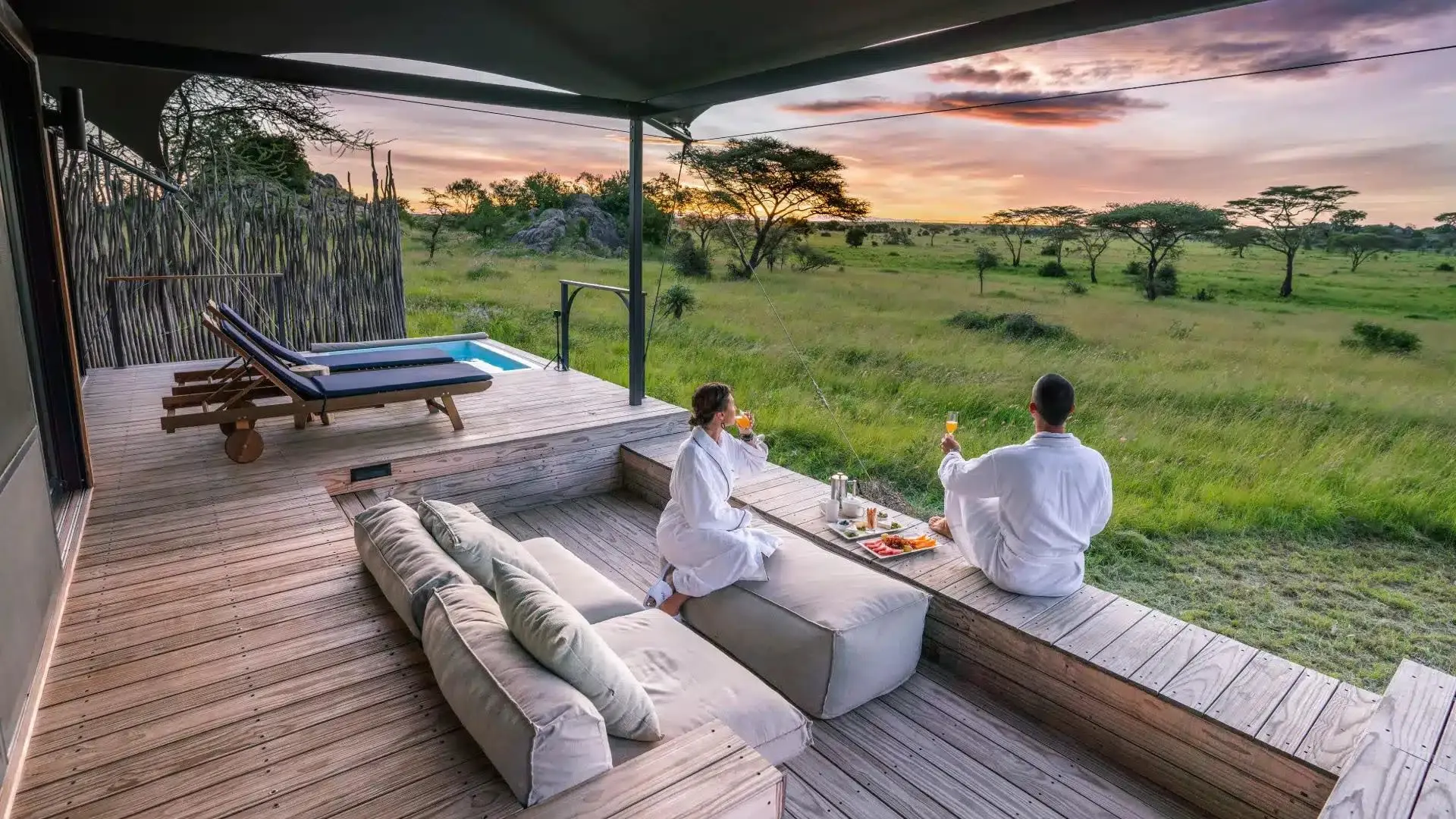
A practical advantage of travelling during this window is the significant value. Rates for premier camps and lodges are considerably lower than during the peak July to October period. This allows Australian travellers to access a higher tier of luxury, including expert private guiding, superior accommodation, and exclusive conservancy access, for a budget that might only secure a standard trip in the high season. The experience is elevated by greater privacy and intimacy, as fewer visitors mean a more personal and often more rewarding safari.
Prime Safari Destinations During Kenya's Green Season
Kenya’s diverse parks and conservancies each respond to the Green Season in a unique way. While the great migration herds are in Tanzania, the focus shifts to the abundant and dramatic resident wildlife populations. From the southern plains to the northern semi-arid ecosystems, the seasonal rains trigger ecological events that make for compelling game viewing across the country.
Maasai Mara and Southern Kenya Highlights in the Green Season
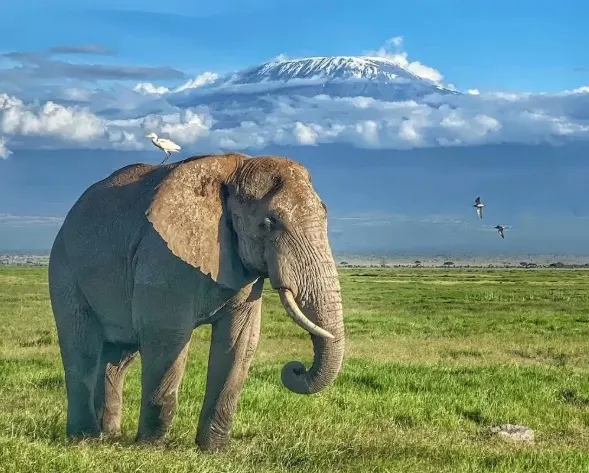
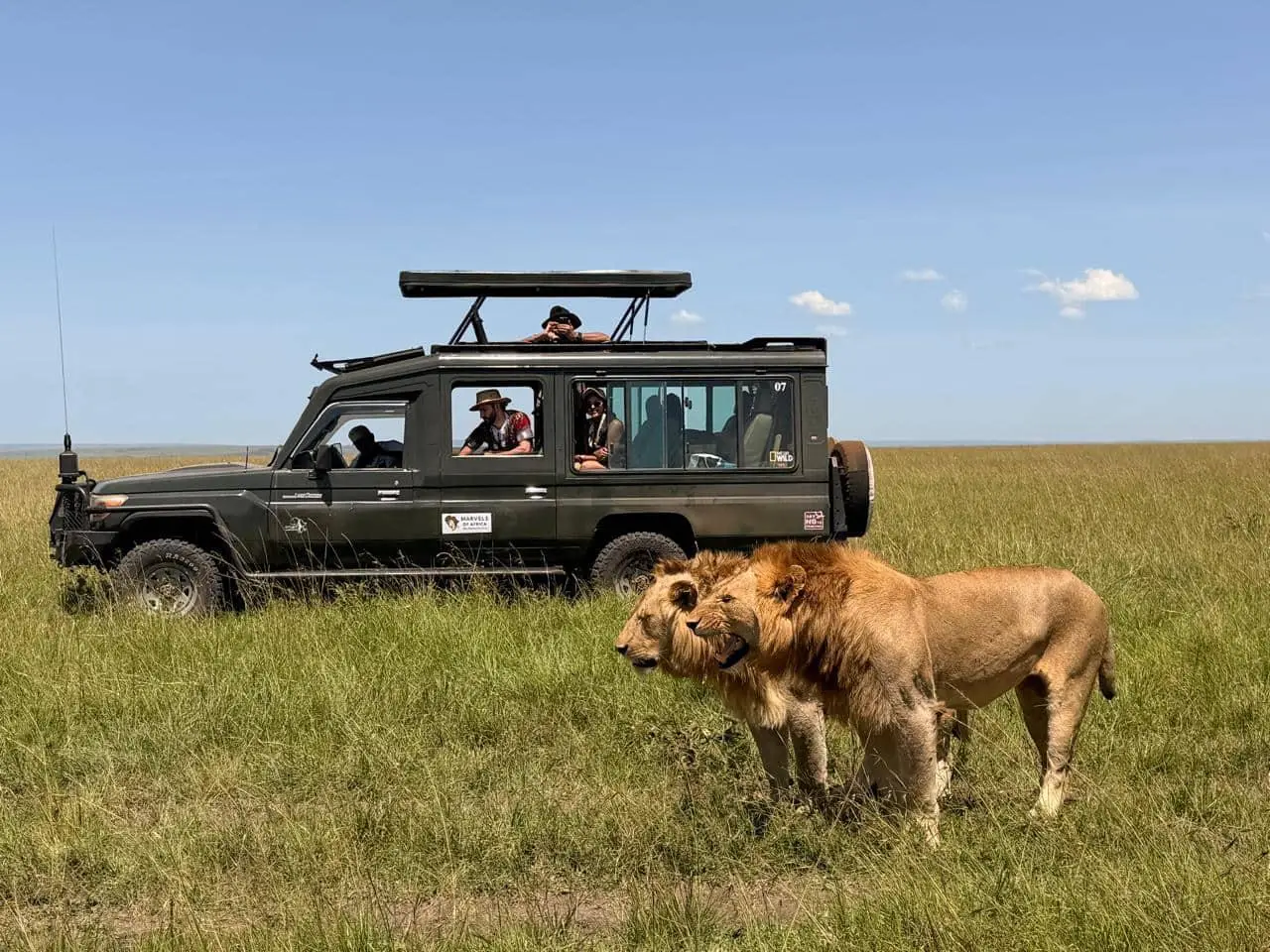
The Maasai Mara National Reserve and its surrounding private conservancies are magnificent during the Green Season. Without the migration herds, attention turns to the abundant resident wildlife. The plains are full of newborn antelope, zebra, and warthogs, creating ample opportunities for predators like lions, cheetahs, and hyenas. In Southern Kenya, Amboseli National Park offers exceptionally clear views of Mount Kilimanjaro, as the rains wash all haze from the atmosphere. Elephant viewing remains superb against the verdant background.
Northern Conservancies and Rift Valley Lakes in the Green Season
The semi-arid regions of the north, including the Samburu National Reserve and the vast Laikipia Plateau, benefit immensely from the rains. The Ewaso Ng'iro river flows strongly, and the unique northern species, such as the Grevy's zebra, reticulated giraffe, and gerenuk, are active and easy to spot against the green vegetation. The Rift Valley lakes, like Lake Nakuru and Lake Naivasha, become even richer havens for birdlife. Rising water levels and flourishing flora attract a remarkable congregation of both resident and migratory birds.
Combining Bush and Beach for a Complete Green Season Holiday
Pairing a safari with a coastal stay offers a balanced holiday. The period from November to March generally provides good weather on the Kenyan coast around Diani and Watamu. While some humidity and showers can occur, it is a prime time for marine activities like snorkelling and diving in the calm, clear waters of the Indian Ocean. A 'bush and beach' combination allows for an initial period of active wildlife viewing followed by relaxation, creating a well-rounded itinerary before the long flight back to Australia.
Wildlife and Photographic Opportunities in the Green Season
The Green Season is defined by specific ecological events that create outstanding conditions for both wildlife observation and photography. The abundance of new life and the dramatic quality of the light and sky combine to offer a visually stunning and emotionally resonant safari experience. It is a time for capturing high-impact images and witnessing raw, unfiltered nature.
Witnessing the Birthing Season Spectacle and Predator Action
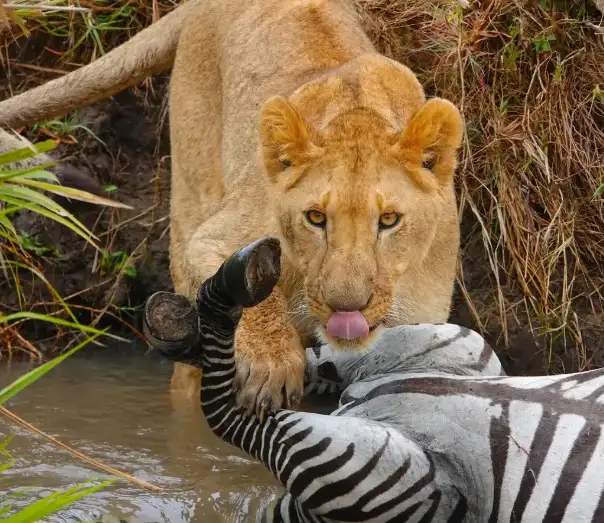
The birthing season forms the core of the Green Season wildlife experience. The abundance of vulnerable newborn animals creates a tangible tension and excitement on game drives, providing a direct view of nature's cycles of birth and survival. Expert guides are adept at locating these delicate nursery groups and the associated predator-prey interactions, offering powerful sightings for guests. The focus shifts from the scale of large herds to the intimacy of individual and family dramas.
Photographic Advantages of the Green Season's Dramatic Scenery
For photographers, the Green Season is arguably the best time to visit Kenya. The quality of light is superb, especially in the golden hours following a brief storm. The combination of dark, dramatic clouds, intense sunlight, and a green foreground creates high-contrast, richly saturated images. Animals stand out clearly against the flourishing background, and the absence of dust means camera equipment stays cleaner and images are inherently crisper.
Exceptional Birdwatching as Migratory Species Arrive
Kenya is a world-class birding destination year-round, and the Green Season elevates it further. Hundreds of species of Palearctic migratory birds arrive to spend the northern winter in East Africa, adding immense colour, sound, and diversity to every game drive. Waterways and lakes are particularly active, attracting waders, storks, and ducks, while resident species like weavers and bishops are in their vibrant breeding plumage, creating an ornithological spectacle.
Who Thrives on a Green Season Safari in Kenya
This style of safari appeals to a specific type of traveller. It is for those who measure the quality of their experience not by the quantity of animals seen, but by the quality of the sightings, the privacy of the encounters, and the depth of their connection with the natural environment. It is a choice that rewards safari experience and a desire for authenticity.
The Luxury Seeker and Safari Connoisseur
The safari connoisseur, often a return visitor to Africa, seeks a more nuanced experience. They value privacy, exclusivity, and high-quality guiding over following the crowds. The Green Season delivers this, along with the financial benefit of accessing top-tier properties at preferential rates. This combination of superior value and enhanced exclusivity makes it the perfect fit for a discerning visitor.
Wildlife Photography Enthusiasts and Nature Lovers
Anyone with a keen interest in photography or a deeper appreciation for ecology will find this season intensely rewarding. Beyond the obvious visual appeal, the chance to observe specific behaviours associated with the birthing season and heightened predator-prey dynamics offers a more profound understanding of the ecosystem. It is an opportunity to document nature at its most dramatic and generative.
Travellers Seeking Exclusive Uncrowded Experiences
The Green Season is ideal for travellers who prioritise solitude. Lower visitor numbers, particularly in the private conservancies, lead to a feeling of having the wilderness to yourself. This allows for a slower, more immersive pace and a stronger connection with your guide and the environment, free from the congestion that can occur during peak season.
- Fewer vehicles at wildlife sightings
- More personalised attention from guides and camp staff
- A quieter, more tranquil bush atmosphere
- Greater flexibility in daily safari activities
Planning Your Kenya Green Season Safari from Australia
A successful safari from Australia requires careful logistical planning, from flights and timing to health and documentation. Given the long-haul travel involved, a well-organised approach ensures you can maximise your time on the ground and enjoy a smooth and rewarding journey.
Long-Haul Flights and Best Travel Windows from Australia
Flights from major Australian cities like Sydney, Melbourne, or Perth to Nairobi (NBO) require at least one stop, typically in the Middle East with carriers such as Qatar Airways (via Doha) or Emirates (via Dubai). Total travel time is significant, so planning for a minimum of 7 to 10 days in Kenya is advisable. The best windows within the season are November to early December and February to March, which avoids the Christmas holiday peak and potential for heavier rains.
Aligning Your Safari with Australian School Holidays
The Green Season aligns favourably with the main Australian summer school holiday period from mid-December to late January. This makes it a viable, though premium-priced, option for a unique family holiday. The end of the season in late March can also coincide with Easter and autumn school holidays in some years, providing another convenient travel window for families or educators.
Budgeting for Your Green Season Luxury Safari in AUD
While offering better value than peak season, a luxury Kenyan safari is a significant investment. A 7 to 10 day high-end safari during this period can range from approximately AUD $8,500 to AUD $17,000+ per person. This cost typically covers high-calibre accommodation, expert guiding, park and conservancy fees, all meals, and internal logistics, but excludes international flights from Australia. It is crucial to budget for flights and be mindful of currency exchange rates.
Essential Visas, Vaccinations and Health Advice for Australians
Meeting Kenya's health and entry requirements is a critical planning step. Australian passport holders must obtain an Electronic Travel Authorisation (eTA) online before travelling. A Yellow Fever vaccination certificate is mandatory for entry if arriving from a country with risk of transmission. Other vaccinations, such as Hepatitis A, Typhoid, and Tetanus, are strongly recommended. All travellers must consult their GP or a specialist travel doctor well in advance for personalised advice and to discuss malaria prophylaxis, which is essential for safari areas in Kenya.
| Planning Stage | Action Item | Recommended Lead Time |
|---|---|---|
| Initial Steps | Consult GP for health advice and vaccination plan | 6-8 months prior |
| Bookings | Confirm safari itinerary and book international flights | 6 months prior |
| Documentation | Apply for Kenyan eTA online; check passport validity | 1-2 months prior |
| Final Prep | Arrange travel insurance and purchase required medication | 1 month prior |