A hiking and trekking safari holiday tour in Kenya fundamentally changes how you perceive the African bush. Unlike a traditional vehicle-based safari, this style of travel places you directly on the ground, walking through the same terrain as the wildlife. It is an active and participatory approach, suited to Australian travellers who want to connect with their surroundings on a physical and sensory level. The focus shifts from covering large distances to appreciating the detailed workings of the ecosystem, guided by highly skilled professionals who interpret the signs of the wild.
What is a Kenya Hiking and Trekking Safari
A Kenya hiking and trekking safari is a specialised form of travel defined by its ground-level perspective and physical engagement. It moves beyond the confines of a safari vehicle to immerse travellers directly into the environment. The experience prioritises deep, sensory connection and a detailed understanding of the ecosystem over the simple observation of big game from a distance. This approach to safari is about the quality of encounters, not just the quantity, facilitated by expert guides who translate the complex language of the bush.
Defining an Active and Immersive Safari Experience
This safari style is characterised by daily guided walks and multi-day treks. Instead of observing the environment through a window, you are fully present in it. You feel the terrain underfoot, smell the wild sage after a morning shower, and hear the distinct alarm calls of birds. The pace is determined by your own feet, allowing for a genuine, human-scale appreciation of the environment. Activities can range from moderate three to four hour walks on the plains to challenging multi-day ascents of high-altitude peaks like Mount Kenya.
Stepping into the Wild on a Human Scale
Walking in the bush removes the barrier of the vehicle, recalibrating your perspective. You learn to read animal tracks, identify medicinal plants, and understand the complex relationships between different species. The focus is often on the smaller, fascinating aspects of the ecosystem missed from a vehicle, such as the industrious dung beetle, the complex construction of a weaver bird's nest, or the subtle signs of a leopard's passage. This ground-level view fosters a much deeper and more memorable connection to the African wilderness.
The Role of Professional Guides in a Walking Safari
A professional walking safari is not simply a hike in a wild place; it is a highly specialised, interpretive activity. The lead guide, often holding advanced qualifications from the Kenya Professional Safari Guides Association (KPSGA), is an expert naturalist trained in animal behaviour and safety protocols. KPSGA certification, with levels ranging from Bronze to the highly coveted Gold, represents a standard of excellence in natural history knowledge, guest communication, and safety procedures. The guide is accompanied by armed rangers, a mandatory safety requirement in most conservation areas. This team's combined knowledge ensures your safety whilst providing rich context to everything you see, transforming a simple walk into an educational journey.
Best Regions for Kenya Hiking and Trekking Safaris
Kenya offers diverse environments for walking and trekking, from the semi-arid plains of the north to the high-altitude peaks of its central highlands and the volcanic landscapes of the Great Rift Valley. Each region provides a distinct set of challenges, wildlife viewing opportunities, and scenic backdrops for an active safari.
Trekking the Remote Laikipia Plains and Conservancies
The high-altitude plateau of Laikipia in northern Kenya, covering over 9,500 square kilometres, offers some of the country's most exclusive and rewarding walking terrain. This region is a network of privately managed conservancies dedicated to conservation. Here, you can undertake multi-day treks, moving between mobile fly-camps set up ahead of your arrival. The walks are led by local Samburu or Maasai guides who possess an innate knowledge of the area, its wildlife, and its cultural history. It is an authentic way to experience a vast and wildlife-rich area away from tourist crowds.
Ascending Mount Kenya a Premier Trekking Challenge
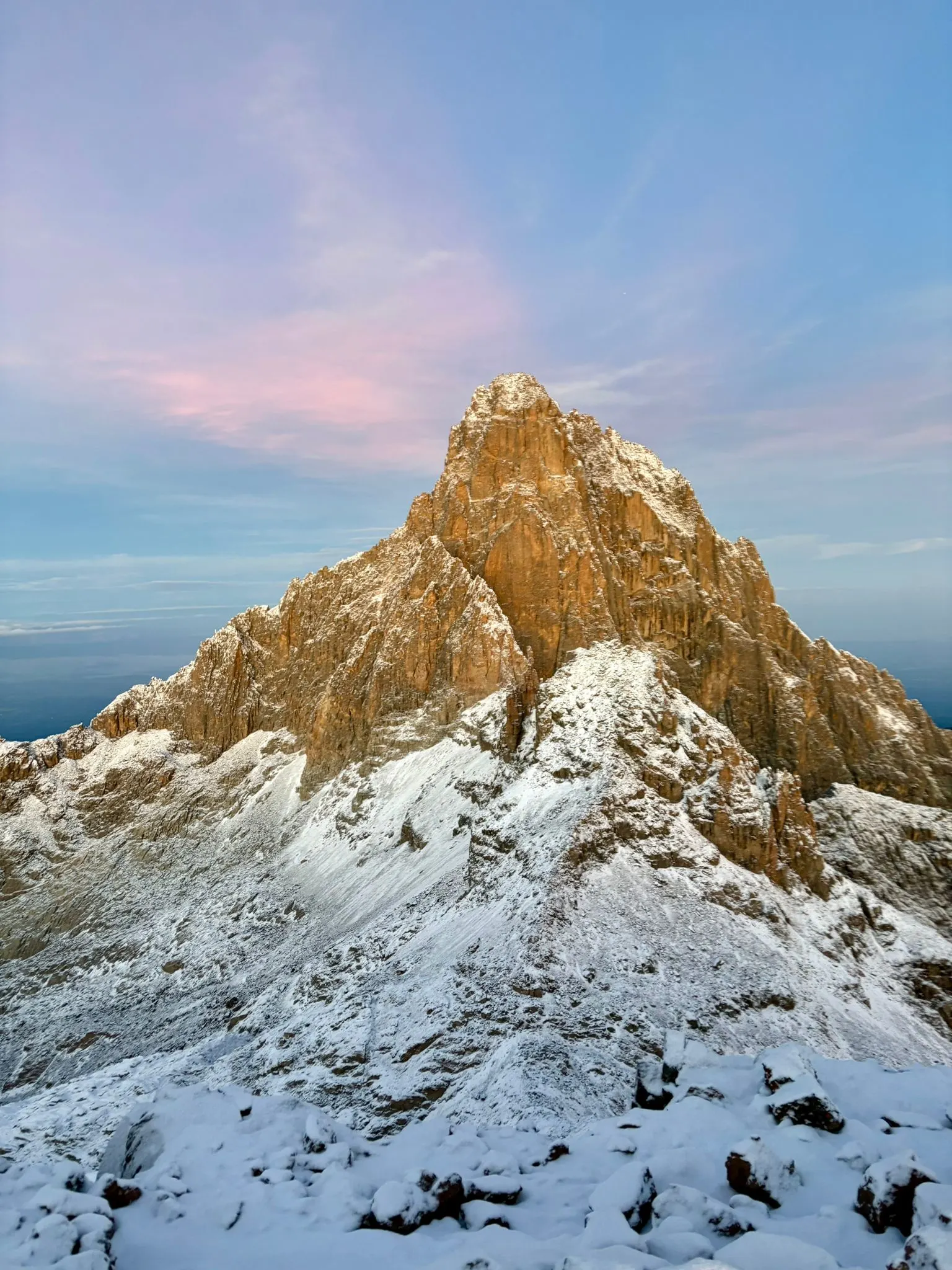
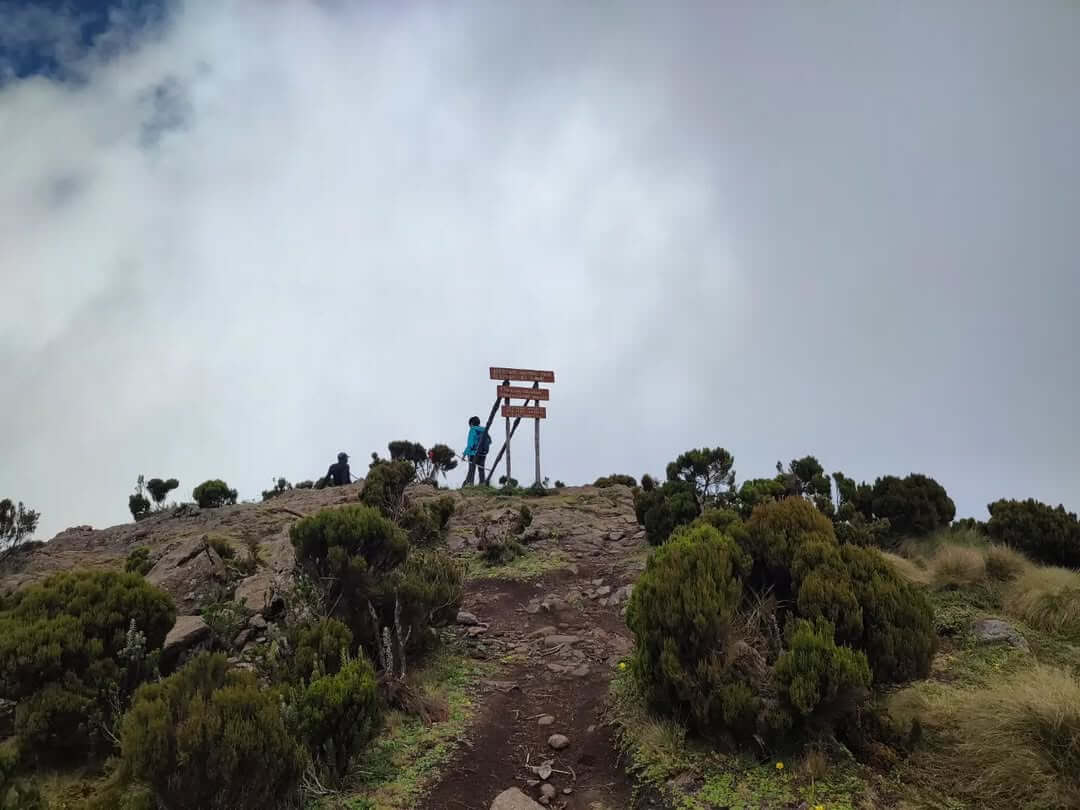
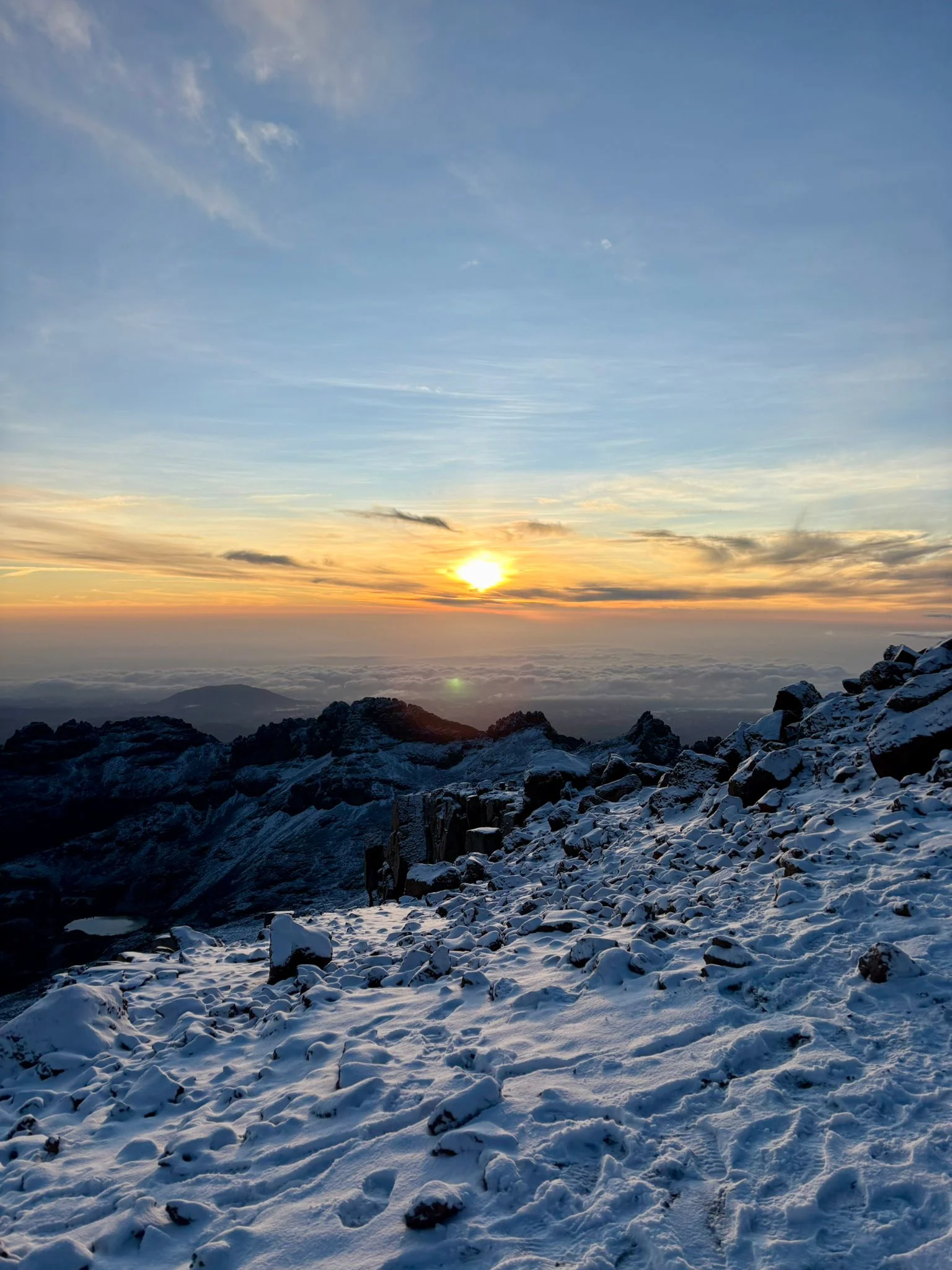
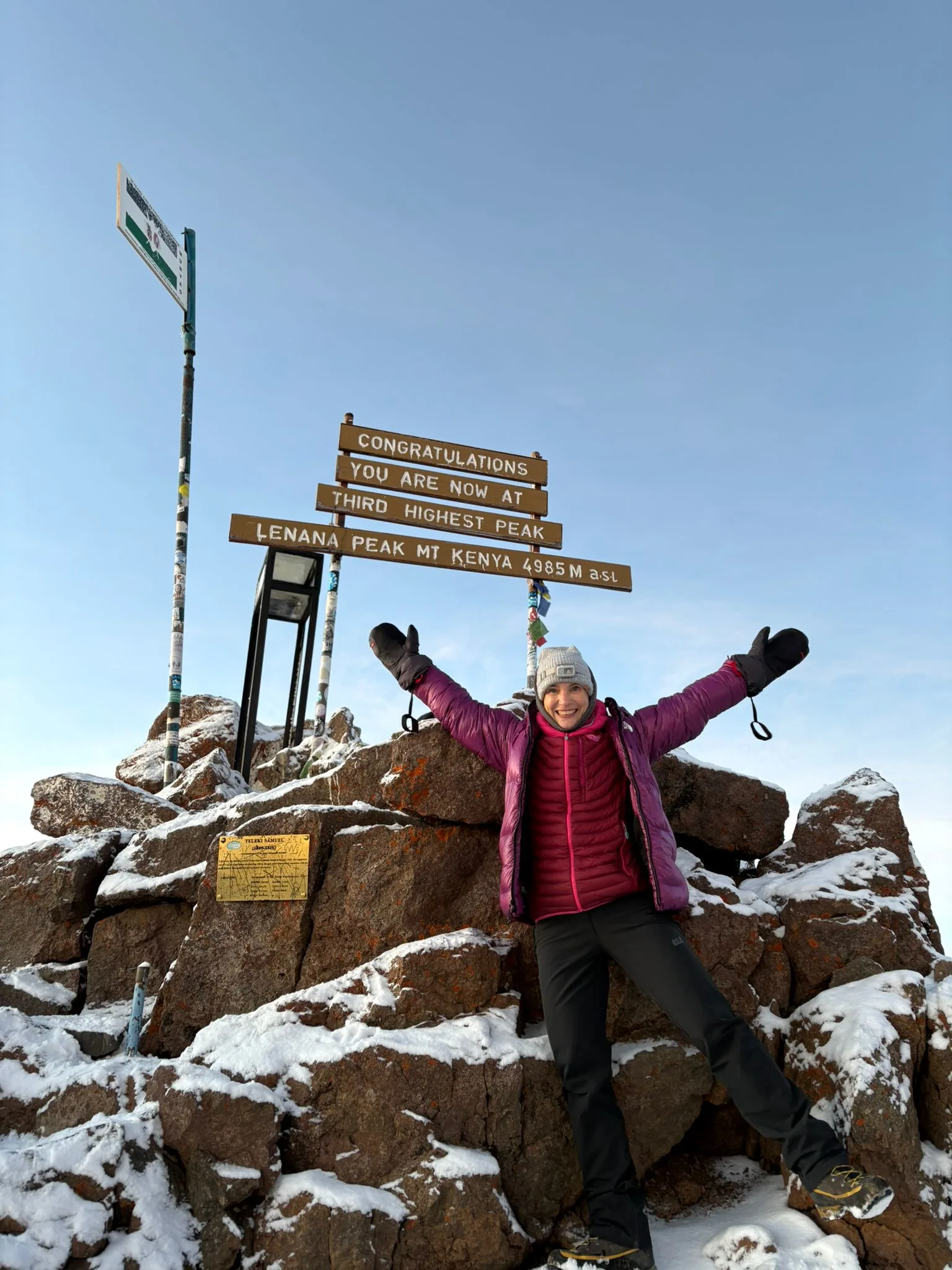
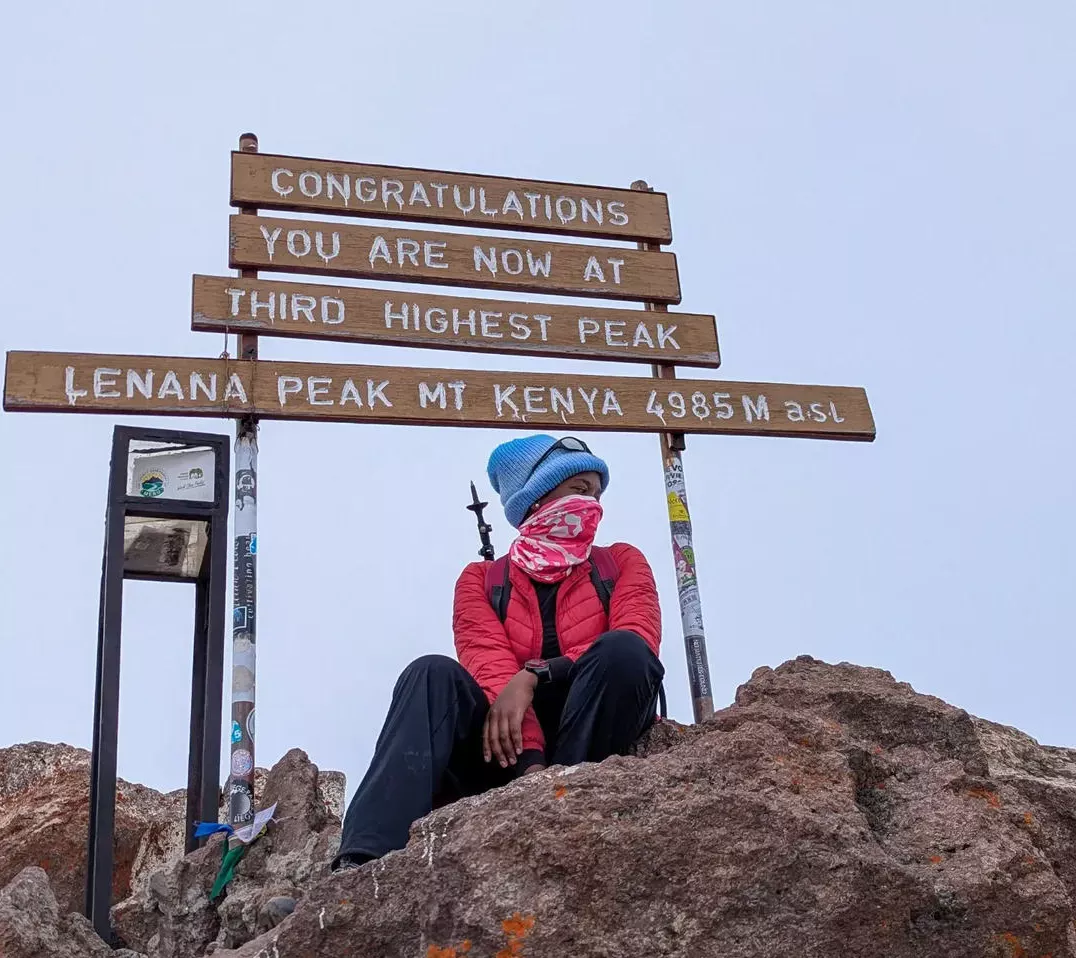
For serious trekkers, the ascent of Mount Kenya presents a significant challenge and an exceptional reward. The goal for most is Point Lenana (4,985 metres), the mountain's third-highest peak accessible to trekkers. Popular routes like the Sirimon or Chogoria tracks guide you through distinct ecological zones, from montane forest and bamboo thickets to alpine moorlands with unique giant groundsel and lobelia plants. This is a high-altitude trek requiring proper acclimatisation and a good level of fitness, offering spectacular views across the central highlands.
Hikes and Geological Wonders in the Rift Valley
The Great Rift Valley provides a different set of hiking opportunities, often focused on its unique geological features. You can hike the crater rim of Mount Longonot, a dormant volcano rising to approximately 2,780 metres, or walk and cycle through the dramatic gorges of Hell's Gate National Park, one of the few Kenyan parks where unguided walking is permitted. The areas around lakes like Naivasha and Elementaita also offer excellent birding walks and gentle hikes with views of the vast flamingo populations.
Wildlife Encounters on a Kenya Walking Safari
Observing wildlife on foot is a fundamentally different and more intimate experience than from a vehicle. It fosters a greater appreciation for the animals' natural behaviours and the environment they inhabit, governed by strict safety protocols and the principle of respectful observation.
Intimate Wildlife Tracking and Observation on Foot
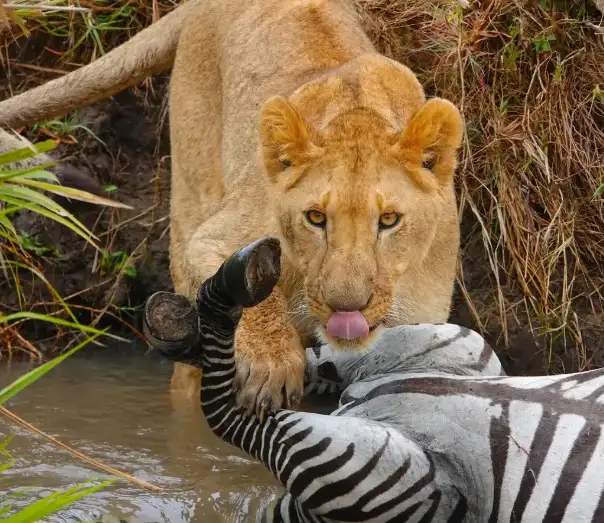
A walking safari redefines a wildlife encounter. The objective is not to get as close as possible to large animals like elephants or lions, but to safely observe them from a distance in their natural state. Much of the experience is about the art of tracking. Your guide will teach you to identify spoor, interpret dung, and understand the subtle signs left by animals. This approach provides a thrilling sense of participation in the natural drama of the bush, creating a far more personal and respectful interaction with wildlife.
Key Safety Protocols for Walking Safari Adventures
Safety is the primary consideration on any guided walk. All reputable walking safaris are led by highly qualified guides with extensive training in approaching dangerous game on foot. In most national parks and conservancies, it is mandatory for the walking party to be accompanied by an armed ranger from the Kenya Wildlife Service (KWS) or the conservancy's own security team. Briefings are conducted before every walk, covering rules such as walking in single file, remaining quiet, and always following the guide's instructions precisely.
Why Private Conservancies Enhance Walking Safaris
Private conservancies, particularly in regions like Laikipia and the Masai Mara ecosystem, offer a superior walking safari experience for several key reasons.
- Exclusivity: With visitor numbers strictly limited, you are unlikely to encounter any other people or vehicles, providing a true sense of isolation and wilderness.
- Flexibility: Unlike national parks, conservancies often permit off-track walking and night walks, allowing guides to follow animal tracks and investigate interesting features freely.
- Expert Local Guides: Many conservancies are run in partnership with local communities, meaning your guides are often Samburu or Maasai people who bring generations of local knowledge to the experience.
Assessing if a Kenya Hiking and Trekking Safari is Suitable
This active safari style is not for everyone. It requires a certain level of physical fitness and an adventurous mindset. It is best suited for travellers who prioritise immersive experiences and a deeper connection with nature over the comforts and pace of a vehicle-based holiday.
Required Fitness Levels for Kenya Hiking and Trekking
A good baseline of fitness is necessary to enjoy this safari style. Participants should be comfortable walking for three to five hours a day, often over uneven or rocky ground, sometimes with gentle inclines. For more demanding treks, such as the ascent of Mount Kenya, a high level of cardiovascular fitness is required, along with preparation for high-altitude conditions. The key is being mobile and able to handle several hours of sustained physical activity in a warm climate.
Ideal Traveller Profile for an Active Safari
This safari is ideal for second-time visitors to Africa or adventurous first-timers who want more than a vehicle-based tour. It appeals to active individuals, couples, and families with older teenagers who have a keen interest in nature and conservation. If you value solitude, a deeper understanding of the ecosystem over ticking off a checklist of big animals, and physical engagement with your surroundings, then a hiking and trekking safari is an excellent fit.
Comfort and Service on a Luxury Walking Safari
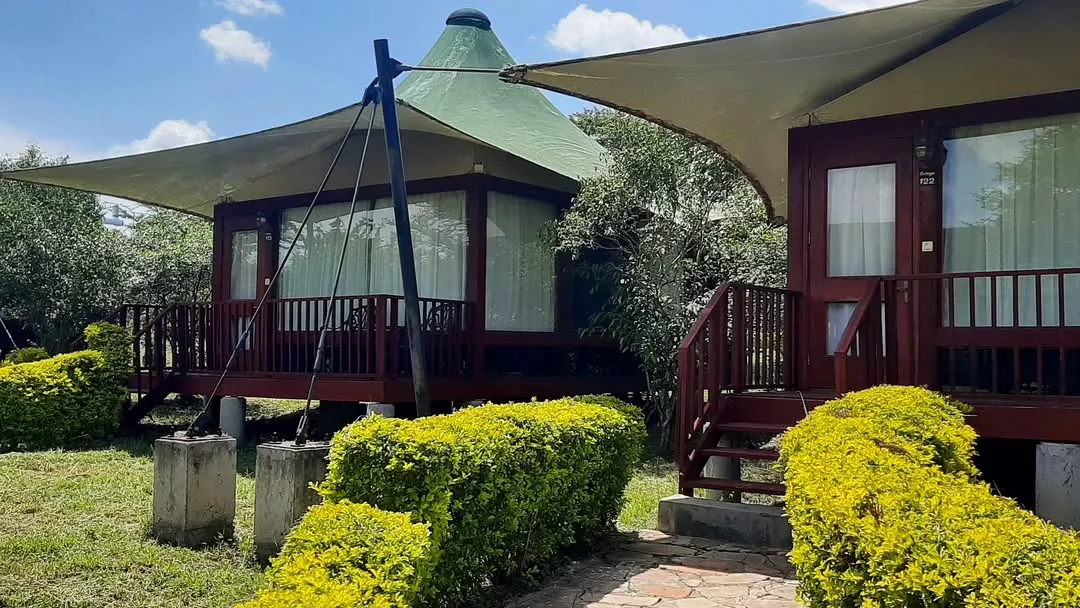
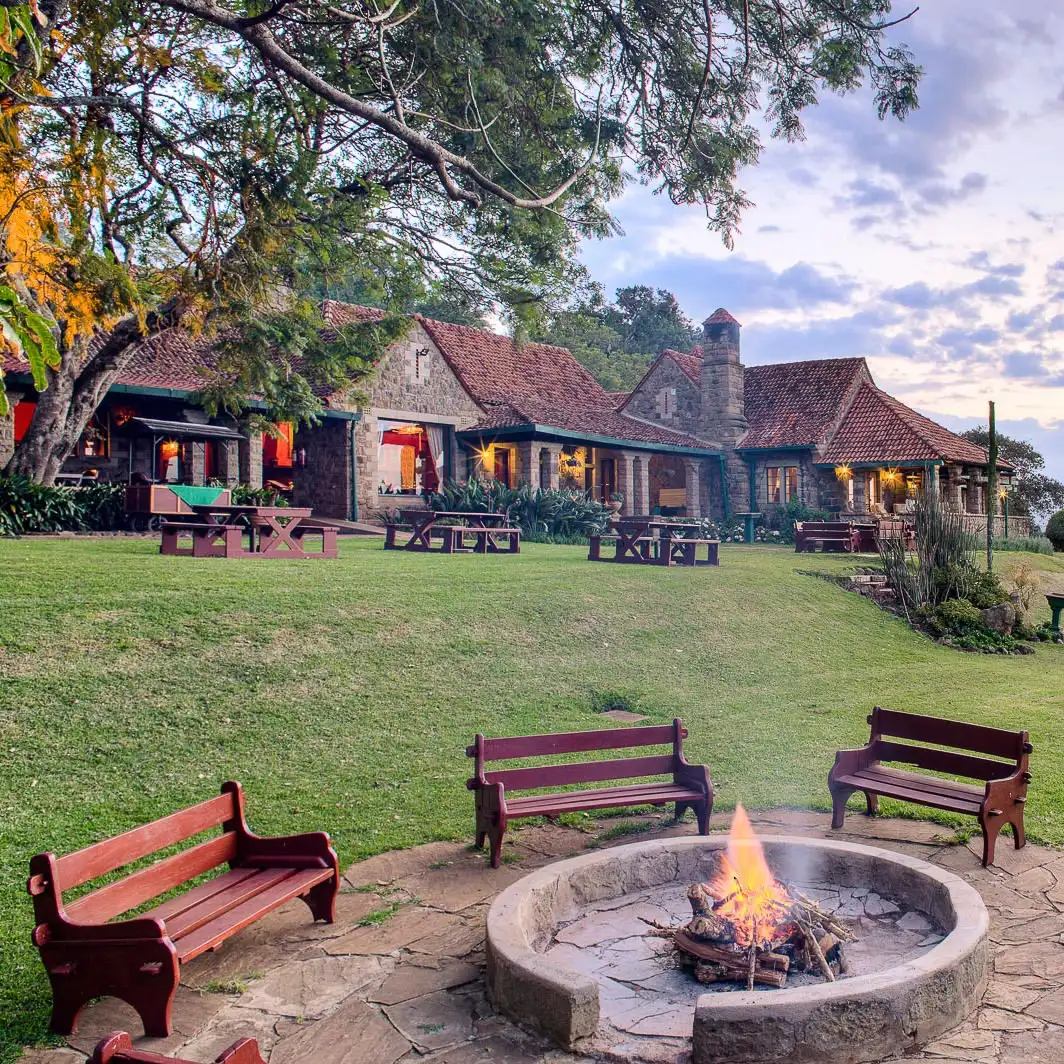
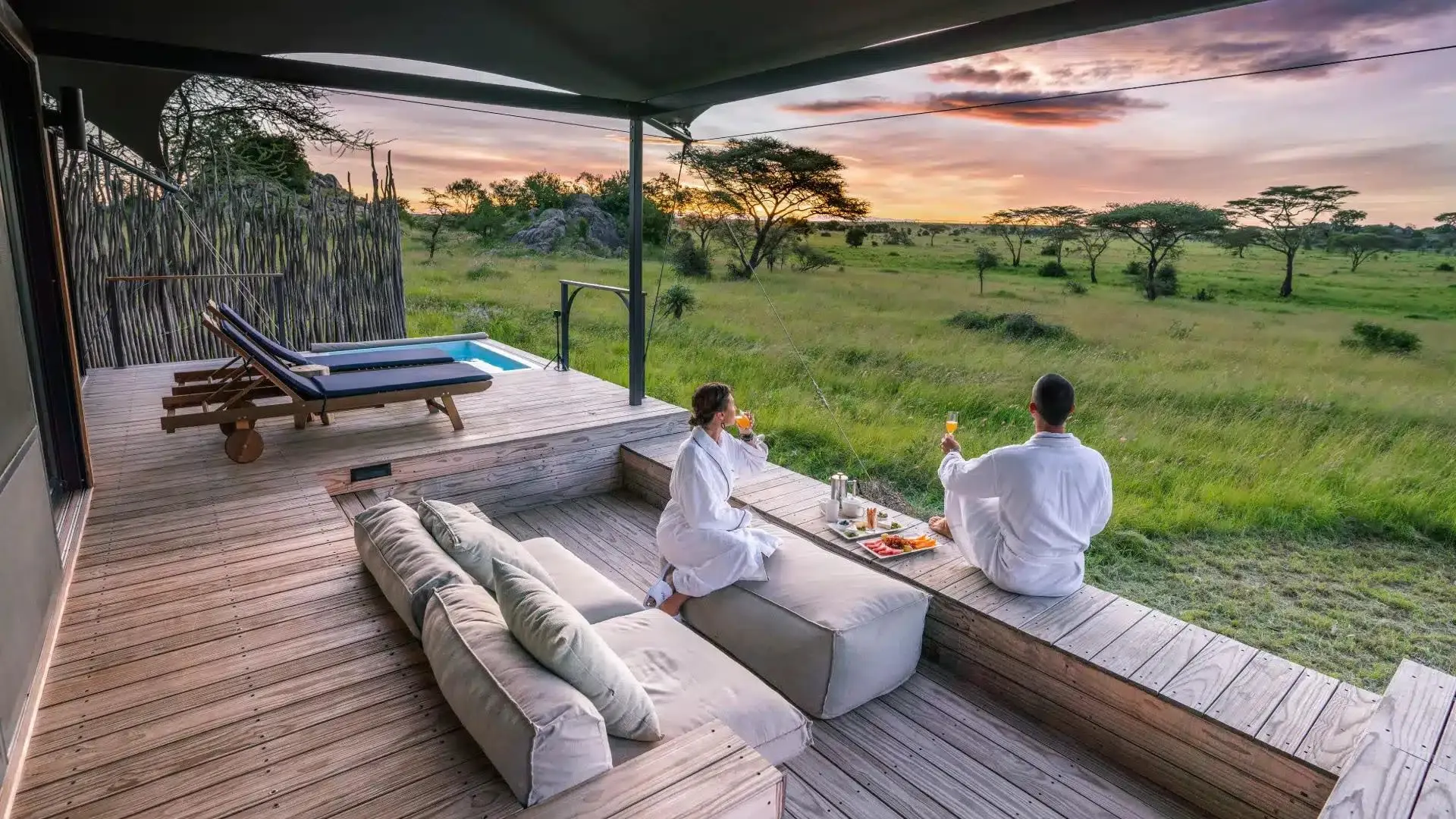
An active safari does not mean a compromise on comfort. Luxury walking safaris use mobile or fly-camps that are moved ahead of you each day by a dedicated crew. You arrive at camp after your walk to find spacious tents with proper beds, canvas washbasins, and often a hot safari-style bucket shower. The service is attentive, with camp staff managing all chores while a skilled cook prepares high-quality meals, ensuring you can relax and recover in comfort each evening.
Behind the scenes, a dedicated camp crew works to provide a high level of service. This team typically includes a camp manager, chefs, and tent stewards who handle all camp logistics. They break down the camp after you depart on your morning walk and set it up again in a new, scenic location, ensuring everything is ready for your arrival. This logistical support allows you to focus purely on the walking experience without any concern for daily chores.
Best Time for a Kenya Hiking and Trekking Safari
Choosing the right time of year is crucial for a successful hiking safari, as weather conditions directly impact trail accessibility, comfort, and wildlife viewing. The dry seasons offer the most reliable and pleasant conditions for walking.
Navigating Kenya's Dry and Green Seasons
The timing of your trip is critical for hiking. The long dry season from June to October and the short dry season from January to March are generally considered the best periods. During these months, the ground is firm, water sources are more concentrated, and the bush is less dense, which aids in both walking comfort and wildlife visibility.
| Season | Months | Hiking & Trekking Conditions |
|---|---|---|
| Peak Dry Season | Jun - Oct | Excellent. Dry trails, clear skies, and concentrated wildlife. Peak season pricing. |
| Short Rains | Nov - Dec | Variable. Short afternoon showers possible. Greener scenery. A good shoulder season option. |
| Short Dry Season | Jan - Mar | Excellent. Hot and dry conditions. Fewer crowds than the mid-year peak. |
| Long Rains | Apr - May | Challenging. Wet and muddy conditions can make some routes impassable. Many camps close. |
Recommended Duration for a Trekking Adventure
For a dedicated walking safari, a minimum of five to seven days is recommended to allow for proper immersion and to undertake a multi-day trek in a region like Laikipia. If you plan to ascend Mount Kenya, you will need at least five days for the trek alone to allow for acclimatisation. A longer trip of 10 to 14 days allows you to combine a multi-day trek with a more traditional safari experience in another region, such as the Masai Mara.
Avoiding Australian School Holiday Surges
The prime June to July dry season in Kenya coincides directly with Australian mid-year school holidays. Similarly, the Christmas and New Year period is a peak time. During these windows, demand for flights and top-tier safari operations is extremely high, leading to increased prices and limited availability. For better value and fewer crowds, consider travelling in the shoulder months of June, September, or October. Booking 12 to 18 months in advance is essential for peak holiday travel dates.
Planning a Kenya Hiking and Trekking Safari from Australia
Careful planning is required when travelling from Australia to East Africa. Factoring in travel time, budgeting appropriately in the correct currency, and addressing health and entry requirements well in advance are key to a smooth journey.
Long-Haul Travel Tips for Australians
The journey from Australia to Nairobi is significant, typically taking over 20 hours with at least one stopover in the Middle East (e.g., Doha, Dubai). It is wise to factor in a recovery day in Nairobi upon arrival before heading out on safari, especially if you are starting with a physically demanding trek. This helps to mitigate the effects of jet lag and ensures you begin your active holiday well-rested.
Budgeting for a Safari in Australian Dollars
A high-quality, guide-led walking safari represents a significant investment. Costs are usually quoted in US Dollars. For Australian travellers, a luxury walking safari can range from US$750 to US$1,500+ per person, per night. This translates to approximately AUD $1,150 to $2,300+ per person per night, subject to exchange rate fluctuations. This price typically includes expert guiding, armed rangers, accommodation, all meals, drinks, and conservancy fees. Remember to budget separately for international flights from Australia, tips, and personal items.
Kenyan ETA, Vaccinations, and Health Advice for Australians
As an Australian passport holder, you are required to obtain an Electronic Travel Authorisation (ETA) online before you travel to Kenya. This has replaced the previous e-visa system. For health, consult your GP or a specialised travel doctor at least six to eight weeks before departure. They will provide the latest advice on required and recommended vaccinations, such as Yellow Fever, Tetanus, Hepatitis A, and Typhoid, and advise on malaria prophylaxis for relevant areas. Always check the latest official government advice on Smartraveller before finalising any travel plans for 2026 or beyond.