


Samburu safari tours offer a specialised safari in Kenya's northern frontier, a region located approximately 350 kilometres north of Nairobi. This experience is distinct from the popular southern parks, providing Australian travellers with an opportunity to see a different Kenyan wilderness. The arid environment supports unique, adapted wildlife and allows for authentic cultural encounters with the Samburu people. A Samburu safari suits those seeking a high-quality, exclusive and less-crowded trip, often as a key part of a broader Kenyan itinerary. The tour's focus is on specific wildlife sightings and genuine cultural immersion, moving beyond a simple checklist of animals.
What a Samburu Safari Tours Offer Australian Travellers
The safari experience in Samburu National Reserve and its surrounding conservancies is defined by a dramatic, semi-arid terrain. This starkly beautiful country is shaped by the life-giving Ewaso Ng'iro River, which means 'brown river' in the local Maa language. The ecosystem supports animal species not found in the southern grasslands of the Maasai Mara, offering a highly specialised wildlife viewing opportunity. Samburu is a destination for the discerning traveller seeking an alternative to the main safari circuit.
Premium Accommodation and Safari Exclusivity
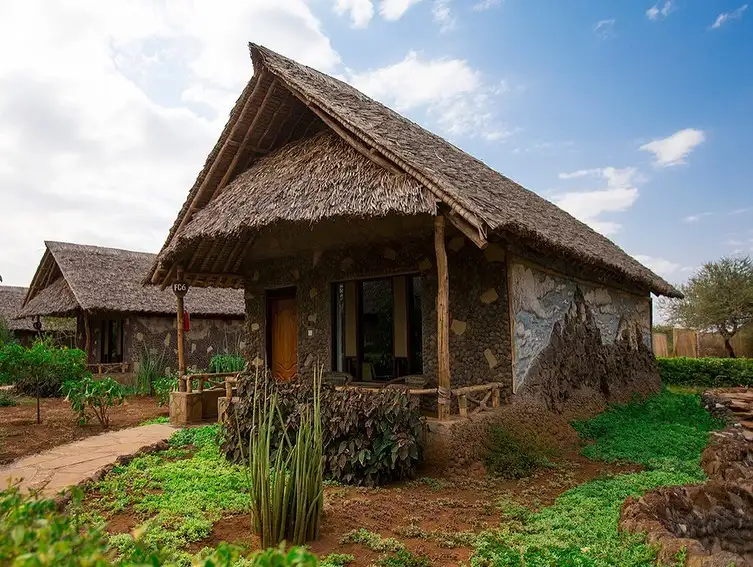
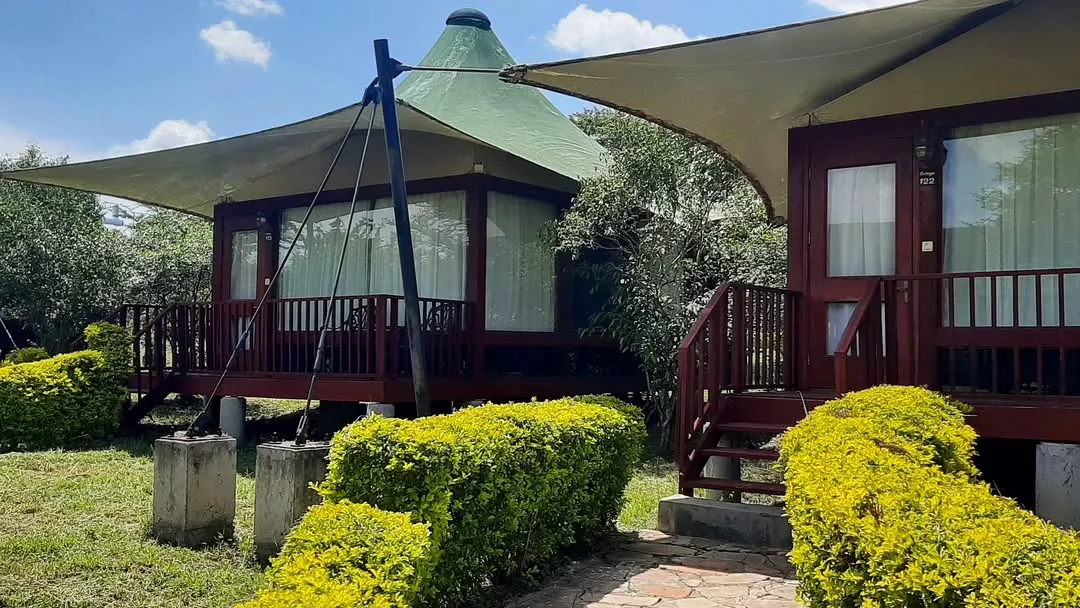
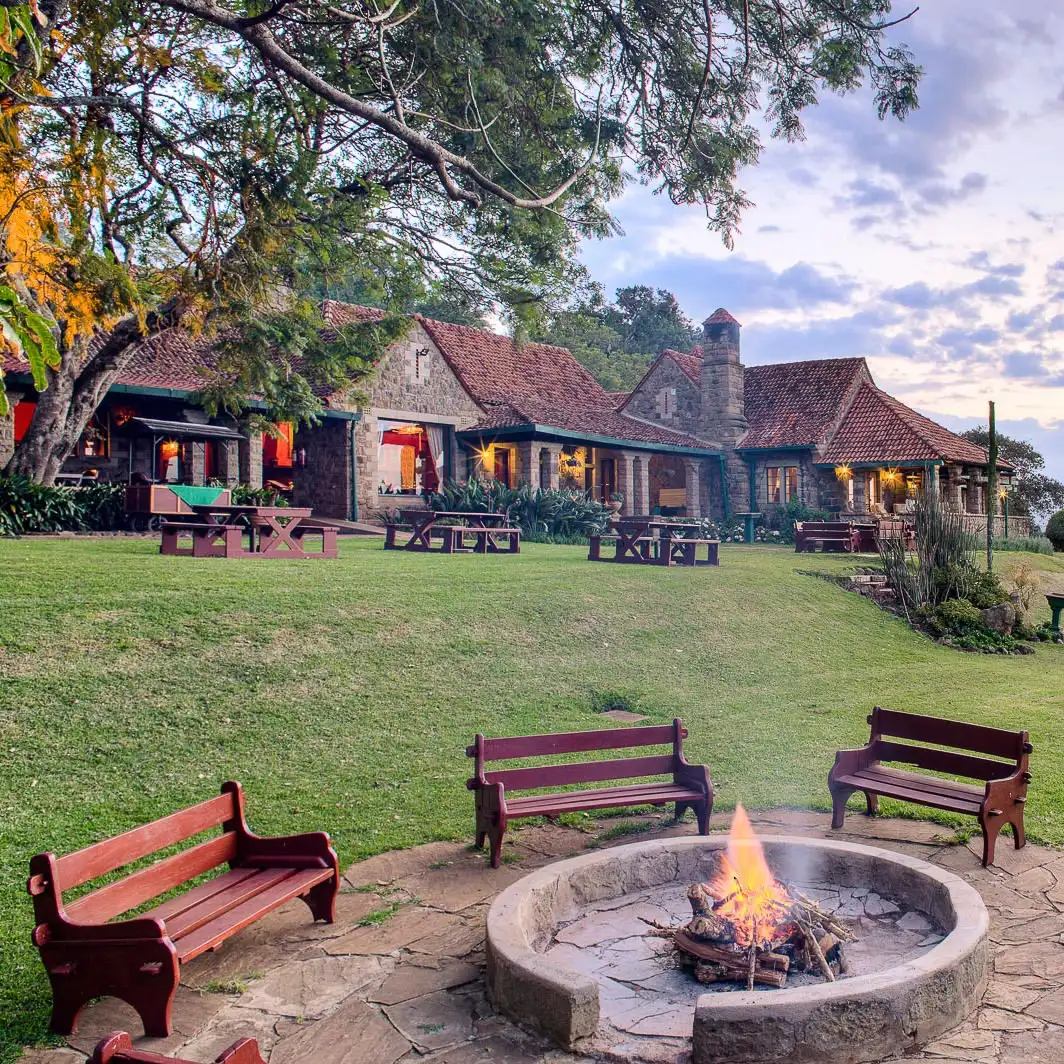
A Samburu safari experience centres on high-end, intimate lodges and tented camps that provide exceptional comfort and expert guiding. The region’s remote location and the structure of its private conservancies ensure fewer tourist vehicles than in more famous parks. This low traffic density results in a private and exclusive atmosphere during game drives and other activities.
A Distinctive Safari for First-Time or Return Visitors
Samburu is an appealing choice for many Australians, including return visitors to Africa and those wanting a distinctive first safari. The destination diverges from the classic savanna settings of southern Kenya and Tanzania. Its unique appeal comes from the combination of dramatic scenery, specialised fauna, and the proud, semi-nomadic Samburu people who are intrinsically linked to this country.
Connecting with Samburu Culture and Country
Samburu tours offer meaningful interactions with the Samburu people, who are culturally related to the Maasai. Many guides are local Samburu warriors who share deep, personal knowledge of the animals, plants, and their own cultural traditions. This direct connection provides an authenticity that elevates the experience beyond a standard wildlife safari.
Typical Samburu Tour Routes and Combinations
Samburu's northern location means it is almost always included as part of a multi-destination Kenyan itinerary. The reserve's unique character complements other safari and coastal experiences particularly well.
Combining Samburu with the Maasai Mara and Coast
A popular and highly rewarding itinerary combines the unique wildlife of Samburu with the big-game density of the Maasai Mara. This combination allows travellers to see the Samburu Special Five before witnessing the vast herds and predator action of the Mara. A standard 10 to 14-day trip often allocates three nights in Samburu, four nights in the Mara, and concludes with several days of relaxation on the Kenyan coast at destinations like Diani Beach or Watamu.
Northern Kenya Itineraries Featuring Samburu
For visitors with a keen interest in conservation and unique ecosystems, Samburu pairs well with other destinations in the northern circuit. An itinerary combining Samburu with the Laikipia Plateau or Meru National Park creates an in-depth northern Kenya safari. This route focuses on diverse wildlife, successful conservation programmes, and low-traffic tourism areas.
Pairing a Samburu Safari with the Great Rift Valley Lakes
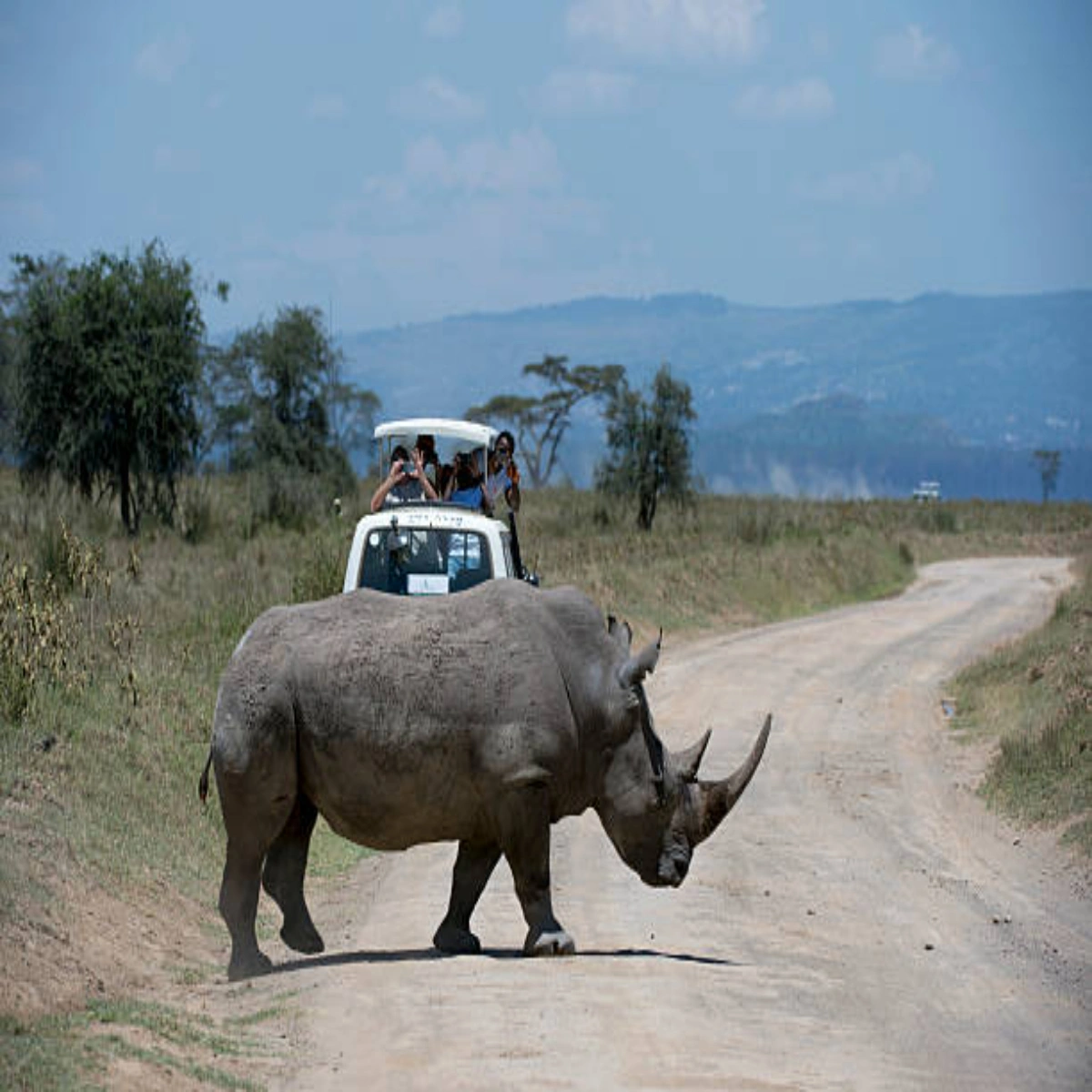
A Samburu safari can also be linked with one of the Great Rift Valley lakes. A trip could begin in Samburu to see its special wildlife, then travel south to Lake Nakuru for its significant rhino populations or Lake Naivasha for its exceptional birdlife and boat-based activities. This route provides a great variety of settings and wildlife encounters.
Wildlife and Cultural Highlights of a Samburu Safari
The primary drawcards for a Samburu safari are its resident wildlife species, specifically adapted to arid conditions, and the distinctive local culture.
Tracking the Samburu Special Five
The Samburu Special Five are the region's signature animals and a key focus for game drives. These species are generally not found in Kenya's southern parks, making their sighting a unique achievement.
- Reticulated Giraffe: Recognised by its striking, net-like coat pattern of clean, sharp lines.
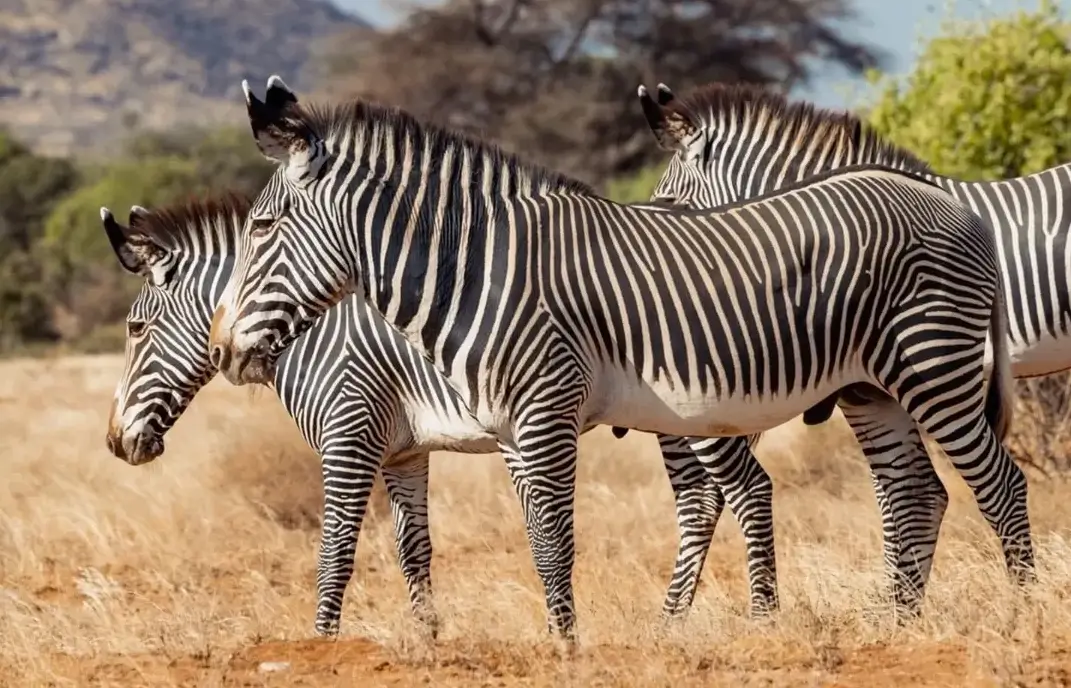
- Grevy's Zebra: A different species to the common plains zebra, it is larger with much finer, more numerous stripes.
- Gerenuk: A long-necked antelope that often stands on its hind legs to browse on acacia bushes.
- Beisa Oryx: A sturdy, straight-horned antelope perfectly adapted to arid environments.
- Somali Ostrich: Distinguished from the common ostrich by its blue-grey neck and legs.
Other Iconic Wildlife in Samburu National Reserve
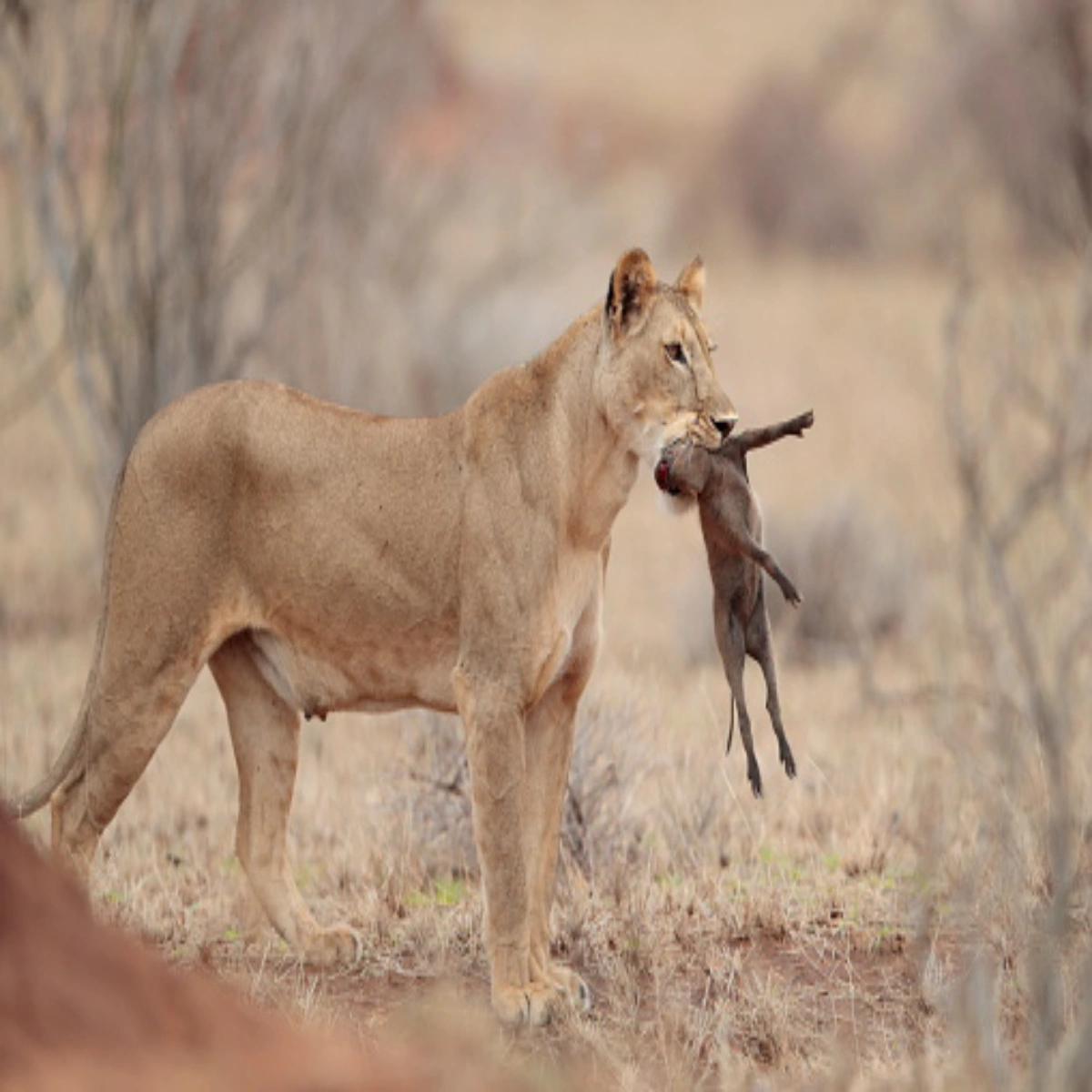
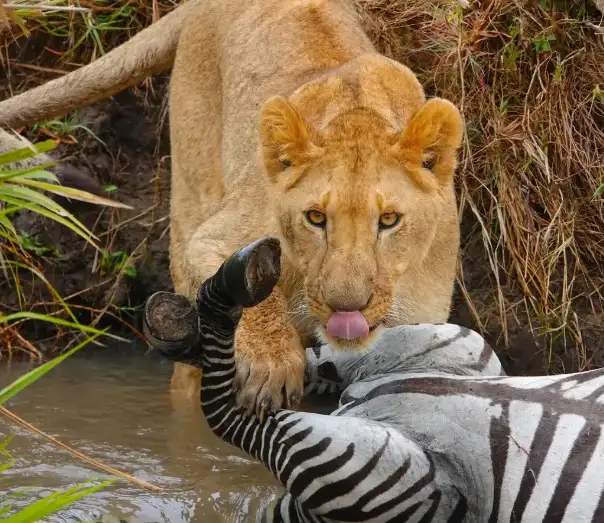
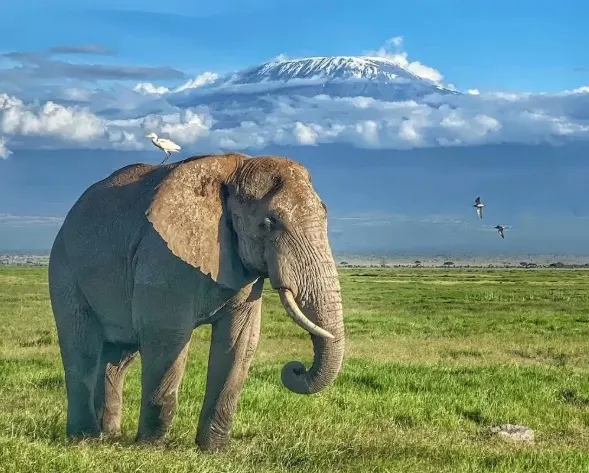
Beyond the Special Five, Samburu offers excellent opportunities for spotting predators. Leopards are frequently seen in the rocky outcrops and riverine forests, with regular sightings of lion and cheetah. The 165-square-kilometre reserve is also home to large herds of elephants, which are a constant presence along the Ewaso Ng'iro River.
Immersive Cultural Experiences with the Samburu People
Genuine cultural activities are a fundamental part of the Samburu experience. Activities include respectful visits to a local Samburu village to understand their traditional way of life. Guests can also join guided bush walks with Samburu warriors who explain tracking techniques and the medicinal uses of local plants, or learn about the community-based conservation initiatives vital to the region's future.
Daily Activities on Your Samburu Safari
A typical day on a Samburu safari is structured around prime wildlife viewing times. The routine includes an early morning game drive after coffee, returning to the lodge for a late breakfast. The middle of the day is for relaxation, followed by an afternoon game drive that often extends into the early evening. This drive may include sundowner drinks at a scenic spot before you return for dinner.
Who Will Love a Samburu Safari Experience
A Samburu safari appeals to a specific profile of traveller who values unique wildlife and authentic cultural connections over a high-volume tally of animals.
Travellers Seeking Unique Wildlife Encounters
A Samburu tour is an ideal choice for travellers wanting to see animals not found elsewhere in Kenya. It offers a chance to appreciate the subtle adaptations of life in an arid region, making it a rewarding destination for photographers and seasoned safari-goers.
Those Wanting Authentic Cultural Immersion
The Samburu experience is particularly fulfilling for visitors who value learning about and respectfully interacting with local cultures. The deep connection between the Samburu guides, their country, and their heritage is a central part of the trip.
Australians Looking for a Premium and Less Crowded Safari
Samburu delivers a premium safari experience for Australians who prioritise comfort, expert guiding, and a sense of solitude. The low vehicle density and high standard of accommodation make it a superior choice, away from the crowds of more accessible parks.
Best Time to Go on a Samburu Tour from Australia
Samburu can be visited year-round, but wildlife viewing is best during the dry seasons. At these times, animals congregate near the permanent water source of the Ewaso Ng'iro River.
Optimal Wildlife Viewing Seasons
The two main dry seasons run from June to October and from January to March. These periods offer the most reliable and concentrated wildlife sightings. The short rains usually arrive in November and December, while the long rains occur in April and May. During the rainy seasons, some camps may close and spotting animals can be more challenging.
Considering Australian School Holidays and Peak Travel
Kenya's peak season from June to October coincides with the mid-year and September school holidays in Australia. The January to March dry season aligns with the latter part of the Australian summer holidays. Booking 9 to 12 months in advance is essential to secure accommodation during these popular periods.
| Period | Wildlife Viewing | Australian Traveller Notes |
|---|---|---|
| Jan - Mar | Excellent | Aligns with summer holidays; book early. |
| Apr - May | Fair | Lower rates; some camps may close. |
| Jun - Oct | Excellent (Peak) | Coincides with mid-year holidays; book far ahead. |
| Nov - Dec | Good | Green season; good value pre-Christmas. |
Recommended Duration for a Samburu Component
A stay of three to four nights is recommended to appreciate Samburu's unique offerings without feeling rushed. This duration allows for several game drives to find the Special Five, time for a cultural visit, and an opportunity to relax and absorb the environment. This timeframe fits well within a typical 10 to 14-day Kenyan itinerary for an Australian traveller.
Planning Your Samburu Tour from Australia
Planning a Samburu tour from Australia requires attention to key practical details due to the distance and remote nature of the destination.
Long Haul Flights and Travel Time from Major Australian Cities
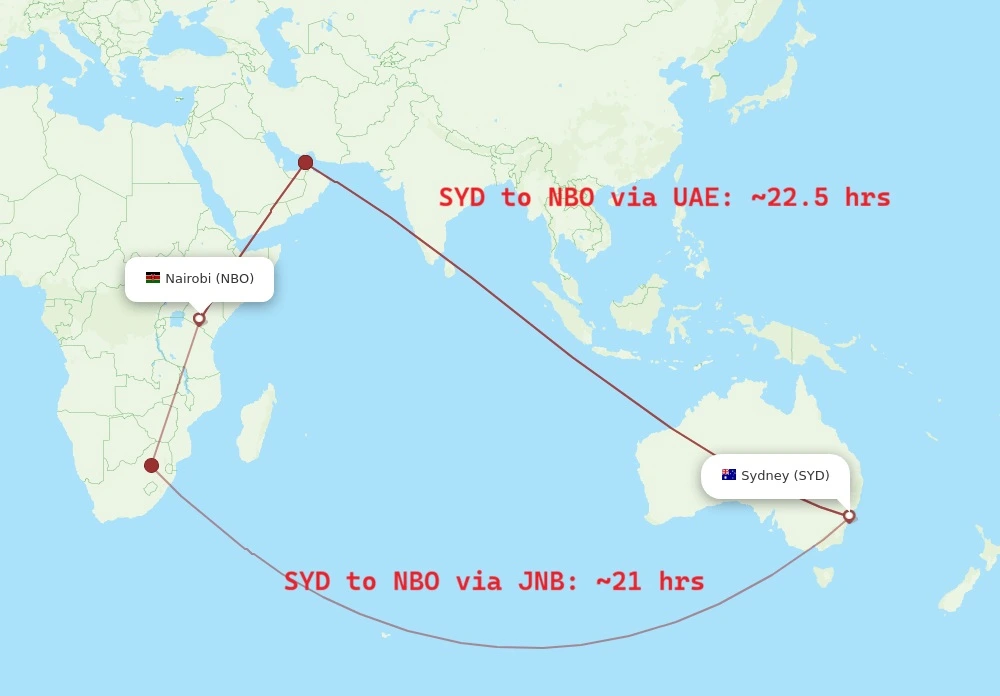
No direct flights operate from Australia to Nairobi (NBO). Travel requires at least one stop, typically in the Middle East (Doha, Dubai) or Asia. Total travel time from Sydney, Melbourne, or Brisbane is usually between 20 and 24 hours, including stopovers. From Nairobi, Samburu is reached via a short domestic flight to a local airstrip, followed by a vehicle transfer to your lodge.
Budgeting for a Luxury Samburu Safari in AUD
A Samburu safari is a premium travel investment. Accommodation is typically all-inclusive, covering meals, drinks, and standard activities. As a guide, per person per night costs can range from approximately AUD $1,000 for a quality mid-range camp to over AUD $2,700 for top-tier luxury lodges. These figures do not include international flights from Australia or internal Kenyan flights.
Visa and Health Requirements for Kenya from Australia
Australian passport holders require an electronic visa (e-Visa) for Kenya, which must be obtained online before departure. You must consult a travel doctor at least six to eight weeks before your trip. Your doctor will advise on required or recommended vaccinations, such as Yellow Fever, and provide guidance on malaria prevention, as Samburu is a malaria-risk area.