
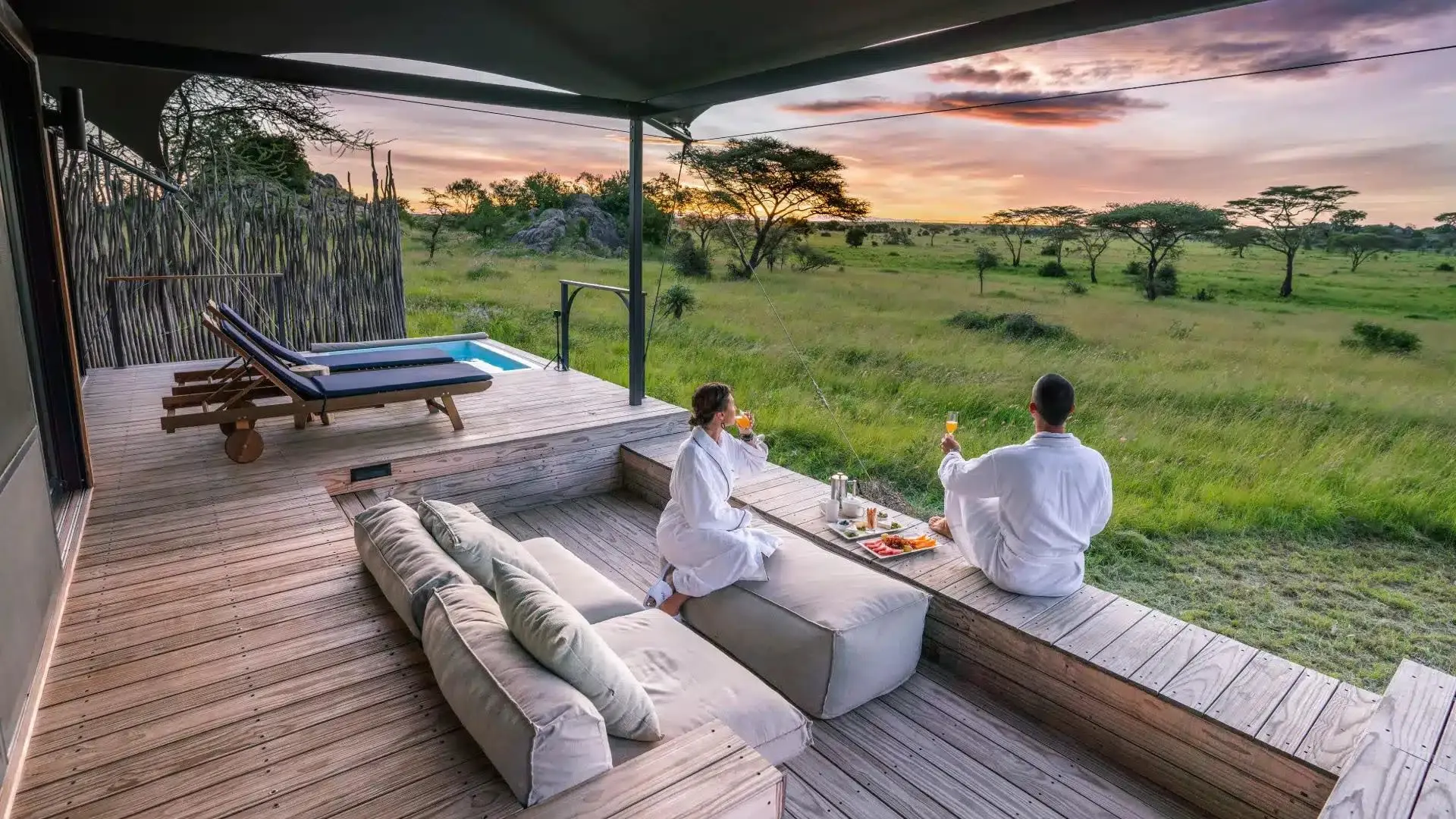
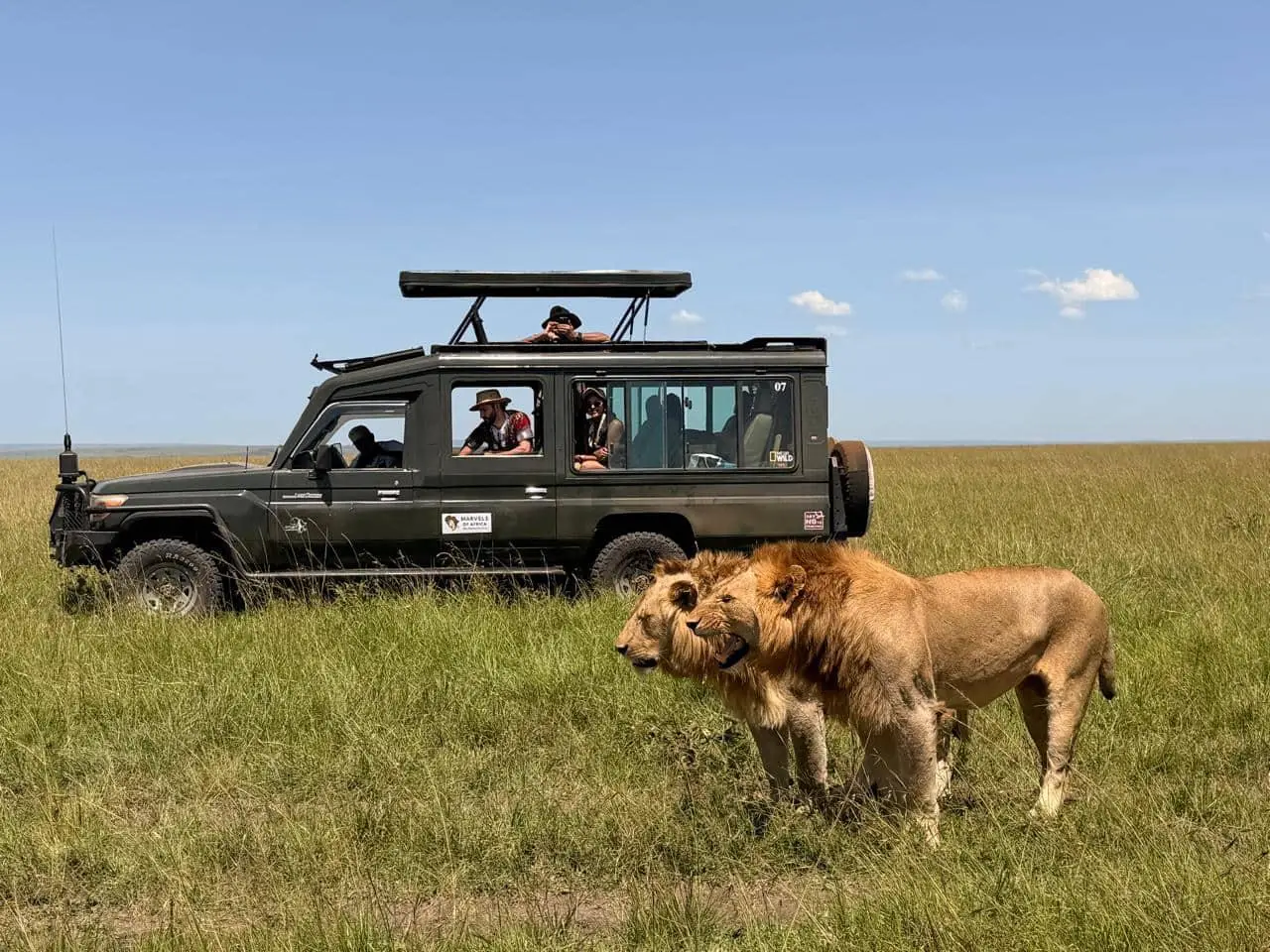
A luxury tech-enhanced road safari marks a significant evolution in wildlife observation, specifically for the Australian traveller. This safari style advances beyond the traditional game drive by integrating sophisticated technology directly into a modified 4x4 Jeep. These journeys use Artificial Intelligence (AI), real-time tracking systems, and advanced optical equipment to improve the quality and frequency of wildlife sightings. This highly specialised, data-driven approach to a classic African adventure is designed for those who value innovation and seek a deeper, more informed understanding of the ecosystems they visit.
What a Luxury Tech-Enhanced Road Safari Entails
This innovative approach to a classic African journey redefines the safari by placing data at the centre of wildlife tracking. It combines the raw thrill of a 4x4 expedition with intelligent systems designed to increase the quality and frequency of animal encounters. The result is a safari that is not only luxurious but also remarkably efficient and informative, moving beyond chance sightings to strategically planned viewing opportunities.
AI-Powered Predictive Wildlife Tracking
A luxury tech-enhanced road safari utilises AI-powered systems that analyse vast amounts of data, including ranger reports, GPS collar information from projects like the Mara Predator Conservation Programme, and historical animal movement patterns. This analysis allows guides to form predictive models of where specific species are likely to be found. Instead of relying solely on recent sightings or radio chatter, the approach is proactive. The technology anticipates animal behaviour to position guests for optimal viewing, focusing on intelligent, targeted wildlife tracking.
Advanced Optics and In-Vehicle Data Hubs
Smart binoculars represent a key component of the experience. These devices feature built-in AI that can identify species, providing immediate information on the animal or bird being observed. This feature adds a layer of educational context without interrupting the natural flow of the sighting. In-vehicle consoles display live tracking data, showing the known territories of specific lion prides or individual leopards, turning the 4x4 into a mobile wildlife intelligence centre.
Digital Concierge Services and Lodge Integration
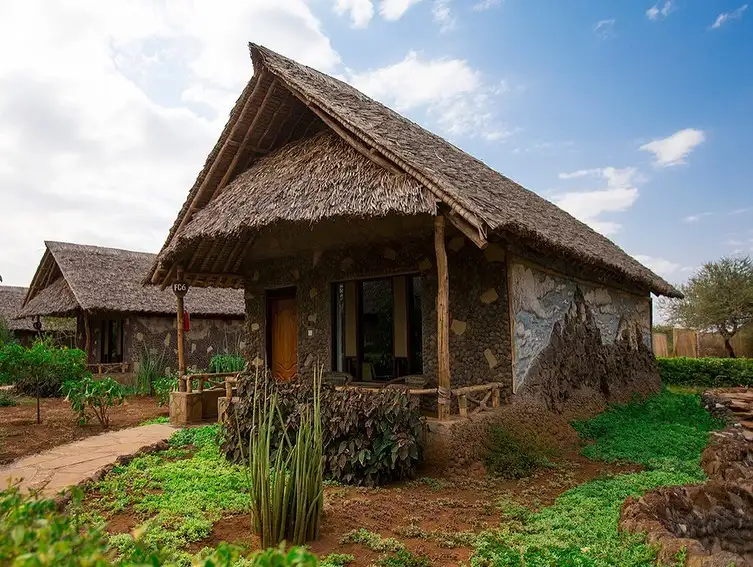
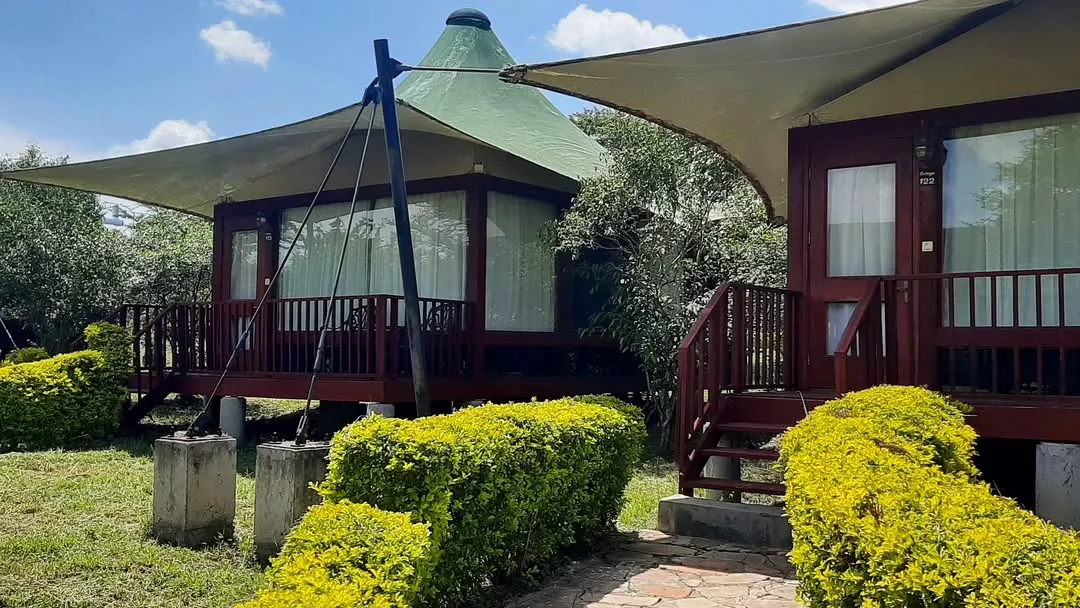
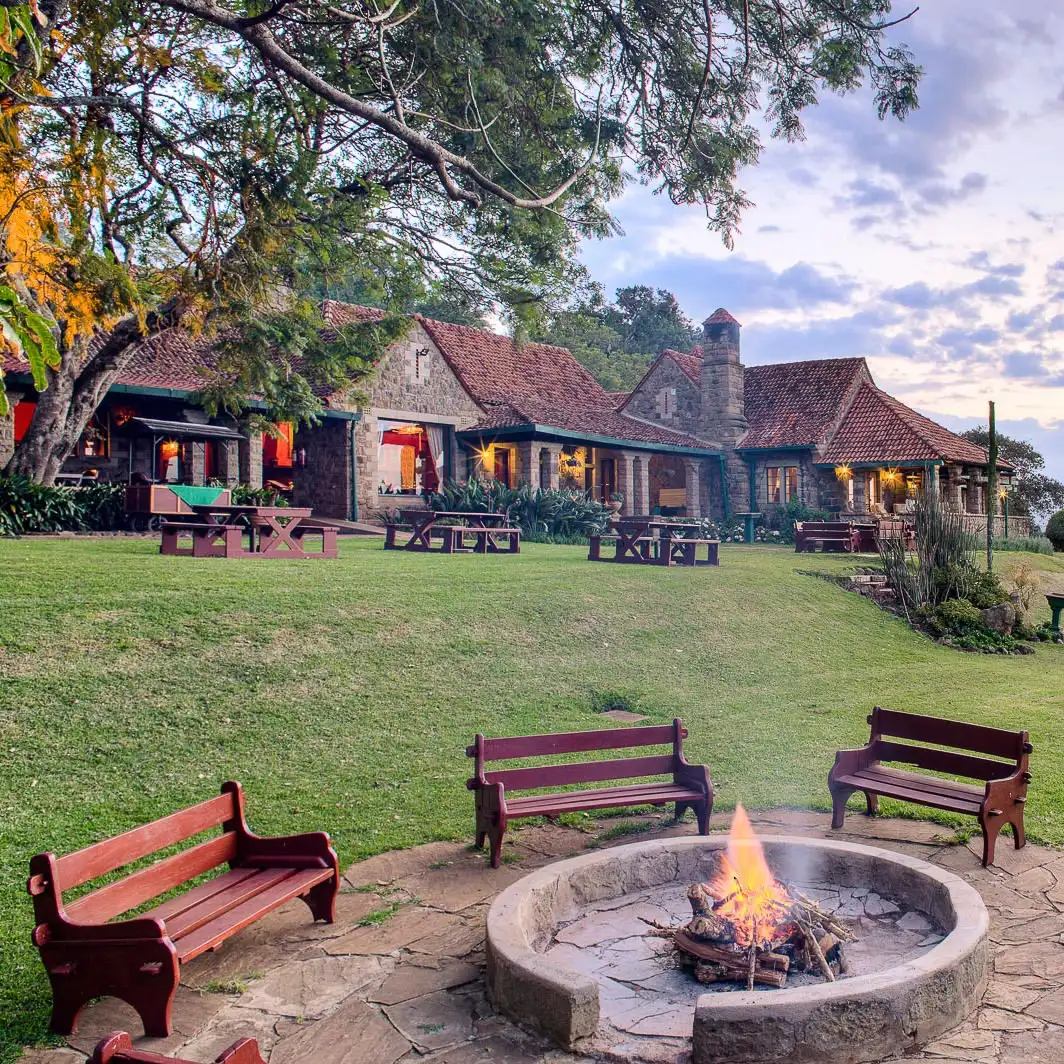
The technological integration extends to the lodge experience. Guests frequently use a dedicated application to manage their stay, from coordinating meal times and dietary requests to communicating directly with their guide or booking spa treatments. This level of digital organisation creates a highly efficient and personalised service structure. All logistical details are handled with precision, freeing up more time to focus on the safari itself.
Data-Driven Adaptive Game Drive Itineraries
While the core activity remains the 4x4 game drive, its execution is fundamentally different. Itineraries are not fixed but are adaptive, changing in response to real-time data. A drive might be rerouted based on a new alert about a leopard sighting or extended to follow a pack of wild dogs identified by the tracking system. This dynamic scheduling maximises the potential for significant wildlife encounters during every outing.
Where to Experience a Tech-Enhanced Safari in Kenya
Kenya provides the ideal setting for this advanced safari model. Its world-renowned national reserves and private conservancies possess the high-density wildlife populations and established infrastructure necessary to support sophisticated tracking operations. For the Australian visitor, this creates a unique opportunity to pair a high-tech bush adventure with other iconic Kenyan experiences within a single, well-planned holiday.
Kenya's Premier Reserves for Tech-Enabled Safaris
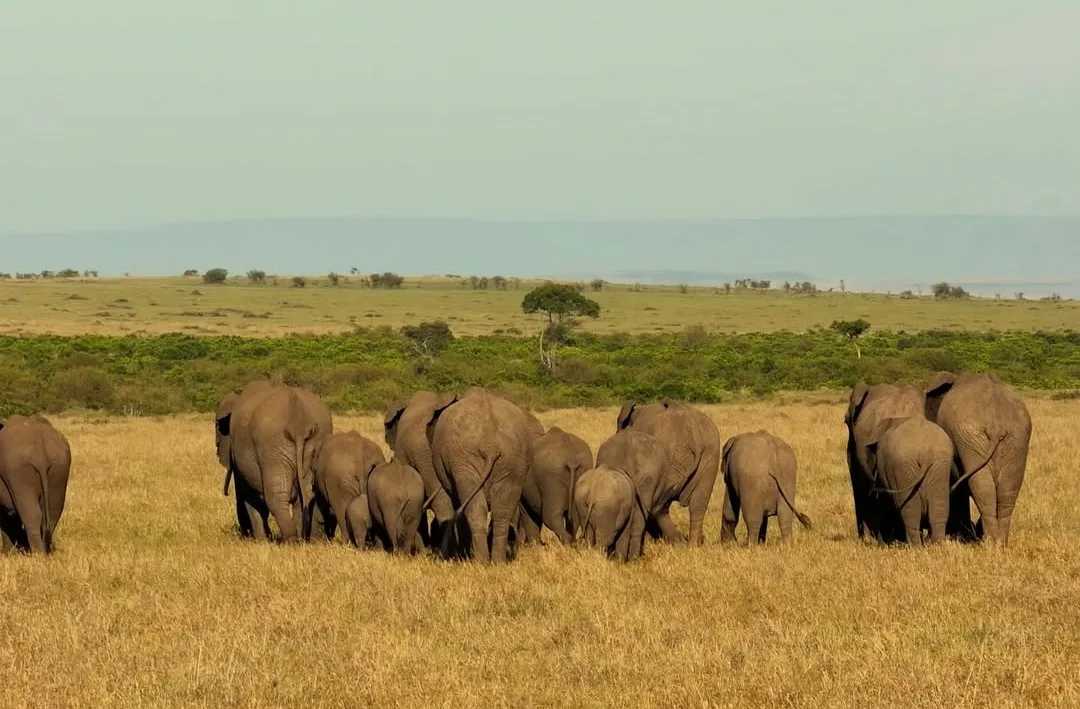
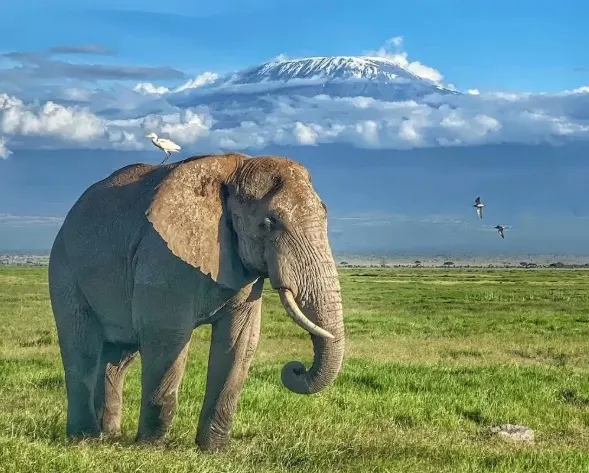
These specialised safaris are typically located in Kenya's premier wildlife areas where high animal densities justify the investment in technology. The Maasai Mara National Reserve, particularly within the 500-square-kilometre Mara Triangle, and its surrounding private conservancies like the Mara North Conservancy, are prime locations. These areas support robust populations of predators and plains game. Similarly, private conservancies in Laikipia and regions like Amboseli National Park offer the necessary infrastructure and wildlife concentrations for these advanced operations.
Pairing Your Safari with Kenya's Coast
For Australian travellers undertaking the long journey, a popular itinerary structure involves an intensive 3 to 5-night tech-enhanced safari followed by a period of relaxation. After the data-rich experience in the bush, many opt for a short flight to Kenya's coast. High-end properties around Diani Beach or Watamu provide a contrasting environment to decompress, with white-sand beaches and marine activities rounding out the African holiday.
Navigating Kenya with Private Charters and 4x4s
Logistics are a key consideration for this style of travel. To make the most of a typical 10 to 14-day trip from Australia, itineraries often use a combination of private 4x4 transfers and scheduled light aircraft flights from operators like Safarilink. This method allows for swift movement between disparate ecosystems. For example, it connects the tech-focused experience in the Maasai Mara with the unique wildlife of Samburu National Reserve without losing entire days to road travel.
The Advantages of a Tech-Enhanced Wildlife Safari
The core purpose of integrating technology is to elevate the wildlife viewing experience from opportunistic to strategic. By using data to inform every decision, these safaris give guests a greater chance of witnessing extraordinary animal behaviour. This approach aims to create a more profound connection to the environment, supported by factual insights and dynamic planning that maximises every moment in the field.
Increased Success in Locating the Big Five
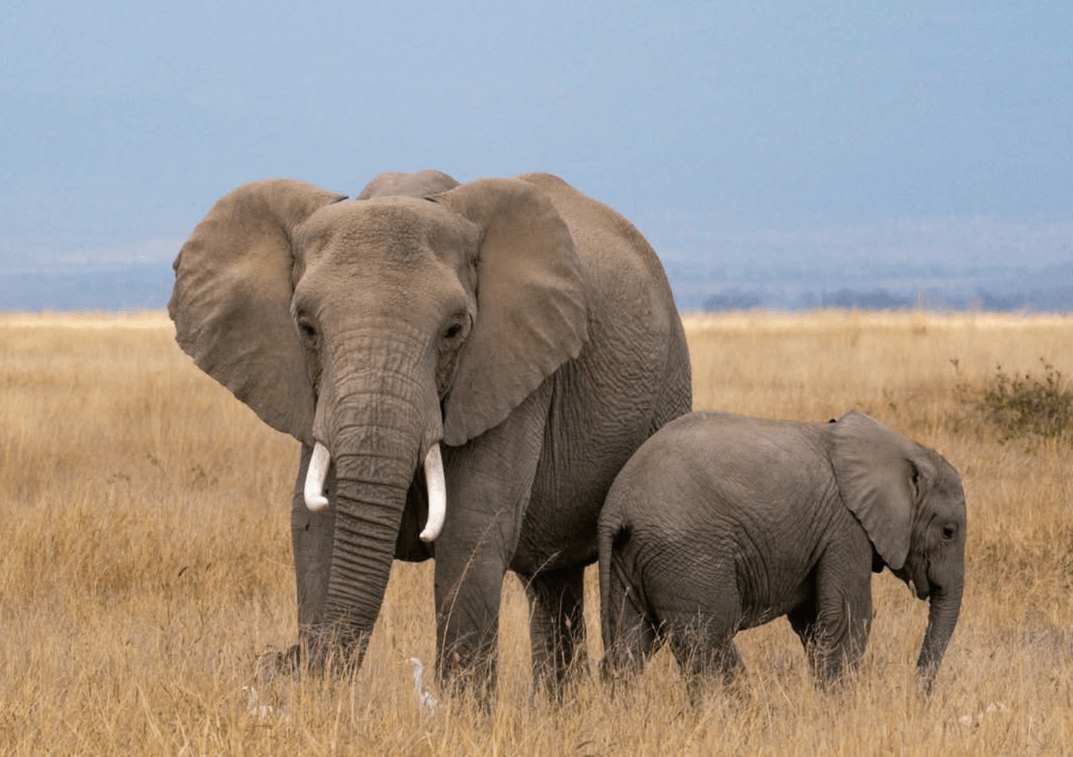
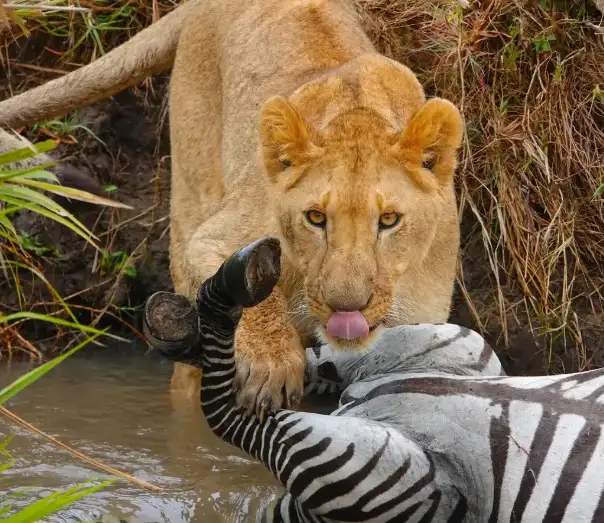
The primary benefit of the technology is the increased probability of locating key species. For those hoping to see the Big Five (lion, leopard, rhino, elephant, and buffalo), predictive tracking systems offer a distinct advantage, particularly for finding the elusive leopard. The technology also enhances the experience beyond major mammals, with smart binoculars assisting in the identification of rare birds and smaller, less-obvious creatures often missed on a standard drive.
Using Technology to Foster a Deeper Understanding
A common question is whether technology detracts from the authenticity of the safari. In practice, the systems are designed to be an unobtrusive tool that deepens understanding. By providing instant, factual context about an animal's species, behaviour, or role in the ecosystem, the technology allows for a greater appreciation of the sighting. It supports, rather than replaces, the knowledge of the expert human guide, creating a more informed connection to the environment.
Flexible Itineraries Based on Real-Time Wildlife Alerts
The ability to alter plans based on live information is a significant departure from standard safaris. An afternoon game drive can be planned around credible intelligence of an impending Mara River crossing during the Great Migration or a lion pride on a hunt. This flexibility means that safari activities are dictated by the wildlife, not by a predetermined schedule. This responsiveness leads to more spontaneous and rewarding encounters.
Is a Tech-Enhanced Safari Suitable for You
This highly specialised form of travel is not for everyone. It appeals to a particular mindset that values precision, information, and efficiency alongside luxury and adventure. Understanding the profile of the ideal traveller for this experience is key to determining if it aligns with your safari aspirations and what you hope to achieve during your time in Africa.
The Profile of the Tech-Savvy Safari Traveller
This travel style appeals to a specific type of person. It is well-suited to early adopters of technology, experienced safari-goers looking for a new dimension to their travels, and those on a once-in-a-lifetime trip who want to maximise their investment. It is for the traveller who appreciates data, values efficiency, and seeks a deeper understanding of the natural world through a modern lens.
How Technology Complements the Authentic Safari
Technology serves as a layer on top of the fundamental safari experience. The core elements remain: the expertise of your guide, the thrill of tracking animals, the sundowner drinks in a scenic spot, and the ambience of a luxury camp. The tech is a powerful tool in the guide's toolkit. It is used to enhance the probability of success without overshadowing the essential magic of being in the African wild.
Maximising Your Safari Investment from Australia
For Australians, a trip to Africa involves a significant commitment of time and resources. A tech-enhanced safari offers a compelling proposition by aiming to deliver the highest possible return on that investment in the form of superior wildlife sightings. It provides a structured, intelligent way to approach a safari, ensuring that the limited time available is used to its fullest potential for extraordinary wildlife viewing.
Optimal Timing and Duration for a Tech-Enhanced Safari
Timing and duration are critical factors in planning a successful safari from Australia. While technology enhances wildlife tracking year-round, aligning your visit with Kenya's optimal viewing seasons and allocating sufficient time for the experience will yield the best possible results and return on your investment.
Aligning Your Trip with Kenya's Viewing Seasons
While the technology can assist in locating wildlife year-round, travel during the optimal seasons will always produce the best results. The dry seasons offer excellent conditions as vegetation is sparse and animals congregate around remaining water sources, making them easier to locate.
| Season | Months | Wildlife Viewing Conditions |
|---|---|---|
| Long Dry Season | June - October | Excellent. Prime time for the Great Migration in the Maasai Mara. Minimal rainfall. |
| Short Dry Season | January - February | Very good. Clear skies and good visibility. A popular time for travel. |
| Green Season | March - May / Nov - Dec | Good. Fewer visitors and vibrant scenery. Good for birdwatching. Rain can affect drives. |
Recommended Duration for the Core Safari Component
To fully benefit from the adaptive itineraries and tracking technology, a stay of 3 to 5 nights at the specialised lodge or camp is recommended. This period provides sufficient time for the systems and guides to deliver a range of high-quality sightings. For most Australian travellers, this component is best integrated into a broader Kenyan itinerary that lasts between 7 and 14 days in total.
Structuring a Comprehensive 10 to 14-Day Itinerary
A well-structured trip might begin with the intensive, tech-focused safari for 3-4 nights to secure key sightings. Following this, you could fly to a different park, such as Samburu or Amboseli, for a more traditional safari experience focused on unique terrains and different species. Concluding with 3-4 nights at a coastal resort near Diani Beach allows for relaxation before the long flight home.
Key Planning Considerations for Australian Travellers
Logistical planning is crucial for a smooth and enjoyable journey from Australia to Kenya. Addressing flights, peak travel periods, and essential documentation well in advance ensures your focus remains on the safari experience itself. A clear understanding of the budget is also necessary for this premium holiday.
Managing Long-Haul Flights and Arrival
Travel from major Australian cities like Sydney, Melbourne or Brisbane to Nairobi's Jomo Kenyatta International Airport (NBO) typically takes 20 to 24 hours, including at least one stopover in the Middle East (e.g., Dubai, Doha). Scheduling a quiet first day in Nairobi upon arrival is a wise strategy to acclimatise and recover from jet lag before heading out on safari.
Navigating Peak Season and Australian Holiday Dates
Key Australian holiday periods, particularly late June to early July and December to January, align with Kenya's peak safari seasons. During these times, demand for flights and accommodation is high, leading to increased prices and limited availability. Booking 9 to 12 months in advance is essential for travel during these popular windows.
Essential Visa and Health Preparations
Planning your health and documentation is a critical step. Ensure you address the following well in advance of your departure date:
- Visa: An e-Visa is mandatory for Australian citizens. Applications must be completed online through the official Government of Kenya portal prior to travel.
- Vaccinations: A Yellow Fever vaccination certificate may be required for entry into Kenya. Consult a travel doctor at least 6-8 weeks before your trip to discuss this and other recommended vaccinations like Hepatitis A and Typhoid.
- Passport: Your Australian passport must have at least six months of validity remaining from your intended date of departure from Kenya, with at least two blank pages.
Budgeting for a Premium Safari in Australian Dollars
This is a premium travel product. Per person per night costs for a true tech-enhanced luxury safari in Kenya can range from $950 to $2,200 USD. Australian travellers should convert these figures to AUD and recognise this as a high-end investment. The price reflects not just the luxury accommodation and service, but the significant research, development, and operational costs of the proprietary tracking technology, as well as mandatory conservation fees that support the wildlife reserves.