

A tour of Lake Nakuru National Park delivers a targeted wildlife mission for Australian travellers. The park serves as a highly efficient way to guarantee sightings of specific rare species, most notably rhinos, within a compact and manageable timeframe. Often incorporated as a day trip from Nairobi or a strategic one-night stopover, it functions as a crucial addition to a broader Kenya safari itinerary. Its value is particularly high for travellers aiming to complete their Big Five checklist or keen photographers seeking unique Rift Valley scenery.
What to Expect from a Lake Nakuru National Park Safari
Unlike the vast, unfenced plains of the Masai Mara, Lake Nakuru offers a more contained and predictable wildlife experience. The park, covering 188 square kilometres, is fully fenced, an essential measure to protect its significant rhino population from poaching. This enclosure results in exceptionally reliable viewing opportunities and a high density of wildlife within a smaller area, making it ideal for time-conscious itineraries.
Targeted Expeditions for Rhino and Rothschild's Giraffe
The primary reason to include Lake Nakuru in your itinerary is its status as a premier rhino sanctuary. The park supports one of Kenya's largest concentrations of both black and white rhinos. Game drives here are methodical, focusing on the grassland and woodland habitats where these animals are known to feed. In addition to rhinos, the park is a vital stronghold for the endangered Rothschild's giraffe, a subspecies you are unlikely to see in other major Kenyan parks like the Masai Mara or Amboseli.
Completing Your Big Five Checklist at Lake Nakuru
For many travellers, seeing the 'Big Five' (lion, leopard, elephant, buffalo, and rhino) is a key safari goal. While lions and Cape buffalo are present, and leopards are often seen on overnight stays, it is the near-certainty of a rhino sighting that makes Nakuru a logical inclusion. If your main safari is in parks like Amboseli or Samburu where rhinos are absent or extremely rare, a one-night stop here effectively ticks that final box with high reliability.
Distinctive Rift Valley Photography Opportunities
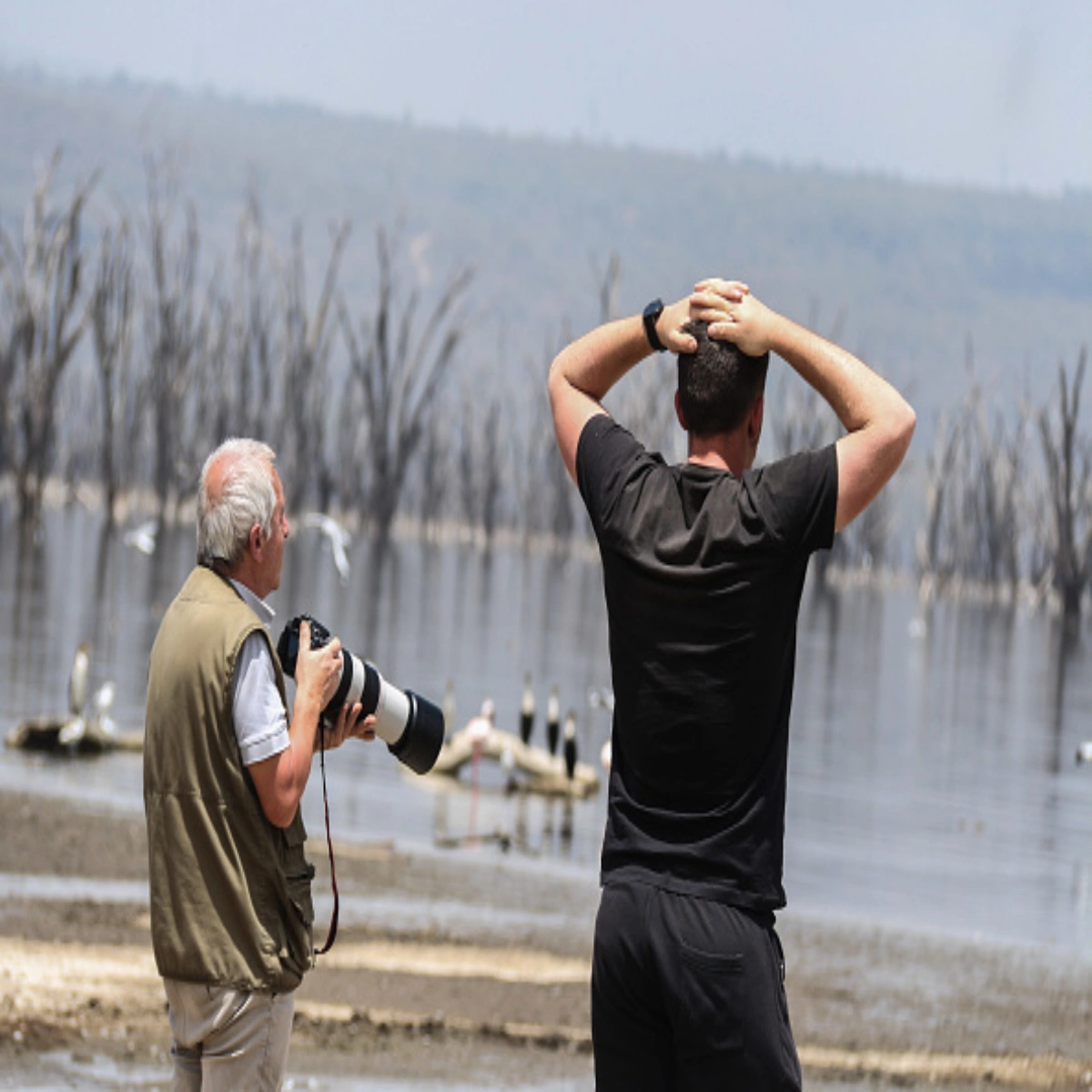
The park's alkaline soda lake, with its often-submerged yellow-barked acacia trees, provides a distinct visual backdrop not found elsewhere. Key viewpoints, such as Baboon Cliff, offer elevated perspectives over the lake and its surrounding woodland. These locations present different photographic challenges and rewards compared to the classic savannah horizons, with unique textures and dramatic light, especially in the early morning and late afternoon.
Structuring Your Lake Nakuru Tour Itinerary
Due to its relatively small size and proximity to Nairobi (approximately 160 kilometres), Lake Nakuru can be visited in several efficient ways. The structure of your visit will depend on its role within your overall Kenya trip, serving either as a quick, high-impact excursion or a logistical bridge between other destinations.
Efficient Day Trips from Nairobi
A full-day excursion from Nairobi is a common option for travellers on a tight schedule. This itinerary involves an early start to cover the 3-4 hour drive along the A104 highway, a comprehensive game drive through the park with a picnic lunch, and a return to the city in the evening. This timeframe is sufficient to see the key species, including both white and black rhinos, and to visit the main viewpoints.
Immersive Overnight Stays for Predator Sightings
Staying for one night allows for a more relaxed pace and deeper immersion. This option provides the opportunity for two game drives: one in the late afternoon on arrival and another in the early morning the next day. These cooler periods offer better light for photography and increase the chances of spotting predators, particularly leopards, which are more active during dawn and dusk.
Integrating Nakuru into a Broader Kenya Safari Circuit
For a multi-park itinerary, Lake Nakuru serves as an ideal logistical link. It effectively breaks the journey between parks in the north, like Samburu, and those in the south, such as the Masai Mara, avoiding excessively long travel days.
- Classic Circuit Stop: A typical route might be Nairobi to Samburu, south to Lake Nakuru for one night, then continuing to the Masai Mara.
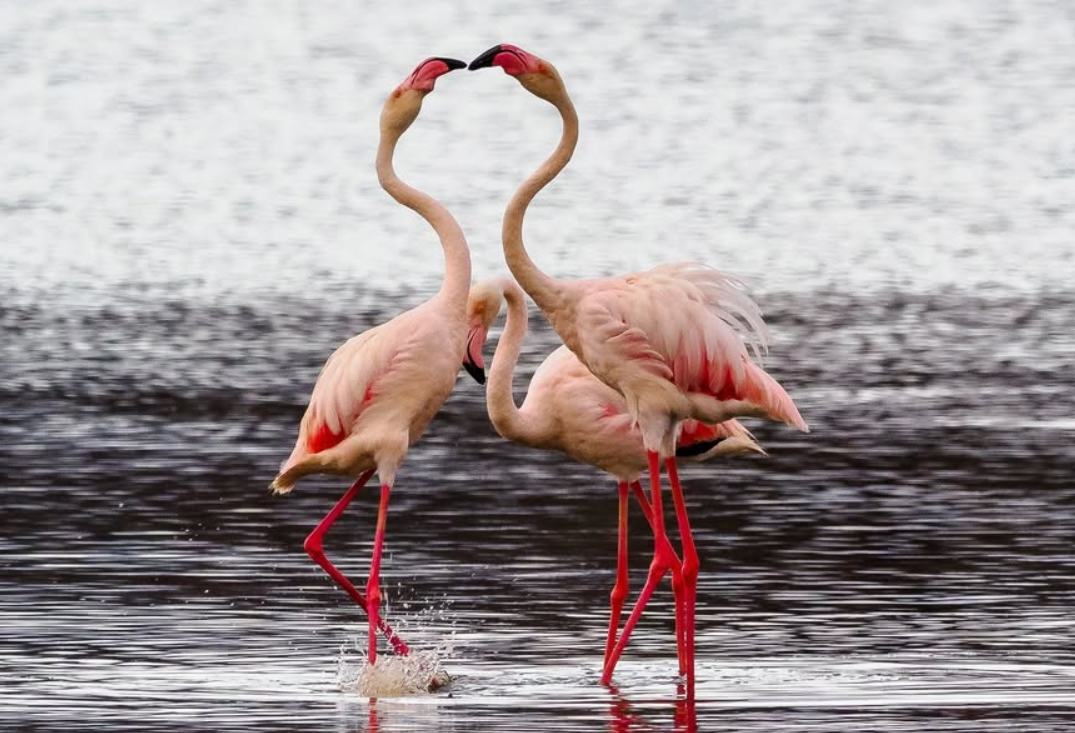
- Rift Valley Lakes Circuit: It can be combined with visits to nearby Lake Naivasha for boat safaris or Lake Bogoria for its reliable flamingo populations.
- Nairobi Add-On: Easily added as a 2-day/1-night safari before or after a longer itinerary based out of the Masai Mara or northern Kenya.
Key Wildlife Encounters on Lake Nakuru Tours
The main draw is specific, high-value wildlife. While the park supports a good diversity of animals, the experience is defined by its rhino and giraffe populations, which are the primary reason for its inclusion on most safari circuits.
High-Probability Sightings of Black and White Rhino
This is the park's primary attraction. You have an excellent chance of seeing Southern white rhinos, often grazing in small groups (crashes) on the grasslands near the lake. The critically endangered Eastern black rhino is also present, though more solitary and likely to be found browsing in the denser bushland. The park's sanctuary status makes it one of the most successful conservation stories in East Africa.
Spotting the Endangered Rothschild's Giraffe
Lake Nakuru is one of the few places in Kenya where you can reliably see the Rothschild's giraffe. This subspecies is identified by its five horns (ossicones) and distinctive leg patterning that stops at the knee, giving the appearance of white stockings. Their presence adds a unique element to game drives here, as they are not found in the Mara ecosystem.
Exploring the Park's Diverse Habitats Beyond the Lake
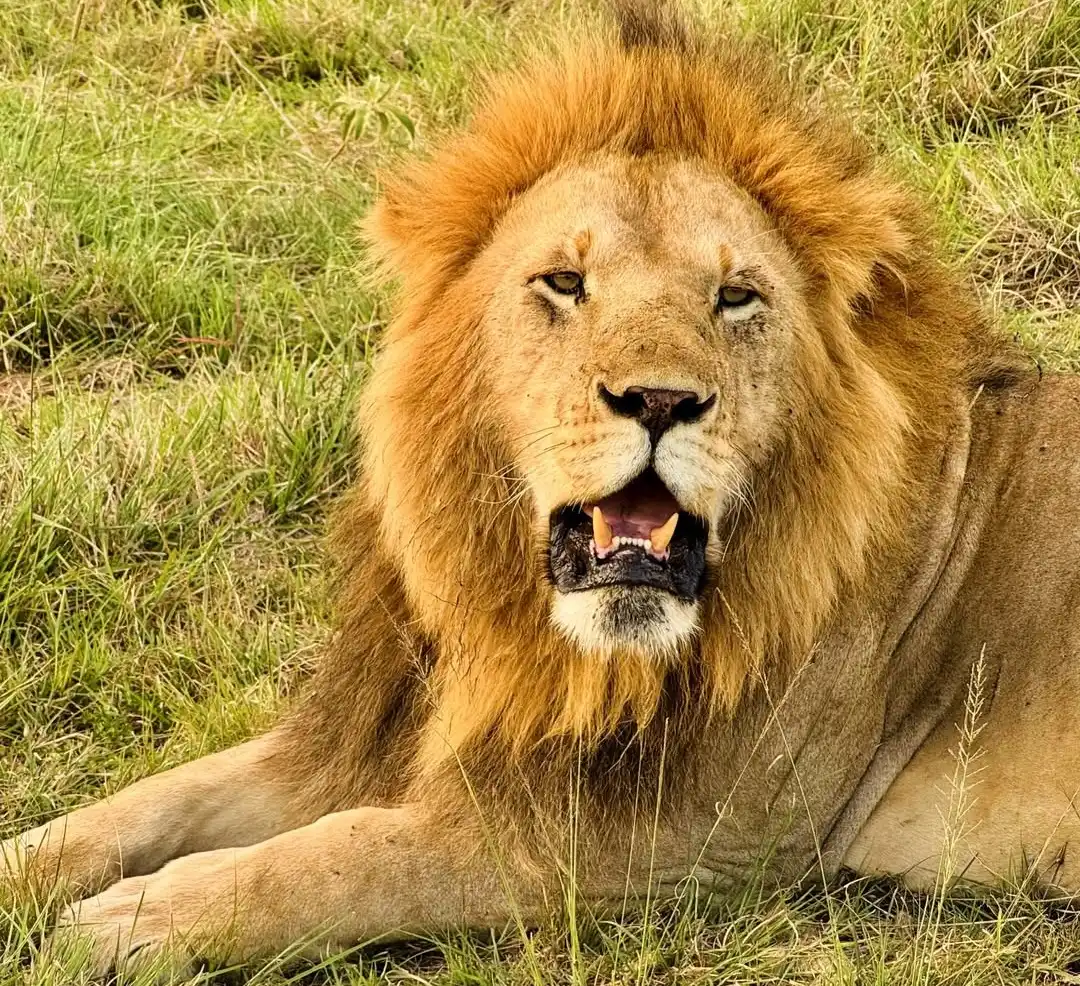
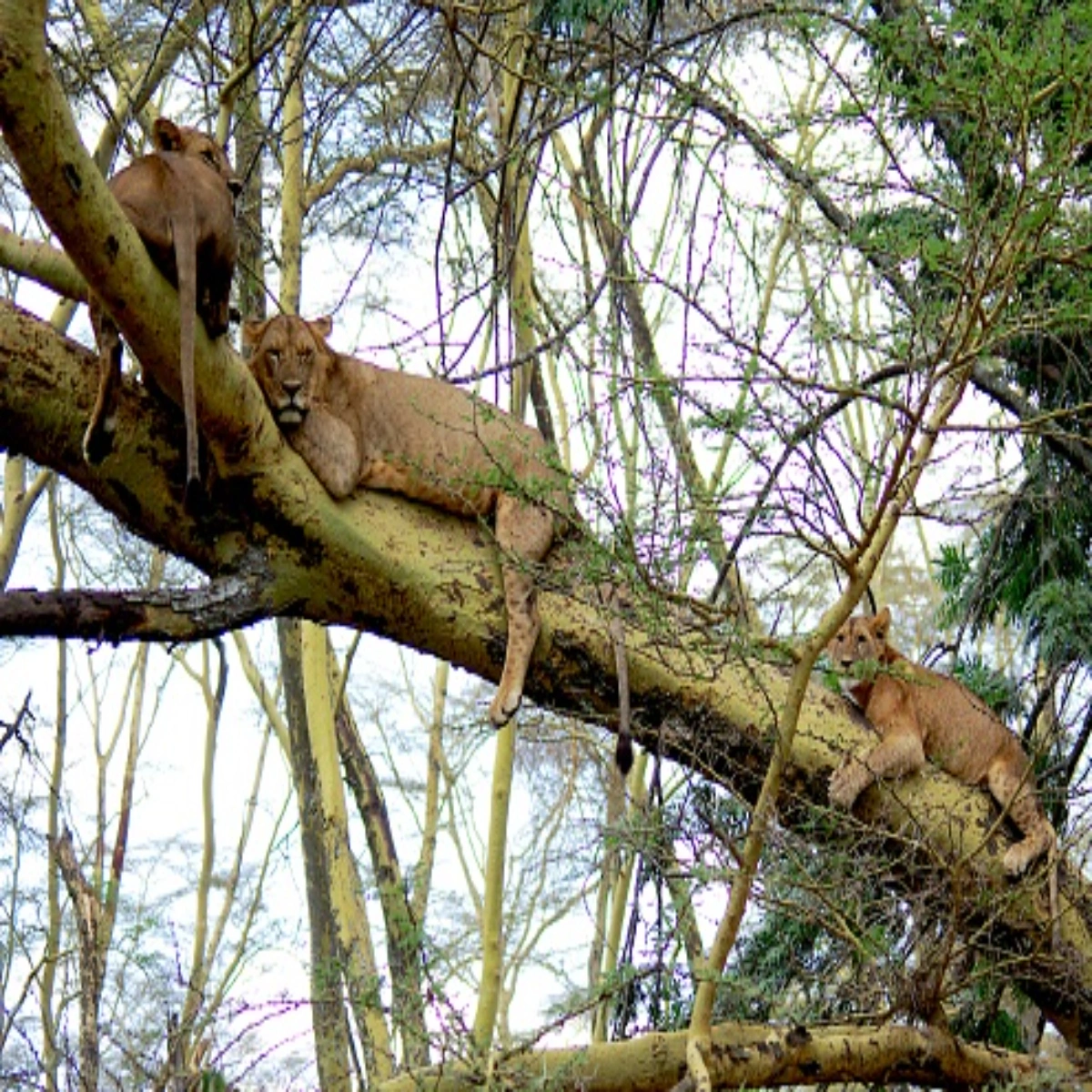
Beyond the soda lake itself, the park contains a variety of habitats that support a wide range of wildlife. These include expansive grasslands, dense acacia woodlands, and rocky cliffs. This variation supports Cape buffalo, waterbuck, impala, and prides of lions known for their tree-climbing habits. Makalia Falls, in the south of the park, provides another point of interest, especially during the wetter months when the flow is strongest.
Managing Flamingo Expectations at Lake Nakuru
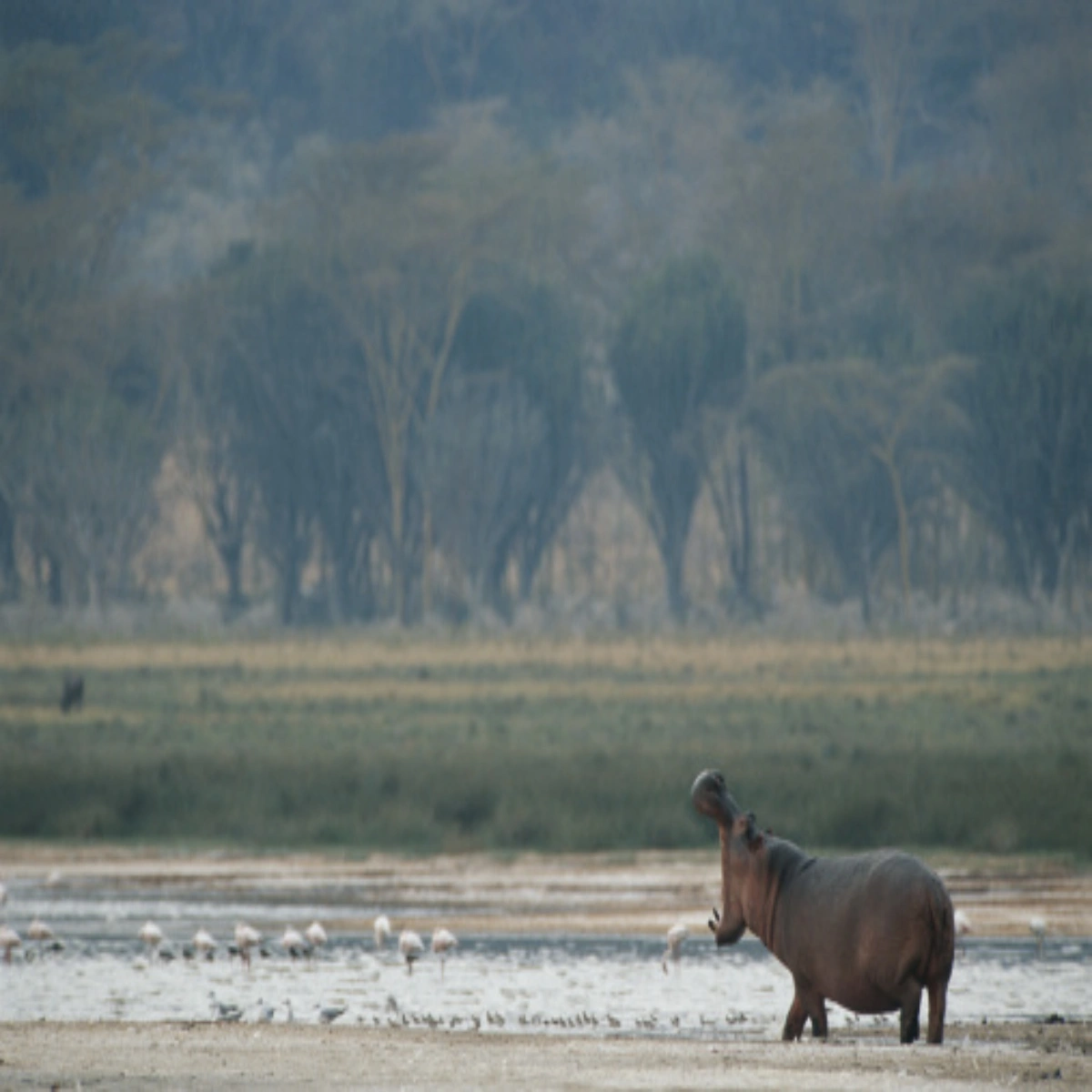
Lake Nakuru was historically famous for its vast flocks of lesser flamingos. However, due to changing water levels and alkalinity in recent years, these massive congregations are no longer a guaranteed feature. While some flamingos and pelicans are usually present, you should not plan your visit solely on this expectation. For more reliable and spectacular flamingo viewing, nearby Lake Bogoria is now the primary destination in the Rift Valley.
Why a Lake Nakuru Safari Suits Australian Travellers
For Australians planning a trip to Kenya, Lake Nakuru offers a strategic advantage. Given the long-haul travel involved, it is about maximising the return on your time investment by guaranteeing sightings of key species that can be elusive elsewhere.
Guaranteed Rhino Sightings for Certainty-Focused Aussies
If seeing a rhino is a non-negotiable part of your safari, Lake Nakuru is the most reliable place in Kenya to make it happen. The fenced sanctuary environment removes the element of chance found in larger, unfenced reserves. This makes it a sound planning choice for a trip that has taken considerable time and effort to organise from Australia.
Time-Efficient Safaris for Maximising Your Kenya Trip
Given its accessibility from Nairobi, the park is a perfect fit for shorter trips or for breaking up longer itineraries. A one-night stay here delivers high-impact wildlife viewing without requiring multiple days, freeing up valuable time to spend in other key destinations like the Masai Mara or Samburu.
Valuable Opportunities for Keen Wildlife Photographers
The combination of guaranteed subjects (rhinos, Rothschild's giraffes) and unique settings (submerged fever trees, clifftop views) makes Lake Nakuru a valuable stop for photographers. The opportunity to get clear, unobstructed shots of rhinos in good light is particularly noteworthy and can be a highlight of a photographic portfolio.
A Strategic Stop to Maximise Your Wildlife Checklist
After travelling more than 20 hours from Australia, efficiency matters. A stop at Lake Nakuru ensures you see species that might otherwise be missed, adding significant value and certainty to your overall safari experience and helping you achieve your wildlife viewing goals.
Best Time and Ideal Duration for a Lake Nakuru Visit
Planning your visit depends on your tolerance for rain and how the park fits into your wider travel schedule. Importantly, wildlife viewing for the key species like rhinos remains consistent year-round due to the park's contained ecosystem.
Seasonal Considerations for Wildlife Viewing and Scenery
The dry seasons offer the most pleasant conditions for game drives with minimal mud and clearer skies. However, the park's scenery is arguably more striking during the 'green season' just after the rains, when the vegetation is dense and colourful.
| Season | Months | Conditions & Wildlife Notes |
|---|---|---|
| Long Dry Season | Jun - Oct | Peak season. Clear skies, less mud. Wildlife is easier to spot as vegetation is thinner. |
| Short Rains | Nov - Dec | Greener scenery. Some rain, but it generally does not disrupt game drives significantly. |
| Short Dry Season | Jan - Mar | Excellent conditions, often hot and dry. Good visibility for wildlife. |
| Long Rains | Apr - May | Wettest months. Can be challenging for travel, but fewer visitors and beautiful green parklands. |
How Many Days Are Needed for a Thorough Visit
For most travellers, one night is the ideal duration. This schedule allows for an afternoon and a morning game drive, which is enough time to cover the park's main circuits and see the key animals without feeling rushed. A full-day trip from Nairobi is also a viable, though long, alternative for those with very limited time.
Aligning Your Visit with Australian School Holidays
The Australian winter school holidays in June-July and the spring holidays in September-October align perfectly with Kenya's peak dry season, making this an excellent time to visit. The Christmas and New Year period is also popular but coincides with the short rains. It is advisable to book accommodation and tours well in advance for these periods as demand is high.
Planning Logistics for Your Lake Nakuru Tour from Australia
Organising your trip from Australia requires attention to Kenyan entry requirements, health precautions, and budget conversions. A clear understanding of what is included in your tour package is essential for a smooth and enjoyable experience.
Kenyan eTA and Health Advice for Australians
Australian passport holders require an Electronic Travel Authorisation (eTA) to enter Kenya. This must be applied for online before departure. We advise checking the latest requirements with the Kenyan High Commission in Canberra. A Yellow Fever vaccination certificate may be required depending on your travel history. Consult your GP or a travel doctor for personalised advice on this and other recommended immunisations like Tetanus and Hepatitis A.
Budgeting Your Safari in Australian Dollars
Safari packages are typically quoted in US Dollars (USD). When budgeting from Australia, you must account for the current AUD to USD exchange rate and any potential fluctuations. Your budget should cover the main tour cost, international flights, the Kenyan eTA fee, comprehensive travel insurance, vaccinations, and personal spending money for gratuities and souvenirs.
Understanding Lake Nakuru's Premium Park Fees
Lake Nakuru is classified as a 'Premium Park' by the Kenya Wildlife Service, meaning its daily conservation fees are higher than in parks like Nairobi National Park. Our tour prices always include these park fees, a private 4x4 vehicle, an expert driver-guide, and any specified meals and accommodation. This policy ensures price transparency and avoids the need for you to handle large cash payments at the park gate.
Flight Logistics from Major Australian Cities
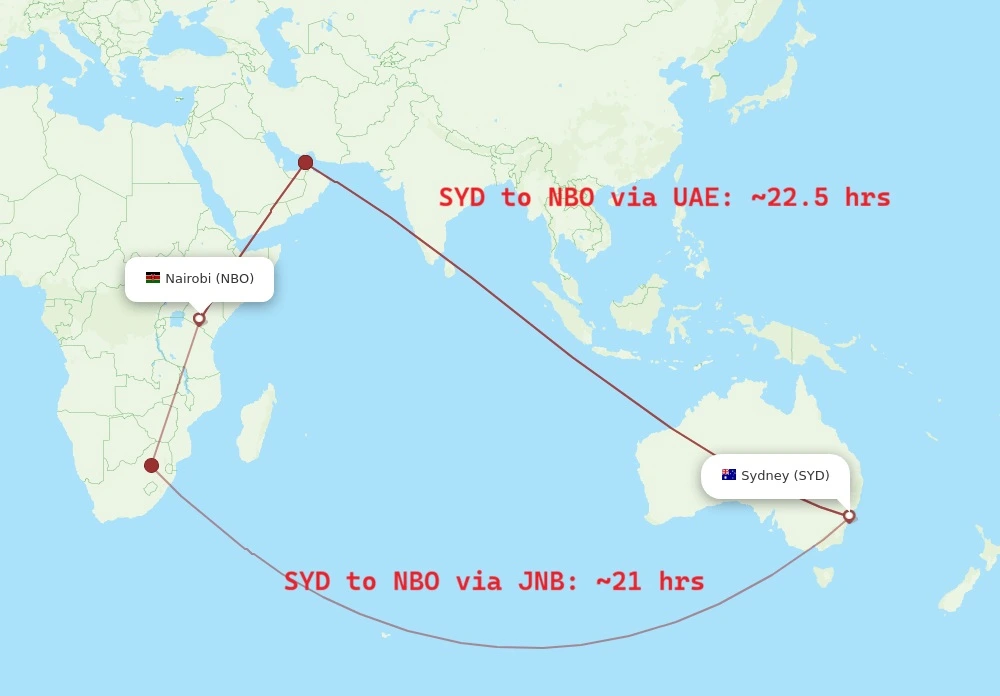
There are no direct flights from Australia to Jomo Kenyatta International Airport (NBO) in Nairobi. Travel will involve at least one stop, typically in the Middle East with airlines like Qatar Airways (via Doha) or Emirates (via Dubai). Total travel time from cities like Sydney, Melbourne, or Perth is significant, usually over 20 hours. When planning, we recommend factoring in a day for travel and recovery on either end of your safari itinerary.