

A Luxury Solo Group Safari is a travel model designed for individuals travelling alone who want a high-end African safari experience without paying single supplement fees. This style allows Australian travellers to join a small, pre-arranged group of like-minded people on a fixed itinerary in Kenya. The programme focuses on a shared interest in wildlife, premium accommodation, and expert guiding. This structure offers a balance of companionship and the freedom of solo travel. All ground logistics, from Nairobi airport transfers to park fees and daily schedules, are managed by the operator, creating a practical and streamlined long-haul holiday.
Defining the Luxury Solo Group Safari Model
This travel style is structured to provide a comprehensive and accessible safari for individuals. It addresses the common financial and logistical hurdles of solo travel in Africa by creating small, cohesive groups with shared interests. The target traveller is typically independent, mature, and has a strong passion for wildlife, seeking a high-quality, secure, and social experience.
Eliminating Single Supplements for Solo Travellers
The primary financial benefit of this travel style is the removal of the single supplement. Safari pricing is conventionally based on two people sharing a room or tent. A solo traveller would normally pay an extra fee to occupy that space alone. A Solo Group Safari is designed specifically to eliminate this cost. You are guaranteed your own private room and en-suite bathroom at each camp or lodge on the itinerary for the standard twin-share rate. This policy makes a luxury safari significantly more accessible for individuals.
Logistical Certainty for Australian Travellers
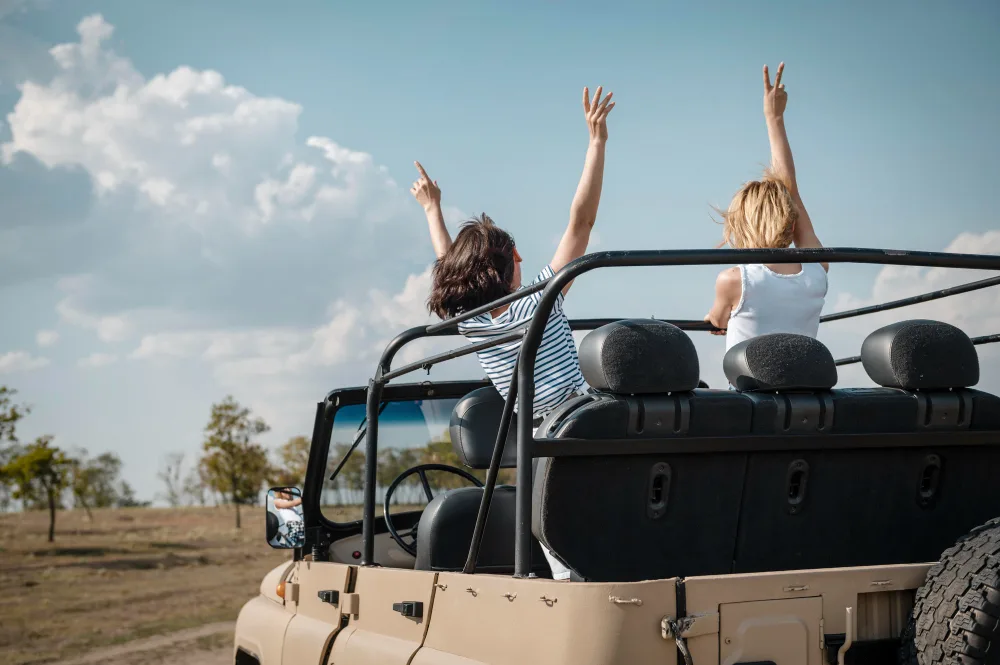
Planning a trip to Kenya from Australia requires a significant commitment of time and funds. This safari style offers distinct advantages in security and efficiency. Departures are guaranteed once a minimum number of participants, often as few as two, have booked. This guarantee provides the certainty needed to commit to long-haul flights from Sydney, Melbourne, or Brisbane. The small group format, with a maximum of six guests, ensures an intimate experience. Each person gets a window seat in the 4x4 safari vehicle, which guarantees unobstructed views and photographic opportunities. All complex logistics are handled, a major benefit when planning from the other side of the world.
Group Dynamics for Independent Australian Travellers
The social dynamic on a solo group safari is founded on a mutual passion for wildlife and nature. These programmes are not fast-paced party tours. Fellow travellers are typically mature, independent, and well-travelled individuals wanting to share exceptional wildlife sightings. The small group size fosters easy conversation during game drives and communal meals. It provides a comfortable balance, offering social opportunities while allowing for personal time to relax and absorb the surroundings. You travel with a group but return to your own private retreat at the end of each day.
Inclusions and Standards on a Solo Group Safari
The safari experience is all-inclusive after you land in Kenya. Key components include airport transfers, all accommodation in high-standard safari lodges or tented camps, all meals, park entry fees, and the services of a professional safari guide. You travel in a purpose-built 4x4 vehicle equipped for game viewing. The standard is high, with a focus on comfort, excellent food, and attentive service. The itinerary is structured around maximising wildlife viewing opportunities, with early morning and late afternoon game drives.
Kenya's Premier Wildlife Destinations for Solo Groups
The itineraries for solo group safaris are carefully curated to present Kenya's diverse ecosystems and maximise wildlife viewing potential. Routes typically connect several iconic parks, each offering a distinct environment and unique fauna, providing a comprehensive and varied safari experience within a single, well-paced journey.
Classic Itineraries Featuring the Maasai Mara and Amboseli
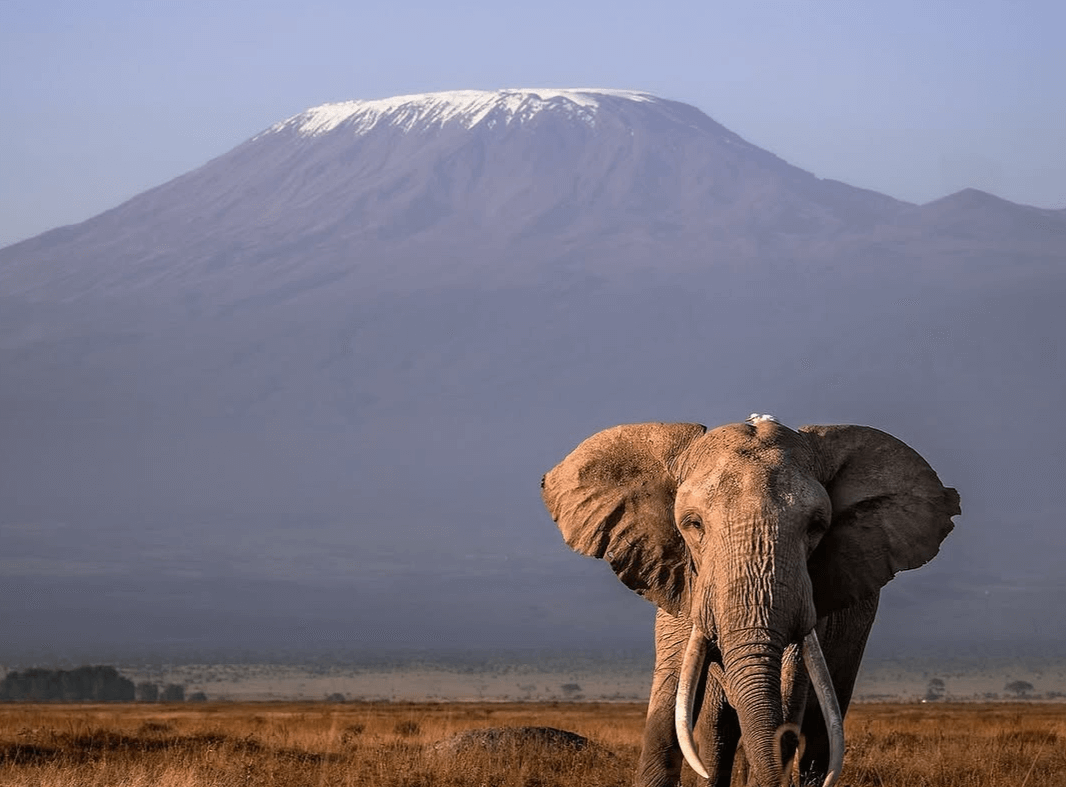
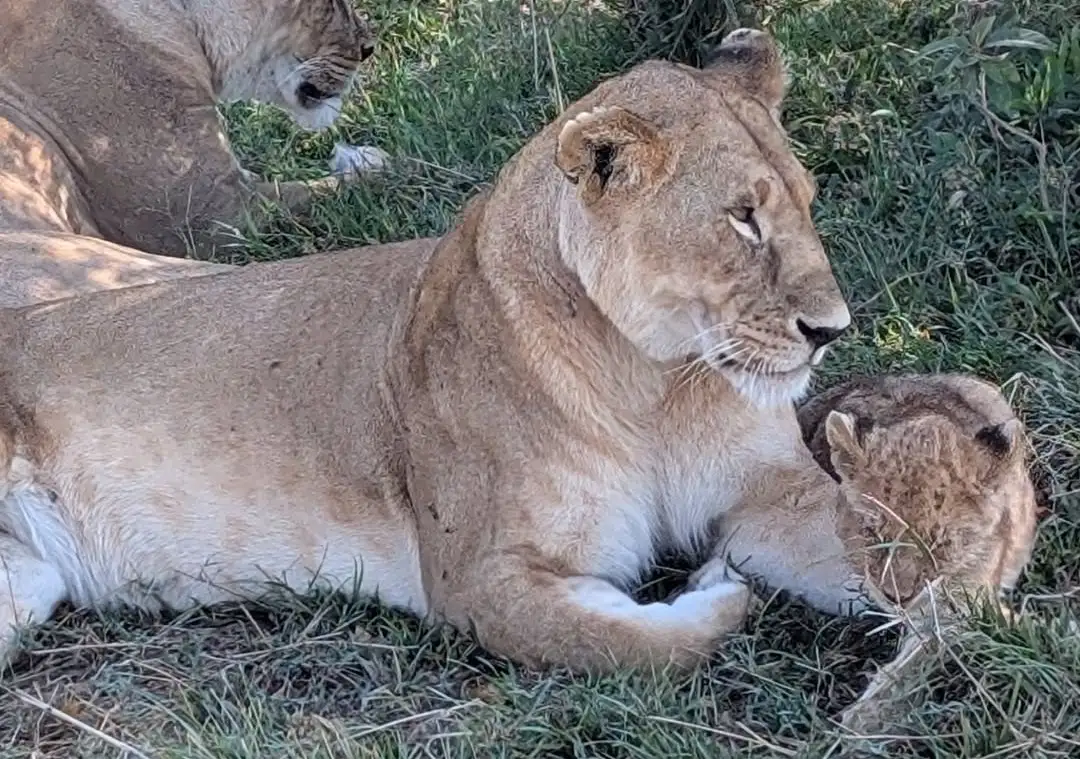
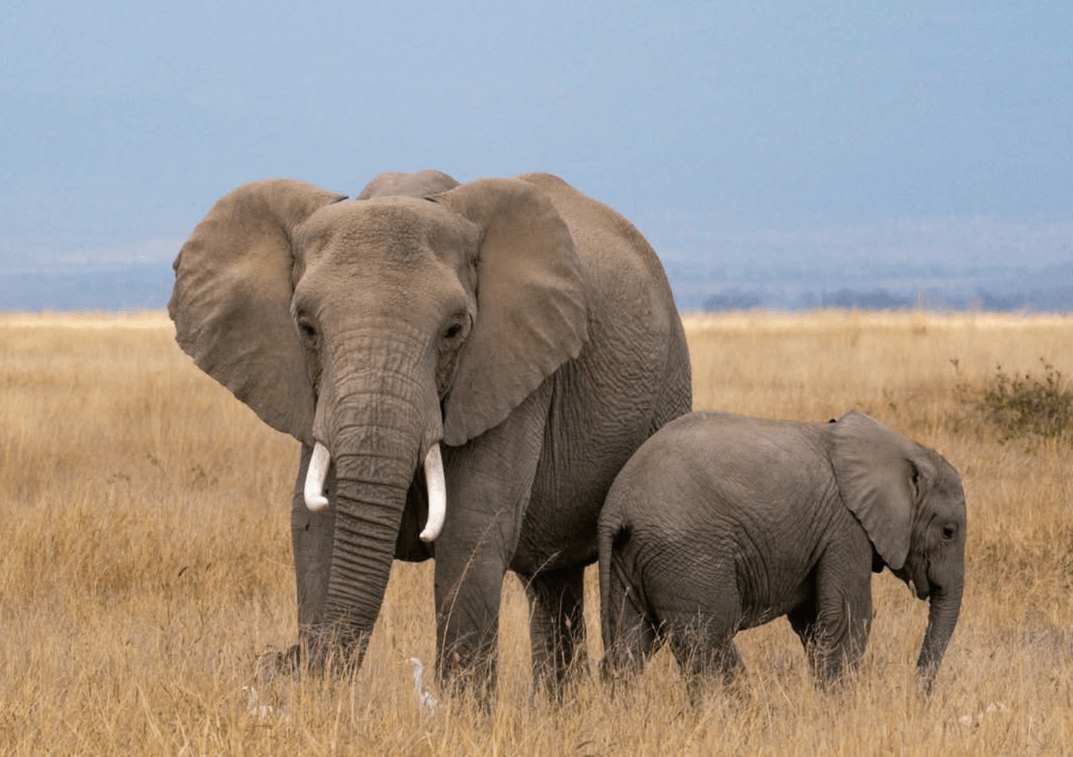
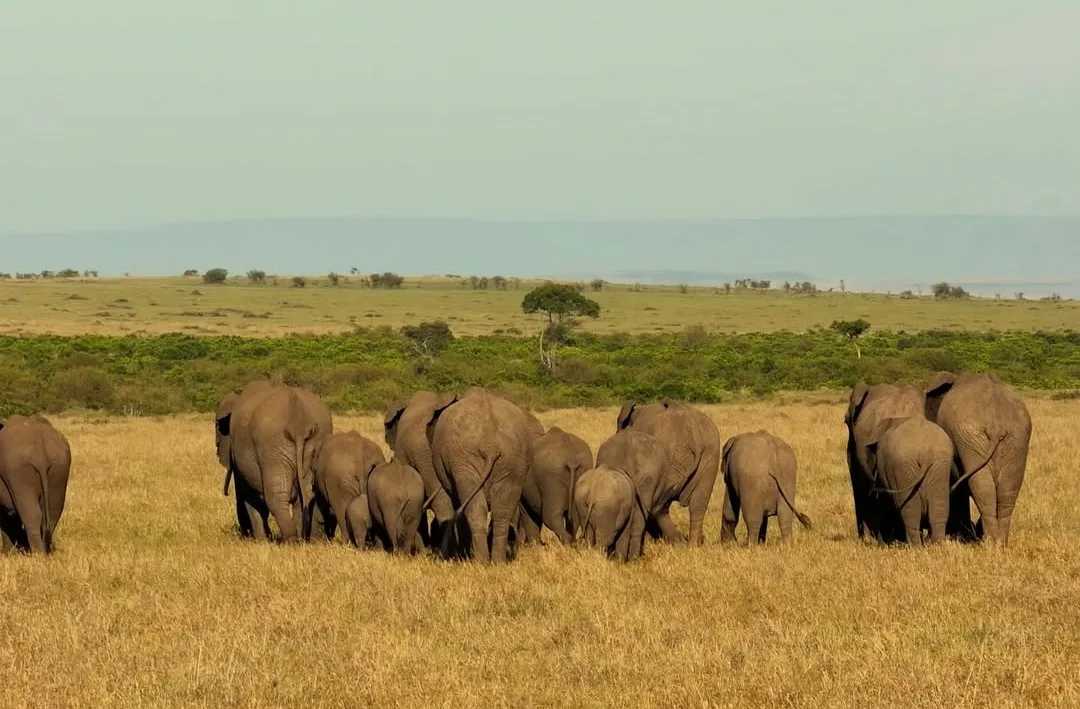
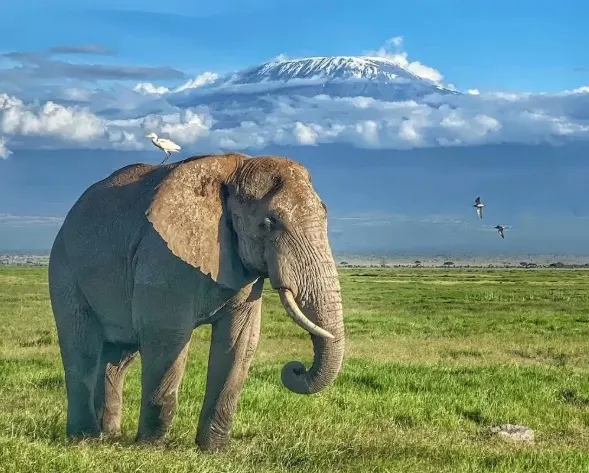
A typical route includes the Maasai Mara National Reserve, a 1,510 square kilometre area renowned for its high concentration of predators like lions, leopards, and cheetahs. Many tours also visit Amboseli National Park, famous for its large elephant herds set against the background of Mount Kilimanjaro. This 392 square kilometre park is also a UNESCO Man and the Biosphere Reserve, recognised for its unique ecosystem.
Timing Your Solo Safari for the Great Migration
The Great Migration is the ultimate goal for many safari-goers. This annual movement of over a million wildebeest and zebra reaches Kenya's Maasai Mara between July and October. A Solo Group Safari scheduled for this period will focus on positioning you to witness this event, including the dramatic river crossings. Guides use their local knowledge and communication networks to track the herds, increasing the chances of seeing this spectacle. Due to its popularity, booking a safari during this period requires planning many months in advance.
Unique Wildlife Encounters in Samburu and Lake Nakuru
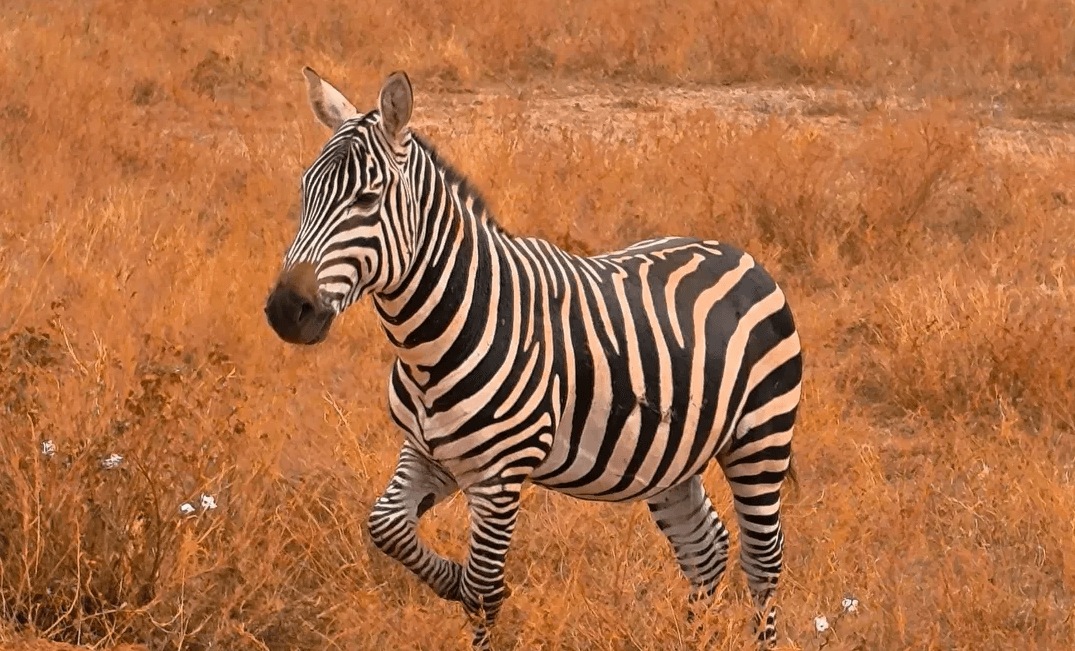
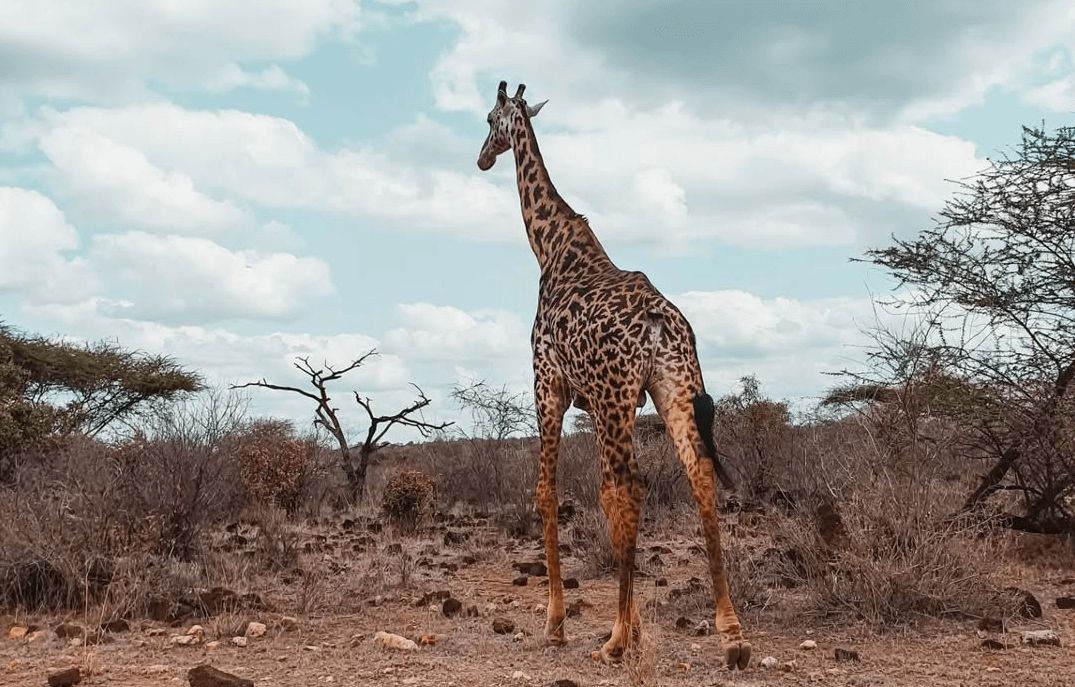
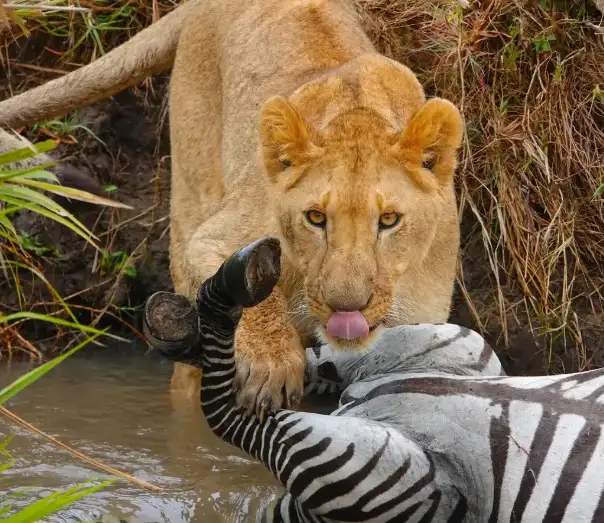
Beyond the Maasai Mara, Kenya offers more specialised wildlife viewing. A visit to Samburu National Reserve provides a different safari experience, with arid-country animals not found further south. Unique species such as the Grevy's zebra, reticulated giraffe, Beisa oryx, and Somali ostrich are specific to this region. Itineraries that include destinations like Lake Nakuru National Park or private conservancies place a strong emphasis on rhino conservation, offering excellent opportunities to see these critically endangered animals in a protected environment.
The Daily Rhythm of a Guided Safari Day
A typical day follows a rhythm dictated by animal behaviour. The schedule usually involves an early wake-up call followed by a morning game drive when predators are most active. You return to the camp for a late breakfast or lunch and have the middle of the day for leisure, such as reading, resting, or observing camp life. The group heads out again in the late afternoon for another game drive, often staying out until sunset. Evenings are for enjoying dinner and discussing the day's sightings with your fellow travellers.
Planning the Timing and Duration of Your Solo Safari
Selecting the right time to travel is a critical factor for any Kenyan safari. The country's distinct seasons directly influence wildlife movements, vegetation density, visitor numbers, and pricing. Understanding these patterns allows you to align your trip with your specific interests, whether it is witnessing a specific natural event or seeking a more solitary experience.
Understanding Kenya's Core Safari Seasons
Choosing when to travel is critical for a Kenyan safari. The seasons dictate wildlife movements, crowd levels, and pricing. The long dry season is generally considered the best time for game viewing as animals congregate around water sources.
| Season | Months | Wildlife Viewing Notes |
|---|---|---|
| Peak Season | July - October | Dry season. Great Migration in the Maasai Mara. Excellent visibility. High number of visitors. |
| Shoulder Season | Jan - March | Dry and hot. Good general game viewing. Calving season for many species. Fewer crowds than peak season. |
| Green Season | April - May | Long rains. Lower prices and very few visitors. Excellent for birdwatching and photography. Some camps may close. |
Connecting Your Safari with Australian School Holidays
The Australian winter school holidays in late June and July align perfectly with the start of Kenya's peak safari season and the arrival of the Great Migration in the Mara. This alignment makes it a popular time for Australian travellers. Consequently, demand is high, and booking your spot on a solo group departure well in advance is essential to secure availability and reasonable flight prices.
Recommended Safari Duration from Australia
The significant travel time from Australia means a safari duration of 7 to 9 nights is recommended. This period allows you to visit two or three distinct parks and reserves without feeling rushed. A week-long itinerary provides enough time to settle in, connect with the group, and have multiple opportunities to see a wide variety of wildlife, including the "Big Five". Shorter trips are possible but can feel hurried after the long journey.
Navigating Crowd Levels and Seasonal Variations
The time of year directly impacts the safari experience. The peak dry season from July to October offers the most reliable wildlife viewing but also attracts the largest number of tourists, particularly in the Maasai Mara. In contrast, the "Green Season" during the long rains of April and May sees verdant growth and newborn animals. While some tracks can become muddy, you will be rewarded with far fewer vehicles and a more private experience, often at a lower cost.
Essential Planning for Your Solo Safari from Australia
Organising a solo safari from Australia to Kenya involves several key logistical steps. From securing long-haul flights and the correct travel documents to budgeting accurately in Australian Dollars, careful preparation is the foundation of a successful and stress-free trip. The following points outline the primary considerations for any Australian planning this type of holiday.
Navigating Long-Haul Flights to Nairobi
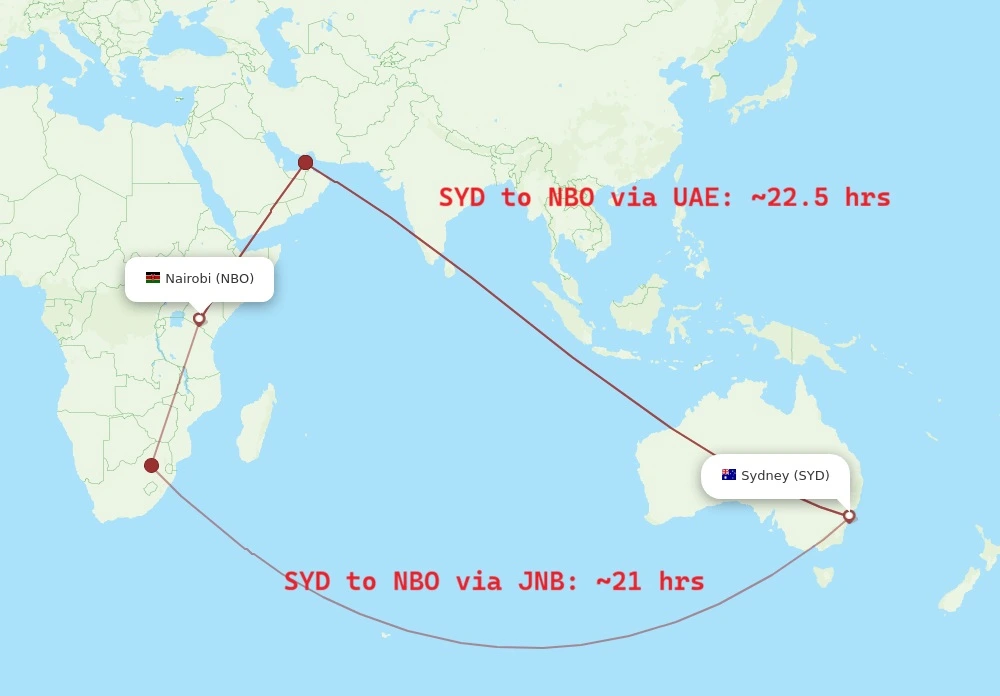
Flights from Australia's east coast to Jomo Kenyatta International Airport (NBO) in Nairobi constitute a long-haul journey, typically taking 20 to 24 hours or more with at least one layover. Common transit hubs include Middle Eastern cities like Doha and Dubai, served by airlines such as Qatar Airways and Emirates. You should wait until your solo group safari departure is officially guaranteed before you purchase non-refundable international airfares. Consider arriving a day early to acclimatise before the safari begins.
Visa and Health Requirements for Australian Citizens
Australian passport holders must obtain an Electronic Travel Authorisation (e-TA) before travelling to Kenya. The application is a straightforward online process through the official government e-TA system and should be completed several weeks before departure. A Yellow Fever vaccination certificate may be required for entry, particularly if you are transiting through a country with a risk of transmission. You should always confirm the latest visa and health advice on the Australian Government's Smartraveller website and consult your General Practitioner well in advance of your trip.
Budgeting for a Solo Safari in Australian Dollars
A comprehensive budget must account for all potential costs. Safari prices are often quoted in US Dollars (USD), so you will need to convert this to AUD and factor in additional expenses.
- International flights from Australia to Nairobi
- Kenyan e-TA fee
- Required vaccinations and medical consultations
- Comprehensive travel insurance, which is mandatory on most tours
- Tips for your safari guide and camp staff
- Personal expenses such as drinks, laundry, and souvenirs
Safety and Support for Australian Solo Travellers
Joining an organised solo group safari is a secure way to travel in Kenya. You are met at the airport and accompanied by a professional guide for the duration of your trip. Safari guides are trained to handle a variety of situations and have extensive local knowledge. The lodges and camps are in secure locations, either within national parks or private conservancies. While in cities like Nairobi, standard precautions are necessary, but once on the safari circuit, your guide becomes your primary resource for safety and assistance.
The Core Advantages of a Curated Solo Group Safari
Ultimately, this travel style is an investment in a specific type of experience. It is designed to maximise wildlife viewing and personal comfort while removing the complexities and financial penalties often associated with travelling alone in Africa. The combination of expert planning, high-quality inclusions, and a supportive group environment creates a compelling and valuable holiday for the solo traveller.
The Value of Expert Guiding and Logistics
This travel style removes the organisational burden of a complex trip. An expert plans every detail, from the route to meal times. Your guide is more than a driver; they are a trained naturalist who can interpret animal behaviour, identify species, and position the vehicle for the best viewing. Their expertise fundamentally enhances the quality of your wildlife encounters and provides a deeper understanding of the local environment.
Luxury Accommodation and Service Standards
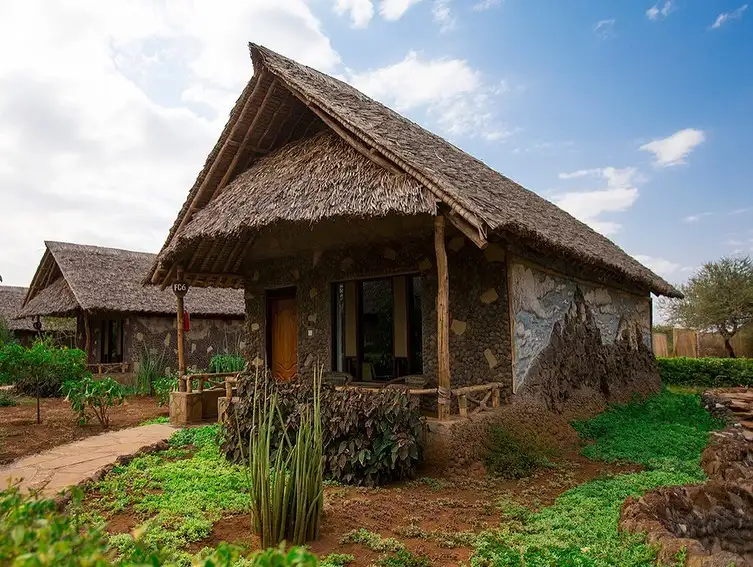
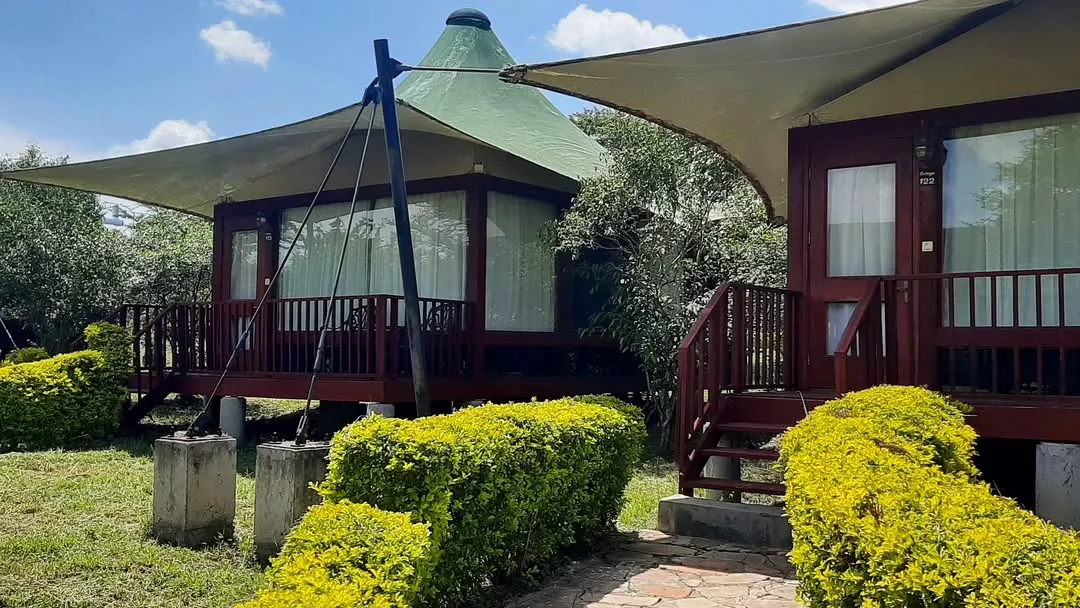
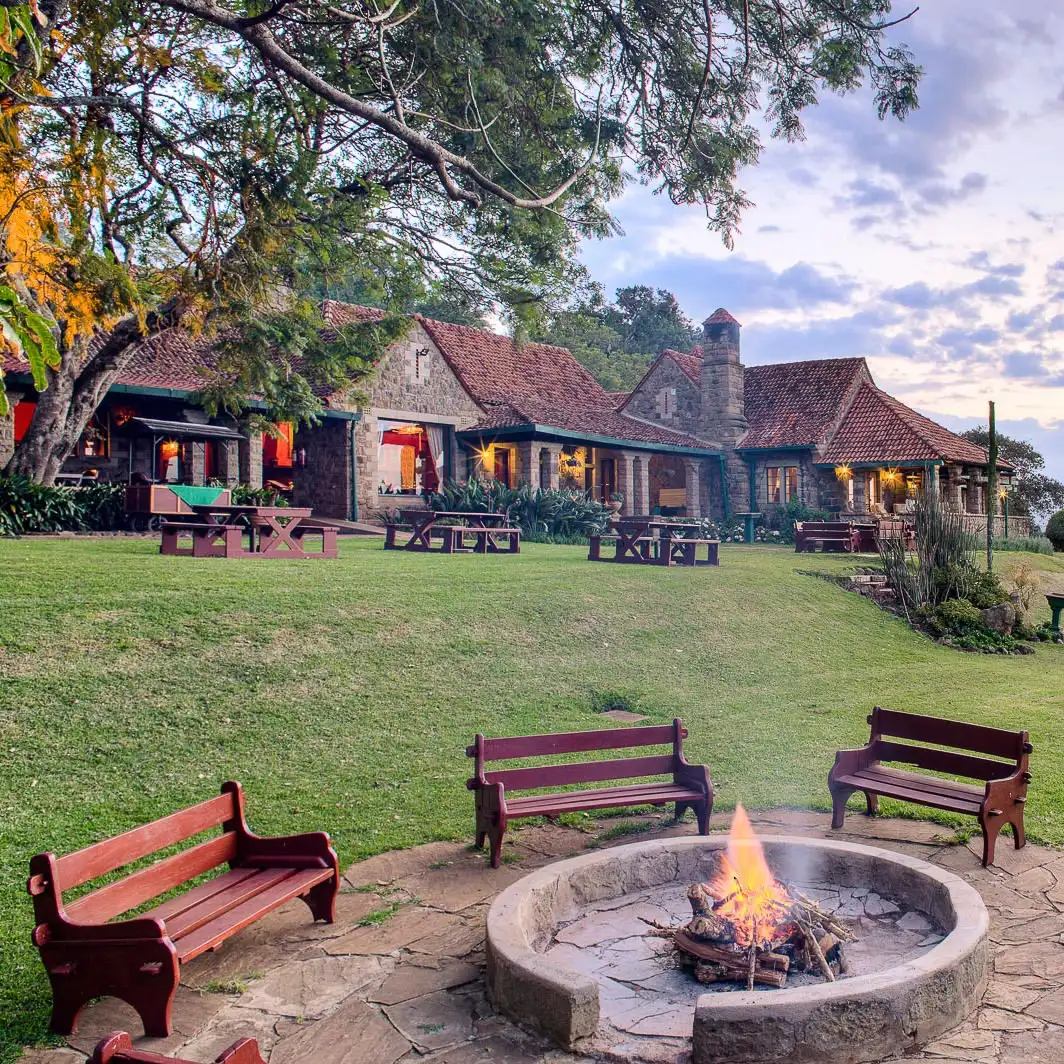
The "luxury" component refers to the quality of the experience. Accommodation is in well-appointed permanent tented camps or lodges, featuring comfortable beds, private en-suite bathrooms with hot water, and often a private veranda. Service is a key element, with attentive staff, high-quality food, and a welcoming atmosphere. This approach combines the adventure of being in the wild with significant creature comforts.
Guaranteed Departures and Planning Certainty
The policy of guaranteed departures is a critical feature for anyone planning from as far away as Australia. Once the minimum number of solo travellers book, the tour is confirmed to run. This assurance allows you to proceed with booking international flights and arranging your leave from work with confidence, removing the uncertainty that can accompany group travel.
Analysing the Value of an All-Inclusive Solo Safari
While the initial cost may seem high, a luxury solo group safari represents excellent value. The price is inclusive of high-cost items like park fees, quality accommodation, all meals, and the exclusive use of a 4x4 vehicle with an expert guide. Most importantly, it includes your own room without the financial penalty of a single supplement. It is an investment in a well-managed, secure, and high-quality wildlife experience tailored for the individual traveller.