


Affordable safari tours in Kenya provide an accessible path for Australian travellers to experience one of the world's premier wildlife destinations. This travel style focuses on the essential safari experience of witnessing incredible animals in their natural habitat, prioritising this over high-end accommodation and exclusive amenities. It stands as a practical and popular choice for solo travellers, students, and any Australian focused on value for money. These tours operate on a cost-sharing model, using shared transport and functional lodging to make a trip from Australia to the African savanna a financial reality.
Understanding the Kenyan Budget Safari Experience
The budget safari model is built around efficiency and shared costs, ensuring the core wildlife experience is never compromised. It provides a structured, social, and safe way to see Kenya's famous national parks without the premium price tag of a private tour. This approach involves set itineraries, communal travel, and practical accommodation, all designed to maximise time on game drives and keep expenses manageable for travellers from Australia.
What Defines an Budget Safari to Kenya
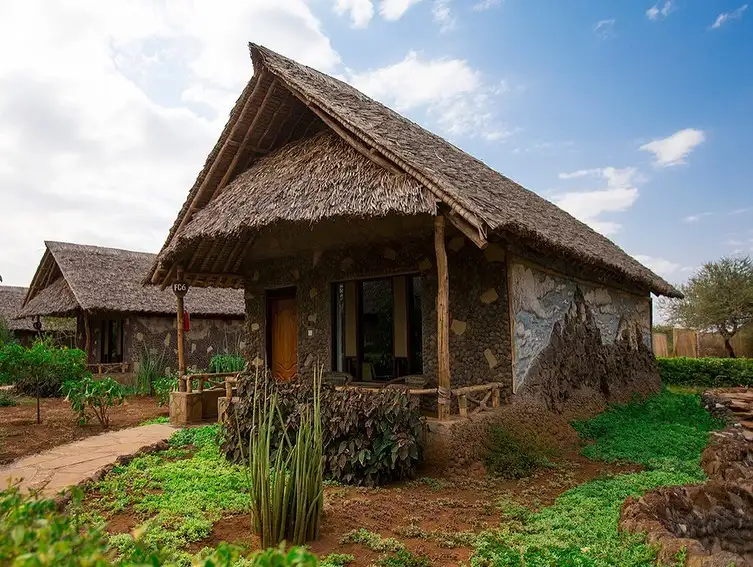
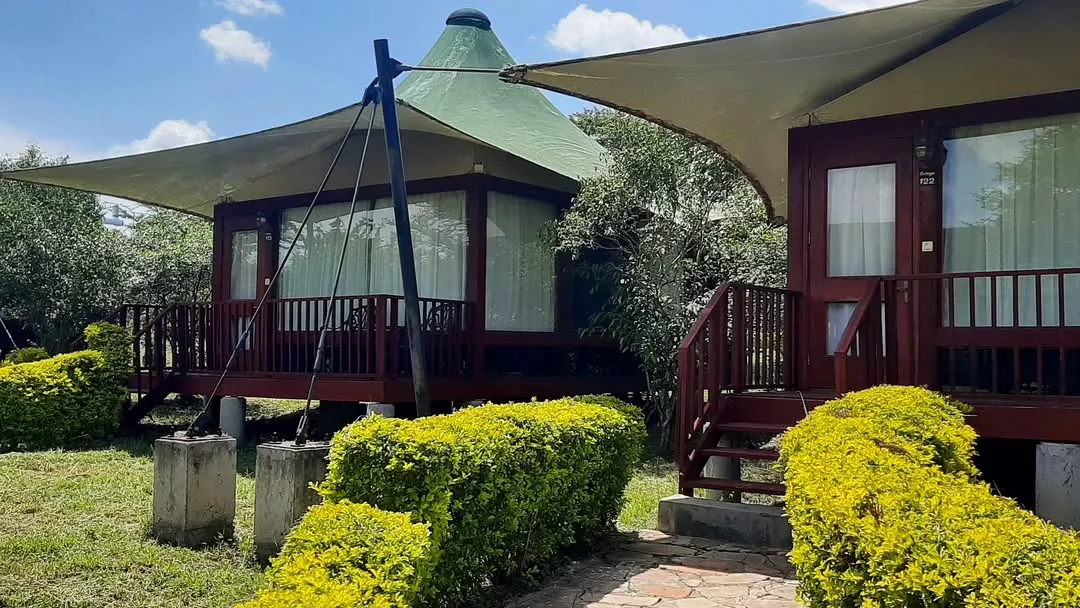
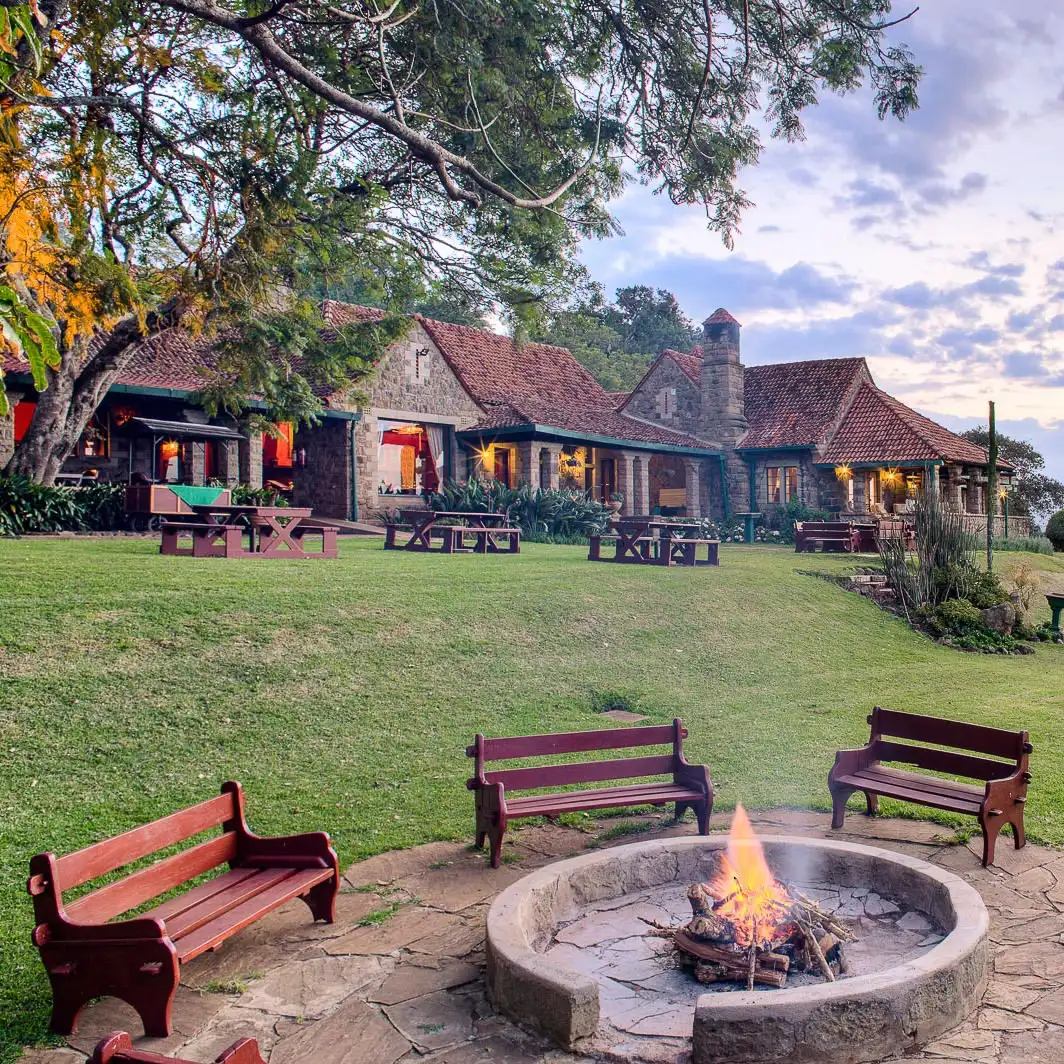
An affordable safari adheres to key principles designed to manage costs. The foundation is the group-joining model, where travellers share a safari vehicle with others. Itineraries are typically fixed, following proven routes that optimise wildlife viewing opportunities. Accommodation is basic yet functional, ranging from dome tents at campsites to simple permanent tented camps or budget lodges. These are often located just outside the main national park gates to reduce fees. Meals are wholesome and prepared by a dedicated cook or camp staff, with the focus always remaining on the time spent on game drives.
What to Expect on a Group Joining Safari
Joining a group safari means travelling in a 7-seater safari minivan or a 4x4 Land Cruiser with a small number of fellow adventurers. This communal approach is central to the tour's budget-friendly nature. Your group will likely consist of people from various backgrounds, creating a social travel environment. The daily schedule is determined by the tour operator and followed by the group, ensuring an efficient and well-paced trip. Your professional driver-guide leads all game drives and provides expert information about the wildlife and local area, offering a structured and cost-effective way to see Kenya's highlights.
Comparing Budget Camping and Basic Tented Camps
Understanding the accommodation options is crucial for setting expectations. Budget camping is the most economical choice, involving stays in two-person dome tents with mattresses on the floor. You will likely need to bring your own sleeping bag. Facilities, such as toilets and showers, are housed in a shared communal ablution block. A safari cook usually travels with the group to prepare meals. A basic tented camp represents a step up in comfort. These feature larger, permanent canvas tents on a solid base, containing proper beds and usually a small, private en-suite bathroom with a flush toilet and simple shower. Meals are generally served in a central dining tent.
Popular Itineraries for Affordable Budget Safaris
Budget safari routes are expertly designed to cover Kenya's most famous wildlife areas efficiently. They focus on parks with high concentrations of animals and well-maintained road networks, ensuring that even on a shorter trip, the chances of significant sightings are high. The Maasai Mara is the cornerstone of most itineraries, often combined with other key parks to create a comprehensive circuit.
Accessing the Maasai Mara National Reserve Affordably
The Maasai Mara is a core destination for almost every safari and is entirely accessible on a budget. The journey from Nairobi typically takes five to six hours. Most affordable tours use campsites or lodges located just outside the official reserve boundaries, a strategy that significantly lowers nightly costs while providing excellent access to the park for daily game drives. A typical 3-day Maasai Mara budget safari involves driving from Nairobi on day one, a full day of game drives inside the reserve on day two, and a final morning game drive on day three before returning to the city. You spend your time in the same wildlife-rich areas as visitors on more expensive tours.
Combining Amboseli with the Great Rift Valley Lakes
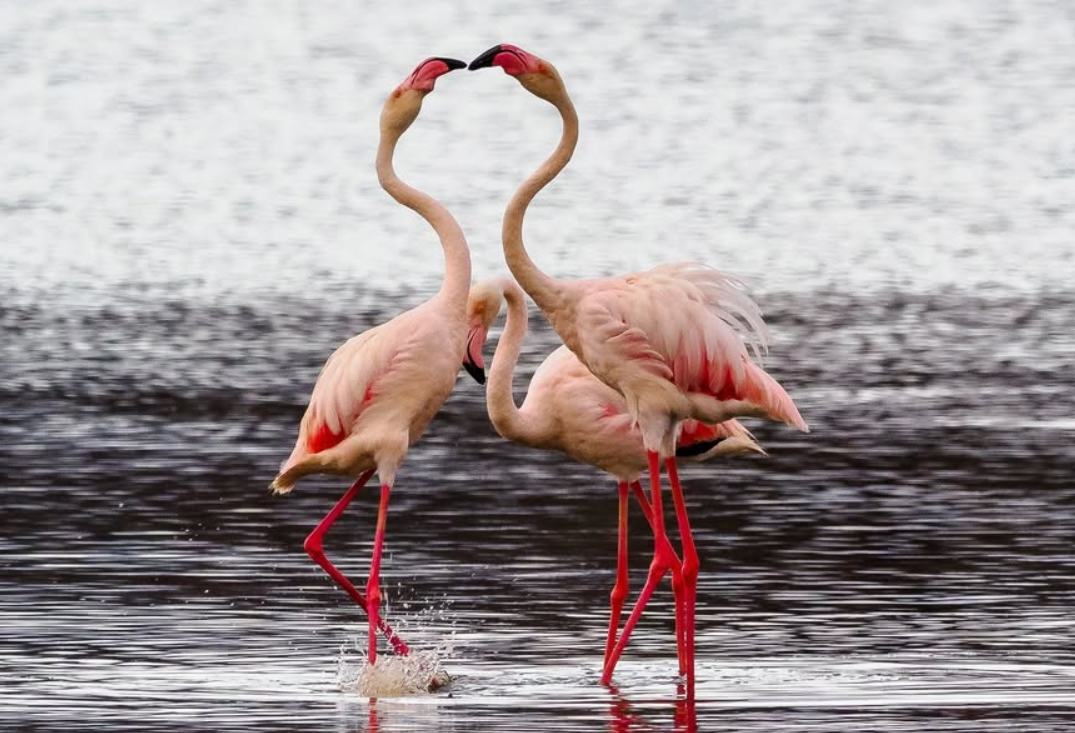
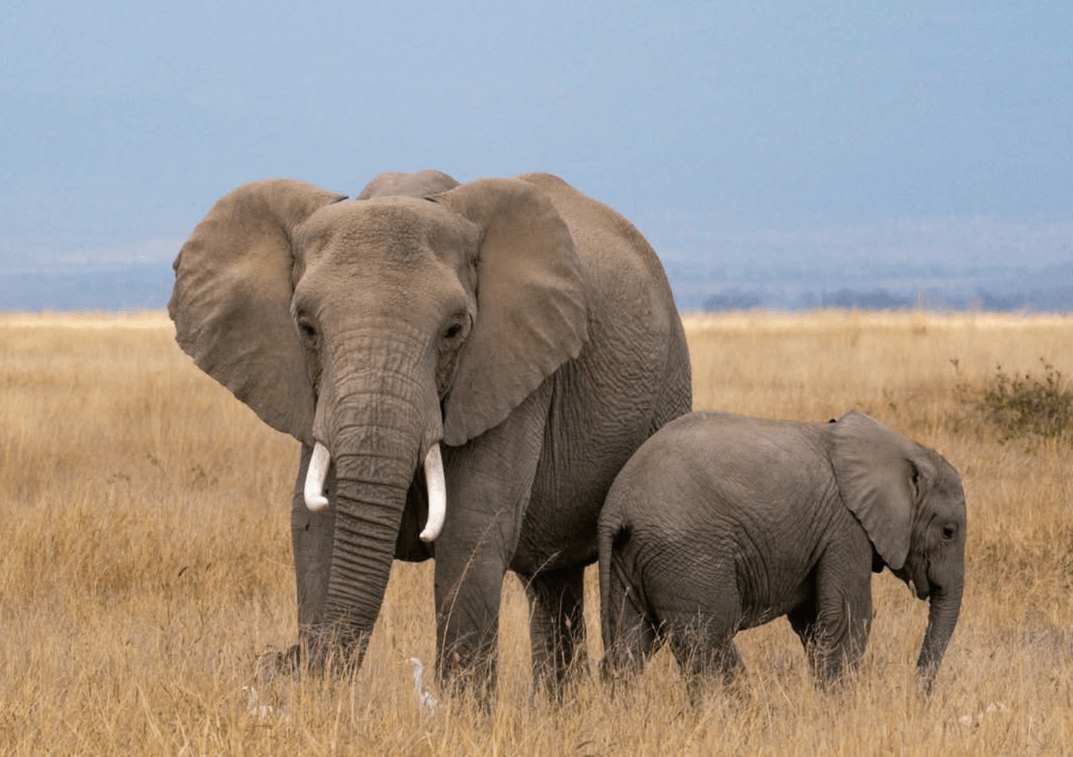
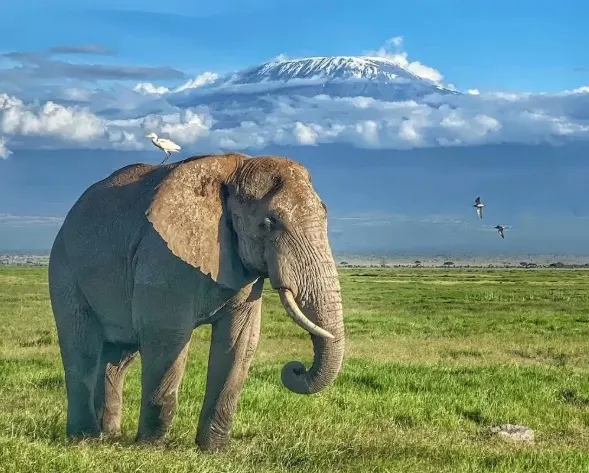
To extend a safari beyond the Maasai Mara, budget itineraries often create a circuit including Amboseli National Park and the lakes of the Great Rift Valley. A 5 or 6-day trip can combine the Mara with Lake Nakuru National Park, a designated rhino sanctuary, and Lake Naivasha, which offers boat trips to see hippos. Adding Amboseli National Park introduces a different ecosystem, famous for its large elephant herds and iconic views of Mount Kilimanjaro across the border in Tanzania. These multi-park tours offer excellent value and a greater diversity of wildlife sightings.
Witnessing the Great Migration on a Budget Safari from Australia
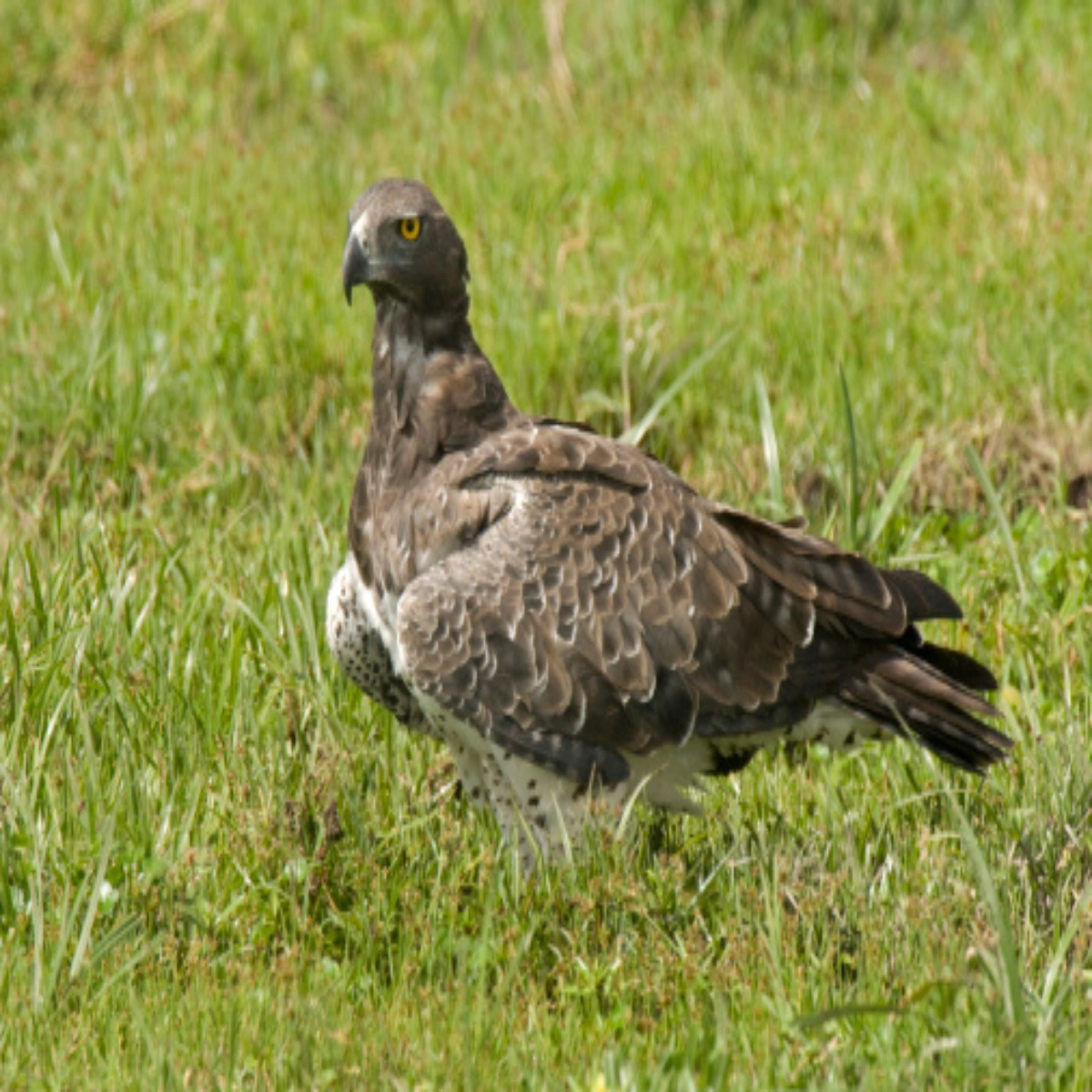
Australians can absolutely witness the Great Migration on a budget safari. The critical factor is travel timing, not the price of the tour. The wildebeest migration typically moves into Kenya's Maasai Mara National Reserve from July to October. By booking a standard budget safari to the Mara during these months, you place yourself in the correct location for the spectacle. Your daily game drives will take you into the heart of the reserve where the vast herds congregate. While you will not stay at a premium lodge on the riverbank, your activities position you in the same arena to witness river crossings and the immense plains teeming with animals.
Wildlife Focus and Daily Life on a Budget Safari
The daily rhythm of a budget safari is organised around one primary goal: maximising wildlife viewing opportunities. This means early mornings and long periods spent in the national parks and reserves. The experience is immersive and active, with professional guides dedicated to locating Africa's most iconic species for their guests.
Wildlife Focus on an Affordable Safari in Kenya
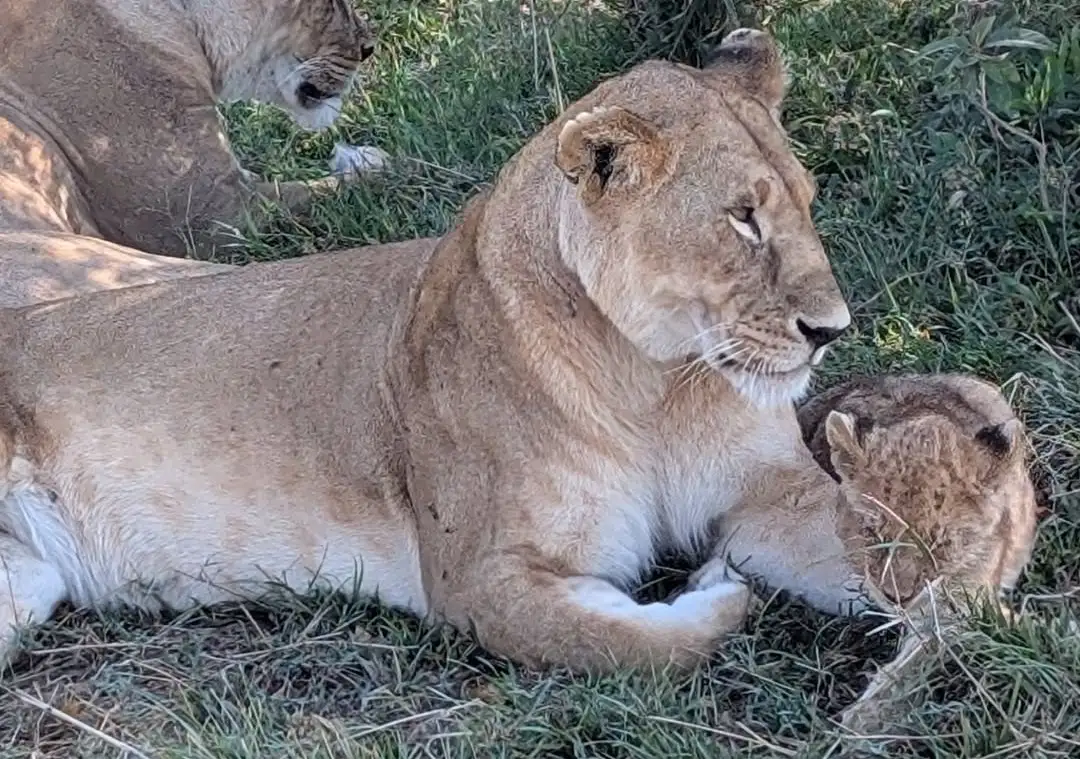
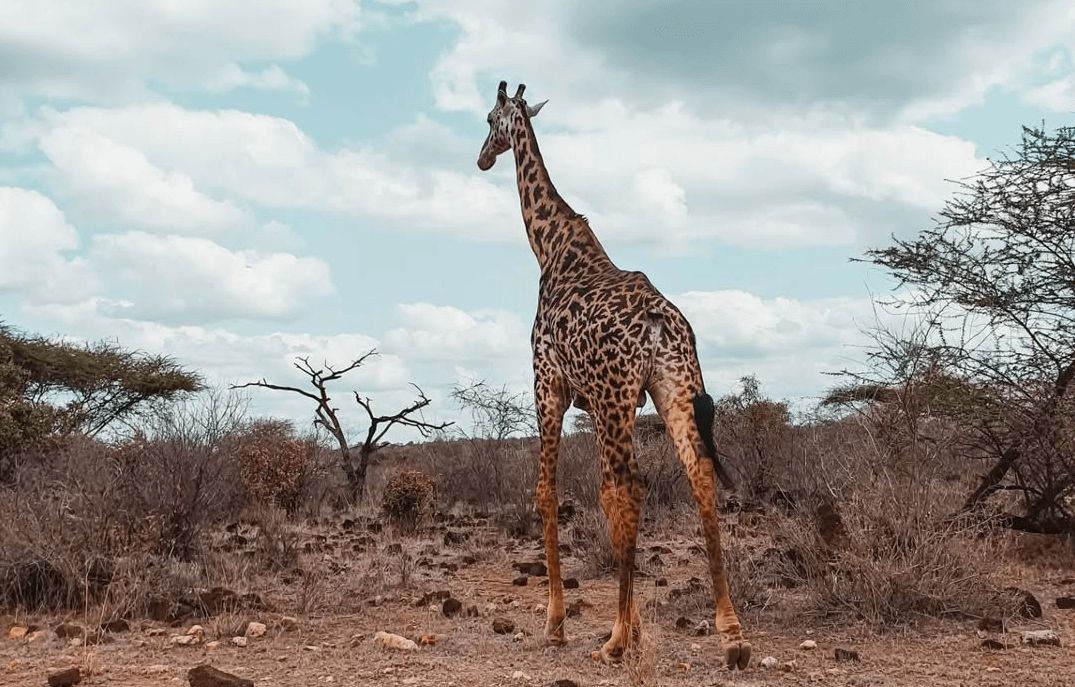
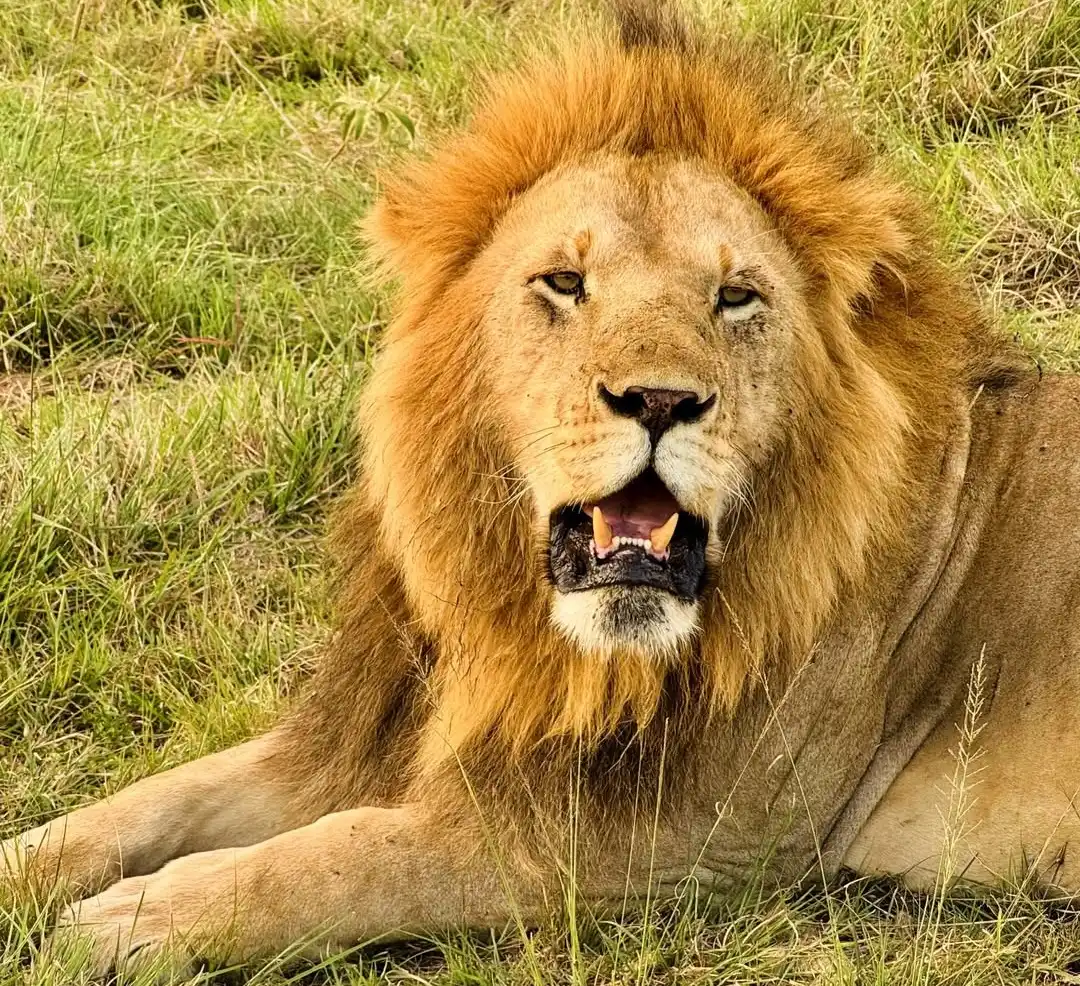
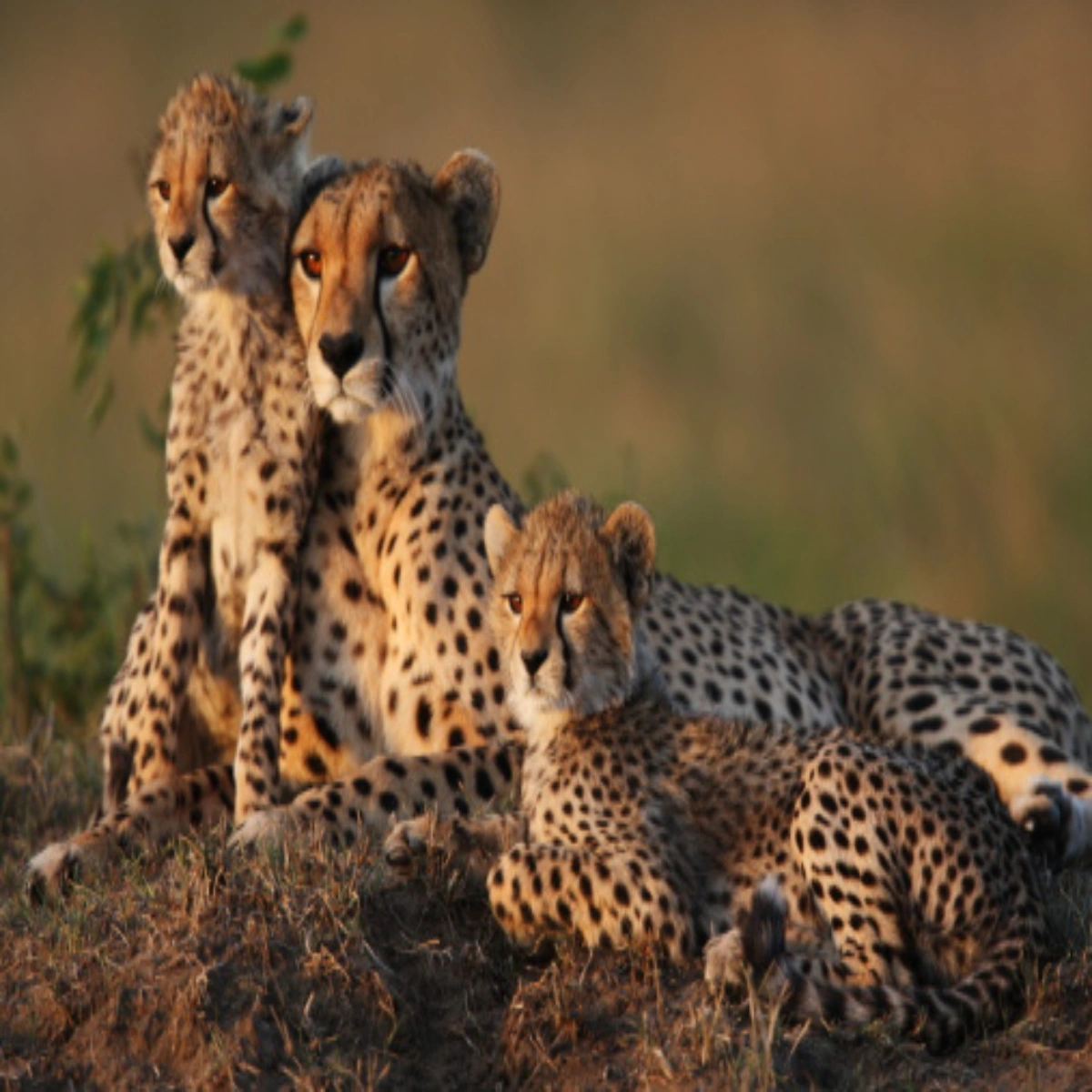
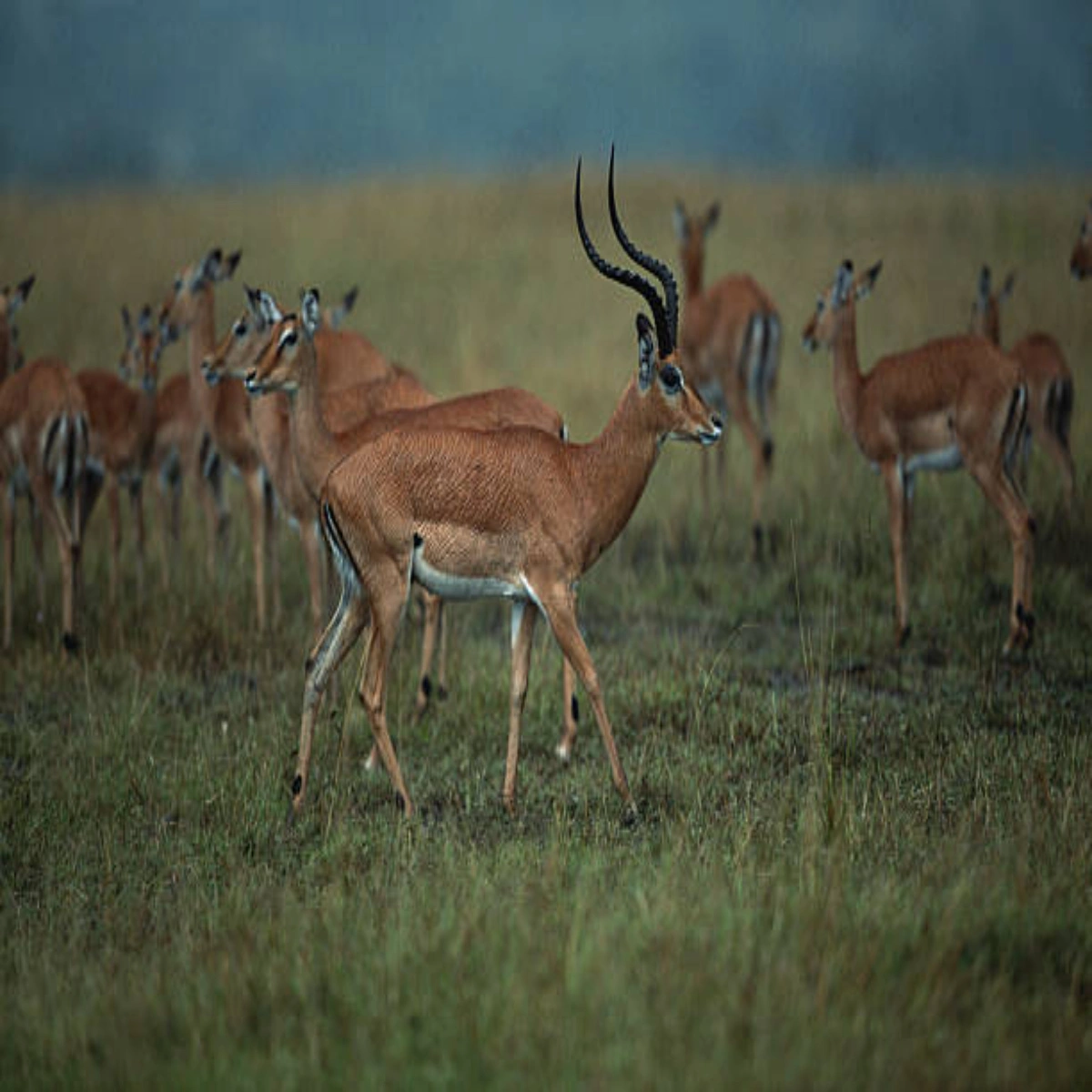
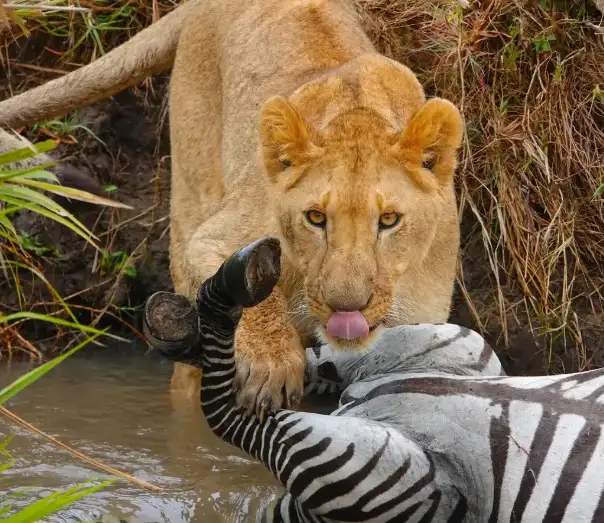
A lower price point does not translate to fewer wildlife sightings. Budget safaris are operated by professional guides whose main objective is to find animals. The search for the 'Big Five' which includes the lion, leopard, rhinoceros, elephant, and Cape buffalo, is central to every game drive. The safari vehicles, experienced driver-guides, and the park road networks are the same regardless of your tour's cost. You will spend your days scanning the savanna for predators, watching elephant families, and observing the huge variety of plains game that makes Kenya famous.
A Typical Daily Schedule on a Group Joining Safari
Days on a budget safari are structured for efficiency and to coincide with peak animal activity, which means early starts are standard.
- 06:00: Wake-up call.
- 06:30: Breakfast at the camp.
- 07:00: Depart for the morning game drive when animals are most active.
- 12:30: Return to camp for a hot lunch or enjoy a packed lunch at a designated picnic spot inside the park.
- 14:00: Downtime to relax, read, or nap during the warmest part of the day.
- 16:00: Depart for the afternoon game drive until the park closes around sunset.
- 19:30: Dinner at the camp, followed by time to socialise with your group.
Optional Activities Beyond Standard Game Drives
While game drives are the main activity, most budget itineraries offer a few low-cost optional extras. A popular addition is a visit to a local Maasai village. For a fee paid directly to the community, you receive a brief introduction to their culture and traditional way of life. On itineraries that include Lake Naivasha, a one-hour boat trip to see hippos and birdlife is another common and affordable activity that provides a different perspective from the safari vehicle.
Who Best Suits a Kenya Budget Safari
The group-joining safari model appeals to a wide range of travellers from Australia who share a common desire for authentic adventure and value. Its structure and social nature make it an ideal choice for those travelling alone, as well as for couples and friends who prioritise the wildlife experience over luxurious trimmings.
Ideal for Solo Travellers and Students from Australia
The group-joining model is perfectly suited to solo travellers and students from Australia as it solves two major challenges: cost and companionship. By sharing vehicle and accommodation costs, the price becomes far more manageable. For solo travellers, it eliminates the substantial 'single supplement' fee common on private tours. The built-in social aspect of travelling with a small group provides an instant set of companions with whom to share the experience, making it a comfortable and popular choice.
Budget Safaris for Australian Couples and Small Groups
For Australian couples or small groups of friends who prioritise experience over luxury, a budget safari is a logical and rewarding choice. It allows you to allocate more of your total holiday budget towards international flights from Australia and other parts of your trip. The focus remains on the shared adventure of seeing Kenya's incredible wildlife together. You get the same thrill of spotting a leopard or watching a lion pride without the premium cost associated with private lodges and exclusive-use vehicles.
Safety Considerations for Australian Solo Female Travellers
A group joining safari is considered a safe and viable option for solo female travellers from Australia. The structure of the tour means you are never truly alone. A professional driver-guide accompanies you, and you are part of a group for the entire trip, from departure in Nairobi to your return. The campsites and lodges used are established, secure properties. While standard personal awareness is always important when travelling, the organised and chaperoned nature of this safari style provides a secure environment.
Best Time to Book Your Affordable Safari
Deciding when to travel to Kenya requires balancing your wildlife viewing priorities with weather patterns and overall cost. Kenya's position on the equator means its seasons are defined by rainfall rather than significant temperature shifts, creating distinct periods for safari travel.
Understanding Kenya's Safari Seasons
| Season | Months | Characteristics for Australian Travellers |
|---|---|---|
| Peak Season | July - October | Dry, cooler weather. Prime wildlife viewing as animals gather at water sources. Great Migration in the Mara. Highest prices. |
| Shoulder Season | January - February | Hot and dry. Generally clear skies and great wildlife viewing. A good balance of price and experience. |
| Green Season | March - May & Nov - Dec | Periods of rain. Fewer tourists and the lowest prices. Excellent for birdwatching, but some roads may be challenging. |
Balancing Wildlife Viewing and Costs
The peak dry season from July to October offers the most reliable wildlife viewing but also has the highest costs for both tours and flights from Australia. For a better balance of conditions and price, consider the shoulder seasons. January and February are excellent, offering dry weather and fantastic animal sightings with slightly lower demand. June is another good month, just before the main peak begins. Travelling during the green season offers the cheapest rates but requires flexibility, as rain may impact game drives.
Recommended Durations for a Budget Safari
The ideal duration for your safari depends on which parks you wish to see. A 3-day safari is a popular short option focused exclusively on the Maasai Mara. To see more without rushing, a 4 to 6-day safari is recommended. This duration allows enough time to create a circuit combining the Maasai Mara with Lake Nakuru and/or Amboseli National Park. Remember to add travel days on either side for your long-haul flights from Australia.
Planning Your Budget Safari to Kenya from Australia
Careful logistical planning is essential for a successful and stress-free trip from Australia to Kenya. This involves budgeting accurately, booking long-haul transport, and taking care of all necessary health and administrative preparations well before you depart.
Budgeting for Your Safari in Australian Dollars
When budgeting, a sound guideline for a group joining safari in Kenya is approximately A$250 to A$440 per person, per day. This cost typically covers your safari transport in a shared vehicle, a driver-guide, all park entry fees, specified accommodation, and meals during the safari. It generally excludes international flights, Kenyan visas (ETA), travel insurance, drinks, tips for your guide, and optional activities. Always confirm all inclusions and exclusions before booking. This daily rate allows you to calculate the ground cost of your trip before adding major expenses like airfares.
Navigating Long Haul Flights from Australia
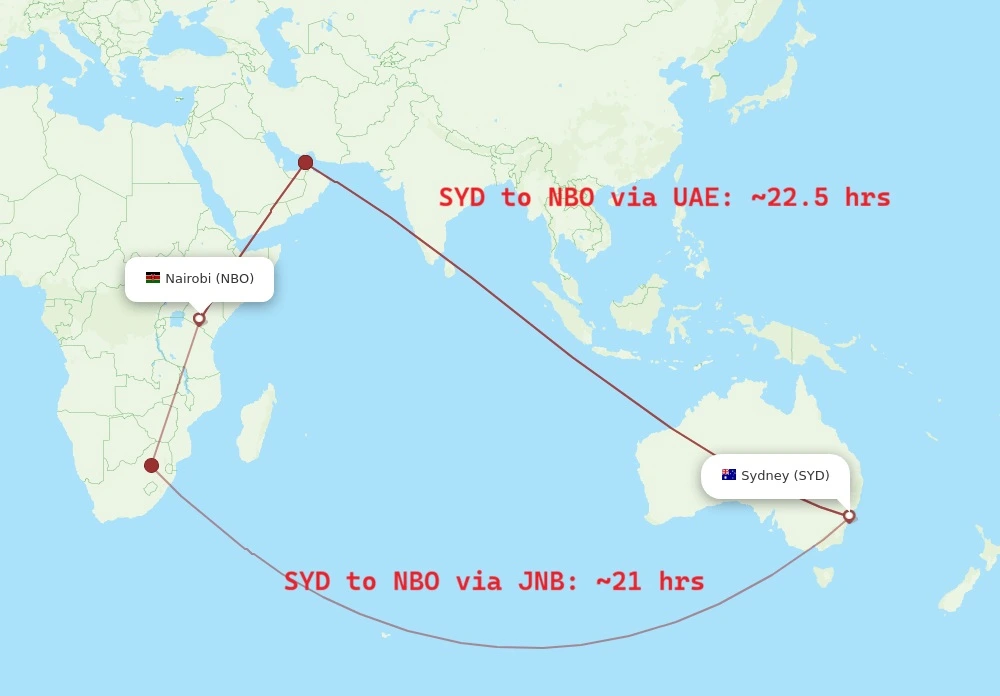
Reaching Nairobi (NBO) from Australia is a significant long-haul journey. No direct flights exist, so a stopover is required, usually in the Middle East with airlines like Qatar Airways, Emirates, or Etihad. Total travel time from major hubs like Sydney, Melbourne, or Brisbane is typically over 20 hours. It is essential to factor this into your schedule and plan for at least one full day of travel on each end of your trip. Booking flights well in advance is crucial for securing better fares, especially if travelling during Australian school holidays.
Navigating Australian School Holiday Travel
The main Australian school holiday periods, particularly the June-July winter break and the September-October spring break, coincide with Kenya's peak safari season. This alignment creates high demand for both flights and tours. If you must travel during these times, booking your safari and international flights many months in advance is vital to avoid disappointment and inflated prices. If your dates are flexible, travelling just outside these peak periods can result in significant savings.
Visas Vaccinations and Insurance for Australian Travellers
Australians must organise travel practicalities well in advance. Australian passport holders need an Electronic Travel Authorisation (ETA) to enter Kenya, which must be applied for online before departure. Consult a travel doctor at least six to eight weeks before your trip. Vaccinations for Hepatitis A and B, Tetanus, and Typhoid are commonly advised. Proof of Yellow Fever vaccination is mandatory if arriving from a country with risk of transmission. Malaria is present in Kenya's safari regions, and prophylaxis is highly recommended. Comprehensive travel insurance that includes medical evacuation coverage is a non-negotiable, mandatory condition for booking any safari.
Essential Packing List for a Kenya Budget Safari
Luggage space in safari vehicles is strictly limited, so you must pack light in a soft duffel bag rather than a hard-shell suitcase. Key items to include are:
- Lightweight clothing in neutral colours (khaki, green, brown).
- A warm fleece or jacket for cold early mornings and evenings.
- Comfortable, closed-toe walking shoes.
- Sunscreen, sunglasses, and a wide-brimmed hat.
- Insect repellent containing DEET.
- A camera with extra batteries and memory cards.
- A quality pair of binoculars is essential for the best wildlife viewing.
- A personal first-aid kit with any required prescription medications.
- A headlamp or torch for moving around camp at night.