

A mid-range safari in Kenya offers Australian travellers a practical balance of comfort, value, and authentic wildlife viewing. This travel style provides the security and amenities of established safari lodges and permanent tented camps, avoiding the high cost of luxury travel. The core focus is on maximising time in national parks with a private vehicle and a professional driver-guide. This approach delivers a comfortable and productive safari, meeting the needs of families, small groups, and adventurers making the long-haul trip from Australia.
Defining a Mid-Range Safari Experience in Kenya
A mid-range safari is defined by a specific set of inclusions that prioritise the quality of the wildlife experience. It elevates the standard of comfort and service above a basic budget tour by guaranteeing a private vehicle, a dedicated guide, and accommodation with full-board services and private facilities. This model delivers an exclusive and efficient safari without the price tag of top-tier luxury operators.
Core Components of a Mid-Range Safari
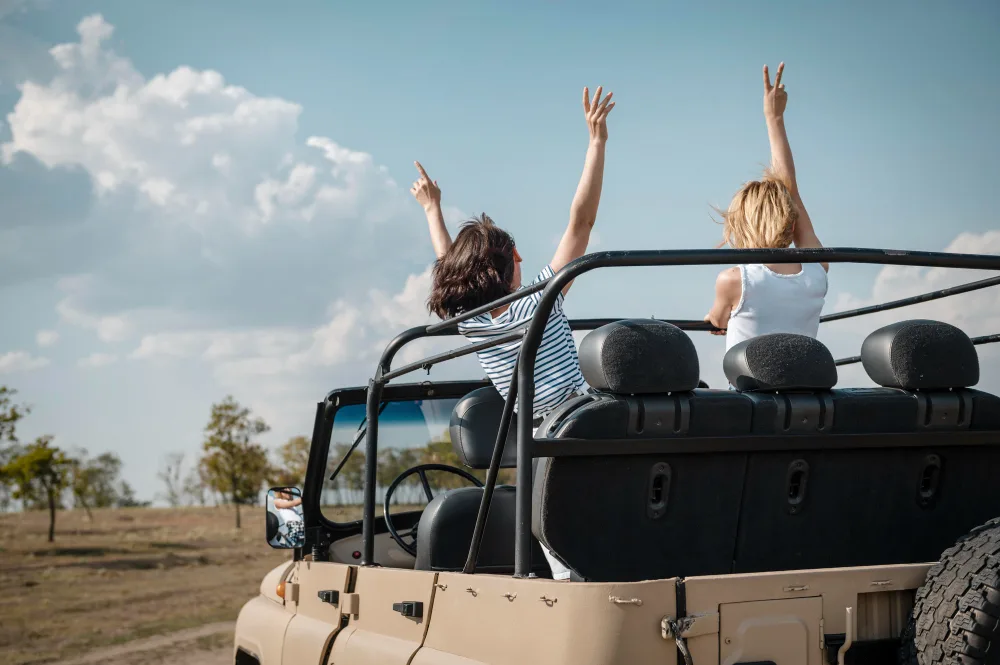
A mid-range safari prioritises the fundamental elements of a successful wildlife holiday. Transport is typically a private safari minivan with a pop-up roof for game viewing, though a 4x4 Land Cruiser upgrade is often available and recommended during wet seasons. Accommodation includes full-board meals served buffet-style and rooms with en-suite bathroom facilities. This combination provides a significant step up in comfort from budget-level participation camping, while keeping costs substantially lower than luxury-tier travel.
Lodge and Tented Camp Comforts
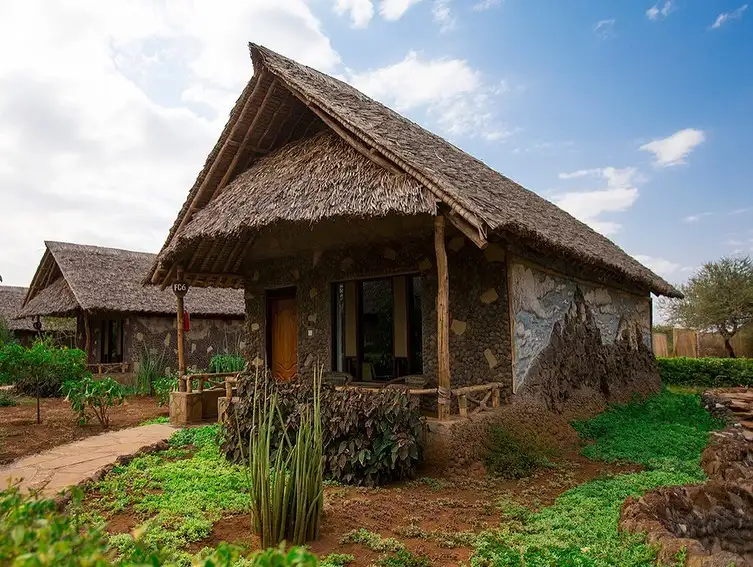
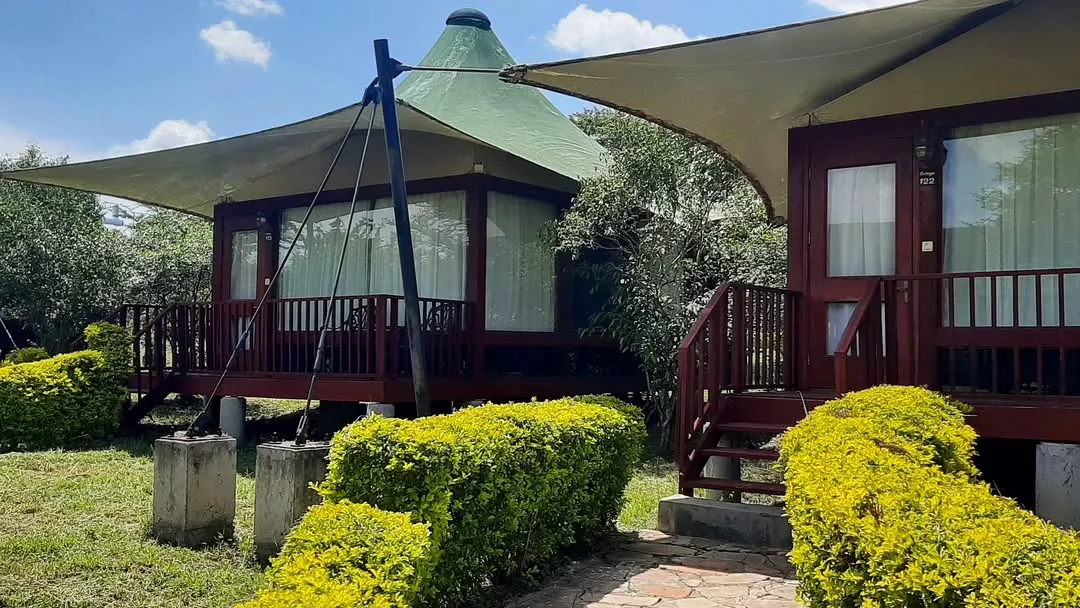
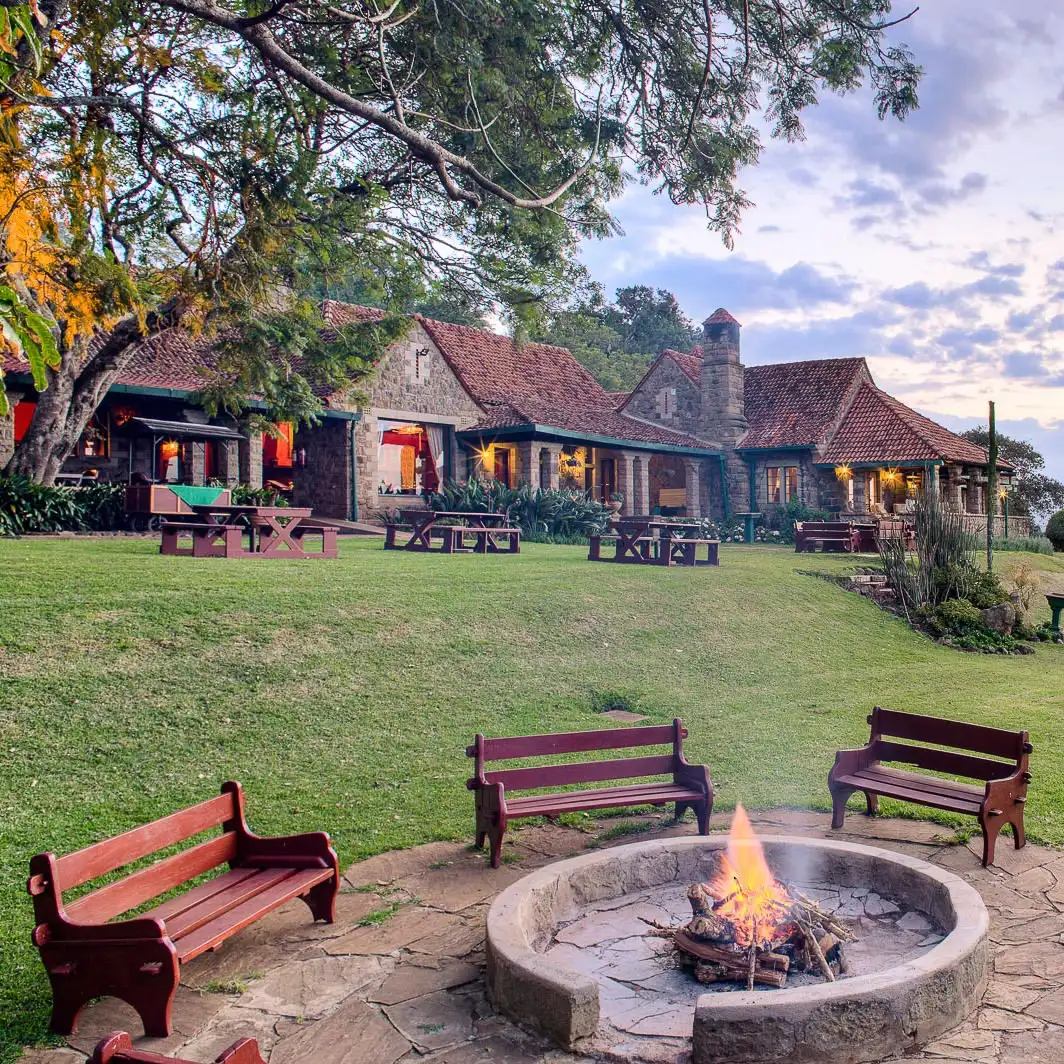
Accommodation on a mid-range safari consists of purpose-built safari lodges or permanent tented camps, often with 40 to 80 rooms. These properties provide comfortable rooms with private bathrooms, solid flooring, and reliable electricity. Common facilities include a swimming pool, a restaurant and bar, and shared lounge areas. A key feature for families is the secure environment. Many lodges are situated within an electrified perimeter fence, providing a safe space for children. The buffet dining is another practical benefit, offering a wide variety of dishes to suit different dietary needs and tastes.
How Mid-Range Safaris Compare to Other Travel Styles
Understanding the key differences helps in making an informed decision. The mid-range option provides a sweet spot for many travellers, delivering a private and comfortable experience focused on wildlife viewing.
| Feature | Budget Safari | Mid-Range Safari | Luxury Safari |
|---|---|---|---|
| Accommodation | Public campsites with shared facilities; often participation-based. | Permanent tented camps or lodges with en-suite bathrooms. | Boutique lodges or high-end camps with premium amenities and private decks. |
| Transport | Shared vehicle (overland truck or minivan) with a fixed group schedule. | Private safari minivan with pop-up roof. 4x4 Land Cruiser upgrade available. | Private 4x4 Land Cruiser as standard. Internal flights are common. |
| Guidance | Driver-guide shared among a large group. | Private, professional English-speaking driver-guide for your group only. | Highly experienced private guide, often with specialist qualifications. |
Common Itineraries for Mid-Range Safaris in Kenya
Most mid-range itineraries follow well-established routes that connect Kenya's prime wildlife areas efficiently. These circuits are designed to maximise wildlife viewing opportunities while minimising long travel days, a key consideration for Australian visitors on a finite timeline.
The Main Safari Circuits from Nairobi
A typical safari circuit starting from Nairobi often includes Amboseli National Park, approximately 240 kilometres to the south. From there, the route travels north-west through the Great Rift Valley to Lake Naivasha or Lake Nakuru before culminating in the Masai Mara National Reserve. This routing covers diverse ecosystems, from savannah plains to freshwater lakes, and is a time-effective option for a 10 to 14-day trip from Australia.
Kenya's Premier Parks on a Mid-Range Budget
Mid-range safaris provide excellent access to Kenya's most celebrated wildlife destinations. These are the country's primary conservation areas, not secondary parks. Key locations include:
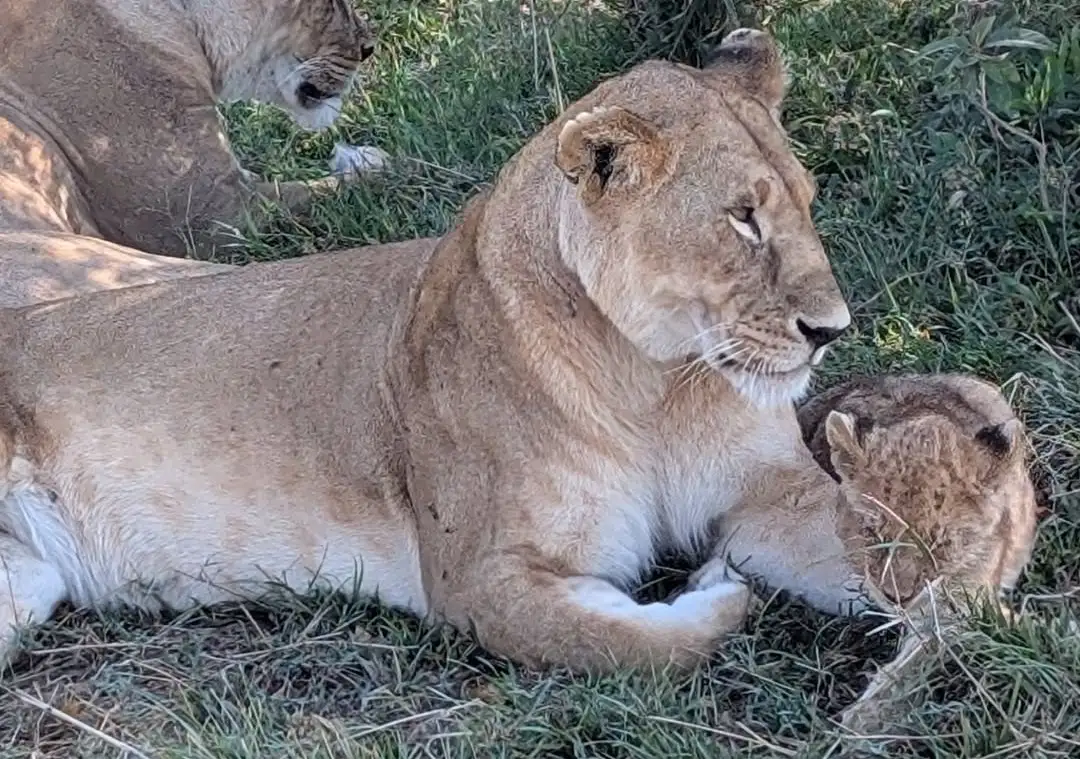
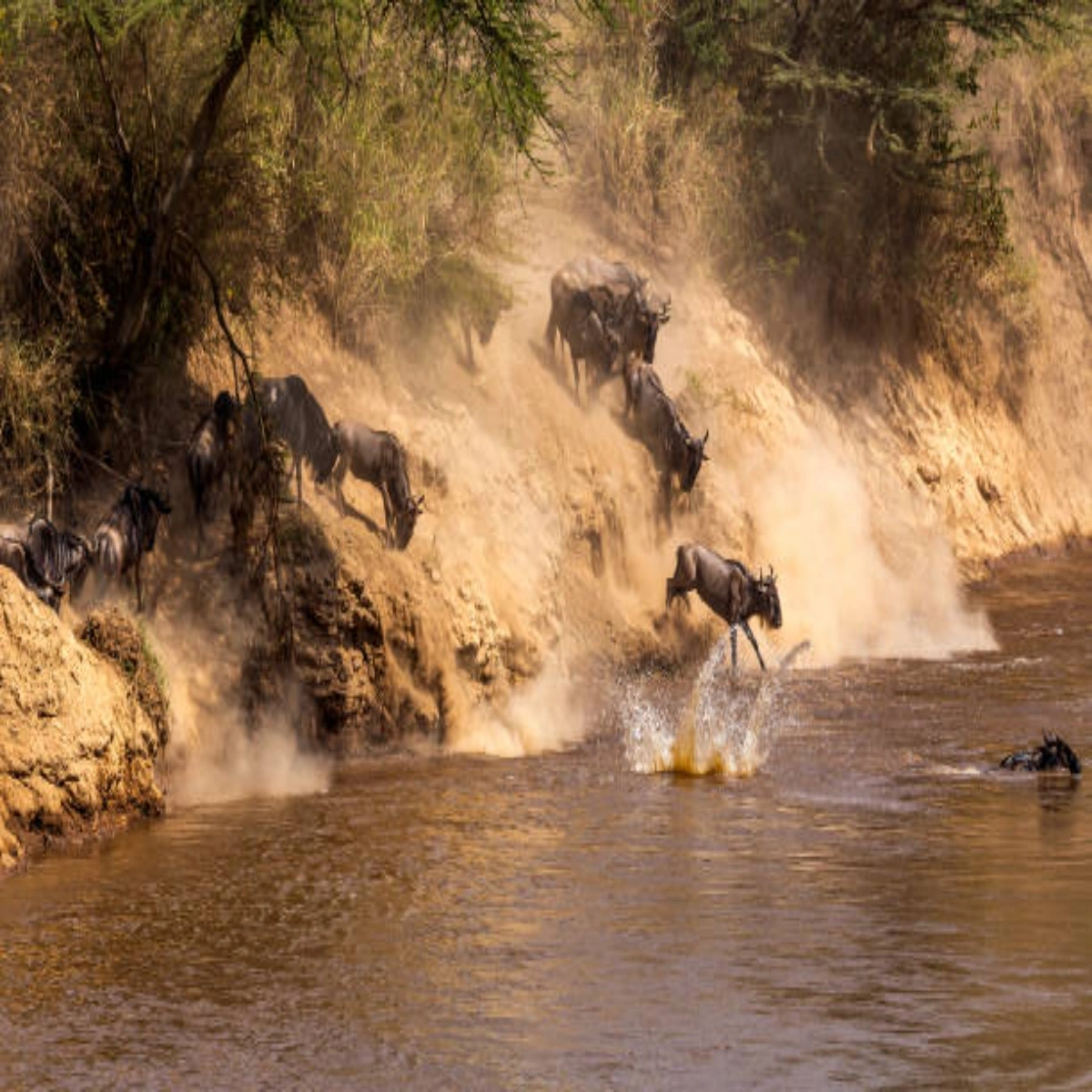
- Masai Mara National Reserve: At 1,510 square kilometres, this is the primary location for witnessing the Great Migration across the Mara River (typically July to October) and is known for its high concentration of predators.
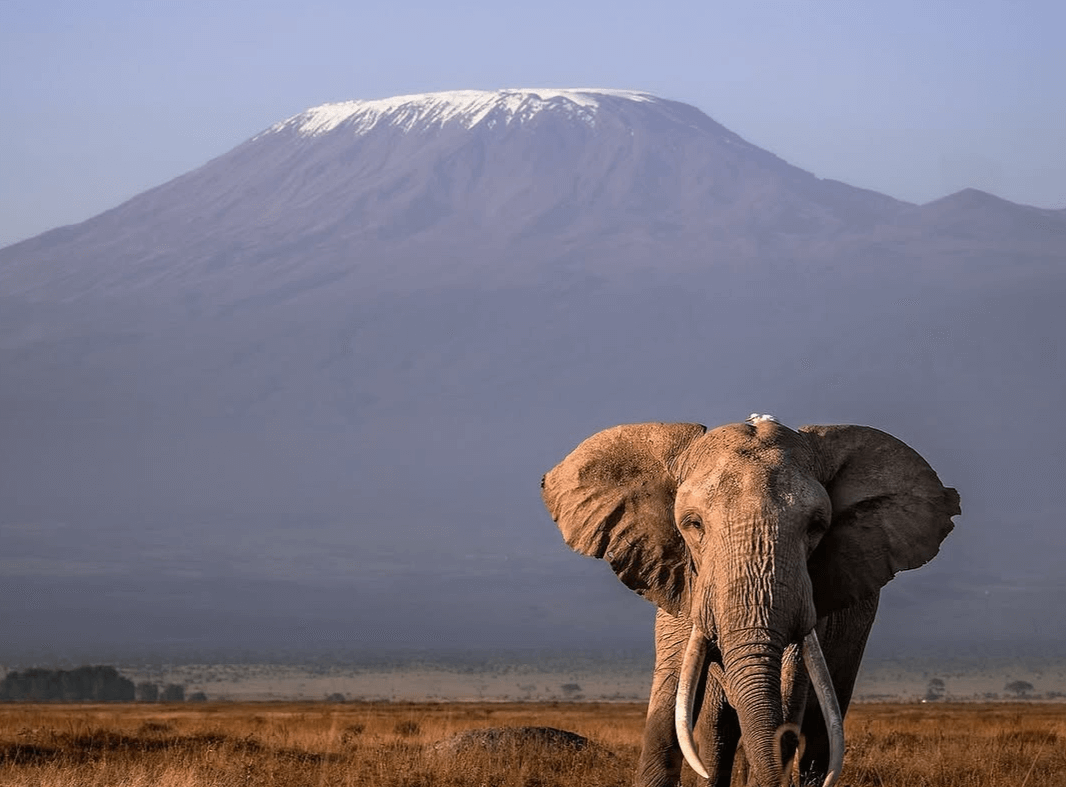
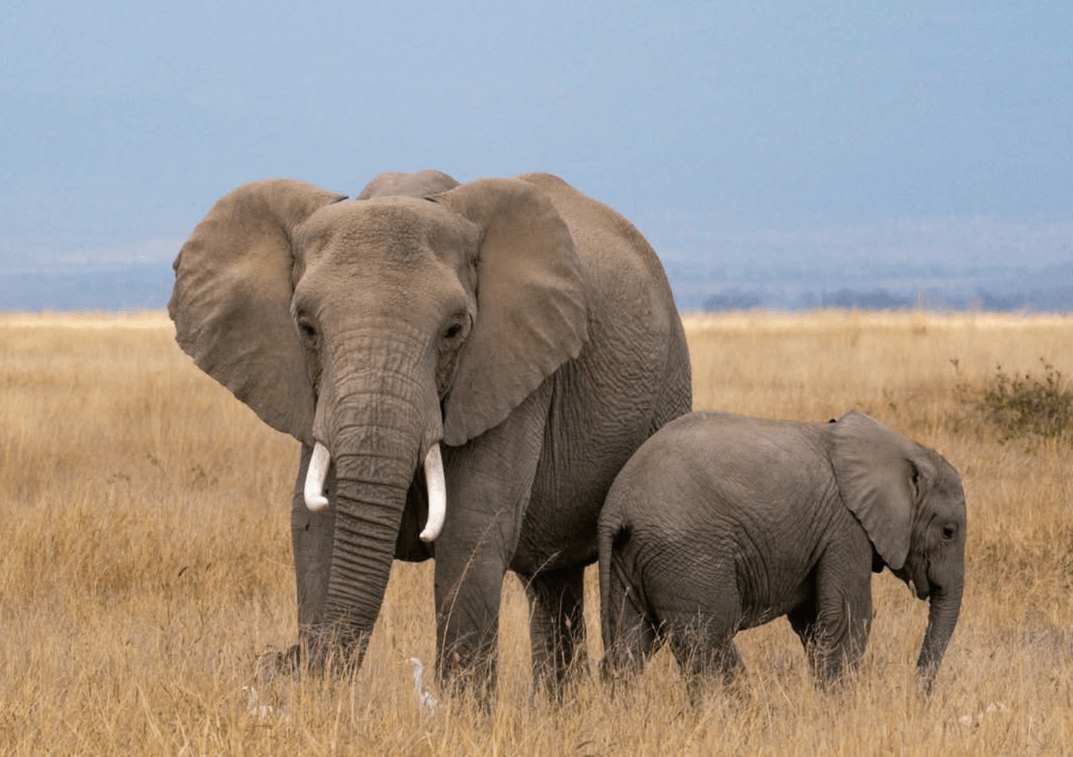
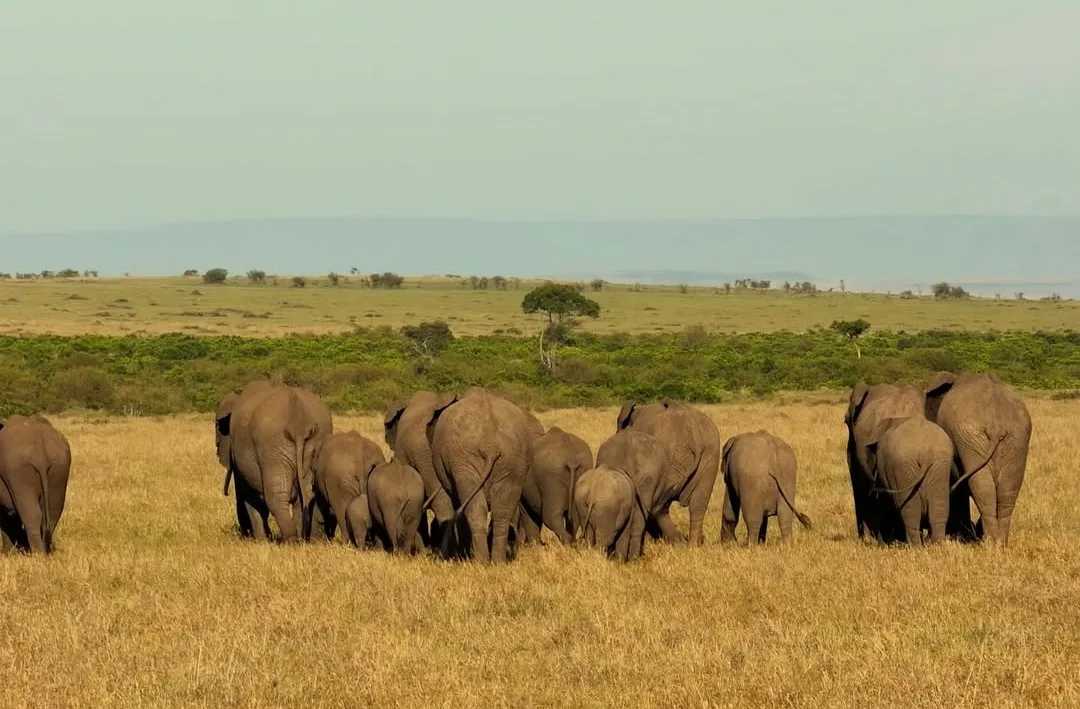
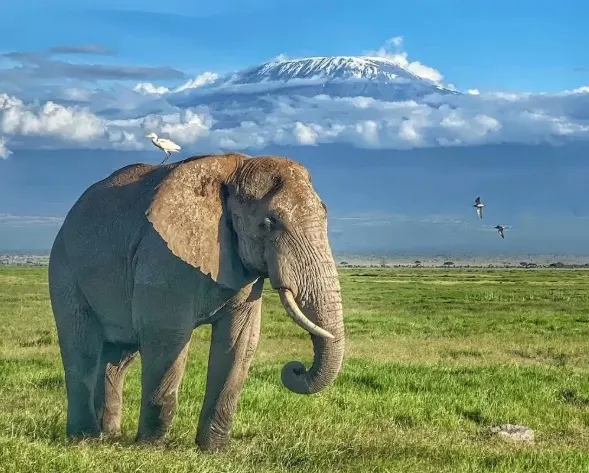
- Amboseli National Park: Famous for its large elephant herds against the backdrop of Mount Kilimanjaro. Its flat, open plains across 392 square kilometres make for excellent wildlife spotting.
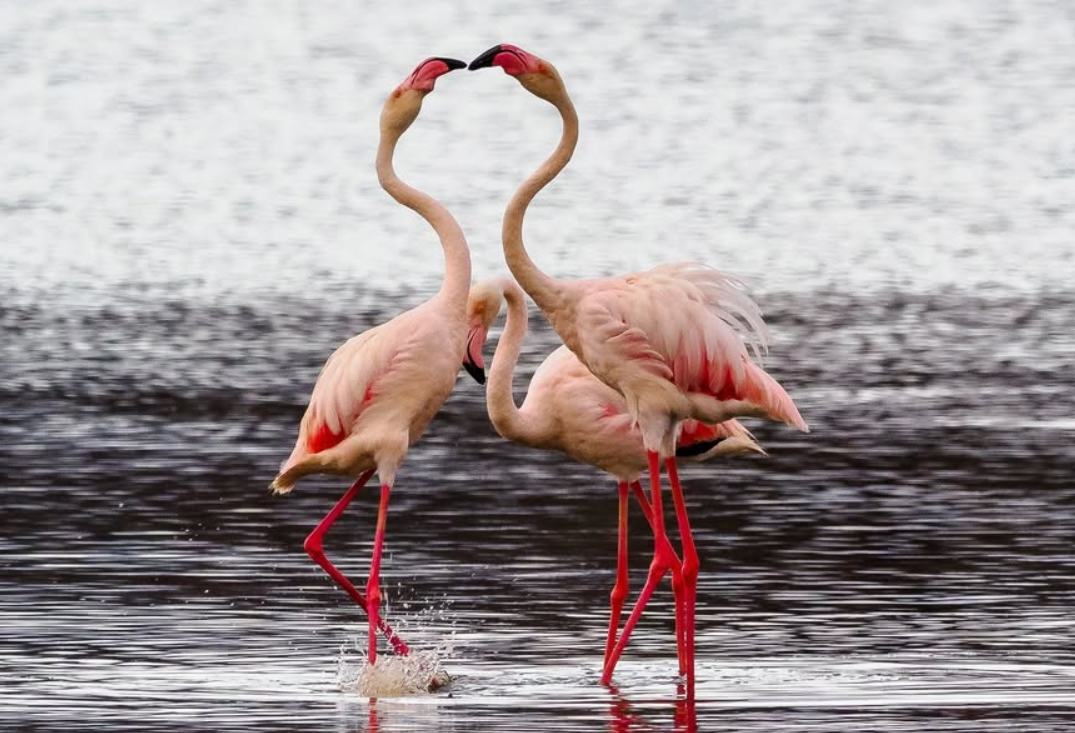
- Lake Nakuru National Park: A vital sanctuary for both black and white rhinoceros and home to diverse birdlife, including flamingos.
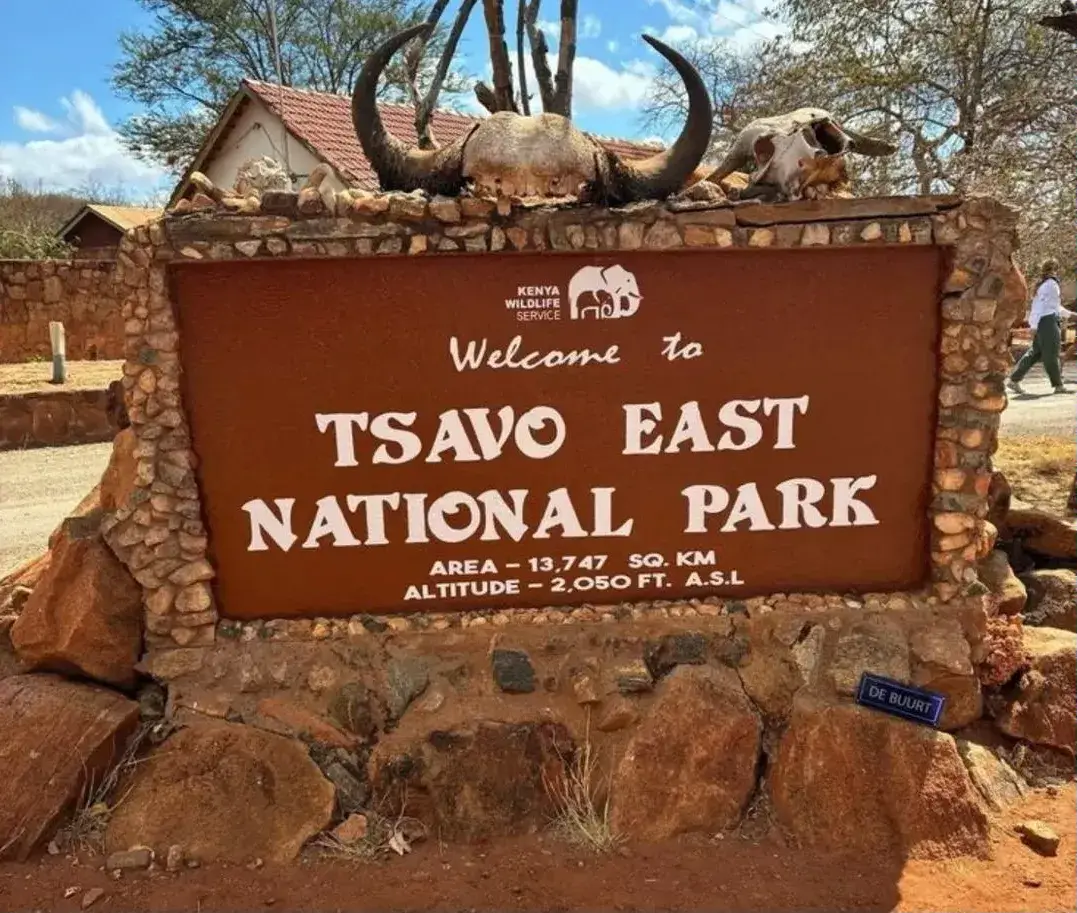
- Tsavo East and West National Parks: Vast parks known for their iconic red-dusted elephants and rugged terrain.
Adding a Kenyan Coastal Stay to Your Safari
Many travellers from Australia appreciate time to relax before the long flight home. Mid-range safari itineraries combine easily with a stay at a coastal resort. A short flight from Nairobi's Wilson Airport connects to destinations like Diani Beach or Mombasa, offering a straightforward way to add coastal downtime to your holiday.
The Wildlife Viewing Experience on a Mid-Range Safari
The structure of a mid-range safari is built around maximising your time in the field with the animals. The key assets of a private vehicle, an experienced guide, and well-located accommodation work together to increase the quality and quantity of wildlife sightings.
The Advantage of a Private Safari Vehicle
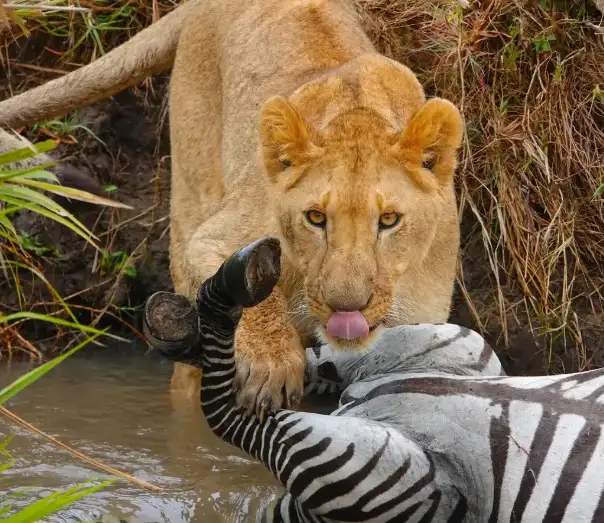
The use of a private vehicle is a significant benefit. You have complete control over your game drives, unlike on a scheduled group tour. Your party can choose to spend more time observing a particular animal or return to a location where a predator was spotted earlier. Your driver-guide works exclusively for your group, tailoring the experience to specific interests like photography, birdwatching, or tracking the Big Five.
Why In-Park Accommodation Maximises Game Viewing
Mid-range accommodation is often located inside or on the immediate border of the national parks. This proximity is critical for effective wildlife viewing. It allows game drives to commence at dawn and continue until dusk, which are the prime times when animals are most active. This logistical advantage eliminates wasting an hour or more travelling to and from a distant town, directly increasing your time inside the park.
The Role of Your Professional Driver-Guide
The quality of your driver-guide is fundamental to your safari's success. Mid-range operators employ professional, accredited English-speaking guides with deep knowledge of local fauna, flora, and culture. Many are certified by organisations like the Kenya Professional Safari Guides Association (KPSGA). They are skilled at tracking animals, navigating the park's network of tracks, and managing all trip logistics, allowing your focus to remain on the wildlife.
Is a Mid-Range Safari Right for You
This travel style is specifically suited to travellers who want an authentic, private, and comfortable safari experience without the premium cost of luxury travel. It appeals to a broad range of visitors from Australia, from families with children to seasoned adventurers.
Ideal Travel Style for Australian Families and Small Groups
A mid-range safari is particularly well-suited to Australian families. The cost-sharing mechanic of a private vehicle makes it economical for a family of four or a small group. The secure, fenced lodges offer peace of mind, while swimming pools provide a welcome activity for children between game drives. Buffet dining easily caters to varied and sometimes particular appetites, removing stress from mealtimes.
Safety and Accessibility at Mid-Range Lodges
Mid-range lodges are designed for comfort and security. Features like solid flooring in rooms, well-lit pathways, and electrified perimeter fences make them accessible for travellers of all ages, including older guests or those with mobility concerns. This structured environment contrasts with the more rustic and unfenced nature of budget campsites.
The Optimal Balance of Value and Experience
For travellers who prioritise the wildlife experience but also value a comfortable bed, a private bathroom, and good food, the mid-range safari offers an optimal solution. It allocates budget towards the most important components: a private vehicle, an expert guide, and prime park locations. It avoids the high costs associated with the exclusivity and fine dining of luxury-tier travel.
Planning Safari Timing and Duration from Australia
Careful planning around Kenya's seasons and the realities of long-haul travel is essential for a successful trip. Aligning your visit with the dry seasons and allocating sufficient time will greatly enhance your safari experience.
Aligning Your Safari with Australian School Holidays
The main Australian school holiday periods align well with Kenya's peak safari seasons. The June-July break falls within the start of the Great Migration in the Masai Mara and the long dry season. The December-January holidays coincide with another dry period and the calving season for many species. Booking well in advance for these popular travel times is essential, as lodges often fill up months ahead.
Kenya's Dry and Wet Seasons Explained
The best wildlife viewing generally occurs during the two dry seasons: June to October and January to February. During these months, vegetation is less dense and animals congregate around water sources, making them easier to spot. The main rainy season from April to May can make some tracks challenging, and a 4x4 Land Cruiser upgrade is strongly advised if travelling at this time.
Optimal Safari Durations for Long-Haul Travellers
For a trip from Australia, a safari duration of 7 to 10 days within Kenya is practical. A 7-day safari allows for a classic circuit covering three major parks like Amboseli, Lake Nakuru, and the Masai Mara without feeling rushed. A 10-day itinerary allows for a more relaxed pace or the inclusion of another park. Remember to factor in at least three days for international travel and recovery from jet lag.
Practicalities for Planning a Safari from Australia
Organising a trip to Kenya involves several key logistical steps, from booking flights to managing entry requirements and health precautions. Addressing these early ensures a smooth and enjoyable holiday.
Flights and Travel Time to Nairobi
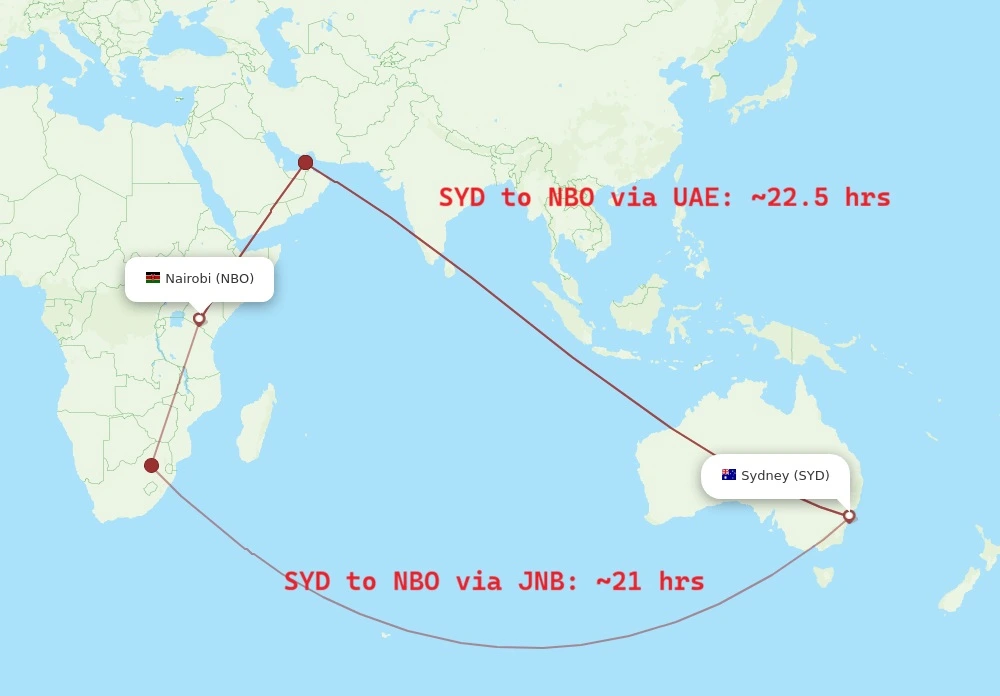
No direct flights operate from Australia to Nairobi (NBO). Travel typically involves a stopover in the Middle East (e.g., Doha, Dubai) or Asia. Total travel time from major hubs like Sydney, Melbourne, or Brisbane is approximately 20 to 24 hours, including layovers. Factoring this travel time into your overall holiday duration is important.
Kenyan eTA and Health Recommendations for Australians
Australian citizens require an Electronic Travel Authorisation (eTA) to enter Kenya. This must be applied for online via the official government website well in advance of your departure. Consulting your GP in Australia 6 to 8 weeks before you travel is also critical. Your doctor can provide advice on recommended vaccinations, such as Yellow Fever, and malaria prophylaxis for most safari regions in Kenya.
Indicative Mid-Range Safari Costs in Australian Dollars
Safari prices are often quoted in USD, but it is useful to budget in Australian Dollars. A mid-range safari typically costs between AUD $475 and AUD $855 per person, per day. This price generally includes full-board accommodation, park entry fees, a private safari vehicle with a driver-guide, and bottled water on game drives. This estimate does not include international flights, the Kenya eTA fee, travel insurance, drinks, or tips. These figures are indicative and vary based on the season, group size, and currency exchange rates.
Mid-Range Safari in Kenya at a Glance
This summary provides key data points for a typical mid-range safari, offering a quick reference for Australian travellers planning their trip.
| Attribute | Typical Specification |
|---|---|
| Price Guide (Per Person, Per Day) | AUD $475 - $855 |
| Recommended Safari Duration | 7 - 10 days (excluding international travel) |
| Accommodation Style | Safari lodges or permanent tented camps (3-4 star) |
| Vehicle Type | Private safari minivan (pop-up roof); 4x4 Land Cruiser upgrade available |
| Primary Travel Season | June - October & January - February (Dry Seasons) |
| Best Suited For | Families, small groups, first-time safari visitors, value-conscious travellers |