

Mount Kenya hiking packages from Australia need extra days for the mountain, not only for the safari parks. A Mount Kenya tour presents a distinct type of African holiday for the Australian traveller. It moves beyond the classic vehicle-based safari, combining a challenging, multi-day high-altitude trek with a subsequent stay in a luxury safari lodge. This travel style is designed for those who seek physical accomplishment and direct engagement with unique natural environments. It pairs the rigours of mountain trekking with the restorative comfort and high-calibre wildlife viewing found in Kenya's exclusive conservancies.
The Mount Kenya Tour Experience
This journey is defined by two distinct phases: the demanding ascent of Africa's second-highest peak, followed by a rewarding and comfortable safari. The trip presents a study in contrasts, from the cold, thin air of the high-altitude moorlands to the warmer acacia woodlands of the Laikipia Plateau. A Mount Kenya tour is an itinerary of physical effort followed by serene recuperation.
- Activity Level
- High, involving multi-day trekking at significant altitude.
- Accommodation Style
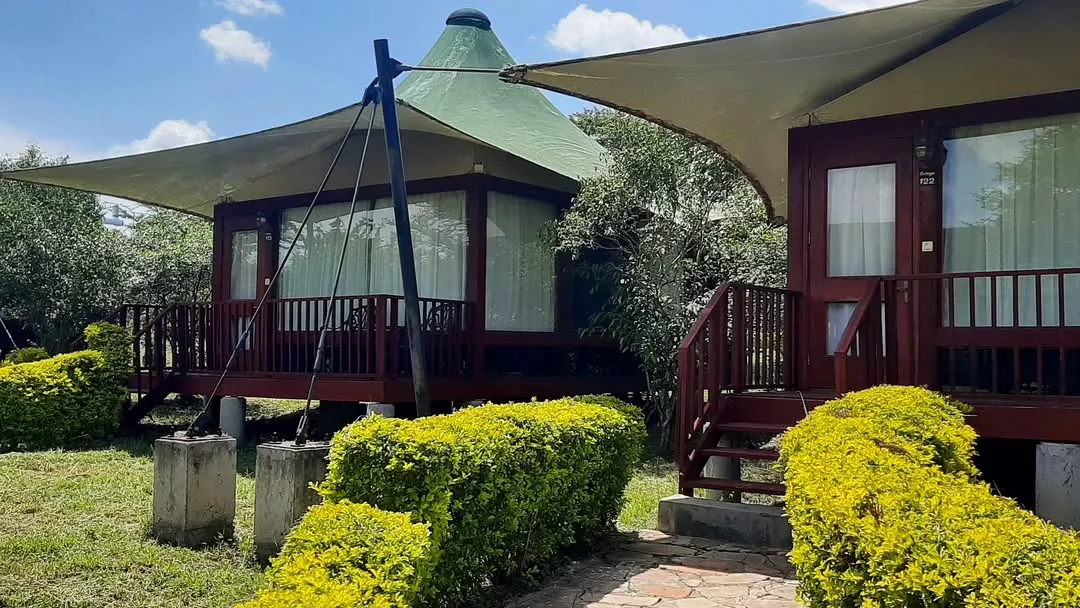
- A blend of basic mountain huts during the trek and luxury safari lodges in the conservancies.
- Key Focus
- Personal achievement, unique ecosystems, and exclusive wildlife viewing.
- Pace
- A physically demanding start transitions to a period of relaxed safari activity.
- Conservation
- Direct contribution to park and conservancy fees that fund anti-poaching and habitat preservation efforts.
Combining Trekking with Luxury Safaris
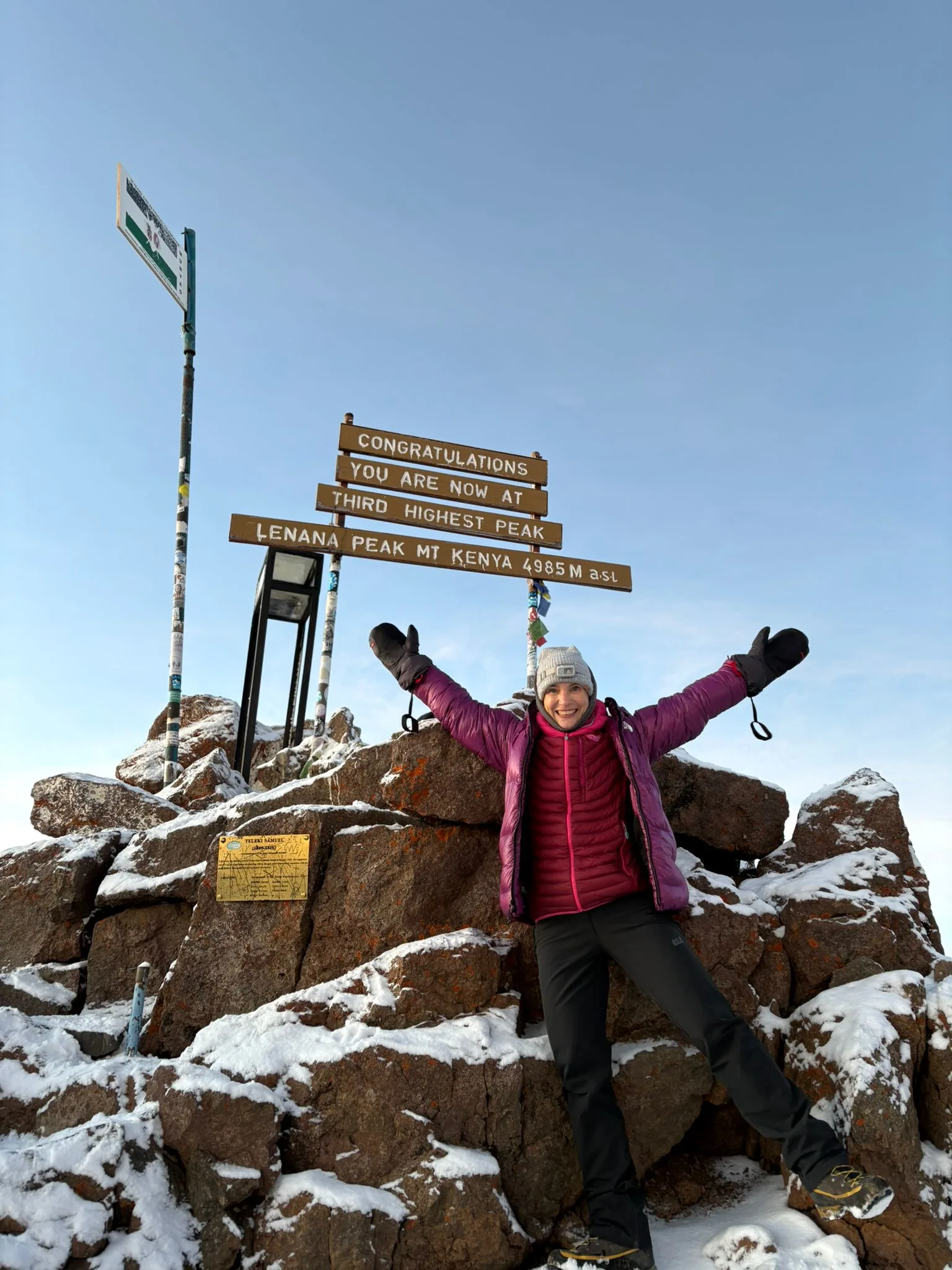
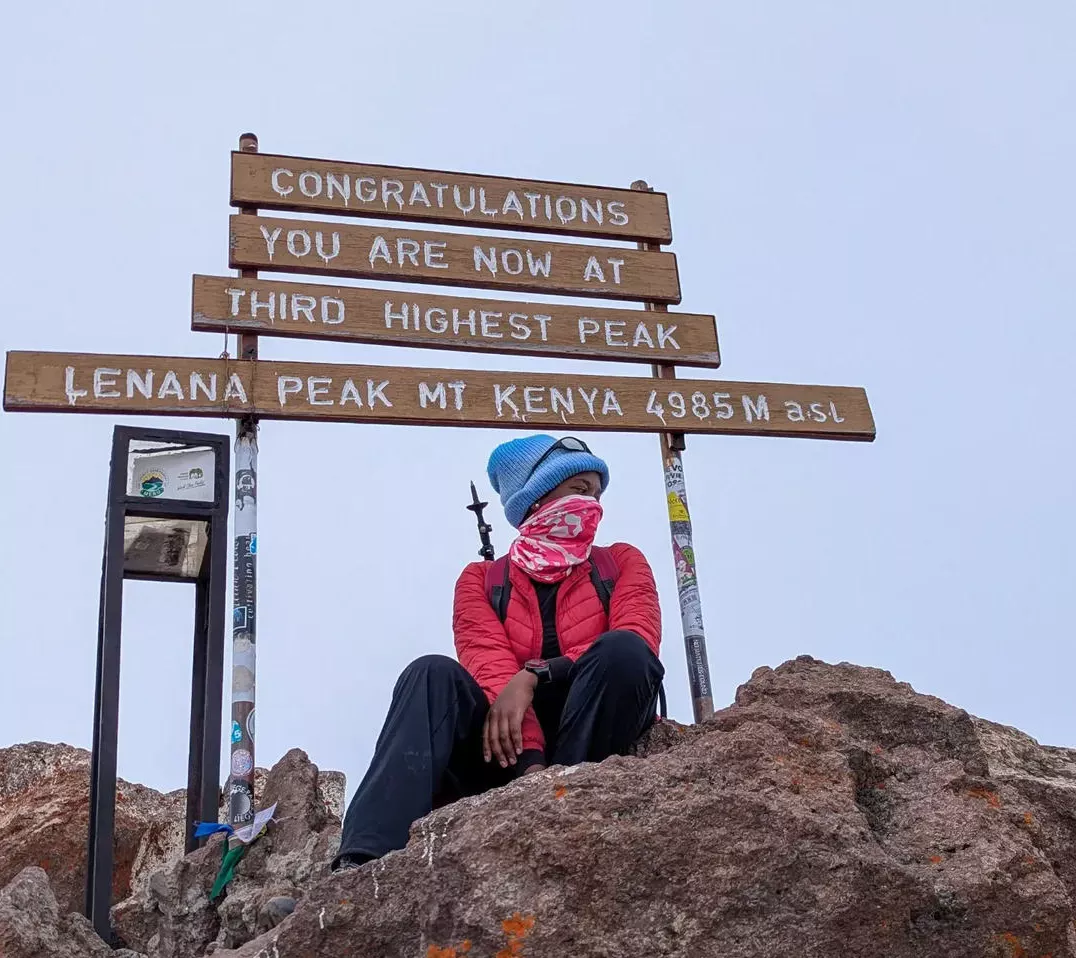
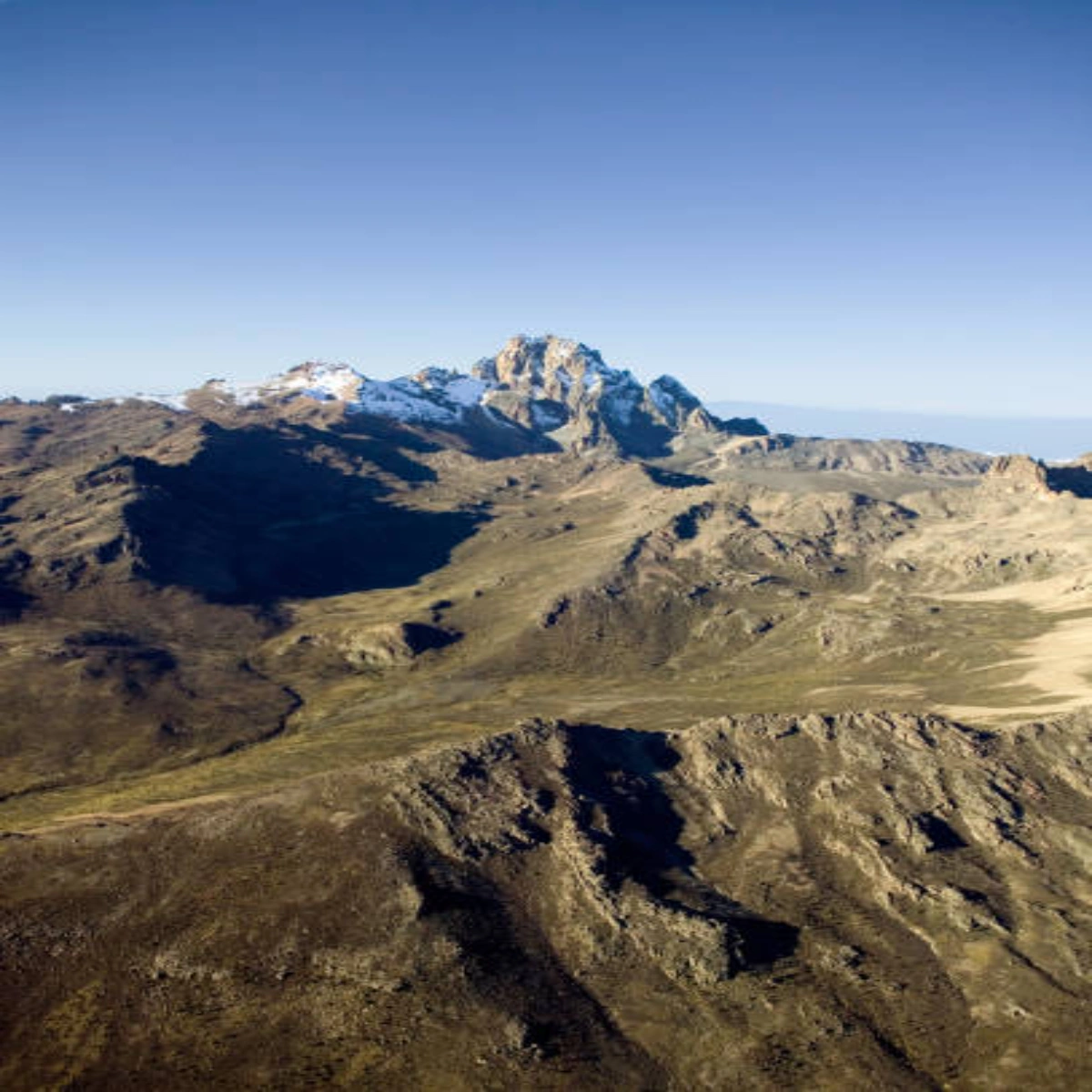
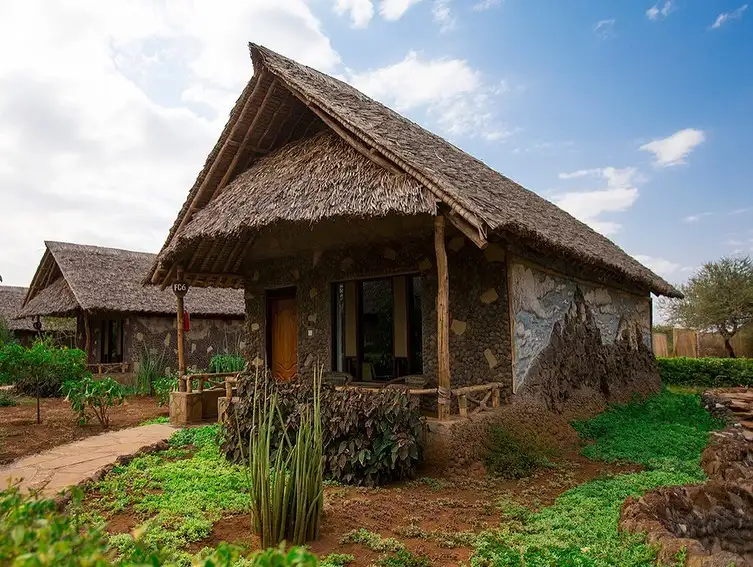
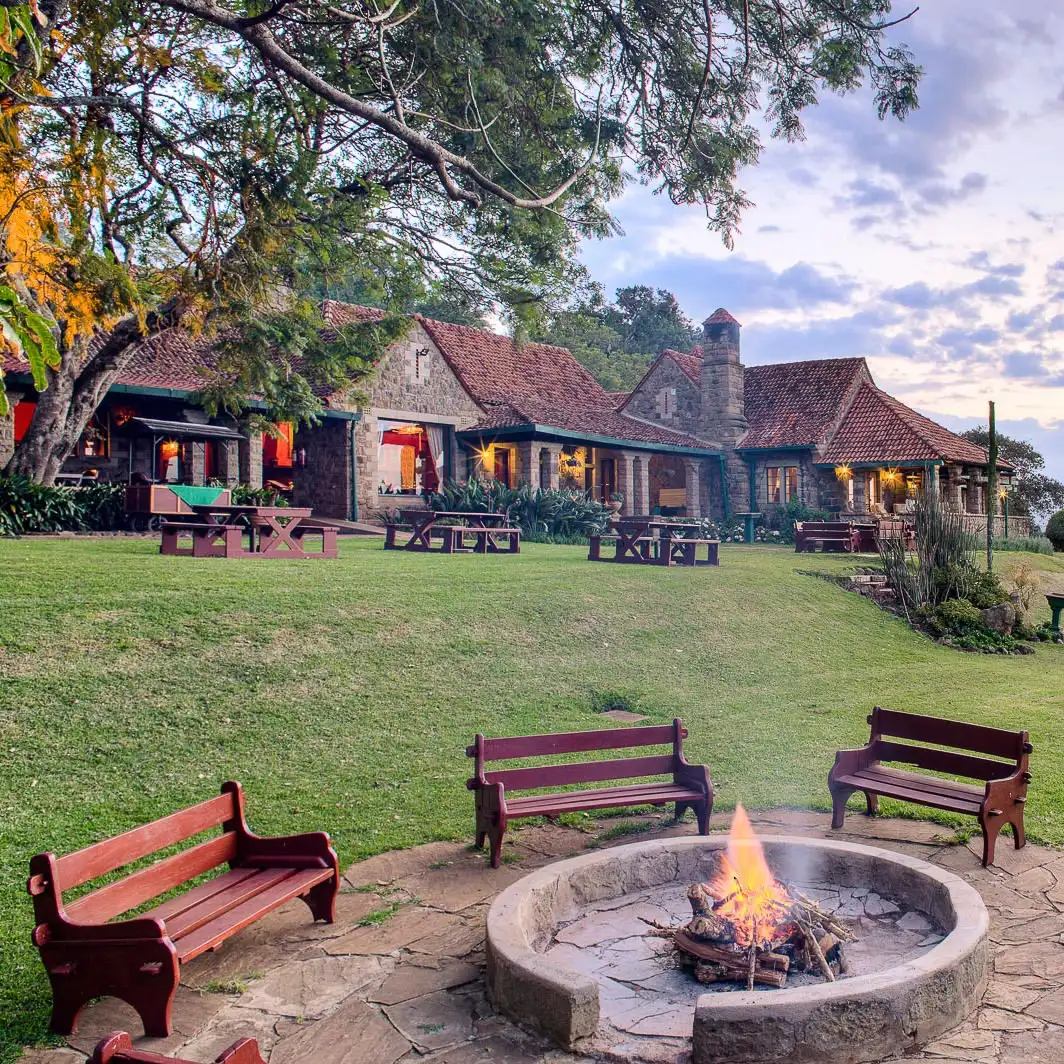
The core structure of this holiday involves a professionally guided trek up Mount Kenya, typically aiming for the trekker's summit at Point Lenana (4,985m). Accommodation during the trek is in basic but functional mountain huts, providing essential shelter. After descending, the tour transitions to a different pace. Travellers are transferred to a high-end safari lodge in a nearby private conservancy, where the focus shifts to relaxation, expertly guided game drives, and exceptional comfort.
A Journey of Challenge and Personal Reward
The trek is a significant physical undertaking that requires good stamina and proper acclimatisation to the altitude. The reward is the profound sense of personal achievement upon reaching the summit, alongside magnificent views across the central Kenyan highlands. The experience is not about technical climbing; it is a sustained, high-altitude hike through constantly changing ecological zones.
Connecting with Unique African Environments
A Mount Kenya tour provides access to ecosystems not seen on a standard safari itinerary. The mountain's slopes contain dense forests, bamboo zones, and the otherworldly Afro-alpine moorlands with their giant groundsel and lobelia plants. This unique environment is then contrasted with the classic savannah and woodland habitats of the Laikipia region, an area known for its high concentrations of wildlife and successful conservation programmes.
Typical Routes on Your Mount Kenya Tour
The logistical flow of a Mount Kenya tour is well-established, designed to facilitate safe acclimatisation before the trek and a smooth transition to the safari component. Most itineraries follow a standard geographical progression from the capital city to the mountain and then onto the surrounding plains.
Nairobi Arrival and Transfers for Your Mount Kenya Tour
International flights from Australia arrive at Jomo Kenyatta International Airport (NBO) in Nairobi. Most itineraries include an overnight stay in the city to recover from the long-haul flight. The following day involves a road transfer of approximately four to five hours (around 200 kilometres) north to a town like Nanyuki. This town, situated near the base of Mount Kenya, serves as the logistical hub where final preparations for the trek are made.
Trekking the Slopes of Mount Kenya
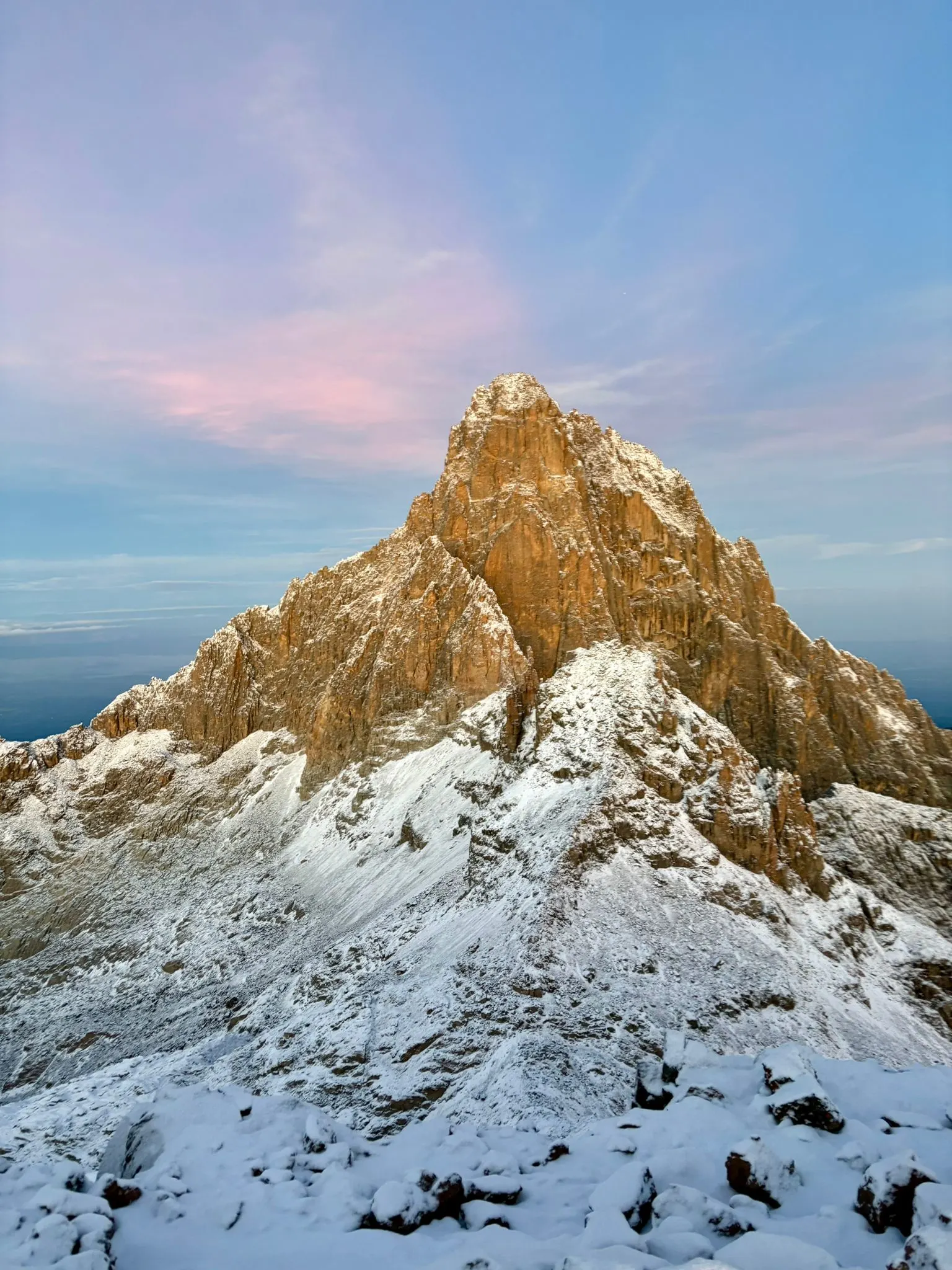
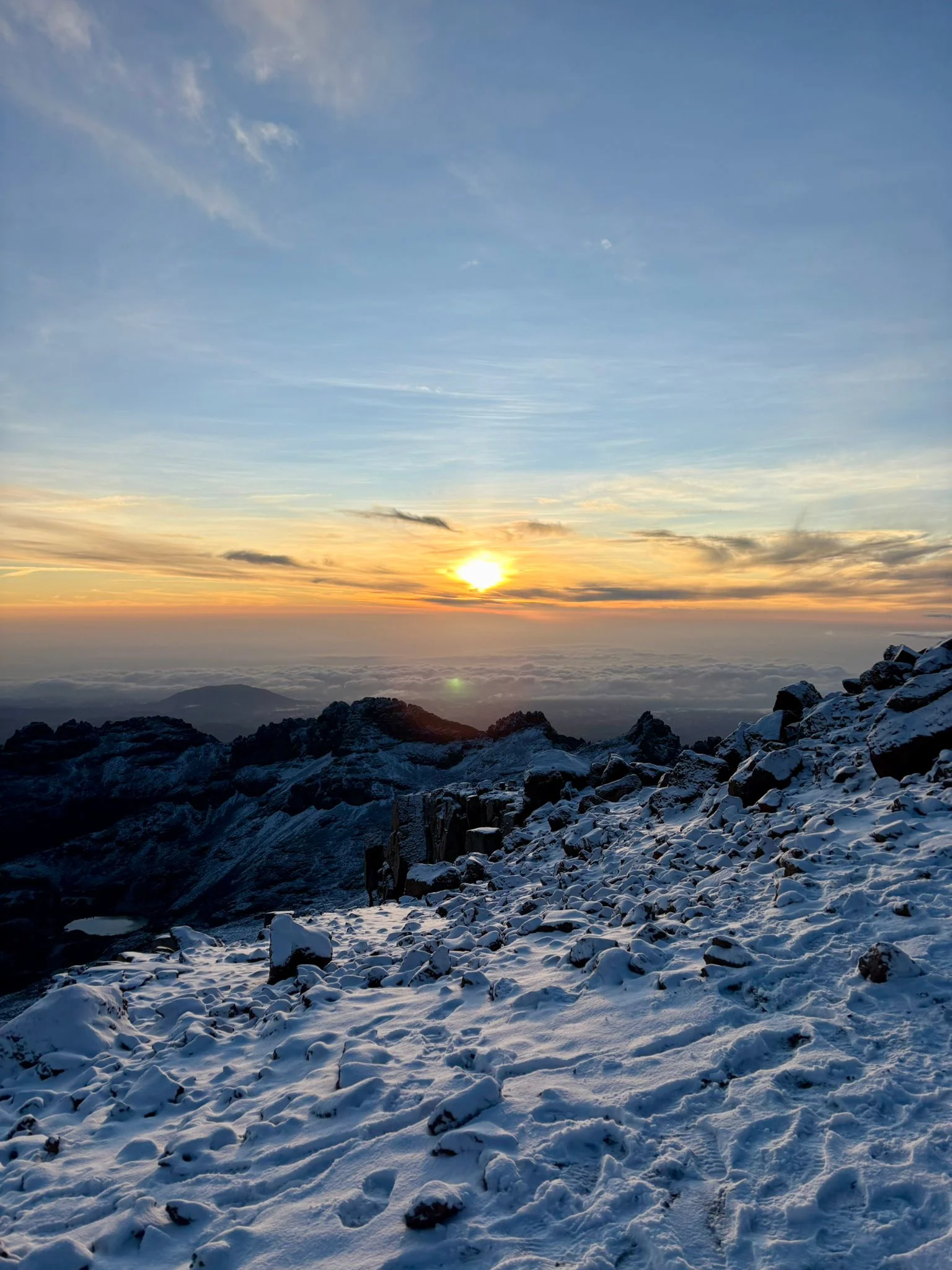
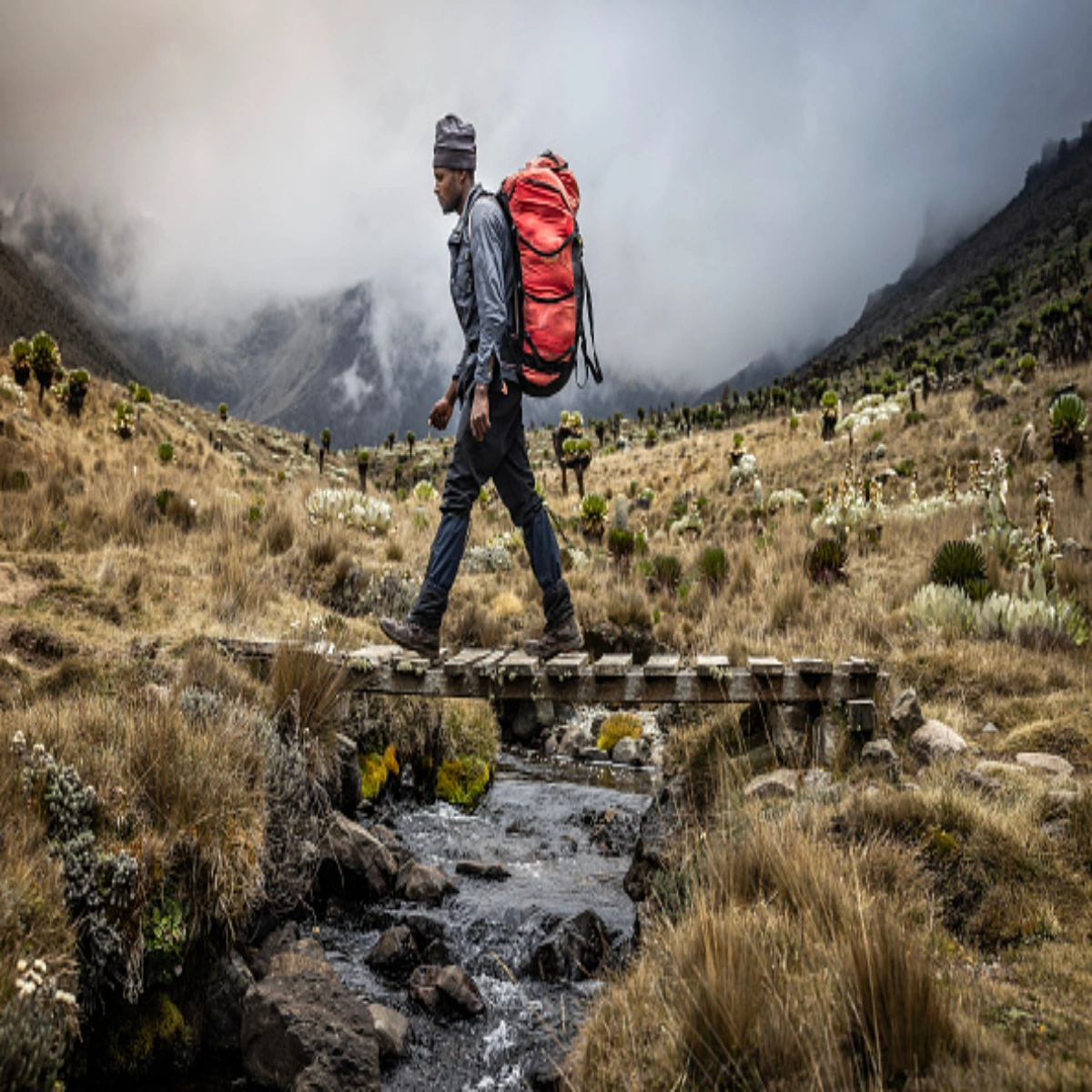
The trek itself usually lasts between four and seven days. The specific duration depends on the route chosen, which is selected to allow for gradual acclimatisation to the altitude. Porters carry the main gear, leaving you responsible only for a daypack. The goal for most trekkers is Point Lenana, the third-highest peak, which offers spectacular sunrise views of the main summits of Batian (5,199m) and Nelion (5,188m). Common routes include the Sirimon route, known for its steady ascent and excellent acclimatisation profile, and the Chogoria route, often considered the most scenic for descent with its dramatic gorges and waterfalls.
Luxury Safaris in the Laikipia Region
Following the trek, the itinerary moves to the Laikipia Plateau, a region of private and community-owned wildlife conservancies famous for its pioneering conservation work. This area offers a more exclusive safari experience due to its low visitor density. Here, travellers spend several nights at a luxury lodge, participating in morning and afternoon game drives, guided walks, and other activities. The tour typically concludes with a road or light aircraft transfer back to Nairobi for the connecting flight home.
Wildlife and Ecosystems on Mount Kenya Tours
This style of travel presents two entirely different sets of wildlife and plant life. The mountain supports a fragile, high-altitude ecosystem, while the lower-lying conservancies protect some of Africa's most significant and endangered animal populations.
The Unique Afro-Alpine Zone of Mount Kenya
The ascent of Mount Kenya reveals dramatic environmental changes. The lower slopes are covered in montane forest, home to colobus monkeys, elephants, and buffalo. Higher up, you enter the heathlands and then the Afro-alpine zone. This is a unique habitat characterised by strange-looking flora like giant groundsels and lobelias, which have adapted to the extreme daily temperature fluctuations. Birdlife is also notable, including high-altitude sunbirds and the scarlet-tufted malachite sunbird.
Encounters with the Big Five and Endangered Species
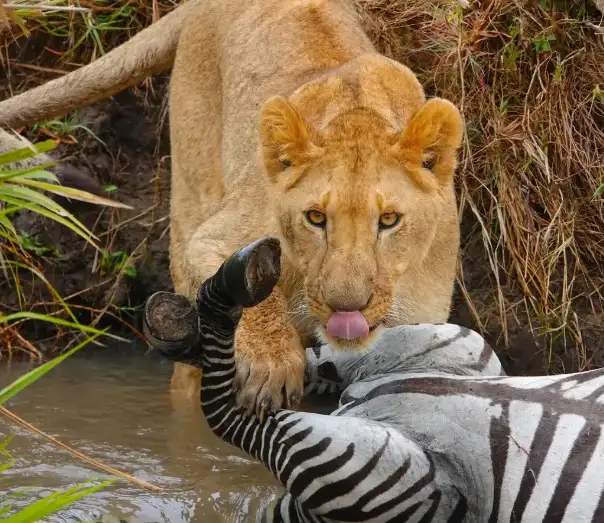
In the Laikipia conservancies, such as the renowned Ol Pejeta Conservancy or Lewa Wildlife Conservancy, the wildlife viewing is superb. These areas are vital strongholds for endangered species. Here you can see the Big Five (lion, leopard, elephant, buffalo, and rhino). Critically, Laikipia is one of the best places in Africa to see both black and white rhinos. Ol Pejeta Conservancy provides sanctuary for the last two northern white rhinos on Earth. The region is also key for the conservation of the endangered Grevy's zebra and the reticulated giraffe.
Conservation in Action and Ethical Travel
The fees paid for park entry and conservancy stays are a critical source of funding for conservation in Kenya. These funds directly support anti-poaching patrols, veterinary units, and community development programmes that are essential for protecting the region's biodiversity. Choosing this type of tour means you are making a direct and measurable contribution to these vital efforts.
Who Thrives on Mount Kenya Tours
This is a specialised holiday that appeals to a specific type of traveller from Australia. It is not a passive experience and requires a commitment to physical activity and an appreciation for both the challenge and the subsequent reward.
For the Discerning Australian Adventurer
This tour is well-suited to Australian travellers who may have been on safari before and now seek a more active and immersive way to experience Africa. It appeals to those who value a challenge and are looking for a trip that offers more than game drives alone. The combination of strenuous activity and high-end comfort caters to those who want both authentic adventure and restorative recuperation.
Fitness Levels for Mount Kenya Trekking
A good level of cardiovascular fitness is required. You should be comfortable with multi-day hiking for five to eight hours a day, often with significant elevation gain. The primary challenge is the altitude, not technical difficulty. Preparation in Australia should include regular, sustained hiking, ideally incorporating hills or stairs to build leg strength and stamina. A pre-trip medical check-up with your doctor is always recommended.
Travellers Valuing Personal Achievement and Conservation
Ultimately, this tour is for individuals who draw satisfaction from overcoming a physical challenge and who are motivated by a deeper connection to the places they visit. The trip's strong link to successful, community-led conservation projects provides an additional layer of purpose for travellers who want their spending to have a positive and lasting impact.
Best Time and Duration for Mount Kenya Tours
Timing your trip is critical for a successful trek, as weather conditions on the mountain can be severe. The safari portion of the trip is less weather-dependent but is also most enjoyable during the region's dry seasons.
Optimal Seasons for Trekking Mount Kenya
The two main dry seasons offer the best conditions for trekking, with clearer skies and a lower probability of rain or snow. Attempting the trek during the rainy seasons is possible but is generally colder, wetter, and offers reduced visibility, making it less safe and enjoyable.
| Season | Months | Conditions for Trekking |
|---|---|---|
| Long Dry Season | January - February | Excellent. Generally clear and dry, optimal for summit views. |
| Short Dry Season | June - September | Very good. Clear skies, but can be colder than Jan/Feb. |
| Rainy Seasons | March - May & Oct - Dec | Challenging. Wet, muddy, and often cloudy. Not recommended. |
Planning Around Australian School Holidays
The June to September dry season in Kenya aligns well with the mid-year school holidays in Australia. This can be a convenient time for family or school-based travel, but it is also a peak period. Flights and accommodation should be booked well in advance to secure availability and manage costs. The January to February window falls within the Australian summer holidays, also making it a popular and practical time to go.
Recommended Duration for Mount Kenya Tours
To comfortably complete the trek and enjoy the safari portion without feeling rushed, a duration of 8 to 12 days in Kenya is recommended. This schedule allows for proper acclimatisation, a 5-day trek, and at least three nights on safari. This time frame does not include international travel time to and from Australia.
Planning Your Mount Kenya Tour from Australia
Organising a trip of this nature from Australia involves several key logistical considerations, from long-haul flights and visas to specific health precautions and budgeting in Australian Dollars.
Long-Haul Travel Tips for Australians
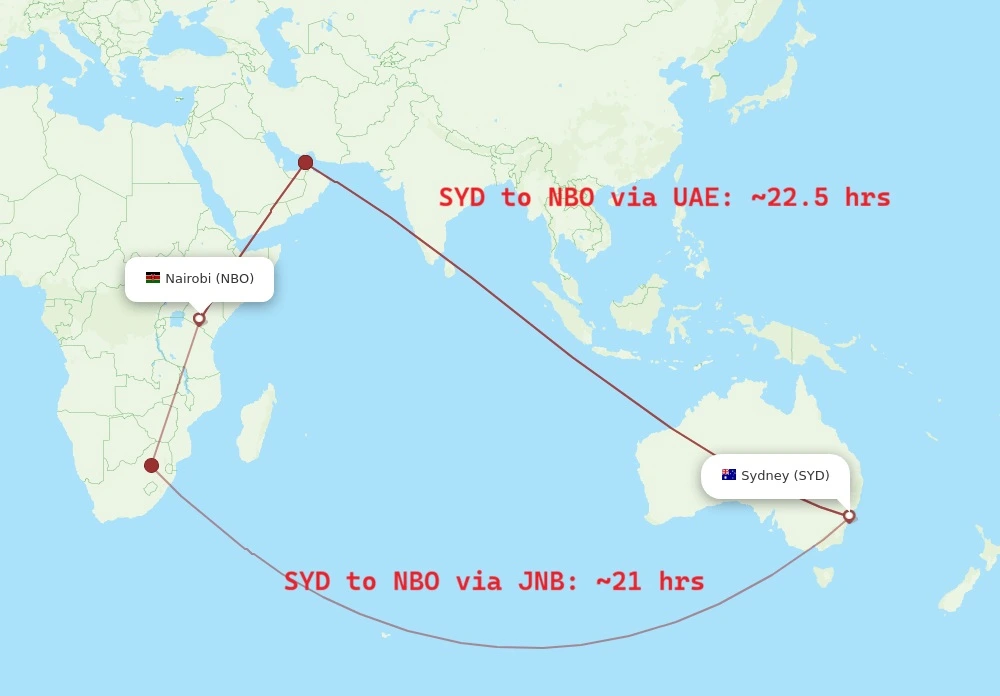
Flights from major Australian cities like Sydney, Melbourne, or Perth to Nairobi will involve at least one stop, usually in the Middle East or Asia. Total travel time is significant. It is wise to factor in a full day of rest in Nairobi upon arrival to begin acclimatising and recover from jet lag before starting the transfer to the mountain region.
Visas Health and Safety for Kenya
Australian citizens require a visa to enter Kenya, which must be obtained online as an e-Visa prior to departure. A Yellow Fever vaccination certificate may be required for entry depending on your transit points, and it is a sensible precaution regardless. Consult a travel doctor in Australia at least two months before your trip to discuss other recommended vaccinations and malaria prophylaxis. Comprehensive travel insurance that specifically covers high-altitude trekking up to 5,000 metres is mandatory for this tour.
Budgeting Your Mount Kenya Tour in AUD
Understanding the components of the cost is essential. The mountain trek itself can range from approximately A$800 to A$4,000 per person, depending on the operator, support level, and route. This price, however, only covers the trekking portion. A complete tour package that includes the trek, private transfers, high-end safari lodge accommodation, all meals, conservancy fees, and park permits will be a substantially larger investment. On top of the ground arrangements, budget for international return flights from Australia, which can range from A$2,000 to over A$4,000 per person depending on the airline and season.