

A Great Migration safari from Australia has to fit July to October around a long flight, not only around the river crossing. A Great Wildebeest Migration Safari is a highly specific and seasonal form of travel, focused on witnessing one of the planet's most significant wildlife events. Australian travellers should plan a trip to Kenya between July and October to coincide with this spectacle. This period aligns with the movement of vast herds of wildebeest, zebra, and gazelle into the Masai Mara National Reserve. These safaris are designed to place you in prime locations to observe the drama of the migration, particularly the famous river crossings. This unique safari experience features intense wildlife viewing, expert guiding, and a level of comfort and exclusivity that allows for a deep immersion in this natural event.
Unpacking the Great Wildebeest Migration Safari Experience
The seasonal movements of over 1.5 million animals entirely dictate this safari style. A migration safari is not a general-purpose wildlife tour; it is a timed expedition to a specific region to witness a particular phenomenon. The safari's daily rhythm focuses on maximising opportunities to see the herds and the associated predator activity, which is at its peak during these months.
The Core Appeal of a Migration Safari
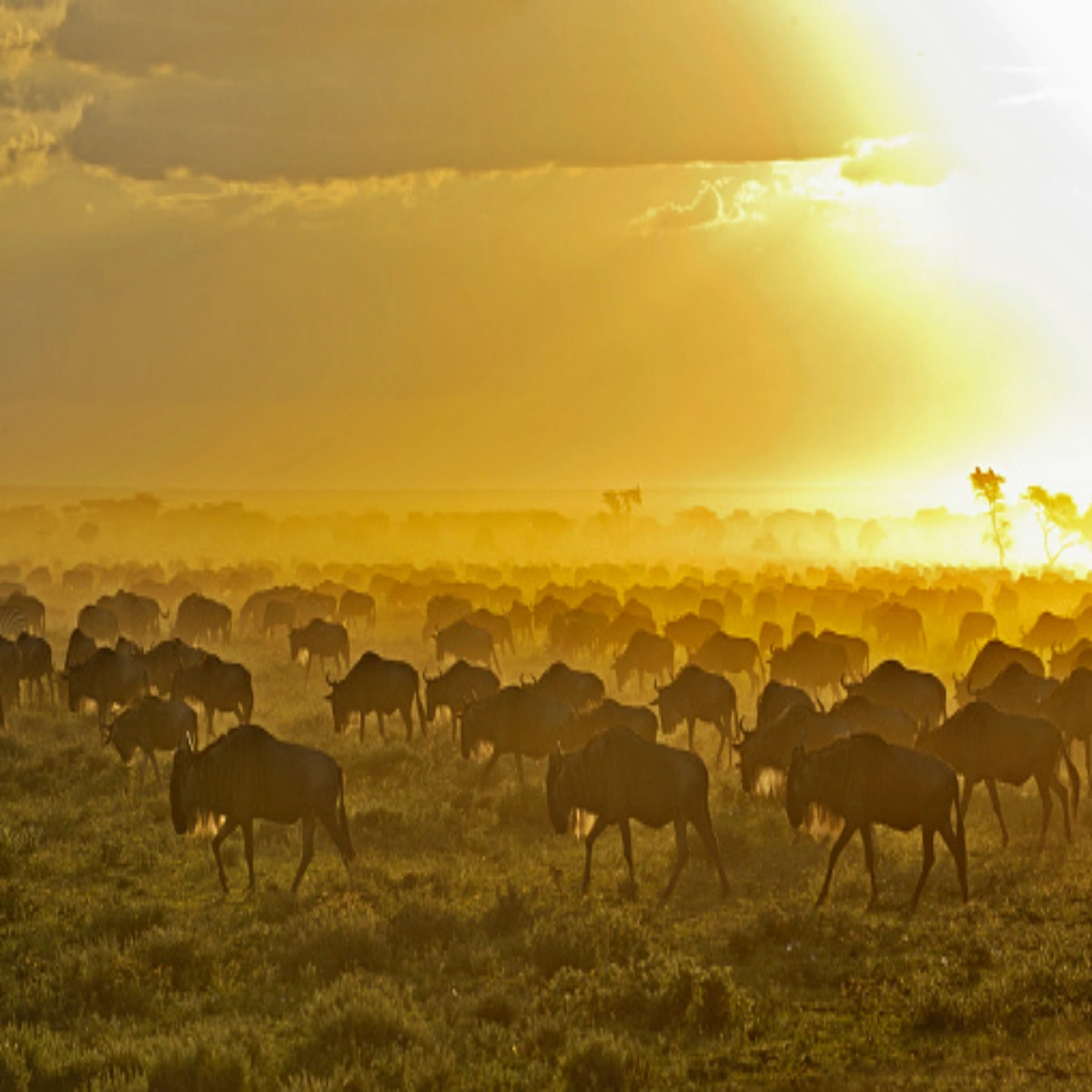
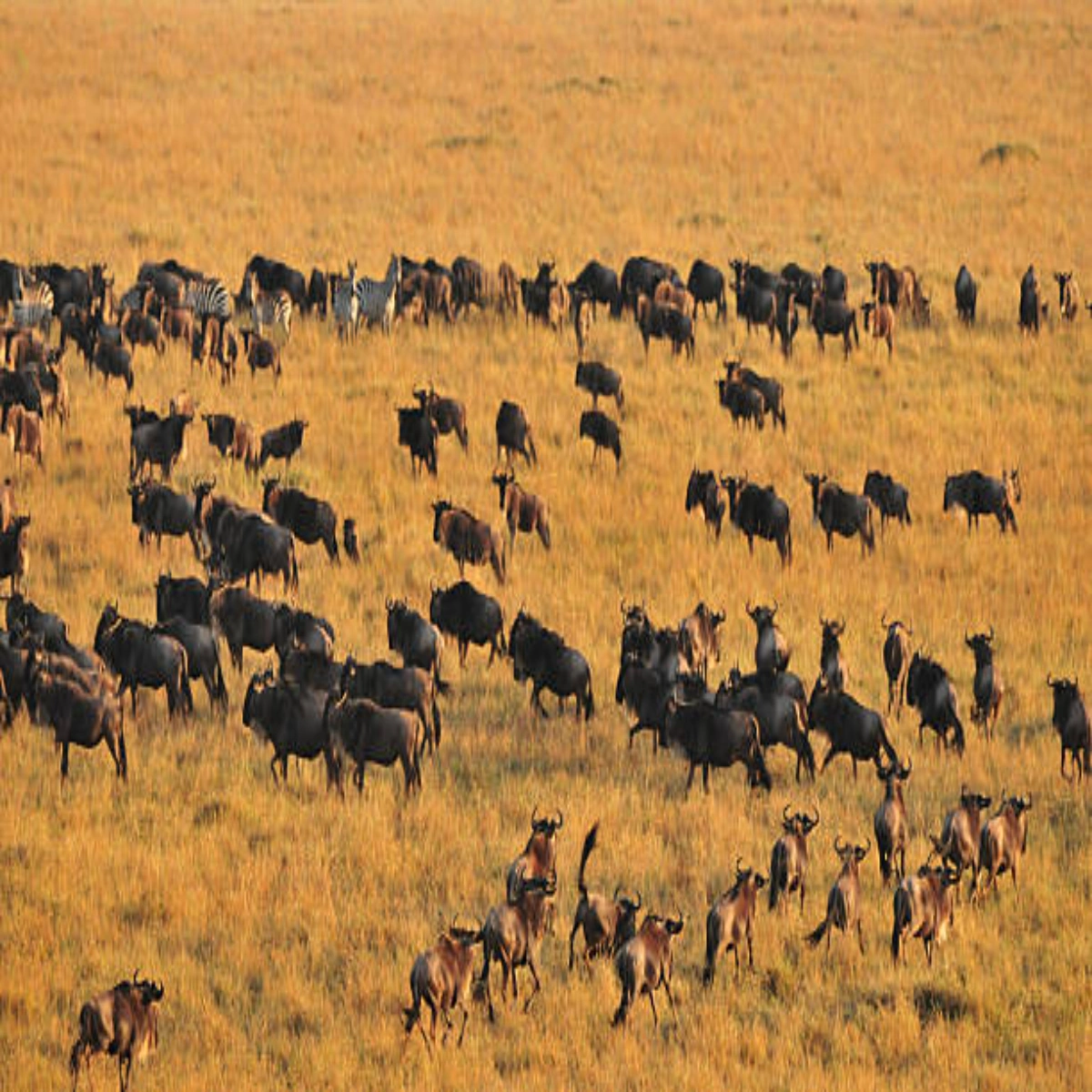
The sheer scale of the event is its fundamental attraction. The sight and sound of immense herds on the move delivers a powerful natural encounter. Travellers choose this safari to witness the iconic Mara River crossings, a critical and dramatic stage of the annual cycle. This high concentration of animals guarantees an elevated level of predator-prey interaction, offering exceptional wildlife viewing and photographic opportunities.
The Exclusive Nature of Luxury Migration Safaris
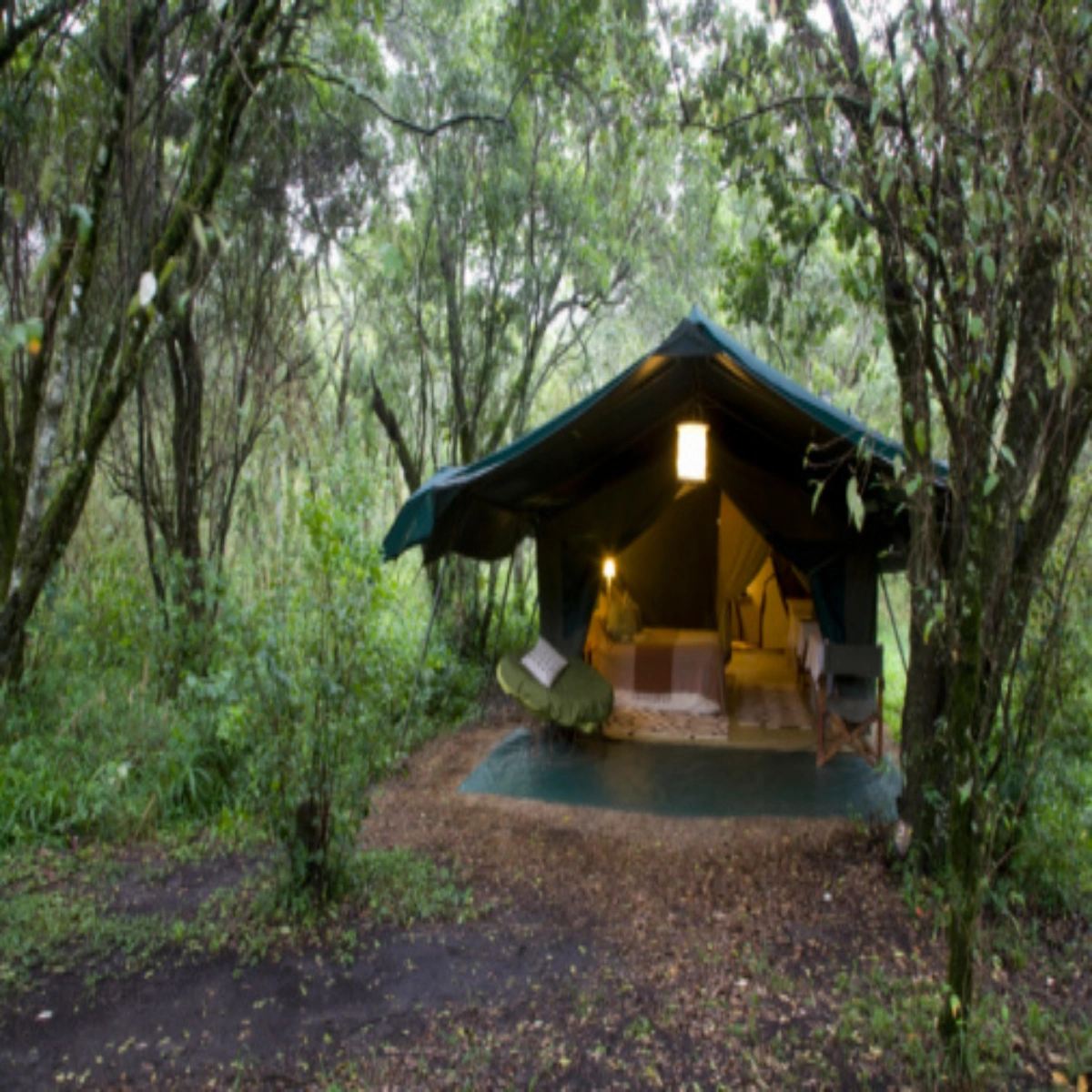
Migration Safaris are premium experiences. These premium experiences focus on securing access to prime viewing areas with minimal crowding. This is achieved through stays in well-located camps and lodges, often in private conservancies bordering the main reserve. A typical package includes high-quality 4x4 vehicles, private arrangements, and the services of Gold or Silver-rated professional guides whose expertise is critical for locating and interpreting animal behaviour.
Why Australian Travellers Seek the Great Migration
The July to October migration season in Kenya conveniently coincides with Australia's winter and spring. This seasonal alignment makes the safari a practical option for a major holiday, particularly for families planning around the mid-year and September school holidays. The singular nature of the event justifies the long-haul journey, representing a 'once-in-a-lifetime' travel goal for many dedicated wildlife enthusiasts.
Navigating Key Destinations for Your Kenya Migration Safari
A well-structured itinerary often complements the migration viewing with other key locations to provide a more rounded Kenyan safari experience. The choice of destinations affects the diversity of wildlife, ecosystems, and activities available on your trip.
The Pivotal Role of the Masai Mara in the Migration
The Masai Mara National Reserve, covering approximately 1,510 square kilometres, is the epicentre of the migration from July to October. The Masai Mara is where the herds congregate after their journey from the Serengeti in Tanzania as part of the vast 25,000-square-kilometre Serengeti-Mara ecosystem. The Mara's grasslands provide vital grazing, and its rivers, primarily the Mara River, present the formidable obstacles that result in the dramatic crossings. All migration-focused itineraries dedicate the majority of their time to this region.
Combining Your Migration Safari with Other Kenyan Gems
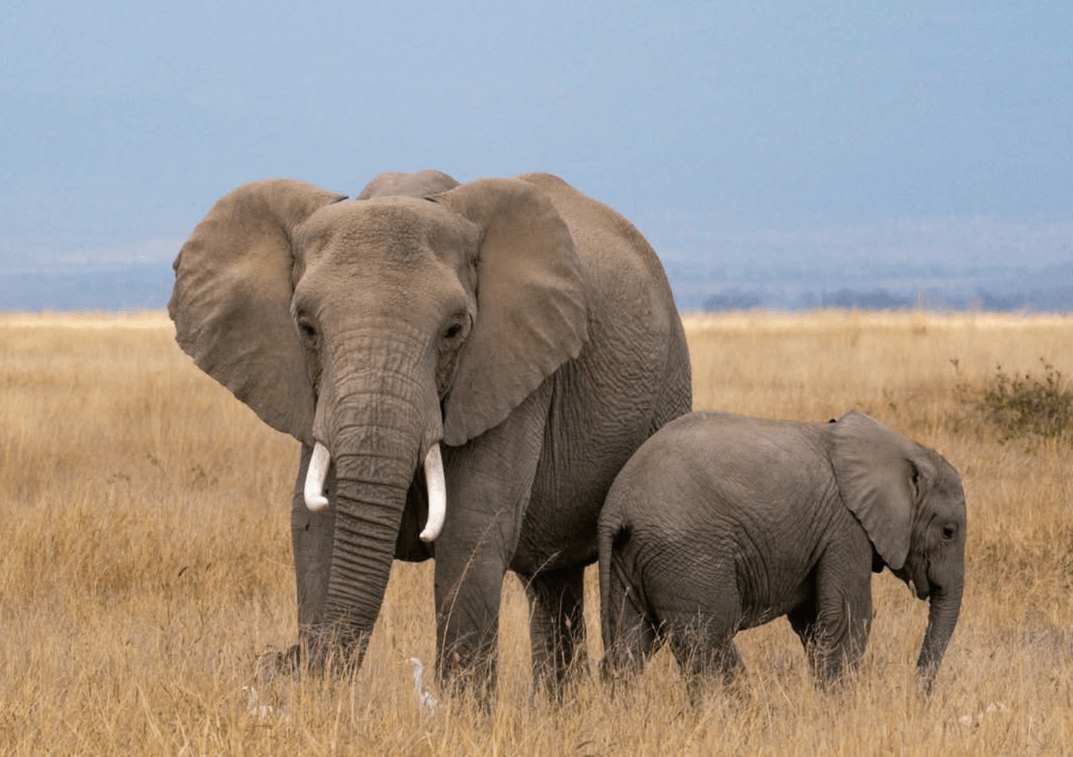
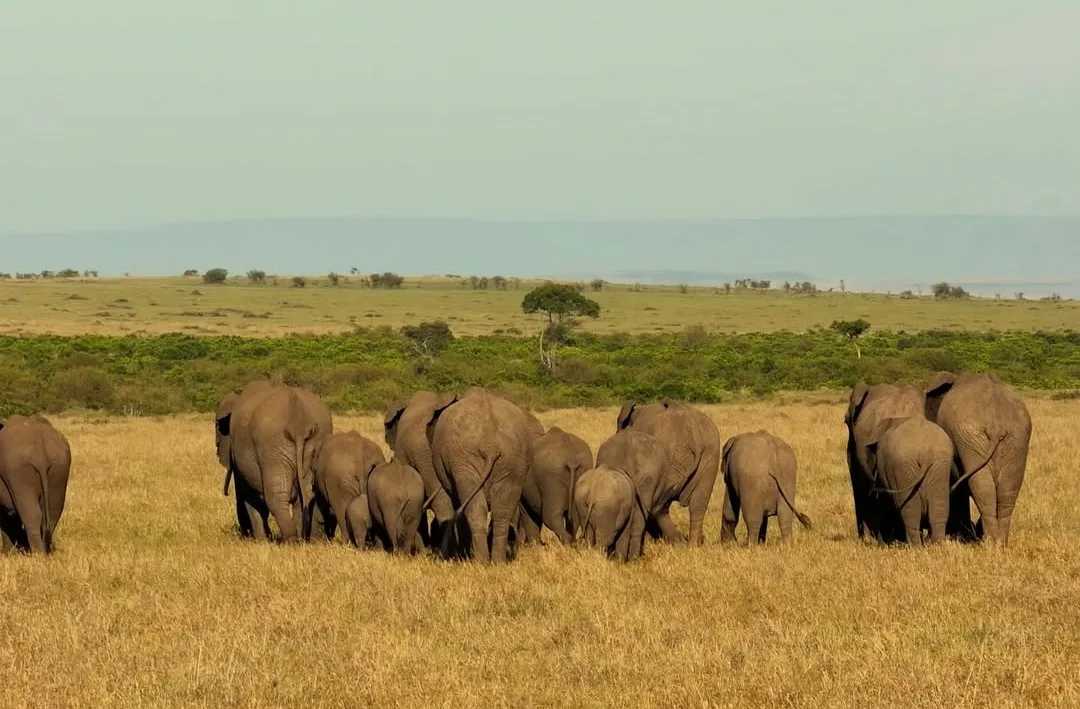
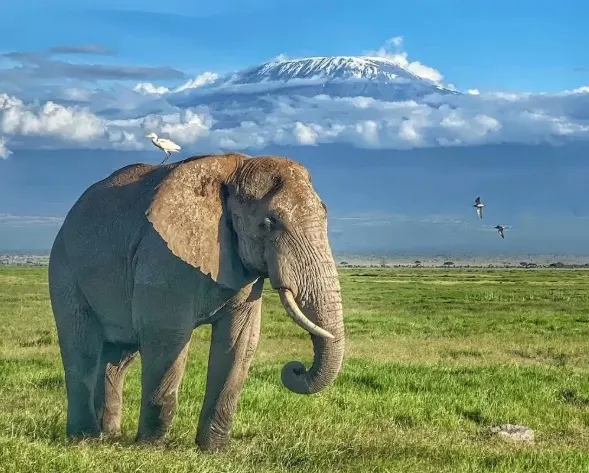
To add variety, many itineraries pair the Masai Mara with other parks. Amboseli National Park, located about 240 kilometres southeast of Nairobi, is a popular addition, known for its large elephant herds and views of Mount Kilimanjaro. For a different fauna profile, Samburu National Reserve in the arid north offers unique species known as the 'Samburu Special Five': the Grevy's zebra, reticulated giraffe, Somali ostrich, gerenuk, and beisa oryx. Including a stop in the Great Rift Valley, such as Lake Nakuru, can add rhino sightings and impressive birdlife to the trip.
Private Conservancies for an Exclusive Migration View
A number of private conservancies sit adjacent to the unfenced national reserve. Staying in a camp within a conservancy offers significant advantages. These areas have strict limits on visitor and vehicle numbers, ensuring a less crowded viewing experience. They also permit activities not allowed in the main reserve, such as off-road driving for better positioning, guided bush walks, and night game drives, which reveal a different cast of nocturnal characters.
Unforgettable Wildlife Encounters on a Migration Safari
The wildlife viewing during this season is intense and dynamic. The high density of animals creates a constant state of activity across the plains, from colossal grazing herds that stretch to the horizon to opportunistic predators on the hunt.
Witnessing the Dramatic Mara River Crossings
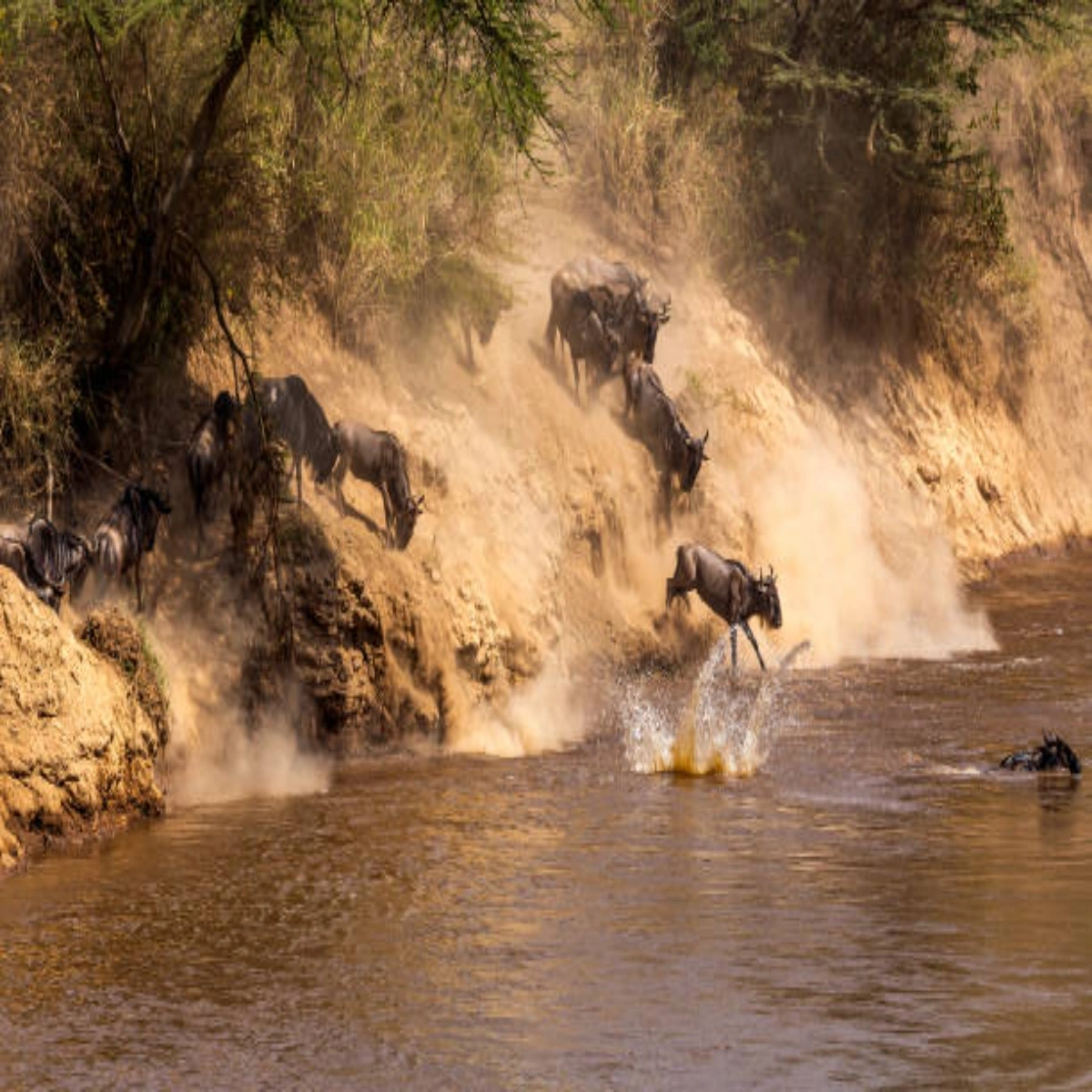
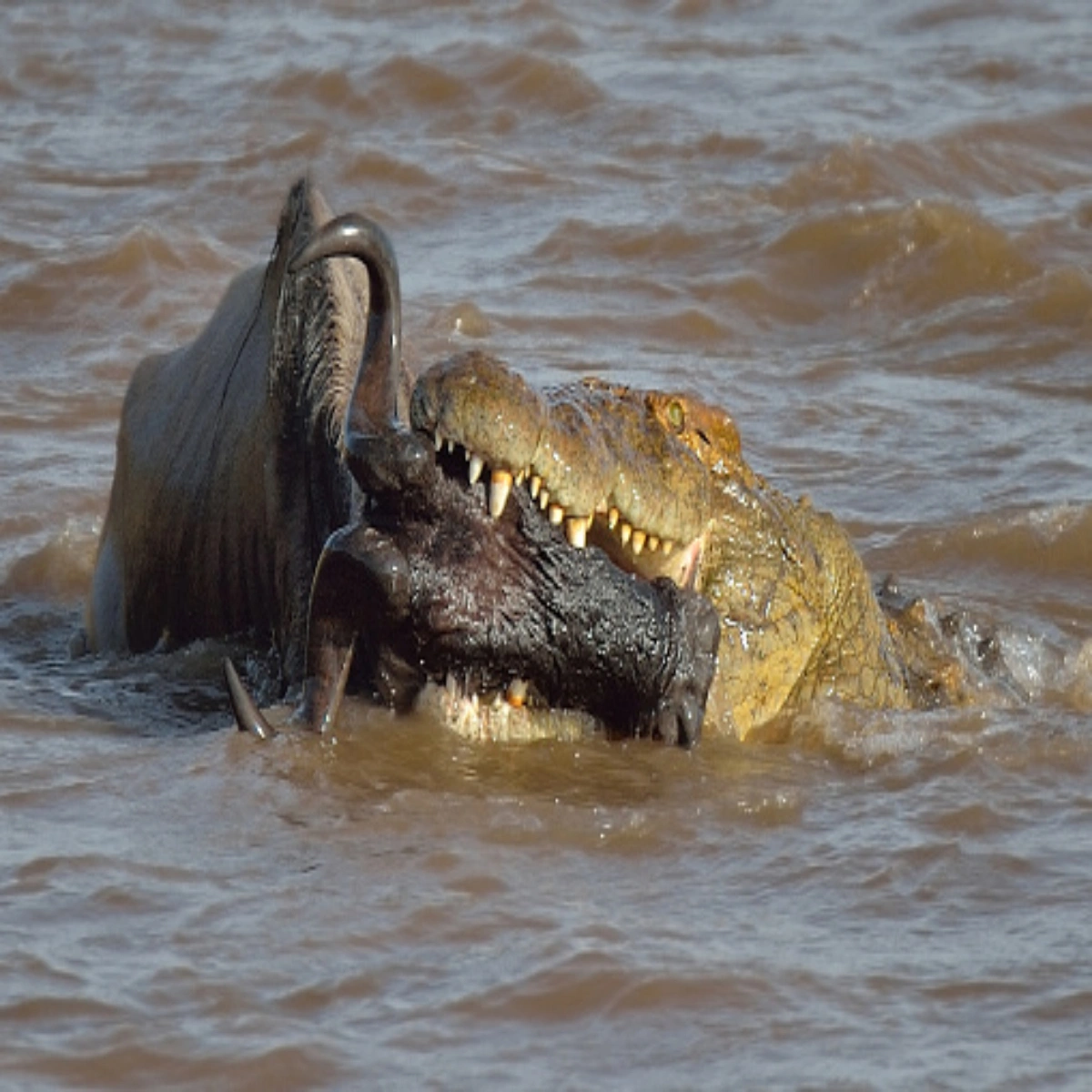
The river crossings are a primary objective for many safari-goers. The river crossing is not a guaranteed daily event but a spectacle of instinct and survival. Guides use their experience to anticipate where and when a crossing might occur, positioning their vehicles for the best possible view. The spectacle involves tension, chaos, and powerful displays of animal determination against strong currents and waiting Nile crocodiles.
Intense Predator and Prey Interactions During the Migration
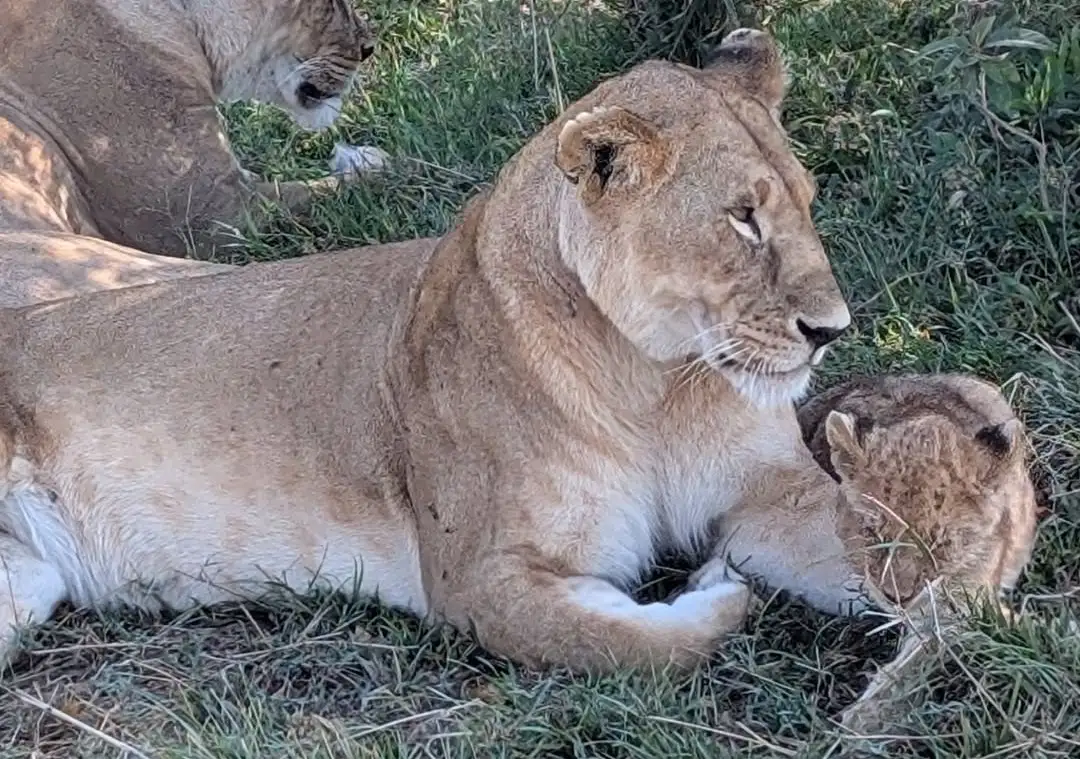
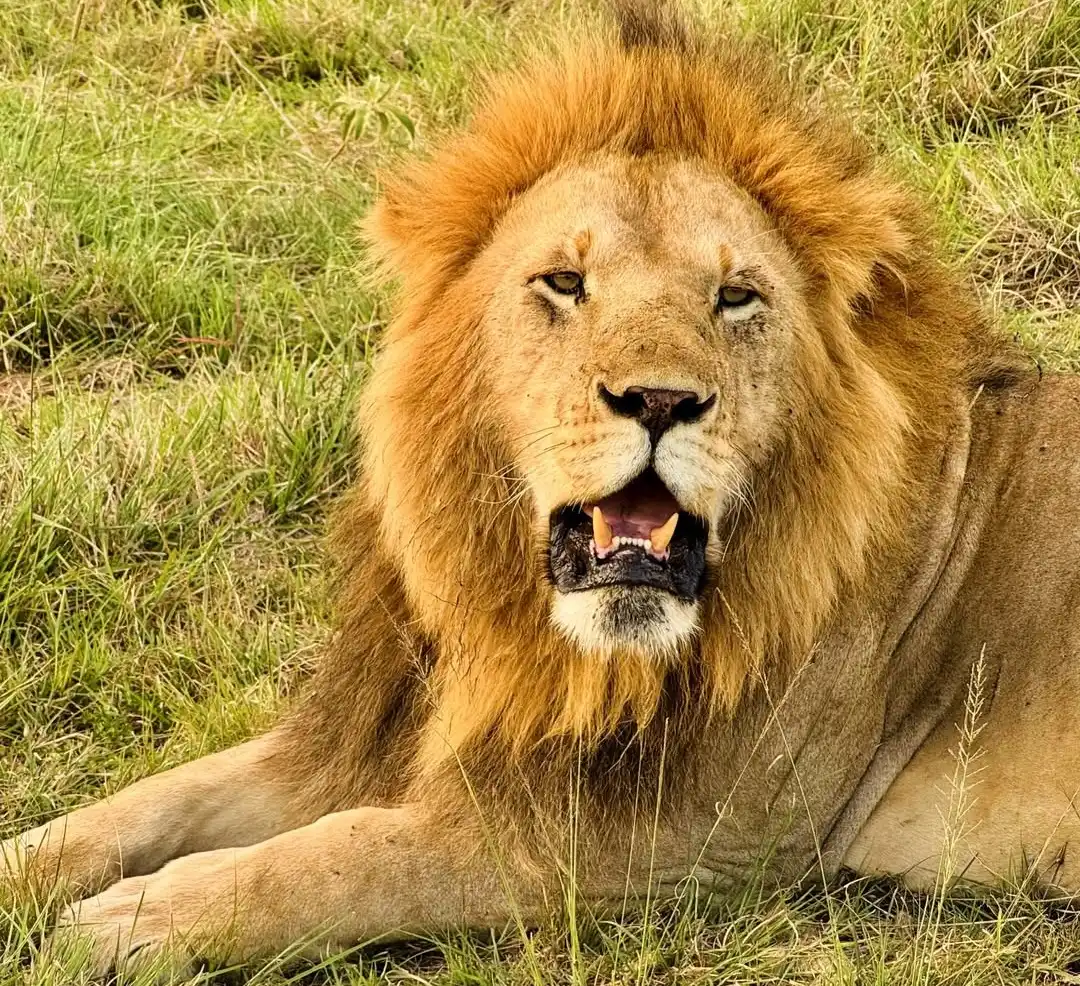
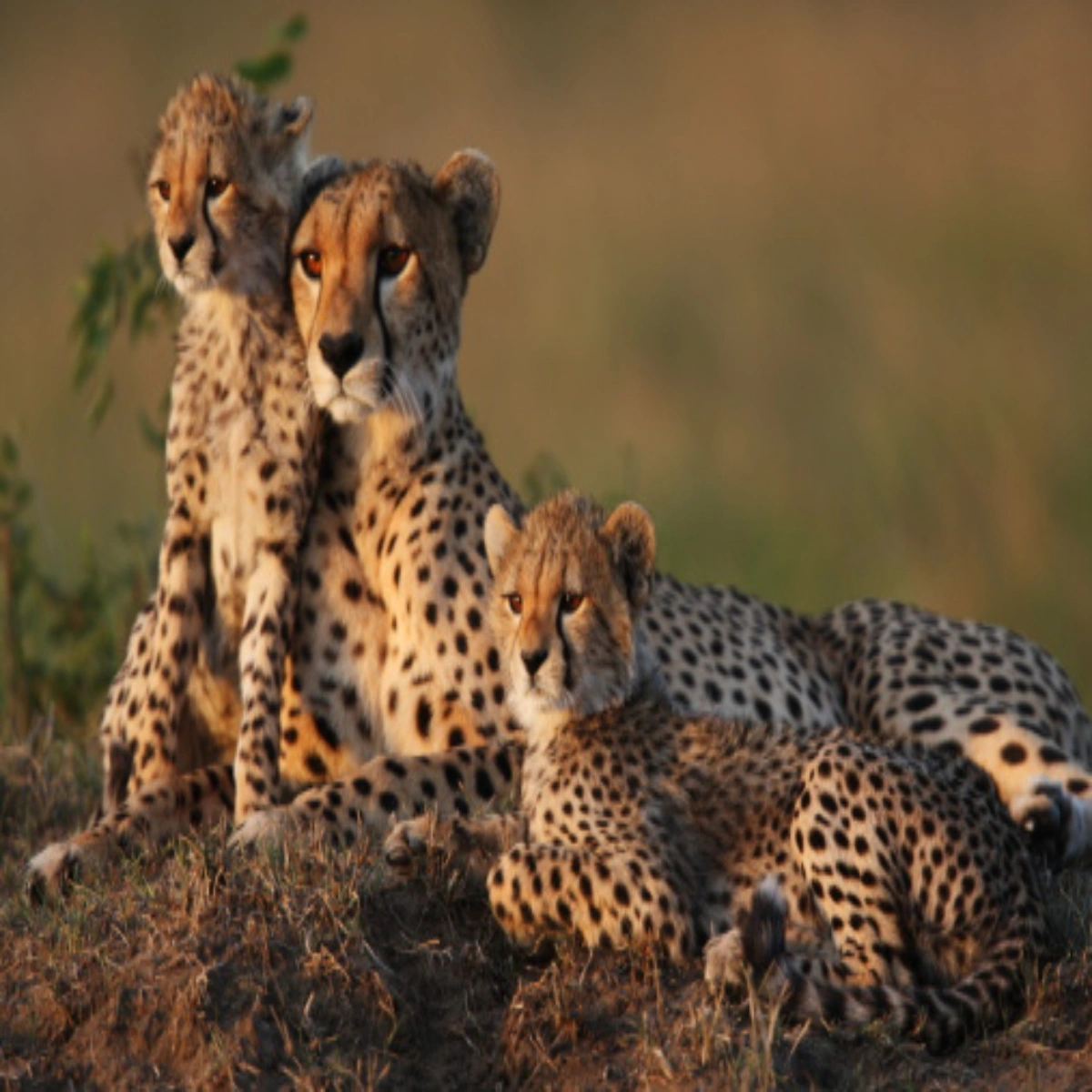
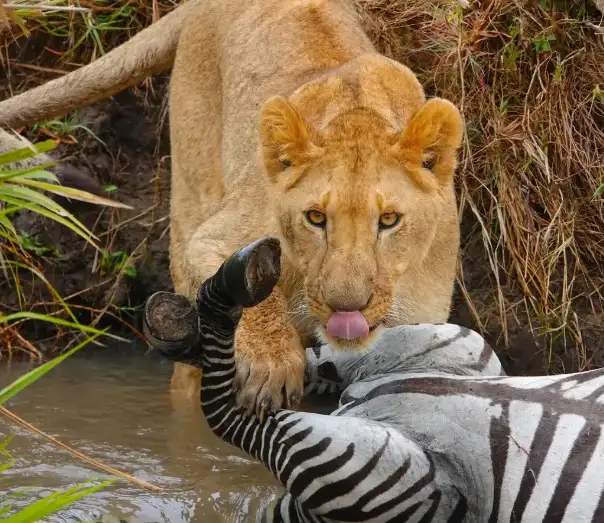
The large concentration of herbivores attracts a high number of predators. Lions, leopards, cheetahs, and hyenas are all highly active during the migration season. The abundance of prey provides them with ample hunting opportunities. Game drives frequently yield sightings of hunts in progress and the complex social dynamics of predator clans capitalising on the seasonal bounty.
Beyond Game Drives: Unique Migration Safari Activities
Vehicle-based game drives form the core activity, but operators in private conservancies can offer more. A guided bush walk provides an entirely different perspective on the ecosystem, focusing on animal tracks, indigenous plants, and smaller creatures often missed from a vehicle. Night drives offer a chance to see nocturnal animals that are inactive during the day, such as genets, civets, and bushbabies.
Is a Great Wildebeest Migration Safari Your Perfect Adventure?
This safari style is highly specialised and appeals to travellers with specific interests and expectations. Determining if its focused nature aligns with your travel goals is an important first step in the planning process.
Who This Premium Safari Style Is Designed For
This trip is for the dedicated wildlife enthusiast who wants to witness a world-renowned natural event. It suits travellers who prioritise authenticity and exclusivity over a fast-paced, multi-country itinerary. The safari is an investment in a high-quality, deeply immersive wildlife experience, where the value is in the expert guiding, strategic location, and uncrowded viewing.
Tailored for Wildlife Photographers and Enthusiasts
For photographers, this safari presents exceptional opportunities. The sheer number of subjects, the dramatic action, and the quality of light on the open plains are ideal. Many itineraries are structured with photographers in mind, allowing for extended time at sightings and utilising guides skilled in positioning vehicles for the best angles and light.
Family Migration Safaris During Australian School Holidays
The July and September/October school holiday periods fall directly within the peak migration season in Kenya. This makes it a feasible, if popular, option for families. A migration safari is a profoundly educational and impactful experience for older children and teenagers who have a genuine interest in wildlife and nature.
Optimal Timing and Duration for Your Great Migration Safari
Precise timing is critical for this safari. The window of opportunity is narrow, and demand is high, requiring significant advance planning. The duration of your stay must be sufficient to account for the unpredictable nature of wildlife movements and to maximise your chances of seeing key events.
The Prime Migration Season from July to October
The wildebeest herds typically arrive in the Masai Mara from late June or July and remain until October, when they begin their journey south again into Tanzania. August and September are often considered the peak months for river crossings. The exact timing varies each year based on regional rainfall patterns which influence the availability of grazing.
| Month | Typical Migration Activity in the Masai Mara | Notes for Planning |
|---|---|---|
| July | Herds arrive from the south, spreading across southern plains. First river crossings may occur. | Good for seeing the arrival. Coincides with Australian winter school holidays. |
| August | Herds are well-established. River crossing activity is frequent and widespread. | Considered a peak month. High demand and pricing. Book far in advance. |
| September | Herds are abundant, often in the northern Mara. River crossings continue. | Another peak month. Excellent viewing. Aligns with some school holidays. |
| October | Herds mass in the south, preparing for the return journey. Crossings can still be seen. | End of the season. Still very rewarding, sometimes with fewer crowds. |
Aligning Your Safari with Australian Winter and Spring Holidays
The entire migration season in Kenya fits well with Australian holiday schedules. The July school break is ideal for witnessing the herds' arrival, while the September/October break is perfect for the peak and latter stages of their stay in the Mara. This alignment of seasons increases demand, making early booking essential.
Recommended Length for a Comprehensive Migration Safari
To do justice to the experience and account for international travel from Australia, a trip of 10 to 14 days is recommended. A 10-to-14 day trip allows for 4 to 6 full days in the Masai Mara region, providing ample time to witness different aspects of the migration without being rushed. It also allows for the inclusion of another park for a more diverse experience.
A Practical Planning Guide for Australian Travellers
Organising a trip of this nature from Australia involves several key logistical steps. Addressing these well in advance is crucial for a smooth and successful safari.
Long-Haul Flights from Sydney, Melbourne, and Brisbane
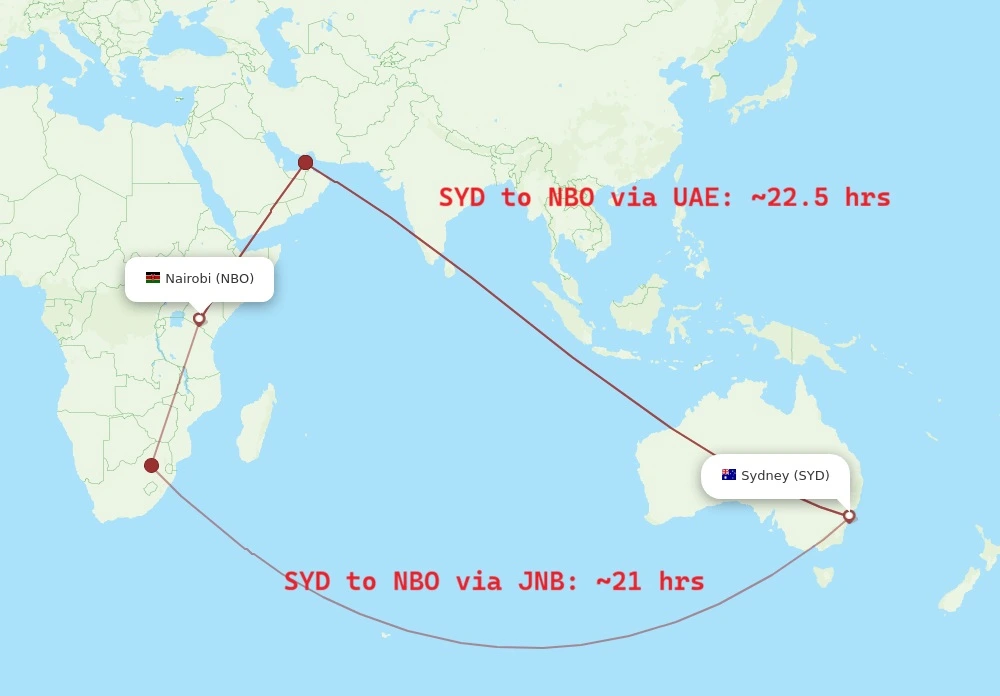
Direct flights from Australia to Nairobi are not available. Travellers must anticipate at least one stop, typically in the Middle East at hubs like Doha (DOH) or Dubai (DXB). Total travel time is usually upwards of 20 hours. Major airlines operating these routes offer good connections to Jomo Kenyatta International Airport (NBO) in Nairobi.
Visas and Vaccinations for Your Kenya Safari
Australians require a visa to enter Kenya. The visa must be obtained online as an eVisa through the official government portal before you travel. The process is straightforward but should be completed a few weeks prior to departure. Regarding health, consult your GP or a travel doctor at least 6 to 8 weeks before your trip. A Yellow Fever vaccination is often recommended and may be required depending on your transit countries. Malaria is present in Kenya, and preventative medication is strongly advised.
Budgeting Your Luxury Migration Safari in AUD
A migration safari is a significant financial commitment. Prices are at their peak from July to October due to high demand. When budgeting in Australian Dollars, you must account for international flights, the all-inclusive nature of the safari accommodation, meals, park fees, game drives, visa fees, vaccinations, travel insurance, and tips. Expect costs to reflect the premium, exclusive nature of the trip.
When to Book Your Migration Safari from Australia
Due to the limited season and high global demand, booking 9 to 12 months in advance is standard procedure. For travel during the Australian school holiday periods, booking even earlier is advisable to secure your preferred dates and camps. Advance planning is the single most important factor in ensuring a successful migration safari. A typical planning timeline follows this pattern:
- 12+ Months Out: Research itineraries and safari operators. Finalise your budget.
- 9-12 Months Out: Book your safari package and pay the deposit to secure your accommodation.
- 6-9 Months Out: Book your international flights from Australia.
- 2-3 Months Out: Consult your GP for vaccinations and medical advice.
- 1 Month Out: Apply for your Kenyan eVisa online.
- 1-2 Weeks Out: Organise foreign currency and finalise your packing list.