


A Family Kenya Safari Tour in Kenya is a holiday specifically structured around the needs and interests of children and their parents. For Australian families, this trip is designed to manage the practicalities of long-haul travel, prioritise safety above all else, and create an engaging, educational experience that extends beyond simply viewing wildlife. The approach centres on flexibility, comfort, and building shared memories in a way that minimises stress for parents and maximises wonder for kids.
The Core Principles of a Kenya Family Safari Tour
This safari style is defined by its meticulous, child-centric planning. It moves away from a rigid, checklist-driven adult itinerary and instead adopts a pace and structure that accommodates the energy levels, attention spans, and curiosity of younger travellers. Every component, from driving times to the choice of accommodation, is selected to ensure the entire family unit has a rewarding and comfortable experience.
Deliberate Design for a Family Dynamic
The foundation of a family safari is its deliberate design. Planners build the itinerary from the ground up for a family dynamic, rather than modifying a standard adult tour. This translates to shorter travel times between locations, adjusted game drive durations to suit shorter attention spans, and accommodation chosen for its family-friendly facilities and safe environments. The pace is intentionally slower, allowing for downtime by the pool or spontaneous moments of learning about the smaller creatures of the bush. This ensures the experience remains enjoyable rather than exhausting for all family members.
Prioritising Safety and Comfort for Young Explorers
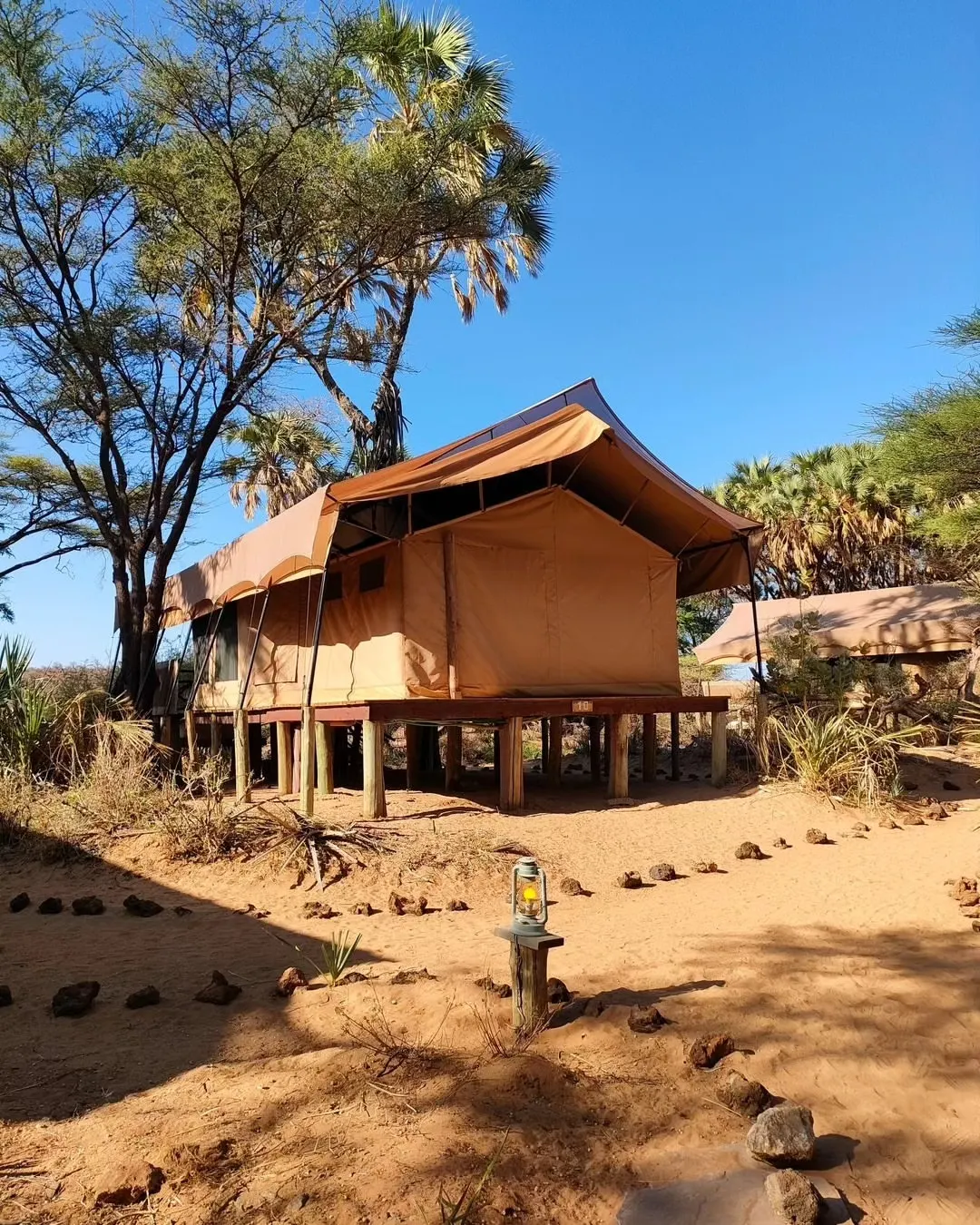
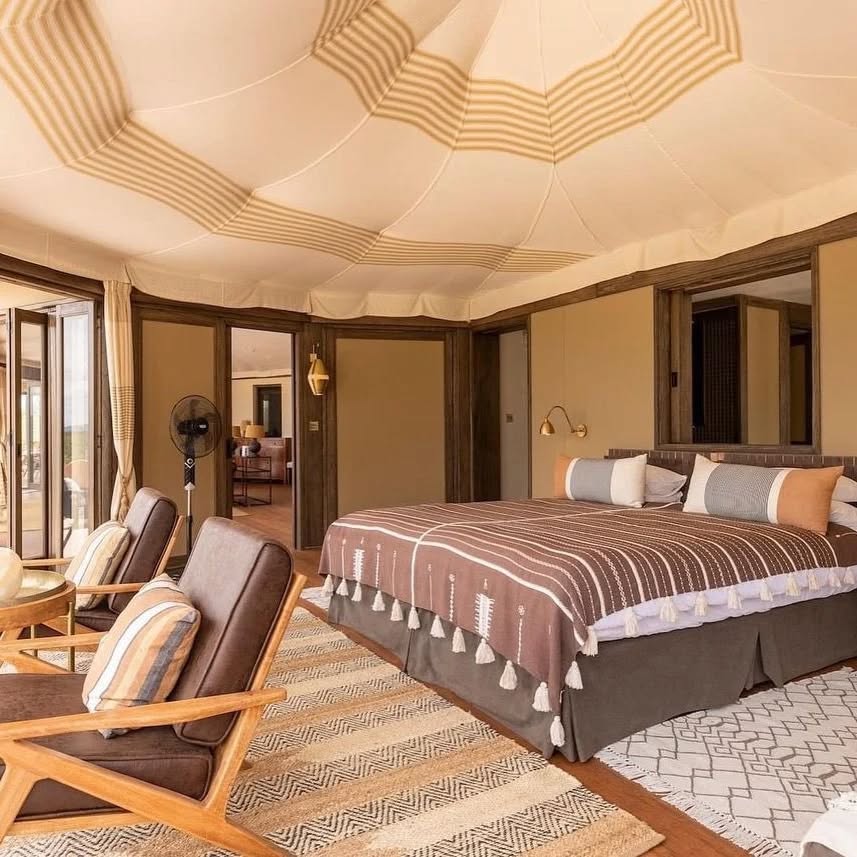
Parental peace of mind hinges on safety, and this style of safari addresses that directly. Accommodation options frequently include properties with perimeter fences, allowing children the freedom to move about safely within the grounds. A private, exclusive-use safari vehicle is common, giving your family complete control over the pace of game drives and the decision to return to the lodge at any time. Guides are specifically selected for their experience with children, possessing the skills to keep them both safe and engaged. Health considerations, such as planning routes through malaria-low regions where possible, are also a key part of the process.
Inherent Flexibility for Family Needs
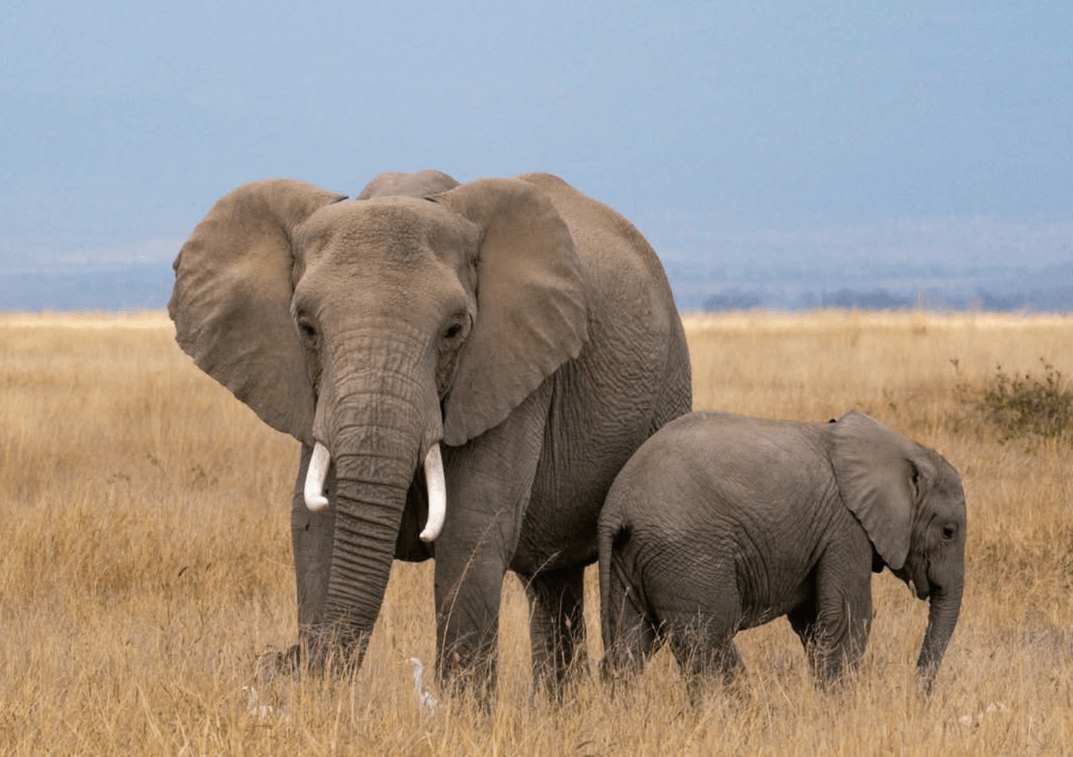
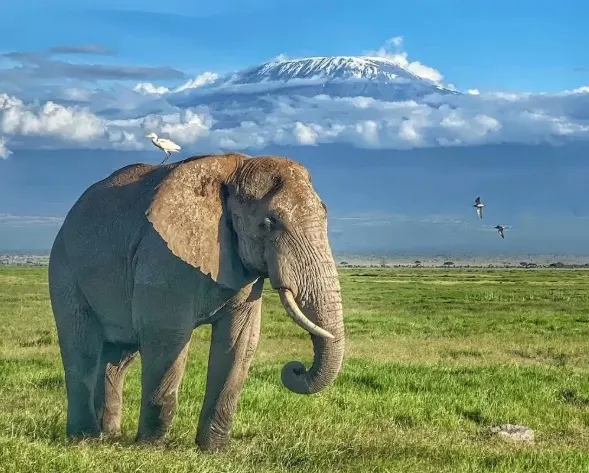
A family safari itinerary is inherently flexible. A rigid schedule does not work for children, whose energy levels and interests can change quickly. A family-focused trip allows for spontaneous decisions, whether it is cutting a game drive short because a child is tired or spending an extra hour watching a family of elephants play in the mud. This adaptability ensures the safari works for your family, not the other way around, making the entire holiday more relaxed and fulfilling.
Typical Routes and Parks for Kenya Family Safaris
The selection of destinations is critical to the success of a family safari. Certain parks, conservancies, and travel routes are better equipped to handle the specific needs of families, offering a combination of accessible wildlife viewing, engaging activities, and secure, comfortable accommodation.
Kid-Friendly Acclimatisation in Nairobi
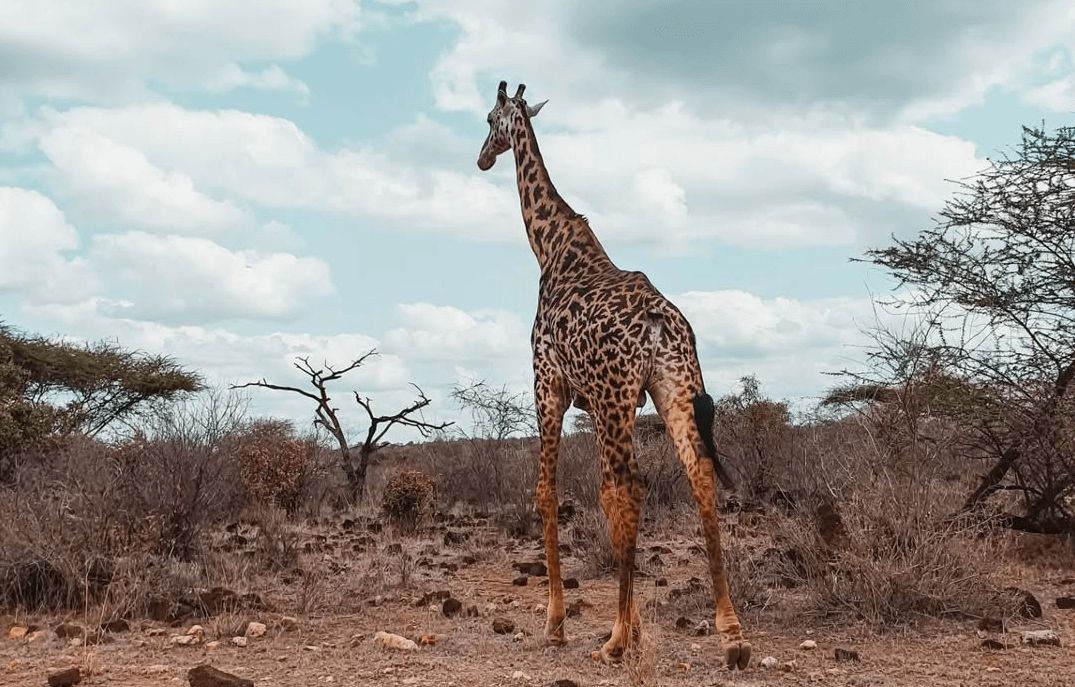
For most Australian families, the journey to Kenya is significant. Starting your trip with a day or two in Nairobi is a practical way to acclimatise and recover from jet lag before heading into the bush. The city offers gentle, controlled introductions to African wildlife that are perfect for children. A visit to the Giraffe Centre in the Karen suburb, approximately 20 kilometres from the city centre, allows for safe, close-up interactions. Nearby, the Sheldrick Wildlife Trust offers a chance to see orphaned baby elephants, creating an immediate and memorable connection for young travellers.
Top Wildlife Parks for Family Safaris
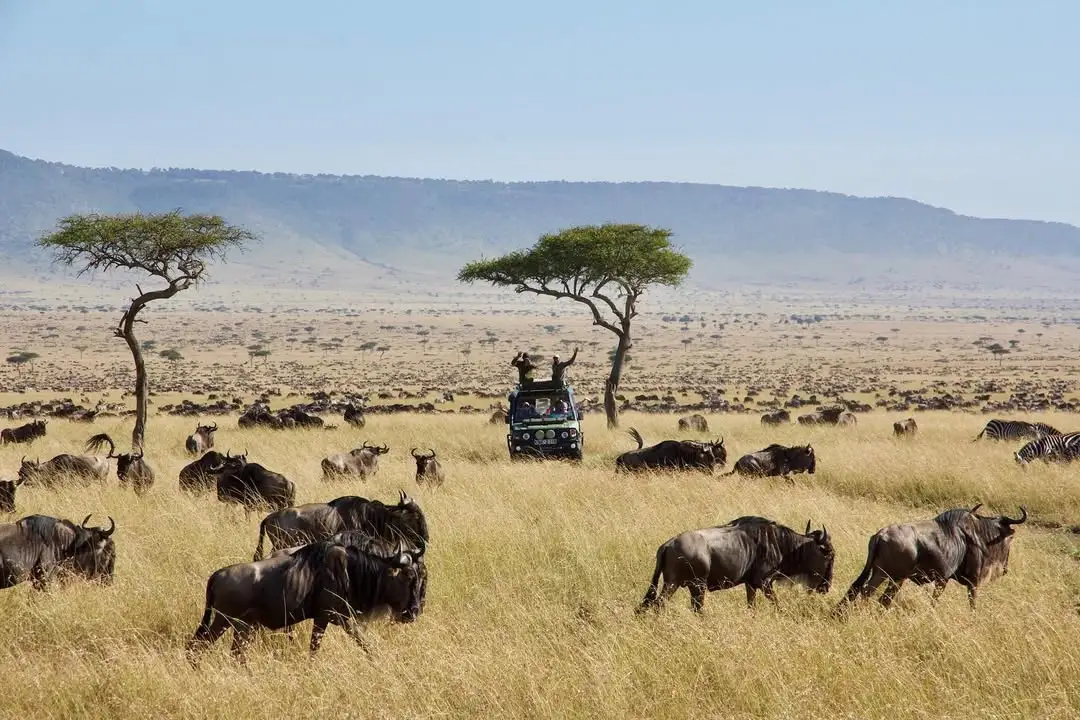
Certain parks and conservancies are better suited to families. The Masai Mara National Reserve is often chosen for its high density of wildlife, increasing the chances of exciting sightings that hold a child's interest. Its well-established infrastructure also means a greater choice of family-friendly accommodation. Private conservancies in regions like Laikipia offer an excellent alternative. Properties in Ol Pejeta or Lewa Wildlife Conservancy often permit a wider range of activities beyond standard game drives, such as guided bush walks for older children, camel rides, and interactive visits with anti-poaching units and their tracking dogs.
Combining Adventure with a Bush and Beach Family Safari
The 'Bush and Beach' itinerary is a highly effective and recommended structure for family travel. After several days of early starts and the sensory intensity of a safari, transitioning to a coastal destination like Diani Beach provides essential downtime. This part of the trip allows for relaxation, swimming, and simple fun. It balances the structured adventure of the safari with unstructured time to rest and absorb the experience, preventing safari fatigue and ensuring the family returns home refreshed.
Wildlife Encounters and Activities for Family Safaris
A family safari re-frames the wildlife experience, shifting the objective from a "Big Five" checklist to a holistic appreciation of the entire ecosystem. The goal is to spark curiosity and engage children through interactive learning, making them active participants in the adventure.
Engaging Children with All Creatures Great and Small
This safari approach changes the focus from just the major predators to the entire ecosystem. Guides skilled with children will point out everything from dung beetles and chameleons to the tracks of a leopard. This method makes every moment a potential learning opportunity. Many lodges offer dedicated 'Junior Ranger' programmes, where children can learn basic bush skills, identify animal droppings, and earn a certificate. These activities make them feel like a part of the adventure rather than passive observers.
Safari Activities Designed for Younger Guests
To keep children entertained and engaged between game drives, family-focused safaris incorporate a range of suitable activities. These are designed to be fun, safe, and often educational, providing a welcome break from time spent in a vehicle.
- Guided nature walks within fenced lodge grounds to learn about insects, plants, and animal tracks.
- Swimming pools for essential downtime and cooling off during the heat of the day.
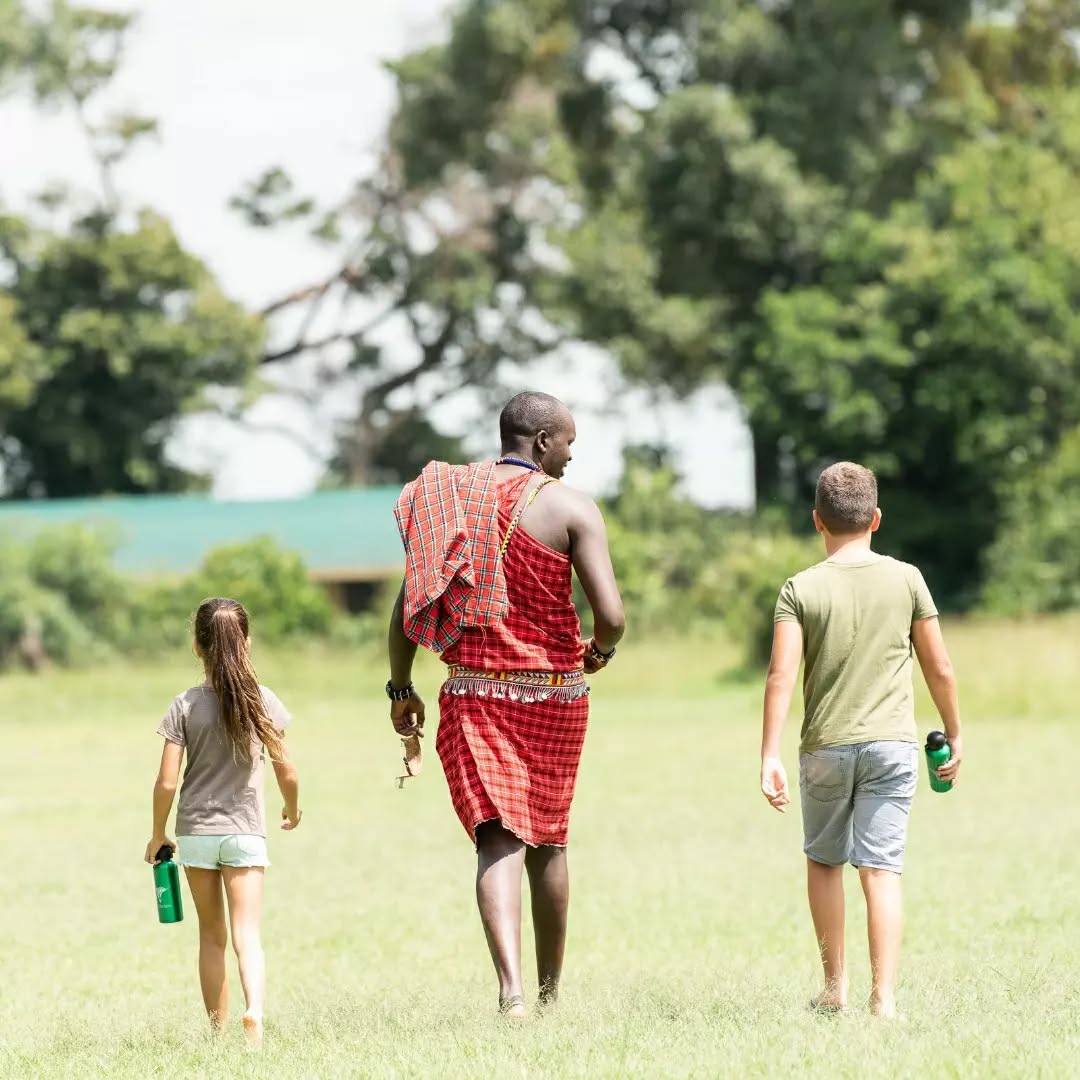
- Supervised cultural interactions, such as visiting a local Maasai community to learn about traditional life.
- Learning basic skills like how to use binoculars or identify common bird calls.
- Beadwork, storytelling, or other craft sessions often organised by the lodge staff.
Maintaining Safety During Wildlife Encounters
Safety protocols on a family safari are clear and consistent. Children receive clear briefings about the importance of staying in the vehicle during game drives and avoiding loud noises near animals. The guide's role is critical; they are trained to assess wildlife behaviour and maintain a safe distance. The selection of lodges with family suites or interconnecting rooms ensures parents are always close to their children, while fenced properties provide a secure environment for them to play and expend energy.
Ideal Travellers for a Kenya Family Safari
This specialised travel style is not a universal fit, but for certain types of family groups, it offers an exceptionally rewarding way to experience Africa. It caters to those who value shared experiences, educational travel, and logistical support.
Families with Young Adventurers
This style is ideal for families with primary school-aged children and teenagers who have an interest in nature and wildlife. It provides a stimulating and educational alternative to a typical resort holiday, encouraging curiosity and a greater appreciation for the natural world. The hands-on, interactive nature of the experience appeals to a child's sense of adventure.
Parents Seeking a Stress-Free Holiday
This safari style greatly reduces the logistical stress for parents. From the moment of arrival, the details are managed; transfers, meal times, appropriate activities, and safety protocols are all pre-arranged. This support allows parents to be present with their children and enjoy the shared experience, rather than constantly managing the next step of the itinerary.
Multi-Generational Groups Seeking Shared Experiences
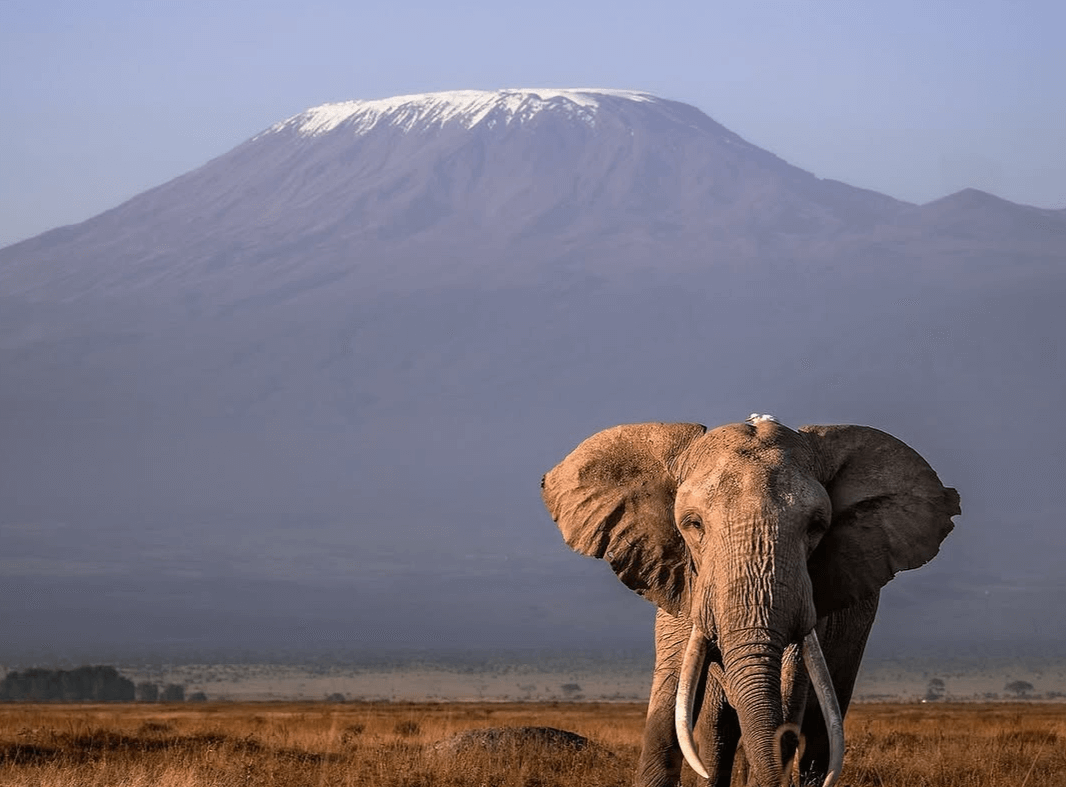
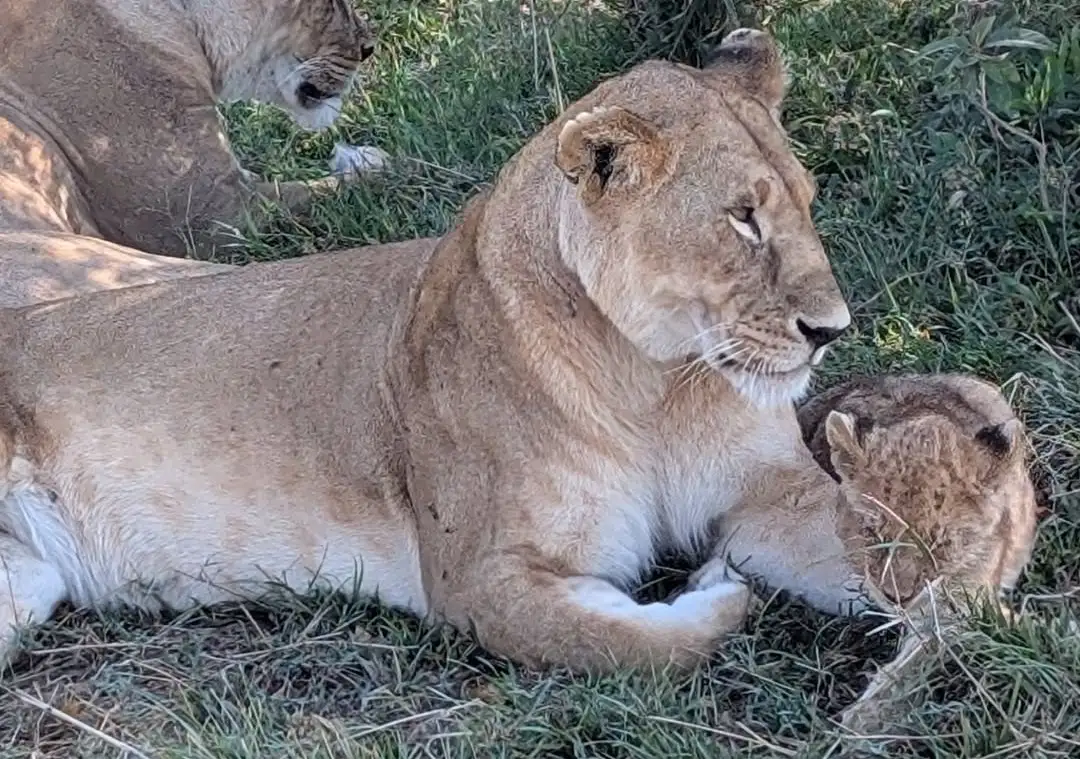
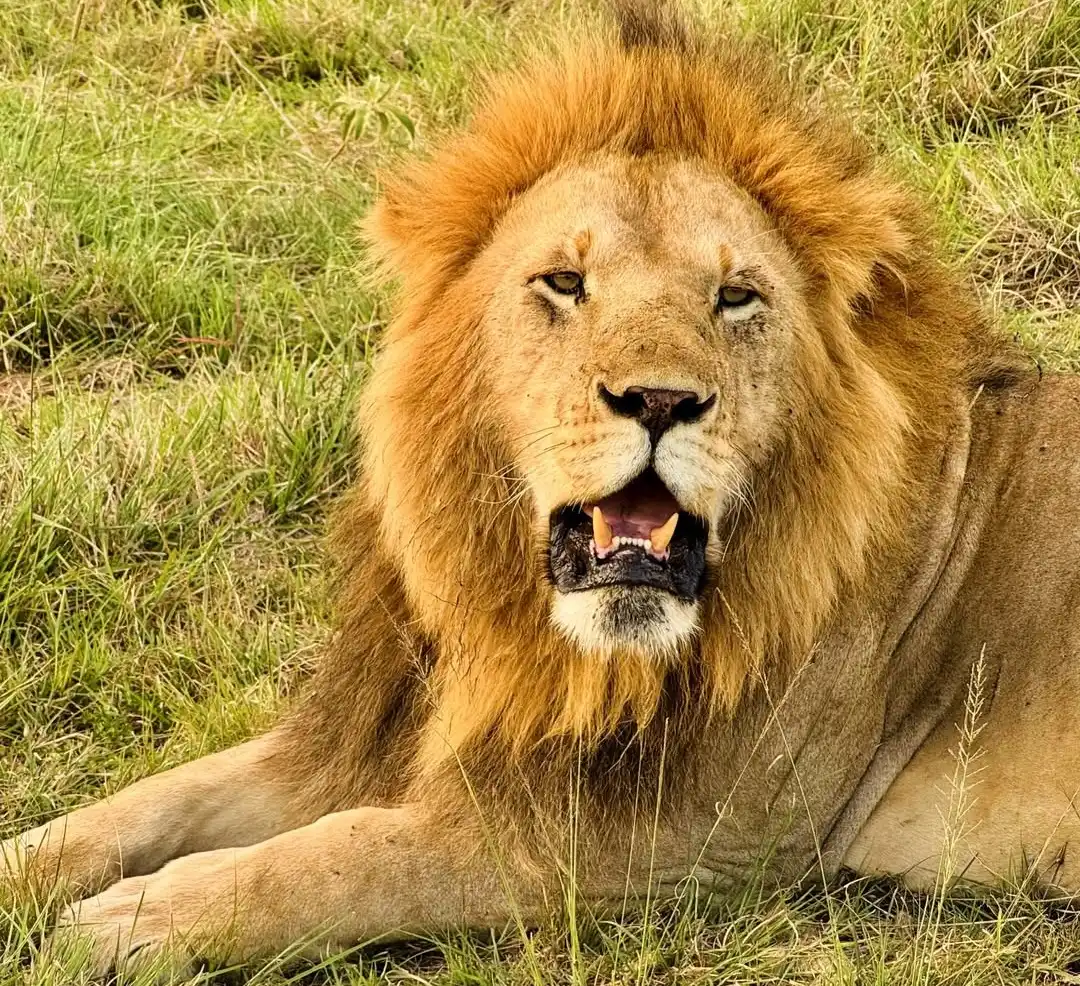
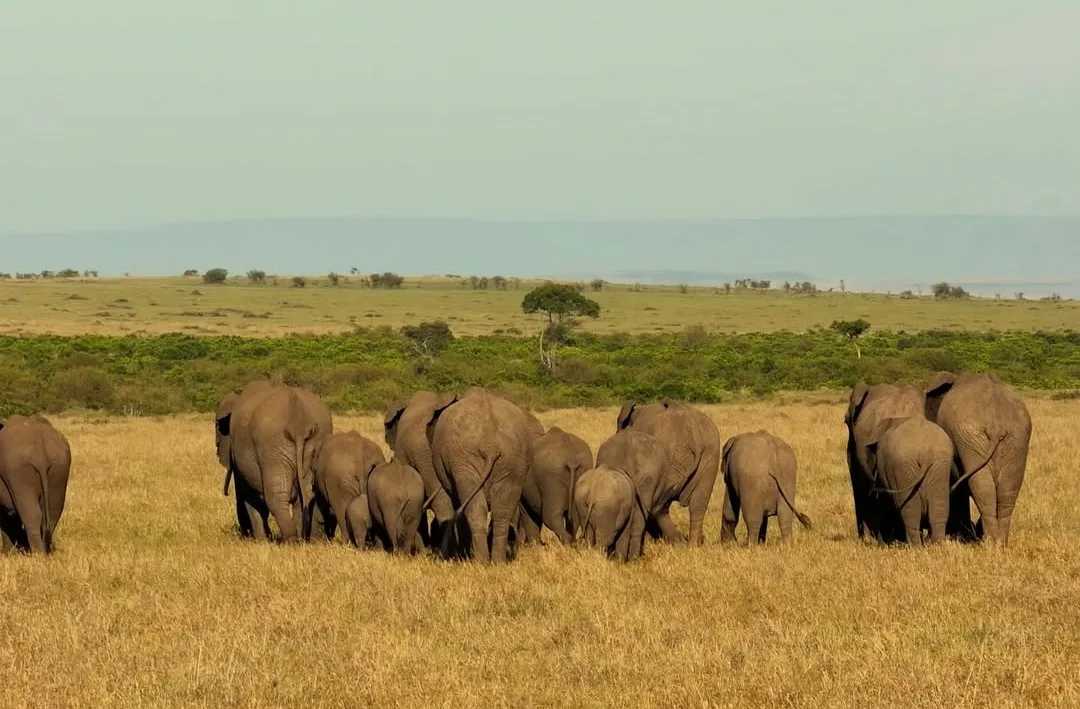
The structure of a family safari works exceptionally well for multi-generational travel, accommodating the needs of grandparents, parents, and grandchildren together. The shared awe of witnessing a lioness with her cubs or an elephant herd crossing the plains creates powerful, lasting bonds and stories that will be retold for years. The mix of gentle adventure and relaxation suits a wide range of ages and fitness levels.
Best Time and Duration for Kenya Family Safaris
Timing is a crucial element when planning a family safari from Australia. The key is to balance Kenya's weather patterns and wildlife seasons with the Australian school calendar and the practical need for a trip of sufficient length to justify the long-haul travel.
Navigating Australian School Holidays for Value
Planning a Kenya safari from Australia requires careful consideration of school holiday periods, as they directly align with Kenya's peak tourist seasons, affecting both price and availability. Understanding this dynamic allows for better budget management.
| Australian School Holiday Period | Kenya Safari Season | Cost and Booking Considerations |
|---|---|---|
| December – January (Summer) | Peak Season | Highest prices; book well in advance. |
| June – July (Winter) | Peak Season (Migration) | Highest prices; coincides with Great Migration. |
| September – October (Spring) | High Season | High prices and high demand. |
Ideal Safari Length for Managing Family Fatigue
Factoring in the long journey from Australia, an ideal family safari duration is between 8 and 14 days. A trip shorter than 8 days can feel rushed and does not allow enough time for children to acclimatise. A 10-day 'Bush and Beach' itinerary is often the perfect balance, providing around 6 days on safari and 4 days at the coast. This structure prevents 'safari fatigue', the point where the excitement of game drives can wane for younger travellers, and ensures the holiday ends on a relaxing note.
Planning Your Kenya Family Safari from Australia
The logistics of travelling from Australia to Kenya with children require specific preparation. Addressing the long-haul flight, visa requirements, and strict packing limitations well in advance is key to a smooth and enjoyable trip.
Conquering the Long-Haul Flight with Children
The flight from Australia to Nairobi is a significant undertaking, often lasting over 20 hours with a stopover. Plan for this by booking flights that align with sleep schedules, such as overnight legs with carriers like Emirates or Qatar Airways. Consider a stopover of a night or two in a hub like Dubai or Doha to break the journey. Upon arrival in Kenya, ensure your first day is low-key, with no major activities planned, allowing the whole family to adjust to the new time zone.
Essential Visa and Vaccination Advice for Australian Families
As of 2024, all travellers to Kenya, including infants and children, require an approved Electronic Travel Authorisation (eTA) before departure from Australia. This must be applied for online in advance. It is critical for Australian families to consult their GP or a dedicated travel doctor at least 6 to 8 weeks before the trip for the latest advice on required vaccinations and malaria prophylaxis options suitable for children. Always check the Australian government's Smartraveller.gov.au website for the most current travel advisories for Kenya.
Smart Packing for Light Aircraft Transfers
Most safari itineraries in Kenya use small light aircraft to transfer between parks, which have strict luggage restrictions. Each person, including children, is typically limited to 15kg of luggage in total. The luggage must be in soft-sided bags, such as a duffel bag, not a hard-shell suitcase with wheels. This is a non-negotiable rule for safety and space reasons on the aircraft, so packing light is essential. Most lodges offer a laundry service, which helps minimise the amount of clothing required.
Budgeting Your Family Safari in AUD
A family safari in Kenya is a significant financial investment. When budgeting in Australian Dollars (AUD), it is important to account for the premium pricing that applies during Australian school holidays. While some lodges offer reduced rates for children, the overall cost will be influenced by factors like the use of a private safari vehicle, accommodation in family suites or interconnecting rooms, and internal flights. A comprehensive budget should include international flights from Australia, all ground arrangements in Kenya, eTA fees, vaccinations, and personal spending money.