

Photography and Specialist Safaris in Kenya are custom-designed expeditions for Australian travellers focused on a specific passion, such as professional wildlife photography, ornithology, or high-altitude trekking. These safaris are built around a singular goal, providing expert guides and unique itineraries to achieve your objectives. This approach moves beyond conventional game drives, offering dedicated time and specialised support for an in-depth exploration of Kenya.
How Photography and Specialist Safaris in Kenya differ from standard trips
A specialist safari in Kenya differs from a standard trip in its pacing, expertise, and equipment. A general safari shows a broad range of wildlife and scenery, whereas a specialist safari is organised around a single objective that shapes the entire itinerary.
The pacing on a photography safari is deliberately slow, often involving hours spent at one waterhole waiting for specific light conditions or animal behaviour. A standard safari follows a faster, set schedule moving between locations to cover more ground. This slower pace on a specialist trip requires a guide with deep knowledge of photography, animal patterns, and composition.
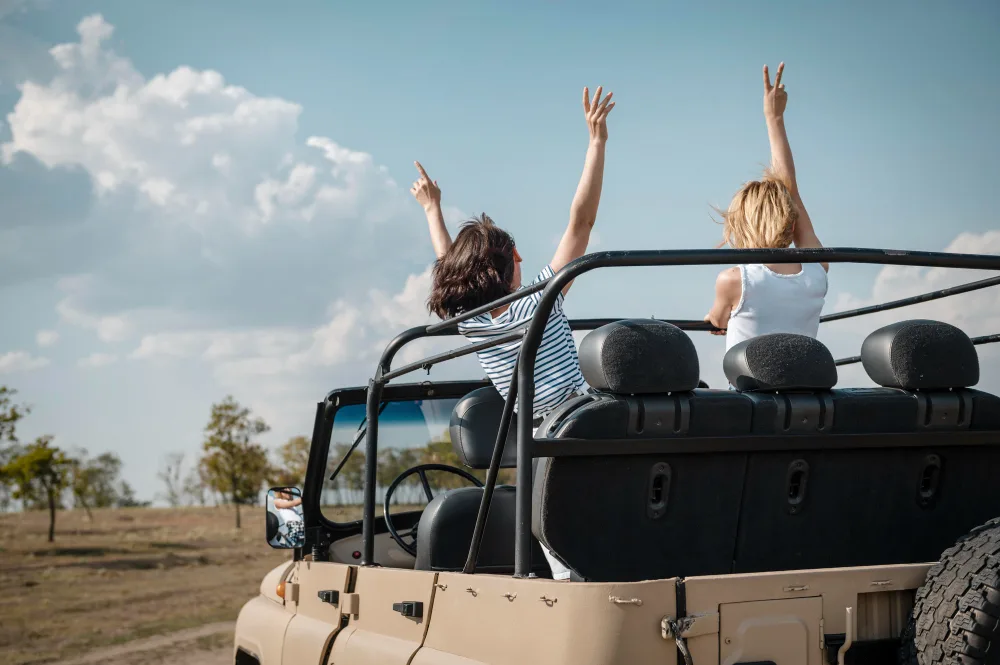
Specialist safaris also use different equipment and support. A trekking safari on Mount Kenya requires a dedicated team of mountain guides and porters, while photography trips often use custom-equipped open-sided 4x4s with camera mounts. This focus on a single goal makes the expedition a targeted, in-depth experience for Australian travellers.
Kenyan parks best suited for specialist safaris
The ideal Kenyan park for a specialist safari depends entirely on your primary interest, as each reserve offers distinct advantages for photographers, trekkers, and birdwatchers.
Wildlife and Great Migration Photography
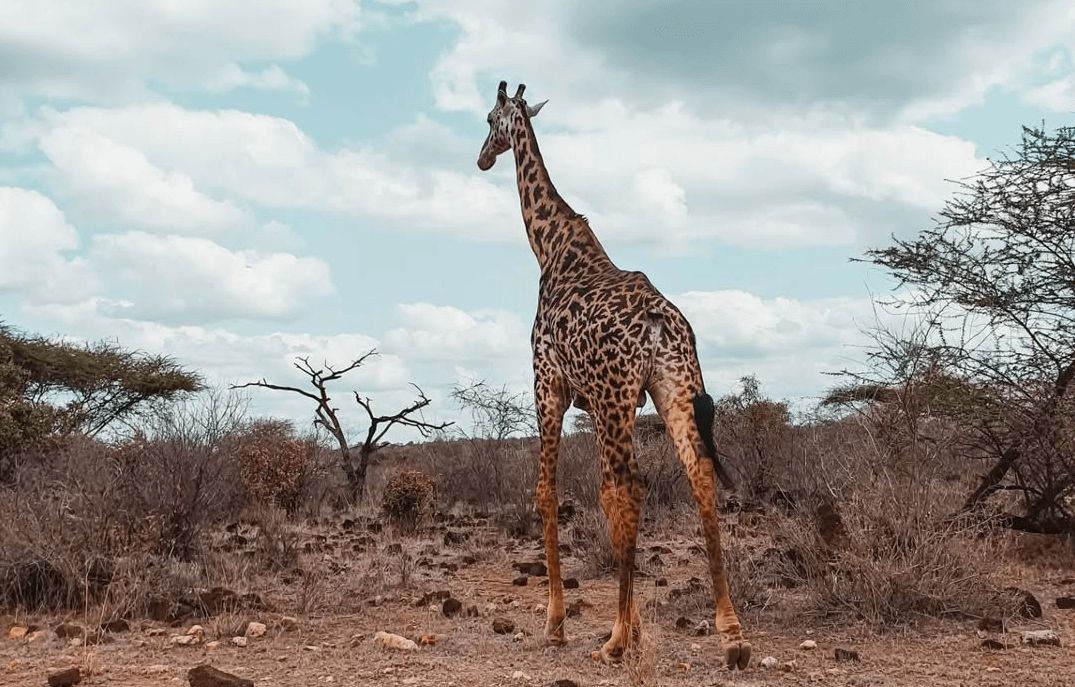
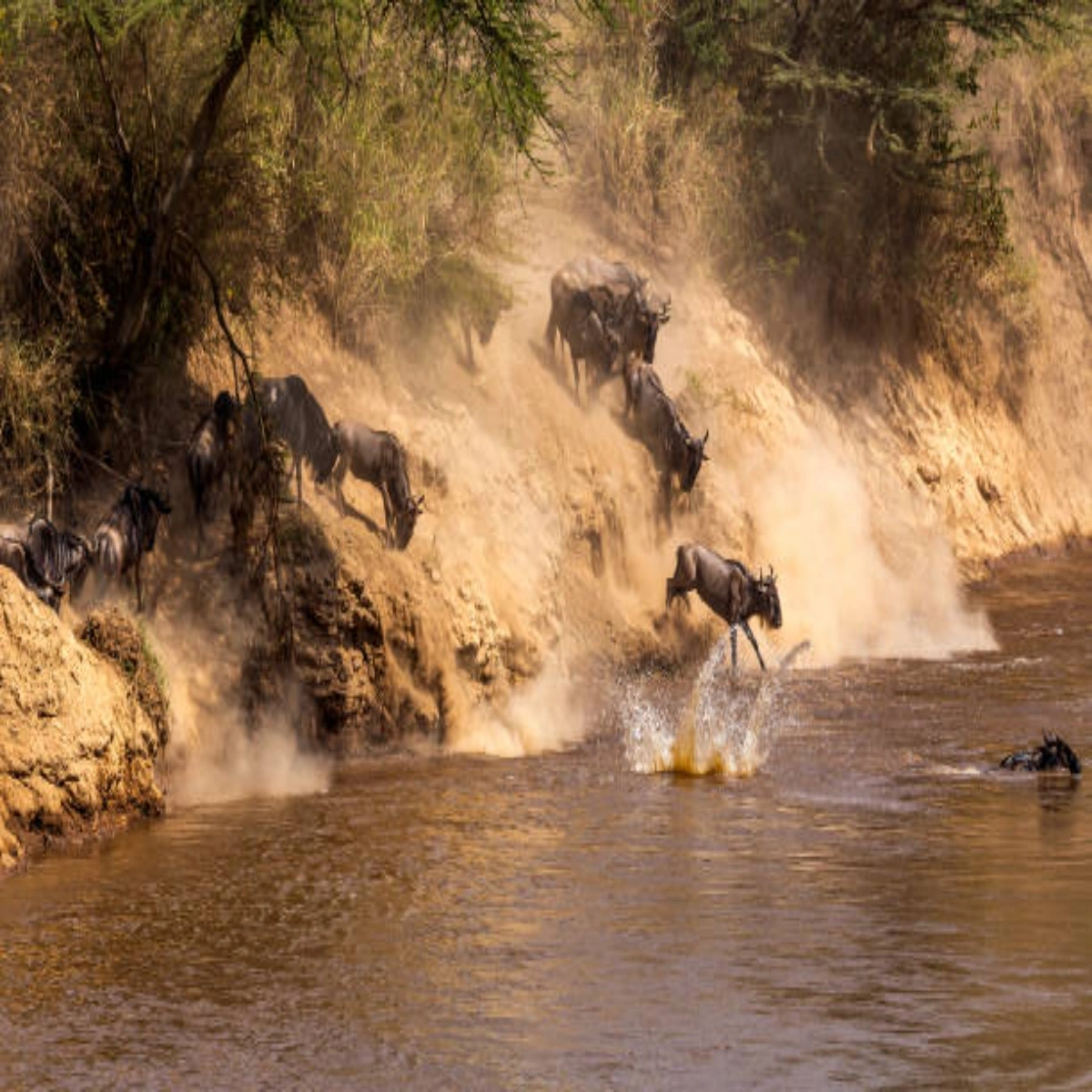
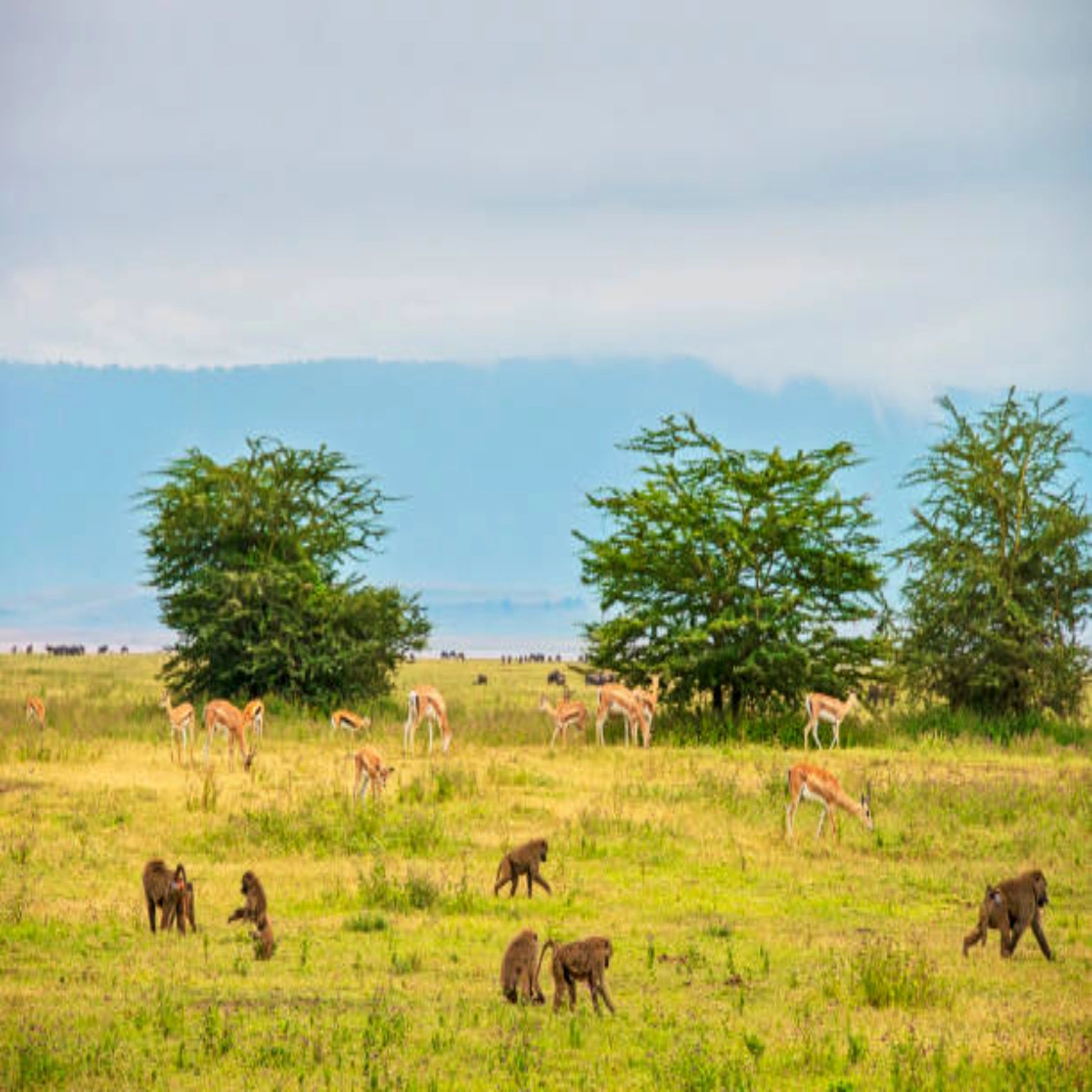
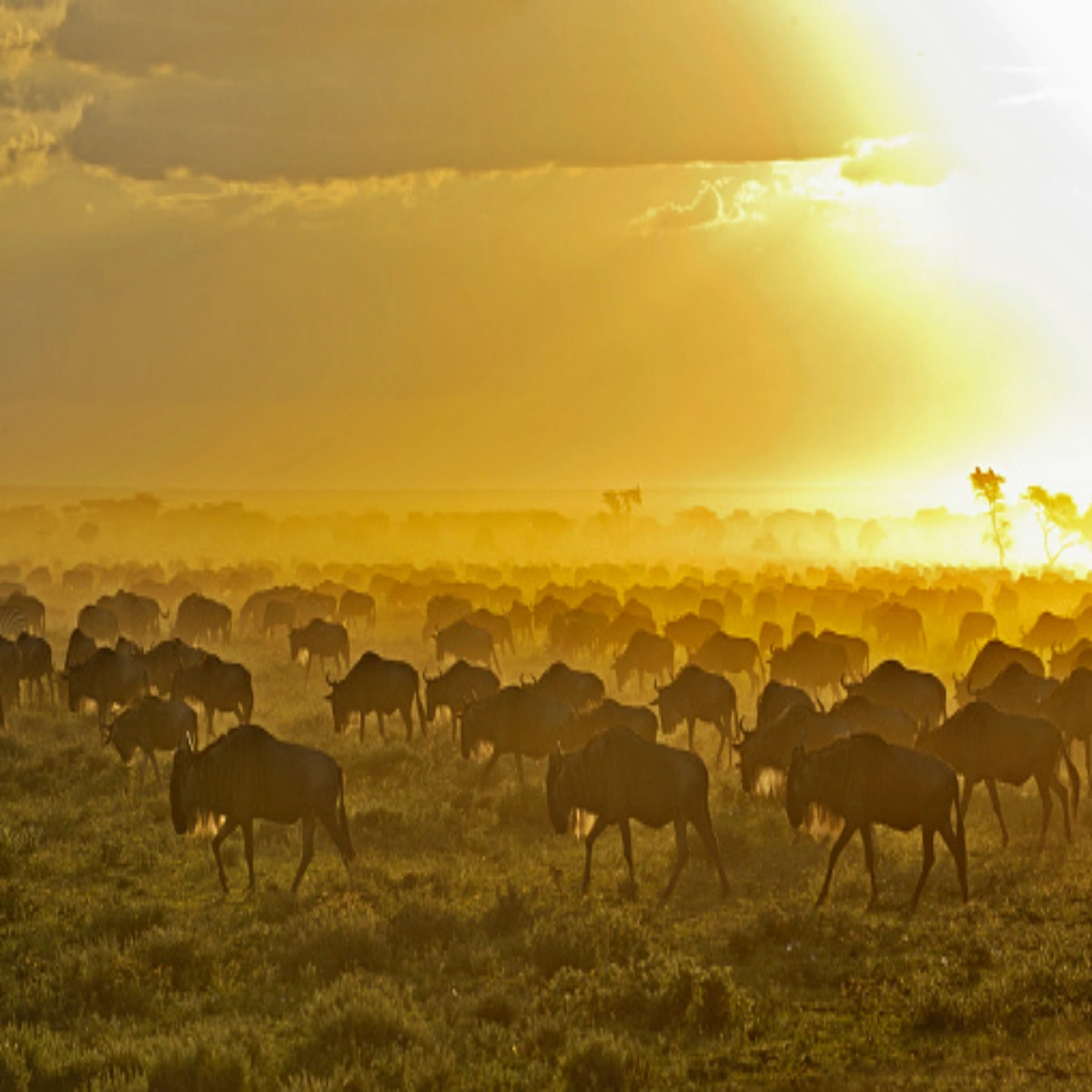
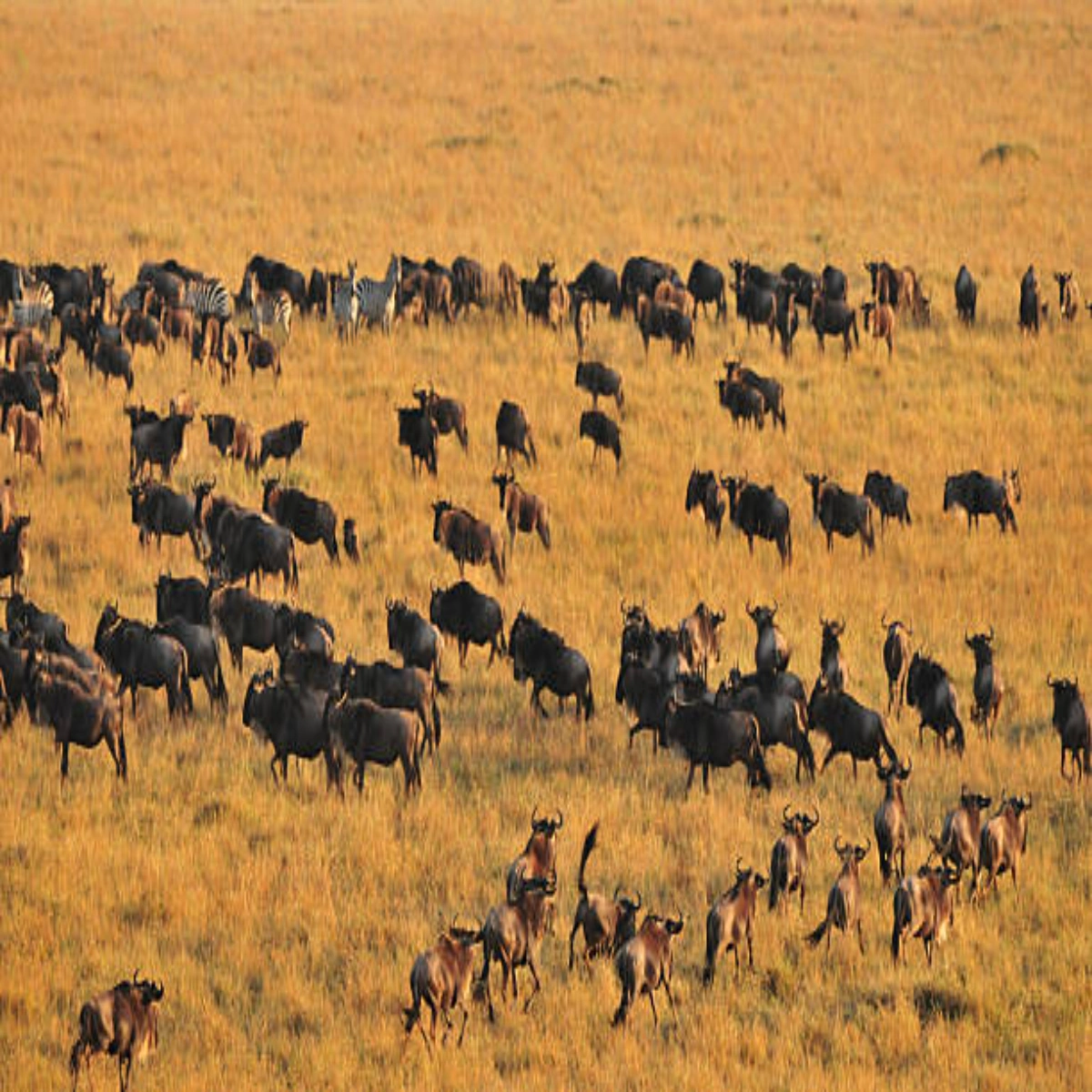
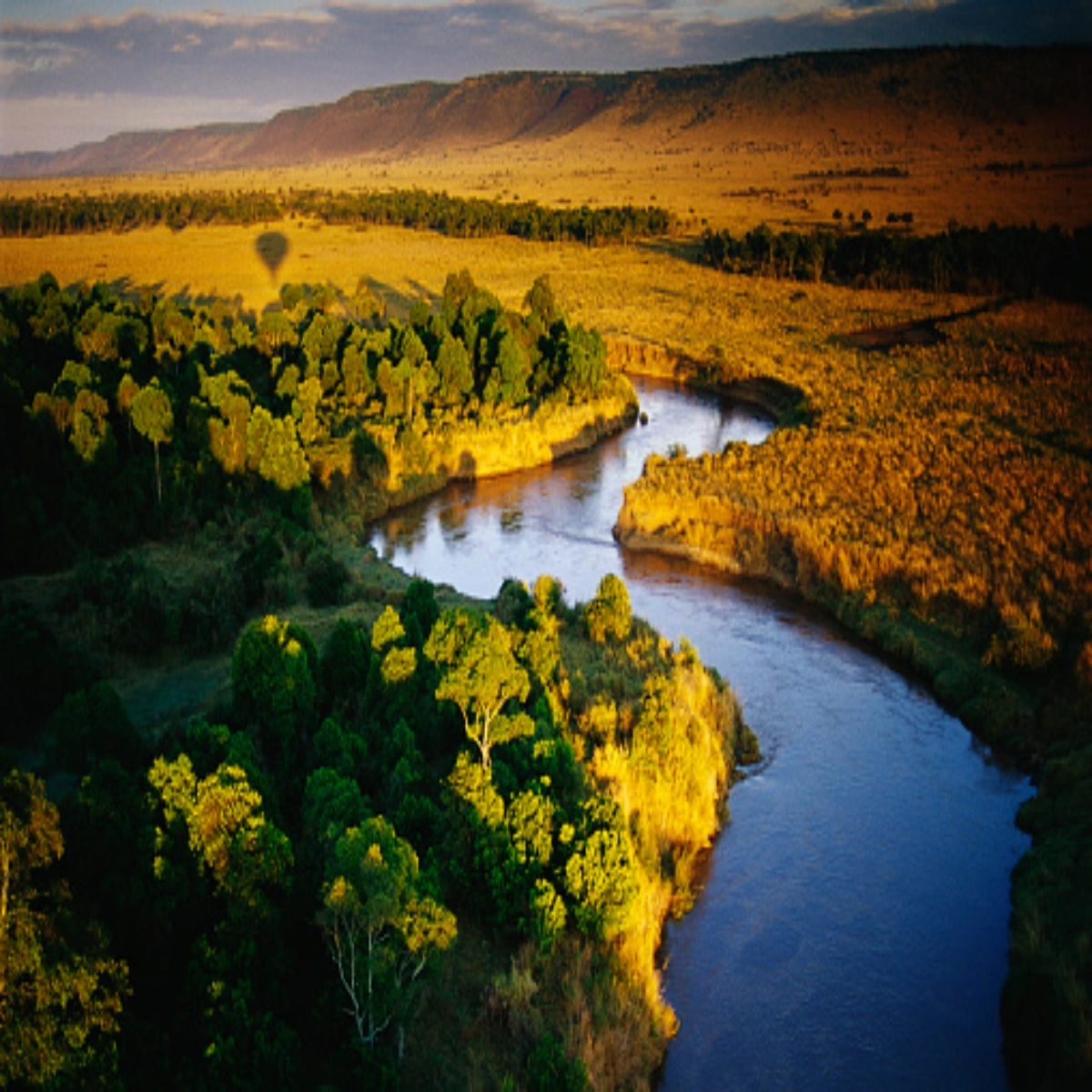
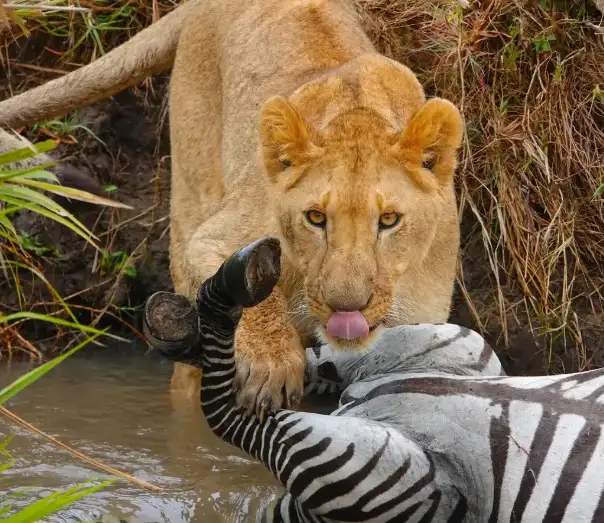
The Masai Mara National Reserve is the premier choice for Australian photographers seeking classic big cat and wildlife scenes. Its open savannahs give unobstructed views, and the Great Migration river crossings from July to October provide action-filled photographic moments.
Elephant Photography and Scenery
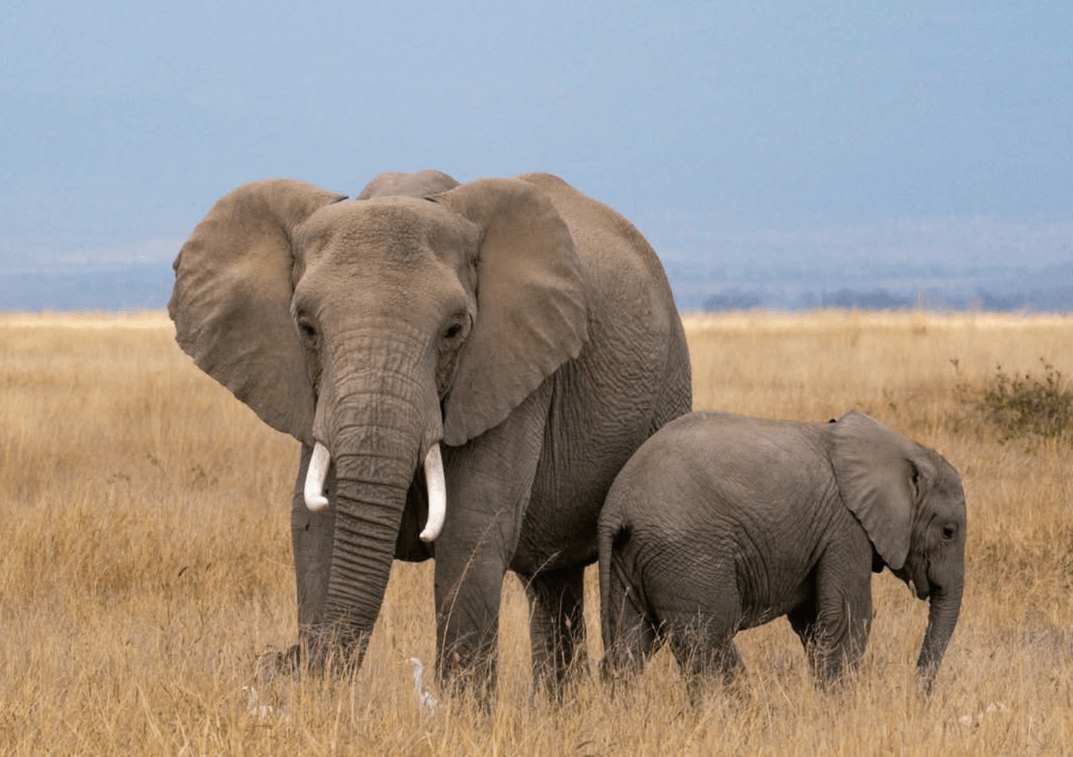
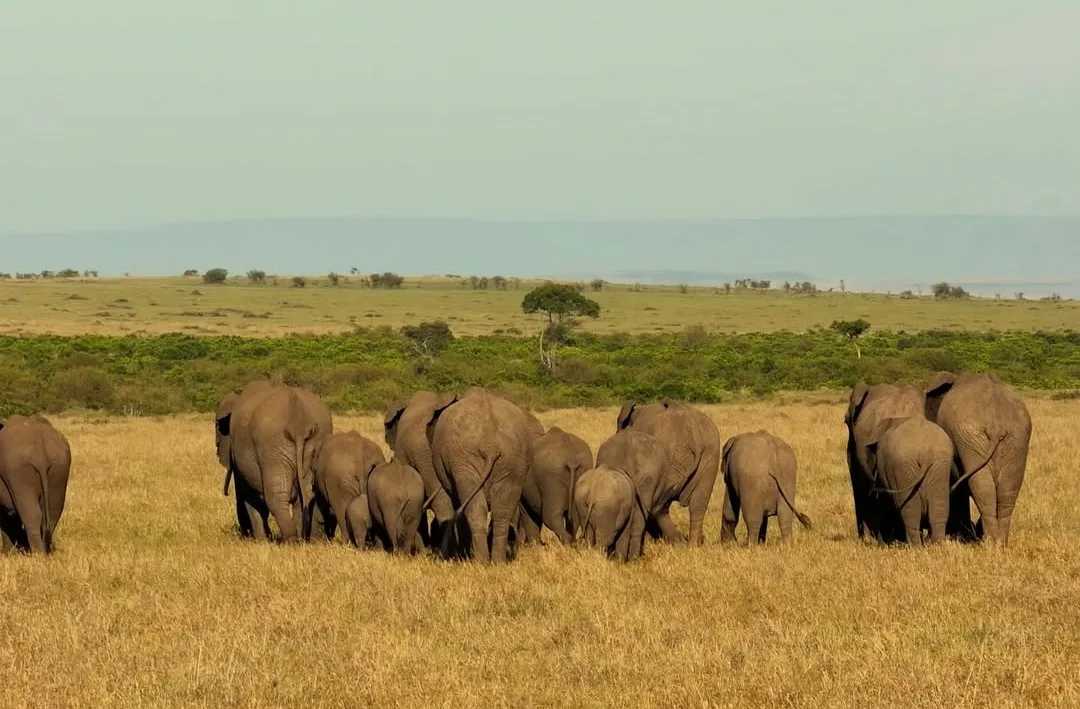
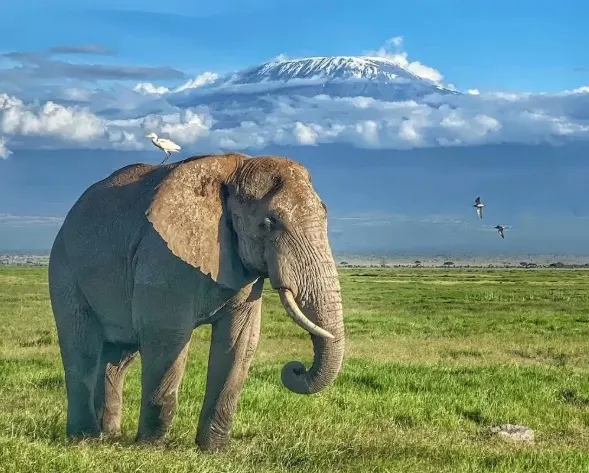
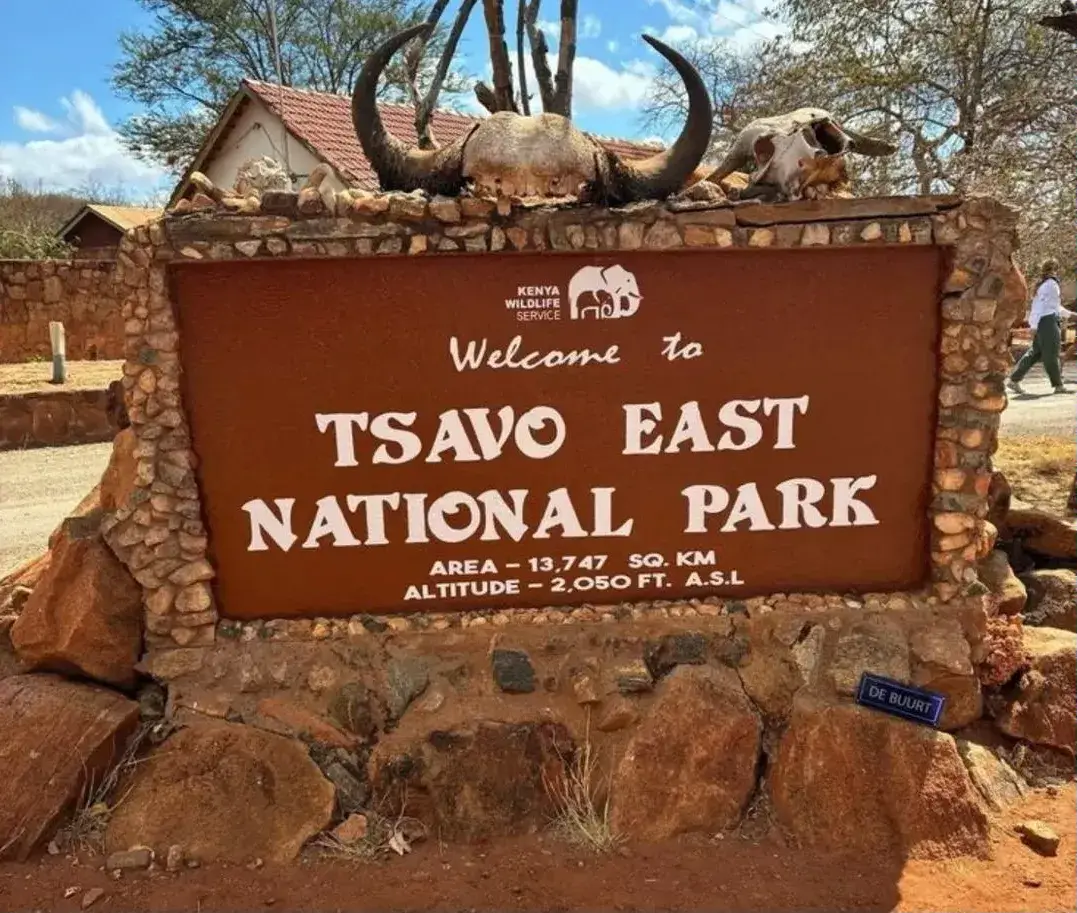
Amboseli National Park is best known for its large elephant herds set against the backdrop of Mount Kilimanjaro. For more rugged terrain, Tsavo East National Park features a different colour palette with its famous 'Red Elephants' and expansive, wild environments.
Trekking and Mountain Photography
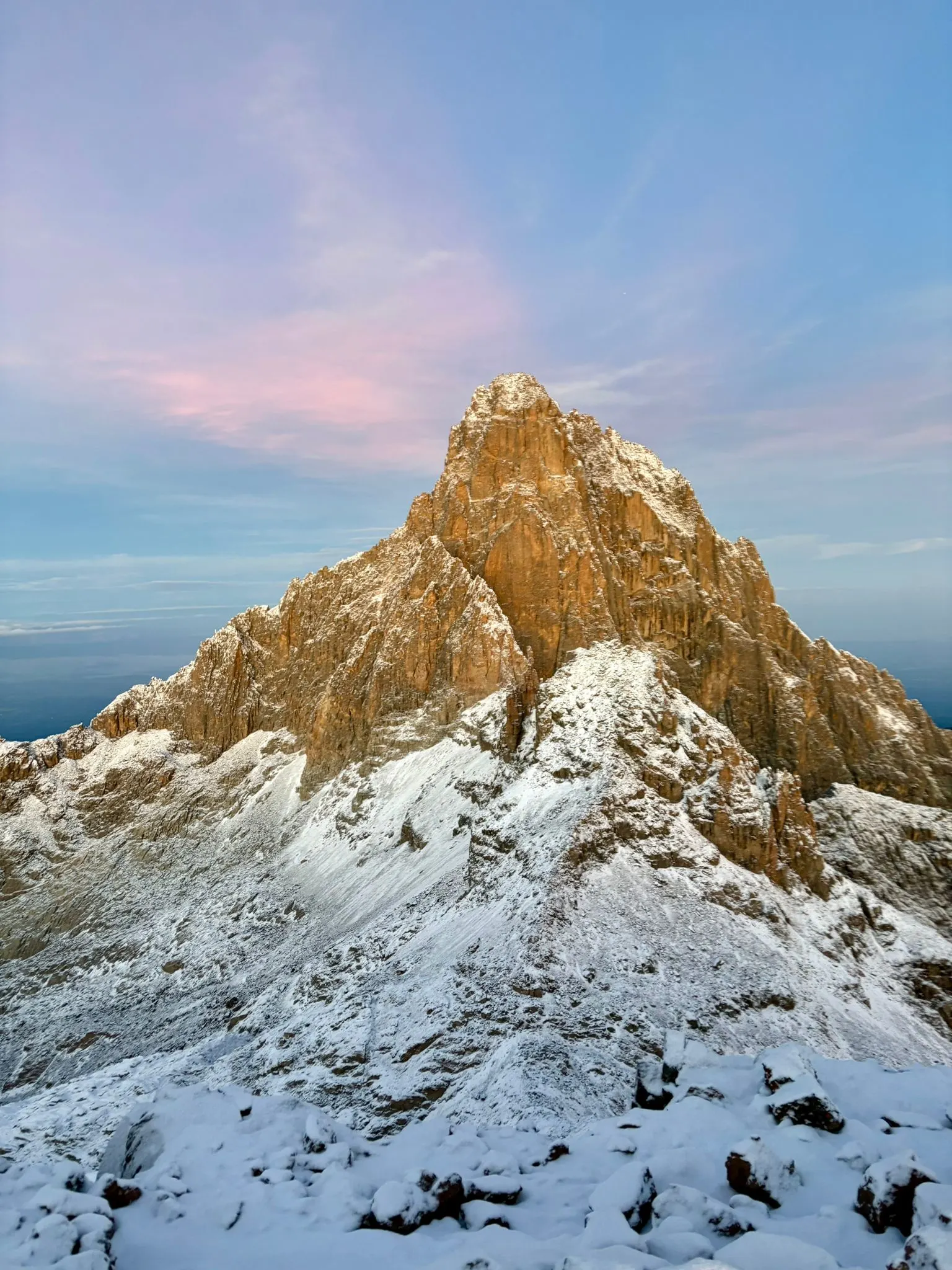
Mount Kenya is the primary destination for trekkers and high-altitude photographers. As Africa's second-highest peak, the mountain offers world-class trekking routes through unique Afro-alpine ecosystems. The Sirimon to Chogoria traverse is a recommended itinerary for capturing mountain scenery.
What specialist safari types are available beyond photography?
Kenya’s diverse environments support specialist safaris that extend beyond wildlife photography. These trips allow Australian travellers to focus on other specific interests, including ornithology, trekking, and cultural engagement.
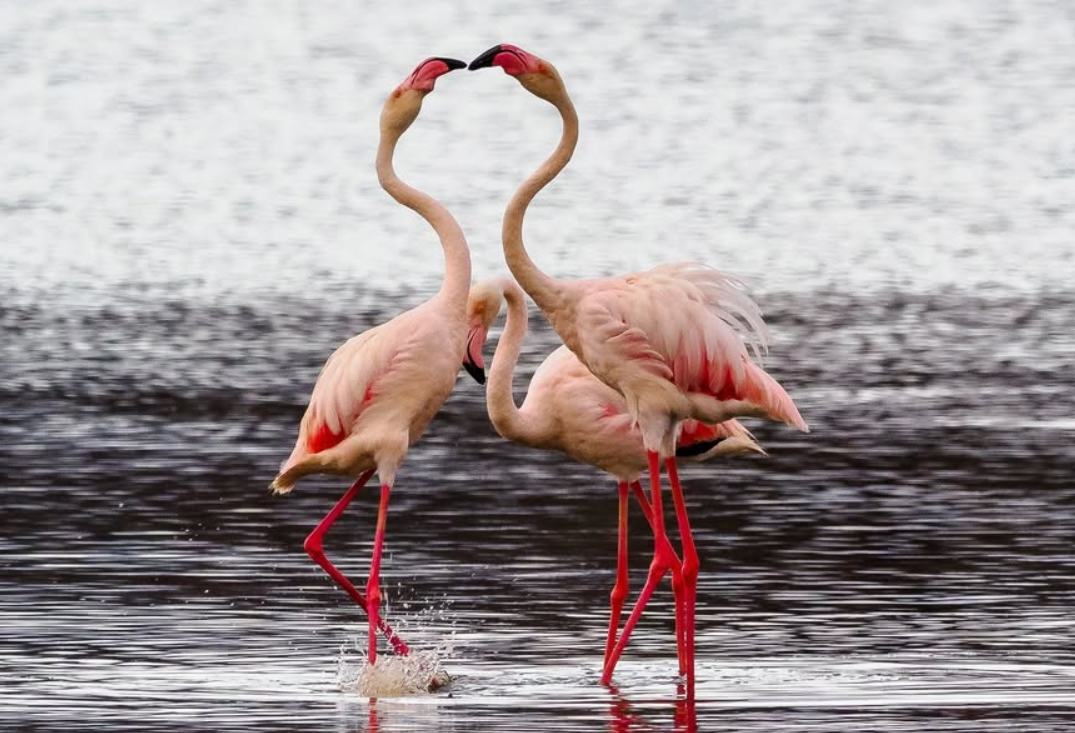
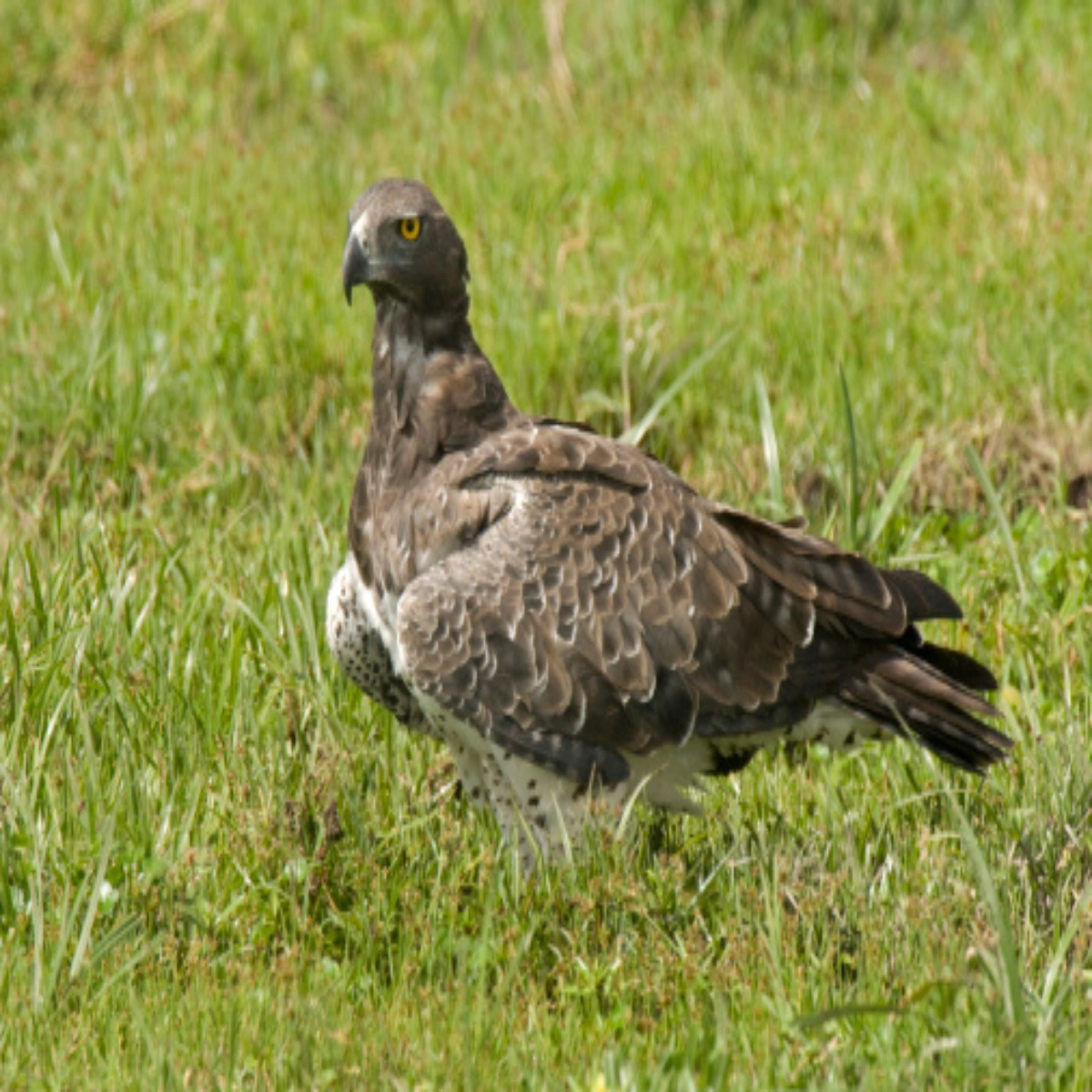
- Birdwatching Safaris: Kenya has over 1,100 recorded bird species. Specialist birding tours use expert guides to identify species across varied habitats, from the Great Rift Valley lakes to the Kakamega forest.
- Hiking and Trekking Safaris: Mount Kenya is the main destination for multi-day, high-altitude treks. Walking safaris in private conservancies are also available for guided bush walks at a lower altitude.
- Cultural Immersion Safaris: These trips offer structured engagement with local communities, such as the Maasai or Samburu. Travellers learn about local traditions and the community's connection to the environment.
Equipment and preparation specialist safaris require
Preparation for a specialist safari from Australia involves packing specific gear for your activity and organising travel documents well in advance.
Specialist Equipment and Clothing
Wildlife photography requires a DSLR or mirrorless camera, a long telephoto lens (300mm+), and a mid-range zoom. Bring extra batteries, memory cards, and a beanbag for camera stability in the vehicle. Protection against dust and rain for your camera gear is also recommended.
Trekking on Mount Kenya demands layered thermal clothing, waterproof outerwear, and well-worn hiking boots. You will also need gloves and a warm hat for cold, high-altitude conditions. For birdwatching, pack high-quality binoculars and a field guide.
Travel Documents and Health for Australians
All Australian travellers must organise the following before departure:
- Kenya eTA: A valid electronic Travel Authorisation is required for entry.
- Travel Insurance: Your policy must include cover for remote medical evacuation.
- Health Precautions: Consult a GP regarding required vaccinations and anti-malarial medication.
- Luggage Restrictions: Internal flights in Kenya have a strict luggage limit, typically 15kg per person in soft-sided bags. This affects packing for camera or trekking gear.
Why Kenya's Green Season is good for photography safaris
Kenya’s Green Season, from March to May and November to December, offers unique advantages for Australian photographers. The period typically involves short afternoon showers, not constant rain, which results in clear air and dramatic, cloud-filled skies that add depth to images.
The vegetation during the Green Season is green and vibrant, providing a colourful backdrop for wildlife. This is also a time of new life, with many animals giving birth. The lower number of tourists means more exclusive wildlife sightings and unhurried photographic opportunities.
For ornithologists, the Green Season is also ideal. The conditions attract many migratory bird species, increasing the diversity of sightings. This season provides a different photographic experience compared to the dry peak season.
When should Australians plan a specialist safari in Kenya?
The best time for an Australian to travel depends on the safari's focus, as Kenya's seasons offer different advantages. Your own schedule, such as school holidays, is also a key factor in planning.
| Season / Timing | Best For | Considerations for Australians |
|---|---|---|
| Dry Season (Jun - Oct) | Great Migration photography, general wildlife viewing, good trekking conditions. | Aligns with mid-year Australian school holidays. High demand requires booking far in advance. Expect more tourists. |
| Green Season (Mar - May & Nov) | Photography (dramatic skies, green scenery), birdwatching, calving season, lower prices. | Fewer crowds offer a more private experience. Some tracks can be muddy. Suited to photographers wanting different conditions. |
| Shoulder Season (Jan - Feb) | Excellent all-round conditions with fewer crowds than peak season. Good for birding and general safaris. | Fits within the long Australian summer school holidays. Weather is generally hot and dry. |
How to plan a custom specialist safari from Australia
Planning a custom safari from Australia is a collaborative process involving clear communication about your goals and logistical requirements. The process ensures your itinerary is built for long-haul travel and your specific interests.
The planning process typically includes these four steps:
- Define Your Focus: Clearly state your primary interest, whether it is photographing big cats, climbing a mountain, or identifying birds. Your goal determines the locations, trip duration, and the type of guide required.
- Collaborate on an Itinerary: Work with a safari specialist to select the right parks, lodges, and activities. Specify your needs, such as a private vehicle, a photographic guide, or certain trekking routes.
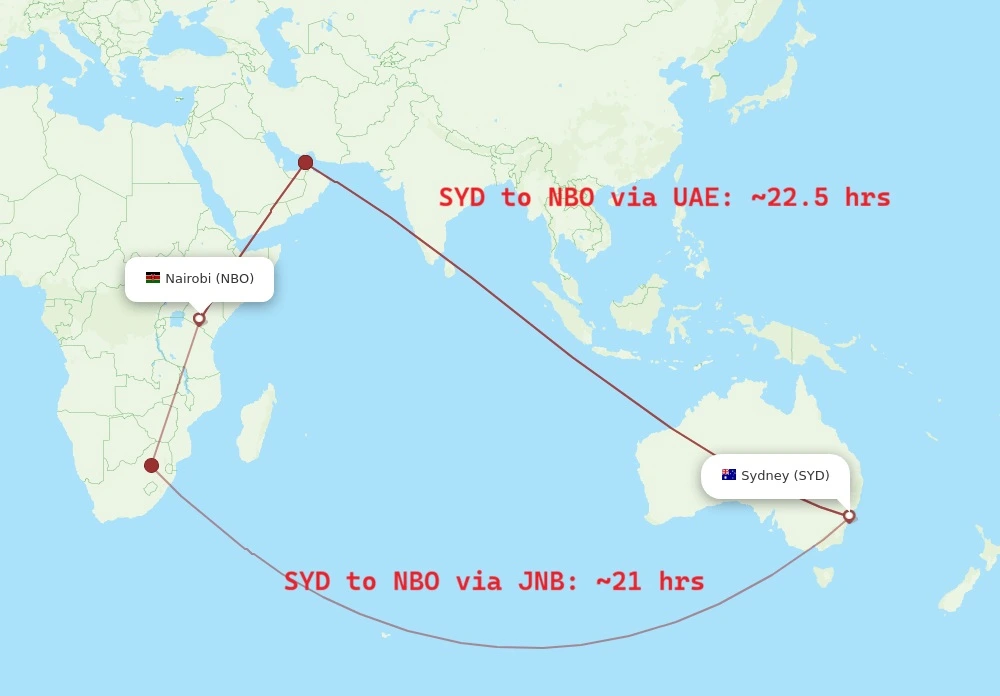
- Coordinate Logistics: After you book long-haul flights from cities like Sydney or Melbourne, your safari planner organises all in-country logistics. This includes internal flights, transfers, and park entries.
- Budget and Booking: Understand the different cost components, such as fees for expert guides or private vehicle use. Confirm all inclusions and the payment schedule, noting currency conversion from AUD.
How expert guides and lodges are chosen for specialist safaris
The success of a specialist safari depends on the guide's expertise. A specialist trip requires a guide with a higher level of knowledge than a standard driver-guide. For example, a photographic guide must also understand light, vehicle positioning, and animal behaviour for creative shots.
A certified mountain guide is required for a safe ascent of Mount Kenya. We ensure all guides have the specific credentials for your chosen activity as part of our trip organisation.
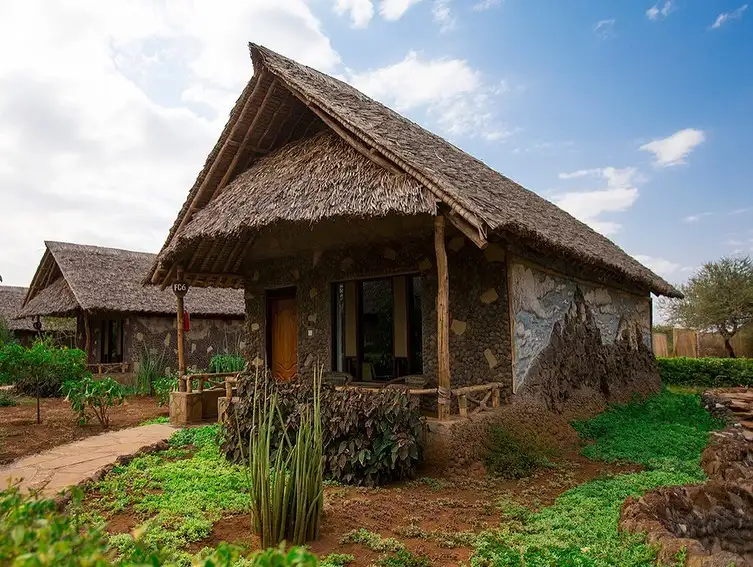
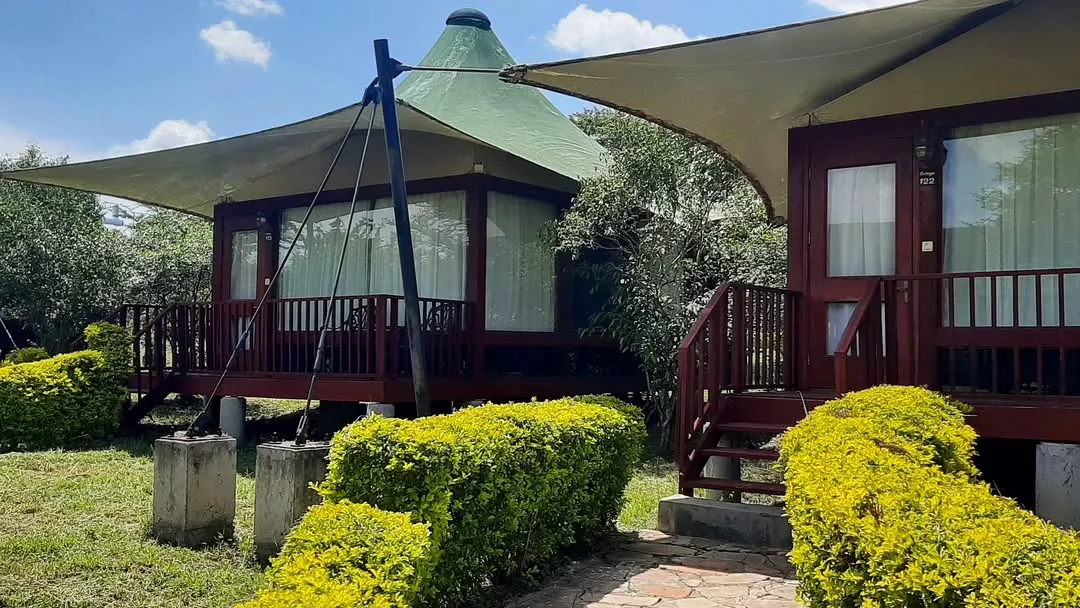
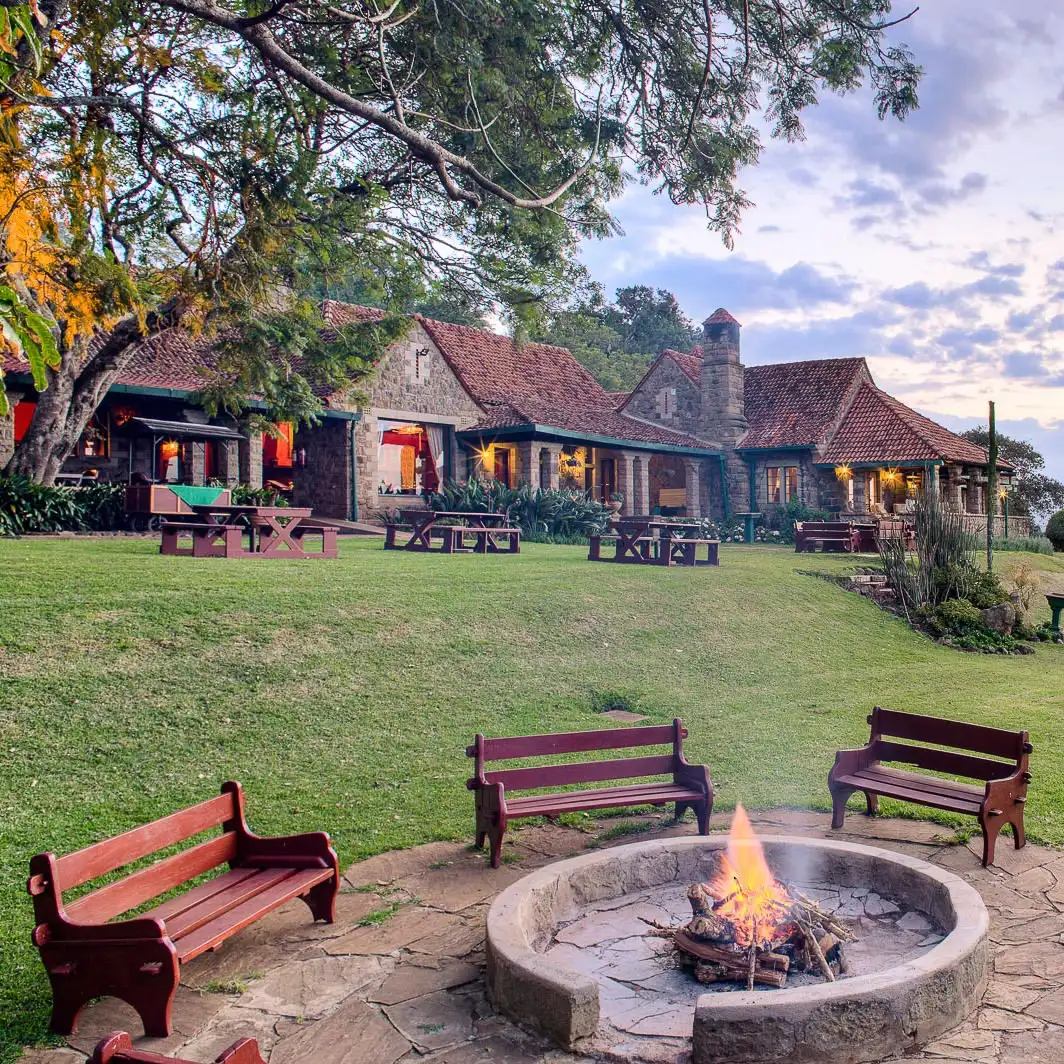
Accommodation is also selected for its strategic location and facilities. Lodges such as Aa Lodge Mara and Aa Lodge Amboseli are chosen for proximity to wildlife hotspots. These properties support specialist needs with services like flexible meal times and reliable power for charging equipment.
Design Your Custom Kenyan Photography or Specialist Safari
A custom itinerary allows you to build a trip around a specific goal, such as creating a photography portfolio, identifying bird species, or climbing Mount Kenya. A bespoke journey provides the flexibility and dedicated focus that a standard group tour cannot offer.
Our team specialises in creating these experiences for Australian travellers. We manage the complex logistics to build a practical itinerary based on your interests. To start the conversation, plan your personalised safari with our experts.
Explore Featured Specialist Safari Itineraries
These safari packages show the types of specialist trips we can organise. You can use them as a starting point for developing your own custom itinerary.
- 5-Day Rift Valley & Masai Mara Safari: An itinerary focused on the iconic wildlife of the Masai Mara and the birdlife of the Rift Valley lakes, suited for photographers.
- 5-Day Sirimon to Chogoria Traverse (Scenic Route): A route for trekkers and photographers, covering diverse scenery from moorlands to glacial valleys on Mount Kenya.
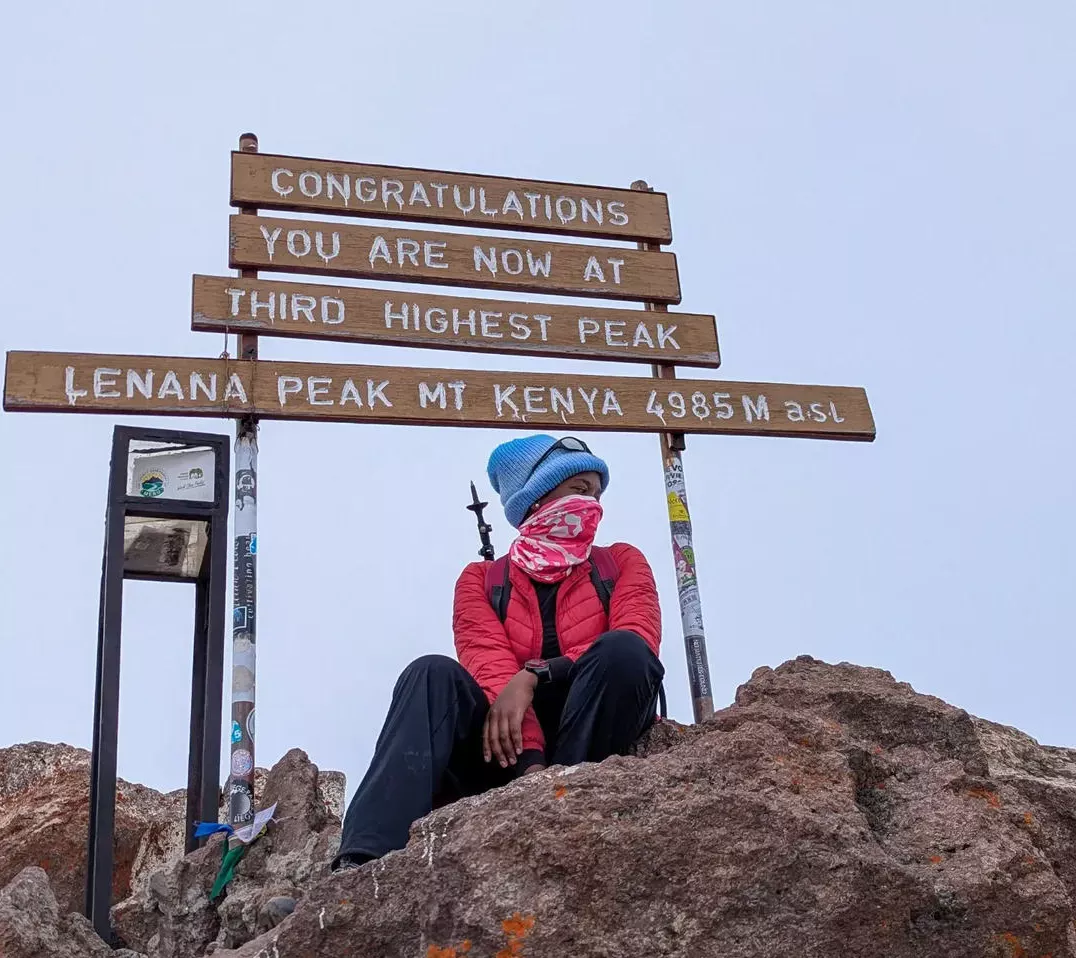
- 6 Days Mount Kenya Climbing Tour Package: A trek for adventurers aiming to summit Point Lenana, including acclimatisation days and expert support.