


Cultural and historical safaris in Kenya add interactions with local communities and visits to heritage sites to a traditional wildlife itinerary. Australian travellers can engage with cultures like the Maasai or Samburu and see evidence of ancient human history in the Great Rift Valley.
These specialised itineraries are constructed to balance authentic cultural exchanges with game drives in national parks. This guide explains how to design a custom cultural safari from Australia.
Cultural experiences Australians get on a Kenya safari
Kenya provides many opportunities for cultural encounters that directly support local communities. We organise interactions that focus on authentic engagement rather than brief roadside visits. The available experiences depend on the region you visit.
| Community & Region | Typical Activity | Level of Immersion |
|---|---|---|
| Maasai (Amboseli, Masai Mara) | Visit a traditional boma (homestead), learn about pastoralist life, and engage with community elders. | Moderate to high. Options range from a few hours' visit to overnight stays in community-run camps. |
| Swahili (Lamu, Mombasa Coast) | Guided walking tours of Lamu Old Town, dhow sailing, and Swahili cooking classes. | High. Involves active participation and learning about a culture developed from centuries of Indian Ocean trade. |
| Samburu (Northern Kenya) | Learn about the semi-nomadic lifestyle, the significance of beadwork, and unique traditions. | Moderate. Often integrated with wildlife safaris in reserves like Samburu National Reserve. |
| Kikuyu (Central Highlands) | Visit small-scale coffee and tea farms to understand local agriculture and its cultural importance. | Moderate. Provides insight into the economic and social fabric of Kenya's largest ethnic group. |
Kenya's most significant historical sites for travellers
Kenya's historical sites range from prehistoric archaeological locations to colonial-era forts. A historical safari incorporates these landmarks into your wildlife viewing itinerary.
The Great Rift Valley
The Great Rift Valley, a UNESCO World Heritage Site, contains prehistoric sites with evidence of early human activity. The Olorgesailie Basin, for example, has tool artefacts dating back over a million years. Visiting these sites adds a layer of human history to the region's famous landscapes.
Coastal Swahili Heritage
The Kenyan coast showcases a rich Swahili history. Lamu Old Town is the best-preserved Swahili settlement in East Africa and a UNESCO site. The nearby Gede Ruins are the remains of a medieval Swahili city.
In Mombasa, Fort Jesus is a 16th-century Portuguese fort that demonstrates the historical trade and conflict along the coastline. The fort is also a registered UNESCO World Heritage Site.
How to combine cultural tours with a Kenya wildlife safari
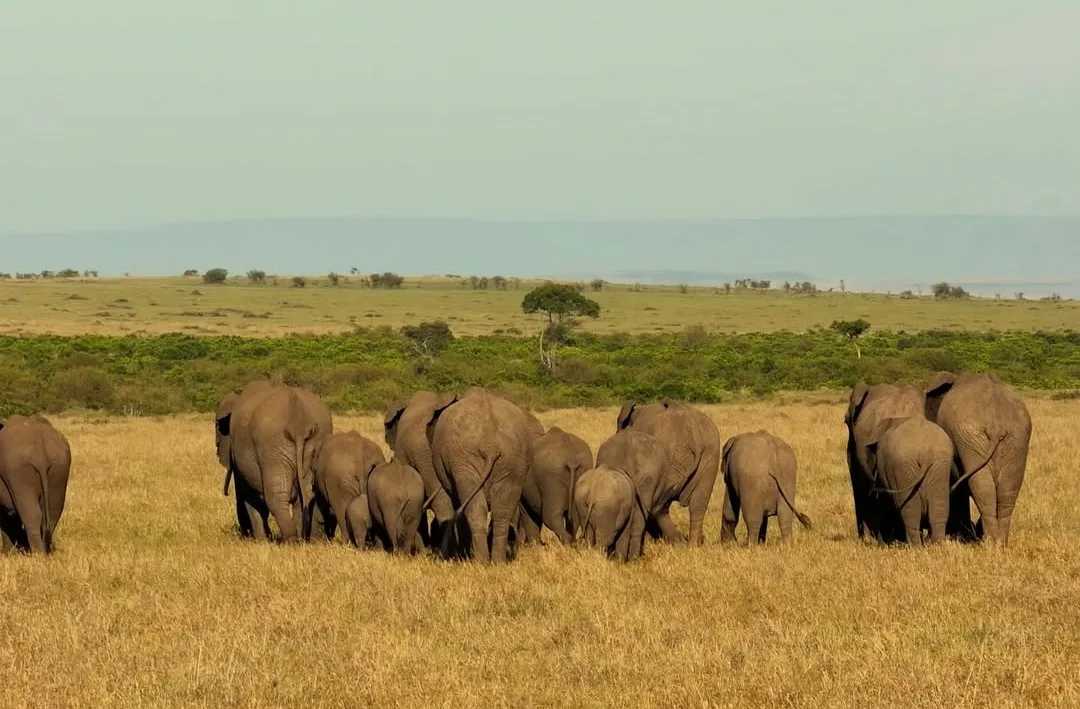
Combining cultural sites and wildlife viewing is straightforward due to the locations of Kenya's parks and communities. For instance, a safari in Amboseli National Park can include a visit to a local Maasai community, offering insight into their coexistence with wildlife.
A journey through the Great Rift Valley can mix game drives in Lake Nakuru or Naivasha with visits to palaeontological sites. This approach provides context for both the wildlife and the human history of the area.
A common itinerary for Australian travellers begins with wildlife safaris in parks like the Masai Mara National Reserve. The trip then concludes with a flight to the coast to experience the Swahili culture in Lamu or Mombasa, creating a 'bush-and-beach holiday'.
Best duration and timing for a cultural safari from Australia
A minimum of 10 to 14 days is recommended for a cultural and historical safari from Australia. This timeframe accommodates long-haul travel and allows enough time for different regional experiences without a rushed schedule.
The best time to travel is during Kenya's dry seasons, from June to October and January to February. These periods offer ideal conditions for wildlife viewing and comfortable travel. The Australian school holidays in June-July and September-October align with the dry season and the Masai Mara's Great Migration.
Booking well in advance is necessary for these peak travel times. Travelling in the shoulder seasons can also be a good option with fewer people at historical sites.
Who should choose a cultural and historical safari?
This type of safari suits Australian travellers who want to learn about the country's heritage in addition to seeing wildlife. The itinerary moves beyond wildlife observation to include active learning and community engagement.
- Families: These safaris offer educational opportunities, bringing history and social studies to life for children. Learning about Maasai traditions or ancient history provides valuable context for the family holiday.
- Couples and Honeymooners: A combination of a classic safari with the history of Lamu or a private community visit creates a unique shared experience.
- History and Anthropology Enthusiasts: Travellers with an interest in human origins, archaeology, or different cultures will find these itineraries highly rewarding.
- Repeat Visitors to Africa: A cultural and historical focus provides a new perspective for those who have already been on a traditional wildlife safari in Kenya.
This safari style may be less suitable for travellers whose only goal is to maximise time on game drives.
How to engage ethically with Kenyan communities
Responsible tourism ensures cultural interactions are respectful and benefit local communities. Australian travellers should always ask for permission before taking photographs of people, especially elders and children.
Support communities by purchasing authentic, locally made crafts directly from artisans. Contributing to a community-managed project like a school or clinic is more sustainable than giving direct hand-outs. We only partner with local initiatives where tourism revenue directly supports the wider community.
eTA and travel logistics for Australians visiting Kenya
Kenya eTA for Australian Citizens
Australian citizens require an Electronic Travel Authorisation (eTA) to enter Kenya. The eTA system replaced the previous visa process. You must apply for the eTA online before your departure from Australia.
Flights from Australia to Kenya
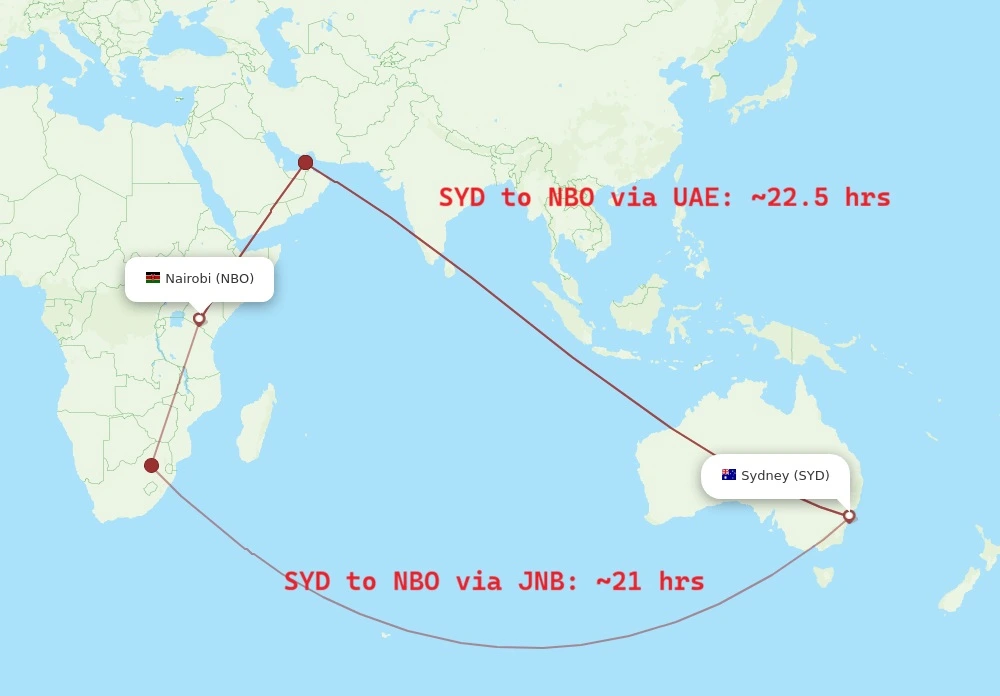
No direct flights operate between Australia and Kenya. Common routes from Sydney, Melbourne, or Brisbane include a single stop in a Middle Eastern hub like Dubai, Doha, or Abu Dhabi.
Acclimatisation and Arrival
The long-haul flight requires some planning. We recommend scheduling a relaxed first day in Nairobi to recover from jet lag before starting your safari. Packing medications and essentials in your carry-on luggage is also advisable.
How to plan a custom cultural and historical safari from Australia
Planning a custom cultural and historical safari starts with identifying your main interests. Decide if you want to focus on human evolution, specific indigenous cultures, or Swahili trade history.
Working with a safari specialist helps balance your interests with travel logistics. A specialist can suggest routes, arrange private guided tours of historical sites, and organise authentic community visits.
You can use our online safari planner to outline your interests, preferred travel dates, and budget. This information provides our team with the basis to design a suitable itinerary for your trip. [Plan your custom Kenya safari]
Start designing your cultural and historical safari
A custom itinerary ensures your safari from Australia includes the specific cultural and historical elements that interest you most. The process combines expert logistical planning with your personal preferences for a complete experience of Kenya.
If you are ready to combine iconic wildlife viewing with deep cultural and historical immersion, our team can help organise the details. Start planning your safari today to receive a custom itinerary based on your travel style.